
Honolulu Snorkeling Guide: Best Spots, Tours, and Tips
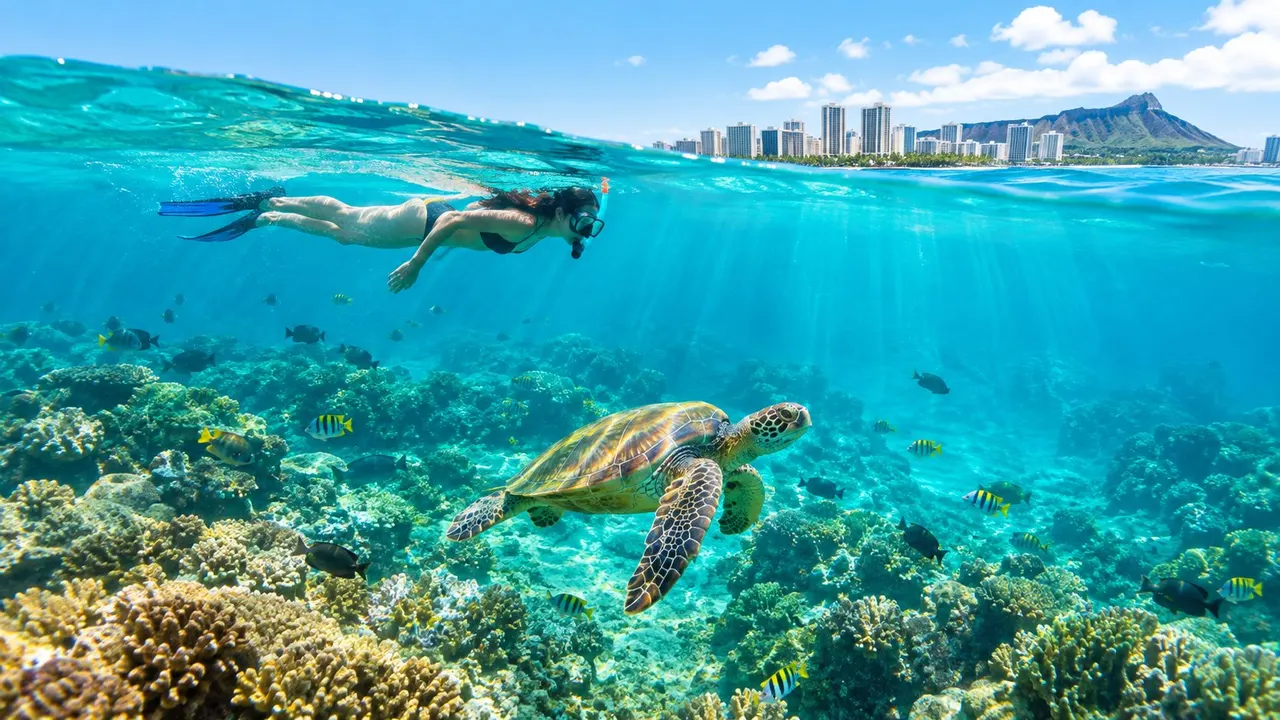
You've got a Waikīkī hotel reservation, a snorkel mask in your luggage, and a weather app that says “mostly sunny.” The question is where to enter the water without spending the morning in a crowd, fighting murky conditions, or watching someone stand on coral.
The strongest Honolulu snorkeling experience often starts offshore at Turtle Canyon, not from a beach. From Kewalo Basin, a boat gets you beyond the busy inner reef, where guides can assess the water, position the group, and give turtles room instead of pushing more swimmers into the same shallow patch. The famous shore sites still matter, but the right choice depends on your ability, the swell, the rain, and how seriously you take reef etiquette.
What Honolulu Snorkeling Actually Feels Like
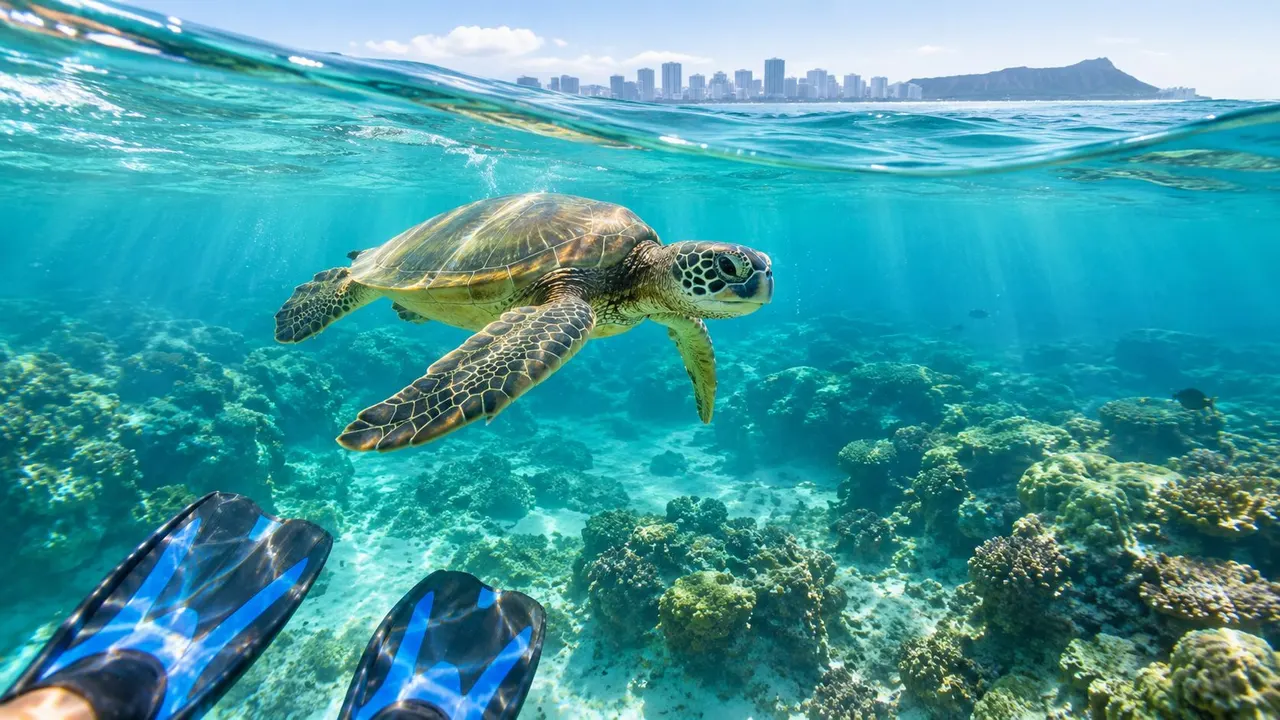
The engine drops to idle at Turtle Canyon. Fins slap the surface, then the boat noise fades when you put your face in the water. A Hawaiian green sea turtle pivots below, with a bright sand patch near the reef edge and the Waikīkī skyline behind your shoulder.
On a calm morning, the water feels warm and clear. Visibility can reach roughly 15 to 30 feet on good days, although wave action and stirred sediment can change the view quickly, as explained in this Waikīkī snorkeling conditions report. Underwater, the city drops away. You hear breathing, bubbles, and an occasional fin stroke from the swimmer beside you.
The part shore guides often undersell
Hanauma Bay is protected and approachable for beginners, but popularity changes the experience. A University of Hawaiʻi study described it as Hawaiʻi's most heavily snorkeled coral reef, with about 2,500 to 3,500 visitors per day. It found that roughly 97% remained on the inner reef flat rather than moving into deeper water (Hanauma Bay carrying-capacity study).
That concentration produces the problems guides see repeatedly: swimmers bunch together, and visitors put their feet on living habitat for balance. A boat trip changes the spacing and lets the crew place swimmers where conditions and wildlife allow. Shore snorkeling still has its place, but reef etiquette and crowd pressure often determine the quality of the outing more than visibility alone.
You will compare sites, equipment, timing, and turtle behavior with those constraints in mind.
When Conditions Are Right for Snorkeling in Waikiki
At Turtle Canyon, a boat can leave Waikīkī's crowded reef flat behind, but it cannot override wind, swell, runoff, or reef etiquette. The same judgment applies whether you enter from shore or board out of Kewalo Basin. Crowd pressure and conditions, not visibility alone, decide whether a snorkel feels relaxed and responsible.
Waikīkī snorkeling usually works best before the trade winds build. Local planning guidance identifies May through early October as the clearest general stretch, often before about 10 a.m., with good days reaching roughly 15 to 30 feet of visibility (Waikīkī snorkeling planning guide). For a broader comparison of shore and boat options, see this guide to snorkeling on Oʻahu.
The reef flat contains rubble, coralline algae, and sediment, so even modest waves can cloud the water. The outer reef edge drops to about 15 to 20 feet. Summer swells can make that edge hazardous while the beach still appears calm (Waikīkī reef conditions).
Read the day in this order
- Check the water before the calendar. Clean, lightly rippled water matters more than a favorable month. Murky water at the entry commonly worsens farther out.
- Choose the morning when possible. Early trips usually bring calmer surface conditions and less sediment movement. Afternoon wind can turn an easy float into constant finning, especially for children and inexperienced swimmers.
- Treat rain as a safety concern. After heavy rain, Hawaiʻi Department of Health guidance recommends staying out of the ocean for at least 72 hours, because runoff can raise bacteria levels and reduce clarity, including near drainage flowing toward the Ala Wai Canal (rain and ocean safety guidance).
| Month | Typical Visibility | Swell Risk | Verdict |
|---|---|---|---|
| January to March | Variable, especially after fronts or rain | Higher exposure to rough periods | Choose only after checking live conditions |
| April | Often improving | Transitional | Good when the water is clean |
| May to September | Frequently clearest in the morning | Usually lower on the Waikīkī side | Strong default for beginners |
| October to December | Variable | Increasing chance of unsettled conditions | Keep a flexible backup plan |
Captain's rule: If the entry looks brown, windy, or foamy, do not let a prepaid plan make the decision for you. A clear forecast cannot remove runoff already in the water.
Top Snorkeling Spots from Shore and by Boat
Honolulu's main snorkeling sites serve different swimmers. Hanauma Bay offers a structured, protected introduction. Shark's Cove gives confident swimmers a seasonal North Shore option. Turtle Canyon provides the offshore experience from Kewalo Basin, with a crew handling the boat logistics and helping guests watch wildlife without crowding the reef.
Hanauma Bay for sheltered learning
Hanauma Bay is the most straightforward choice for a first snorkel when reservations and conditions cooperate. Its volcanic setting shelters shallow water, and the formal entry system manages visitor access. The trade-off is a busy shoreline and reef. Earlier carrying-capacity research found that reef conditions, available space, and visitor satisfaction could remain sustainable under the management approach then studied, while snorkeling was the main reason for most visits and many guests were new to the activity (Hanauma Bay carrying capacity data).
Book ahead and expect an organized shore outing, not solitude. The route into the bay includes steps, so account for mobility, children, and the equipment you must carry. Once in the water, give fish and other swimmers room instead of stopping directly over the busiest coral.
Shark's Cove when the North Shore is calmer
Shark's Cove is a rocky entry with lava formations, channels, and changing depth. It can be excellent during calmer summer conditions, particularly when the Waikīkī side is less comfortable. I do not use it as a default first-timer site. Uneven rock, surge, and moving water require stronger balance and water confidence.
The approach also involves rocks, so secure footwear matters before entering. Choose a calm, clearly defined entry and keep the exit route in view. If surge is pushing through the channels, wait for a better day rather than treating the cove like a sheltered pool.
Turtle Canyon for the offshore experience
Turtle Canyon is a short boat ride from Kewalo Basin, making it practical for visitors staying in Waikīkī. The trip skips the long shore approach and places swimmers near an established turtle-viewing area. Open water brings a different trade-off: guests need a proper briefing and must be comfortable floating where the bottom is deeper.
A guided Turtle Canyon snorkeling trip suits families, first-timers, and anyone who wants the crew assessing the site instead of guessing from the beach. The boat-based experience also makes reef etiquette easier to manage, because guides can spread swimmers out, set boundaries around turtles, and move the group when a ledge becomes congested.
| Site | Access | Skill Level | Best For |
|---|---|---|---|
| Hanauma Bay | Shore entry, steps, advance reservation | Beginner to intermediate | Protected learning and shallow reef viewing |
| Shark's Cove | Rocky shore approach and entry | Intermediate | Summer conditions and confident swimmers |
| Turtle Canyon | Boat departure from Kewalo Basin | Beginner with supervision to intermediate | Offshore water, guided wildlife viewing, and convenience |
Choose Hanauma Bay for a structured first lesson, Shark's Cove when North Shore water is calm and you are a capable swimmer, and Turtle Canyon when crew support, offshore access, and respectful wildlife viewing matter most.
Why a Guided Snorkel Tour Is Worth It
A guided trip earns its place by solving two problems at once: reading patchy conditions and finding worthwhile marine life without disturbing it. A beach can look inviting while the reef outside the break is clouded by sediment, or a site can be technically open while the current makes it unsuitable for a nervous swimmer.
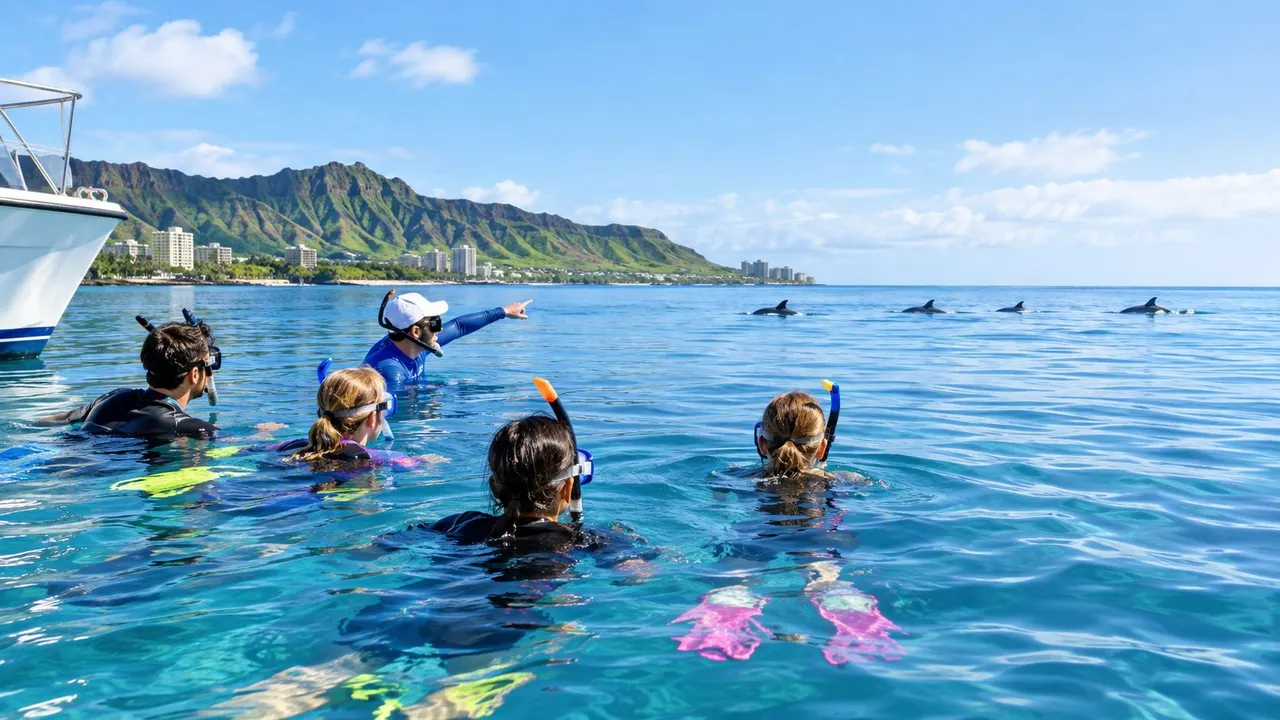
Kewalo Basin crews can adjust the plan based on what they see that morning. They know which Turtle Canyon ledge is holding turtles, whether a reef section has become crowded, and when the sensible move is to shift toward a more protected leeward location. That flexibility is difficult to reproduce with rented gear and a map.
What the crew changes in the water
A responsible operator supplies more than a mask and fins. Look for:
- Real-time site judgment: The captain can skip a poor site instead of forcing the itinerary.
- Redundant equipment: Spare masks, defog, float belts, and properly fitted gear matter when a guest's seal fails.
- Active supervision: A crewmember in the water can notice fatigue, separation, or panic early.
- Clear wildlife briefings: Guests learn how far to stay from turtles and how to avoid blocking their route.
For children, non-swimmers, and adults who haven't snorkeled before, a float belt and a calm guide can change the entire experience. The goal isn't to push someone into deeper water. It's to create a stable, controlled first session where they can breathe normally and look around.
Living Ocean Tours' Honolulu snorkeling option departs from Kewalo Basin and includes guided instruction and equipment, with a focus on safety and responsible wildlife viewing. Compare operators on crew supervision, departure location, cancellation terms, and how they handle poor conditions, not just on the advertised turtle photo.
What to Wear and Bring for a Honolulu Snorkel
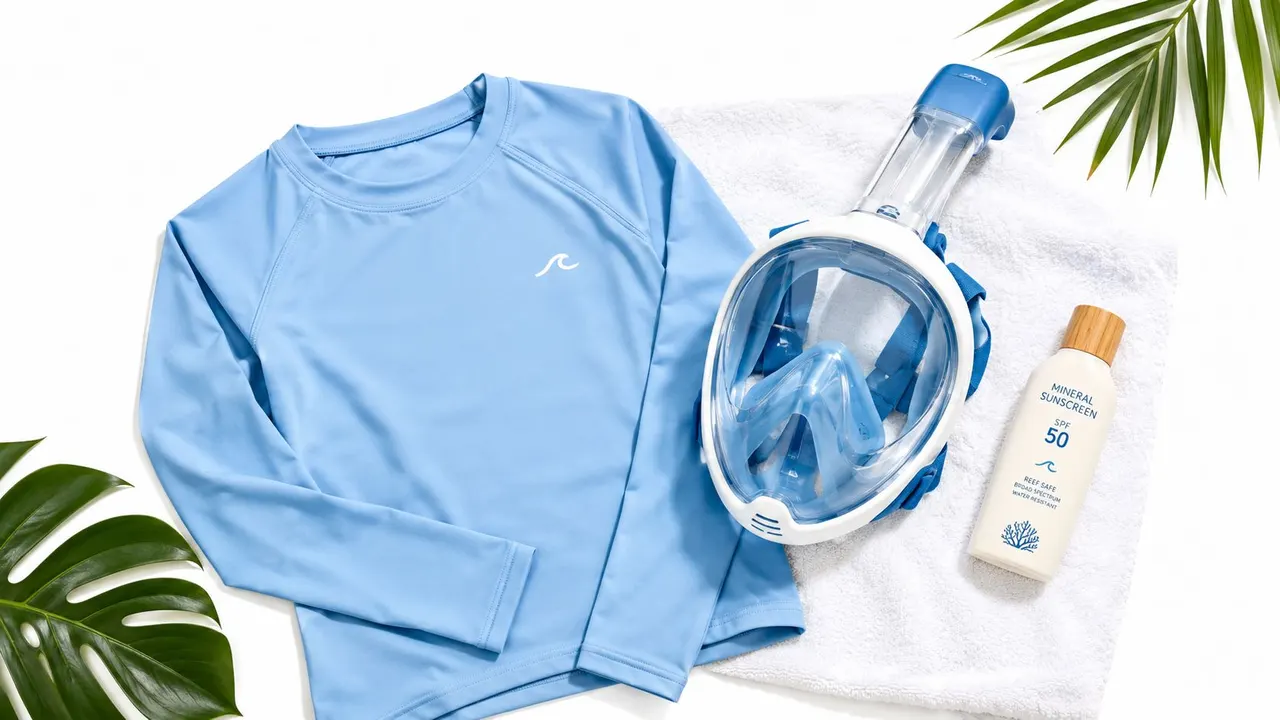
Water that feels warm at the beach can feel cool after a sustained float. A 3mm wetsuit or long-sleeve rash guard is useful even in summer, particularly for children, lean swimmers, and anyone who tends to lose heat while looking down instead of moving.
Use a low-profile mask with a soft silicone skirt and a dry-top snorkel. Fins should fit your foot securely without crushing your toes, and the blade should match your strength and comfort rather than being the largest rental pair available.
Pack for control, not clutter
- Mineral sunscreen: Choose zinc oxide or titanium dioxide, avoid oxybenzone, and apply it before entering the water so it has time to bond to your skin.
- A mesh bag: Keep mask, snorkel, fins, and small personal items together without trapping wet gear in a sealed pouch.
- Dry essentials: Bring water, a towel, and a dry change of clothes.
- Comfort layers: A rash guard protects against sun and helps reduce chilling during a long surface session.
Leave jewelry, heavy rings, and touch-screen watches on the boat or in your hotel safe. They add snag points and don't improve the experience.
Avoid loose noodles and badly fitting disposable fins. A noodle can drift into the reef, while a fin that slips or rubs turns every kick into a distraction. Hawaii Ocean Safety specifically says never stand on coral and never feed marine life (Hawaiʻi snorkeling safety guidance). A properly fitted flotation aid helps you remain horizontal, which protects both your comfort and the reef.
For a detailed preparation checklist, use this Oahu snorkeling packing list and confirm what your chosen operator already supplies.
Same-Day Go or No-Go Decision Making
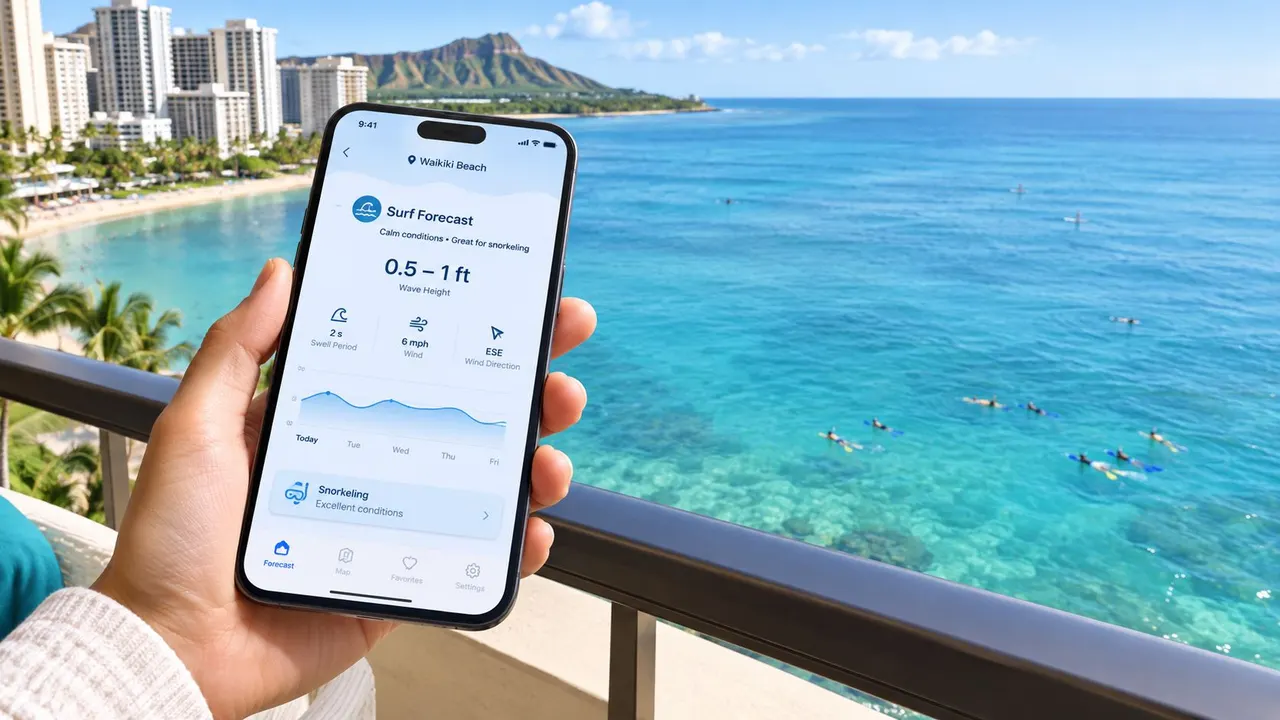
A sunny Waikīkī morning can still produce a poor snorkel. Before leaving the hotel, check water movement, wind, visibility, and recent rain. The ocean, not the calendar, makes the final call.
Check the surface first
Stand at the entry point and watch the water beyond it. Strong shorebreak, whitewater over the reef, or a brown plume calls for a different plan. Hawaii Ocean Safety advises checking conditions, using a buddy system, and avoiding high surf, heavy shorebreak, strong currents, dawn or dusk, and murky water (Hawaiʻi Ocean Safety advice).
A boat trip needs the same judgment. From Kewalo Basin, ask the captain whether the route can shift to a more sheltered site. Turtle Canyon may offer a better offshore experience than a crowded beach, but no famous location is worth entering rough or dirty water.
Treat runoff as a hard stop
Rain can leave bacteria and sediment in the water after the beach appears calm. After heavy rain, follow the 72-hour ocean avoidance guidance from the Hawaiʻi Department of Health, particularly near urban drainage and the Ala Wai Canal. The rainfall safety guidance explains why waiting matters.
Use a final water test
- Water clarity: Can you see the bottom from shore, or does the water become opaque nearby?
- Wind and waves: Can you hold position with relaxed fin strokes?
- Safety margin: Do you have a buddy, a clear exit, and enough energy to return calmly?
If one answer is poor, postpone, change sites, or ask the operator about a safer leeward option. A responsible captain will relocate or cancel rather than turn marginal conditions into a rescue.
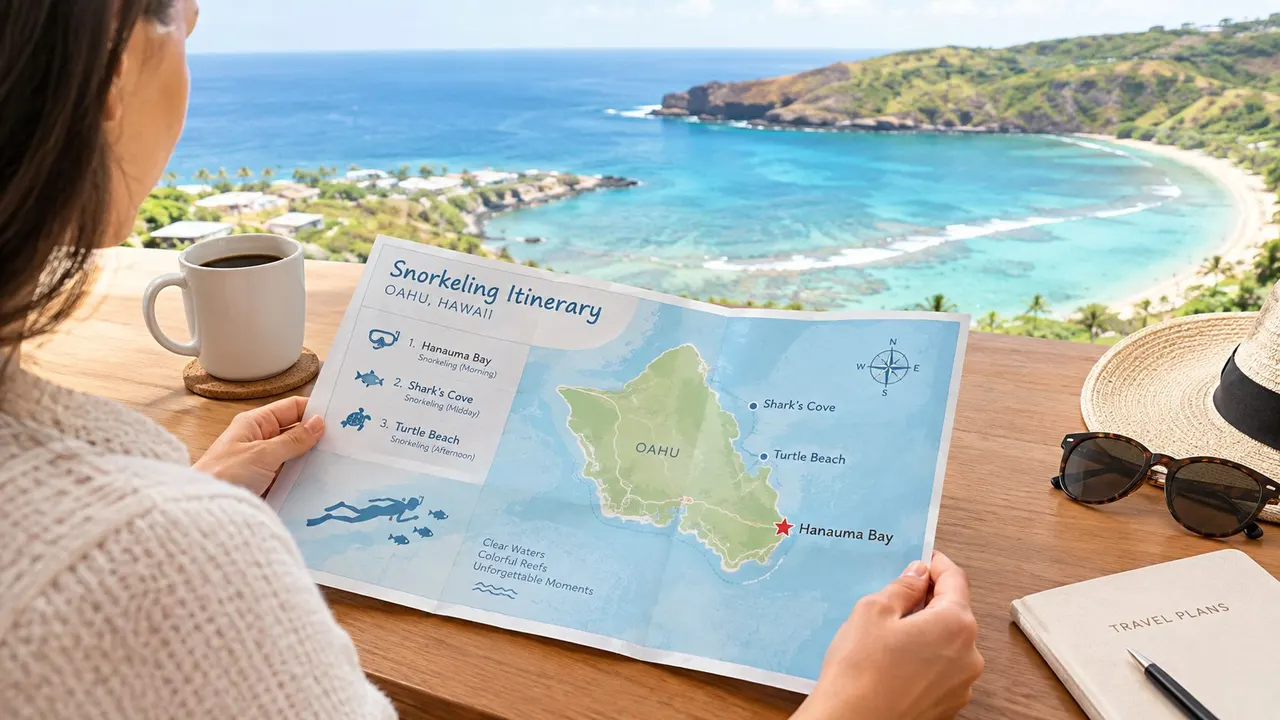
Sample Honolulu Snorkeling Itineraries
A good plan leaves room for the ocean to disagree with your calendar. The following schedules use a protected shore morning, an offshore trip, and a non-water backup rather than stacking every activity around one perfect forecast.
A family-friendly three-day plan
Day 1 starts at Hanauma Bay. Secure the early online entry before the children wake up, then choose a later window if the family needs more time to get moving. After snorkeling, eat in Hawaiʻi Kai rather than rushing straight back to Waikīkī, then spend the afternoon rinsing gear, applying moisturizer, and resetting for the next day.
Day 2 moves offshore. Take the morning Turtle Canyon departure from Kewalo Basin, when conditions are often easier for beginners. Follow the boat trip with lunch at Marukai Market and a relaxed beach hour at Ala Moana, keeping the afternoon low-pressure after time in the sun.
Day 3 becomes the weather buffer. If the water is unsettled, walk Diamond Head's tidepool area at low tide only where conditions allow, then choose a sunset sail or another dry-land activity. Keep an indoor plan available for rain rather than trying to salvage a poor snorkel.
A couples itinerary with more flexibility
Day 1 heads to Shark's Cove when North Shore conditions are calm and both swimmers are comfortable with rocky access. Pair it with dinner in Haleʻiwa, but leave early enough to avoid turning the shore session into a rushed stop.
Day 2 uses the evening well. Take a Living Ocean sunset cruise for golden-hour coastline views, adding snorkeling only if the crew finds suitable conditions. A sunset departure is about atmosphere and flexibility, not a guarantee that the water will offer the same clarity as an early morning.
Day 3 is for a private feel. A private catamaran charter along the Waikīkī shelf allows the crew to tailor the pace and location, followed by a late lunch at Duke's. Keep an indoor alternative ready whenever surf or trade-wind rain makes the water unattractive.
Booking Tips and Responsible Reef Habits
The cheapest-looking reservation isn't always the safest or most useful one. Book directly with the operator when possible, verify the departure marina, and ask what happens if the captain decides conditions aren't appropriate. Before paying, confirm the boat's flotation equipment, surface-marking practices, guide supervision, and the actual guest-to-guide arrangement.
Pay with a credit card rather than sending money to an individual through a wire transfer or gift card. Read the cancellation language before committing, especially when rain or poor visibility is common during your travel dates.
Keep your distance from wildlife
NOAA guidance for Hawaiian green sea turtles calls for at least a 10-foot viewing distance, while some local guides recommend 15 feet as a practical buffer because surge can move swimmers toward an animal (turtle viewing guidance). Don't touch, feed, chase, hover over, or block a turtle's path.
The Hawaiʻi turtle snorkeling rules are worth reading before you enter the water. In Waikīkī's Marine Life Conservation District, regulations prohibit taking, injuring, killing, possessing, or removing marine life, and also prohibit taking or altering sand, coral, rock, or other geological features (Waikīkī conservation rules).
The reef habits that actually matter
- Stay horizontal: Use flotation rather than your feet when you need stability.
- Choose sand: If you must stand, do so only on a clear sandy patch, never on coral.
- Leave animals an exit: A turtle shouldn't have to swim through a wall of people.
- Rinse responsibly: Clean gear with fresh water between sites without dumping rubbish or sunscreen into the ocean.
- Reward careful crews: Tip according to the service you received, and leave a detailed review that mentions safety, communication, and reef conduct.
Crowding is not only an inconvenience. Independent field research at Hanauma Bay recorded 168 reef disturbances among 327 surveyed snorkelers, or approximately one disturbance for every two snorkelers (Hanauma Bay annual report). Choosing an off-peak or guided experience, then giving wildlife space, is a better measure of a successful Honolulu snorkeling day than checking the closest distance to a turtle.
Living Ocean Tours runs guided Waikīkī snorkeling trips from Kewalo Basin, with equipment, instruction, and crew support for families and first-time swimmers. Visit Living Ocean Tours to compare the Turtle Canyon and Deluxe Waikīkī snorkeling options, then choose a departure that matches your conditions and comfort level.


