
Snorkeling Honolulu: Check Beach Water Quality First
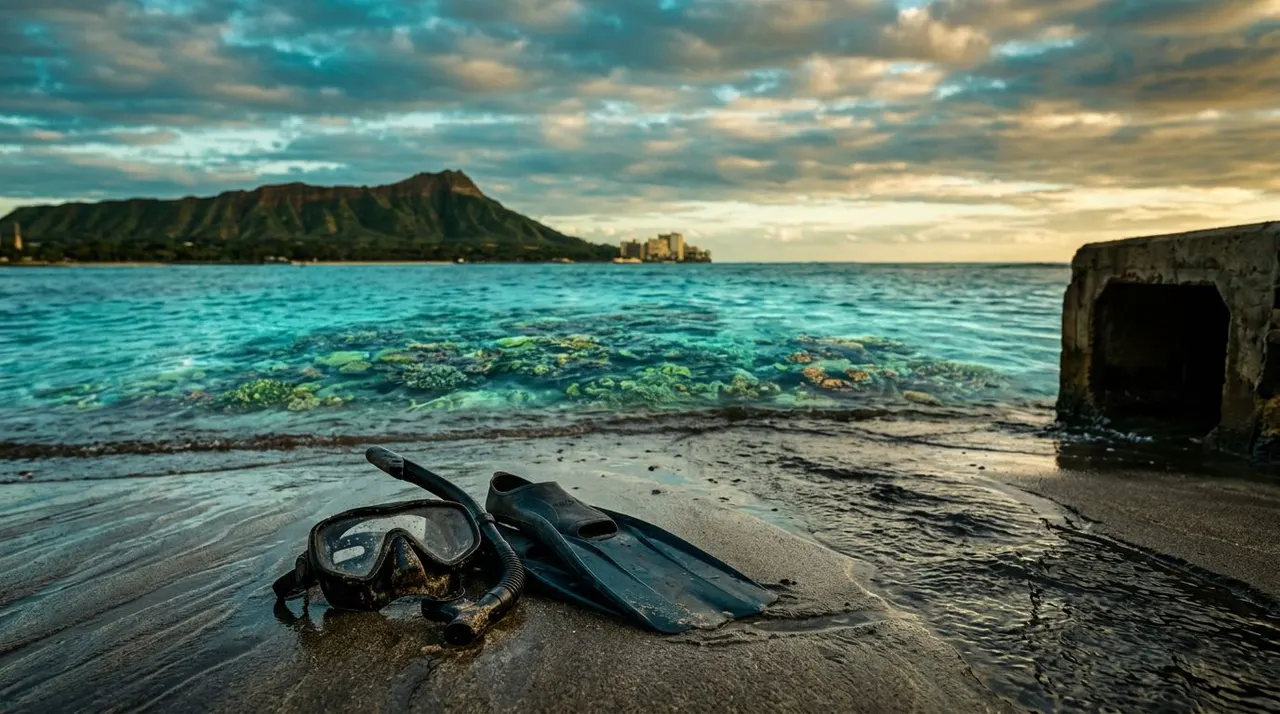
Clear water and blue skies don’t always tell you whether the ocean is ready for swimming. When snorkeling Honolulu waters, you should check beach conditions before carrying your fins into the surf.
A quick review of official advisories, recent rainfall, and the water itself can help you choose a safer time and location. For snorkeling Honolulu visitors, this simple habit protects your health and helps you enjoy Hawaii’s reefs with greater confidence.
Why Beach Water Quality Matters Before Snorkeling
Beach water quality can change after heavy rain, sewage spills, drainage problems, or other pollution events. Runoff can carry soil, bacteria, and contaminants from streets and inland areas toward the ocean. The water may look inviting while conditions remain unsuitable for swimming.
Hawaii’s Department of Health Clean Water Branch, known as the CWB, monitors beaches and issues public notifications when bacteria levels rise or pollution is reported. Its official beach advisory portal is the best starting point before you snorkel in Honolulu or Waikiki.
The CWB looks at enterococci, a group of bacteria used to assess possible fecal pollution in coastal water. A high result can lead to a notification, follow-up testing, or a formal beach advisory. The department also responds to reports of sewage leaks, spills, and heavy rain.
A beach advisory is a clear reason to stay out of the water. However, you should also pay attention to visible signs. Brown, muddy, cloudy, or foul-smelling water deserves caution, even if you haven’t seen an official notice.
A routine water sample is useful, but it isn’t a substitute for checking the beach on the day you plan to swim.
Snorkeling Honolulu Water Quality: Your Five-Minute Check
You don’t need special equipment to complete a practical water-quality check. Use these steps before you leave your hotel, then look at the beach again when you arrive.
1. Check the live state advisory page
Open the CWB site and review current water quality notifications and beach advisories. The current advisory list includes affected locations and the type of warning issued.
Search for the beach you plan to visit. Waikiki is a long stretch of coastline, so don’t assume that conditions at one end match conditions at another. If you’re traveling to a different snorkeling area, check that location by name as well.
2. Look for brown-water warnings
Hawaii uses brown-water advisories when storm runoff affects coastal areas. These warnings matter after heavy rain because runoff can carry bacteria and other pollutants into the ocean.
You can also review the Oahu water quality report for additional location-based information. Treat the state CWB advisory system as your primary source, then use other reports to add context.
3. Check when the warning was posted
Read the advisory date and time. A notice posted after overnight rain may still apply even if the sun is shining by lunchtime. Likewise, an older warning may have been updated or canceled, so always look for the latest status.
If you can’t tell whether an advisory applies to your exact beach, ask a lifeguard or contact the Hawaii Department of Health Clean Water Branch at (808) 586-4309.
4. Inspect the water when you arrive
Pause before entering. Look along the shoreline for muddy runoff, floating debris, unusual discoloration, or strong odors. Check whether streams, drainage channels, or canal outlets are flowing into the ocean nearby.
The Ala Wai Canal is close to western Waikiki and drains a large urban area. After a storm, water near drainage outlets may have different conditions than a beach farther along the coast.
5. Follow signs and lifeguard instructions
Beach signs may appear after an advisory is issued. Lifeguards can also tell you about surf, currents, runoff, and local hazards that aren’t obvious from a phone screen.
If the beach looks questionable, choose another activity. A vacation day doesn’t need to depend on one snorkeling session.
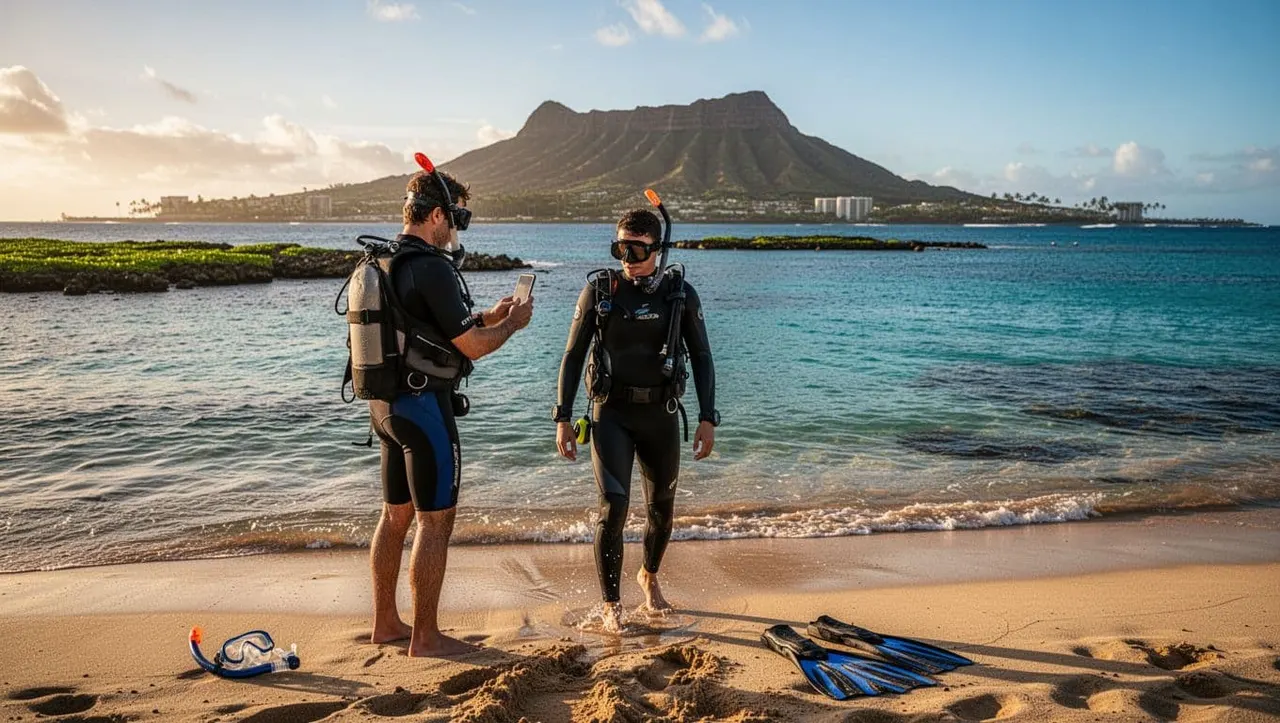
How Rain Changes Your Honolulu Snorkeling Plans
Rain is one of the most important factors to consider before entering coastal water. A light shower may not create the same runoff as a major storm, but you should still check conditions instead of guessing.
The City and Hawaii Department of Health advise avoiding ocean water for at least 72 hours after rainfall, particularly after heavy rain. Continue waiting if the water remains brown, murky, or full of debris. Clear skies don’t immediately remove contaminants from the water.
Rain can also affect visibility. Even when bacteria levels are acceptable, sediment may spread across the reef and make snorkeling less enjoyable. You may see fewer fish, miss details on the seafloor, and struggle to maintain safe visibility around other swimmers or boats.
For that reason, flexible planning helps. If rain moved through Honolulu overnight, check the advisory page in the morning and again before leaving. Ask your tour operator whether the planned site remains suitable. Professional crews track local marine conditions and may adjust the route when necessary.
A temporary change of plans protects both you and the reef. Swimming in poor visibility can lead to accidental contact with coral, while runoff may place extra stress on an already fragile coastal ecosystem.
What to Do When Conditions Look Good
A clean advisory report doesn’t mean you should ignore normal ocean safety. Water quality is only one part of a good snorkeling decision.
Check the day’s surf and wind conditions. Strong wind can create chop, reduce visibility, and make it harder for tired swimmers to return to shore. If you’re traveling with children or you’re a first-time snorkeler, calm water and direct supervision should guide your choice.
Choose a beach with a clear entry point and stay within your comfort level. Wear properly fitted equipment, use flotation support if needed, and keep your face out of the water if you feel unwell.
While snorkeling, observe marine life without touching, chasing, or feeding it. Hawaiian green sea turtles need space, and coral can suffer permanent damage from a single careless kick or handhold.
Choose a Guided Snorkel After Your Water Check
Once conditions are clear, a guided trip can make snorkeling Honolulu easier for your whole group. You won’t need to guess which reef to visit, how to enter the water, or how to identify the animals you see.
Living Ocean Tours departs from Kewalo Basin Boat Harbor, a short drive from Waikiki Beach. The company is the only tour company with professional snorkel guides, and its crew welcomes first-time snorkelers, families, and experienced swimmers.
The Waikiki Turtle Canyons snorkeling tours visit a natural underwater cleaning station known for Hawaiian green sea turtle sightings. Living Ocean Tours reports a 95% success rate for spotting turtles on its Turtle Canyons Snorkel Excursion, although wildlife sightings can never be guaranteed.
Guides explain how to use the gear and enter the water safely. They also help you maintain a respectful distance from turtles and other marine life. That guidance matters when you want an exciting encounter without disturbing the animals.
The fleet includes the Coast Guard-inspected Coral Kai and Lokahi, both custom-built double-decker vessels. Shaded seating, restrooms, dry storage, and sturdy ladders make the trip more comfortable for mixed-age groups. The Lokahi also features a SeaKeeper stabilization system, which reduces rolling and can help guests who worry about seasickness.
If beach conditions are favorable and your group wants a guided Turtle Canyons outing, you can check the available departure times below.
If Conditions Change After You Arrive
Water conditions can shift during the day, especially when rain begins or runoff reaches the shoreline. Check the water again instead of relying only on the forecast or an earlier status update.
If you see a new sign, brown water, floating debris, or unusual odors, don’t enter. Ask the lifeguard or your tour crew for guidance. A responsible operator may delay, move, or cancel a water activity when conditions create a health or safety concern.
You should also tell your group to leave the water if anyone develops nausea, skin irritation, eye discomfort, or other symptoms. Seek medical advice if symptoms continue or become severe.
Keep your plans flexible by choosing a backup activity. Honolulu offers beaches, museums, scenic drives, harbor cruises, and cultural attractions when snorkeling needs to wait.
Make Water Quality Part of Your Beach Routine
A few minutes of preparation can make your snorkeling day safer and more enjoyable. Check the Hawaii Department of Health advisory portal, review recent rain, inspect the water, and listen to lifeguards or professional guides.
When conditions are suitable, a guided trip gives you better support, local knowledge, and a more respectful way to experience Hawaii’s marine life. When they aren’t, waiting protects your health and the ocean you came to enjoy.
The best snorkeling Honolulu memories begin before you enter the water. Start with a careful check, then enjoy the reef responsibly.


