
Turtle Canyon Snorkel in Oahu: A Complete Guide
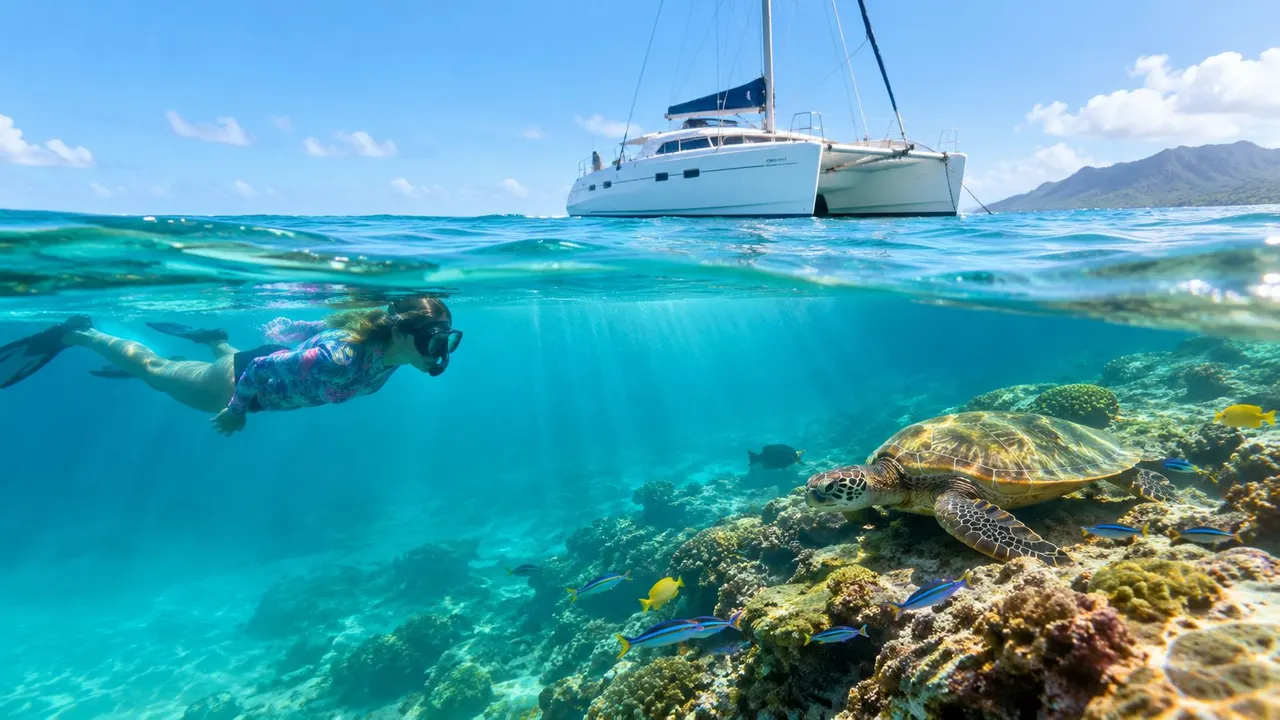
You're probably looking at a Waikiki map, wondering whether a Turtle Canyon snorkel is worth giving up part of your morning. The honest answer is yes, if you understand what you're booking. This isn't a quick swim from a beach. It's a guided boat trip to an offshore reef where Hawaiian green sea turtles return for a specific purpose, which makes the experience much more predictable than hoping one happens to pass a shoreline.
The other part of the answer is less glamorous but just as important. You'll spend time traveling, listening to a safety briefing, fitting gear, and adjusting to open water, not only floating above turtles. The best trips balance reliable wildlife viewing with patient instruction, realistic timing, and responsible behavior around a concentrated marine habitat.
What Turtle Canyon Is and Why It Works
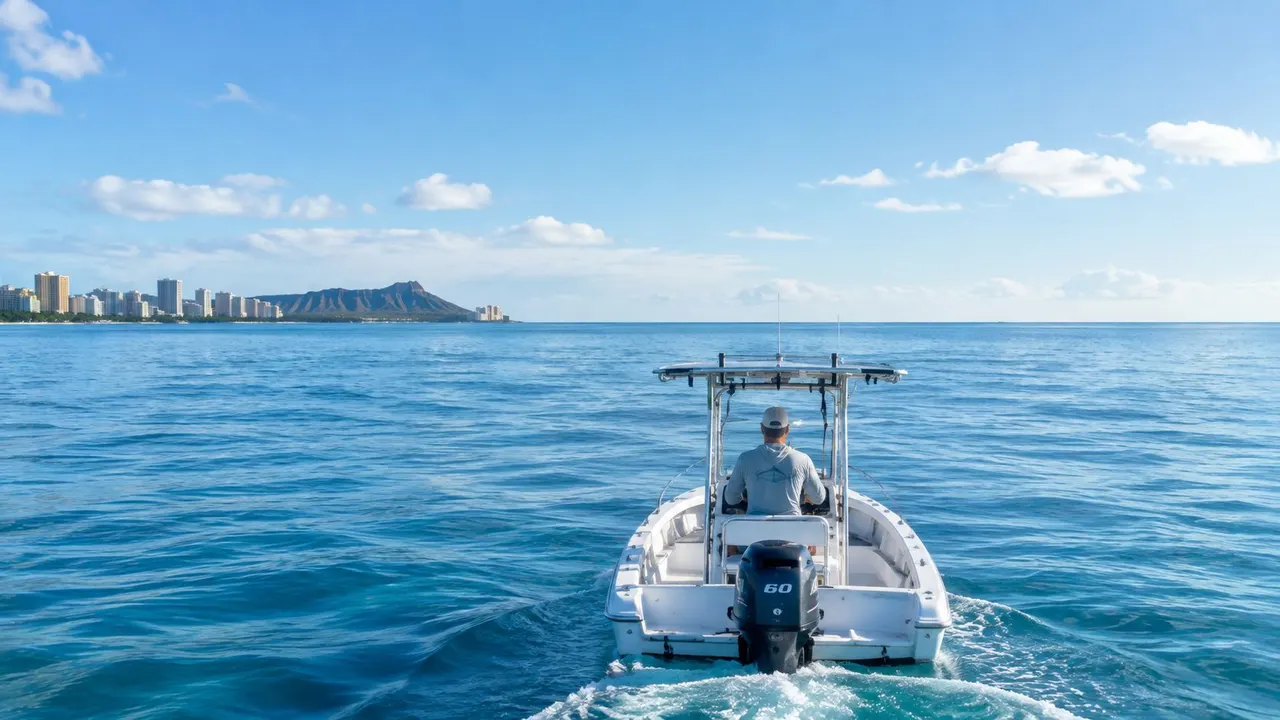
The boat pulls away from Kewalo Basin, and Waikiki begins to look smaller behind you. Diamond Head stays prominent along the south shore, but the hotels and traffic lose their influence as the skipper heads toward open water. After roughly 15 boat minutes, the vessel reaches a site about 2.5 miles offshore, according to the Turtle Canyon location and ecology overview.
The skipper slows, checks the surface, and positions the boat over an offshore reef. Turtle Canyon isn't a beach entry or a place you can comfortably reach by swimming from Waikiki. It's a boat-access reef and ledge system, and that geography explains why guided tours are the normal way to visit. The offshore setting also gives crews room to choose an appropriate anchoring area based on the day's wind, swell, and visibility.
The reef has a job
The reason Turtle Canyon works so well isn't that turtles live nearby. The reef functions as a natural cleaning station. Hawaiian green sea turtles, known locally as honu, hover above coral heads while reef fish, including cleaner wrasses, remove algae and parasites from their shells and skin. The underwater description of Turtle Canyon's cleaning-station behavior explains why this is a repeatable interaction rather than a random wildlife sighting.
That distinction changes what you're watching. A turtle may remain relatively still while small fish work around its shell, then glide away before returning to another part of the reef. You aren't just looking for an animal crossing empty blue water. You're observing a place the turtles use for a routine service.
Independent guides describe the reef as lying in roughly 10 to 30 feet of water, which helps surface snorkelers see turtles without needing to free dive. The offshore location, shallow reef profile, and dependable cleaning behavior together have made Turtle Canyon one of Oahu's established snorkel destinations. For more background on the name and setting, read this guide to Turtle Canyon on Oahu.
What I tell first-time guests: the reef isn't a guaranteed performance. The turtles are wild animals, but the cleaning station gives you a far better opportunity to see normal turtle behavior than a random beach search.
Getting Comfortable in the Water
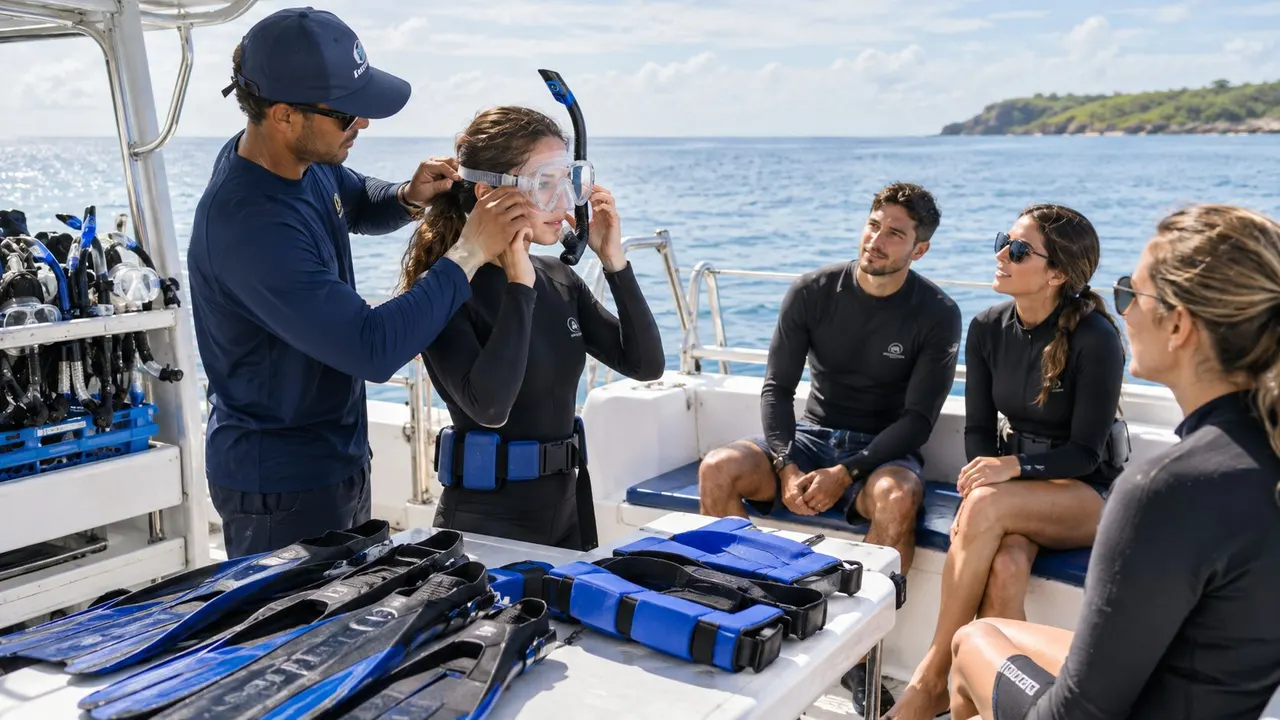
Most beginners feel nervous before the boat reaches the reef, not after they've settled into a steady breathing rhythm. A good crew makes the transition gradual. You board at Kewalo Basin, store your belongings, listen to the safety briefing, and get fitted for a mask, snorkel, fins, and flotation support before anyone asks you to enter the water.
Your mask should feel snug without being painfully tight. Press it gently against your face without using the strap, inhale slightly through your nose, and check whether it stays in place. If air slips in, ask for another size or adjustment before leaving the boat. A small leak becomes distracting once you're trying to watch a turtle.
A simple entry sequence
Crew members usually explain whether guests will step down from the platform or use a giant-stride entry. Hold your mask and snorkel in place with one hand, keep your eyes on the crew member, and use the ladder slowly when you're ready. If you're uneasy, say so. There's no prize for entering first.
A flotation belt, vest, or noodle can take the pressure off your legs. It lets you concentrate on breathing and looking around instead of constantly proving that you can swim. Tours generally position beginners near the surface above relatively shallow reef sections, often around 10 to 20 feet, where you can see the cleaning-station activity below without diving.
The breathing skills that solve most problems
Use defog solution, or a small amount of baby shampoo if the crew provides it, and rinse the mask as directed. Put your face in the water and breathe slowly through your mouth. The first few breaths can feel strange because your nose is covered, but the rhythm usually becomes familiar quickly.
If water enters the mask, lift your face slightly, press the top edge against your forehead, and exhale through your nose while tilting the lower edge outward. The trapped water should drain. If the snorkel floods, raise your head, take a breath, and use the clearing method your guide demonstrates.
Ear pressure is another common worry. If you descend even slightly, pinch your nose and blow gently to equalize. Never force it. Most guests can stay at the surface, so you may not need to manage much pressure at all.
For a beginner-focused explanation of the experience, see this overview of turtle snorkeling on Oahu. The important habit is simple: tell the crew what feels uncomfortable while you're still on the boat.
Marine Life You Will See
Turtle Canyon is most interesting when you watch the relationship between animals instead of rushing through a checklist of species. The Hawaiian green sea turtle is the main attraction, but the reef fish explain why the turtles pause there. Cleaner wrasses and other fish pick at algae and parasites on the turtle's shell and skin, while the honu holds position above the reef.
You may see a turtle approach slowly, settle above a coral head, and remain there while fish work along its shell and flippers. A different turtle might pass through without stopping. Both behaviors are normal. The cleaning station improves your odds of seeing turtles, but it doesn't turn wildlife into a scheduled show.
Hawaiian green sea turtles are federally protected under the Endangered Species Act. That protection matters in practical terms. Stay at least 10 feet away, never touch a turtle, and don't pursue one if it changes direction. The NOAA Fisheries and Hawaiʻi guidance for viewing marine wildlife recommends that distance for turtle encounters in Hawaiʻi.
Look beyond the headline animal
The reef fish often make the scene feel busy even when the turtle is resting. Visitors commonly recognize yellow tangs, convict tangs, saddleback wrasses, Hawaiian flagtails, butterflyfish, and occasional unicornfish. Parrotfish and surgeonfish may also appear around the reef, contributing to the broader grazing and cleaning activity.
On the ride out, you might also encounter Hawaiian spinner dolphins offshore. Humpback whales are another seasonal possibility from December through April, although sightings depend on conditions and the animals' movements rather than the tour schedule.
| Species | Likelihood | Typical Behavior |
|---|---|---|
| Hawaiian green sea turtle | High at the cleaning station | Hovers above coral while reef fish clean algae and parasites |
| Cleaner wrasse | Common around turtle activity | Moves around shells and skin while feeding on unwanted material |
| Yellow tang and convict tang | Common reef fish | Grazes and moves through coral areas |
| Saddleback wrasse and Hawaiian flagtail | Possible reef sightings | Swims among coral heads and the cleaning-station area |
| Butterflyfish and unicornfish | Occasional to common depending on conditions | Forages around the reef |
| Spinner dolphins | Occasional offshore sighting | Travels through open water near the boat route |
| Humpback whale | Seasonal possibility | May surface offshore during the December to April season |
The Turtle Canyon marine-life guide offers another way to prepare your eyes for the reef. Don't worry if you can't identify every fish. Notice who is grazing, who is cleaning, and how the turtle responds.
Best Times Conditions and What to Bring
For most visitors, a morning departure is the easiest choice. Boats commonly leave Kewalo Basin between 7 AM and 10 AM, when the south shore often has calmer water and clearer viewing conditions. Light wind can make the ride and the time at anchor more comfortable, especially for first-time snorkelers or anyone sensitive to boat motion.
Seasonal conditions can change the plan. South Shore swells tend to increase during November through March, and rough conditions can lead to cancellations. Summer often brings flatter water and warmer conditions around 78 to 80°F, according to the Oahu Turtle Canyon trip-planning guide. Conditions still vary by day, so a favorable season isn't a guarantee.
Your night-before checklist
Set out clothing that won't shift when you enter the water. A rash guard or fitted swimsuit works better than loose fabric, and a hat helps during the boat ride. Apply reef-safe sunscreen before boarding, then follow the crew's instructions about when to reapply.
- Pack dry clothing: A towel and a change of clothes make the return trip much more comfortable.
- Plan for motion: Bring a seasickness remedy if you know you're prone to nausea.
- Protect your phone: A waterproof pouch is useful, but don't let photography distract you from the reef.
- Carry identification: Bring your ID if the operator requires it for check-in.
- Choose your own mask carefully: Tours provide masks, but experienced snorkelers sometimes bring a familiar mask for a better seal.
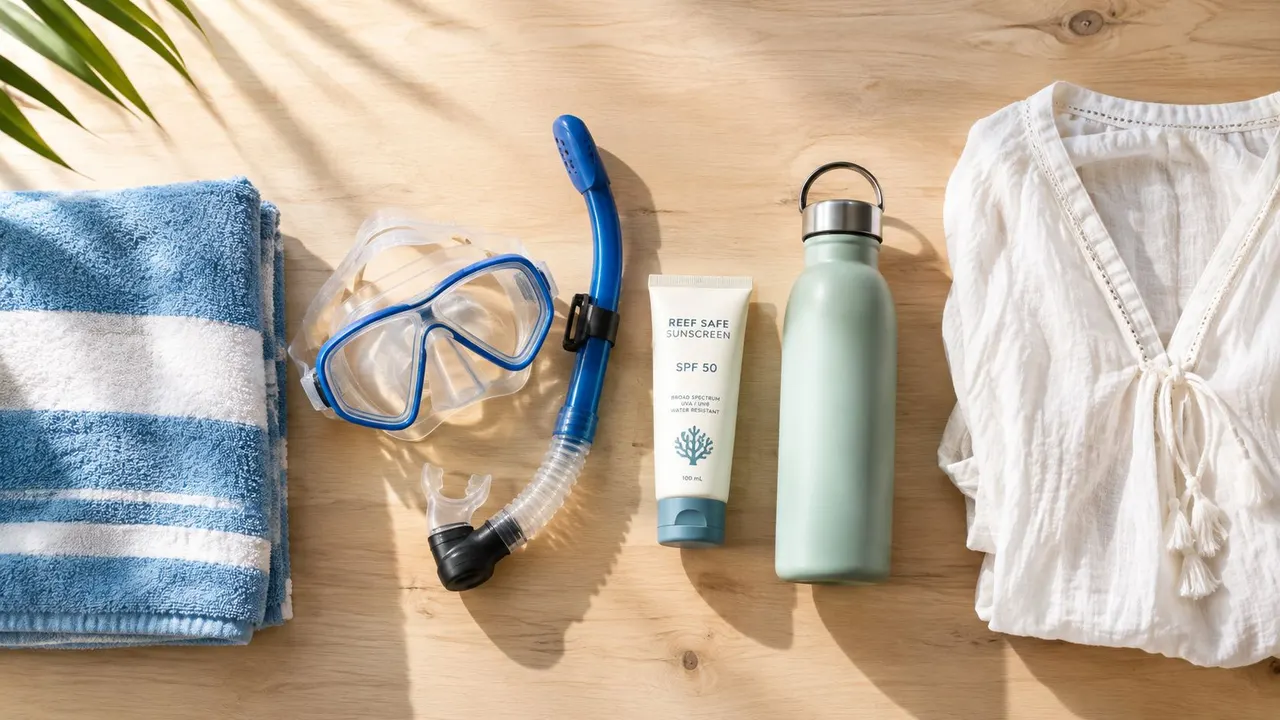
Leave jewelry, valuables, and dark-soled shoes on shore. Jewelry can catch on equipment, valuables create storage worries, and dark soles can mark boat surfaces. The operator normally supplies the mask, snorkel, fins, and flotation gear, so you don't need to overpack.
Book with enough flexibility to handle a weather change. Reserving 48 hours ahead can give you more room to adjust if conditions shift, especially during busy travel periods. For broader planning advice, use this Oahu snorkeling guide alongside the operator's current departure and cancellation details.
Wildlife Etiquette and Conservation
A turtle cleaning station is a service area, not a photo backdrop. The turtle arrives because reef fish remove algae and parasites from its body, and the animal needs room to hover, turn, and leave. When a swimmer chases, touches, blocks the route, or dives directly toward it, the visitor interrupts the behavior that makes Turtle Canyon so dependable.
Crowding adds another concern. Predictable wildlife attracts more boats and more swimmers, which makes group management important. A responsible trip doesn't measure success by how close guests can get. It measures success by whether people can observe turtles without changing what the turtles came to do.
The distance rule
NOAA Fisheries and the Hawaiʻi Department of Land and Natural Resources recommend staying at least 10 feet, or 3 meters, away from sea turtles in the water and on land. Hawaiʻi-specific guidance is more directly suited to turtle encounters than the broader NOAA marine-wildlife guidance, which also discusses a 50-yard minimum recommendation for sea turtles in general contexts. The Hawaiʻi marine wildlife viewing guidance explains that distinction.
Give the turtle the choice to move. If it swims closer, hold your position rather than reaching out. If it turns away, don't follow.
Small actions protect the reef
Keep your fins away from coral and avoid standing on the reef. Don't feed fish, and don't handle marine life. Use reef-safe sunscreen, preferably applied before entering the water, because minimizing runoff is part of responsible snorkeling.
- Stay passive: Float, breathe, and watch without pursuit.
- Keep a clear path: Never position yourself between a turtle and the surface.
- Control your fins: Use small movements and remain aware of coral below.
- Follow crew direction: Guides can help spread guests out and prevent crowding.
- Choose accountable operators: Ask whether the company carries the appropriate DLNR commercial use permit and how guides enforce the distance rule.
For travelers who want the conservation side explained more fully, this Oahu turtle conservation resource is useful preparation. The most ethical encounter can feel quieter than the videos you've seen online. That's a good sign. A calm turtle continuing its routine is a better outcome than a close photograph that caused it to flee.
Tour Options Booking and Pricing
Most Turtle Canyon trips leave from Kewalo Basin and follow a similar pattern. You'll ride offshore, receive a safety and reef briefing, enter with crew assistance, and spend a defined period snorkeling before returning to Honolulu. Independent trip guidance describes many tours as lasting 2 to 3 hours total, with roughly 30 to 60 minutes in the water. That distinction matters when families ask whether they'll be snorkeling the entire morning.
Standard catamaran tours generally provide mask, snorkel, fins, flotation, and drinks. Deluxe trips may add features such as a waterslide, extra water time, lunch, or additional space between guests. Rather than choosing only by the advertised extras, ask how the operator handles nervous swimmers, group movement, weather changes, and turtle etiquette.
Compare the formats
| Feature | Standard Catamaran Tour | Deluxe Cruise |
|---|---|---|
| Main purpose | Boat ride and guided Turtle Canyon snorkel | Snorkeling combined with a fuller boat experience |
| Equipment | Mask, snorkel, fins, and flotation | Mask, snorkel, fins, and flotation |
| In-water experience | One primary Turtle Canyon stop is common | May include additional water activities or stops |
| Onboard additions | Often drinks and basic refreshments | May include a waterslide, lunch, or added recreation |
| Best fit | Guests focused on turtles and a straightforward outing | Families and groups wanting more time and activities aboard |
| Booking questions | Departure, water time, group size, cancellation policy | Same questions, plus which extras operate that day |
Prices vary by operator and inclusions, so confirm the current rate directly rather than relying on an old travel post. Early departures may cost less, but they can involve trade-offs in timing and light. During busy seasons, booking 1 to 2 weeks ahead can make your schedule easier to manage, while same-day availability may sometimes exist during quieter summer periods.
Living Ocean Tours is a local option offering a guided Turtle Canyons Snorkel Excursion with equipment and in-water instruction. The company describes itself as the top rated and most reviewed snorkel company on Oahu. If you're comparing alternatives, Snorkel Turtle Canyon is another company to consider for a guided turtle trip.
Sample Itinerary and Final Takeaways
A Turtle Canyon morning fits naturally into a Waikiki vacation when you leave breathing room around it. Start with coffee around 6:30 AM, apply reef-safe sunscreen, and keep breakfast light if boat motion bothers you. Arrive at Kewalo Basin with enough time to check in without rushing, then use the ride out to listen to the briefing and get comfortable with the idea of entering open water.
After the boat reaches the reef, expect the actual snorkeling portion to occupy only part of the overall outing. You'll spend time fitting equipment, entering carefully, floating above the reef, and returning to the boat. The late morning is then open for lunch in Honolulu, a rest at the hotel, or a gentle walk along Waikiki.
A day that doesn't feel overpacked
You can place the snorkel between other major plans, but avoid stacking demanding activities too tightly. A morning Turtle Canyon trip can fit before an afternoon visit to Diamond Head or relaxed beach time. If Hanauma Bay is already part of your itinerary, schedule it on a different morning rather than trying to force two major snorkeling experiences into one block.
An evening luau can work later the same day if everyone has time to dry off, eat, and rest. Multi-generational groups usually enjoy the day more when the snorkel is the main morning activity, not one appointment in a long chain of reservations.
Remember: the most memorable turtle encounter usually comes from slowing down, not swimming harder.
Five decisions that improve the day
- Choose a morning departure. Calmer water often makes the boat ride and surface viewing easier.
- Look for strong crew support. Small groups, clear briefings, and active enforcement of wildlife rules matter more than flashy marketing.
- Hold the 10-foot distance. Let turtles continue their cleaning-station behavior without pursuit or contact.
- Reapply sunscreen after leaving the water. Use reef-safe products and follow crew instructions.
- Keep the afternoon flexible. A slow lunch or beach break is a better companion than another rushed activity.
Before reserving, compare what's included, confirm that the boat departs from Kewalo Basin, and review the cancellation policy. Giving yourself at least 48 hours during summer and holiday periods can provide useful flexibility if ocean conditions change.
Living Ocean Tours offers a guided Turtle Canyons Snorkel Excursion from Kewalo Basin with snorkeling equipment, crew instruction, and responsible wildlife viewing around Oahu's turtle cleaning station. Visit Living Ocean Tours to compare the Turtle Canyon trip with other Waikiki ocean experiences and choose a departure that fits your plans.


