
Snorkeling in Honolulu Hawaii: The Complete 2026 Guide
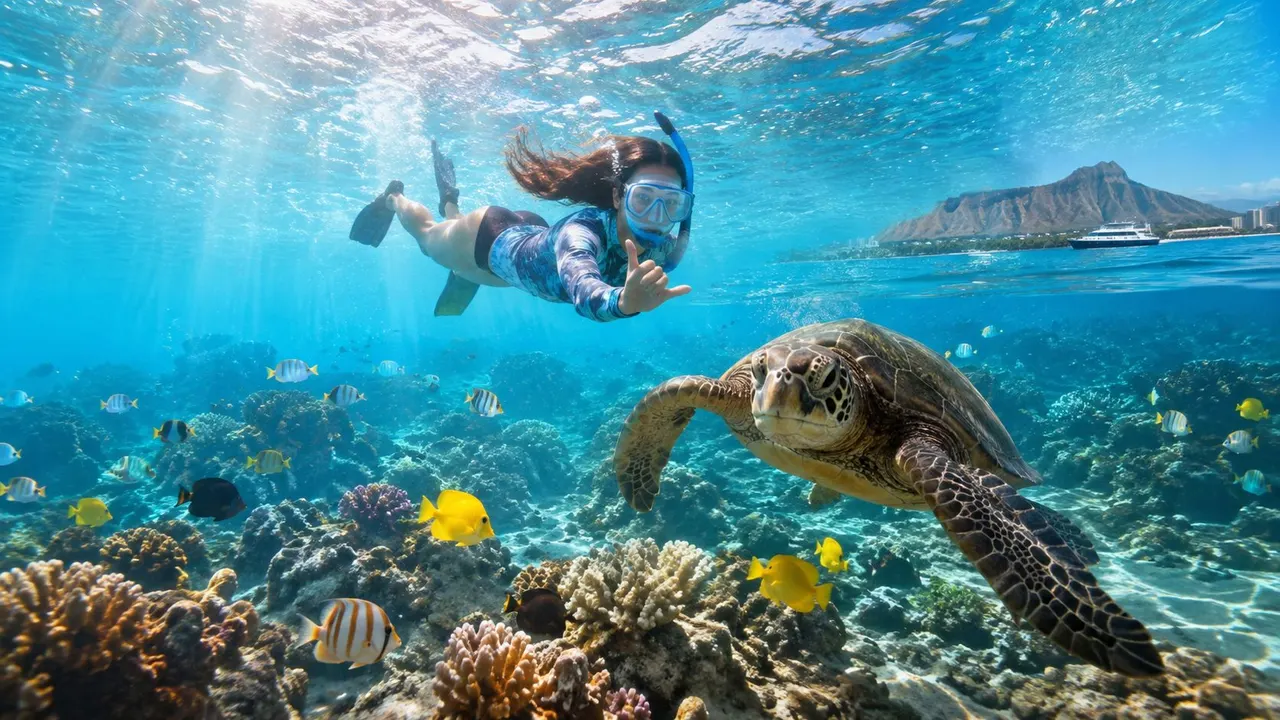
You've got the mask, the hotel towel, and a vague plan to “just go snorkel somewhere near Waikiki.” That's how a lot of Honolulu trips start, and it's also how people end up standing at the shoreline wondering whether the water is calm enough, whether the reef is too far out, and whether they're about to make the wrong call for the kids, grandparents, or the friend who hasn't been in the ocean in years.
Snorkeling in Honolulu Hawaii works best when you treat it like an ocean day with real conditions, not a casual beach stroll. The city gives you easy access to reef, boat departures from Kewalo Basin, and world-famous wildlife, but the right choice depends on skill, timing, and how much logistics you want to carry on your back.
Why Honolulu Is One of the World's Most Unique Snorkeling Destinations
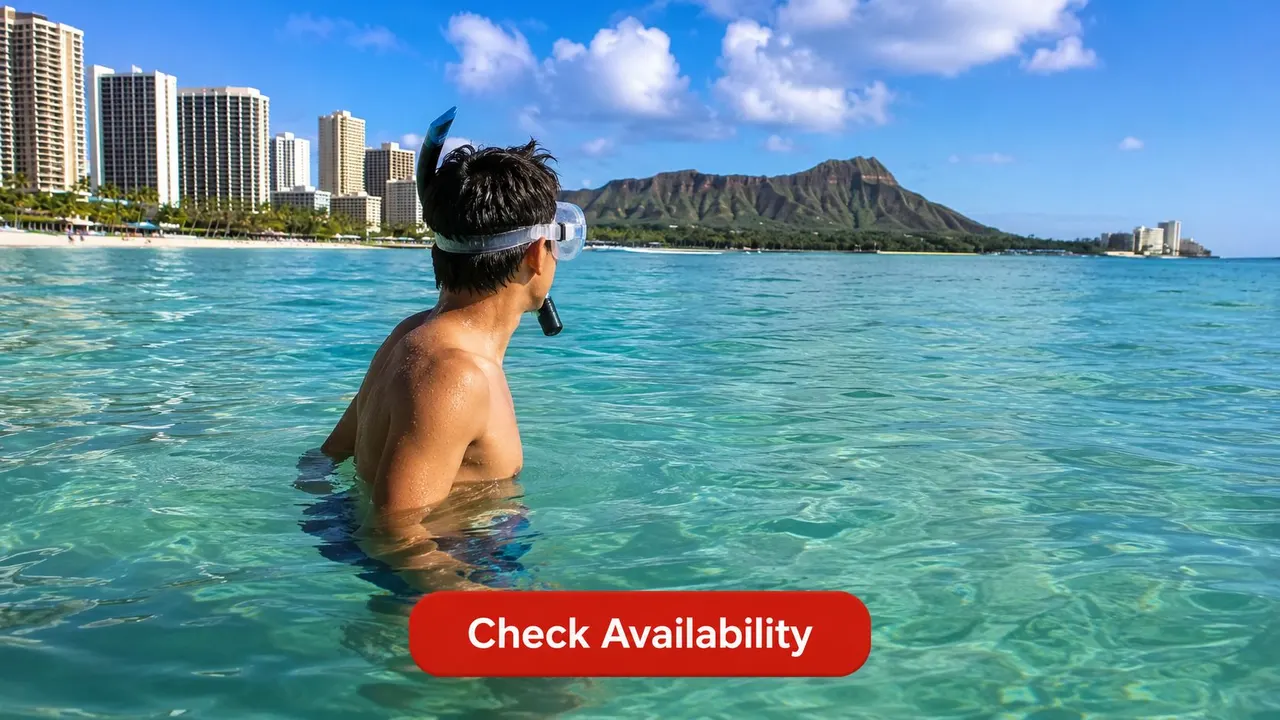
The first thing I see at Waikiki is usually not a perfect snorkel setup. It is a visitor sitting on the sand with a fogged-up mask, looking out at water that seems easy from shore and much bigger once you are in it. That is the Honolulu moment. The beach feels friendly, but the ocean still asks the same question every day, where do you belong?
Honolulu stands out because the snorkel scene here is not built around one quiet cove. It sits inside a busy island market with famous reef access, heavy visitor demand, and real safety pressure. Hanauma Bay alone has been described as hosting about 1 million visitors each year and having recorded 16 snorkeling-related drownings over a nine-year period, with lifeguards reportedly making about four to five rescues per day (Sentinel Colorado report on Hawaii snorkel tourism and safety). That is not background noise, that is the operating environment.
The reef is the draw, but access is the real decision
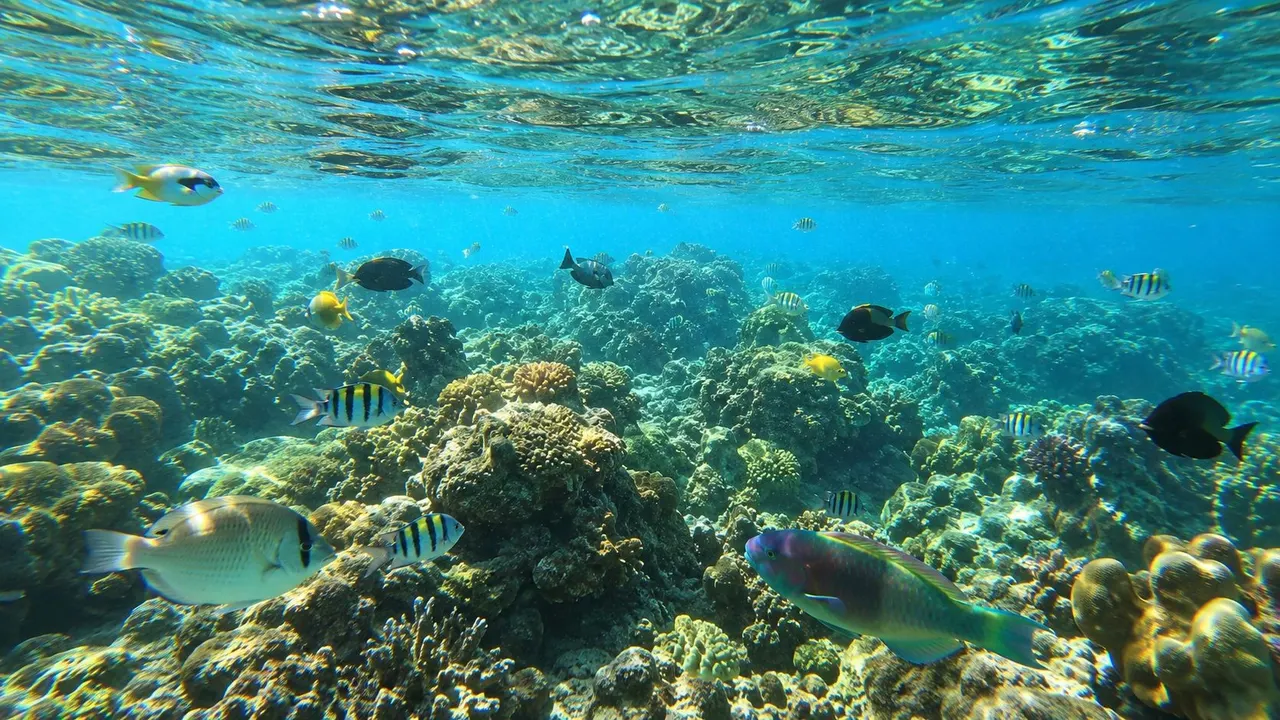
Hanauma Bay has been protected as a Marine Life Conservation District for more than 50 years, and one Honolulu guide says it has more than 400 documented fish species and draws roughly 200,000 to 500,000 visitors each year (Living Ocean Tours coral types guide, Living Ocean Tours Honolulu snorkeling overview). That tells you why Honolulu snorkeling feels so concentrated. The fish life is there, the visibility can be excellent, and the crowd pressure is real.
Practical rule: In Honolulu, the right snorkel spot is usually the one that matches your group's comfort level, not the one with the prettiest photo.
From Waikiki to Diamond Head, Kewalo Basin, and the leeward side, you are choosing between a beach entry, a boat departure, or a longer drive to a more exposed coastline. Boat access solves some problems and creates others. Shore snorkeling looks simple until you deal with reef entry, surge, parking, and current. That trade-off is what makes Honolulu interesting, and it is why the wrong spot can turn a good beach day into a frustrating one.
Honolulu's Best Snorkel Spots and Who Each One Is Really For
Hanauma Bay is the classic answer for strong swimmers who want a protected reef and do not mind planning ahead. It is beautiful, and it is busy for a reason. The downside is simple, you are often working around demand, reservations, and the physical effort of getting in and out. If someone in your group tires easily or gets anxious in crowds, Hanauma Bay can feel less like a relaxing swim and more like a project.
Waikiki and the Waikiki MLCD fit the person who wants easy proximity from town and can handle mixed conditions. A current Oahu snorkel-condition report rates visibility as fair, with E 15–20 mph trade winds, 2–4 ft surf break, and light-to-moderate currents (Snorkel Bob's Oahu conditions report). That is useful because Waikiki can look calm from the beach while still carrying enough surge at the reef edge to move a less experienced snorkeler around. It works best for cautious, early-morning swimmers who want a quick snorkel, not a full-day reef hunt.
Kewalo Basin is the smarter choice if you want the boat to handle the entry and the current. Turtle Canyons is the obvious target because it concentrates wildlife at a known cleaning station rather than leaving you to gamble on luck from shore. I would put families, first-timers, and non-swimmers on this side of the decision tree immediately. For people who want to compare how this lines up with Honolulu's sea turtle viewing options, the guide to where to see sea turtles in Oahu gives a useful field check before you book.
Electric Beach on the leeward coast is a different animal. It can reward experienced snorkelers with clear water, but the entry and the conditions make it a poor fit for anyone who wants easy footing, kid-friendly logistics, or a low-stress first snorkel. North Shore spots like Sharks Cove are excellent when summer is calm, and unsafe when winter swell arrives. That is not a place to wing it.
For a lot of Honolulu visitors, the question is not “Where is the best reef?” It is “Which spot is appropriate for my group today?” If you want the guided version of that answer, a boat trip from Kewalo Basin keeps the entry, the route, and the timing in one place, which is why so many people end up choosing the water over the parking lot. The Honolulu snorkel company page lays out that option clearly, and it is the kind of setup I would point to for anyone who wants to spend the day snorkeling instead of sorting out shore access.
Why a Guided Waikiki Snorkeling Tour Beats Going Solo
A solo shore snorkel sounds cheap and easy until you add the hidden jobs. You have to read the water, find legal and practical access, carry gear, stay aware of current, and still keep the whole group calm. A guided boat trip cuts out most of that friction, and for many Honolulu visitors that is the difference between getting in the water and just talking about it.
| Dimension | Solo from Shore | Guided Boat from Kewalo Basin |
|---|---|---|
| Water entry | Reef walking, surf timing, and local access choices | Step off the boat with help and briefing |
| Current exposure | You interpret the ocean yourself | Captain and crew read conditions |
| Wildlife reliability | You hope fish or turtles show up | You go to a known snorkel zone |
| Crowd level | Popular beaches can feel packed | Fewer guests, controlled group size |
| Time efficiency | More setup, parking, and gear handling | Cleaner departure and return rhythm |
| Family fit | You manage every comfort need | Flotation, instruction, and shade are built in |
That is why daily departures from Kewalo Basin matter. The harbor is close enough to Waikiki to keep the morning simple, but far enough from the beach chaos to make the whole trip feel organized. For groups that want an actual solution rather than a beach gamble, guided snorkeling is the cleaner play.
Living Ocean Tours operates out of Kewalo Basin and runs the Turtle Canyons Snorkel Excursion for people who want reef and turtles, plus the Deluxe Waikiki Snorkel & Wildlife Cruise for families and first-timers who want more room, more structure, and less stress. Their Honolulu snorkel company page lays out the basics clearly, and the same operator category is where I would send anyone who does not want to plan the day on their own.
What to Pack and Wear for a Honolulu Snorkel Day
You don't need a mountain of gear to snorkel in Honolulu, but the wrong clothing makes the day harder fast. A cotton T-shirt gets heavy, a cheap mask leaks, and flip-flops disappear the first time you try to re-board a ladder. Comfort and safety come from a few pieces that work well together.
The gear that matters most
Start with a well-fitting mask, a dry snorkel, reef-safe sunscreen, and a rashguard or UV swim shirt. That combination handles the basics, it keeps your eyes clear, your breathing simple, and your skin protected. Hawaii has banned ingredients in certain sunscreens to protect reefs, so mineral-based reef-safe sunscreen is the responsible choice, not a nice extra.
A personal snorkel vest is worth bringing if anyone in the group is nervous in deeper water or not used to floating face-down for long periods. Water shoes or neoprene socks help on rocky entries and around slippery boat ladders. A dry bag keeps your phone and keys out of trouble, which matters more than most travelers think until a splash reaches the bench.
Don't wear anything that gets heavy when wet. If it soaks up water, it also steals comfort.
What the boat usually covers, and what it doesn't
Most guided snorkel operators provide the basics, like mask, snorkel, fins, flotation, and instruction. What they can't provide is your comfort layer. Bring the shirt, hat, sunglasses, spare towel, and any motion-sickness help you know you need. If you're on a longer boat ride or just get cold fast, a light cover-up for the ride back can make the whole outing feel easier.
Here's the part people skip and then regret. A brand-new mask often needs a quick fit check before it behaves well, and flip-flops are a bad match for ladder re-entry. Pack for the return trip, not just the first ten minutes in the water. The best snorkel days are the ones where nobody is fidgeting with gear, sunburn, or a cold shirt by noon.
For a cleaner packing reference, the Oahu snorkel packing list is a useful baseline before you leave the hotel.
Honolulu Snorkeling Safety and Ocean Conditions You Need to Respect
A calm-looking morning in Honolulu can still turn bad fast if you pick the wrong entry, the wrong hour, or the wrong spot for your group. That is the part visitors miss. Hawaii public-health data has repeatedly shown that snorkeling is one of the bigger visitor safety issues in the state, with state-linked reviews reporting heavy tourist involvement in snorkeling deaths and a pattern that shows older travelers are often among the people who get hurt (Civil Beat report on snorkel safety in Hawaii). That matters because the safest plan is usually the simplest one, the one that matches the swimmer, the weather, and the exit point.
What safe looks like, and what bad looks like
Hawaii Ocean Safety says to check conditions before you enter, snorkel with a buddy, and avoid high surf, heavy shorebreak, strong currents, dawn or dusk, and murky water. It also says morning is usually the best time because conditions and visibility are better (Hawaii Ocean Safety snorkeling safety). On Oahu, that advice lines up with what experienced crews see every day. If the water is chopped up, the light is weak, or you cannot read the bottom clearly, the smart call is to stay on shore.
A Honolulu timing guide says the clearest windows in Waikiki are typically May through early October, especially sunrise to 10 a.m., because morning calm tends to come before stronger afternoon trade winds (Honolulu snorkeling timing guide). Another guide points to late spring through early fall as the calmer water window more broadly (Honolulu best snorkeling timing guide). That is the trade-off many first-timers do not think through. Early water usually gives you better visibility and less chop, while later hours can mean more wind, more surge, and a harder time for anyone who is nervous in the water.
Why guidance matters more than bravado
A captain who calls off a trip before conditions turn ugly is doing the job right. The ocean does not care how excited the group is, and it does not get safer because somebody booked ahead. A clear pre-trip briefing matters, because people need to know how to enter, where to float, how to turn back, and what the day will feel like once they are off the ladder.
That is especially true for older adults, first-time snorkelers, and families with kids. These groups usually do better with a calm entry, clear flotation, and a guide who keeps the pace slow enough for the least confident swimmer in the water. Strong fins and good intentions do not fix panic. A steady plan does.
If you want a practical way to judge the shoreline before committing, start by reading rip current clues on Oahu. The key is to look for water that is moving strangely, breaking unevenly, or pulling foam and sand in one direction. If the entry feels rushed, the surf is pushing hard over the reef, or the water looks dirty enough that you cannot track your fins, skip it and come back another morning.
The safest snorkel day is usually the plain one. Buddy in the water, early start, conditions checked before you leave the car, and a guide who respects the sea enough to say no.
Sea Turtles, Whale Season, and Respecting Hawaiian Marine Wildlife
A lot of people book snorkeling in Honolulu Hawaii because they want to see wildlife, and sea turtles are usually the first animal on that list. The rules are simple. A Honolulu snorkel guide says the official minimum distance from Hawaiian green sea turtles is 10 feet, or 3 meters, and you should never swim directly over a turtle because it needs a clear path to the surface to breathe (Honolulu turtle snorkeling guide). If you want the plain-language version of the standard, the Hawaii turtle snorkeling rules spell it out the same way. That is how you keep the animal calm and keep yourself out of trouble.
Turtles are predictable, but they still deserve room
Turtle Canyons works because it is a known cleaning station, so you are not guessing at a random sighting from shore. That gives snorkelers a better chance of seeing turtles without chasing them or crowding the reef. It also keeps the day focused on observation instead of interference.
Hanauma Bay and other reef areas can absolutely produce turtle sightings, but the same rule applies everywhere. If the turtle changes direction because of you, you are too close. If you have to kick sideways to keep up, you have already gone past respectful distance.
Whale season changes the boat calendar
Winter brings a different kind of trip. The same ocean that carries snorkelers in summer becomes whale water in the cooler months, and many visitors rebook the same boat company for a completely different experience. For anyone returning to Oahu later in the year, a whale watch is the natural seasonal shift from reef time to open-water time.
Living Ocean Tours also runs a seasonal Whale Watch tour, and that fits the winter schedule cleanly. I like that setup because the departure rhythm stays familiar, the harbor routine stays familiar, and the marine life changes with the season.
Respecting wildlife is not about being timid. It is about understanding that the best encounter is the one where the animal acts naturally and keeps moving on its own terms.
Booking Tips, Departure Logistics, and Accessibility from Kewalo Basin
Kewalo Basin Boat Harbor is one of the easier launch points for Honolulu visitors staying in or near Waikiki. For many hotel guests, it is a short ride, and that saves real energy on a snorkel morning. You get to the dock without crossing the island before breakfast, and that keeps the day calmer for everyone.
A lot of first-timers underestimate how much the harbor location affects the whole trip. When the departure point is close, you have more margin if a child is slow getting ready, if someone needs a bathroom stop, or if you want to arrive without feeling rushed. That matters more than the marketing photos.
How the morning usually runs
Check-in usually starts with sign-in, then gear fitting, then a safety briefing, then boarding. That order keeps the crew from rushing the group and gives everyone time to sort out mask fit, flotation, and questions before the boat leaves. If someone in your group gets anxious around water or movement, ask about the process before you book so there are no surprises at the dock.
The boat side of the day is straightforward, but the harbor side still needs planning. If you are driving, figure out your parking plan before you leave the hotel and do not wait until the last minute. A practical place to start is the Kewalo Basin parking guide, especially if you want to avoid circling the area while the check-in window is closing.
Who should book what
Families and non-swimmers should look first at the Deluxe Waikiki Snorkel & Wildlife Cruise. It gives you flotation, a controlled pace, and the kind of structure that keeps first-timers from getting overwhelmed. If your group includes older relatives or anyone who wants a calmer day, that format usually fits better than a shore entry that looks easy from the beach.
Serious reef and turtle chasers should go straight for the Turtle Canyons Snorkel Excursion. That is the cleaner match for people who already know they are comfortable in the ocean and want more time focused on snorkel conditions instead of travel logistics. If you are choosing for the weakest swimmer in the group, the safer pick is usually the trip with more structure, not the one that promises the most freedom.
Private chartering makes sense for a birthday group, a corporate team, or three generations of family. It keeps the boat focused on your group rather than forcing everyone into a standard outing. Living Ocean Tours can handle that kind of departure from Kewalo Basin, and if you want to compare the main trip styles before you lock anything in, their tour options page is the straightforward place to start.
Your Honolulu Snorkeling Decision Checklist
A family on the dock wants a calm start, a couple of strong swimmers want more reef time, and an older traveler just wants a day that does not turn into a struggle. Choose the boat that fits the weakest swimmer first. That is usually the cleanest way to avoid a trip that looks good on paper and feels rushed once you are on the water.
If you are traveling with kids, older relatives, or anyone who wants a steadier pace, book the Deluxe Waikiki Snorkel & Wildlife Cruise and take the earlier departure when conditions are usually easier. If turtles and reef are the priority, the Turtle Canyons Snorkel Excursion is the better default, especially for groups that already know how to stay relaxed in open water. For visitors who are still sorting out timing and boarding details, the Oahu snorkel check-in process is worth reviewing before you commit, because the right trip is only part of the decision.
Keep the simple rules in front of you. Morning is better, buddy up, skip high surf, heavy shorebreak, strong currents, and murky water, and keep 10 feet from honu without swimming over them. Those rules cover most of the mistakes I see from visitors who are new to Honolulu snorkeling.
A shore entry can look easy from the beach and still be a bad call once you see the surge. A boat trip costs more than walking in from sand, but it gives you structure, flotation, and a crew that can read the day before anyone gets in the water. That trade-off is why I steer hesitant swimmers toward the harbor-based option and let the crew do the work that matters.
Living Ocean Tours runs guided snorkel trips out of Kewalo Basin, with turtle-focused snorkeling, a family-friendly wildlife cruise, and seasonal whale watching when winter rolls around. If you want a Honolulu snorkel day organized around conditions instead of guesses, visit Living Ocean Tours and choose the trip that matches your crew.


