
Snorkeling Oahu: How Trade Winds Change Waikiki Water Conditions
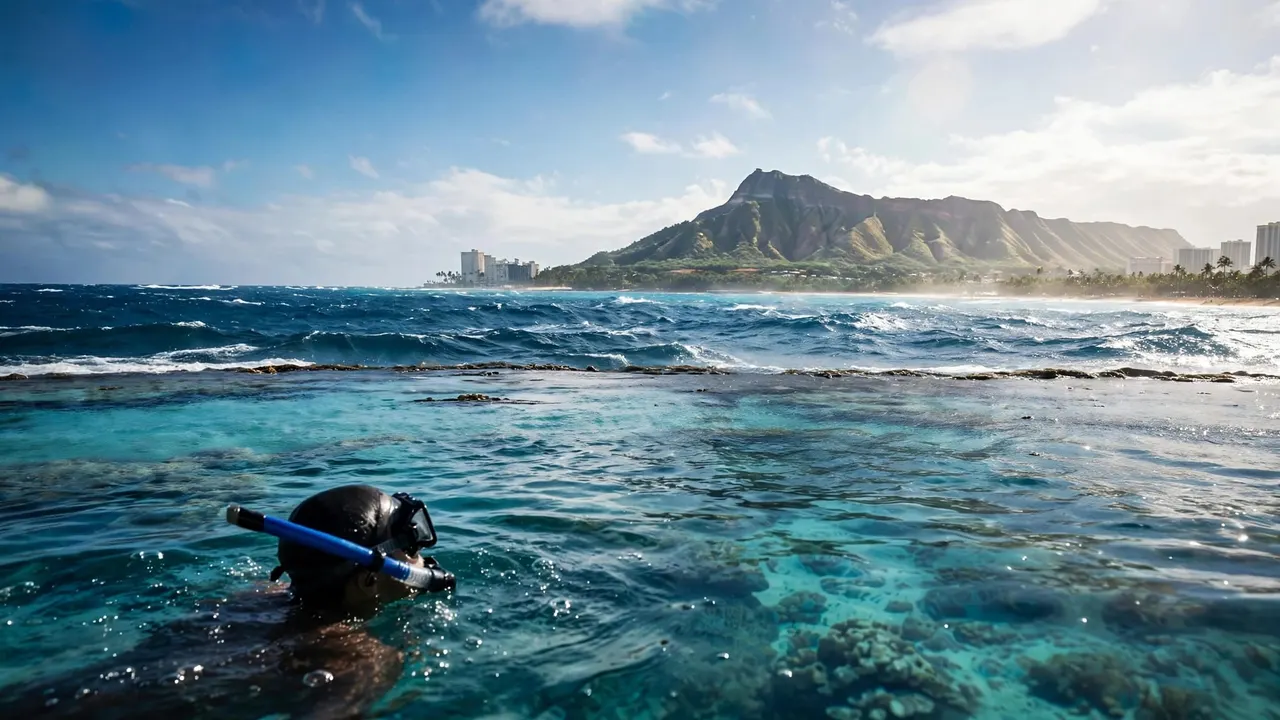
A bright Waikiki morning can look perfect from your hotel balcony while wind and swell are already changing the water beyond the reef. For snorkeling Oahu, your best day starts with realistic expectations, not a sunny forecast icon.
Trade winds can add surface chop, shift your position in the water, and affect visibility near exposed shorelines. When you read the ocean, check current conditions, and listen to the crew, you can choose an outing that feels comfortable and fun.
Key Takeaways for Snorkeling Oahu
- Trade winds often create more texture on the ocean surface, even when skies over Waikiki are clear.
- Wave height matters, but wave period, wind direction, recent rain, and shoreline conditions also affect your swim.
- A buoy reading gives regional context. It cannot promise conditions at a particular reef.
- Whitewater, strong shorebreak, brown runoff, and heavy wind chop are signs to stay out of the water.
- Guided snorkeling gives you added support when conditions change offshore.
How Trade Winds Affect Waikiki Water
Trade winds are a regular part of Hawaii weather. The National Weather Service often describes them as prevailing across the islands, with showers more likely on windward slopes and coastlines. Waikiki sits on Oahu’s south shore, but local water conditions can still shift with wind, swell direction, and weather patterns.
Wind can create chop before the water looks rough
Wind chop is the short, uneven texture you see across the water’s surface. It can make a boat ride bouncier, push swimmers off course, and make relaxed snorkel breathing harder.
Onshore wind may also stir sand and reef sediment near exposed beaches. As a result, a mask can be clear while underwater visibility still feels disappointing. If winds have strengthened through the morning, expect conditions to keep changing rather than improving on their own.
Windward showers can affect visibility
The National Weather Service Hawaii forecast discussion is worth checking before you head to the harbor or beach. Trade-wind showers often focus on windward areas, yet rain and runoff can influence water quality far beyond the cloud line you see from Waikiki.
After significant rain, avoid water that looks brown, smells unusual, or contains floating debris. Clear blue water is a better starting point, but you should still assess the entry, surface movement, and current before getting in.
A calm-looking shoreline does not guarantee calm water outside a breakwater or beyond the reef.
Read the Ocean, Not Only the Forecast
A weather app can tell you about air temperature and rain. It cannot show you a rough beach entry, a fresh current, or whitewater spilling across a reef. For snorkeling Oahu, combine forecast information with what you can see in person.
Check waves, wind, and the timestamp
Ocean buoy reports can help you understand wave energy, wind, water temperature, and when the observation was recorded. Read wave height alongside wave period. A longer-period swell can carry more energy than its height suggests.
Still, a buoy is not a reef-by-reef report card. Oahu has different exposures on the north, east, west, and south shores. A reading from Kaneohe or Barbers Point may not match an offshore Waikiki snorkel site.
The Hawaii area forecast discussion can help you understand the broader wind pattern. Then confirm the current view at the shoreline or let your charter crew assess the actual reef.
Know when to change the plan
You don’t need to force a snorkel because it was on your itinerary. Strong shorebreak, fast-moving water, murky runoff, and heavy chop can turn an easy swim into a tiring one.
If you’re visiting Magic Island, stay within the protected lagoon area rather than drifting toward open south-shore water. The protected basin can be a convenient place to practice mask breathing, but it is not a guarantee of wildlife or calm conditions beyond the boundary.
Choose the Time That Fits the Day
There is no fixed hour that guarantees perfect snorkeling conditions in Waikiki. Mornings can feel quieter, while weather and wind may change later. Your best choice depends on the forecast, your comfort level, and the day’s actual water conditions.
Give yourself room to adjust
Don’t schedule a demanding hike, a long shopping day, and a tight dinner reservation around an ocean outing. Waikiki traffic, parking, weather, and check-in times can add stress before you even reach the harbor.
Arrive early enough to use the restroom, apply sunscreen, drink water, and settle in. If you get cold easily, bring a rash guard and a dry cover-up. Surface water may feel warm in the sun, but wind and longer time in the water can leave you chilled.
Let the crew make the final call
Captains and guides watch more than a forecast. They assess wind, swell, boat traffic, visibility, reef conditions, and the comfort of everyone onboard.
If the crew changes the route, adjusts the snorkel plan, or asks you to stay seated, follow their direction. That decision protects your group and helps you enjoy the time you do spend in the water.
Guided Snorkeling Near Waikiki
Living Ocean Tours departs from Kewalo Basin Boat Harbor, minutes from Waikiki. You can browse its Waikiki turtle snorkeling tours when you want a boat-based option with gear and guidance included.
Living Ocean Tours is the only tour company on Oahu with professional snorkel guides in the water with you. That support is especially helpful if you’re snorkeling for the first time, traveling with children, or feeling unsure about windier conditions.
Turtle Canyons keeps the focus on the reef
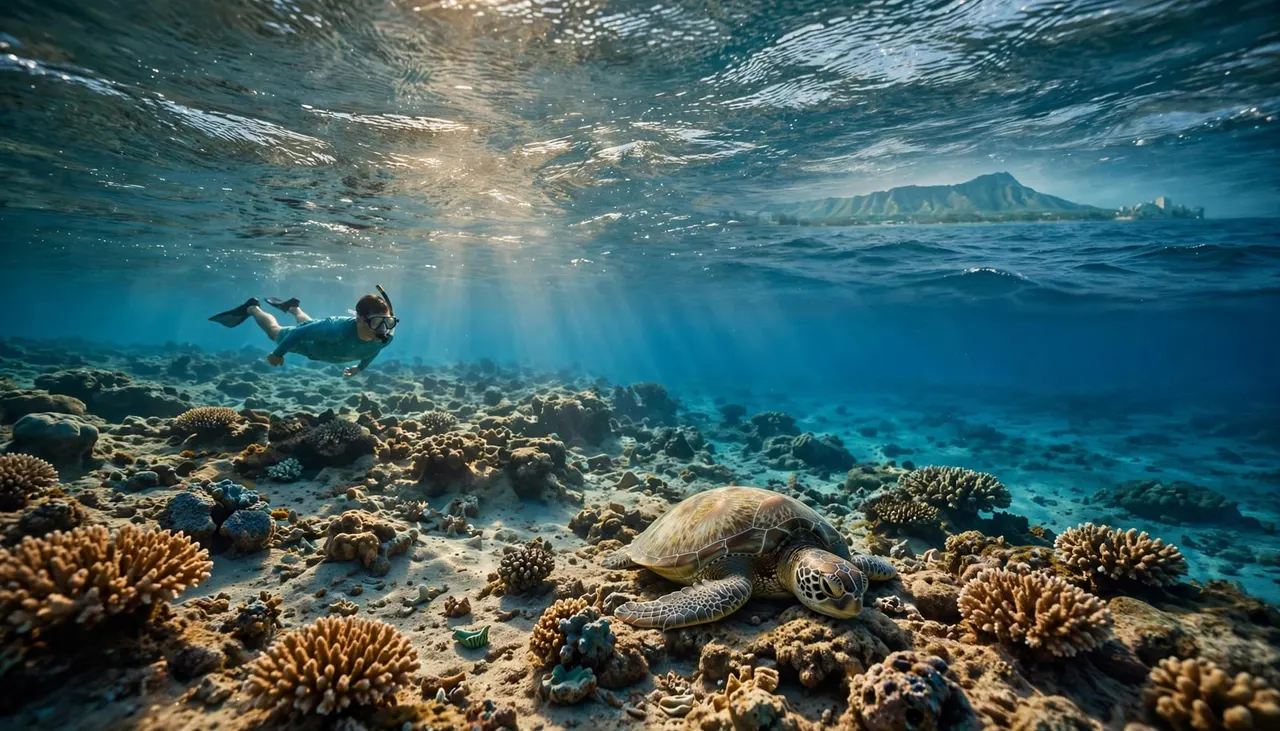
Turtle Canyons is offshore from Waikiki and is known as a natural turtle cleaning station. Hawaiian green sea turtles may visit these reef areas, but every encounter depends on the animals and the day’s conditions.
Professional snorkel guides can help you stay with your group, adjust your gear, and recognize when it is time to pause or return to the boat. You should keep your distance from turtles, avoid chasing them, and never touch coral or wildlife.
When a turtle encounter is high on your list, CHECK AVAILABILITY for a Turtle Canyons outing.
A family cruise offers more flexibility
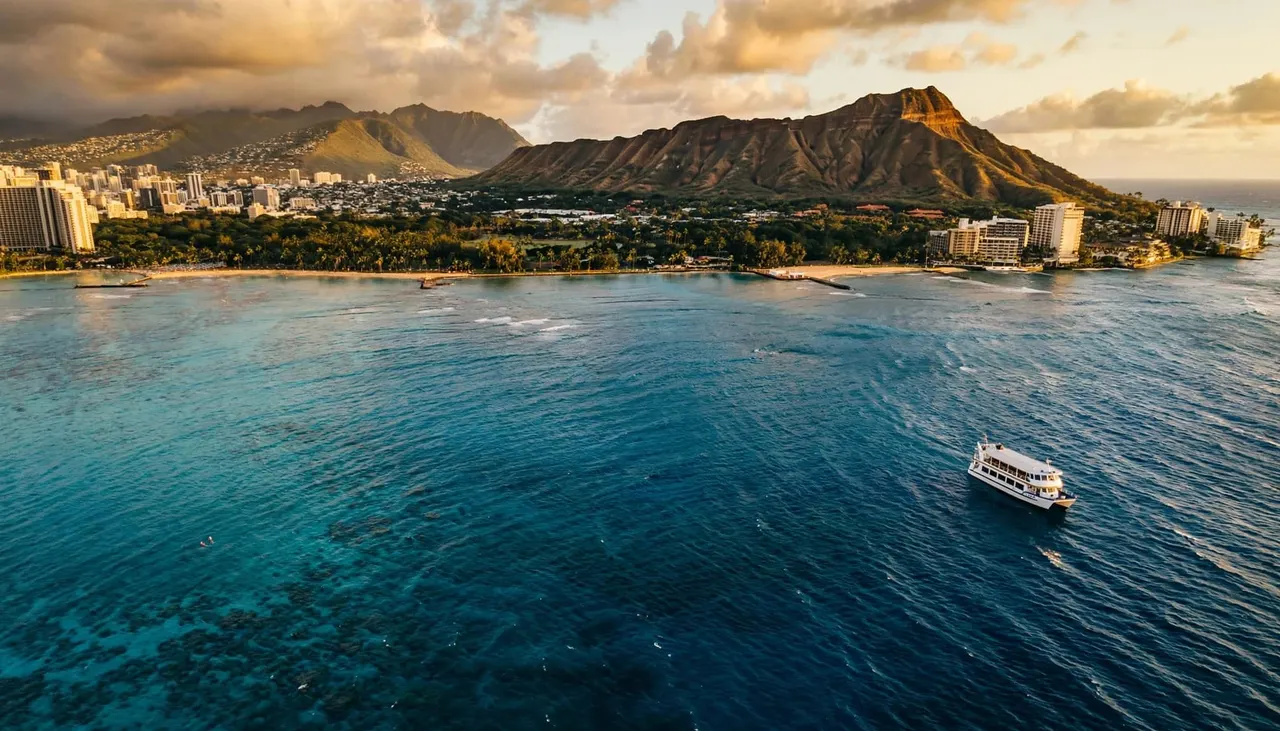
For families and guests who want more time on the water, Living Ocean Tours also offers a deluxe Waikiki snorkeling and wildlife cruise. The trip visits a less-crowded reef and includes a waterslide, water trampoline, and floating lily pad.
The Lokahi has a SeaKeeper stabilization system designed to reduce boat roll. That can make a difference when trade winds add texture to the ride. Still, tell the crew before departure if you are prone to motion sickness.
If your group wants guided reef time plus water play, CHECK AVAILABILITY for the deluxe cruise.
Pack for Comfort and Reef Respect
The right gear won’t change the wind, but it can make your experience much more comfortable. A well-fitting mask matters more than expensive equipment, especially if you are new to open-water snorkeling.
Bring only what helps you stay comfortable
Test your mask seal on dry skin before entering the water. Use flotation if it helps you relax, and tell a guide early if you feel tired, cold, dizzy, or nervous.
Bring drinking water, reef-safe sunscreen, sunglasses with a secure strap, and a light layer for the return ride. Secure swimwear and sandals with grip also make boarding easier when a deck is wet.
Protect the reef and its wildlife
Keep your fins away from coral and never stand on the reef when water gets shallow. Even a quick touch can damage fragile coral or disturb marine life.
Observe turtles from a respectful distance. Let them choose where to swim, surface, or rest. The best snorkeling Oahu memories come from watching wildlife behave naturally, not from getting as close as possible.
Frequently Asked Questions
Do trade winds always make Waikiki snorkeling rough?
No. Trade winds can create surface chop, but their effect depends on direction, strength, swell, location, and the shelter offered by a reef or harbor. Conditions can differ across short distances, so check the water on the day you plan to snorkel.
Does low wave height mean clear water?
No. Visibility also depends on rain, runoff, wind, sediment, recent surf, and the reef itself. A low wave reading may still coincide with murky water after rain, while a protected site can remain clear on a slightly livelier day.
What should you do if conditions change offshore?
Tell the crew as soon as you feel uncomfortable. Hold your flotation device if you need a break, stay close to the guide, and return to the boat before fatigue sets in. You never need to prove that you can push through rougher water.
Are guided tours suitable for first-time snorkelers?
Yes, provided you are comfortable following instructions and share any concerns with the crew. In-water guidance, flotation support, and a paced entry can help you focus on breathing, floating, and enjoying the reef.
Make the Ocean Part of the Experience
The ocean does not follow a vacation schedule. Trade winds, swell, rain, and currents can reshape Waikiki water conditions within hours, even beneath clear skies.
For snorkeling Oahu, use buoy data and forecasts as your starting point. Then trust your eyes, respect your limits, and follow the crew’s direction. Good judgment gives you the freedom to enjoy the reef when conditions are right, and to wait when they are not.


