
Snorkeling Oahu: Guided or Self-Guided Reef Time
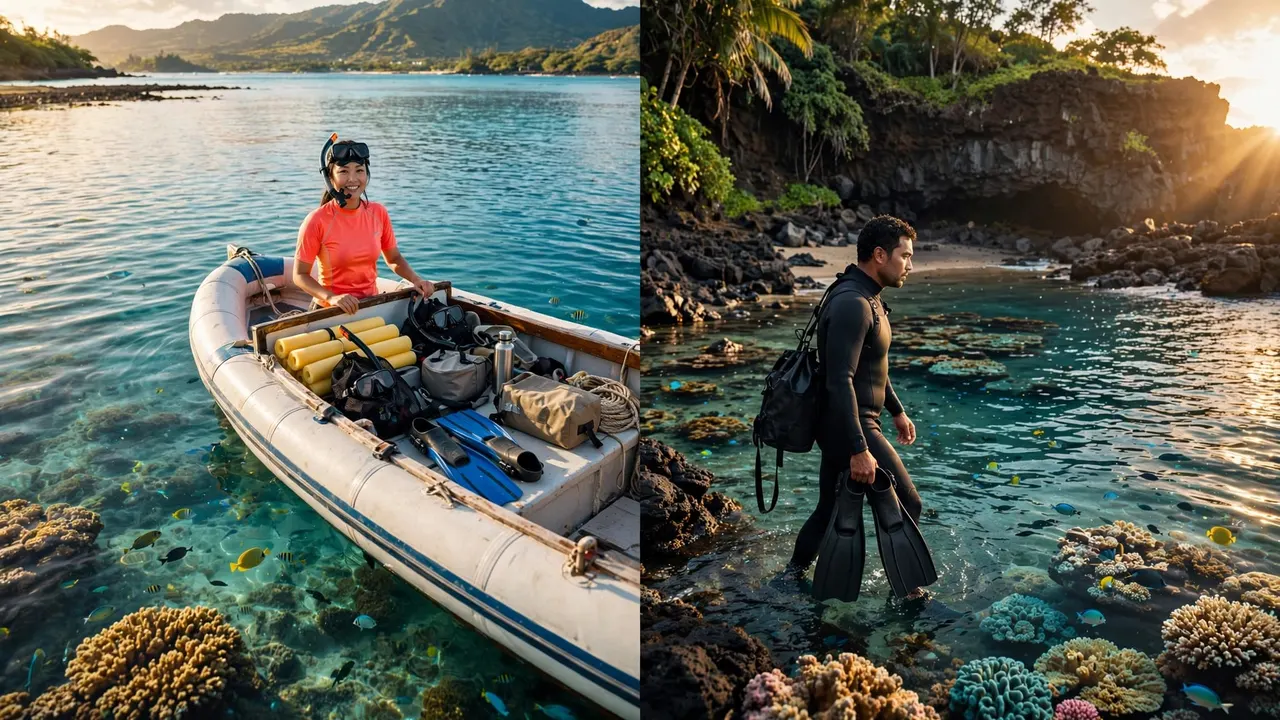
A clear mask and calm water can turn snorkeling Oahu into the highlight of your trip. However, the right reef experience depends on more than a pretty shoreline. Your swimming confidence, your group’s needs, and the day’s ocean conditions all matter.
If you want support with gear, water entry, and wildlife etiquette, a guided trip makes planning easier. If you’re already comfortable reading conditions and managing your own equipment, self-guided time can offer more flexibility.
Start With the Kind of Day You Want
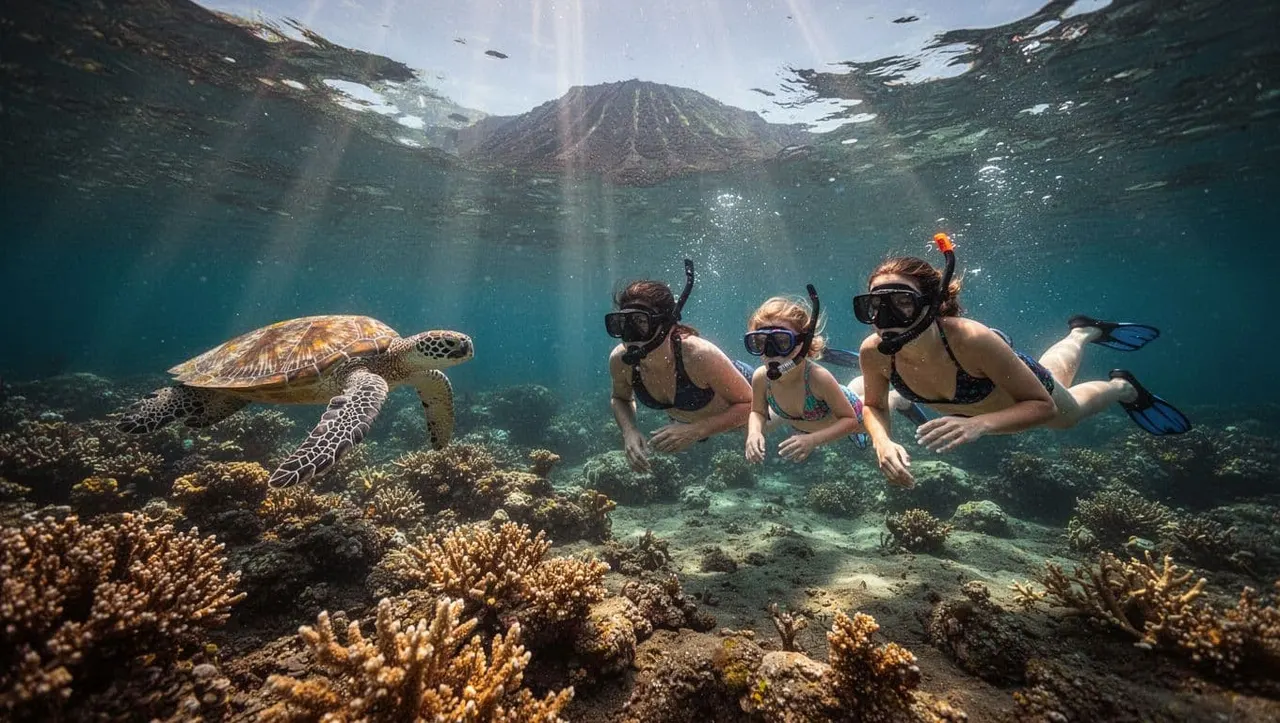
Guided and self-guided snorkeling Oahu experiences can both be rewarding. The better choice is the one that lets you stay relaxed, respect the reef, and enjoy the water at your own pace.
Guided reef time reduces the moving parts
A guided boat trip gives you a crew, a planned route, and an organized water-entry plan. You don’t have to decide whether a shore break is manageable, find parking near a beach, or carry fins and a dry bag across hot sand.
That help matters if you haven’t snorkeled recently. A guide can check your mask seal, explain how to clear water from a snorkel, and help you choose flotation before you enter. You can also take a break on the boat if you get tired.
For families, this format keeps the group together. Couples can focus on the view instead of dividing attention between navigation and safety details.
Self-guided snorkeling gives you more freedom
Independent reef time works well when you are a capable swimmer and have already used your gear in open water. You can choose when to arrive, how long to stay, and when to leave without following a boat schedule.
Still, flexibility comes with responsibility. You need to check surf, wind, currents, visibility, tide, and any posted warnings before stepping in. A calm beach view doesn’t always reveal surge near a reef edge or a strong current beyond the shallows.
If conditions look questionable, save your snorkel for another day. The ocean will still be there when it is safer and more enjoyable.
Compare Guided and Self-Guided Snorkeling Oahu
Your group can use these trade-offs to make a quick, practical choice.
| Consideration | Guided snorkel trip | Self-guided reef time |
|---|---|---|
| Gear | Usually provided and fitted by crew | You bring or rent everything |
| Water support | Instruction and in-water guidance | You manage comfort and navigation |
| Timing | Fixed departure and return time | Flexible arrival and swim length |
| Reef access | Boat can reach offshore habitat | Limited to safe shore entries |
| Best fit | Beginners, families, mixed-skill groups | Confident, prepared swimmers |
A guided outing costs more than a simple beach session, yet it removes much of the preparation that can eat into a short Waikiki vacation.
Consider your swimming comfort honestly
You don’t need to be a competitive swimmer to enjoy a guided snorkel. Still, you should be comfortable putting your face in the water and following crew instructions. Tell the team if you are nervous about breathing through a snorkel, have trouble kicking with fins, or want extra flotation.
Self-guided snorkeling asks more of you. You need enough stamina to swim back to shore if the current changes or you become uncomfortable. You also need to recognize when other people in your group have reached their limit.
A child who enjoys a hotel pool may still feel uneasy over deeper water. Guided support can keep that first ocean experience positive.
Factor in your vacation schedule
A self-guided session can be brief and spontaneous. You can snorkel early, return for breakfast, and move on with your plans. That works best when you have your own gear and conditions cooperate.
A boat tour takes a scheduled block of time, but it can simplify the entire outing. Gear, instruction, storage, shade, restrooms, and a route are handled for you. That is often a better use of time when you only have a few days in Honolulu.
Your planned excursion length includes check-in, instruction, boat travel, and water entry. Your personal swim time can change with conditions and your comfort level.
Choose Guided Support for Waikiki Reef Time
Living Ocean Tours operates from Kewalo Basin Boat Harbor, close to Waikiki. The company uses Coast Guard-inspected double-decker vessels with shaded seating, onboard restrooms, dry storage, and sturdy ladders for water entry.
Living Ocean Tours is the only tour company with professional snorkel guides in the water with you. That direct support helps you settle into your gear, stay aware of reef etiquette, and return to the boat calmly if you need a break. You can compare its guided snorkeling tours in Oahu before choosing a departure.
Pick Turtle Canyons when turtles are your priority
The two-hour Turtle Canyons Snorkel Excursion takes you to an offshore Waikiki reef habitat known as a natural turtle cleaning station. Hawaiian green sea turtles may visit these areas, while reef fish move through the coral below.
Living Ocean Tours reports a 95% turtle-sighting rate for this experience. Wildlife never follows a schedule, so treat that figure as an operator-reported history rather than a promise. Gear, instruction, and flotation support are included, which makes this a strong choice for first-time snorkeling Oahu visitors.
Choose the Deluxe cruise for a longer family outing
The 2.5-hour Deluxe Waikiki Snorkeling and Wildlife Cruise suits groups who want reef time plus more room for play. It visits a less-crowded reef and includes a boat-mounted waterslide, water trampoline, and floating lily pad.
The Lokahi also has a SeaKeeper stabilization system that reduces boat roll. That extra steadiness can make the ride more comfortable if someone in your group gets motion sick. Morning and afternoon departures are available daily, with seasonal departure times.
When Self-Guided Snorkeling Makes Sense
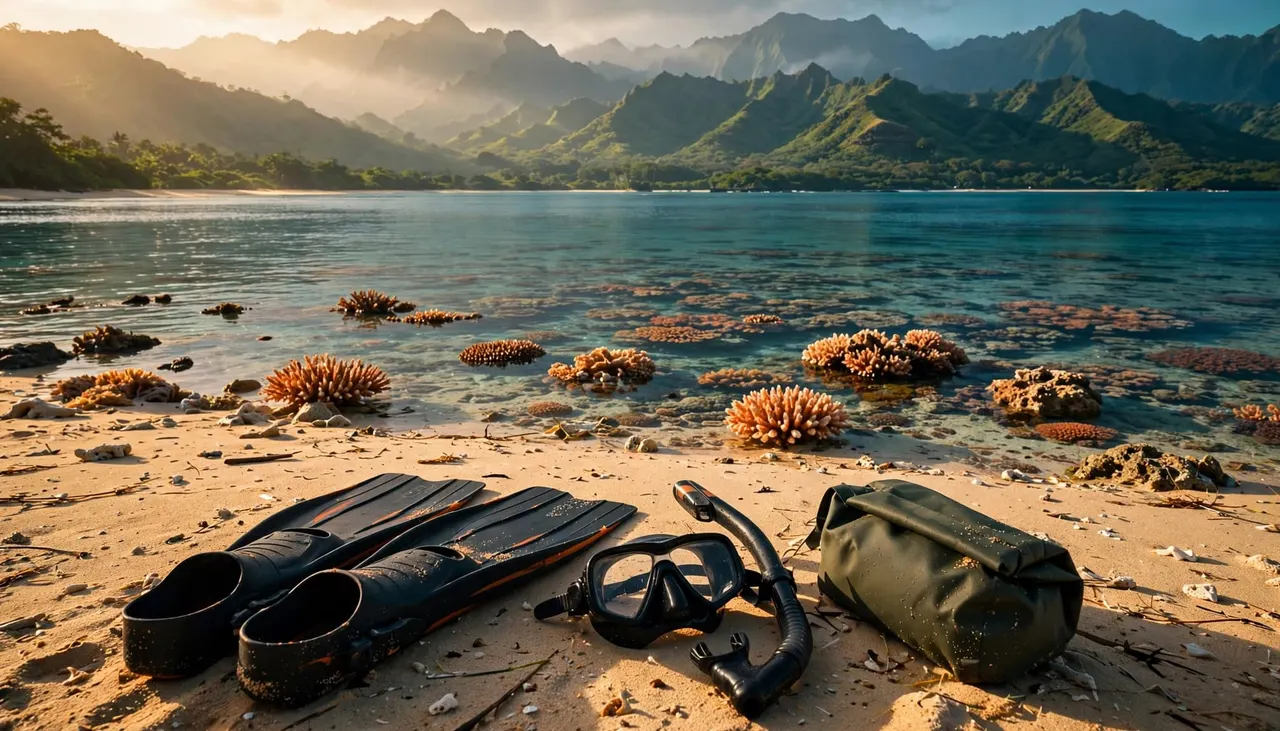
Self-guided snorkeling Oahu can be a great fit when you know your limits and can change plans without disappointment.
Bring equipment you have already tested
A new mask can leak even when it looks like a perfect fit. Test yours on dry skin by placing it against your face and inhaling gently through your nose. If it stays in place without the strap, the seal is likely sound.
Pack a well-fitting mask, snorkel, fins, a flotation device if needed, drinking water, a towel, and a cover-up. A rash guard or swim shirt reduces sun exposure while you float. Keep valuables off the beach whenever possible.
You should also snorkel with a buddy. Stay close enough to check on each other without swimming side by side over the coral.
Choose conditions, not a fixed itinerary
Check conditions before you leave your hotel, then reassess when you arrive. Look for rough surface water, strong shore break, muddy visibility, breaking waves over the reef, or current pulling swimmers away from their entry point.
Don’t pressure yourself to enter because you rented gear or set aside the afternoon. Sightseeing, a beach walk, or a relaxed swim close to shore can still be a good ocean day.
For snorkeling Oahu, the safest plan is always the one that gives you permission to skip the water.
Treat Turtles and Coral With Respect
The best sightings happen when you stay calm, float quietly, and give wildlife the room to behave naturally.
Give Hawaiian green sea turtles space
Hawaiian green sea turtles are protected under federal and state law. The Hawaii Department of Land and Natural Resources explains sea turtle protections and the legal status of these animals in Hawaii.
Keep at least 10 feet between you and a turtle whenever possible. Never touch, feed, chase, ride, block, or surround one. A turtle should always have a clear route to surface or swim away.
A distant turtle moving freely is a far better encounter than a close photo that disrupts its behavior.
Keep your fins above the reef
Coral is living habitat, not a place to stand. Even a quick touch from a fin can damage fragile structures or stir sand that clouds the view for everyone.
Use slow, short kicks and maintain enough buoyancy to hover above the reef. If you need to adjust your mask, move to clear water or hold onto a flotation device instead of reaching for coral.
Snorkeling Oahu feels more rewarding when you leave the reef looking the same as you found it.
Key Takeaways for Your Reef Day
- Choose a guided trip if you want gear support, an organized water-entry plan, and professional snorkel guides nearby.
- Pick self-guided reef time only when you can evaluate conditions, manage your own equipment, and swim confidently in open water.
- Turtle Canyons is a boat-accessible Waikiki reef area where turtles may visit cleaning stations, but no wildlife sighting is guaranteed.
- Tell your crew about seasickness, children, mask concerns, or swimming nerves before you enter the water.
- Keep your body, fins, and camera at a respectful distance from coral and marine life.
Frequently Asked Questions
Is guided snorkeling Oahu good for beginners?
Yes. A guided excursion gives you help with masks, fins, snorkels, flotation, and basic water-entry techniques before you reach the reef. You can also stay near the guide and take breaks as needed.
Living Ocean Tours welcomes a wide range of ages on its snorkel experiences. Booking listings show ages 3 to 70 for Turtle Canyons and 3 to 99 for the Deluxe cruise, but you should confirm current requirements when reserving.
Can you snorkel at Turtle Canyons without a tour?
Turtle Canyons is offshore from Waikiki, so boat access is the practical option. A guided trip also gives you equipment, instruction, and in-water support around the reef.
If you are choosing between a casual beach snorkel and a turtle-focused boat trip, consider what will help you relax. Comfortable gear and a calm pace usually lead to a better view below the surface.
Choose the Reef Experience That Lets You Relax
The best snorkeling Oahu experience is the one that matches your confidence and gives you room to enjoy the water without rushing. Guided reef time is often the easier choice for beginners, families, and visitors who want a turtle-focused outing close to Waikiki.
If you are experienced, prepared, and facing calm conditions, self-guided snorkeling can offer a simple and flexible alternative. In either case, respectful observation protects the reef and makes every wildlife encounter better.


