
Best Waikiki Snorkeling Trips: 2026 Guide
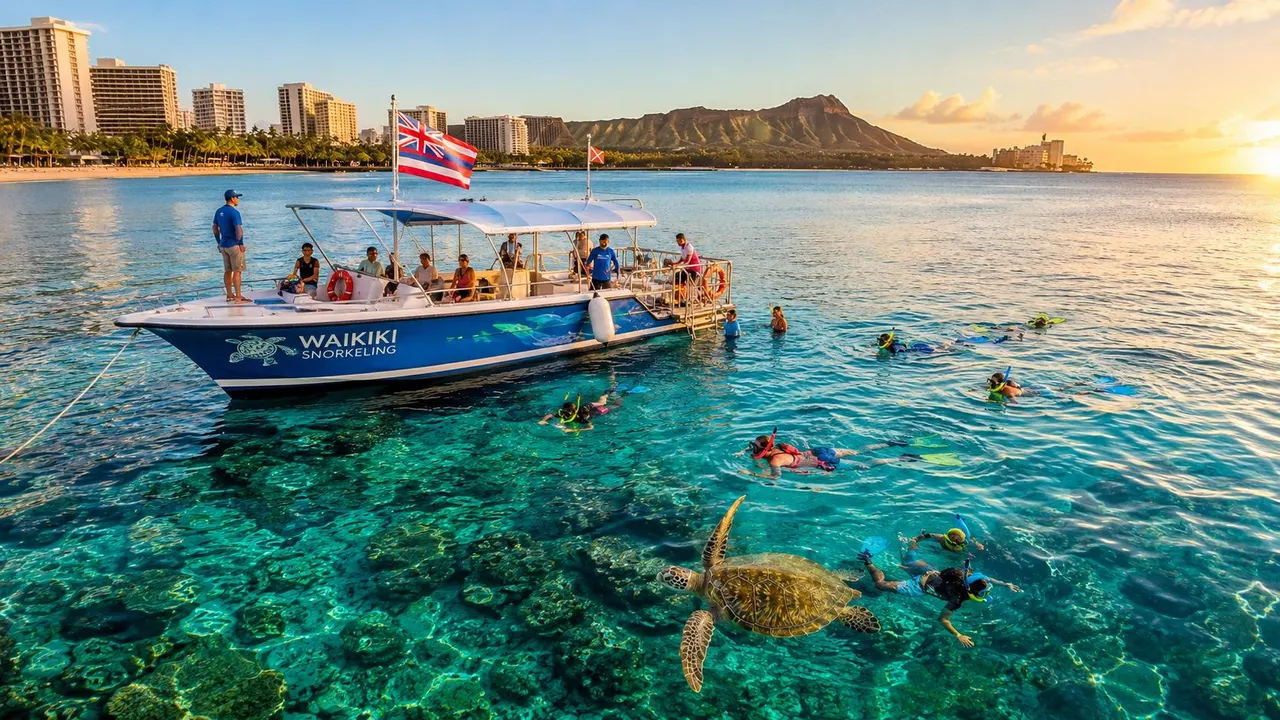
You can stand on Waikiki Beach at sunrise, watch the boats head out past the reef, and still wonder the same thing most visitors ask after breakfast, is this worth booking, or should you just snorkel from shore and save the money? For a lot of travelers, especially families and first-time snorkelers, the main decision is less about whether the water looks beautiful and more about whether the trip will be easy, safe, and likely to deliver the marine life they came to Hawaii to see.
Why Waikiki Snorkeling Trips Are Worth Your Time
A family lands in Honolulu, settles into Waikiki, and wants one ocean activity that feels worthwhile without taking over the day. waikiki snorkeling trips fit that need well for travelers who want a short outing with a real chance of seeing marine life, while avoiding the planning and trial-and-error that shore snorkeling often requires.
Why the experience feels manageable
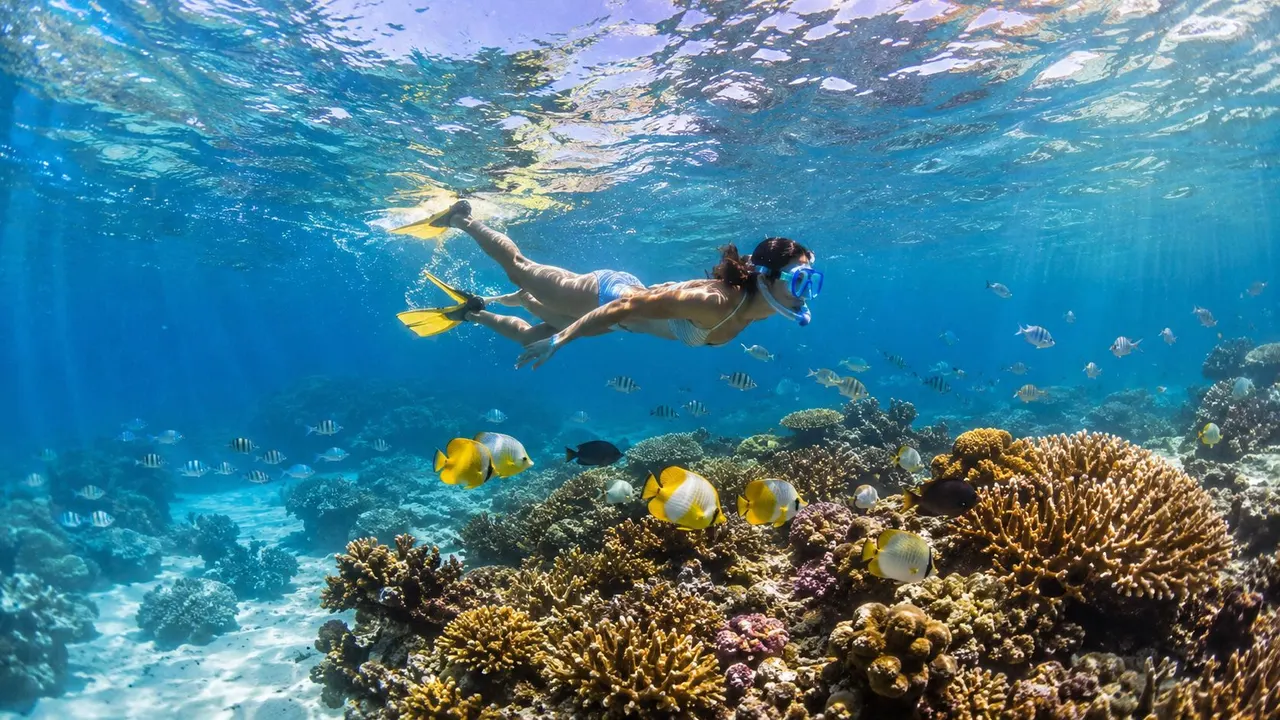
The appeal is practical. Waikiki sits close to calm, accessible water, and guided trips use that location to create an outing that feels contained instead of demanding. For travelers who are new to snorkeling, that matters because a shorter trip with clear instruction is usually more rewarding than a longer self-directed search for fish.
The wildlife side is the primary draw. Turtle Canyon is a known cleaning station for Hawaiian green sea turtles, so boat operators are aiming for a predictable marine area, not hoping for a lucky break. Living Ocean Tours reports a turtle-sighting success rate of over 95% on its Turtle Canyons Snorkel Excursion, with a 2 to 3 hour total outing and about 45 to 60 minutes in the water, which shows why these trips are sold as efficient wildlife experiences rather than all-day open-ocean outings. Living Ocean Tours explains the trip format and sighting rate.
Why families tend to like them
Families usually want three things at once, manageable timing, a predictable setting, and a good chance of seeing something. Waikiki snorkeling fits that mix better than many ocean activities because the trip is short, the water access is close to Honolulu, and the target area is chosen for repeat wildlife encounters instead of distance from shore.
That also lowers the stress level. You are not asking kids or cautious swimmers to commit to a long boat day just to spend a few minutes in the water. You are giving them a guided entry into a place where turtle encounters are likely and the structure of the outing keeps the day simple.
For travelers comparing beach entry with a paid outing, the time trade-off matters. Shore snorkeling can work well in the right conditions, but a guided boat trip removes a lot of the guesswork and gives you a cleaner payoff for the time spent on the water. A good overview of the offshore reef setup is available in this guide to Waikiki snorkeling beach and offshore reefs.
Practical rule: if your vacation day is already full, choose the outing that gives you the clearest payoff in the smallest window of time.
Guided Boat Tours vs Shore Snorkeling in Waikiki
The biggest trade-off is simple. Shore snorkeling can be cheap and flexible, but it depends heavily on conditions, while guided boat tours move you to a more predictable wildlife area with supervision and a plan. For visitors trying to decide between a beach entry and a paid outing, that difference usually determines the quality of the experience.
A useful comparison is below.
| Factor | Guided Boat Tour | Shore Snorkeling |
|---|---|---|
| Wildlife reliability | Concentrates you in an offshore turtle area with stronger encounter odds | Depends on where you enter, visibility, and whether conditions cooperate |
| Time efficiency | Built as a short, planned outing | Can take longer because you scout, enter, and adjust on your own |
| Comfort for beginners | Crew guidance, fitted gear, and clearer procedures | More self-directed, which can be awkward for first-timers |
| Crowding | Visits a designated offshore spot | Can feel busy near popular beach access points |
| Safety structure | Supervision and boat-based support | More dependent on your own judgment and local reading of conditions |
Shore snorkeling in Waikiki is not a bad option, but it's highly condition-dependent. Independent guide material notes that calm-water windows, lifeguard guidance, and local spots only work well when visibility and currents cooperate. A paid trip to Turtle Canyon removes a lot of that guesswork by taking you to a known marine area built around repeat turtle encounters, which is why so many visitors find the guided option more satisfying on a short trip. Compare those options here.
What each option is best for
If you're very confident in the water, have time to scout, and enjoy improvising, shore snorkeling can be fine on the right day. If you're traveling with kids, want better odds of seeing turtles, or just don't want to gamble half your morning on water conditions, the boat trip usually wins on convenience and predictability.
Decision shortcut: choose shore snorkeling if flexibility matters more than certainty, and choose a guided trip if you want the cleaner wildlife payoff.
Types of Waikiki Snorkeling Excursions Available
Turtle-focused excursions
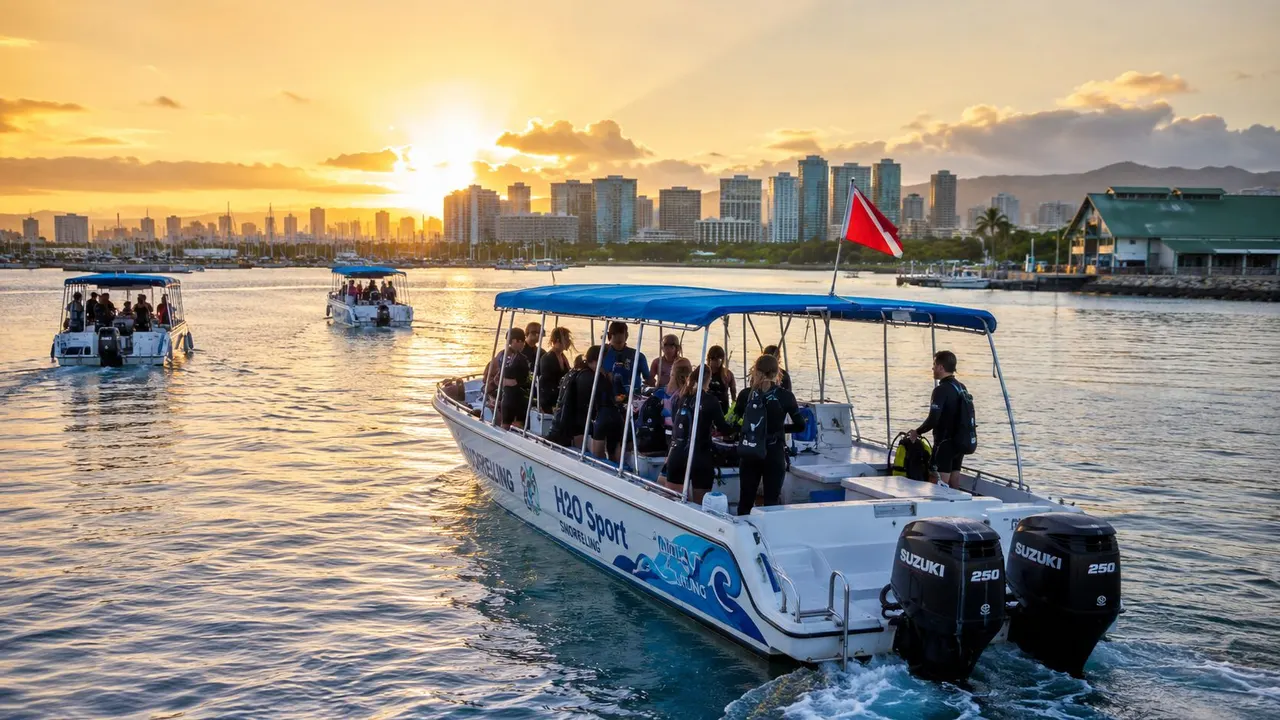
A turtle-focused trip is the cleanest choice for visitors who want a narrow target and a higher chance of a worthwhile sighting. These outings usually center on Turtle Canyon, a shallow reef and cleaning station where green sea turtles gather because reef fish help remove algae and parasites from their shells. That is the practical reason these trips work, not a marketing line. See the broader Oahu snorkeling excursion options here.
The format also matters. Living Ocean Tours describes its Turtle Canyons Snorkel Excursion as a short, purpose-built outing with a strong turtle-sighting record and limited time in the water. For travelers on a tight schedule, that structure is useful because it keeps the day focused and cuts out the uncertainty that comes with trying to self-plan a reef stop.
General wildlife and family-friendly cruises
Some groups want more than a turtle search. A broader wildlife cruise gives you reef fish, open-water time, and easier pacing, which can be a better fit when the group has mixed ages or different comfort levels in the water.
Living Ocean Tours also offers the Deluxe Waikiki Snorkel and Wildlife Cruise, which works well for families who want a livelier outing instead of a single-purpose swim. This snorkeling and wildlife option is described here. The trade-off is straightforward. Turtle-focused trips put more of the schedule into the encounter itself, while combo cruises spread attention across swimming, cruising, and onboard activity.
Seasonal and special-occasion options
Sunset cruises and whale watching sit in the same departure area, but they serve different trip goals. Sunset outings are about scenery and a slower pace on the water. Whale watching is a seasonal nature experience that should be treated as its own booking decision.
Group composition matters here. A quieter swimmer may prefer a direct reef trip with minimal extras, while children and multigenerational groups often do better on an outing that gives them more deck time and a little variety between swim sessions. That is usually the better use of everyone's energy.
The right excursion type is the one that matches your group's pace, your comfort in the water, and how much of the day you want to commit to snorkeling.
Safety Considerations for Waikiki Snorkeling
Snorkeling can look calm from the beach, which is why people underestimate it. The ocean does not care how easy it looks from shore. Hawaii's official safety guidance is direct, check conditions before you enter the water, because high surf, high winds, heavy shorebreak, and strong currents are bad snorkeling conditions, and if anything looks dangerous, check with lifeguards and stay out. Hawaiʻi ocean safety guidance says it plainly.
A Honolulu-based snorkeling guide also cites Hawaii snorkel-related fatalities averaging 45 tourist deaths per year from 2019 to 2023, which puts the activity in a different light for first-time visitors. That number does not mean snorkeling should be avoided. It means visitors should treat it as a real ocean activity with rules, not a casual dip.
Why guided tours reduce guesswork
Guided trips remove several places where things go wrong. Crew members choose the site, fit the gear, brief the group, and keep eyes on swimmers instead of leaving everyone to read wind, current, and fatigue on their own. That matters in a place where conditions can shift from manageable to uncomfortable faster than many newcomers expect.
A Waikiki snorkel overview from Living Ocean Tours makes the same local point, guided outings reduce the amount of on-the-spot judgment a visitor has to make in the water. That is not a small advantage. It affects time in the water, confidence, and the chance of getting into a situation that feels fine until it does not.
A 2022 study in the Journal of Travel Medicine linked unexplained drowning events in ocean settings to hypoxia induced by rapid onset pulmonary edema, or ROPE. You do not need to diagnose yourself, you just need to treat shortness of breath, unusual fatigue, or panic as a reason to stop and signal for help.
What safety-minded swimmers actually do
The safest snorkelers are usually the least dramatic about it. They check the day's conditions, choose a guided outing when they are unfamiliar with the area, and use the briefing instead of rushing into the water.
Practical rule: if you feel off before you enter, do not push through because everyone else seems fine.
That approach is why many visitors choose guided boat tours over self-entry. Supervision, proper gear, and a fixed plan do not eliminate risk, but they do reduce the number of decisions you have to make in the water.
What to Pack and How to Prepare for Your Trip
Show up light, not overloaded. For most waikiki snorkeling trips, the essentials are swimwear, a towel, reef-safe sun protection, and whatever comfort items help you stay relaxed on a boat, because the tour operator usually handles the instruction and the core snorkel gear.
What helps most on the boat
Wear your swimsuit under your clothes so you're ready to move quickly when boarding. Bring a cover-up or light shirt for sun and wind, and use a hat or rash guard if you burn easily. If you're prone to motion sickness, don't wait until the boat is moving to think about it, plan ahead and choose the timing and seat that make you feel steady.
A few practical items make the day smoother.
- Reef-safe sunscreen: Apply before boarding, then reapply if needed after your swim.
- Towel and dry change of clothes: Saltwater feels better when you have something dry waiting for you afterward.
- Water and a light snack: Helpful if you're traveling with kids or you know you get hungry quickly.
- Minimal valuables: Leave unnecessary electronics and jewelry back at the hotel.
How beginners should prepare
If you haven't snorkeled much, the main job is comfort, not athletic performance. Practice breathing calmly through the snorkel if you have time, and listen closely during the safety briefing, especially on mask fit, fin use, and how to signal if you need help.
Families with children should ask about flotation options and how the crew handles nervous swimmers. Many people are surprised by how much better the experience feels once they're fitted correctly and told exactly what to do in the first minute.
The less gear you have to think about, the easier it is to enjoy the water.
For visitors who need rentals or trip prep help, this gear and rental page is a practical place to start. Good preparation doesn't make the ocean less serious, it just makes the day more comfortable.
Responsible Wildlife Viewing and Turtle Etiquette
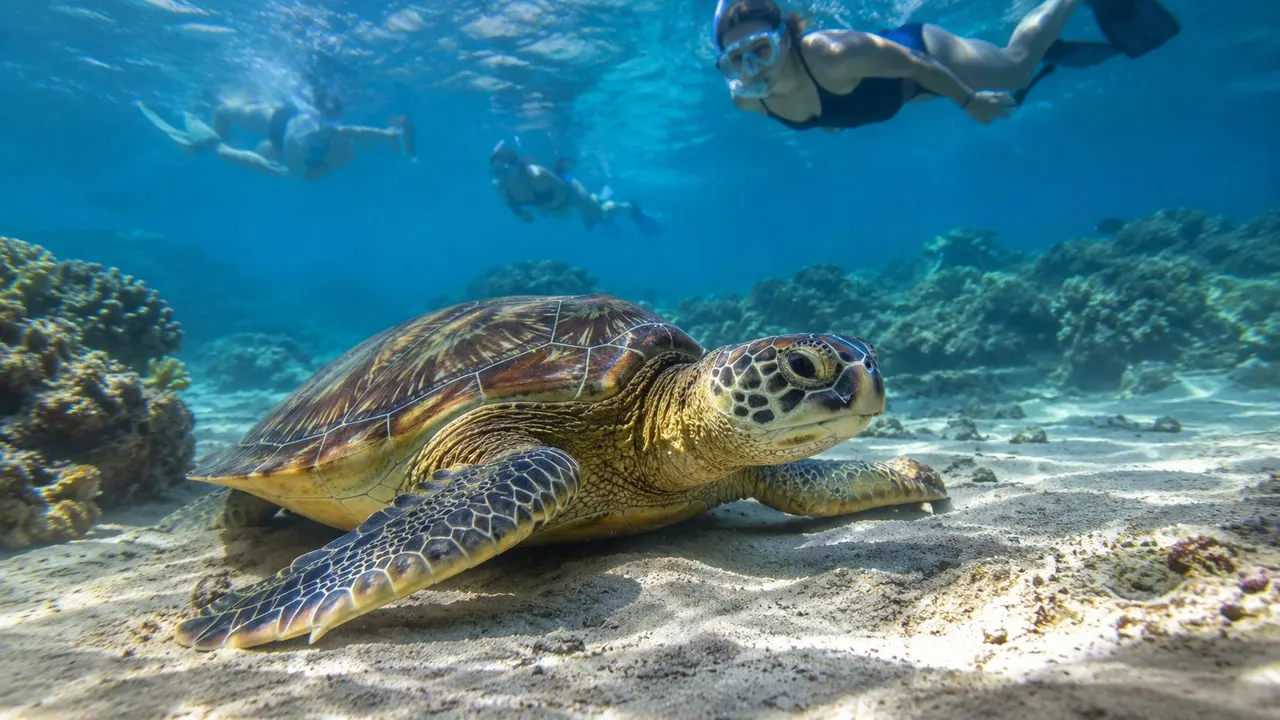
A good turtle encounter starts with restraint. Give the animal space, keep your movements slow, and let the sighting unfold on its terms. Living Ocean Tours says guests should stay at least 10 feet, or 3 meters, from turtles because they are protected wildlife, and that is the standard I'd expect visitors to follow on any waikiki snorkeling trips outing. Those turtle-distance rules are laid out here.
Why distance matters
Turtles are not props for a photo. When swimmers crowd them, the animals change course, burn energy, and lose the calm behavior that makes a cleaning station work the way it should. Turtle Canyon depends on that natural rhythm, with reef fish and turtles using the site as part of a living ecological relationship, so the most responsible snorkelers treat it like habitat first and sightseeing second.
Coral deserves the same care. Touching coral or marine life can break fragile structures and stress animals that already live close to their limits. Responsible operators make those rules plain before anyone enters the water, and they keep reinforcing them while the group is out there. These local turtle rules are worth reviewing before you go.
How to spot a responsible operator
A good company talks about behavior as much as sightings. It explains how to float, where to hold distance, and how to enter and exit without stirring up the reef. It also keeps the mood calm, because conservation works better when guests know what to do instead of feeling pushed toward a quick payoff.
That is the line between ethical wildlife tourism and exploitative marketing. One treats a turtle sighting as a privilege. The other treats it like a transaction.
Booking Your Waikiki Snorkeling Adventure
The best booking choice usually comes down to timing, confidence, and who's in your group. Families and first-timers tend to do better when they book early in the trip, so there's room to reschedule if the weather or energy level isn't right, and they don't end up squeezing the outing into their last available morning.
Turtle Canyon is the main offshore target for many Waikiki snorkeling trips because it's a shallow reef system and cleaning station where Hawaiian green sea turtles gather while reef fish remove algae and parasites from their shells. That natural setup is why boat tours can deliver such consistent wildlife encounters. The reef ecology is described here.
What to look for before you reserve
Read recent reviews for how the crew handles beginners, how clear the briefing sounds, and whether the trip feels organized rather than crowded. You want a company that treats safety and wildlife behavior as part of the product, not as afterthoughts. If you're traveling with kids, look for a format that keeps the water time short and the boarding process simple.
Living Ocean Tours is one option many visitors consider because it runs guided snorkeling and wildlife trips from the Waikiki area and is frequently mentioned by travelers who want a structured turtle outing. In that mix, the value is not just the marine life, it's the fact that the day stays manageable for mixed-age groups.
When to book and what to expect
If your schedule is tight, book as soon as your travel dates are fixed. If you're planning a special occasion or a family day that has to work smoothly, don't leave it to the last minute. The best trips are the ones that fit your group's pace, respect the ocean, and leave you enough energy to enjoy the rest of Waikiki afterward.
For many visitors, Living Ocean Tours is the straightforward choice for a guided turtle-focused outing from Honolulu, especially if you want a trip that stays practical without feeling generic. Visit Living Ocean Tours to check current options, compare departures, and book the experience that fits your group's comfort level and vacation plans.


