
Oahu Snorkeling Excursions: A Complete 2026 Guide
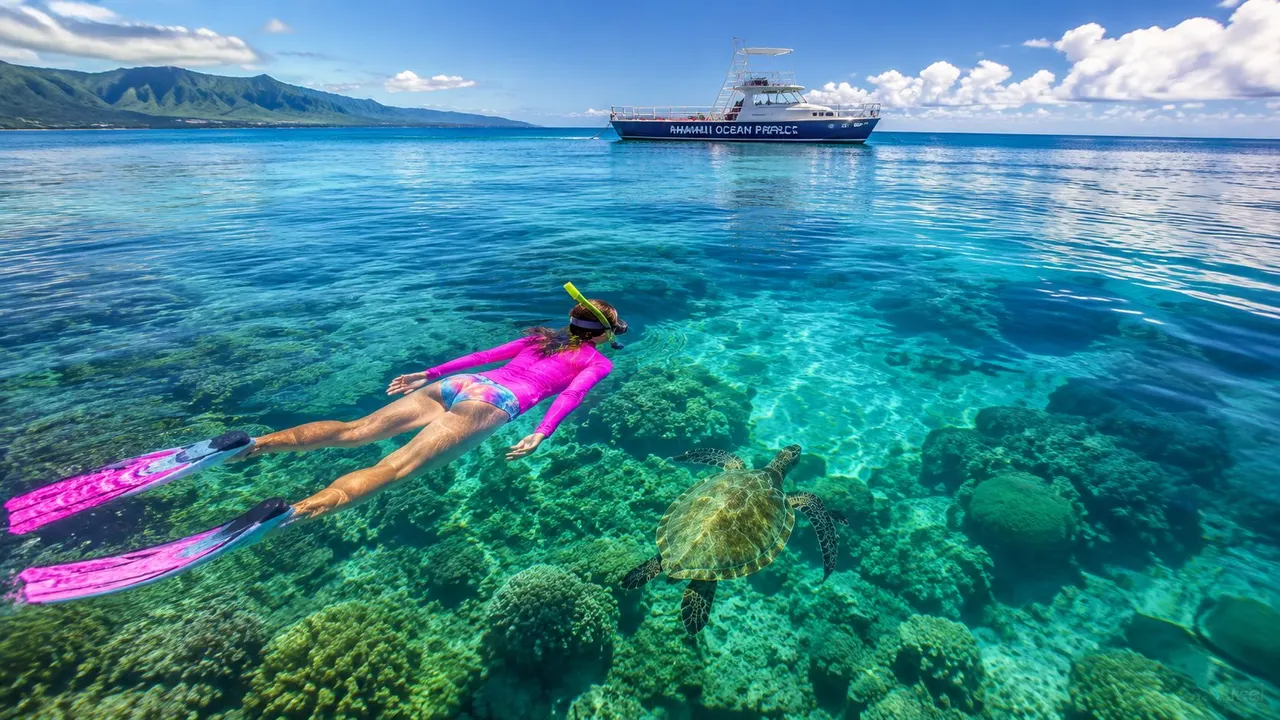
You're probably doing what most first-time Oahu visitors do. You've opened a dozen tabs, half the tours look similar, every boat promises turtles, and you're trying to figure out which trip will feel easy, safe, and worth your vacation time.
That confusion makes sense. Oahu snorkeling excursions can range from simple shore snorkeling to short turtle runs, family boat days, sunset cruises, and winter whale trips. The right choice depends less on flashy tour names and more on how your group travels. A family with young kids needs a different morning than a confident couple staying in Waikiki. A nervous first-timer needs a different setup than someone who already knows how to clear a mask and float calmly.
Good snorkeling should feel smooth from the moment you board. You want a clear briefing, gear that fits, enough support in the water, and a site that matches your comfort level. You also want the kind of memory that stays with you long after the trip ends: warm blue water, reef fish flashing below, and maybe a honu gliding through the reef without any rush at all.
The Unforgettable Dream of Snorkeling in Oahu
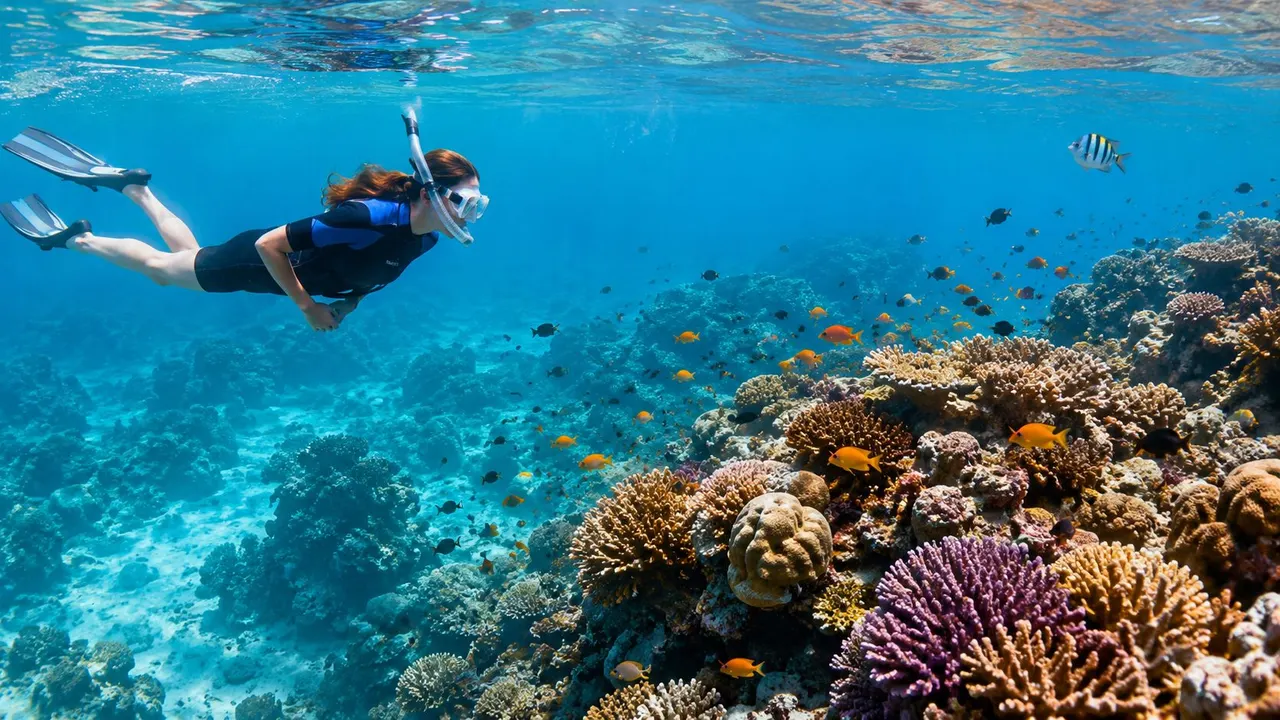
The version people picture before they arrive is usually pretty accurate. You're floating on the surface in warm, clear water, the skyline fades behind you, and the reef below starts coming into focus. Yellow tangs flicker over coral, the sunlight moves in bands across the bottom, and then a sea turtle appears so calmly that the whole moment slows down.
That's the part visitors remember. Not just seeing marine life, but how peaceful it feels once your breathing settles and you realize the reef is moving all around you without any effort on your part.
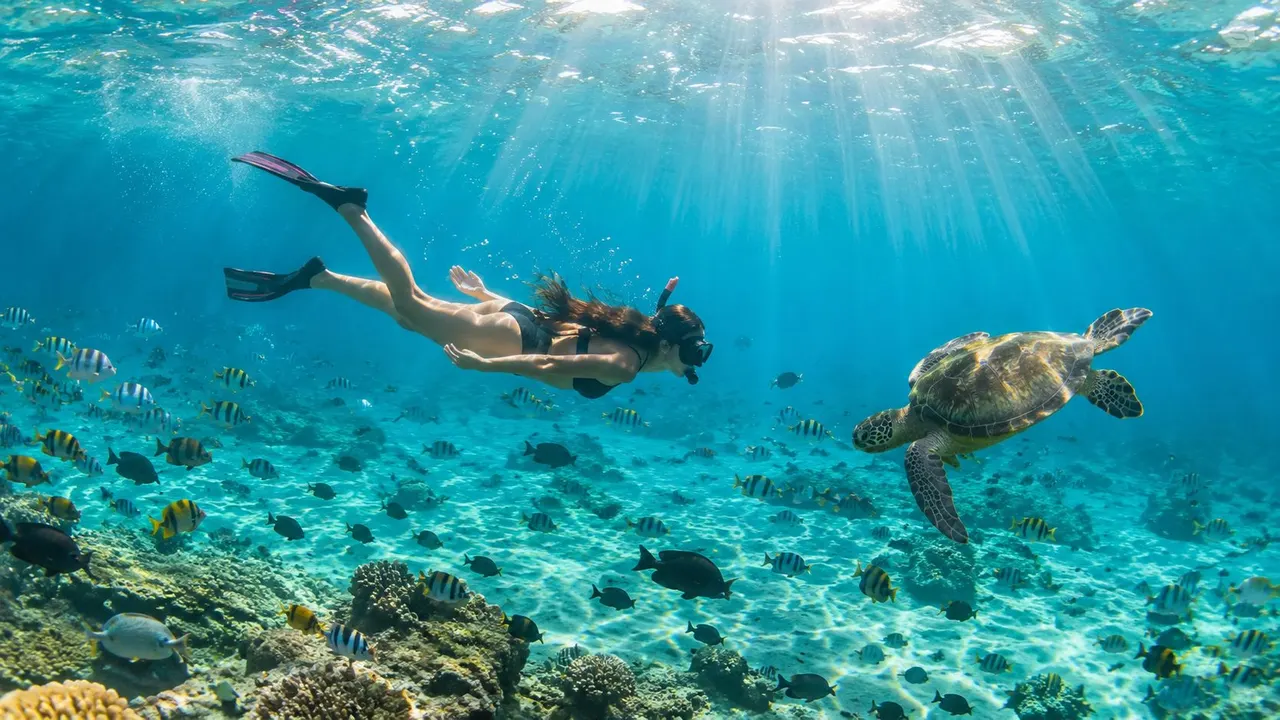
A lot of families arrive wanting exactly that experience, but they're not sure how to get there without stress. Some people want turtles. Some want easy access from Waikiki. Others just want to avoid a crowded beach entry and spend more time in the water than in a parking lot. That's where a little local judgment helps. The right trip isn't always the longest one or the cheapest one. It's the one that matches your comfort level and the kind of day you want to have.
If you're comparing options, start with a broad guide to snorkeling on Oahu and then narrow down by travel style. That approach saves a lot of second-guessing.
A strong snorkel day doesn't feel rushed. It feels organized, calm, and easy enough that even the nervous person in your group starts smiling once they're in the water.
Decoding Oahu Snorkeling Excursions Tour Types
Not all Oahu snorkeling excursions are built for the same guest. Some work best for people who want a simple beach day. Others are designed for visitors who'd rather let a crew handle the gear, the site, and the in-water support.
Shore snorkeling and boat excursions feel very different
Shore snorkeling appeals to people who like flexibility. You can go at your own pace, take breaks whenever you want, and stay close to land. For some travelers, especially those who prefer protected water and no boat ride, that's a good fit.
The trade-off is that shore snorkeling asks more from you. You need to judge entry conditions, deal with parking, walk gear in, and make smart decisions about surf, current, and visibility. A place may look calm from the sand and still feel awkward once you're in it.
Boat excursions remove a lot of that friction. You check in, get briefed, fit your gear, and ride directly to a reef that the crew has chosen for the day's conditions. If you're staying near Waikiki, that can make the morning much easier. A quick look at how Oahu snorkel boats compare usually makes this distinction obvious.
Here's the easiest way to understand this:
| Tour type | What works well | Main trade-off |
|---|---|---|
| Shore snorkeling | Flexible pace, easy breaks, no boat ride | More personal responsibility and more variable entry conditions |
| Guided boat snorkeling | Direct reef access, crew support, less hassle | Fixed departure time and open-water setting |
| Short specialty cruise | Good for mixed-interest groups | May split focus between snorkeling and the overall cruise atmosphere |
Specialty cruises fit a different kind of day
Some visitors don't want a pure snorkeling mission. They want a broader outing that mixes time in the water with sightseeing, sailing, or a more social onboard vibe.
That's where specialty cruises come in. A snorkel-and-cruise format often works well for families with a few non-snorkelers, or for travelers who want a lighter day on the ocean instead of a reef-focused session. Sunset cruises fit couples especially well, because the point isn't underwater time. It's the coastline, the light, and the relaxed pace.
Practical rule: Book the trip based on the least confident person in your group, not the strongest swimmer. That choice almost always leads to a better day for everyone.
Premier Boat Access Snorkeling Spots Like Turtle Canyons
You feel the difference as soon as the boat idles over clear blue water off Waikiki. The shoreline is still close enough to orient yourself, but once you put your face in the water, the city drops away and the reef takes over. For many first-time visitors, that first look at Turtle Canyons is the moment the trip starts to feel real.
Why Turtle Canyons stands out
Turtle Canyons earns its reputation because the site has a pattern. Hawaiian green sea turtles use this area as a cleaning station, where reef fish pick algae and debris from their shells and skin. That repeated behavior is what gives boat trips here their appeal. You are not drifting over random bottom and hoping for luck. You are visiting a place where turtles have a reason to show up.
Depth matters too. The site is generally shallow enough for strong visibility on a good day, but deep enough to feel like open-water snorkeling rather than wading over a shoreline reef. That balance works well for many visitors, especially beginners who want a guided offshore experience without committing to a long, advanced swim.
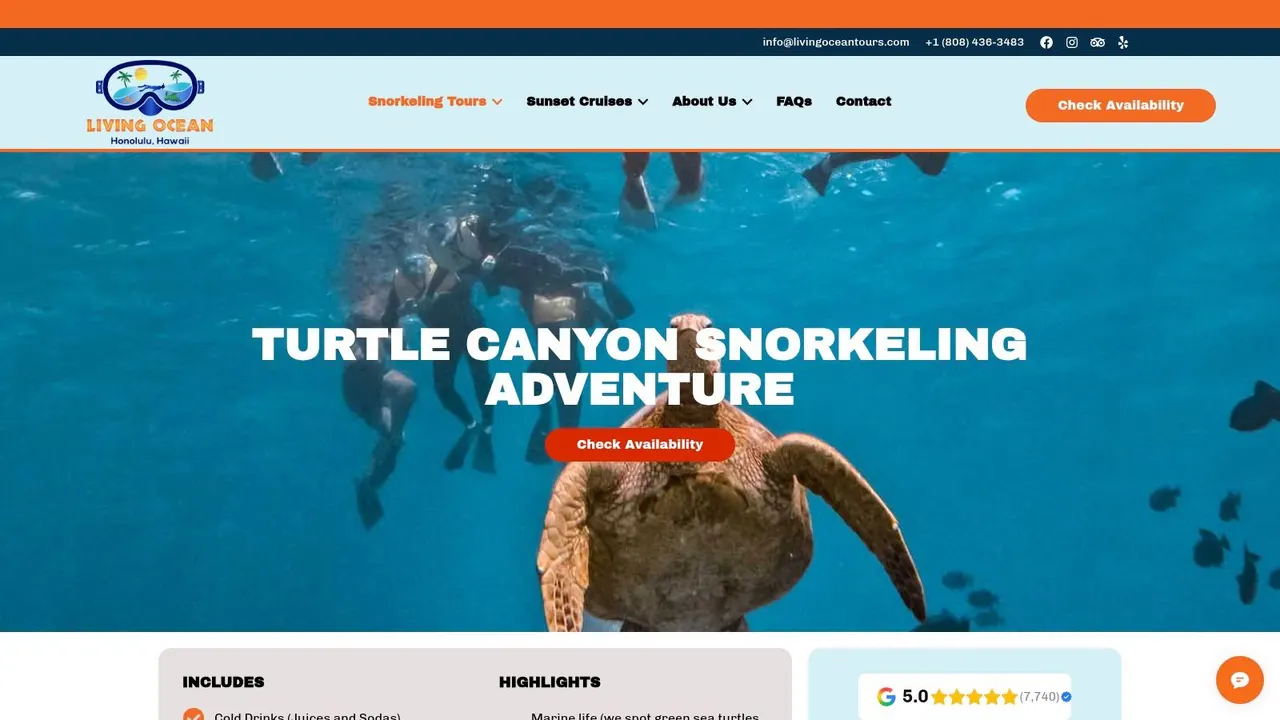
Before booking, it helps to read a practical overview of what to expect at Turtle Canyon on Oahu. A little context goes a long way, especially if you are deciding between a quick family outing and a more reef-focused morning.
What the experience feels like on a good boat run
A good Turtle Canyons trip is usually straightforward. Board near Waikiki, get a clear safety briefing, check your mask fit before you hit the water, and reach the site while everyone is still fresh. That shorter run is a real advantage for families with young kids, nervous swimmers, and anyone who is not sure how they will handle motion on a boat.
The reef itself often feels active right away. You may see turtles below you, schools of reef fish moving around the cleaning station, and other snorkelers floating above the same patch of reef. The best crews keep the group organized without rushing people. That matters. Beginners need time to settle their breathing, and stronger swimmers usually enjoy the stop more when the water entry is calm and the group spacing is handled well.
Living Ocean Tours runs a dedicated Turtle Canyons Snorkel Excursion, and the company outlines trip specifics in its Turtle Canyon excursion details. For travelers who care about actual snorkel time instead of a long boat ride, that kind of direct-site trip is often the better fit.
The trade-off is simple. Turtle Canyons is popular for a reason, so you should expect to share the water with other boats on many days. If your priority is convenience, turtle sightings, and an easy offshore snorkel near Waikiki, it is one of the strongest choices on the South Shore.
How to Choose Your Perfect Oahu Snorkeling Tour
The smartest way to choose among Oahu snorkeling excursions is to stop asking which tour is “best” and start asking which one fits your group. A retired couple celebrating an anniversary shouldn't book the same kind of outing as a family with young kids. A winter visitor looking for whales has different priorities than someone who only wants turtles.
For families and beginners
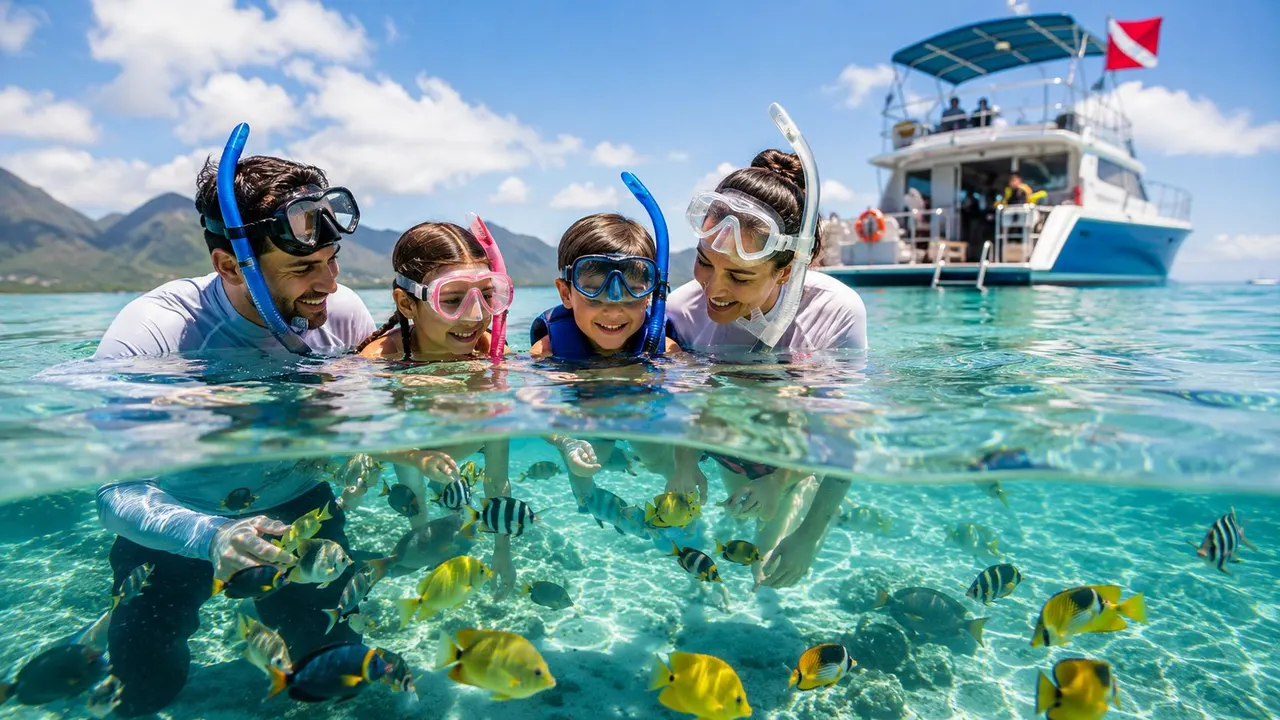
Families usually do best on a trip that gives them room to settle in. That means easy boarding, clear instruction, support with gear, and enough onboard fun that the day still works even if one person only wants a short snorkel.
The Deluxe Waikiki Snorkeling and Wildlife Cruise fits that style well. It works for mixed groups because the ride itself is part of the fun, not just transportation to a reef.
What tends to work for families:
- A shorter decision chain: Fewer logistics in the morning means fewer chances for kids or grandparents to get worn out early.
- Structured support: Beginners need help with mask fit, entry, and pacing.
- Extra onboard activities: A waterslide or float setup can save the day for someone who doesn't want to snorkel the whole time.
For turtle lovers
If seeing honu is the reason you're booking, choose the trip built around that goal. The Turtle Canyons Snorkel Excursion follows a 2-hour on-water schedule with 45 to 75 minutes of actual snorkeling time, according to the trip timing breakdown for Turtle Canyons. That's a clean format for travelers who care more about the water than a long cruise.
This is a good fit for:
- Visitors staying in Waikiki: Less travel, more focus.
- Wildlife-focused travelers: The trip centers on the reef stop.
- People who don't want an all-day commitment: You can snorkel in the morning and still keep the rest of your day open.
For couples and relaxation
Couples often think they want snorkeling, then realize what they really want is time on the water without a complicated schedule. If that sounds familiar, a Waikiki Sunset Cruise is a strong alternative. You'll trade reef time for coastal views, softer light, and a more social pace. Another option to compare is the Waikiki sunset cruise alternative.
A sunset cruise makes more sense than snorkeling when:
- One person loves the ocean but not masks or fins
- You want a date-night atmosphere
- Your trip already includes another water activity
For winter visitors
Winter changes what's possible offshore. If you're here during whale season, a Waikiki whale watching tour may be the better use of your morning than forcing a snorkel just because it's on your original list.
The best ocean day is the one that matches the season, your energy, and your group. Visitors enjoy Oahu more when they stop trying to make every outing do everything.
Essential Safety and Responsible Snorkeling Practices
A first-time visitor usually notices the same thing I see from the boat. The water looks calm, the sun is up, and everyone assumes the hard part is over. In reality, the safest snorkelers are the ones who treat the ocean with a little humility before they ever put their face in the water.
Snorkeling safety in Hawaii is not optional
Between 2012 and 2021, approximately 90% of snorkeling-related fatalities in Hawaii involved tourists, and snorkeling accounts for nearly 30% of all fatal ocean drownings, according to Civil Beat's reporting on Hawaii snorkel safety and unexplained drownings. That should change how visitors think about a casual vacation snorkel.
One concern behind some of these incidents is Rapid Onset Pulmonary Edema (ROPE). Fluid can build in the lungs during snorkeling, leading to low oxygen and sudden loss of consciousness, sometimes without obvious splashing or a call for help. Good crews watch for small warning signs. A guest who stops talking, breathes harder than expected, or starts hanging vertically in the water needs attention fast.
Conditions matter too. Clearer, calmer mornings usually make snorkeling easier because people spend less energy kicking, clearing a mask, and trying to settle their breathing. As noted earlier in the article, South Shore summer conditions often give visitors the easiest window for a relaxed boat snorkel, but the crew's real-time call always matters more than the calendar.
Gear fit and breathing habits make or break the experience
New snorkelers often worry about seeing turtles or tropical fish. Start with the mask and snorkel instead. If your mask leaks, your fins feel awkward, or your breathing gets rushed, the water can feel intimidating within minutes.
Official guidance notes that morning snorkeling excursions, typically 9:00 to 11:00 AM, show higher visibility averaging 40 to 60 feet and that professional operators require flotation devices because carbon dioxide buildup in snorkel tubes can cause dizziness or unconsciousness within minutes, according to Hawaii ocean safety guidance for snorkeling.
I'm cautious with full-face masks for beginners. Official safety guidance highlighted in this Hawaii snorkeling FAQ discussion explains that these masks require calm breathing and that users should practice removing them on land before entering the water. For some guests, a traditional mask and snorkel is the better choice because it is simpler, easier to clear, and easier to remove quickly.
A few habits improve the day for almost everyone:
- Wear the flotation device: It saves energy, helps you relax, and makes it less likely you will stand or kick down onto coral.
- Stay with a buddy and stay aware of the boat: Calm water can still spread groups out faster than people expect.
- Be honest about your swim ability: Weak swimmers should choose guided, beginner-friendly trips with strong in-water support.
- Exit early if something feels off: Chest tightness, unusual fatigue, dizziness, and anxiety are reasons to get back on board right away.
The goal is not to prove anything. The goal is to enjoy the reef and come back on the boat feeling good.
Wildlife etiquette protects both you and the reef
Turtles are protected wildlife, and the best encounters happen when snorkelers give them room. At cleaning stations, turtles pause while reef fish remove algae and parasites. If swimmers crowd in for a closer photo, that behavior stops, and the turtle often leaves.
Keep your body flat on the surface, use slow kicks, and never block the animal's path to air. Families with young kids should pay extra attention here because excited swimmers tend to chase without realizing it. Couples who want underwater photos should do the opposite. Hold position, stay back, and let the turtle decide whether to pass through your view.
If you want a quick refresher before your trip, review basic reef-safe snorkeling etiquette on Oahu.
Calm snorkelers usually see more. They use less energy, spook fewer animals, and make better decisions when conditions change.
Booking and Preparing for Your Snorkeling Adventure
A lot of bad snorkel days start before the boat leaves the harbor. People wait too long to book, overpack, skip breakfast entirely, or show up without thinking about sun, motion, or what the least confident swimmer in their group needs.
Book earlier than you think
Popular departures fill first, especially the easy morning slots. For peak periods such as holidays and summer weekends, top-rated Oahu snorkeling excursions should be booked 2 to 6 weeks in advance, according to this Oahu snorkeling booking guide.
If you're traveling with grandparents, kids, or a larger family group, book even sooner if you can. Matching everyone's schedule is usually harder than finding the tour itself.
Pack light and bring the right things
You don't need a giant beach bag. You need the basics that keep the morning simple.
- Sun protection: Bring reef-safe sunscreen, sunglasses for the ride out, and a rash guard if you like extra coverage.
- Boat basics: Pack a towel, water, and a dry change of clothes for after the trip.
- Secure storage: A small dry bag or waterproof pouch is useful for essentials.
- Easy footwear: Sandals or slip-ons are better than bulky shoes on most harbor mornings.
Leave behind anything you'd hate to lose or soak.
Choose an operator with a real process
Good operators make the day feel orderly. They brief the group clearly, fit flotation correctly, explain wildlife rules, and keep a close eye on nervous guests in the water.
When choosing your operator, look for experience and guest feedback. As the top-rated & most reviewed snorkel company on Oahu, Living Ocean Tours sets the standard for quality and safety.
Your Unforgettable Oahu Ocean Adventure Awaits
The right snorkel trip on Oahu doesn't happen by accident. It comes from matching the excursion to your group, choosing a reef or cruise style that fits your comfort level, and treating safety as part of the adventure instead of an afterthought.
For some visitors, that means a boat trip focused on turtles. For others, it means a family-friendly wildlife cruise, a sunset sail, or a winter whale outing instead of forcing everyone into the same plan. The best days on the water are usually the ones that feel relaxed, well-run, and suited to the people taking them.
Oahu delivers the scenery people dream about. Warm water, bright reef fish, open views off Waikiki, and the chance to share the ocean with honu in a respectful way. If you choose well, the experience won't just look good in photos. It will feel easy while you're in it.
If you're ready to stop comparing tabs and start planning the fun part, take a look at Living Ocean Tours. Their Waikiki-area departures, guided snorkeling trips, sunset cruises, and seasonal whale watching options make it easy to choose an Oahu ocean day that fits your group.


