
Turtle Canyon Snorkel Rules for Hawaiian Green Sea Turtles
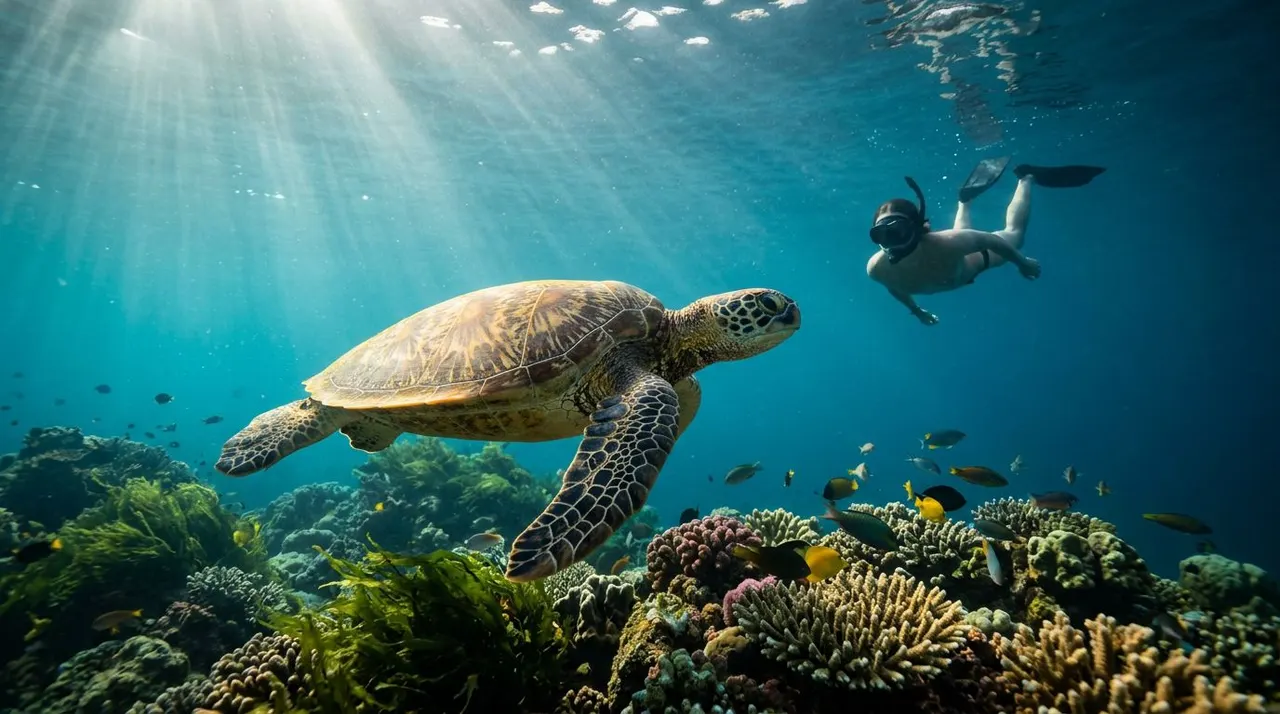
You can ruin a turtle encounter without touching the turtle. A fast kick, a close photo chase, or a crowd pressing in can stress Hawaiian green sea turtles in seconds.
That matters at Turtle Canyon, where the water is clear and the temptation to drift closer is real. Living Ocean Tours keeps that simple with clear guidance from professional snorkel guides, so you can enjoy the moment without guessing what to do next.
The distance rules for Hawaiian green sea turtles are easy to follow once you know them. They also make the snorkel better, because calm water and calm behavior usually lead to better sightings.
Why the 10-foot rule matters at Turtle Canyon
The main rule is simple. You need to stay at least 10 feet, about 3 meters, away from a Hawaiian green sea turtle whenever you can.
That distance protects the turtle while it breathes, rests, and moves through the reef. The Department of Land and Natural Resources says all sea turtles in Hawaii are protected under state and federal law. NOAA gives the same message in its guide to keeping Hawaii honu safe: watch them, don’t push them, and never turn a wildlife sighting into a chase.
You should think of the 10-foot rule as a buffer, not a challenge. If you have to swim harder to get closer, you’re already too close.
If the turtle changes direction because of you, back off and give it space.
The rule also helps you read the scene better. A turtle that feels safe often stays in view longer, and a relaxed snorkeler notices more detail. You see the shell pattern, the slow fin strokes, and the way the animal uses the reef without crowding it.
The turtle canyon snorkel rules you need to follow
The best way to remember the rules is to think about what keeps the turtle’s path open. The turtle should always have room to swim, surface, and rest.
| Situation | What you should do | Why it matters |
|---|---|---|
| The turtle is resting on the reef | Hover back and watch quietly | Resting turtles need space and low pressure |
| The turtle swims toward you | Back away slowly and stay calm | You keep the 10-foot buffer without stress |
| The turtle rises for air | Give it a wide path to the surface | It needs open water above it |
| You want a better photo | Use your zoom, not your fins | Chasing for a shot breaks the rule |
| The group starts bunching up | Spread out and follow the guide | Fewer bubbles and less pressure on the animal |
The rules are part of a bigger habit: observe, don’t touch. That means no chasing, no reaching, no feeding, and no trying to steer the turtle with your body position.
If you snorkel with kids or first-timers, say the rule out loud before you enter the water. When everyone hears it early, the whole group behaves better. The reef feels calmer, and your guide can keep the pace easy.
A good operator also watches the group, not just the wildlife. That matters because a crowd can create the same stress as a single swimmer who gets too close.
How to snorkel close enough to enjoy the view
Distance sounds strict until you’re in the water. Then it becomes simple, because you only need to slow down and let the turtle set the pace.
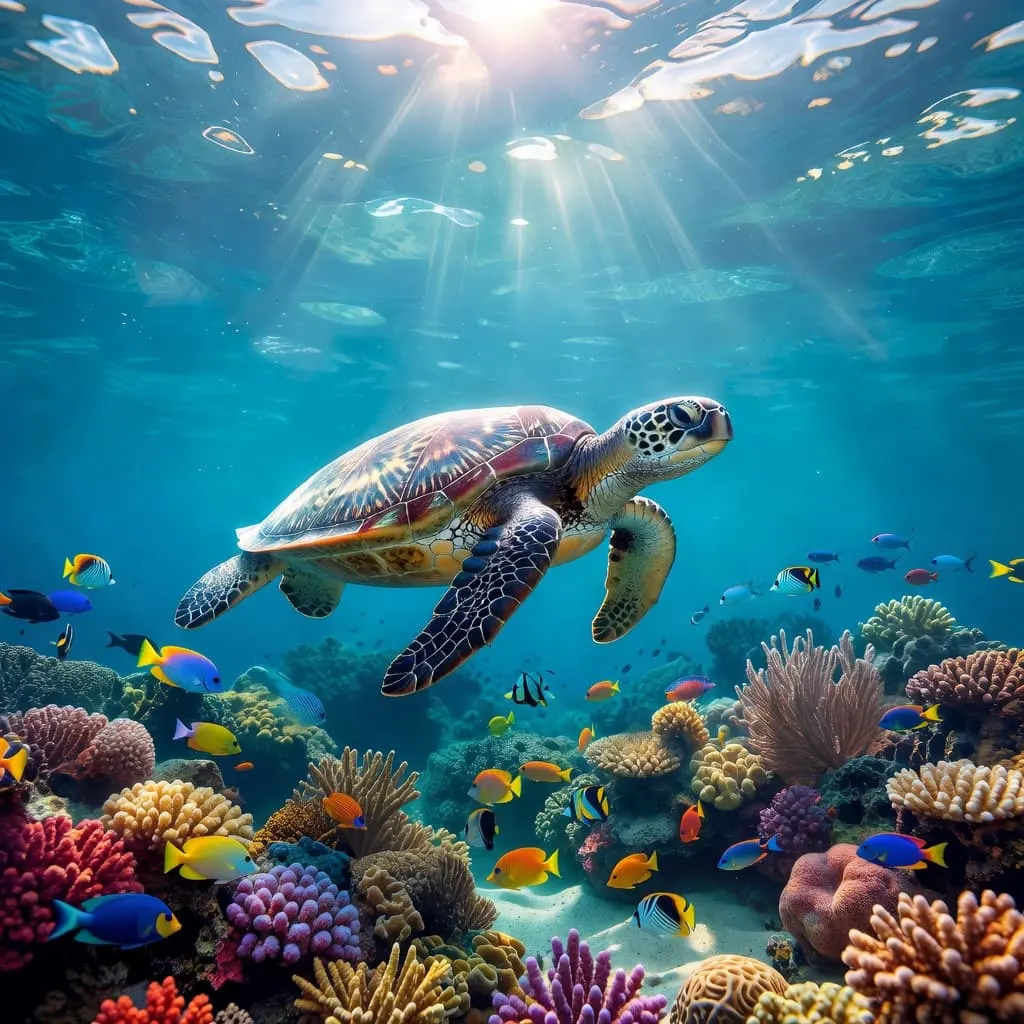
A turtle encounter is better when you move like a shadow, not a current. Keep your kicks gentle. Stay off to the side instead of in front of the turtle. Give it the first move.
Here are a few habits that make a big difference:
- Keep your hands close to your body.
- Use slow, even kicks instead of sudden bursts.
- Stay level in the water so you don’t kick up sand.
- Hold still when the turtle pauses.
- Use a camera zoom instead of drifting forward.
Those small choices matter because turtles notice pressure fast. Big splashes, quick turns, and scattered bubbles can change their path. A steady swimmer usually gets a better view than a fast one.
If you want a simple outside reference for this kind of behavior, the guide from Hawaii Ocean Watch lays out the same basics. The advice is plain for a reason. Respect the animal’s space, and the encounter stays safe for both of you.
You also get more from the reef around the turtle. While you wait at a respectful distance, you may spot butterflyfish, parrotfish, or the cleaning fish that make Turtle Canyon such a well-known stop. That is part of the appeal. You aren’t rushing the moment, so the whole scene opens up.
Why a guided tour makes the rules easier
This is where a good crew changes the trip. Living Ocean Tours runs from Kewalo Basin Boat Harbor, close to Waikiki, so you start the day near the water instead of spending it in transit. It is also the only tour company with professional snorkel guides, which matters when you want clear instruction before you slide into the ocean.
If you want to compare options, explore our Honolulu ocean tours. You can see how the Turtle Canyon snorkel fits alongside other water time on Oahu.
That kind of support helps in small but important ways. You get a simple briefing, a clear entry plan, and a guide who can point out where to look without crowding the animals. You also get a boat setup that keeps beginners comfortable, so you can focus on the snorkel instead of your footing.
The Turtle Canyon Snorkel Excursion is the right pick if you want to see Hawaiian green sea turtles in a setting that still feels relaxed. When you’re ready to lock in your spot, use CHECK AVAILABILITY.
That matters even more if you’re bringing family or snorkeling for the first time. A steady pace, a clear distance rule, and a guide who knows the reef turn the whole trip into an easy follow-along experience.
Conclusion
The turtle canyon snorkel rules are simple once you break them down. Give Hawaiian green sea turtles space, keep your movements slow, and let the animal choose the distance.
That one habit changes the whole encounter. You protect the honu, you keep the reef calmer, and you give yourself a better chance to enjoy the sighting without crowding it.
The best Turtle Canyon memory usually comes from the moment you stop trying to get closer.


