
How to Snorkel Oahu Safely and Spot Sea Turtles
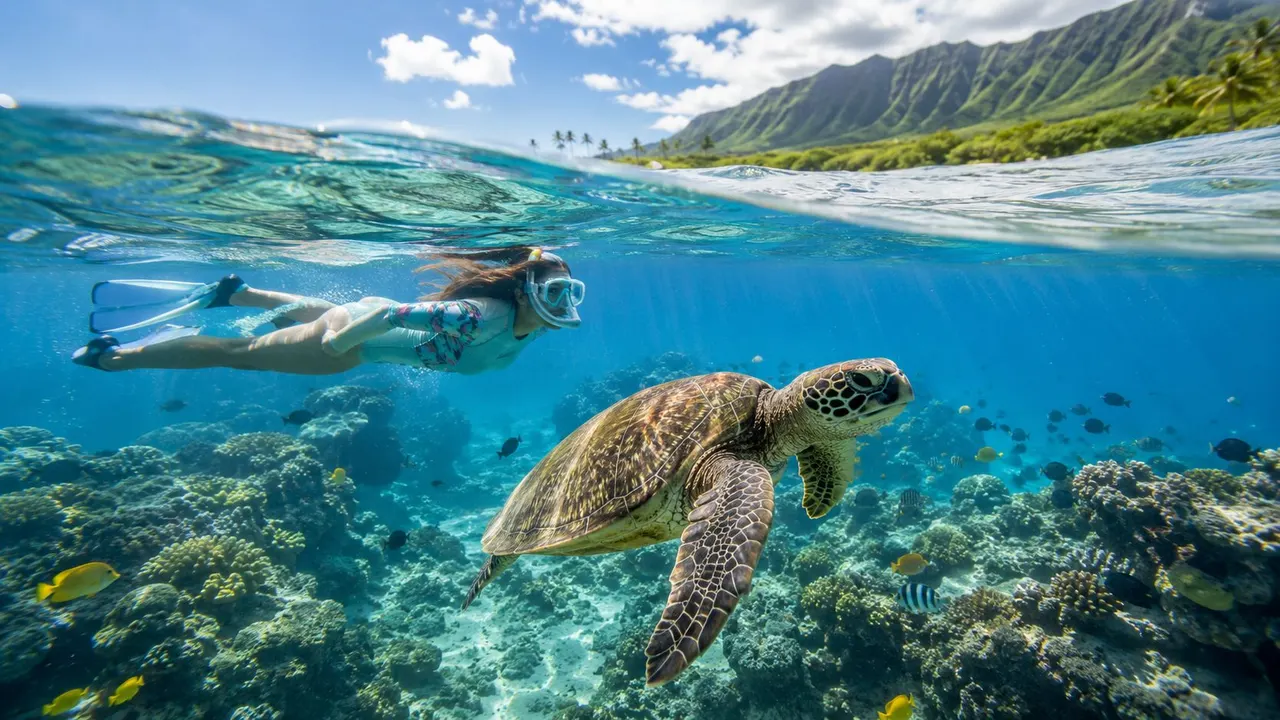
You can stand on a Waikiki dock at sunrise with a mask in your hand and still feel unsure about the whole thing. One beach says calm water, another says currents, another wants a reservation, and the internet throws all of them into the same bucket. On Oʻahu, that's how people end up either having a great snorkel or spending half the day fighting surf, parking, and second-guessing the choice.
The better way to snorkel Oahu is to match the site to the day, then match the day to your group. That's the trick locals use, and it's why some visitors should stay on a guided boat while others can handle a shore entry with confidence. When you get the fit right, you spend your energy looking at reef fish and turtles instead of managing avoidable stress.
Why Snorkel Oahu on Your Next Hawaii Trip
A good Waikiki morning starts early. The harbor is still quiet, the surface is usually cleaner before the day gets busy, and a family that boarded with nervous shoulders often relaxes the moment they see the first patch of reef below the boat. That's the appeal of Oʻahu snorkeling, it gives first-time visitors a real shot at marine life without asking them to cross an ocean on skill alone.
Oʻahu stands out because the island gives you both sides of the equation. You've got sheltered south- and west-shore water that can work well for beginners, and you've also got iconic sites like Hanauma Bay, where a volcanic crater and calm water created a classic beginner setting that eventually needed strict visitor management. That history matters because it shows how popular the island's snorkeling has become and why good trip planning isn't optional.
For families, the island is useful because the choices are close together but not interchangeable. A spot that feels easy in summer can turn rough in winter, and a site that's perfect for confident swimmers can be a bad fit for kids or cautious adults. The strongest Oʻahu snorkel days usually come from one simple move, picking the right water for the right group.
Practical rule: if the beach looks gorgeous but the entry is rocky, crowded, or exposed to swell, it may be the wrong choice for your first snorkel day.
That's where a little local judgment pays off. If your goal is turtle time, reef fish, and a day that doesn't feel like work, Oʻahu gives you options, but not all of them deserve the same trust. A visitor who wants the easiest path to a good memory should start with a guided or sheltered experience, then move to more challenging shore spots only when the conditions line up.
See more Honolulu activity ideas
Snorkeling Safety and Gear Essentials for Beginners
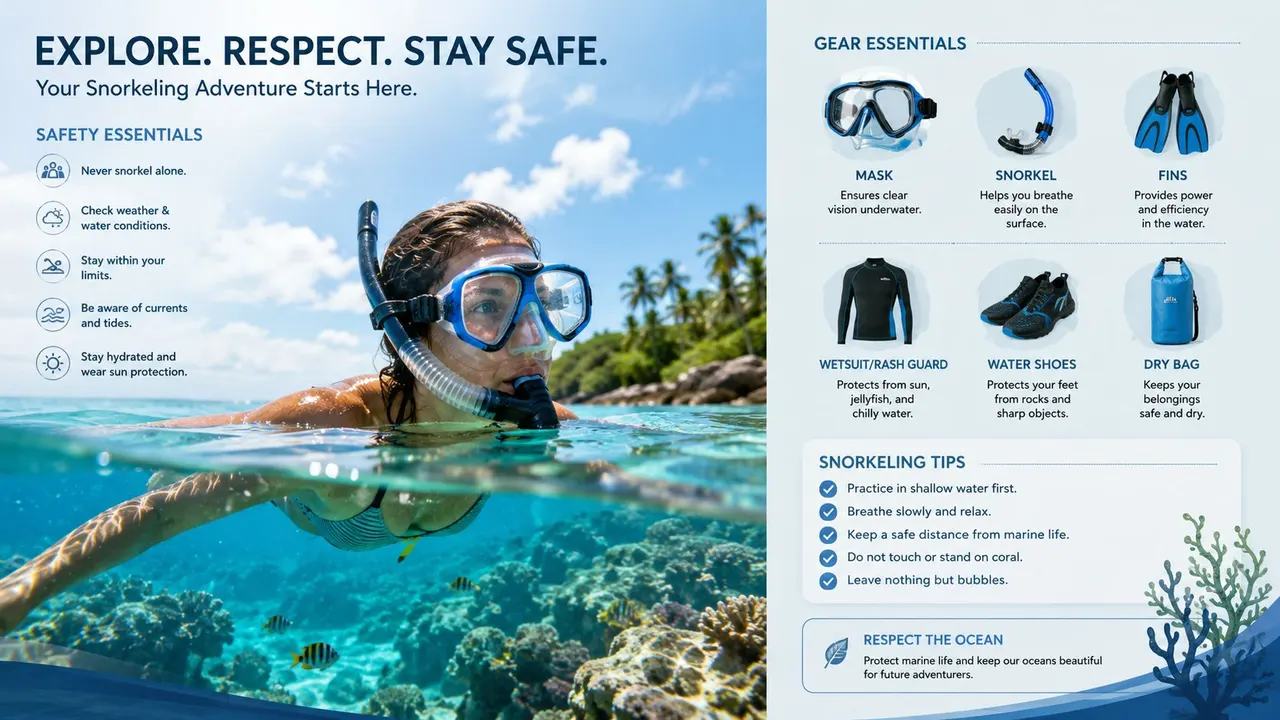
Before you look for fish, get the basics right on land. A mask should sit snug without hair tucked under the skirt, because even a tiny leak turns a calm swim into a frustrating one. A snorkel should feel natural to breathe through while you keep your face in the water, and your kick should stay small and steady, not bicycling and scraping the bottom when you drift too close to reef.
Start With Comfort, Not Heroics
If you're new, rent or bring gear that fits well, not gear that looks impressive. The right mask matters more than an expensive one, and a properly fitted vest can do two things at once, help you relax and make you easier to see in the water. Reef shoes can help at rocky entries, but they don't replace caution, because sharp lava rock and surge still demand attention.
Hawaii's visitor risk data show why that caution matters. The state recorded 140 snorkeling-related ocean drownings from 2005 to 2014, and 128 of those deaths were visitors, which means visitors accounted for about 91% of snorkeling drownings in that period (Kona Honu Divers). That doesn't mean snorkeling is unsafe by default, it means many travelers underestimate local conditions and overestimate how easy the ocean will feel.
Learn the Ocean Rules Before You Step In
A swim beach and a snorkel beach aren't the same thing. A beach can look calm from shore and still have current, shorebreak, or poor visibility once you're in it. Posted warning flags matter, and if a beach has no lifeguard, your margin for error gets thinner fast. That's one reason people who are strong pool swimmers still struggle on Hawaiian shore entries.
Keep your first snorkel simple, shallow, and short. If your mask leaks, your breathing gets rushed, or the entry feels rough, get out and reset.
A better beginner routine is easy to remember:
- Fit the mask first. If the seal isn't right on dry land, it won't improve in the water.
- Test the snorkel before you commit. A few calm breaths on the beach tell you more than a sales tag does.
- Use a gentle flutter kick. Slow and steady keeps you balanced and helps protect the reef.
- Clear the mask without panic. A quick head tilt and exhale usually solves a flood before it becomes a problem.
- Stay with a buddy or close to shore. The ocean changes faster than a beginner can improvise.
Gear guide for Oʻahu snorkel days
Best Shore Snorkel Spots in Oahu and When to Visit
Oʻahu shore snorkeling only makes sense if you separate easy water from seasonal water and advanced water. Too many lists throw Hanauma Bay, Shark's Cove, Three Tables, Kahe Point/Electric Beach, Makaha, and Turtle Bay into one basket, then leave visitors to guess which ones fit their skill level. That's how families end up in the wrong place on the wrong day.
Oahu Snorkel Spots by Skill Level and Season
| Beach | Shore | Best For | Season | Notes |
|---|---|---|---|---|
| Hanauma Bay | South | Beginners, families | Year-round | Calm, protected water, but access is tightly controlled and timing matters |
| Lanikai Beach | Windward/East | Confident beginners, morning snorkelers | Year-round | Better early before trade winds build, visibility improves in the morning |
| Shark's Cove | North | Confident swimmers | Summer | Strong seasonal split, winter surf can make it unsafe |
| Three Tables | North | Confident swimmers | Summer | Reef life is strong, but winter conditions can turn rough quickly |
| Kahe Point, Electric Beach | West | Advanced snorkelers | More dependable than north shore | Better for experienced swimmers who understand currents |
| Makaha | West | Advanced snorkelers | Year-round, condition dependent | Can reward skill, but entry and current awareness matter |
| Turtle Bay | North | Condition dependent | Summer is safer | Better when the north shore is calm |
Read the Shore Before You Pick the Spot
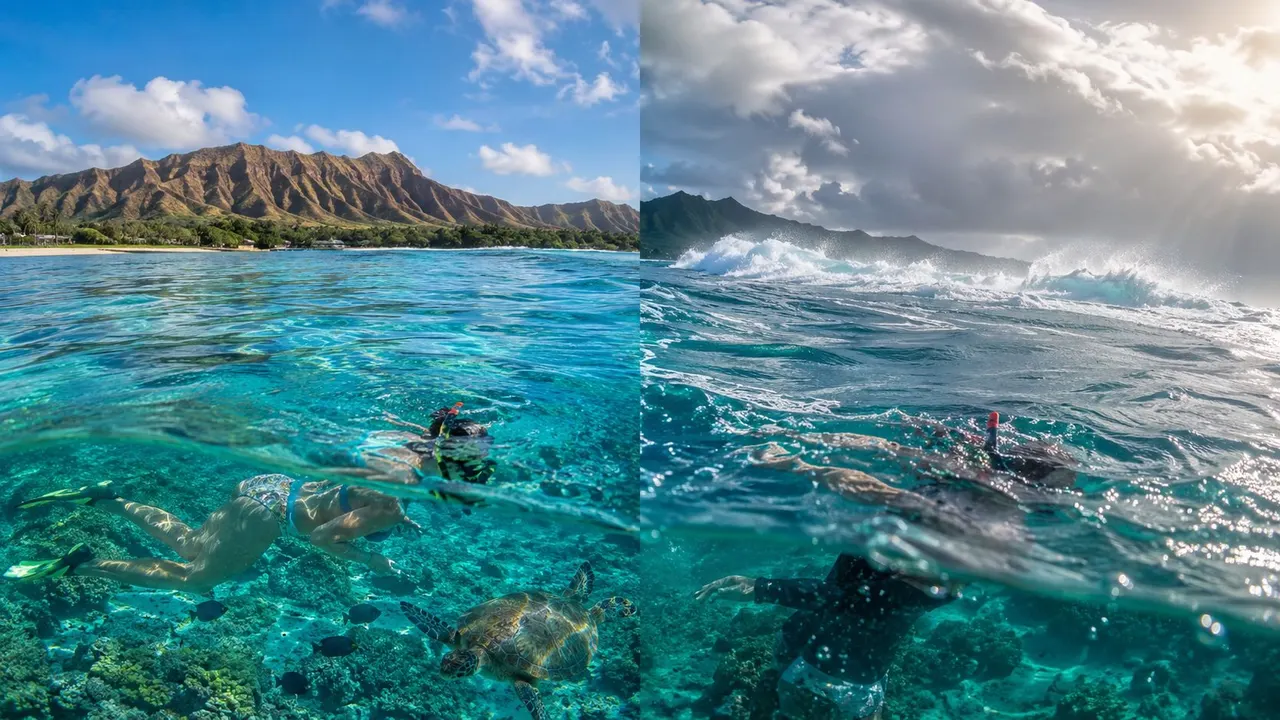
Winter swells make the north and northwestern shores much less suitable for casual snorkeling, while sheltered south- and west-side sites stay more dependable for beginners and families. That's why Hanauma Bay gets so much attention. It's the classic easy-water option, but even there, timing is operational, not casual, because the bay is open daily from 6:45 a.m. to 3:30 p.m., no entry is allowed after 1:30 p.m., and it's closed Mondays and Tuesdays (Love Oahu).
The practical answer for most visitors is morning. Trade winds build later on the Windward side, and morning light usually gives clearer water, fewer people, and less hassle with parking. That's also why a lot of local crews push guests toward an early plan instead of a lazy one.
If you want the beach-entry option that pairs best with first-time comfort, Lanikai Beach is worth considering, especially in the morning before the wind builds. This Oʻahu snorkeling guide covers the shoreline choice in more detail, but the short version is simple, pick the calmer shore and skip the famous name if the conditions don't cooperate.
Why a Guided Snorkel Tour Beats the Crowds
A shore snorkel works when the ocean cooperates. A guided boat tour works when you want the ocean and the logistics handled for you. That difference matters on Oʻahu because many of the island's better encounters aren't simple beach walks, they're conditions-based experiences where the captain, crew, and timing do a lot of the heavy lifting.
What a Boat Tour Solves
A family with kids usually cares about the same few things, gear, supervision, parking, and whether the spot will deliver marine life. A guided trip solves most of that in one move. The crew supplies the basics, gives the safety briefing, and steers the group toward water that makes sense that day instead of gambling on what looked good on a map.
That matters even more because some fatal and near-fatal incidents have been linked to rapid-onset pulmonary edema, or ROPE, a condition tied to fluid buildup in the lungs and low oxygen levels, according to a 2022 Hawaii snorkel safety study (Ko Olina Ocean Adventures). In plain terms, a boat crew watching conditions and swimmers adds a layer shore entry can't always match.
Why Crowded Shorelines Lose to Offshore Access
The other problem with DIY shore snorkeling is that the most searched beaches aren't always the best swim today. Crowds, entry stress, and variable surf can eat your energy before you even start looking for reef fish. A guided trip from Waikīkī or Kewalo Basin removes a lot of that drag, and for many visitors the value is not luxury, it's certainty.
Living Ocean Tours runs guided snorkeling from Kewalo Basin near Waikīkī, including a Deluxe Waikīkī Snorkeling and Wildlife Cruise that packages reef time with water toys for families who want a less serious feel in the middle of the day. That's the kind of option that makes sense when you want structure, gear, and an easier in-water experience without trying to solve the ocean alone.
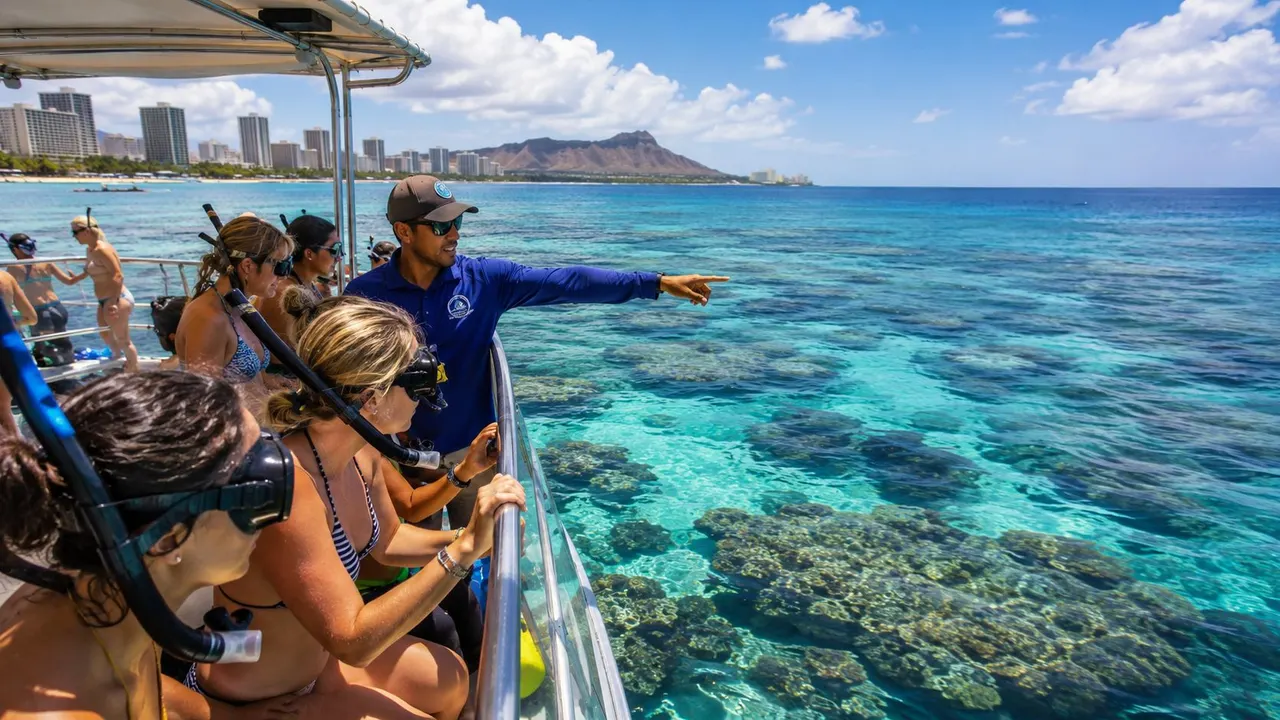
The biggest trade-off is simple. Shore snorkeling can be cheaper and more flexible, but it asks you to read surf, manage parking, and guess correctly about the spot. A boat asks for a booking, then gives back time, guidance, and a cleaner entry into the day.
Check the Waikīkī snorkeling cruise option
Swimming With Turtles at Turtle Canyons
The short boat ride out of Kewalo Basin is the easy part. Once the boat settles near the reef, the water usually starts to show why Turtle Canyons is the spot people remember. Hawaiian green sea turtles use the area naturally, and snorkelers float above a cleaning station where reef fish pick algae off the turtles while everyone else keeps a respectful distance.
What the Turtle Canyons Experience Feels Like
The best part is how unforced it feels. Nobody is chasing a turtle across the water, nobody is racing a wave entry, and nobody has to fight a crowded beach to get there. You get gear, instruction, and a guide who knows when to move the group and when to leave the animals alone, which is exactly the kind of structure first-time snorkelers need.
The experience is also built for families. The Deluxe Waikīkī Snorkeling and Wildlife Cruise adds a waterslide, water trampoline, and lily pad, so it doesn't feel like a rigid tour for people who only care about the reef. That matters if you're traveling with mixed ages and one part of the group wants turtles while another wants a more playful boat day.
Why This Site Works for Most Visitors
Turtle Canyon is stronger than a random beach attempt because the location is offshore and the encounter is repeatable without forcing it. If you stay relaxed, keep your distance, and let the turtle move on its own line, the moment feels natural instead of staged. That's the whole point of the site, to witness the reef doing what it already does.
Local rule: the closer you try to get, the shorter the encounter usually becomes. Space keeps the turtle calm and gives you a better view.
If turtle snorkeling is the reason you came to Oʻahu, the most direct route is the Turtle Canyon Snorkel Excursion. It's a clean fit for families, first-timers, and anyone who wants the honu without the usual shore-entry guesswork.
Learn more about the Turtle Canyon route
Seasonal Conditions and Wildlife Calendar
Oʻahu snorkeling changes with the calendar more than most visitors expect. Winter brings the biggest north-shore swells, which shut down casual shore entries there, while sheltered southern water stays more reliable. That seasonal split is why a month that's perfect for one beach can be wrong for another.
What Each Season Usually Means
Spring and early summer are the calmest, clearest stretch for many beginners, especially when the wind stays light and the water has fewer surface disruptions. Summer also opens up the North Shore in a way that makes Shark's Cove and Three Tables more realistic for confident swimmers. In winter, those same sites belong on a different trip.
Humpback whales move into the warmer leeward waters in winter, and that's when a lot of visitors pair a snorkel day with a separate whale watch. Living Ocean Tours runs a Waikīkī Whale Watch in those months, which makes sense if you want marine life without asking the snorkel site to do all the work.
A Simple Rule for Picking Your Month
If your goal is easy snorkeling, choose a season that favors calm water and morning starts. If your goal is better winter wildlife, snorkel in the sheltered areas and leave the exposed shore spots for another time. If your goal is both in one trip, plan to snorkel earlier and add an evening cruise later.
Turtles are a different kind of reliable. Along the south shore, they stay part of the picture year-round, which is one reason so many visitors keep circling back to the same offshore or sheltered-water experiences. That consistency is a bigger deal than it sounds, because it lets you choose the trip based on comfort instead of luck.
For golden-hour plans, the Waikīkī Sunset Cruise is a simple add-on, and the operator also runs a sunset cruise page if your day ends better on the water than in traffic.
Reef Stewardship and Responsible Wildlife Viewing
Good snorkelers leave the reef looking the same as when they arrived. That starts with the old rule that still matters most, look but don't touch. Coral is living structure, not scenery, and even dead-looking pieces can be part of a fragile system that doesn't need your fins, hands, or curiosity.
The Small Habits That Protect the Reef
A local stewardship guide tied to Oʻahu recommends mineral reef-safe sunscreen with non-nanotized zinc oxide or titanium dioxide, applied 20 to 30 minutes before entering the water, and it also recommends a rash guard to reduce sunscreen use (Ko Olina Oahu). That's a simple habit with real payoff, and it's easier to manage than trying to remember chemistry at the beach.
You should also leave a few things where they belong. That means no collecting rocks, shells, sand, or coral fragments, even if they're broken or loose. A relaxed horizontal body position and small, slow kicks keep your fins away from the bottom and help you float instead of bulldozing the reef.
Respectful snorkeling is quiet snorkeling. The less you force the water, the less you disturb what lives in it.
Wildlife Viewing Without Pressure
Turtles deserve space, not excitement. If a honu changes direction because you moved closer, you've already crossed the line from observation into interference. A good guide will correct that early, but even on your own, the right move is to back off and let the animal keep its natural rhythm.
The point of stewardship isn't to turn snorkeling into a lecture. It's to make sure the reef is still healthy enough for the next family that boards a boat, slips on a mask, and gets their first honest look at Hawaiian water.
Choosing the Right Snorkel Experience for Your Group
If you're a strong swimmer with a rental car and a flexible schedule, a self-guided shore snorkel can be a great day. Start with a sheltered south-shore or west-shore option, get in early, and keep the plan simple. If conditions look messy, don't force it just because it's on your list.
Families, grandparents, non-swimmers, and first-timers usually do better on a boat. A guided trip takes parking, surf judgment, and gear setup out of the equation, and that change alone lowers the tension for everyone on board. That's why a lot of visitors who think they want a beach day end up happier offshore.
Three Living Ocean Tours Options That Fit Different Days
Deluxe Waikīkī Snorkeling and Wildlife Cruise. This is the one for mixed-age groups that want snorkeling plus the extra play of a waterslide, water trampoline, and lily pad.
Turtle Canyons Snorkel Excursion. This is the direct turtle choice, the cleanest fit if your main goal is swimming alongside Hawaiian green sea turtles in a guided setting.
Waikīkī Sunset Cruise. This works best as a second-day option, especially for couples or anyone who wants an easier evening on the water after the snorkel trip.
If you're visiting in winter, a whale watch can round out the trip without crowding the snorkel day. The Whale Watch tour page is the seasonal add-on to keep in mind when you want another ocean experience without changing your whole schedule.
My practical recommendation is straightforward. Book Turtle Canyons first, add the sunset cruise if you want a softer second outing, and layer in whale watching when the season fits. That gives you one high-value snorkeling day, one easy-water evening, and a wildlife option that matches the month instead of fighting it.
If you want a guided day that takes the guesswork out of snorkel Oahu, start with the Turtle Canyons option and build the rest of your trip around it. Living Ocean Tours runs snorkeling, sunset, and seasonal whale-watch experiences from Kewalo Basin, which makes it easy to match the water to your group instead of forcing one beach to do everything.


