

Your choice of snorkeling spot can shape the entire day. Waikiki snorkeling from the beach is easy and affordable, while an offshore reef trip can give you clearer water, more space, and better access to marine life.
Living Ocean Tours departs from Kewalo Basin Boat Harbor, only minutes from Waikiki Beach. Its professional crew helps you decide which setting fits your swimming ability, schedule, and expectations. Before you choose, learn how beach reefs and offshore sites differ.
Key Takeaways
- Beach reefs offer convenience, shallow water, and flexible timing.
- Offshore reefs usually provide better access to coral formations and wildlife.
- Wind, waves, visibility, and your comfort in open water matter more than distance alone.
- A guided boat tour gives beginners safer support and easier reef access.
- Living Ocean Tours is the only tour company with professional snorkel guides.
Beach Reefs Offer Convenience and Flexibility
Beach snorkeling works well when you want a quick ocean session without booking a tour. You can walk from your hotel, rent equipment nearby, and enter the water when conditions look calm. That flexibility appeals to families, first-time snorkelers, and couples who want to fit snorkeling between other Waikiki plans.
The shallow water also makes it easier to take breaks. You can swim for 20 minutes, return to shore, and continue your day. If you bring children, staying close to land may help them feel more comfortable.
However, shore access doesn’t guarantee the best underwater view. Waikiki’s shoreline receives regular foot traffic, swimmers, paddleboarders, and boat activity. Sand can move across the bottom after wind or waves, reducing visibility. Coral areas may also be scattered rather than concentrated in one reef system.
Entry conditions deserve attention, too. A calm-looking beach can still have surge, slippery rocks, or an uneven bottom. You should check local warnings, avoid entering during strong surf, and never rely on a flotation device as a substitute for swimming ability.
The best beach experience usually comes early, when the water is calmer and fewer people are in the ocean. Keep your fins away from the bottom, maintain distance from wildlife, and leave coral untouched. A short Oahu snorkeling reel can give you a visual sense of how reef visibility and surface conditions vary around the island.
Beach snorkeling is a good introduction, but it has limits. You may see colorful fish and small reef life, yet you can’t control how close you are to a productive reef or how much water traffic surrounds you.
Why Offshore Reefs Can Improve Waikiki Snorkeling
An offshore trip moves you beyond the busiest part of the shoreline. Instead of entering wherever the beach allows, your captain takes you to a reef selected for the day’s conditions, water clarity, and marine activity.
That access can make a major difference. Boat-accessed reefs often give you a more direct route to deeper coral structures. You spend less time walking through shallow water and more time swimming over habitat where fish and turtles feed or rest.
At Turtle Canyons, guests may encounter Hawaiian green sea turtles at a natural underwater cleaning station. Living Ocean Tours reports a 95% success rate for turtle sightings on its Turtle Canyons Snorkel Excursion. Wildlife is never guaranteed, but a guide who knows the site can help you look in the right places without chasing animals.
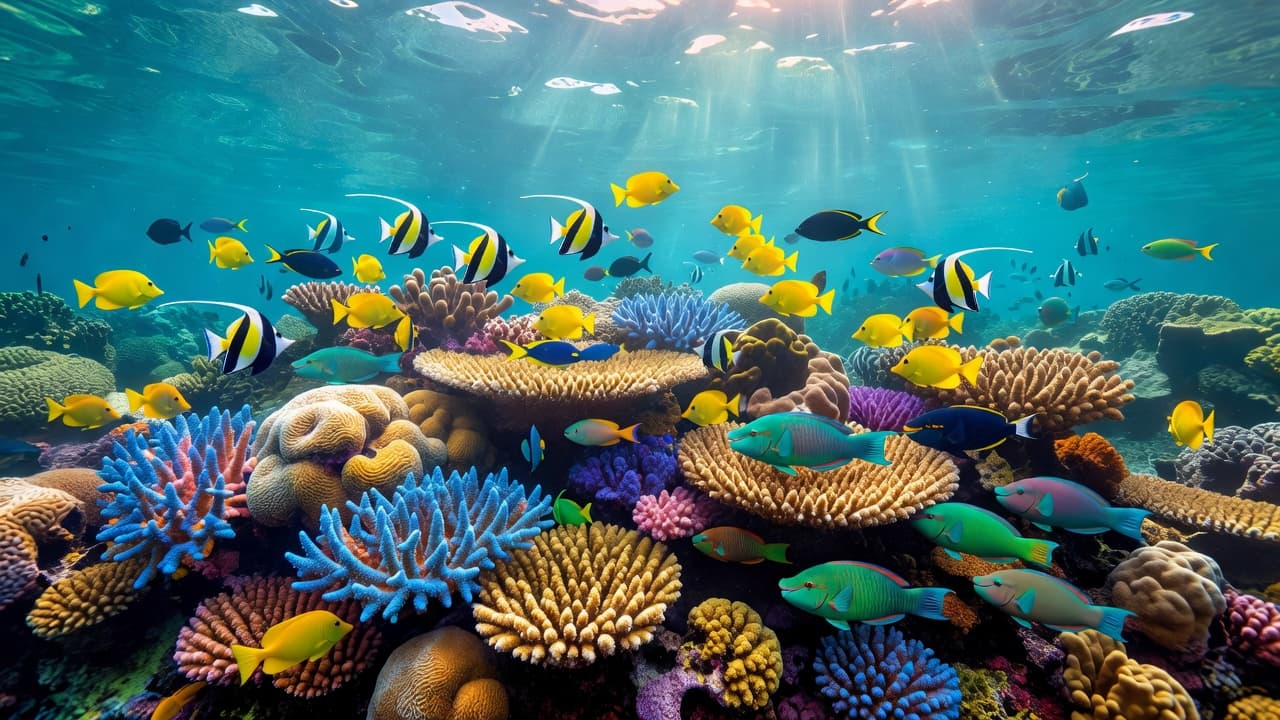
Visibility offshore can be better because you are away from sand stirred by beach traffic and breaking waves. Still, conditions change quickly. Wind can create chop, and ocean swell can affect how comfortable you feel while floating. A boat operator should assess the water before choosing the snorkeling location.
You also gain support during entry and exit. Living Ocean Tours uses Coast Guard-inspected, custom-built double-decker vessels with heavy-duty ladders, shaded seating, restrooms, and dry storage. You can enter the water without climbing over rocks or stepping through a crowded shoreline.
Professional guidance matters if you are new to snorkeling. Living Ocean Tours is the only tour company with professional snorkel guides, so you receive help with mask fitting, breathing technique, safe water entry, and respectful wildlife viewing.
Offshore access gives you more options, but good judgment still comes first. The best reef is the one your crew can reach safely in that day’s conditions.
Beach Reef or Offshore Reef: Which Fits Your Day?
Both options can work well. Your choice depends on how much time you have, how comfortable you are in open water, and what you want to see.
| Factor | Beach reef | Offshore reef |
|---|---|---|
| Access | Walk directly from shore | Ride by boat to a selected site |
| Time commitment | Flexible and often brief | Scheduled tour with transit time |
| Water depth | Usually shallower near entry | Often deeper around reef structures |
| Visibility | Changes with surf, sand, and crowds | May improve away from shoreline activity |
| Guidance | Usually self-directed | Crew support and professional instruction |
| Wildlife viewing | Depends heavily on location and timing | Guides can help locate known habitat |
| Comfort | No boat motion | Vessel may move with ocean conditions |
Choose the beach when you want an inexpensive first look or a short activity between reservations. An offshore trip fits better when snorkeling is one of the main reasons you came to Oahu.
Families should consider the ages and confidence levels of every swimmer. A child may enjoy a boat ladder, shaded deck, and crew support more than a rocky beach entry. Couples often prefer offshore snorkeling because the boat ride adds open-water scenery and creates a shared experience beyond the crowded shoreline.
You should also compare what the booking includes. Ask whether the operator provides masks, fins, flotation equipment, instruction, restrooms, shaded seating, and time in the water. Those details often matter more than a small difference in price.
Living Ocean Tours Takes You Beyond the Shoreline
Living Ocean Tours combines offshore reef access with practical comfort. Its vessels, the Coral Kai and Lokahi, are Coast Guard-inspected double-decker boats designed for ocean sightseeing and water activities.
The Coral Kai has broad open-deck space and shaded seating. The Lokahi includes a cash bar, an upper-deck waterslide, and a SeaKeeper stabilization system that helps reduce rolling. Both boats have restrooms, dry storage, and sturdy ladders for water entry.
For a focused turtle experience, you can review the Turtle Canyons Snorkel Excursion. The tour suits guests who want guided reef time rather than a self-directed swim from the beach. Beginners receive instruction, and the crew reinforces the proper distance from turtles and coral.
You can also compare the full lineup of Honolulu ocean tours if some people in your group prefer sightseeing, a sunset cruise, or seasonal whale watching.
The Deluxe Waikiki Snorkeling and Wildlife Cruise adds more time and variety to the outing. After snorkeling at a less-crowded reef, you can enjoy the boat-mounted waterslide, water trampoline, and floating lily pad. That mix works well when swimmers and non-swimmers want one activity together.
The deluxe trip is especially useful for families. Your group can choose how active to be, while the shaded deck and onboard amenities make the boat comfortable between water sessions. You can CHECK AVAILABILITY before building the rest of your Waikiki schedule.
Check AvailabilityPrepare for a Safer, Better Reef Visit
Check the forecast and ocean conditions before your activity. A sunny sky doesn’t always mean calm water. Wind direction, swell, and current can affect visibility and comfort within a few hours.
For beach snorkeling, use a guarded entry when possible. Walk carefully, keep your fins off the bottom, and never stand on coral. If you feel tired, leave the water before you become exhausted.
On an offshore tour, listen during the safety briefing. Ask for help with your mask if it leaks, and tell the crew if you feel uncomfortable. You don’t need to be an expert swimmer to join a guided outing, but you should be honest about your ability.
Bring reef-safe sunscreen, a swimsuit, a towel, and a dry change of clothes. Apply sunscreen before boarding so it has time to absorb. Avoid touching turtles, fish, coral, or any other marine life. Hawaiian green sea turtles are protected animals, and respectful observation keeps the encounter safe for everyone.
If you wear contact lenses, ask your provider about snorkeling with them. Prescription masks may also help you see clearly. Leave valuable jewelry and loose items at your hotel, especially when you plan to use dry storage on the boat.
Most importantly, choose the setting that matches your goals. A beach reef gives you independence. An offshore reef gives you access, instruction, and a better chance to spend meaningful time over productive habitat.
Choose the Reef Experience That Matches Your Plans
Beach snorkeling makes sense when you want convenience, flexibility, and a low-commitment introduction to the ocean. Offshore Waikiki snorkeling is the stronger choice when you want guided access, organized equipment, and more time around reef habitat.
Living Ocean Tours gives you both expert support and comfortable boat access near Waikiki. Whether you focus on Hawaiian green sea turtles or choose a deluxe cruise with water activities, you can enjoy the Pacific while protecting the animals and reefs that make the experience special.
The shoreline may be the easiest place to start, but the right offshore trip can turn a quick swim into the highlight of your Oahu vacation.


