
Turtle Canyon Snorkeling in Oahu: What to Expect
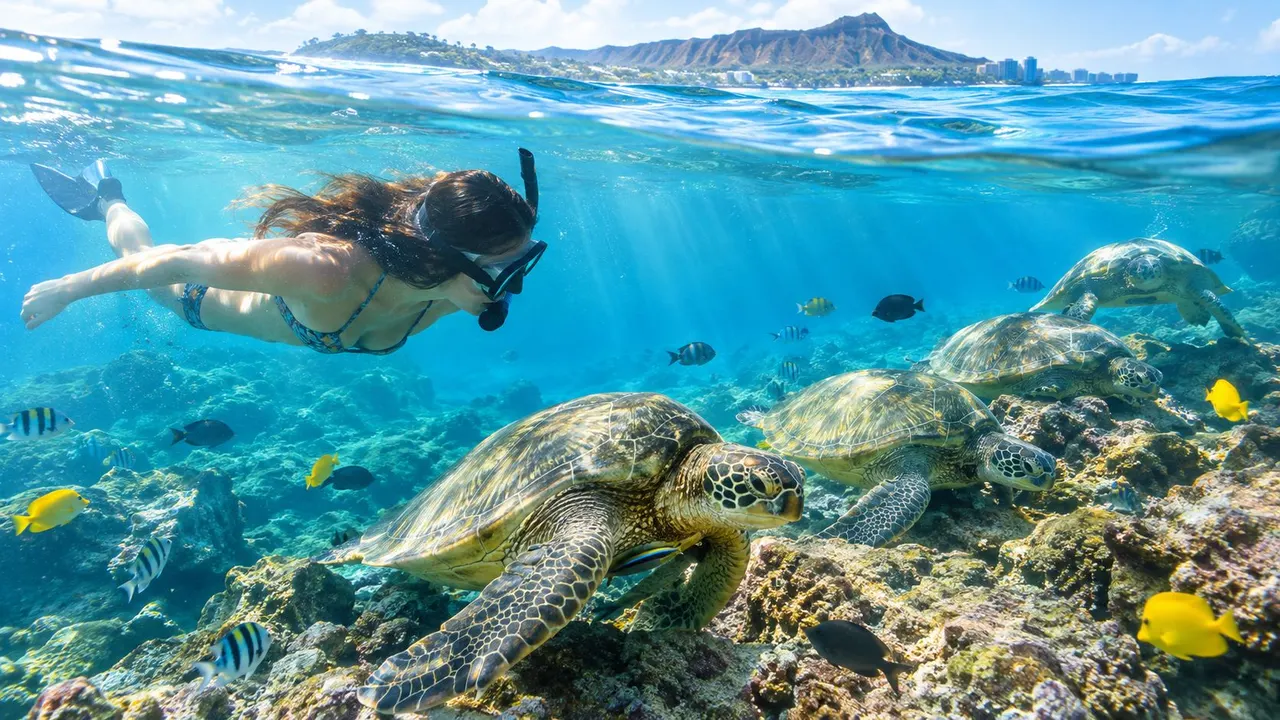
You're probably looking at Turtle Canyon the same way most Waikiki visitors do. You want turtles, you don't want a long boat day, and you're trying to figure out whether this is a real snorkel trip or just a tourist loop with a quick splash. That's the right question.
Turtle Canyon snorkeling is worth it when you go in with the right expectations. It's a short offshore snorkel focused on turtle behavior, not a sprawling coral expedition. You're usually taking a brief boat ride out from the harbor, gearing up fast, and spending a relatively short window in the water. When the ocean is settled and the group is managed well, that short window can be the highlight of a Waikiki trip.
Why Turtle Canyon Is Oahu's Easiest Snorkel With Turtles
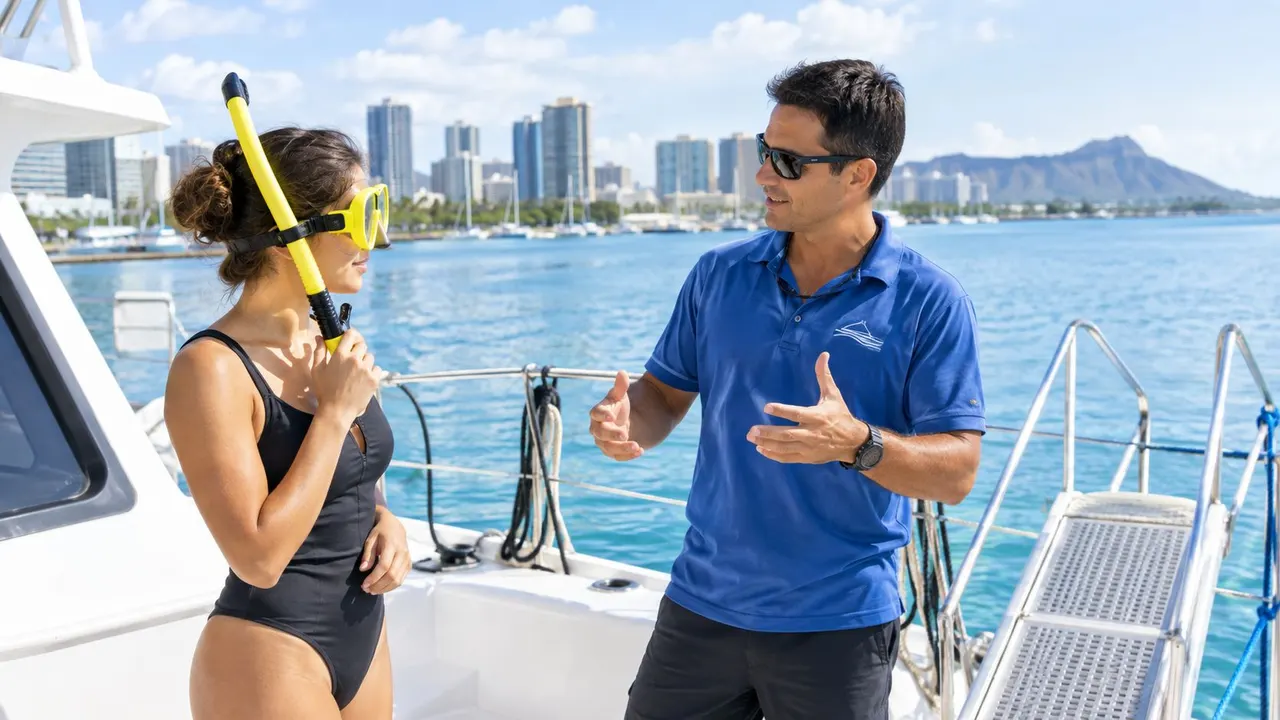
A first-timer usually feels it at the dock. You check in at Kewalo Basin, step carefully across the slip, and within minutes Waikiki starts sliding behind you. The ride out is short. Turtle Canyon is a boat-access offshore reef commonly reached from Waikiki or Kewalo Basin, and the reef isn't visible from shore. That alone makes it easier than trying to guess at a beach entry and hope the wildlife shows up.
What makes this spot work for beginners isn't mystery. It's setup. Turtle Canyon functions as a boat-only offshore reef cleaning station about 15 boat minutes from Kewalo Basin, where reef fish groom Hawaiian green sea turtles by removing algae and parasites. You're not floating around open blue water waiting for luck. You're visiting a reef where turtles return for a reason.
Why beginners usually like it
The reef sits in a snorkel-friendly depth band, and that matters more than people think. Independent descriptions place Turtle Canyon in roughly the 10 to 30 foot range, which keeps turtles visible from the surface when conditions cooperate. For a family or a first-time snorkeler, that's much easier than a deep site where everything good is below you and far away.
You also get a cleaner learning curve. Short boat ride. Simple entry. Face in the water, fins behind you, and reef life below. The turtles are the main draw, but the supporting cast matters too. You'll usually notice reef fish moving through the same structure, and that gives nervous snorkelers something to look at even before they spot a honu.
Practical rule: If your main goal is to see turtles without turning the day into a full expedition, Turtle Canyon is one of the easiest ways to do it near Waikiki.
What it is and what it isn't
This isn't an all-day reef safari. Typical Turtle Canyon tours often run about 2 to 3 hours total, with only about 30 to 60 minutes in the water, and that in-water time depends on sea state, visibility, and crowding. That short in-water window surprises people who only looked at the brochure photos.
The tradeoff is simple. You're not coming for giant coral gardens or a marathon snorkel. You're coming for close, calm, surface-level wildlife viewing at a site known for repeat turtle activity. If that sounds like your kind of morning, this Turtle Canyon Oahu guide gives a useful overview of how the outing is typically structured.
How the Cleaning Station Reef Actually Works
Hearing the name Turtle Canyon, many assume it's a big underwater trench. It isn't. The better way to think about it is a reef zone where structure, fish behavior, and turtle routine all line up in the same place.
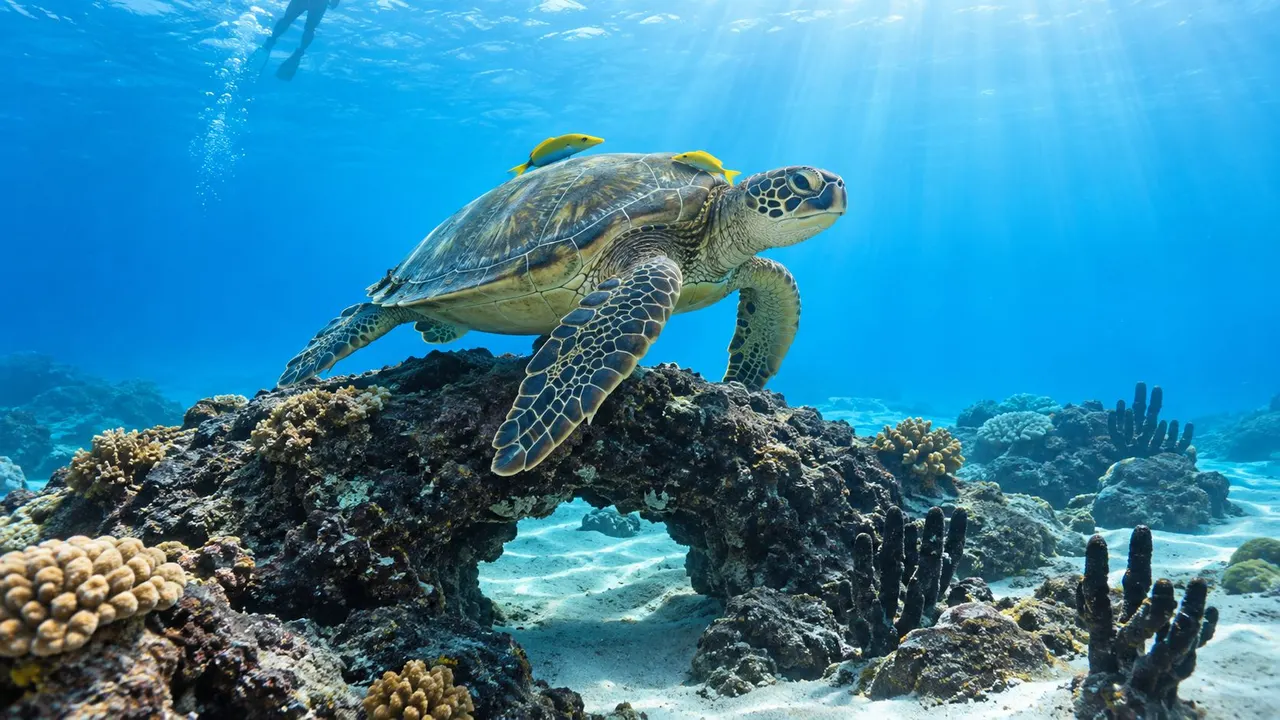
At a cleaning station, turtles don't just pass through at random. They slow down, hold position, and let reef fish work over the shell and skin. Because the reef is shallow enough for surface viewing, snorkelers can watch that interaction without needing to dive down into it.
What to look for in the water
A turtle being cleaned often looks different from a turtle on the move. It may hover or settle into a calm posture near the reef while smaller fish work around it. That's the moment when patient snorkelers get the best view, not because they swim closer, but because they stop rushing.
A turtle that's actively traveling or heading up to breathe is different. That animal needs a clear lane. If you kick toward it, angle in front of it, or drift over the top, you've changed the encounter for the wrong reason.
Why wildlife clusters here
Reef structure creates the stage. Fish use those surfaces and sheltered edges. Turtles return for the service. Snorkelers then see more action in a short period because the animals already had business there before the boat arrived.
That's why a brief session at Turtle Canyon can feel more productive than a longer swim from shore. Wildlife density can be high because you're not searching blind. You're visiting a place shaped by repeat animal behavior.
The best snorkelers at Turtle Canyon are usually the quietest ones in the water.
If you want a more detailed breakdown of route, reef layout, and what a guided outing usually focuses on, this Turtle Canyon guided snorkel page is a solid companion read.
Best Time of Year and Day for Clear Water and Calm Seas
If you only remember one planning rule, make it this. Morning usually beats afternoon for Turtle Canyon snorkeling. The site can still be good later, but the cleanest combination of visibility, lighter wind, and easier surface conditions tends to show up earlier in the day.
One local Waikiki snorkeling guide recommends May through early October for the clearest water, with the best visibility often in the morning from sunrise until about 10 a.m. or again late afternoon when winds and crowds are lower. That lines up with what regular boat crews see on the south shore. The ocean often gives you its easiest window before the day builds texture on the surface.
How to think about the seasons
Summer and early fall usually make Turtle Canyon easier to enjoy. The south shore often looks cleaner, the ride tends to be smoother, and beginners don't spend the whole briefing wondering if they're about to bounce around.
Winter can still produce good trips, but you have to be more flexible. Some days are fine. Some days look decent from shore and feel very different once the boat is outside the harbor.
Turtle Canyon Conditions by Season
| Season | Surface Conditions | Visibility | Best For |
|---|---|---|---|
| May to early October | Often calmer on the south shore | Commonly the clearest window | First-timers, families, casual snorkelers |
| Late fall | Mixed, more variable | Can be good, can shift quickly | Flexible travelers |
| Winter | More conditions-sensitive | Depends heavily on the day | Confident swimmers with flexible plans |
| Spring | Transitional | Often improving | Visitors who can choose a morning trip |
Pick your departure time carefully
Early departures usually give you the easiest water. Midday trips can be brighter for photos, but surface chop often builds and the experience feels busier. If you're traveling with kids, grandparents, or someone who's unsure about snorkeling, choose the earliest practical slot.
For a broader sense of what ocean comfort feels like across the year, this Oahu water temperature guide helps set expectations without overcomplicating it.
What to Bring and What to Skip
Packing for Turtle Canyon snorkeling should be simple. The mistake I see most often is people treating it like a full beach day and dragging half the hotel room onto the boat. You won't use most of it.
Must-bring items
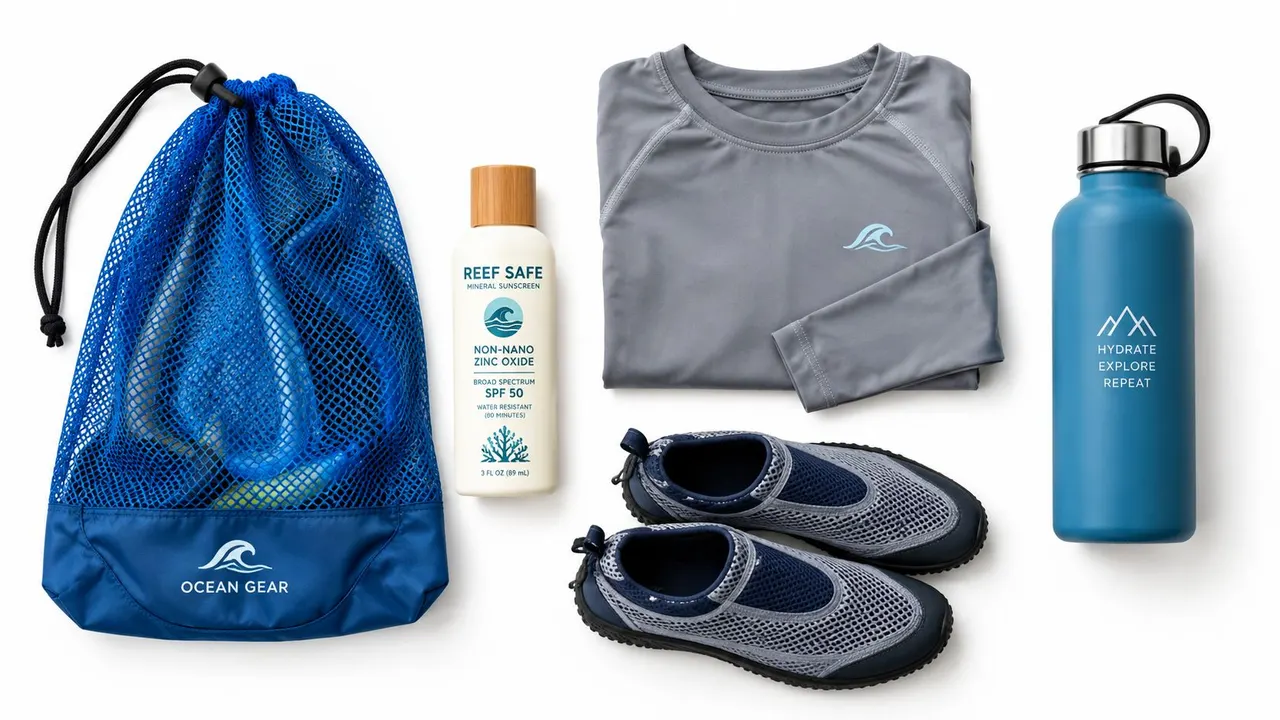
- Reef-safe sunscreen: The reef and the turtles don't need a chemical slick in the water. Choose a mineral sunscreen and put it on before boarding so it has time to settle.
- Rashguard or UV top: This does more work than people expect. It cuts sun exposure, helps with light rubbing from gear, and feels better than overdoing neoprene in warm conditions.
- Towel and water: You'll want both right away when you come out.
- Dry bag: Phones, keys, cards, and anything else you'd hate to lose should go in one place.
Nice-to-have gear
A few extras make the boat portion easier.
- Wide-brim hat: Better than baking on the ride back.
- Polarized sunglasses: Good for spotting surface glare and giving your eyes a break.
- Motion-sickness medication: If you know you're prone to seasickness, take it before departure, not after the harbor wall disappears.
- Small action camera: Fine if you already have one. Don't buy one just for this trip.
Skip these
- Heavy extras: Big coolers, bulky bags, and backup gear usually become deck clutter.
- Jewelry: Salt, sunscreen, and open water are a bad combination for anything valuable.
- Disposable plastic bottles: Bring one reusable bottle if needed, but don't load up like you're crossing an ocean.
Bring less than you think you need. The right shirt, sunscreen, water, and a dry bag solve most problems before they start.
If you want a practical gear rundown specific to this outing, this Turtle Canyon snorkel gear guide covers the basics well.
How to View Honu Without Harming Them
The biggest mistake visitors make is assuming a close turtle encounter is the goal. It isn't. The goal is to watch natural behavior without interrupting it.
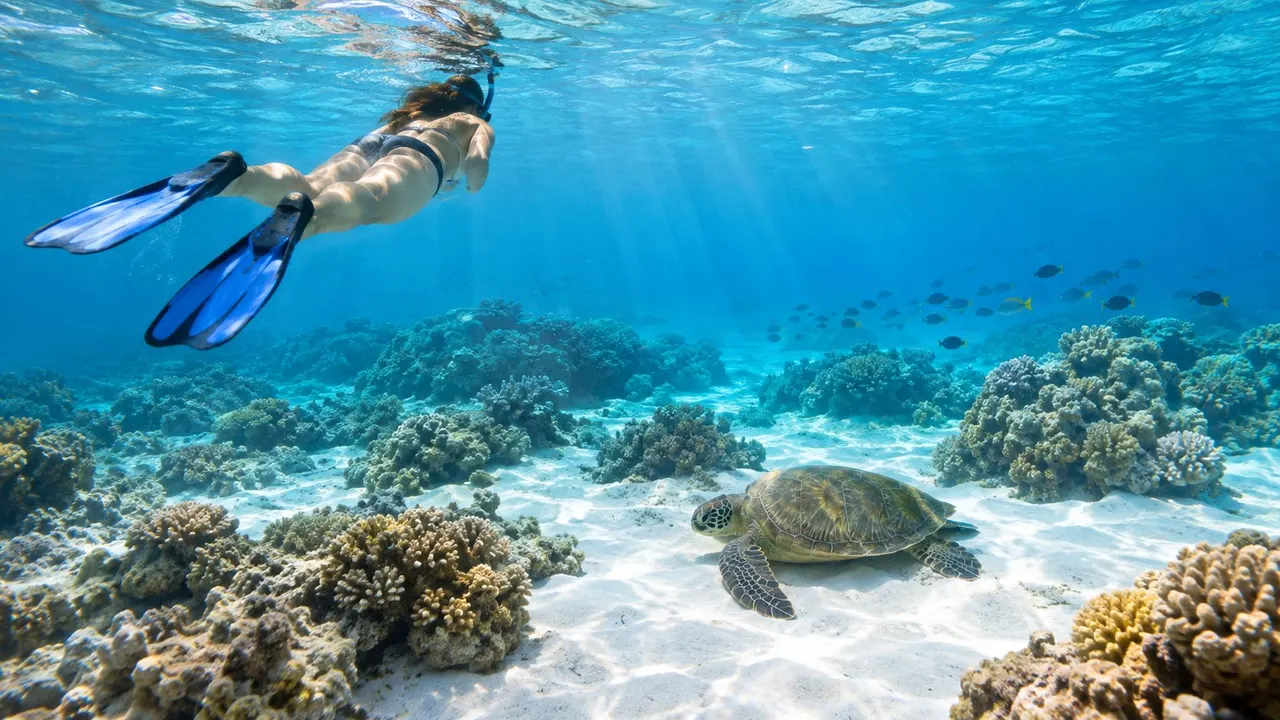
That matters even more at Turtle Canyon because this site works as a cleaning station. If a ring of swimmers closes in around a turtle, the animal may abandon the exact behavior everyone came to see.
The non-negotiable rules
Hawaiian green sea turtles are protected wildlife in Hawaii, and snorkelers are told not to touch, chase, or stand on coral or turtles, while one Oahu snorkel guide states the standard viewing buffer as at least 10 feet from honu. Keep that distance whether the turtle is resting, moving, or heading up for air.
A few basics make a big difference:
- Stay clear of the surfacing path: Turtles need open access to breathe.
- Let the turtle set the distance: If it comes closer while you're still, that's different from you pursuing it.
- Keep your fins high and controlled: Random kicking does damage fast.
- Hover over open sand when possible: Coral and crowding don't mix.
Why this matters beyond etiquette
NOAA's long-term record gives useful context. Hawaiian green sea turtles in Hawaii were driven near extinction in the early 1970s, then rebounded through protection and monitoring at about 5 percent per year over the last two decades, with almost 500 females nesting annually in recent years compared with 67 in 1973; NOAA also notes fewer than 4,000 total nesting females in the Central North Pacific and that over 90 percent of nesting occurs at French Frigate Shoals. That's a recovery story, but it's also a reminder that a visible population isn't the same thing as an invulnerable one.
What respectful viewing looks like
Good turtle viewing is boring in the best way. Slow entry. Quiet floating. No splashing after a turtle for a better phone angle. You watch more and interfere less.
This swimming with turtles guide is useful for visitors who want a clearer sense of what respectful behavior looks like in the water.
Choosing the Right Guided Tour for Your Group
You can pick the wrong Turtle Canyon trip before you ever step on the boat. I see it all the time. A family books the biggest cruise expecting lots of turtle time, or a mixed group books a dedicated snorkel and the non-swimmers spend half the outing waiting for everyone else to finish.
Start with the question. Does your group want a short snorkel built around getting in the water, or do you want a broader boat outing where snorkeling is only part of the plan? At Turtle Canyon, that trade-off matters because the actual in-water portion is usually pretty short. On many trips, you are looking at roughly 30 to 60 minutes in the water once the boat ride, briefing, and gear setup are done.
Turtle Canyon snorkel tours compared
| Tour | Duration | Group Size | Best For | Price Range |
|---|---|---|---|---|
| Turtle Canyons Snorkel Excursion | About 2 to 3 hours total | Smaller guided format | First-timers, turtle-focused snorkelers, families wanting a shorter outing | Pricing varies by date |
| Deluxe Waikiki Snorkeling and Wildlife Cruise | Longer boat outing | Larger catamaran-style experience | Families, mixed groups, non-snorkelers who want more deck time | Pricing varies by date |
| Snorkel Turtle Canyon alternative tour | Varies by operator schedule | Varies | Travelers comparing departure style and boat setup | Pricing varies by date |
Best fit for first-timers
For hesitant swimmers, younger kids, and anyone who wants close instruction, the shorter turtle-focused format usually works better. The plan is simpler. Get fitted, listen to the briefing, make a clean entry, and spend your energy on the reef instead of on a longer boat day.
That setup also tends to be better for Turtle Canyon specifically because this is a cleaning-station reef, not a petting-zoo swim. Good guides keep people moving calmly, keep fins off the coral, and stop guests from chasing honu across the site for a photo. Living Ocean Tours runs daily Turtle Canyon snorkel excursions from Kewalo Basin with guides and gear included. Their format is a good fit for travelers who want a direct, guided outing instead of a long party-boat atmosphere.
Best fit for mixed groups
Bigger wildlife cruises are easier when only part of the group plans to snorkel. Grandparents can stay comfortable on deck. One parent can sit out with a child who changes their mind. People who get seasick often appreciate more room to settle in, even if the trade is a less focused snorkel stop.
That trade is real. Larger boats can be more comfortable, but they rarely feel as dialed in for first-time snorkelers who need quick help with masks, fins, or water confidence. If your priority is maximizing the quality of a short Turtle Canyon swim, choose the dedicated turtle trip. If your priority is keeping a mixed group happy for the whole outing, choose the broader cruise.
Sunset Cruises and Whale Watching Worth Adding On
If you've done Turtle Canyon in the morning and still want more ocean time, the easiest add-on isn't another snorkel. It's a boat ride where you can leave the fins in the bag and just enjoy the coast.
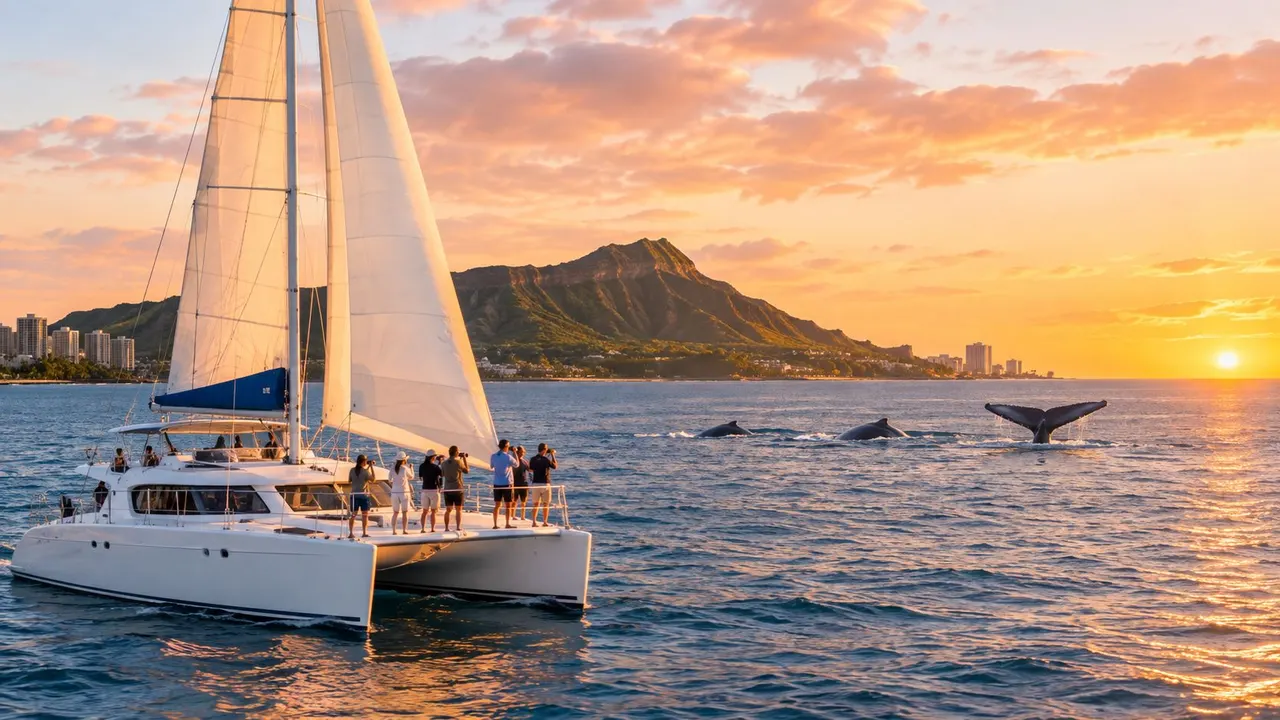
A sunset cruise makes sense after Turtle Canyon because it uses the same part of your trip that already worked. You've figured out the harbor, you've got your sea legs, and now you can swap masks for a drink and watch the skyline soften up. For couples, multi-generation families, and travelers with one non-snorkeler in the mix, that's a better pairing than forcing everyone into a second swim.
Why the sunset add-on works
The best part of a sunset cruise is that nobody needs to perform. No gear fitting. No briefing on fins. No wondering whether the youngest kid or the least confident swimmer will enjoy it. You just board and go.
If you want that option, Living Ocean Tours' Waikiki sunset cruise is one route to look at, and this alternative sunset cruise option is another solid comparison for travelers shopping by boat style or departure feel.
Winter visitors should think about whales
From winter into early spring, whale watching becomes the obvious second outing for anyone who likes being on the water but doesn't need to be in it. The appeal is different from snorkeling. You're scanning horizon lines, listening to the crew, and letting the day unfold instead of staring down through a mask.
If that's your season, this Waikiki whale watch tour is the natural companion to a Turtle Canyon morning.
A good Oahu boat day doesn't always mean more snorkeling. Sometimes the smartest second trip is the one where you sit back and let the coast do the work.
Booking, Pricing, and a Quick Decision Checklist
Booking Turtle Canyon snorkeling gets easier when you stop asking which tour sounds most exciting and start asking which format fits your group. This isn't a hard trip to choose once you know whether you want a short turtle-focused snorkel or a longer boat experience that happens to include snorkeling.
The practical part is simple. Weekend mornings and calm-season morning slots are the first to fill because those are the easiest conditions for beginners and families. If your dates are fixed, book early enough that you still have a choice of departure time instead of taking whatever is left.
Quick decision checklist
- Choose your trip style first: Short turtle-focused excursion or longer wildlife cruise.
- Book the earliest practical departure: Morning usually gives you the smoothest overall experience.
- Travel light: Confirm gear is included so you're not hauling extra equipment.
- Ask about group fit: Kids, casual swimmers, and older family members often do better on a simpler format.
- Respect the site: The right trip is one that treats the turtles like wildlife, not props.
If your priority is seeing honu at a known offshore cleaning station with realistic expectations about a brief in-water window, Turtle Canyon is a good use of a Waikiki morning. If you want a huge reef day with lots of swimming range, pick something else. The people who enjoy this trip most are the ones who understand that the draw is focused wildlife viewing, short travel time, and a guided setup that keeps the experience manageable.
Living Ocean Tours runs guided Turtle Canyon snorkeling trips from Kewalo Basin, along with broader snorkel cruises, sunset sails, and seasonal whale watching that fit naturally around a Waikiki vacation. If you want a straightforward way to compare the outings and book the one that matches your group, visit Living Ocean Tours.


