
Turtle Canyon Oahu: Inside a Turtle Cleaning Station
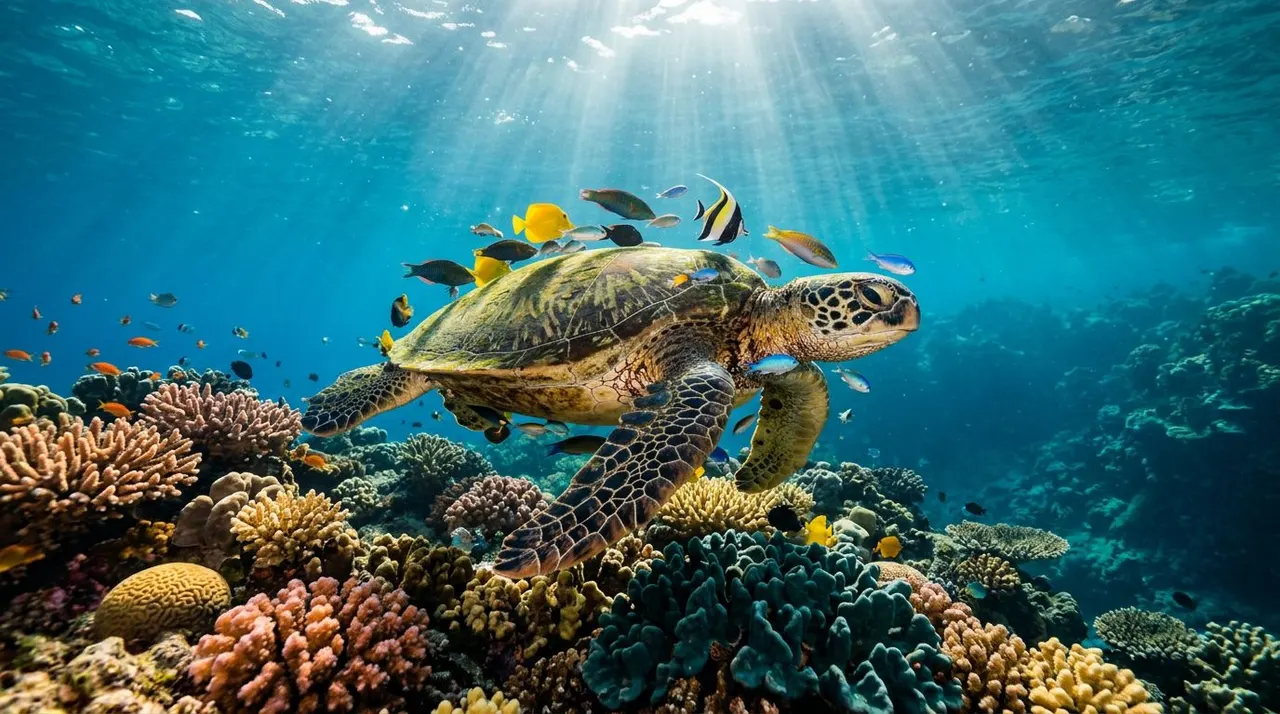
At Turtle Canyon Oahu, a Hawaiian green sea turtle may stop swimming and hover above the reef while tiny fish work over its shell. That calm pause happens at a natural cleaning station, where the turtle receives a helpful grooming service from smaller reef animals.
Once you understand what you’re seeing, the encounter becomes even more memorable. You can recognize the turtles’ behavior, watch without disturbing them, and prepare for a guided snorkel that respects Hawaii’s marine life.
What Turtle Canyon Oahu Is and Why Turtles Visit
Turtle Canyon is a reef area off the Waikiki coastline, reached by boat from Honolulu. The site includes underwater reef contours where Hawaiian green sea turtles, known locally as honu, may rest, feed, or pause for cleaning.
A cleaning station is a regular location where a larger marine animal allows smaller organisms to remove algae, loose tissue, and parasites. Fish and invertebrates inspect parts of the turtle that are difficult for it to reach alone, including areas around the shell, neck, head, and flippers.
A public explanation of Hawaiian turtle cleaning stations describes the relationship between turtles and the smaller reef animals that help clean them. The interaction benefits both sides. The turtle gets maintenance, while the cleaning animals gain access to food.
The turtle usually slows as it reaches the station. It may hover in place, angle its body, extend its flippers, or lift its head slightly. These positions give cleaner fish better access. You may notice that the turtle appears unusually still, but it is actively choosing how to present its body.
A turtle that looks motionless at the reef may be carefully positioning each part of its body for the cleaning fish.
The station isn’t an underwater exhibit with a guaranteed schedule. Turtles choose when to arrive and how long to stay. Some visits last only a short time, while others give you several minutes to observe the process.
What Happens at a Turtle Cleaning Station
When you reach the snorkeling area, your guide will direct you toward the reef and explain where to look. The best viewing position is usually a respectful distance away, with enough room for the turtle to move freely.
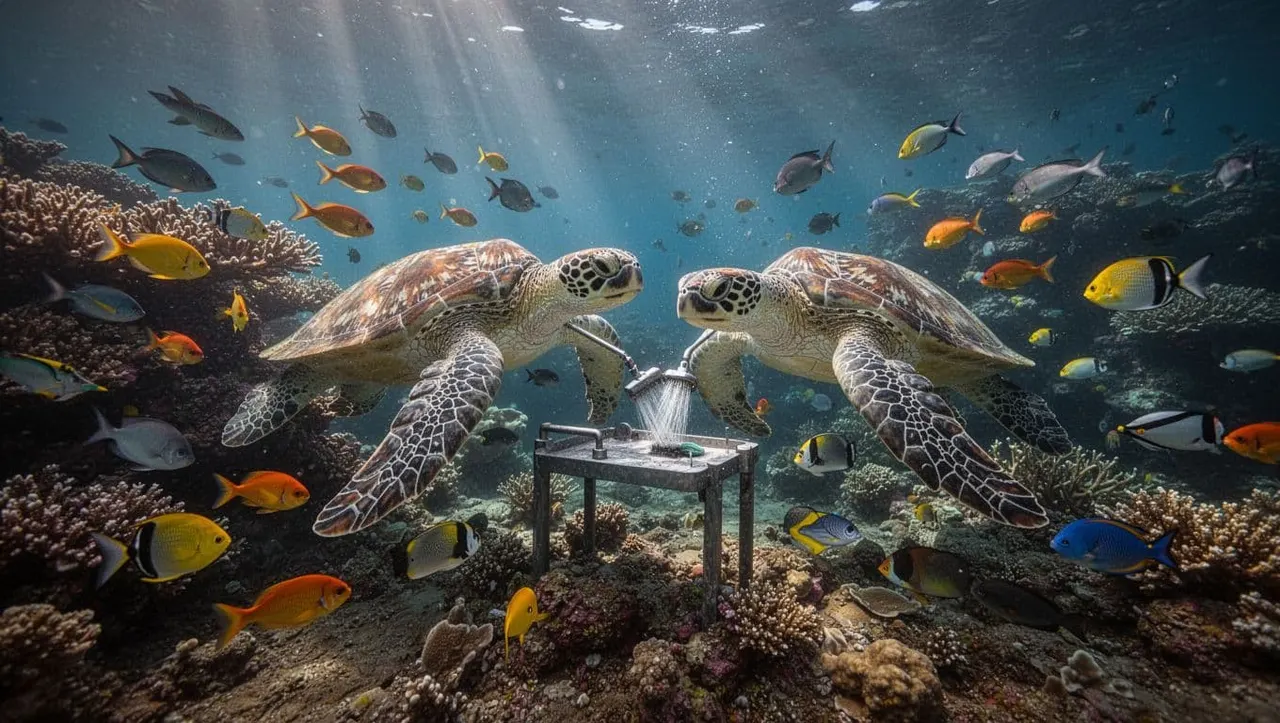
A turtle may approach the reef slowly and settle near a ledge or open patch of coral. Then, small fish begin inspecting its shell and exposed skin. You might see them moving across the carapace, around the front edge of the shell, or near the turtle’s flippers.
The turtle may change its position several times. It can turn slightly, raise a flipper, extend its neck, or rotate its body toward the cleaner fish. Those movements aren’t signs of distress. They help the turtle offer different areas for inspection.
You may also notice other reef fish moving through the scene. Tropical fish often pass nearby, while the turtle remains focused on the cleaning process. Depending on the conditions, you could see one turtle using the station or several turtles resting in the same general area.
A green turtle cleaning station photography discussion shows how still and deliberate these encounters can appear underwater. The quiet behavior makes patience more important than movement. If you stay calm, you may notice details that disappear when you swim too quickly.
The turtle eventually leaves when it has finished. It may glide away from the reef, descend toward another resting area, or continue through the canyon. Your guide won’t chase it. Responsible snorkeling allows the animal to decide where it goes next.
Your role is simple:
- Keep your hands to yourself and never touch the turtle.
- Avoid feeding fish or trying to attract a turtle closer.
- Leave a clear path around the animal.
- Keep your fins away from coral and the seafloor.
- Follow your guide’s instructions about distance and positioning.
Hawaiian green sea turtles are protected wildlife, and touching them can cause stress or interfere with natural behavior. Even a well-intended attempt to take a better photo can make a turtle abandon the station.
How to Prepare for Turtle Canyon Oahu Snorkeling
You don’t need advanced snorkeling experience to enjoy Turtle Canyon. A professional guide can help you adjust your mask, explain how to use your fins, and show you how to enter the water safely. If you’re nervous, focus first on slow breathing and floating comfortably.
A properly fitted mask makes a major difference. Water leaking around the seal can distract you from the reef, while a loose snorkel can make breathing uncomfortable. Tell the crew if your gear doesn’t fit before you swim away from the boat.
Flotation support can help you relax while you learn to watch the water. You don’t need to dive down to see a turtle at a cleaning station. Staying near the surface often gives you a clear view without forcing you to hold your breath or chase the animal.
Ocean conditions can change during the day. Your guide may adjust the route, viewing position, or pace based on wind, waves, visibility, and current. The safest encounter is the one that keeps both you and the wildlife comfortable.
Living Ocean Tours reports a 95% success rate for spotting Hawaiian green sea turtles at its natural underwater cleaning station. Still, turtles are wild animals, so no ethical operator can promise a specific number, exact location, or viewing duration.
The Turtle Canyon Snorkel Excursion lasts about two hours, with approximately one hour spent snorkeling in the water. Before boarding, bring swimwear, a towel, sun protection, and any medication you use for motion sickness. Apply sunscreen before entering the water, and choose a reef-conscious product whenever possible.
If you bring an underwater camera, keep it secondary to the encounter. Use a steady position, avoid swimming after the turtle, and let the animal come into your frame. The clearest photographs often come from waiting rather than pursuing.
Experiencing Turtle Canyon Oahu with Living Ocean Tours
Living Ocean Tours departs from Kewalo Basin Boat Harbor, just minutes from Waikiki Beach. The location gives you quick access to the Waikiki coastline without adding a long drive to your day.
Living Ocean Tours is the only tour company with professional snorkel guides. That matters when you’re learning how to read turtle behavior, manage your equipment, and move safely around a coral reef. You receive guidance in the water instead of relying on a brief boat briefing before swimming out.
The company operates Coast Guard-inspected, custom-built double-decker vessels named the Coral Kai and the Lokahi. Both boats include shaded seating, restrooms, dry storage, and sturdy ladders for easier water entry.
The Lokahi includes a SeaKeeper vessel stabilization system that reduces rolling while you ride to the snorkeling site. It also features a cash bar and upper-deck water slide. The Coral Kai provides broad open-deck space for guests who want to enjoy the sun and ocean views between activities.
Families with children ages 3 and up, first-time snorkelers, couples, and experienced swimmers can choose an outing that fits their comfort level. The crew supplies snorkeling equipment and keeps the focus on safe, respectful wildlife viewing.
You can review the company’s guided Turtle Canyon boat tours before choosing a departure. When you know you’d like to see the station for yourself, CHECK AVAILABILITY for current tour times.
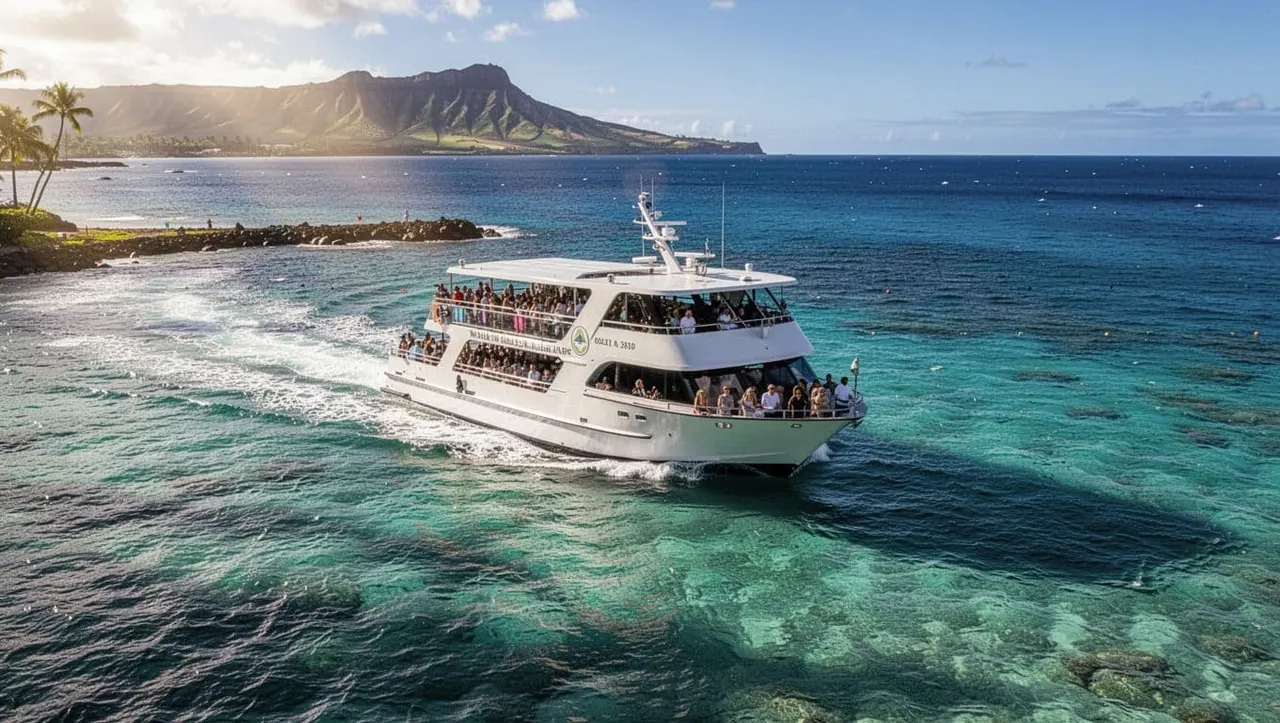
The boat ride is part of the experience. You can enjoy the coastline from the upper deck, prepare your gear in shaded seating, and return to a stable vessel after snorkeling. When the water is calm and visibility is good, your guide can help you spend more time observing the reef instead of worrying about where to swim.
A cleaning station encounter works best when you treat the reef as the turtle’s home. Give the animal space, keep your movements controlled, and allow the crew to guide the group. Your patience helps protect the behavior you came to see.
Conclusion
At Turtle Canyon Oahu, a cleaning station lets you witness a natural relationship between Hawaiian green sea turtles and the smaller reef animals that care for them. The turtle may hover, shift its body, and remain still while fish remove algae and other material from its shell and skin.
Your best encounter comes through patience and respect. With professional snorkel guidance, suitable equipment, and enough space for the turtle to move freely, you can enjoy one of Waikiki’s most memorable ocean experiences without disturbing the reef.


