
Snorkeling Oahu Waikiki: Best Spots, Tours, and Safety Tips
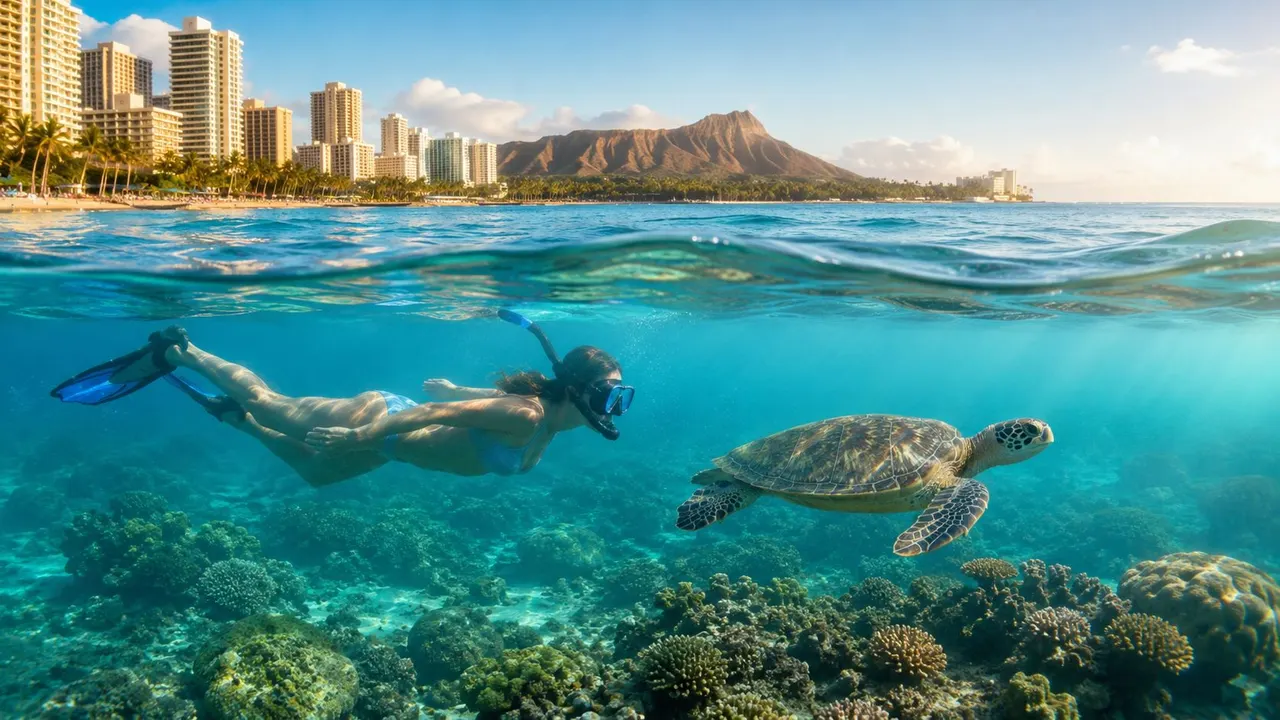
Most advice about snorkeling Oahu Waikiki skips the hard part. It treats the shore as if it's automatically “good enough,” when the true question is whether you want a convenient swim or a truly satisfying snorkel. Waikiki shore entry can be easy and workable, but it's rarely the cleanest or richest option, especially if you're deciding between a beach dip and a guided boat trip.
That tradeoff matters because snorkeling in Hawaii is mainstream and risky at the same time. One Hawaii-focused guide says about 3 million people snorkel in Hawaii each year, and Hawaii recorded 204 snorkeling-related deaths between 2012 and 2021, with about 90% involving tourists, or 184 of 204 in one summary (Living Ocean Tours guide). For Waikiki visitors, that means the smart choice isn't just “Can I snorkel here?” It's “What kind of snorkel fits my timing, comfort level, and expectations?”
Is Waikiki Shore Snorkeling Actually Worth It
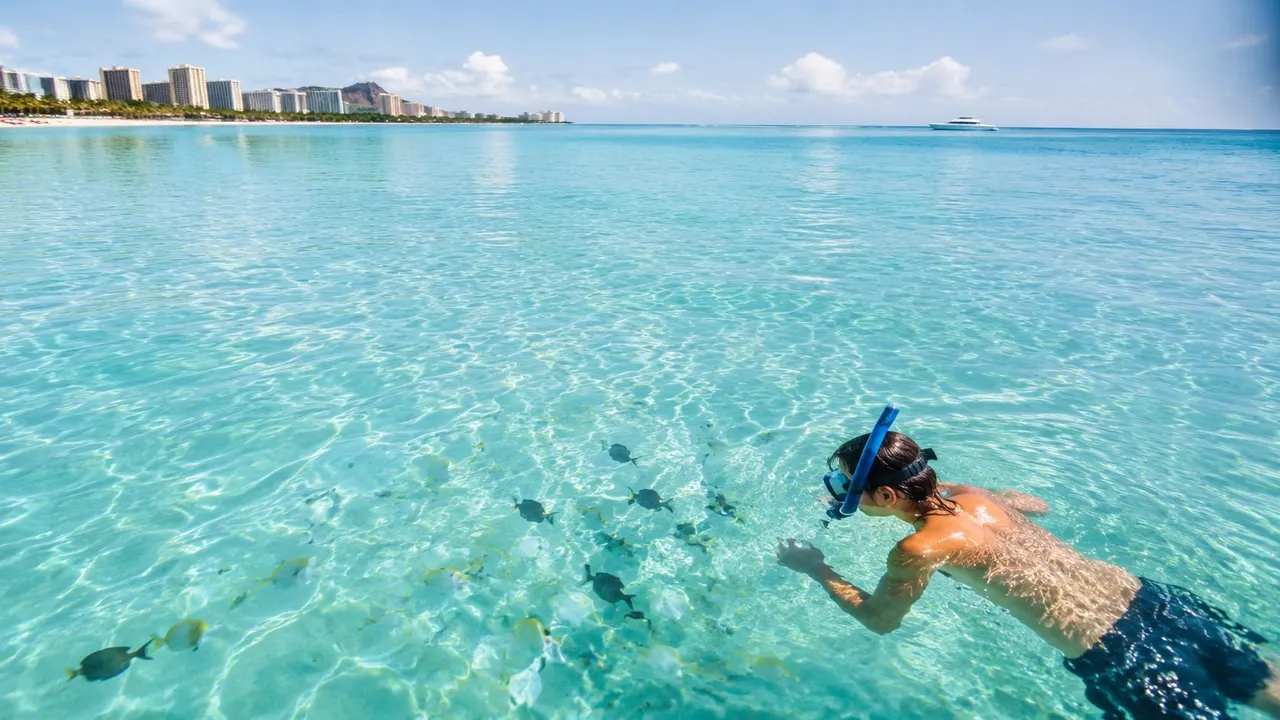
Waikiki shore snorkeling is worth it if your main goal is low friction. You can walk out, get wet, and keep the outing simple. That's valuable for families with tired kids, first-timers who don't want a boat schedule, and travelers who'd rather spend the day on the beach than plan an excursion.
But “worth it” doesn't mean “the best snorkel on Oahu.” Local coverage tends to describe the shore experience as easy and decent, which is accurate, but those words also tell you something important. They signal convenience more than standout wildlife, and they explain why a lot of seasoned visitors eventually compare shore entry with a boat trip instead of assuming the beach is enough.
Practical rule: if you want a quick snorkel and don't mind modest expectations, shore entry works. If you want a stronger chance at richer marine life, a guided trip usually gives you more for the effort.
The hidden issue is time. On a short Waikiki stay, a shore snorkel can eat a morning without delivering a memorable payoff if visibility is off or the conditions aren't kind. A boat excursion, by contrast, compresses the logistics and often improves the underwater experience because the crew takes you where the water and reef are better suited for snorkeling. You can see the same basic question framed in a beach-focused guide on Waikiki shore snorkeling, where the emphasis is on accessibility rather than spectacle.
What shore snorkeling gives you
Shore snorkeling gives you control. You can go early, turn around if conditions look poor, and keep the outing short. That's a real advantage for beginners who want to test gear or for travelers who don't want to commit to a longer marine activity.
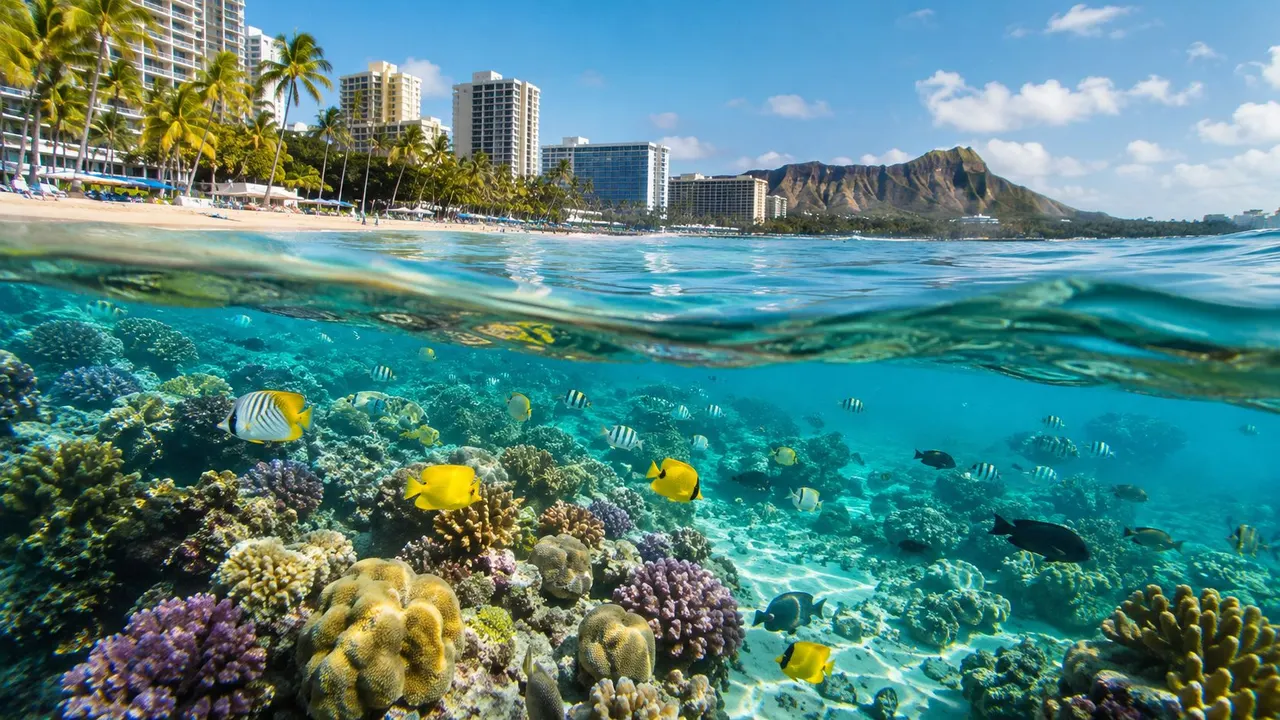
It also gives you a limited version of Waikiki's reef story. The nearshore zone can be pleasant, but it's not the same as getting taken to a cleaner offshore site with a better marine environment. That's why many experienced snorkelers see the shore as a backup plan or warm-up, not the peak experience.
What it usually doesn't give you
It usually doesn't give you the strongest underwater drama. If your mental picture includes turtles cruising past coral heads and a more immersive reef, shore snorkeling in Waikiki can feel thin. The shoreline is busy, the conditions are variable, and the payoff depends heavily on where you enter and what the ocean is doing that day.
A useful way to think about it is this. Shore snorkeling is convenient snorkeling. It's not automatically rewarding snorkeling. Those are different things, and the distinction matters if your vacation time is limited.
Where to Snorkel Along the Waikiki Shoreline
Waikiki is not one continuous snorkel zone. One guide notes that Waikiki Beach is made up of 6 connected smaller beaches spanning about 2 miles (Snorkel Planet), so the first mistake travelers make is assuming any stretch of sand will do. The better question is where the reef structure, entry angle, and nearshore conditions align.
Queen's Beach and Sans Souci are the real shore focus
The best-known shore snorkeling area sits south of the hotel strip in the Marine Life Conservation District, centered around Queen's Beach and Sans Souci. One guide places the district from the Kapahulu Groin to the north wall of the Natatorium, with the best Queen's Beach entry on the left, south side in front of the Waikiki Aquarium sea wall (Tropical Snorkeling). That's the part of Waikiki where shore entry has a real chance of feeling like snorkeling, not just swimming.
The geometry matters. A Waikiki technical guide places the dredged channel about 100 feet offshore, with the outer reef edge about 400-600 feet farther out, where depth can reach 15-20 feet (Living Ocean Tours reef guide). Beginners usually do better staying inside that inner navigation corridor first, because the route is clearer and the swim is less demanding.
The inner channel is the safer mental map. The outer reef is where the marine life gets more interesting, but it also demands more comfort with surf, surge, and distance.
Why the outer reef is better, and less forgiving
The outer edge concentrates fish because reef relief changes create more structure. That's the upside. The downside is exposure. When south swells build, wave energy and surge can make the same area feel messy, and the visibility can fall off fast.
A practical way to judge the shoreline is by what's happening on the reef line, not by the amount of sand on the beach. If the water looks churned up, the entry may still be possible, but the experience usually slides from enjoyable to merely doable. That's why locals keep pointing people toward the specific zones instead of saying “just snorkel Waikiki.”
For shore-only visitors, Sans Souci beach snorkeling guidance is the most useful mindset to adopt. Treat the area as a targeted reef access point, not a broad beachfront activity. That simple shift prevents a lot of disappointment.
Shore Entry Versus Guided Boat Excursions
If the decision is shore versus boat, shore snorkeling wins on convenience and boat excursions win on underwater payoff. That's the honest version most travel pages soften. A guided trip is a better fit when the goal is marine life, better visibility, and a more reliable use of vacation time.
| Factor | Shore Snorkeling | Guided Boat Tour |
|---|---|---|
| Water clarity | Good on the right day, but variable after rain and surf | Usually better because the crew can access cleaner offshore water |
| Marine life | Limited by nearshore conditions and reef access | Stronger chance of turtles and a more active reef environment |
| Effort | Low planning, but you handle your own entry and judgment calls | Less self-navigation, since guides manage the setup and route |
| Time commitment | Flexible and short | More structured, but more efficient if snorkeling is the main goal |
| Overall feel | Easy, casual, and modest | More rewarding for people who actually want a snorkel experience |
A boat trip is especially compelling for families and multi-generational groups because nobody has to negotiate surf entry, reef position, or whether the day's shoreline conditions are good enough. That matters more than people admit. A shore session can sound relaxed, but the hidden work of checking conditions, choosing the right stretch, and deciding when to exit adds friction.
Living Ocean Tours offers a waikiki snorkel and wildlife cruise that fits the kind of traveler who wants the excursion handled instead of piecing it together at the beach. That kind of option is often easier for first-timers than trying to turn a shore snorkel into the highlight of the trip.
Why the boat feels different in practice
The biggest difference is not just the boat ride. It's the underwater environment. Shore snorkeling puts you in the same nearshore zone every other casual swimmer is using, while a guided excursion takes you toward waters chosen for snorkeling value.
It also changes the emotional tone. Shore snorkeling asks you to self-direct. A guided trip lets you follow a crew that knows the site, the currents, and the practical rhythms of the ocean that day. For many travelers, that's the difference between “we tried snorkeling” and “we had a real snorkel day.”
Choosing the Best Month and Time of Day
The best Waikiki snorkel window is narrower than many visitors expect. Several guides point to the May through early October period as the calmer stretch, and that lines up with the practical reality of better conditions and easier mornings. If you only have a few beach days, timing matters as much as location.
Start with the season
Honolulu's coastal water temperature averages about 76°F in March and 81°F in September, a 5°F spread across the year (Snorkeling Report). That means the water is generally warm enough for snorkeling across seasons, but warmth alone doesn't make conditions good. Calmness, clarity, and surf matter more.
So the decision rule is simple. Favor the calmer months when you can, but don't assume warm water guarantees a good snorkel. A clear morning in a favorable season beats a windy afternoon almost every time.
Use the clock, not just the calendar
Early departures around 7 to 8 a.m. are consistently smarter than afternoon sessions. The water is usually less disturbed, the beach is less crowded, and the nearshore area has had less time to be stirred up by swimmers and foot traffic. That's especially important in Waikiki, where the snorkeling zone sits in a busy tourist corridor.
Practical rule: if you can only snorkel once, go early, before the beach starts working the sand and the conditions turn ordinary.
Rain changes the equation fast. One independent guide cites the Hawaii Department of Health recommendation to stay out of the ocean for at least 72 hours after heavy rainfall to reduce bacteria exposure risk from open cuts or scrapes (Safe to Swim Hawaii). In Waikiki, runoff and visibility problems can follow rain, so the best day isn't just a calm day, it's a calm day with enough dry time behind it.
The simplest check is this, look at surf forecasts, look at the weather history, and then ask whether the beach has had time to settle. If the answer is no, delay the snorkel or switch to a boat excursion.
For a practical trip-planning reference, the best snorkeling in Oahu guide is useful because it frames timing as a real-world choice, not a generic “go early” slogan.
What to Expect on a Guided Snorkel Tour
A guided snorkel day removes the guesswork. Living Ocean Tours is a Honolulu-based operator that runs daily departures from Kewalo Basin Boat Harbor near Waikiki Beach, and it's the kind of company families often choose when they don't want to improvise at the shoreline. The process is straightforward, from check-in to in-water support.
The flow from dock to water
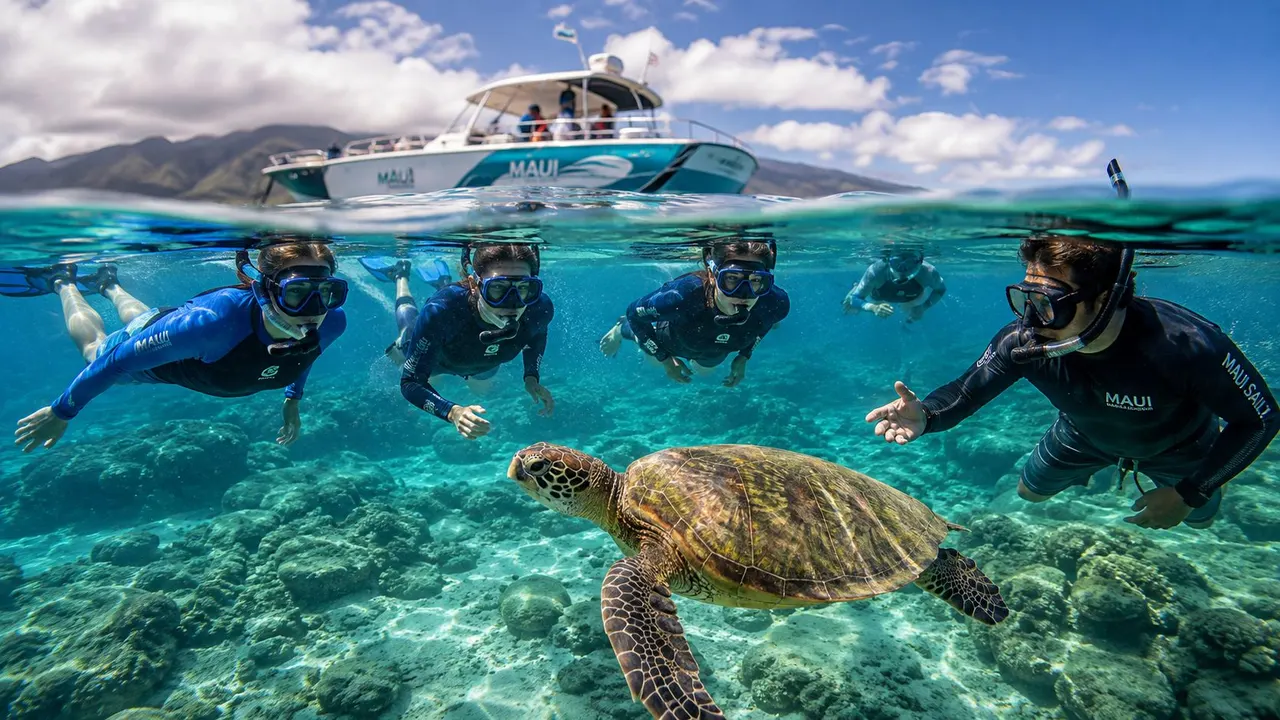
Before launch, the crew covers the safety basics, gear fit, and what to expect once everyone's in the water. That part sounds routine, but it matters a lot for beginners. A good briefing reduces the two biggest stress points, breathing with a mask and moving calmly once you're floating in open water.
The snorkeling tour page is the right example of what that experience looks like because it reflects the practical setup people book. You're not just renting gear and hoping it goes well. You're stepping into a supervised outing with instruction and site awareness built in.
Turtle Canyons versus a family-style wildlife cruise
The Turtle Canyons Snorkel Excursion is the more focused choice if the goal is Hawaiian green sea turtles and reef fish. The Deluxe Waikiki Snorkel and Wildlife Cruise is better if the group wants extra fun features like a waterslide and water trampoline in addition to snorkeling. Those aren't the same product, and they shouldn't be treated like they are.
The right tour depends on the group. Turtle-focused travelers want a cleaner snorkel agenda. Families with mixed comfort levels often prefer the boat with more play value.
What the guide really adds is confidence. A good crew points out marine life you'd miss on your own, keeps the group organized, and makes the water feel less like a test. For first-time snorkelers, that can be the difference between shallow breathing and relaxing enough to enjoy the reef.
Essential Safety Rules and Marine Stewardship
Snorkeling in Waikiki looks simple from the beach, but the risk profile changes fast once you're in the water. The safer approach is to treat it as an ocean activity first and a tourist activity second. That mindset keeps people honest about conditions, fatigue, and crowding.
The safety habits that actually matter
Always snorkel with a buddy. One Waikiki guide says to never go alone, and that's not a decorative rule, it's basic ocean sense (Island Watersports Hawaii). If something feels off, you want another person close enough to notice early.
Conditions matter as much as confidence. Waikiki's exposed reef zones get less forgiving when south swells increase, because wave energy and surge can cut visibility and raise current risk. If the surface looks messy, or if your breathing starts to feel rushed, don't keep pushing toward the outer reef just because you already swam halfway there.
Protect the reef while you're in it
Living Ocean Tours' own guide states the number one rule is to never touch or stand on coral. That's the rule to remember because coral is living structure, not scenery. Standing on it damages the reef and can also put you in a worse position if surge shifts you unexpectedly.
Keep your distance from wildlife too. A turtle isn't a prop for a photo, and crowding animals changes their behavior. The smartest snorkelers move slowly, keep space, and let the encounter happen on the animal's terms.
Practical rule: if the ocean starts to look rougher than it did at the beach, turn the day into a shorter one. Good judgment is part of the gear list.
Waikiki's popularity cuts both ways. More people means more access, but it also means more distracted swimmers, more pressure on fragile reef zones, and more temptation to improvise. Respecting the reef is not a side note here. It's the reason the snorkel is worth doing at all.
Packing Checklist and Booking Tips
The best way to avoid a frustrating snorkel day is to pack light but correctly. Bring reef-safe sunscreen, a rash guard, and a waterproof phone case if you want photos without risking your electronics. Those basics cover sun, abrasion, and the inevitable impulse to document the day.
What to bring and what to leave behind
- Reef-safe sunscreen: apply it early so you're not rushing at the beach.
- Rash guard: useful for sun protection and for keeping the day comfortable in the water.
- Waterproof phone case: helpful if you want to carry a phone without treating it like a disposable item.
- Towel and dry clothes: especially if you're moving on to lunch or another stop.
- Snacks and water: shore snorkeling and boat outings both go better when nobody's hungry or dehydrated.
A guided operator usually supplies the gear and instruction, which is one reason families and mobility-limited travelers prefer it. Shore snorkeling asks you to manage more of the setup yourself, including the entry point, the timing, and whether conditions are decent. If that sounds like a lot for a short vacation, it probably is.
How to choose the right booking
Think in terms of group needs, not just price. A turtle-focused outing suits travelers who care most about marine life. A family-style cruise with extra water toys suits groups that need variety, especially when some people are stronger swimmers than others. If your group wants a calmer, more structured outing, a morning departure usually makes the most sense.
Living Ocean Tours is one option for travelers who want a guided snorkel, a wildlife cruise, or a more activity-rich family day on the water. If you're planning snorkeling Oahu Waikiki and want to compare shore entry with a crewed trip, browse the options at Living Ocean Tours and pick the one that fits how you prefer to travel.
If you want the simplest answer, don't treat Waikiki shore snorkeling as the default winner. Use it when convenience matters most, and book a guided trip when you want clearer water, better marine life, and less guesswork. Living Ocean Tours runs snorkel outings for Waikiki visitors who'd rather spend their time in the water than sorting out currents, entry points, and timing on the beach.


