
Oahu Water Temperature: Turtle Canyon by Month
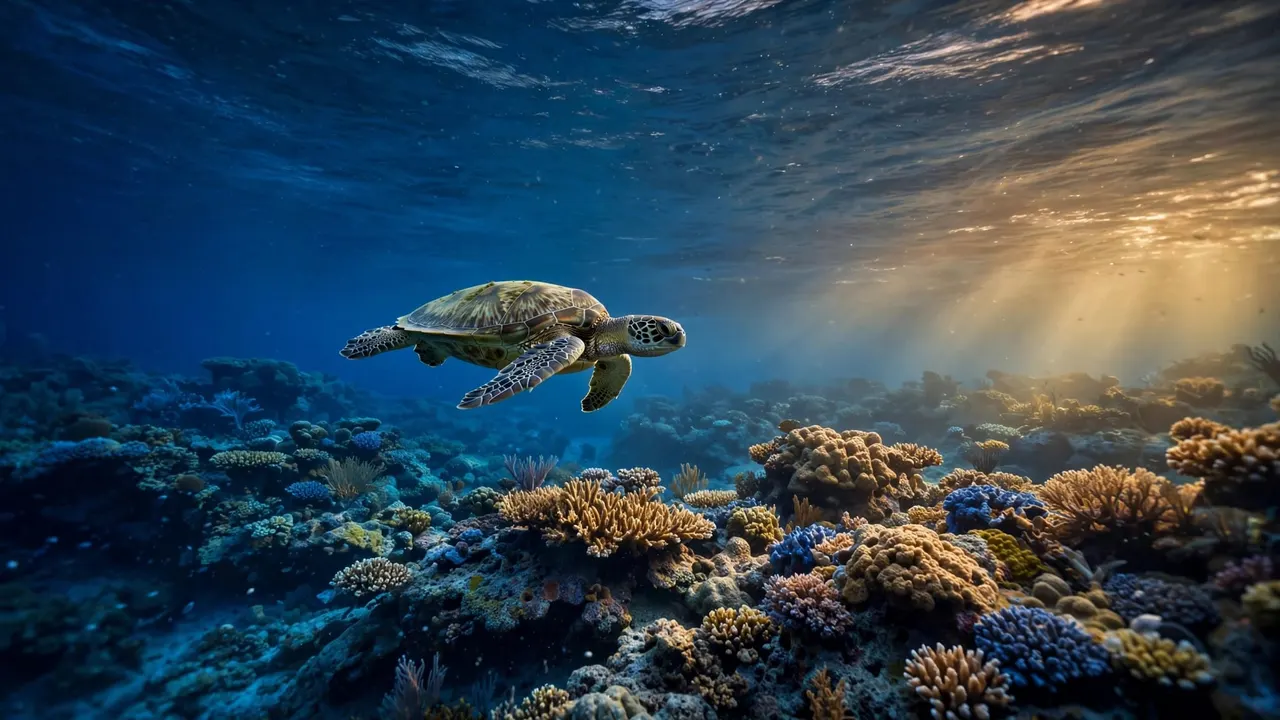
Living Ocean Tours, Oahu’s top-rated and most-reviewed turtle snorkeling tour company, takes you from Kewalo Basin Boat Harbor to Turtle Canyon, just minutes from Waikiki. As the only tour company with professional snorkel guides, it gives you direct in-water support while you explore reef habitat respectfully.
The Oahu water temperature stays inviting all year, but a few degrees can change how long you want to float, snorkel, and relax in the Pacific. Turtle Canyon’s offshore location also means wind, swell, sun, and currents matter as much as the monthly average.
Use this guide to choose your most comfortable season, pack the right layers, and plan a turtle-focused day with realistic expectations.
Key takeaways for Turtle Canyon snorkeling
- Turtle Canyon water follows the Honolulu and Waikiki seasonal pattern, with the coolest water from January through March and the warmest water from August through October.
- Expect long-term monthly averages near 75 F in March and about 80 F in September.
- Summer and early fall suit swimmers who want the warmest Oahu water temperature, while winter still feels comfortable for many visitors.
- A sunny forecast does not promise calm snorkeling. Wind, swell, currents, rain, and visibility can change conditions quickly.
- Hawaiian green sea turtles may visit Turtle Canyon year-round, but sightings always depend on wildlife behavior and daily conditions.
- You should keep at least 10 feet away from honu and never touch, feed, chase, or block their path.
Why Turtle Canyon uses Honolulu and Waikiki data
Turtle Canyon sits offshore from Waikiki, roughly 1 to 1.5 miles from the beach. There is no public monitoring station that reports a separate monthly reading for this individual reef. Therefore, Honolulu and Waikiki measurements are the most useful planning reference.
The numbers below are long-term averages for nearby coastal water, not a promise of the exact temperature at the reef. The NOAA Coastal Water Temperature Guide is useful for comparing Hawaiian coastal patterns, while your crew can assess the actual water on the day of your trip.
A calm, sunny morning can leave the top few feet feeling warmer than the listed average. However, you may feel a cooler patch when you drift across a reef slope or lower your body beneath the surface.
Oahu water temperature at Turtle Canyon, month by month
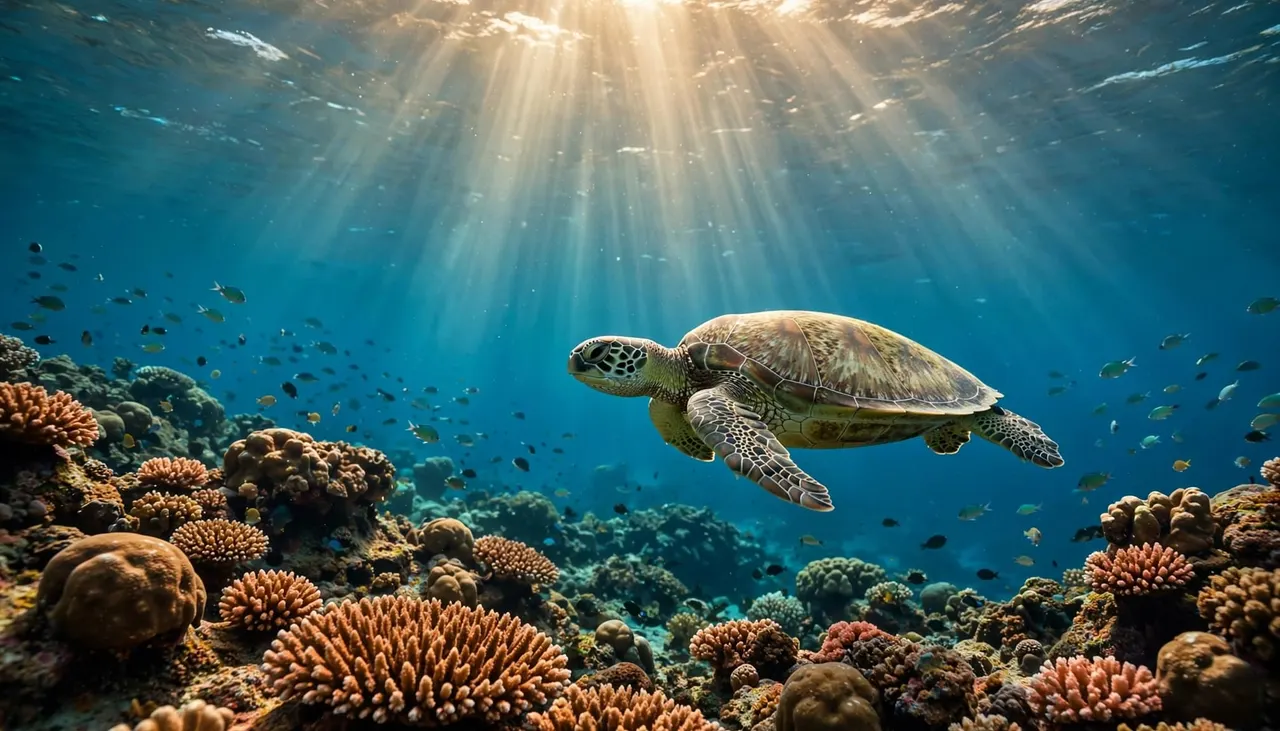
This table uses Honolulu-area monthly averages as a practical Turtle Canyon reference. The annual range is modest, so you can snorkel in every season.
| Month | Average water temperature | Celsius |
|---|---|---|
| January | 75.9 F | 24.4 C |
| February | 75.4 F | 24.1 C |
| March | 75.0 F | 23.9 C |
| April | 76.5 F | 24.7 C |
| May | 77.5 F | 25.3 C |
| June | 78.3 F | 25.7 C |
| July | 78.4 F | 25.8 C |
| August | 79.2 F | 26.2 C |
| September | 80.1 F | 26.7 C |
| October | 79.3 F | 26.3 C |
| November | 78.1 F | 25.6 C |
| December | 76.5 F | 24.7 C |
The warmest stretch arrives in late summer and early fall. Still, comfort comes down to your cold tolerance, time in the water, and the day’s conditions.
January through March: the coolest stretch
January through March brings water near 75 F. Many visitors swim comfortably in a swimsuit, especially under bright sun, but you may prefer a rash guard or light wetsuit top if you get cold easily.
March is often the annual low point. A towel and dry cover-up make the ride back more pleasant after a longer snorkel.
April through June: steadily warmer water
By April, the Oahu water temperature begins its gradual climb. Water averages 76.5 F in April and reaches more than 78 F by June.
This is a comfortable period for families and first-time snorkelers. You still want to check for wind and swell, since warm water does not remove ocean hazards.
July through September: warmest snorkeling months
July, August, and September offer the warmest water of the year. September averages about 80 F, which makes extended floating and surface snorkeling feel easier for many guests.
You may also notice a sun-warmed surface layer on clear days. Below it, reef water can feel cooler because moving water constantly mixes around coral and deeper channels.
October through December: warm water lingers
October remains close to the summer peak at 79.3 F. November cools gradually, while December averages about 76.5 F.
For couples planning a fall getaway, this period pairs warm ocean time with Waikiki’s sunset season. Conditions remain variable, so choose your departure based on the forecast and crew guidance.
What the temperature feels like in the water
A number on a weather app cannot tell you how a 45-minute snorkel will feel. Your comfort depends on exposure, shade, wind on wet skin, and how actively you move in the water.
If you run warm or swim often
You will probably feel comfortable in a swimsuit during most months. A long-sleeve rash guard can still help with sun protection and prevent chafing from snorkel gear.
In summer, stay hydrated before boarding. Warm Oahu water temperature can make snorkeling feel effortless, yet hours in the sun can catch up with you quickly.
If you get cold easily
Pack a light wetsuit top, especially between January and April. It is not required, but it can help you relax instead of cutting your water time short.
Bring a towel, dry shirt, and wind-resistant cover-up. Even 76 F water can feel chilly after you stop moving and sit in a shaded area on the boat.
A brief cool patch over the reef is normal. It often comes from depth changes and moving water, not from an unsafe temperature shift.
Daily conditions matter more than the calendar
The monthly Oahu water temperature helps you pack. It should not be your only reason to enter the ocean. A strong south swell, heavy rain, wind chop, or current can affect comfort and visibility even when the water feels warm.
Look beyond the sky
Waikiki can look sunny from shore while offshore water has texture from trade winds. Recent rain may also reduce visibility near the coast through runoff.
Before leaving, check current marine conditions and listen to the captain. NOAA’s Honolulu physical oceanography station provides local observations, although no regional reading can describe every reef in real time.
Choose mornings when you can
Morning and mid-morning departures often offer calmer surface conditions before winds build. That can make mask clearing, floating, and wildlife viewing easier.
Still, no hour guarantees flat water. Give your schedule some room, and treat a crew decision to change the route or pause water entry as sound ocean judgment.
A guided Turtle Canyon trip adds comfort
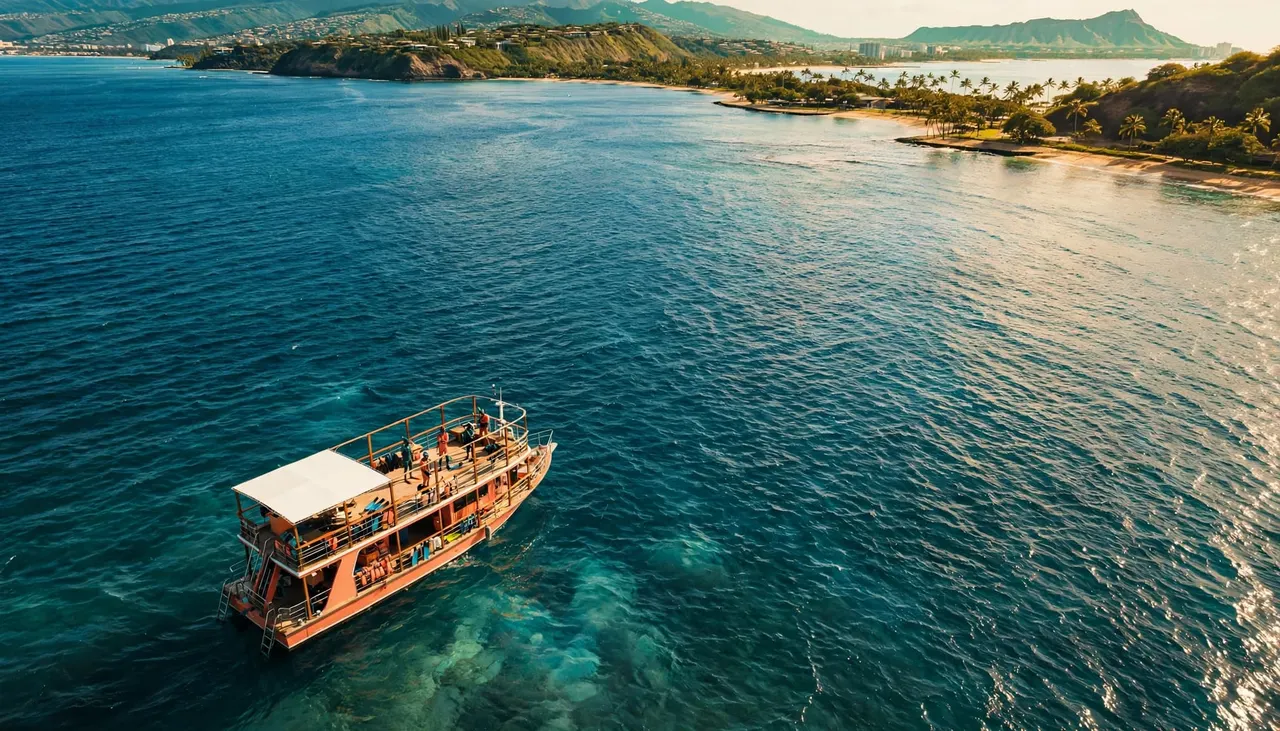
Living Ocean Tours operates Coast Guard-inspected double-decker vessels with shaded seating, onboard restrooms, dry storage, and sturdy ladders for water entry. You can compare its Waikiki ocean tours when you want snorkeling, wildlife viewing, or a sunset outing from the same convenient harbor.
Snorkel with professional in-water guides
The Turtle Canyons Snorkel Excursion is a two-hour outing for guests ages 3 and up. You receive snorkel gear, flotation support, and instruction before entering the water.
Professional snorkel guides stay in the water to help with mask fit, calm breathing, buoyancy, and reef etiquette. Tell the crew if you are nervous, prone to motion sickness, or helping a child learn. You can also stay aboard and enjoy the view if the water does not feel right for you.
Keep turtle encounters wild and respectful
Turtle Canyon is known for a natural cleaning station where Hawaiian green sea turtles may visit. Living Ocean Tours reports a 95% turtle-sighting rate, but wild animals never follow a schedule.
Give every turtle room to surface, rest, and move freely. NOAA Fisheries viewing guidance recommends at least 10 feet, or 3 meters, of space in Hawaii. Do not touch, feed, chase, or surround a turtle for a photo.
When your preferred day lines up with favorable conditions, you can CHECK AVAILABILITY for a Turtle Canyon departure.
Frequently asked questions
Is Turtle Canyon warm enough to snorkel in winter?
Yes. Winter water averages roughly 75 to 76 F, which many visitors find pleasant for swimming. If you are sensitive to cold, bring a light layer and a dry cover-up for after the snorkel.
What month has the warmest Oahu water temperature?
September is usually the warmest month, with a Honolulu-area average near 80 F. August and October are close behind, so all three months work well for visitors who prioritize warmer water.
Can beginners snorkel at Turtle Canyon?
Yes, when ocean conditions are suitable and you communicate your comfort level. A boat-based trip with flotation support, gear instruction, and professional snorkel guides gives you more help than managing an offshore reef alone.
Are turtle sightings guaranteed?
No. Hawaiian green sea turtles are protected wild animals, and their movements change with conditions and behavior. A respectful trip values the reef, fish, and ocean time even if a turtle chooses another route.
Plan for comfort, then let the ocean lead
Oahu water temperature changes only gradually across the year, so you can find a comfortable Turtle Canyon snorkeling window in every season. Summer and early fall feel warmest, while winter may call for an extra layer.
The best day is not defined by a calendar alone. When you watch the conditions, follow your guides, and give honu their space, you can enjoy the reef with comfort and respect.


