
Turtle Canyon Oahu: How Green Turtles Find Home
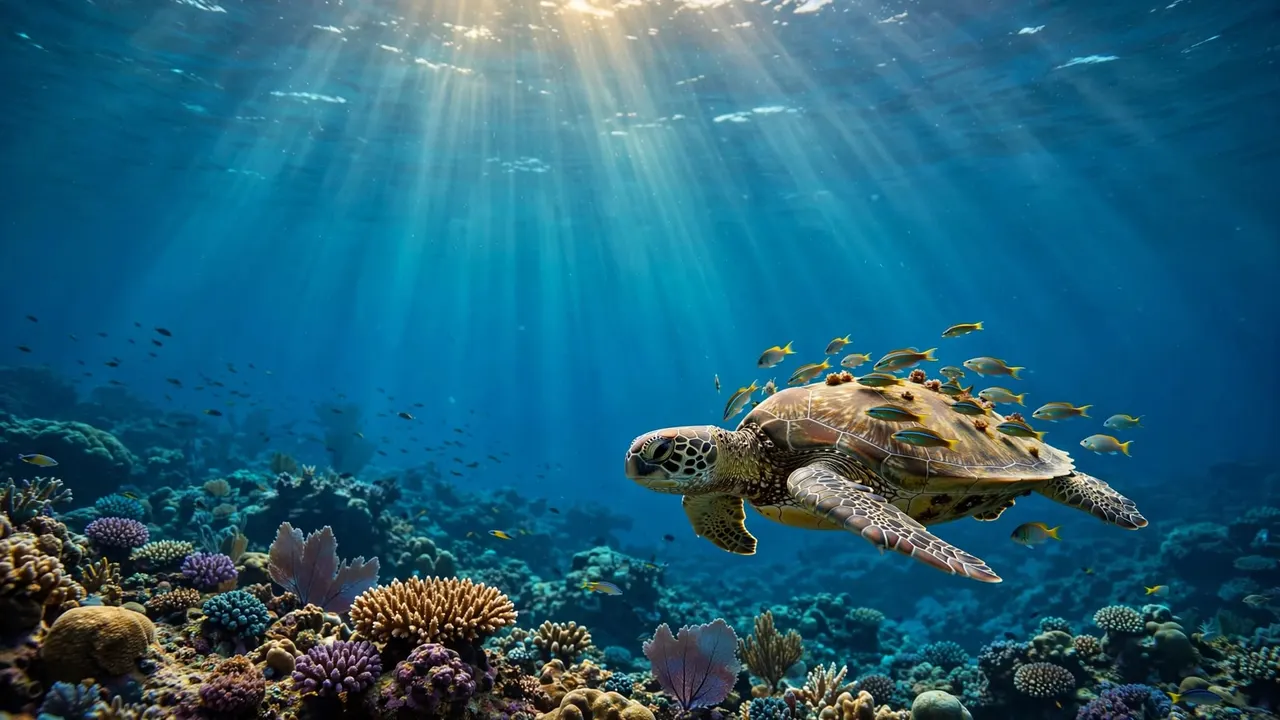
At Turtle Canyon Oahu, a Hawaiian green sea turtle can appear to know exactly where it is going. Living Ocean Tours, Oahu’s top-rated and most-reviewed turtle snorkeling tour company, takes you from Kewalo Basin Boat Harbor to this offshore Waikiki reef with professional snorkel guides in the water, the only tour company offering that level of in-water guide support.
A honu sighting is never scheduled or staged. Still, green turtles often return to familiar areas for food, rest, and cleaning activity, which makes this reef feel like a regular stop in a much larger ocean life.
Key Takeaways
- Turtle Canyon Oahu is working reef habitat, not an aquarium or a guaranteed wildlife encounter.
- Hawaiian green sea turtles, known locally as honu, often show site fidelity by returning to preferred feeding, resting, and cleaning areas.
- Small reef fish may remove algae and loose material from a turtle’s shell and skin at natural cleaning stations.
- Research supports repeated use of favored reef areas, but it doesn’t prove one exact method turtles use to recognize Turtle Canyon.
- You get a better encounter when you float calmly, leave turtles a clear route to the surface, and watch the entire reef.
Turtle Canyon Oahu Is More Than a Snorkel Stop
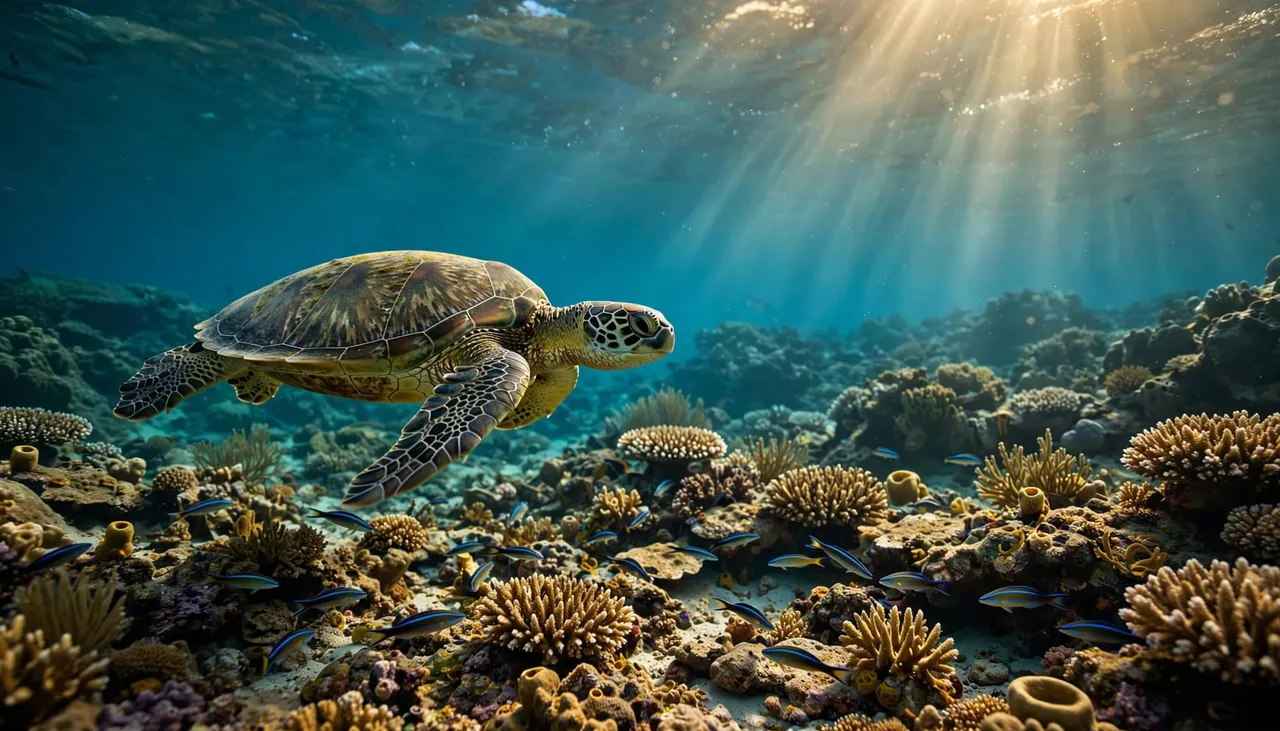
Just offshore from Waikiki, Turtle Canyon Oahu sits within a larger coastal reef system. Coral ledges, rocky shelves, open blue water, and shifting currents create places where turtles and tropical fish can feed, pause, or pass through.
The name can make the location sound like a single destination with a fixed cast of animals. In reality, every turtle chooses its own route. One honu may glide over a reef shelf, while another rises for air or disappears beyond the drop-off.
A reef with repeat visitors
Green turtles don’t need to travel together to share a productive reef. Several can use the same stretch of water because it offers familiar shelter, algae-covered surfaces, or cleaner fish.
That shared habitat can look social from the surface. However, turtles near one another may be feeding, resting, or moving independently. Their proximity doesn’t mean they arrived as a group.
A place shaped by real conditions
Light, wave action, water movement, and reef texture change what grows on each section of the seafloor. Algae and seaweed aren’t distributed evenly, so a turtle may inspect one area and continue along the reef.
Watch those choices without trying to interpret every movement. A turtle moving away isn’t rejecting swimmers. It is following its own routine.
How Green Turtles Return to Familiar Reef Areas
The strongest explanation for a recurring turtle sighting is site fidelity. This term describes an animal returning to areas that meet recurring needs, such as foraging grounds, resting habitat, or cleaning stations.
Scientific research on green-turtle site fidelity documents how turtles can repeatedly use preferred foraging areas over time. That behavior helps explain why Turtle Canyon has a strong reputation for honu encounters.
Familiar habitat supports daily routines
A turtle’s life isn’t limited to one reef. It may travel through nearby coastal habitat, feed in one area, pause in another, and return to a familiar cleaning location when conditions suit it.
Published observations of cleaning-station activity near Waikiki recorded turtle use on a basalt reef shelf about 10 meters deep and roughly 400 meters from shore. The same research found more activity in the morning than later in the afternoon.
Recognition is still not fully explained
You may hear that sea turtles find a reef through scent, magnetic fields, visual landmarks, sound, or currents. Those ideas may be part of broader sea turtle navigation research, but no gathered evidence identifies one confirmed sensory method that lets a turtle recognize Turtle Canyon Oahu.
Researchers can observe where turtles return and how they behave. The exact internal map a turtle uses remains less certain. That mystery makes a quiet encounter even more remarkable.
A home reef is not a fixed address for a turtle. It is a familiar part of a larger habitat that continues to meet the animal’s needs.
Why Cleaning Stations Draw Honu Back
Turtle Canyon is known for natural cleaning-station activity. Small reef fish may gather around a turtle’s shell, neck, and flippers, picking at algae and other loose material as the turtle slows near the reef.
This interaction benefits more than one species. Fish find a food source, while the turtle gets attention around parts of its body it can’t easily reach.
What you may see underwater
A turtle may hover above coral for a moment as fish move around its carapace. Then it might turn, rise for a breath, or swim into deeper water. The whole sequence can happen quickly or unfold slowly.
You can’t diagnose a turtle’s health from the surface. Reef fish near its shell don’t confirm parasites, injuries, or a medical problem. They show a natural reef interaction.
Why patience improves your view
Snorkelers often focus only on the turtle, yet the full scene holds more detail. Look for grazing fish, coral contours, sand pockets, and the change in color where shallow water meets deeper blue.
Published research on Turtle Canyon cleaning behavior describes this relationship as a recurring reef interaction, not a managed attraction. When you let the turtle set the pace, you may see more natural behavior.
Snorkeling Turtle Canyon With Respect
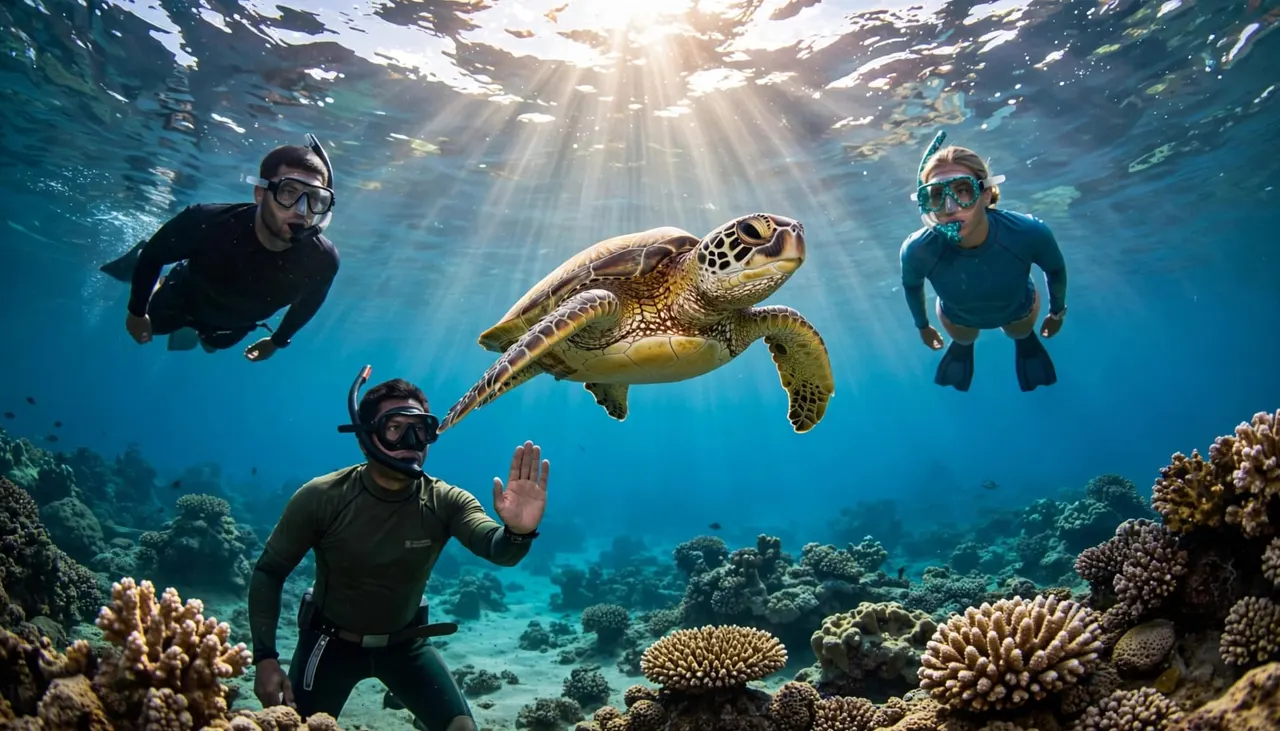
Turtle Canyon Oahu is wild habitat. You may see several turtles, one turtle, or none at all. A responsible trip values the reef, the fish, and the open-water experience even when turtles choose another part of the coast.
Living Ocean Tours provides gear, flotation support, and professional in-water guidance for its Turtle Canyons snorkel excursion. The roughly two-hour trip includes about an hour in the water, giving beginners and experienced snorkelers time to settle into the conditions.
Give each turtle a clear path
Keep your body relaxed and your fins away from coral. Never position yourself above a turtle or between it and open water, because it must surface to breathe.
If a turtle swims closer than you expect, stay calm and let it pass. Don’t reach toward it, even for a quick photo. Touching, feeding, chasing, blocking, or surrounding honu disrupts normal behavior.
Let your guide handle the details
Tell your guide if you’re new to snorkeling, uncomfortable in open water, or helping a child with gear. A professional snorkel guide can help you adjust your mask, use flotation equipment, and stay aware of the group without crowding wildlife.
Living Ocean Tours is the only Oahu tour company with professional snorkel guides in the water with you. That support keeps the focus where it belongs, on safe swimming and respectful wildlife viewing.
Make the Most of Your Reef Time
The best Turtle Canyon Oahu experience starts before you enter the water. Choose reef-safe sun protection when possible, secure loose gear, and listen closely to the safety briefing.
You don’t need to dive down to have a meaningful encounter. Floating on the surface often gives you the space to see a turtle move naturally across the reef.
Watch the reef, not only the turtle
Tropical fish often move in and out of coral heads as the current changes. You may also see rays, eels, or a turtle making a steady ascent for air.
A slow kick and a calm position help you notice those details. They also reduce the chance of damaging coral or startling marine life below you.
Choose a boat trip that fits your group
For a family-focused option beyond the canyon, the Deluxe Waikiki Snorkeling and Wildlife Cruise combines reef time with a waterslide, water trampoline, and floating lily pad. The Lokahi’s SeaKeeper stabilization system also helps create a steadier ride for guests concerned about motion.
For a broader look at available experiences, explore Waikiki turtle snorkeling tours. Each trip should begin with the same priority: observe wildlife without asking it to perform.
FAQ About Turtle Canyon Oahu
Do turtles live at Turtle Canyon all the time?
Turtles use Turtle Canyon Oahu as part of a larger coastal habitat. They may return often because the reef offers familiar food, structure, and cleaning activity, but they are free to arrive and leave on their own schedule.
Will you always see a green turtle?
Wildlife sightings can never be guaranteed. Living Ocean Tours reports a 95% turtle-sighting success rate on its Turtle Canyons outings, yet weather, water conditions, and turtle behavior can change any day on the ocean.
Is Turtle Canyon suitable for beginner snorkelers?
Yes, beginners can enjoy the reef with clear instruction, properly fitted gear, flotation support, and in-water guidance. Be honest about your swimming comfort, stay close to the group, and take time to get comfortable at the surface.
What should you do if a turtle looks injured?
Stay back and notify your guide. Don’t touch the turtle, attempt to remove fishing line, move it, or try to treat it. A trained responder can assess the situation without adding stress to the animal.
Let the Reef Set the Pace
Turtle Canyon Oahu feels special because it gives you a look at a reef that turtles already use. Site fidelity, cleaner fish, food, shelter, and reef structure can bring honu back, while each turtle remains free to leave at any moment.
When you give a green turtle room to breathe, feed, and move, you see more than a vacation photo. You become a respectful visitor in its familiar ocean home.


