
Turtle Canyon Oahu: The Story Behind Its Name
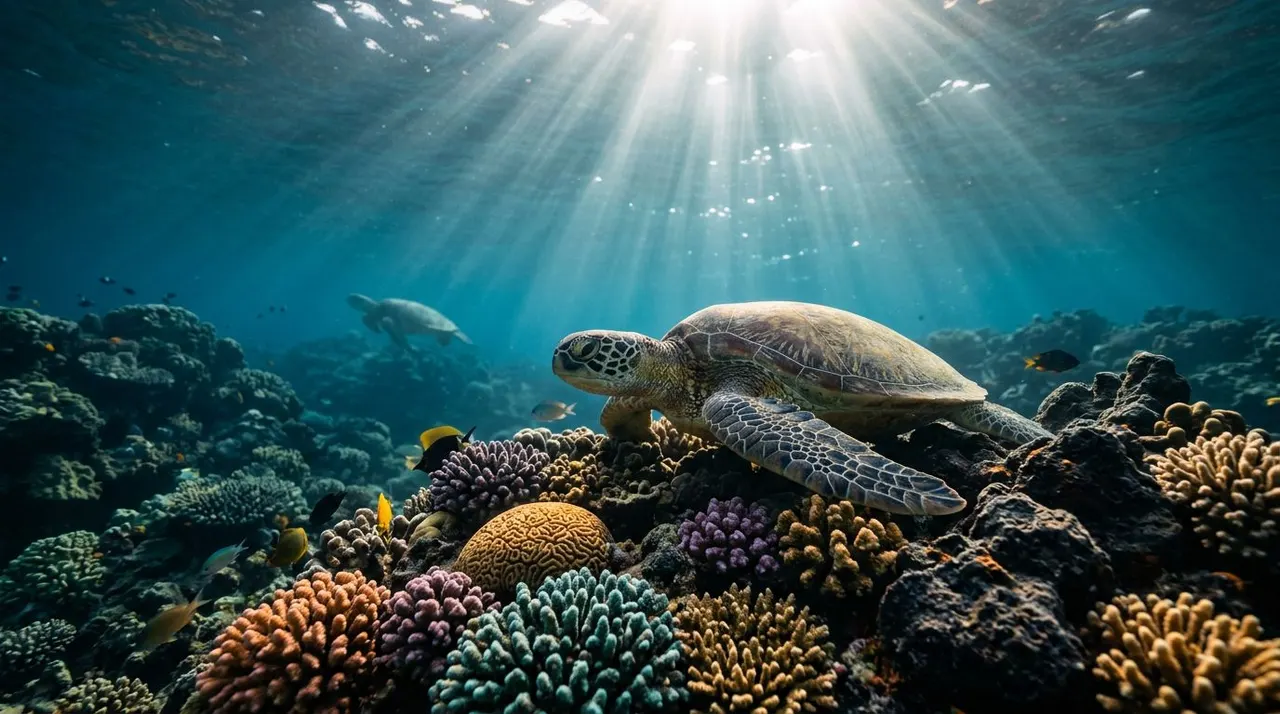
A place named Turtle Canyon sounds like a rocky landmark on shore. In Oahu, however, the name points to an underwater reef where Hawaiian green sea turtles gather regularly.
Once you understand the site’s location and daily marine activity, the name makes perfect sense. You’ll also see why reaching Turtle Canyon requires a boat, why the reef attracts honu, and how you can visit without disturbing the animals.
Why Is It Called Turtle Canyon?
Turtle Canyon got its name from the number of Hawaiian green sea turtles, known as honu, that frequent the reef. The turtles return to the area to rest, feed, and visit natural cleaning stations.
There isn’t a beach sign or land formation that explains the name. Turtle Canyon is offshore, southwest of Waikiki Beach. The word “canyon” refers to the underwater reef area, not a dry canyon carved into Oahu’s coastline.
You may see the location called Turtle Canyon or Turtle Canyons. Tour operators often use both names for the same general snorkeling destination. The singular name usually describes the site, while the plural form often appears in tour names and descriptions.
The memorable part of the name is the turtle connection. Visitors regularly see honu moving across the reef, gliding through clear water, or resting near the bottom. Their steady presence made “Turtle Canyon” a natural name for a popular marine wildlife site.
The name also reflects how the reef functions. This isn’t a random spot where turtles appear by chance. The reef offers food, shelter, and access to small reef fish that help clean the turtles’ shells and skin.
For additional background on the snorkeling area, you can read the Living Ocean Tours Turtle Canyon guide.
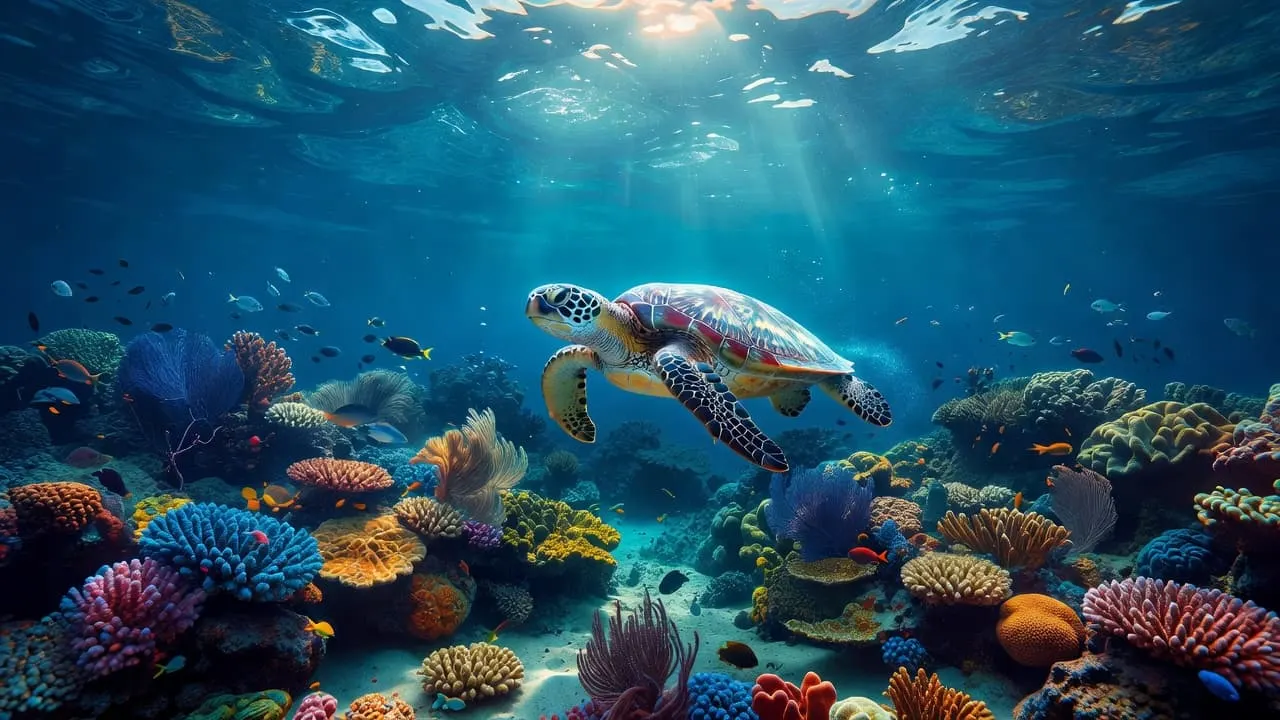
Turtle Canyon Is an Underwater Reef, Not a Land Canyon
You won’t find a hiking trail, cliffside overlook, or shoreline entrance at Turtle Canyon. The reef sits about 2.5 miles southwest of Waikiki, beyond the beach and harbor waters.
Because of that distance, swimming there from Waikiki isn’t a safe or practical option. Boat traffic, changing ocean conditions, and the open-water route make a guided boat trip the sensible way to reach the site.
The reef varies in depth, with areas ranging from roughly 10 to 45 feet. Snorkelers usually spend their time in shallower sections where they can see turtles, coral formations, and reef fish without needing advanced diving skills.
Visibility often reaches 50 to 100 feet when conditions cooperate. Sunlight passes through the surface and illuminates the reef, giving you a clear view of the animals below. Water temperatures typically remain comfortable throughout the year, often ranging between 75 and 80 degrees Fahrenheit.
Conditions change with the weather. Summer often brings calmer seas, while morning trips can provide smoother water before afternoon winds increase. Even on a calm day, your crew should evaluate the ocean before choosing the best place to enter.
That flexibility matters because Turtle Canyon is a natural environment, not an aquarium. The turtles choose where they swim, and the boat crew must work with the conditions available that day.
The Cleaning Station Explains the Turtle Traffic
The reef’s strongest connection to its name is its role as a natural cleaning station. Small reef fish, including cleaner wrasse, remove algae, parasites, loose skin, and other material from visiting sea turtles.
A honu may hover above the reef while cleaner fish work around its shell, flippers, and head. The turtle often remains calm during the process. This behavior gives you a rare look at an everyday part of the animal’s routine.
Cleaning helps turtles maintain healthy shells and skin. It also explains why you may see several turtles using the same section of reef during a snorkeling trip. The animals aren’t performing for visitors. They’re following a regular part of their natural behavior.
You may also notice turtles resting near the bottom between movements. A turtle can look still for several moments before rising toward the surface. Give it room, and you’ll have a better chance of watching its behavior without causing stress.
Hawaiian green sea turtles are protected wildlife. You should never touch, chase, feed, or block a turtle’s path. Keep a respectful distance, control your fins, and avoid standing on coral or stirring up the bottom.
Hawksbill turtles, called ea in Hawaiian, can also occur in Hawaiian waters, although honu are the turtles most commonly associated with Turtle Canyon. Either way, responsible observation protects the animals and preserves the experience for future visitors.
The name Turtle Canyon comes from repeated turtle activity at the reef, not from a land formation you can explore on foot.
What You’ll See at Turtle Canyon Oahu
The turtles are the main attraction, but they aren’t the only reason the reef draws snorkelers. Coral formations create habitat for colorful reef fish and other marine life.
You might see fish moving through the coral, small creatures hiding in crevices, and turtles cruising above the reef. Every visit looks a little different because visibility, sunlight, water movement, and animal behavior change throughout the day.
A boat tour also gives you a better view of Oahu’s south shore. As you leave Waikiki, you can look back toward Diamond Head and see the coastline from the water. The reef experience combines wildlife viewing with an open-ocean boat ride.
Living Ocean Tours departs from Kewalo Basin Boat Harbor, only minutes from Waikiki Beach. The company focuses on guided ocean experiences and is the only tour company with professional snorkel guides. That support helps first-time snorkelers feel more comfortable before entering the water.
The Turtle Canyons Snorkel Excursion includes gear, safety guidance, and help from an experienced crew. Living Ocean Tours reports a 95% success rate for spotting Hawaiian green sea turtles at the natural cleaning station, although wildlife sightings can never be guaranteed.
The Coast Guard-inspected double-decker vessels, Coral Kai and Lokahi, include shaded seating, restrooms, dry storage, and sturdy ladders for water entry. Lokahi also includes a SeaKeeper stabilization system, which helps reduce rolling and can make the ride more comfortable for guests who worry about seasickness.
You can compare guided ocean tours in Oahu before choosing the experience that fits your group.
How to Visit Without Changing the Reef
Your behavior in the water affects the turtles, coral, and other animals around you. A few simple choices can protect the reef during your visit.
- Watch instead of touching. Keep your hands off turtles, coral, and other marine life.
- Control your fins. Slow movements help you avoid kicking coral or startling nearby animals.
- Leave space around turtles. Don’t swim directly above them or block their route to the surface.
- Listen to your guide. The crew knows how to manage distance, current, and safe entry points.
- Use reef-conscious products. Keep sunscreen and other substances out of the water when possible.
A professional guide can also explain what you’re seeing. Instead of chasing the first turtle in view, you’ll learn how to pause, scan the reef, and let the animals move naturally around you.
That approach often leads to a better encounter. Turtles may remain nearby when swimmers stay calm and predictable. Loud splashing and fast pursuit usually send wildlife away.
You should also follow every instruction about boarding, entering, and exiting the water. Ocean conditions can shift quickly, even when the surface looks calm from the harbor. Wear a properly fitted life jacket if your crew recommends one, and tell the staff if you feel nervous or uncomfortable.
Planning Your Turtle Canyon Snorkel Trip
A morning departure can be a strong choice if you prefer calmer water and good visibility. However, the best time depends on weather, wind, swell, and the day’s operating schedule.
Bring a swimsuit, towel, sun protection, and a dry change of clothes. Your operator will explain what equipment is included and what you should bring onboard. Arrive early enough to check in without rushing.
If you’re traveling with children, ask about age requirements and water support before booking. Living Ocean Tours designs its experiences for beginners and families, with tours available for guests ages 3 and older. You don’t need advanced snorkeling experience to enjoy Turtle Canyon, but you should feel comfortable following crew instructions in open water.
Couples can enjoy the reef as a shared wildlife experience, while families often appreciate having guides nearby during the first few minutes in the water. The boat ride also gives non-snorkelers a chance to enjoy the scenery and ocean air.
When you’re ready to check dates for the Turtle Canyons Snorkel Excursion, use CHECK AVAILABILITY.
Why the Name Makes Sense Once You’re There
Turtle Canyon Oahu is named for the honu that repeatedly gather at its underwater reef. The site’s cleaning stations give the turtles a reason to return, while the reef provides habitat for fish and other marine life.
You won’t hike into a canyon or swim out from the beach. Instead, you’ll travel by boat to an offshore reef where your guide can help you observe wildlife safely.
The next time you hear the name, picture the reef below the surface. The turtles are the story behind it, and respectful visitors help keep that story alive.


