
Turtle Snorkeling Oahu: Practice Before Your Boat Trip
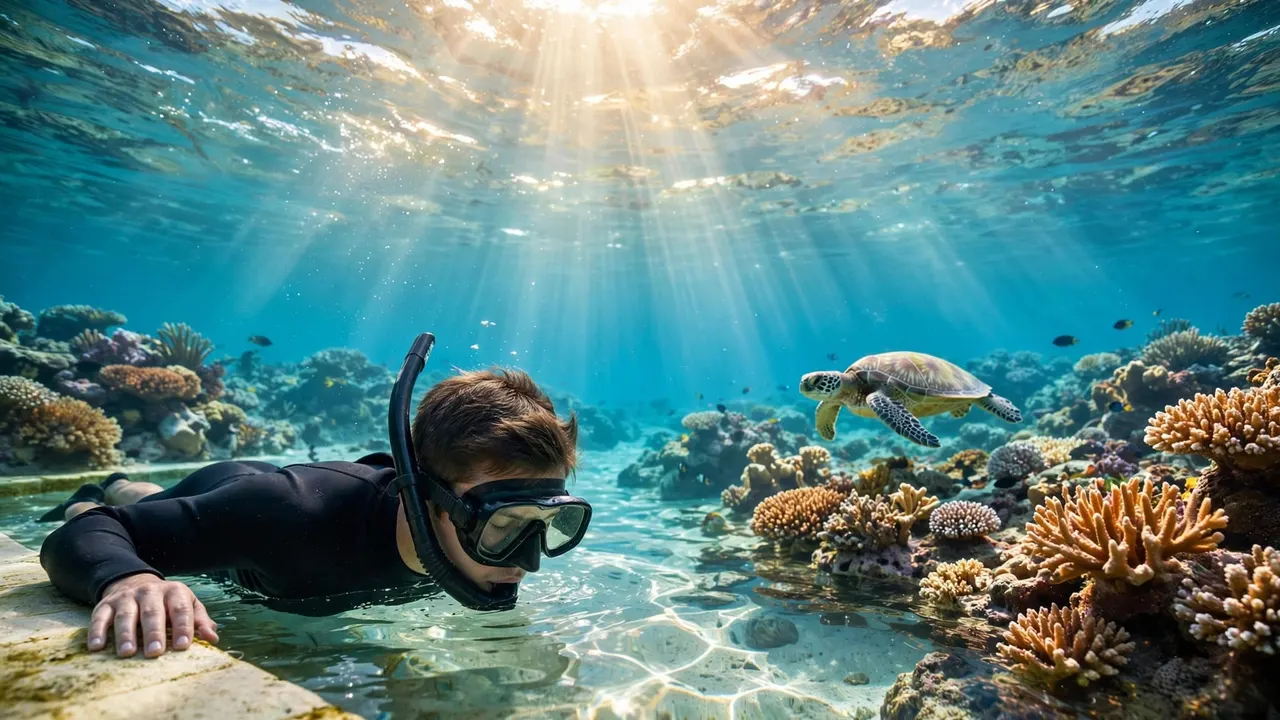
Your best turtle encounter starts before you step onto the boat. A few simple practice sessions can turn turtle snorkeling Oahu from a nervous first attempt into a calm, memorable swim.
You don’t need to be a competitive swimmer or an experienced snorkeler. However, you should feel comfortable floating, breathing through a snorkel, and listening to your guide once you reach the reef.
Turtle snorkeling Oahu starts with calm water skills
Ocean conditions feel different from a hotel pool. Salt water adds buoyancy, while a gentle current can make you feel as if you’re moving faster than you are. Practice helps you recognize those sensations without panic.
If you have access to a pool before your trip, bring a mask and snorkel. Spend 20 to 30 minutes getting familiar with the equipment. Start in shallow water where you can stand comfortably.
Practice a relaxed face-down float
Hold onto the pool edge, place your face in the water, and breathe slowly through the snorkel. Keep your legs long behind you and let your body float.
Then, release one hand. When you feel settled, release the other. This gives you a feel for buoyancy without trying to swim at the same time.
Your body should stay loose. Tense shoulders and fast kicking burn energy quickly, especially when you are excited about seeing turtles.
Learn the basic mask-clearing reset
A little water inside your mask is normal. Practice lifting your head above the surface, adjusting the mask, and taking a few calm breaths before putting your face back in the water.
You can also practice clearing a small amount of water by looking upward and gently exhaling through your nose. If you need more time in the ocean, signal your guide or return to the boat ladder. There is no prize for pushing through discomfort.
The most useful snorkeling skill is not speed. It is the ability to pause, float, and reset without rushing.
Get your snorkel gear comfortable before departure
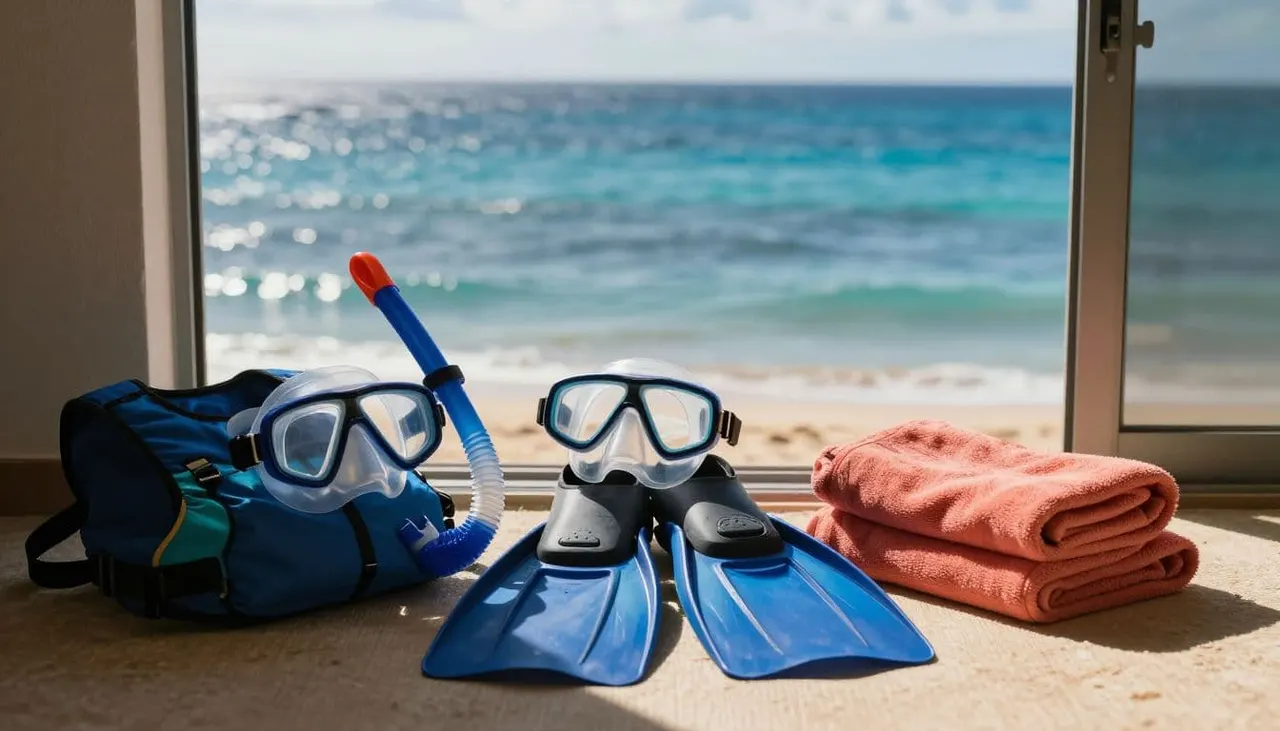
Well-fitting gear keeps your attention on reef fish and sea turtles instead of a leaking mask or pinching fins. If your tour supplies equipment, arrive early enough to ask questions and test the fit.
Bring a swimsuit that stays secure in the water. A rash guard can add sun protection and reduce the chill you may feel after floating for several minutes.
Test your mask seal on dry land
Place the mask gently against your face without using the strap. Breathe in through your nose. A properly sized mask should stay in place briefly from suction alone.
Keep hair away from the silicone skirt. Even one strand can cause a steady leak. Also, don’t overtighten the strap. A tight mask often leaks more because it bends the seal.
Break in your fins and flotation gear
Walk a short distance in your fins before departure, but never walk far backward along a dock. Instead, shuffle carefully or remove them until you’re at the entry point.
A flotation belt or vest gives you a chance to relax. It does not mean you failed a swimming test. Ask the crew how to adjust it, then practice floating on your back and front while wearing it.
Build swimming confidence without exhausting yourself
You do not need to train hard before a Waikiki snorkel trip. Still, a little movement helps you feel more at ease when you enter open water.
During the week before your excursion, take a few easy swims. If you don’t have pool access, walk briskly, use a stationary bike, or take the stairs. The goal is steady breathing and comfortable movement, not a punishing workout.
Use small, controlled kicks
Snorkeling works best with slow fin kicks from your hips. Your knees should stay soft, but your legs should not bicycle through the water.
Practice a gentle flutter kick while holding a kickboard in a pool. Strong splashing can disturb sand and coral, and it uses far more energy than you need.
Know when to ask for support
Tell the crew if you are a first-time snorkeler, have not swum recently, or feel uneasy in deep water. A good guide can help you choose a flotation device, enter gradually, and find a comfortable place in the group.
You can spend part of the trip observing from the boat if that feels right. The Pacific looks just as beautiful from the deck, and you can re-enter when you are ready.
Prepare your body the morning of the boat trip
A rough start on land can make the water feel harder than it is. Give yourself time to eat, hydrate, and get to the harbor without a frantic rush.
Choose a light breakfast with familiar foods, such as fruit, toast, eggs, or oatmeal. Avoid a heavy meal and limit alcohol before snorkeling. Dehydration and an unsettled stomach can take the fun out of your morning.
Pack the small items that matter
Bring reef-safe sunscreen, a towel, sunglasses, a cover-up, and a reusable water bottle. Apply sunscreen before you board, then give it time to absorb before you enter the ocean.
If you are prone to motion sickness, speak with your pharmacist or doctor before your trip about medication options. Take approved medication early enough to work as directed.
Arrive ready to listen
Your safety briefing contains the details that matter most that day, including water entry, boat ladders, currents, marine wildlife, and hand signals. Conditions can change, so your crew’s real-time advice should always guide your decisions.
Keep your phone, jewelry, and other valuables in dry storage. You will enjoy the swim more when you are not wondering where your belongings went.
Practice breathing that stays slow in open water
Your first few snorkel breaths may feel louder than normal. That sound comes from air moving through the tube near your ears, and it usually becomes familiar within minutes.
Start with slow, even breaths. Avoid sharp inhalations or rapid panting. If water splashes into the snorkel, raise your head above the surface, clear it as instructed, and resume once you feel settled.
Use your back float as a reset button
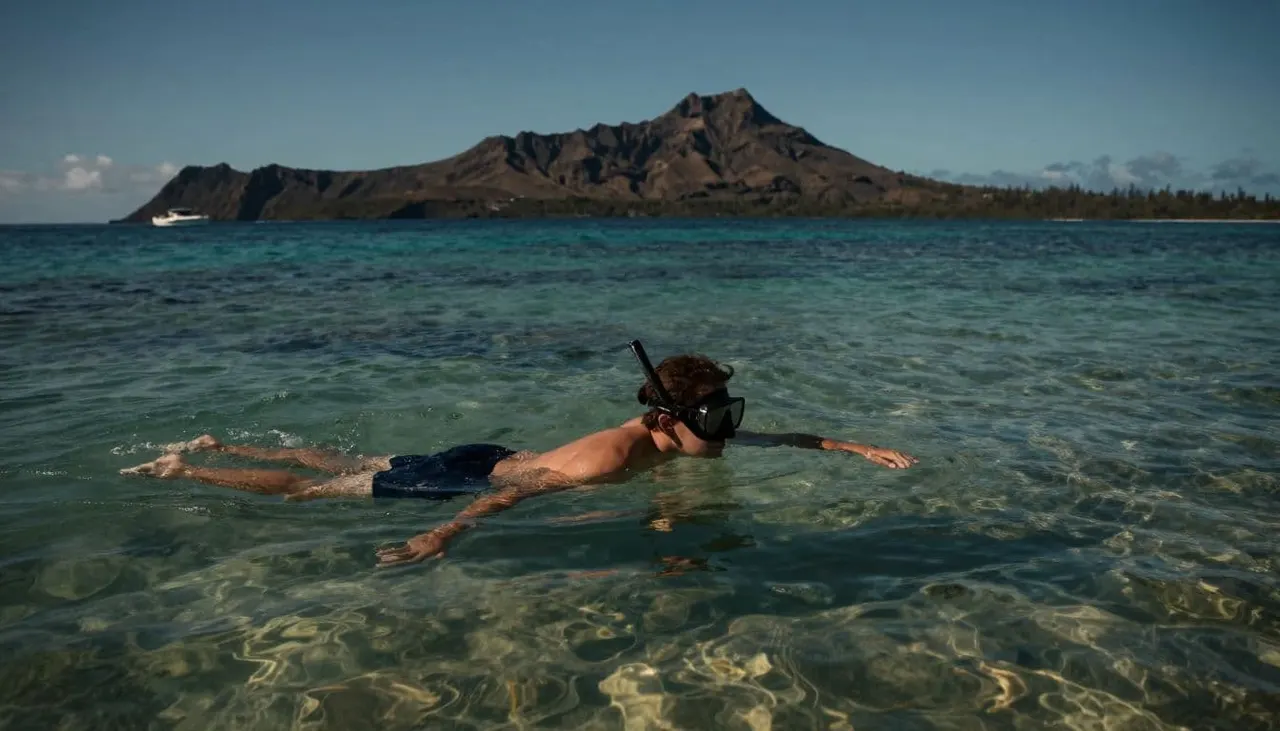
If you feel winded, roll onto your back, keep your flotation device in place, and take normal breaths. Raise one arm if you need assistance.
This position gives you a clear view of the boat and lets your guide spot you quickly. Once your breathing slows, you can decide whether to continue snorkeling or head back aboard.
Look down without chasing wildlife
Most of the underwater magic appears when you float quietly. Let your eyes move across the reef instead of kicking hard toward every fish.
A Hawaiian green sea turtle may glide past, rest near the reef, or visit a cleaning station. Give it the space to follow its own path.
Respect sea turtles and the reef
Sea turtles are protected wildlife, not photo props. Your goal is to observe their natural behavior without changing it.
NOAA’s sea turtle viewing guidance recommends staying at least 10 feet away from turtles in the water and on land. More distance is always better when a turtle is resting, feeding, or moving toward the surface.
Keep your hands, fins, and camera back
Do not touch, feed, chase, corner, or ride a turtle. Never block its route to the surface, either. A turtle needs to breathe, even when it appears calm below you.
The Hawaii Wildlife Fund’s turtle guidance also asks visitors to give turtles wide space and avoid loud disturbances. A quiet observer sees more natural behavior.
Float above the reef instead of standing on it
Coral is alive and easily damaged. Keep your body horizontal and use small kicks to avoid brushing the reef with your fins.
If you need a break, signal the crew. Do not grab coral, a mooring line, or another guest. Responsible turtle snorkeling Oahu protects the reef that supports the animals you came to see.
Choose a guided Turtle Canyons outing
Living Ocean Tours departs from Kewalo Basin Boat Harbor, only minutes from Waikiki. You can arrive with limited experience because the crew provides gear, instruction, shaded seating, restrooms, dry storage, and sturdy ladders for water entry.
Living Ocean Tours is the only tour company with professional snorkel guides. On the double-decker Coral Kai and Lokahi, you can get individual help with your mask, fins, flotation, and water-entry plan before you snorkel.
The Turtle Canyon snorkeling adventure takes you to Waikiki’s well-known Turtle Canyons area, where Hawaiian green sea turtles often visit a natural underwater cleaning station. Living Ocean Tours reports a 95% turtle-sighting success rate on this excursion, while wildlife remains free to move on its own schedule.
Give yourself the best first snorkel
Listen closely during the briefing, use the flotation support offered, and stay near your professional guide. The Lokahi also has a SeaKeeper stabilization system that helps reduce boat roll, which can make the ride more comfortable if you worry about seasickness.
A guided trip gives you a clear plan for getting in, floating calmly, and returning to the boat. That structure leaves more room for the moment you spot a turtle moving through blue water.
If you are ready to practice those skills in the Pacific, CHECK AVAILABILITY for a Turtle Canyons snorkel trip.
Your calm preparation makes the reef more enjoyable
A successful turtle swim does not depend on perfect technique. It depends on relaxed breathing, well-fitting gear, a willingness to use flotation, and respect for the animals around you.
Practice those basics before departure, then let your guide handle the details once you reach the reef. With patience and space, turtle snorkeling Oahu becomes an experience you will remember for the right reasons.


