
Oahu Turtle Conservation: A Guide for Visitors
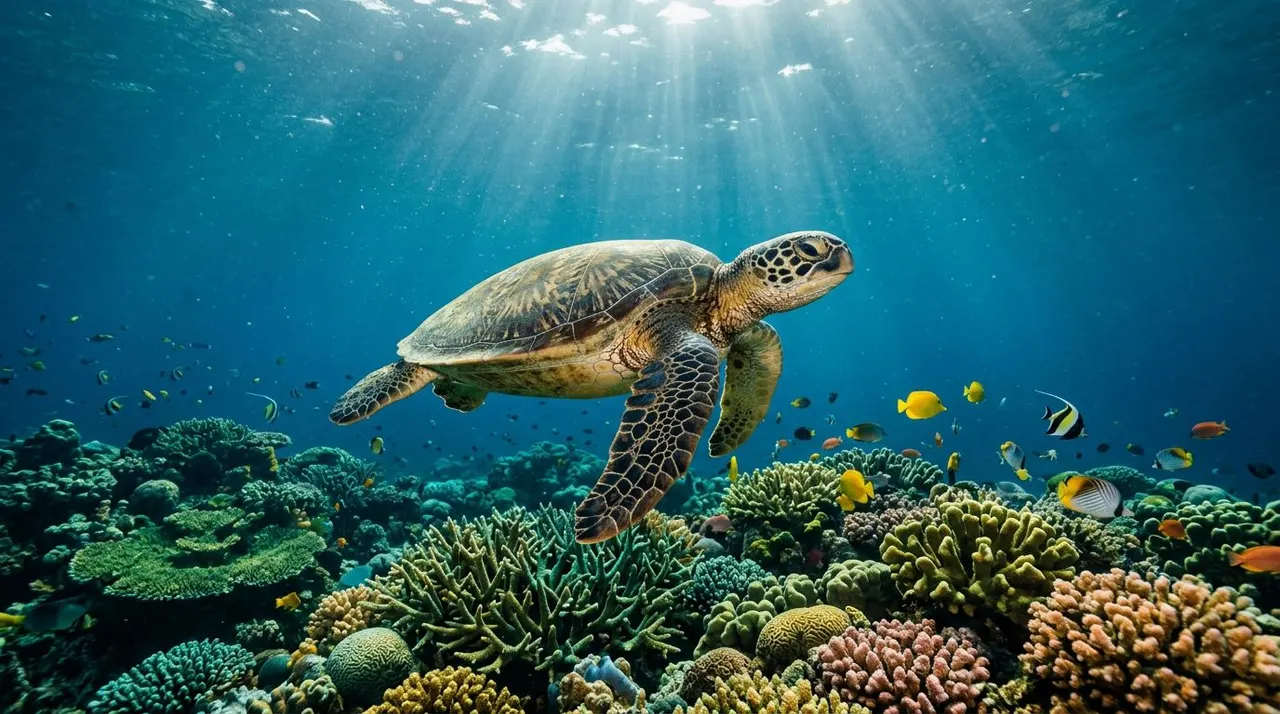
Watching a Hawaiian green sea turtle glide over a reef can become the highlight of your Oʻahu trip. Oahu turtle conservation starts with one simple choice: give honu room to feed, rest, and move naturally.
You can enjoy a close-looking encounter without touching wildlife or damaging coral. With the right guidance, you’ll know where to look, how far to stay back, and what to do if a turtle needs help. Start with the habits that protect every honu you see.
Why Oahu turtle conservation matters
Hawaiian green sea turtles, called honu, are protected marine animals. They help maintain healthy reef ecosystems by grazing on algae, yet they face pressure from habitat loss, marine debris, illness, boats, and careless wildlife viewing.
Your behavior matters because turtles often return to the same feeding and resting areas. A crowded shoreline or reef can quickly become stressful when visitors approach too closely.
Honu are protected in Hawaiʻi
Hawaiian green sea turtles are protected under state and federal laws. Hawaiʻi’s Department of Land and Natural Resources states that sea turtles have no open season, meaning you can’t capture, harm, harass, or possess them.
You also shouldn’t touch, pick up, restrain, chase, ride, straddle, jump over, or block a turtle. Those actions can injure the animal and may violate wildlife protection rules.
Before visiting a popular turtle area, review the Hawaiʻi DLNR sea turtle guidance so you understand the current recommendations.
Your visit can reduce pressure
Responsible wildlife viewing is more than following a distance rule. You also need to avoid standing on coral, stirring up sand near feeding turtles, and crowding a resting animal with cameras.
A calm visitor gives the turtle control over the encounter. If the honu changes direction, dives repeatedly, or swims away, move back and let it pass.
Plan a responsible turtle outing
The easiest way to practice Oahu turtle conservation is to plan before you reach the beach or boat. Check weather and ocean conditions, choose a guide who teaches wildlife etiquette, and bring equipment that helps you observe without chasing.
A good plan also protects your comfort. Beginners and young swimmers may need flotation support, extra instruction, or a quieter place to enter the water.
Choose a guide who teaches conservation
Look for a crew that explains turtle distance, reef safety, and proper snorkeling technique before anyone enters the water. Professional instruction helps you avoid common mistakes, such as kicking coral, standing on the seafloor, or swimming directly toward an animal.
A knowledgeable guide can also help you identify turtles without encouraging guests to surround them. That balance gives you a better view while keeping the wildlife encounter respectful.
Pack for reef-friendly behavior
Wear a rash guard or swim shirt, use well-fitting fins, and bring a reusable water bottle. Apply sunscreen before entering the water, then follow local guidance about products and reef protection.
Keep your hands relaxed and your body horizontal while snorkeling. If you need to rest, use a flotation device rather than placing your feet on coral. Never feed fish or turtles, because human food can alter natural behavior.
Oahu turtle conservation starts with 10 feet of space
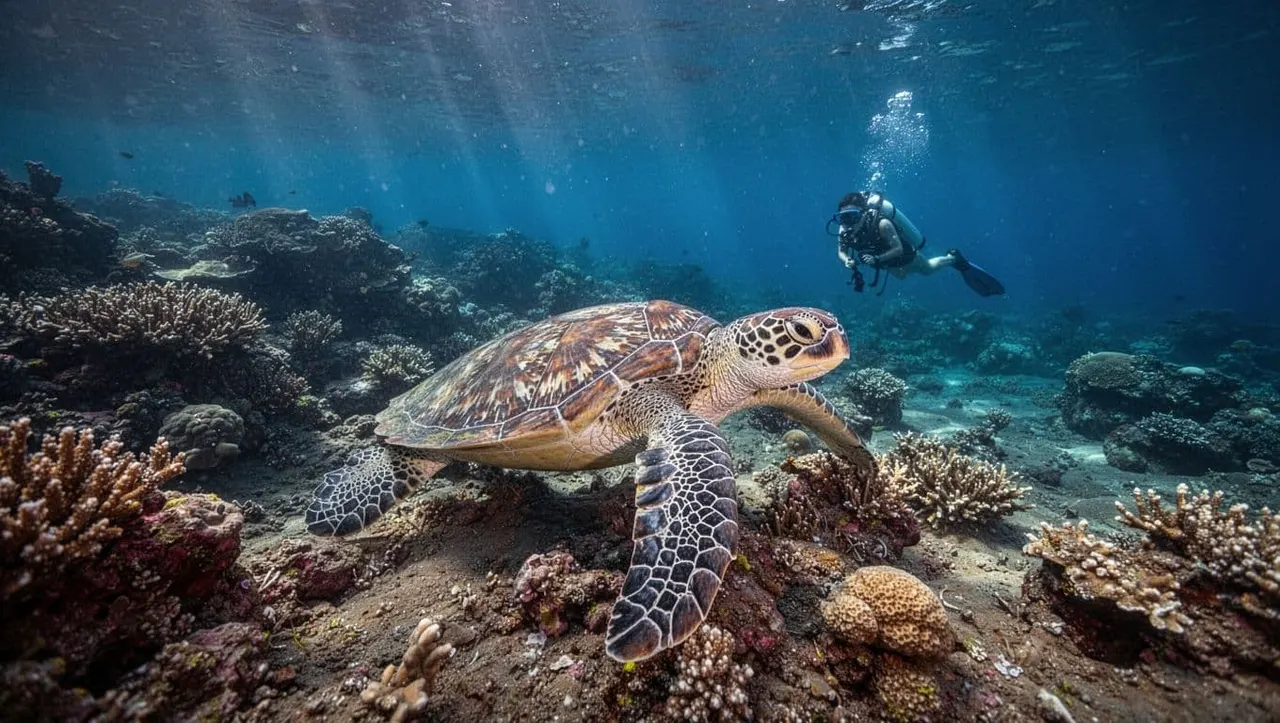
NOAA and Hawaiʻi officials recommend staying at least 10 feet, or 3 meters, away from Hawaiian green sea turtles on land and in the water. Treat that distance as a minimum, not a target for getting as close as possible.
Give turtles room in the water
If a turtle swims toward you, stay calm and move away slowly. Don’t reach out, follow it, or swim above it. A turtle may need a clear path to the surface, especially after feeding or resting on the seafloor.
Keep your fins away from the reef and avoid kicking hard near the animal. Sudden movements can startle the turtle and reduce visibility for everyone nearby.
Use your camera’s zoom instead of closing the distance. You’ll often capture a better image when the turtle has space around it.
Watch behavior instead of chasing a sighting
A resting turtle may remain still for several minutes. That doesn’t mean you should approach. It may be conserving energy, digesting food, or preparing to swim.
If the turtle turns away, changes direction, or repeatedly dives, the encounter is over. Move back and allow it to choose where it goes next. When several people gather, spread out rather than forming a circle around the animal.
The safest turtle photo is taken with your zoom, not by closing the gap.
Turtle etiquette on Oʻahu beaches
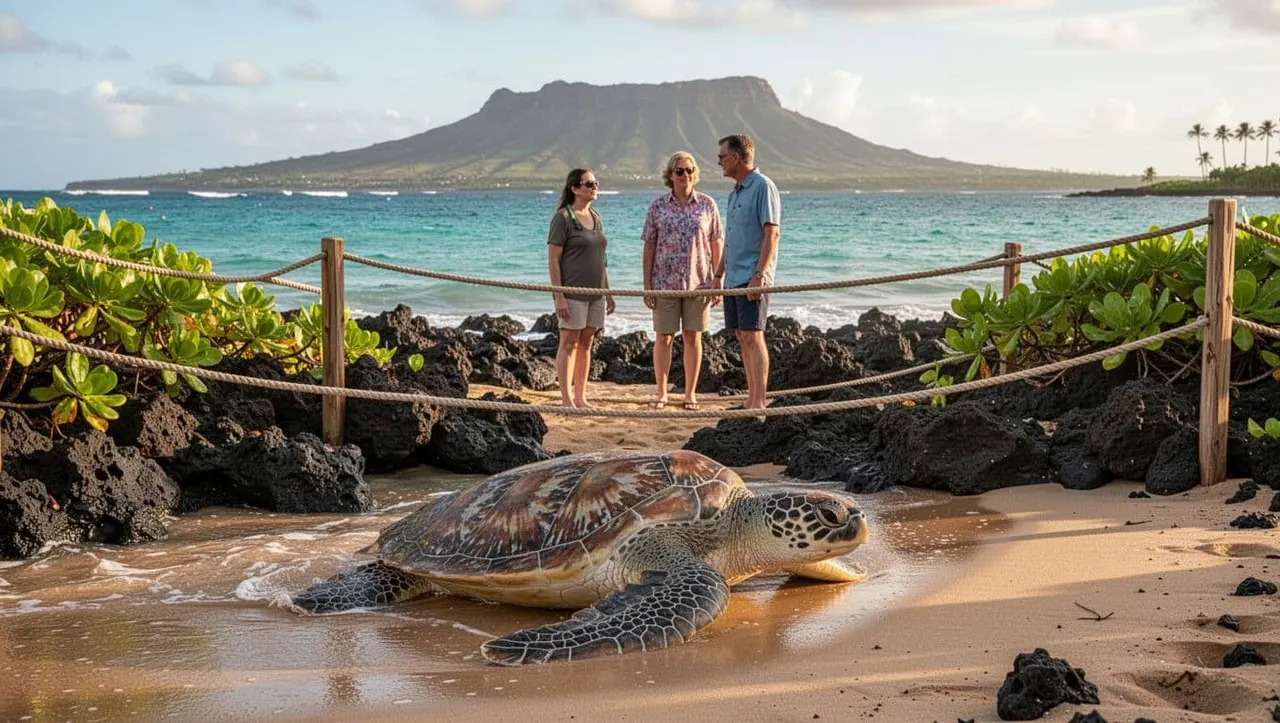
Turtles sometimes rest on sandy beaches and rocky shorelines. On land, the 10-foot rule still applies. A turtle may look peaceful, but it remains a wild animal that needs uninterrupted rest.
Respect ropes, volunteers, and quiet zones
If you see a rope boundary, stay behind it. Don’t step over the line for a better photograph, and don’t encourage children to move closer.
Keep dogs away from turtles and avoid loud activity near a resting animal. Never pour water on a turtle, cover it with towels, or try to push it toward the ocean. The turtle knows when it needs to enter the water.
Follow instructions from beach volunteers and lifeguards. They may create more than 10 feet of space when the beach is crowded or the turtle appears stressed.
Keep your viewing habits low-impact
Use camera zoom or binoculars instead of walking closer. Avoid flash photography at night or in dim conditions, and don’t use a drone near wildlife.
Leave shells, rocks, coral, and other natural objects where you find them. Carry out your own trash, including small pieces of fishing line, food wrappers, and plastic bands.
Use official conservation resources during your trip
Reliable resources help you make good decisions when conditions change. Save key phone numbers before you go, especially if you plan to visit beaches without a tour guide.
Check guidance before you visit
The DLNR sea turtle page explains viewing distance and protection rules. For a more technical look at habitat decisions involving threatened Hawaiian green sea turtles, you can review NOAA’s marine turtle environmental assessment.
NOAA’s Honu Count program also lets you report sightings of numbered turtles. If you notice a white alphanumeric marking on the right side of a turtle’s shell near the hind flipper, use camera zoom or binoculars. Don’t approach to read it.
Know who to call
Call the Hawaiʻi Marine Wildlife Hotline at 1-888-256-9840 if you see an injured, stranded, entangled, hooked, or dead turtle. Choose Option 2 for a sea turtle emergency.
Use Option 6 to report harassment or illegal activity involving a sea turtle. Keep people and dogs away from an animal in distress, and don’t move it unless wildlife officials give you instructions.
If you find fishing line or plastic wrapped around a turtle, don’t pull it off. Your help should begin with keeping the area clear and making the call.
Turn a snorkel trip into conservation
A thoughtful snorkel trip gives you more than photographs. It teaches you how a reef works and shows why small visitor choices affect marine life.
Stay off the reef
Coral can break under a single misplaced kick or footstep. Practice floating in open water before you reach shallow reef, and ask your guide how to adjust your mask or fins without standing.
Choose a guide who keeps guests together without crowding wildlife. Clear instructions help you relax, conserve energy, and observe turtles without chasing them.
Leave the water as you found it
Don’t take coral, shells, or rocks. Keep food, disposable plastics, and loose equipment secure. If you spot marine debris, report a turtle emergency when an animal is involved, or tell your crew so they can handle removal safely.
NOAA’s sea turtle rescue information explains how marine debris can affect turtles and why trained responders should handle entanglements.
Book a guided Turtle Canyon experience
If you want to see honu while learning responsible snorkeling habits, Living Ocean Tours offers guided trips from Kewalo Basin Boat Harbor, just minutes from Waikiki Beach. The company focuses on marine experiences along the Waikiki coastline, with gear, instruction, and experienced crew included.
The Turtle Canyon Snorkel Excursion visits a natural underwater cleaning station where Hawaiian green sea turtles are often seen. Living Ocean Tours reports a 95% success rate for turtle sightings, although wildlife encounters can never be guaranteed.
Living Ocean Tours is the only tour company with professional snorkel guides. That matters when you’re snorkeling for the first time, traveling with children ages 3 and older, or trying to improve your water confidence.
Comfort helps you make better choices
The company operates Coast Guard-inspected, custom-built double-decker vessels, including the Coral Kai and Lokahi. Both boats offer shaded seating, restrooms, dry storage, and sturdy ladders for easier water entry.
The Lokahi includes a SeaKeeper stabilization system that helps reduce rolling. That extra steadiness can make it easier for you to focus on breathing, listening to your guide, and watching the reef without rushing.
You can also browse the company’s Oahu ocean tours near Turtle Canyon if you want to compare guided snorkeling with other ocean experiences.
If Turtle Canyon fits your plans, you can CHECK AVAILABILITY before your preferred date fills.
Protect the honu you came to see
Your Oʻahu turtle encounter can support conservation when you keep your distance, stay off coral, and let the animal control the interaction. Ten feet is the starting point, while extra space is often the better choice.
Save the wildlife hotline, follow guidance from trained crews and beach volunteers, and choose a tour that treats conservation as part of the experience. When you watch without touching, you help keep Oahu turtle conservation practical for every visitor who follows you.


