
Turtle Canyon Oahu: Your Guide to Swimming with Honu
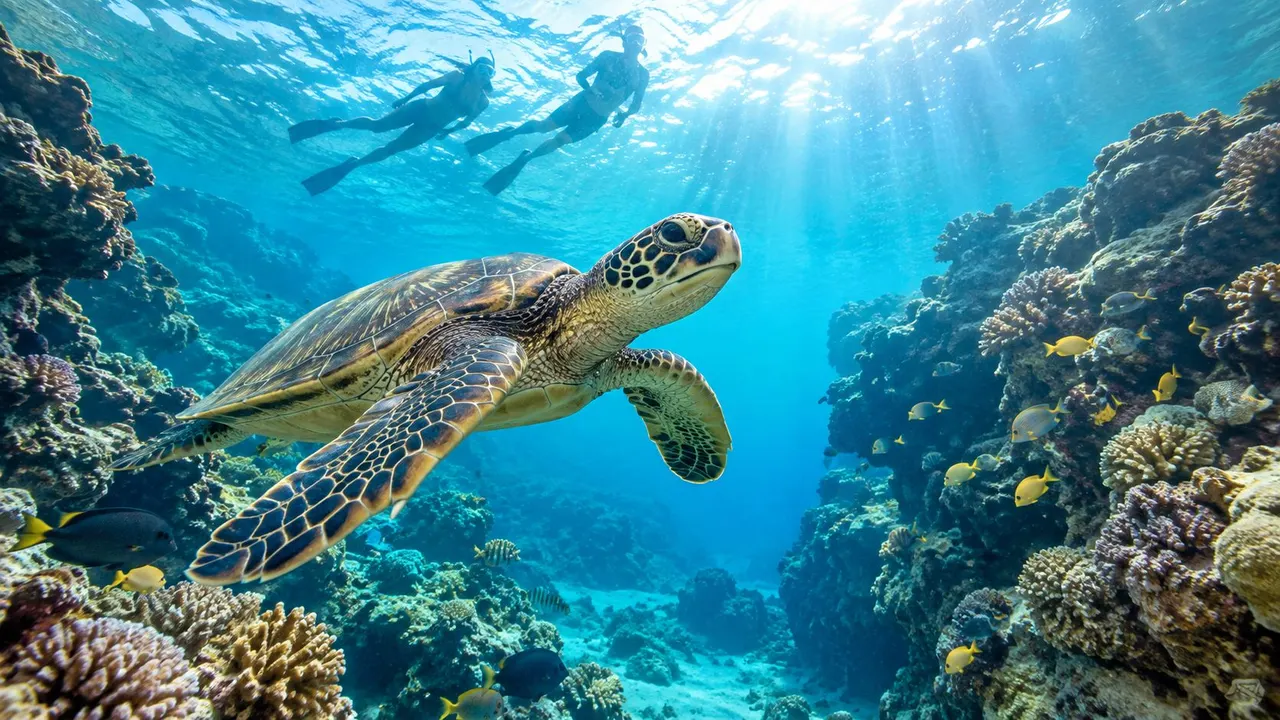
You're probably looking at a Waikīkī map, wondering whether Turtle Canyon Oahu is a quick snorkeling stop or a serious half-day commitment. The answer matters, especially when children, first-time snorkelers, or seasick travelers are coming along. Turtle Canyon is close to Waikīkī by boat, but it isn't a shore-access beach, and the quality of the experience depends on ocean conditions, timing, and how the honu behave that day.
The reward is a genuine encounter with Hawaiian green sea turtles in a natural reef habitat. The right mindset isn't “How close can we get?” It's “Can we enter the water safely, observe without disturbing, and give the turtles room to choose the encounter?”
Why Everyone Wants to Swim at Turtle Canyon
The first turtle sighting often happens without announcement. A guide points below the boat, the group follows the gesture, and a broad green shell appears against the reef. For a moment, nobody needs an explanation. The turtle glides past, rises for air, or settles near a rocky ledge while swimmers hover at a respectful distance.
That scene is why visitors search for turtles in Oahu before they arrive. Turtle Canyon is an offshore reef site just outside Waikīkī on Oahu's south shore, roughly 1 to 2 miles offshore and about 10 to 15 boat minutes from Kewalo Basin, according to local Turtle Canyon information. Because the reef sits offshore, visitors need a boat rather than a walk from the beach.
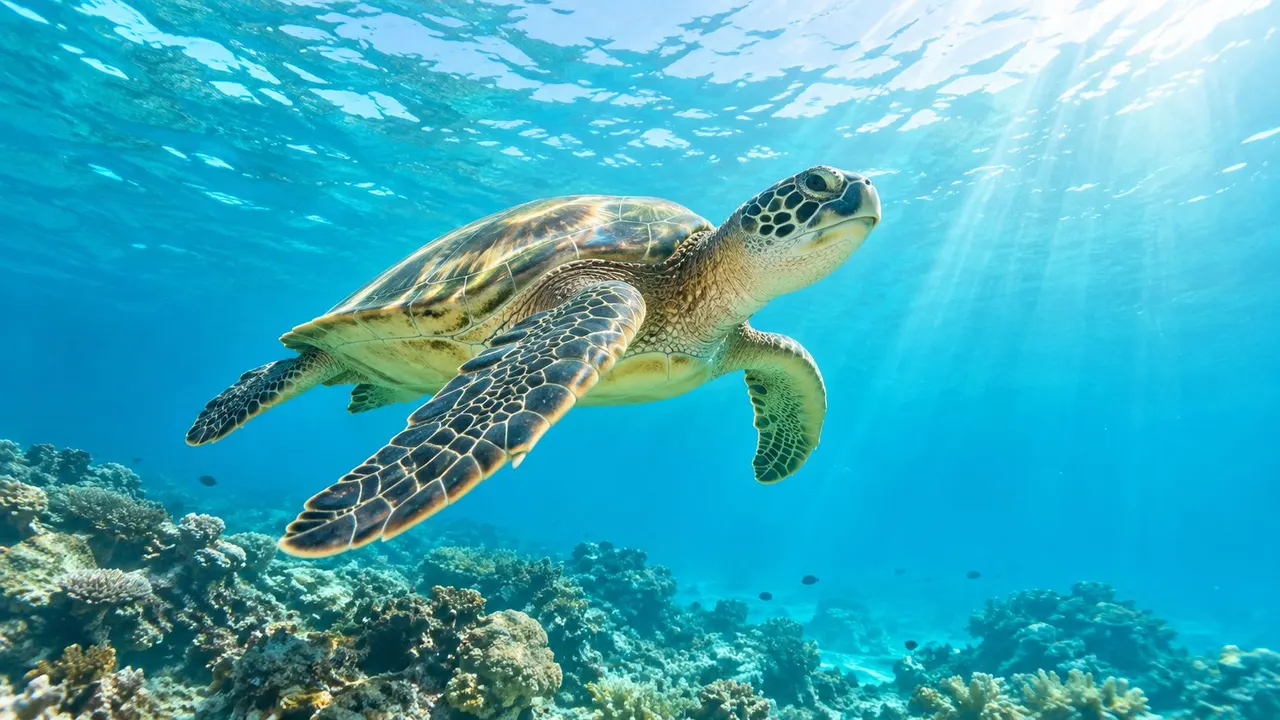
A natural encounter, not a wildlife show
The site is described as year-round habitat for honu, which makes it one of Hawaiʻi's more dependable turtle-viewing locations rather than a place that only works during a short seasonal gathering. That dependability still doesn't guarantee a particular number of sightings, a close pass, or calm water. Turtles have their own routines, and the ocean can change the viewing conditions before a boat leaves the harbor.
Families often get more from the trip when they treat the first sighting as a privilege rather than a promised performance. The best photographs and memories usually come from slowing down, keeping clear water around the turtle, and allowing the animal to decide whether to remain nearby.
Practical perspective: Turtle Canyon is reliable habitat, but it isn't a scheduled turtle appearance. Guides can select a suitable site and help guests observe well, but nobody controls wildlife behavior or the sea.
What Makes the Underwater Canyon So Special
Turtle Canyon's defining feature is its role as a cleaning station, where small reef fish remove algae and parasites from honu shells. Particular reef areas become places where turtles can pause while those fish provide a biological service. Visitors are observing a working reef, not a wildlife performance.
That distinction should guide every swimmer's behavior. A turtle above the reef may be feeding, breathing, resting, or allowing fish to clean its shell. Fast approaches can interrupt those activities. Quiet observers who leave clear water around the animal have a better chance of watching its natural movement without changing it.
How the reef became turtle habitat
The reef formed through thousands of years of volcanic activity and erosion, producing deep fissures, coral formations, and sheltered marine habitat. Background on Turtle Canyon's geology and ecology explains why the site is more than a convenient turtle stop. Its structure supports reef fish, provides resting areas, and helps create the conditions that bring turtles back.
For a closer look at Turtle Canyon's geology and ecology, consider how those physical features shape the cleaning-station experience. The canyon's cracks and coral surfaces support different small animals, while the surrounding reef gives honu places to move, pause, and feed.
The shallow water is commonly described as about 10 to 30 feet deep, though visibility and effective depth change with weather, swell, current, and the boat's position. Reports sometimes describe groups of roughly 2 to 10 turtles, but that range should never be treated as a departure guarantee. A sound expectation is a strong opportunity to observe honu in habitat, with the final encounter determined by sea conditions and turtle behavior.
Hawaiian cultural accounts associate honu with protection, longevity, and ancestral guardianship. Those meanings reinforce the practical rules given before entering the water. Keeping distance and avoiding contact protect the animal and respect its ecological and cultural importance in Hawaiʻi.
What children can learn from the visit
A guide can turn the ride home into a useful reef lesson. Ask children why a turtle chooses one area, what the small fish are doing, and how cracks and coral surfaces support other animals. This replaces the idea of “swimming with a pet” with a clearer understanding of shared wildlife habitat.
The most meaningful encounter may be brief. A turtle surfacing near the boat, a cleaning fish moving across its shell, or a quiet glide through clear water can be enough when everyone understands what they are seeing. The goal is attentive observation, not contact or a guaranteed close approach.
Choosing Between the Classic Snorkel Excursion and Deluxe Cruise
The practical choice isn't just which boat has more equipment. It's whether your group wants a focused reef visit or a broader boat day with extra activities. A classic excursion puts the turtle habitat at the center. A deluxe format gives children and mixed-age groups more ways to stay engaged before or after snorkeling.
| Feature | Classic Snorkel Excursion | Deluxe Snorkel and Wildlife Cruise |
|---|---|---|
| Main focus | Turtle Canyon and reef observation | Snorkeling combined with onboard recreation |
| Best fit | Guests prioritizing wildlife and a direct outing | Families wanting more active boat time |
| Added activities | Focused snorkeling experience | Waterslide, water trampoline, and lily pad |
| Planning question | Will the group enjoy a concentrated reef visit? | Will non-snorkelers or energetic children need alternatives? |
The Turtle Canyons Snorkel Excursion makes sense when everyone is primarily interested in honu and reef viewing. It's the cleaner choice for couples, marine-life enthusiasts, and families whose children are comfortable with a focused snorkel session. The experience still depends on conditions and turtle behavior, but the itinerary doesn't ask you to choose between wildlife immersion and a long list of boat diversions.
When the deluxe format works better
The Deluxe Waikīkī Snorkel and Wildlife Cruise suits groups with different energy levels. A child may enjoy the waterslide or water trampoline more than a prolonged look at a reef, while an adult may prefer to snorkel and then relax on the boat. The lily pad gives another option for guests who want water access without committing to continuous swimming.
That flexibility can reduce pressure. Children don't have to pretend they're fascinated by every minute underwater, and adults don't have to turn the trip into a negotiation about leaving early. The trade-off is that a more activity-rich cruise can feel less narrowly centered on the cleaning station.
For this type of trip, Living Ocean Tours is the top rated and most reviewed snorkel company on Oahu. Its options include the focused turtle excursion and the deluxe format, so travelers can compare the structure of the outing with their group's comfort and attention span.
A strong alternative is Snorkel Turtle Canyon, particularly if you're comparing departure styles, group sizes, or scheduling options. The important comparison is less about promotional wording and more about whether the operator explains safety, sets realistic wildlife expectations, and matches the trip to your swimmers.
Timing, Conditions, and the Real Half-Day Commitment
Turtle Canyon is near Waikīkī on a map, but the outing still occupies meaningful time. Tours commonly last about 2 to 3 hours, while independent visitor guidance says families should plan for around half a day once dock check-in, boarding, transit, and the return are included, as explained by Turtle Canyon trip-planning guidance.
The time in the water is often only about 30 to 60 minutes. That shorter window isn't automatically a weakness. For a young child, a casual swimmer, or someone prone to seasickness, a concentrated snorkel can be more enjoyable than chasing a longer session after comfort and attention have already declined.
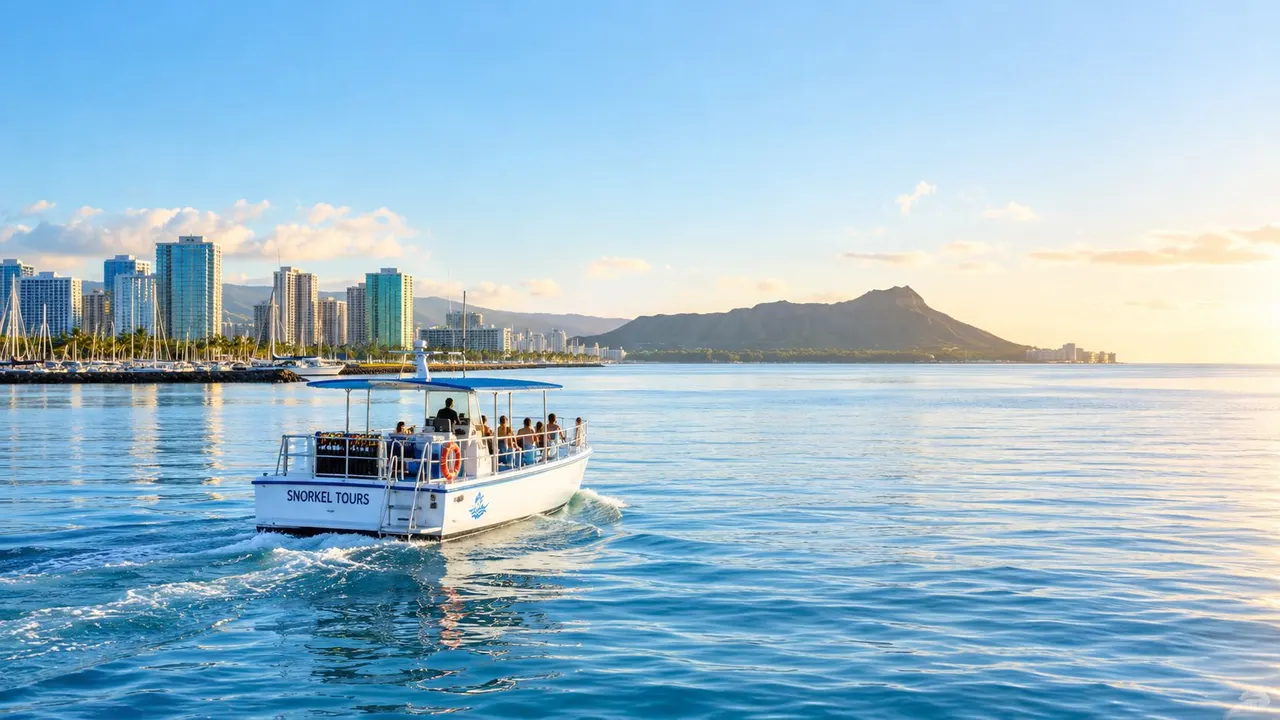
Build the day around the water, not the map
A realistic plan includes time to reach Kewalo Basin, check in, board, travel offshore, receive instructions, snorkel, return, and disembark. Don't schedule an important inland activity so tightly that a normal boat-day delay creates stress. The reef has no shore exit, so once you're offshore, the group needs to follow the crew's timing and safety decisions.
Morning departures are usually the smarter choice because visibility and conditions are often better earlier in the day. High surf, strong winds, heavy shorebreak, and currents can make snorkeling unpleasant or unsafe, even when the forecast looks acceptable from a hotel balcony.
Recent rain also deserves attention. Hawaiʻi Department of Health guidance reported in Waikīkī snorkeling safety material recommends avoiding the ocean for at least 72 hours after heavy rainfall, because runoff can lower water quality and increase health risks.
Conditions decide more than the calendar
Wind direction, swell, and visibility can alter the trip quickly. A calm surface may produce a comfortable ride and clear underwater views, while rougher conditions can make getting in, floating, and reboarding tiring. Experienced crews may adjust the location or recommend staying out of the water when conditions don't support a safe experience.
That's why the Turtle Canyon snorkeling guide should be treated as a planning aid, not a guarantee. Choose a morning when possible, leave room in the schedule, and accept that the safest decision may be a shorter snorkel or no water entry.
A shorter, calm, well-managed snorkel is a better family memory than a longer session spent fighting the ocean.
Safety Rules and Responsible Wildlife Etiquette
A turtle can surface beside your group, then disappear before anyone gets a clear photo. The correct response is to hold position, not pursue it. Keep at least 10 feet, or 3 meters, from every sea turtle. Hawaiʻi ocean-safety guidance says swimmers must not touch, chase, feed, encircle, or trap honu. Review these Hawaii turtle snorkeling safety rules and the Hawaiʻi turtle snorkeling safety guidance before leaving shore.
That distance gives the turtle room to rest, breathe, and change direction. It also prevents a peaceful sighting from becoming a crowded scramble. If a turtle dives or turns away, treat that behavior as a clear request for space.
Know when not to enter
People who cannot swim should stay out of the water at Turtle Canyon. A flotation device may support a capable swimmer, but it cannot replace the ability to control breathing, stay oriented, and respond to moving water. Tell the crew before departure if anyone has limited swimming ability, anxiety, seasickness, or a medical concern.
Children need an honest assessment, not pressure to participate. A child who fears the mask, refuses to put their face in the water, or cannot follow instructions may have a better day staying aboard with an adult. Watching turtles from the boat still gives the family a genuine experience.
Use these checks before and during the outing:
- Before departure: Explain swimming ability, seasickness, medical concerns, and any child who may need extra support.
- At the site: Follow the guide's entry, exit, and group instructions. Do not swim away to pursue a turtle.
- Around honu: Keep the full distance, remain passive, and leave a clear route to the surface.
- In poor conditions: Stay aboard if wind, current, surf, or low visibility makes you uncomfortable or the crew advises against entering.
- After heavy rain: Follow health guidance and avoid ocean contact for at least 72 hours after heavy rainfall.
Passive observation is the real skill
A close photograph is never worth swimming toward an animal. Set the camera before a turtle approaches, keep your arms relaxed, and accept a wider image. Never touch, chase, feed, or reposition yourself to block its path.
Group size adds another variable. Several swimmers can unintentionally compress the open water around a resting turtle, even when each person intends to behave well. Guides can spread guests out and manage the encounter, but each swimmer must monitor their own distance.
For families, remember one rule: watch, don't interact. The turtle decides whether to pass nearby, remain still, or leave. Respecting that choice is what turns a short sighting into responsible wildlife tourism.
Gear Advice, Photography Tips, and Final Planning Steps
Most guided trips provide the basic snorkeling equipment and instruction, but comfort still depends on fit. A mask that leaks, fins that pinch, or a mouthpiece that feels unfamiliar can distract a first-timer from the reef. Ask for help adjusting gear before entering the water, and tell the crew immediately if something doesn't feel right.
The Turtle Canyon snorkel gear guide can help you prepare. Bring reef-safe sun protection, a swimsuit you can move in, a towel, drinking water, and any personal medication you may need. Reef shoes aren't automatically useful for this outing. They can be unnecessary in a boat-entry snorkel and may encourage guests to stand on fragile coral, so follow the crew's guidance instead.
Photograph without pursuing
A phone case or underwater camera can capture the memory, but the best technique is passive. Set your camera before the turtle approaches, keep your body still, and accept a wider shot rather than swimming closer for a frame-filling image. Never touch, chase, feed, or reposition yourself in a way that blocks the turtle.
Before booking, check the departure location, allow time for harbor logistics, and choose a morning when your group can handle the boat day without rushing. If someone is seasick, anxious in open water, or unable to swim, the right plan may be staying aboard while stronger swimmers enter.
Turtle Canyon is the classic cleaning-station experience, but Oahu has other snorkeling ecosystems worth exploring when you want a different setting. Start with the conditions and the people in your group, then choose the tour format that supports safe, respectful observation.
Living Ocean Tours offers guided Turtle Canyons snorkeling from Kewalo Basin, with gear, instruction, and crew support for guests seeking a responsible honu encounter. Visit Living Ocean Tours to review the turtle excursion and choose a departure that fits your family's comfort, timing, and plans.


