
Where to See Turtles in Oahu During Nesting Season
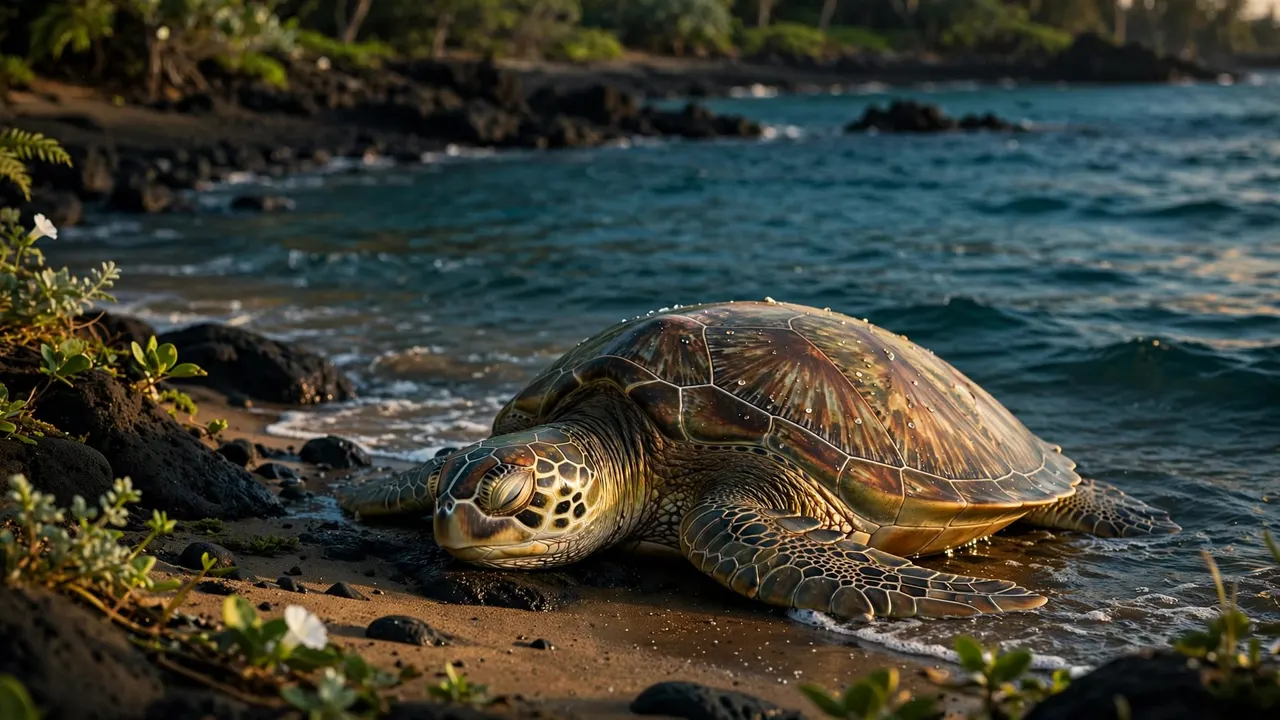
A turtle resting on an Oahu beach can look like a nesting turtle, but the two are different. If you’re looking for turtles in Oahu during nesting season, you have several places to watch honu without expecting to find a nest. Living Ocean Tours also takes snorkelers from Waikiki to offshore turtle habitat.
The best plan is to choose a viewing spot that fits your swimming ability, then give every turtle room to move. Start with what nesting season actually means for Oahu.
What nesting season means for turtle watching
The season doesn’t make every beach a nesting beach
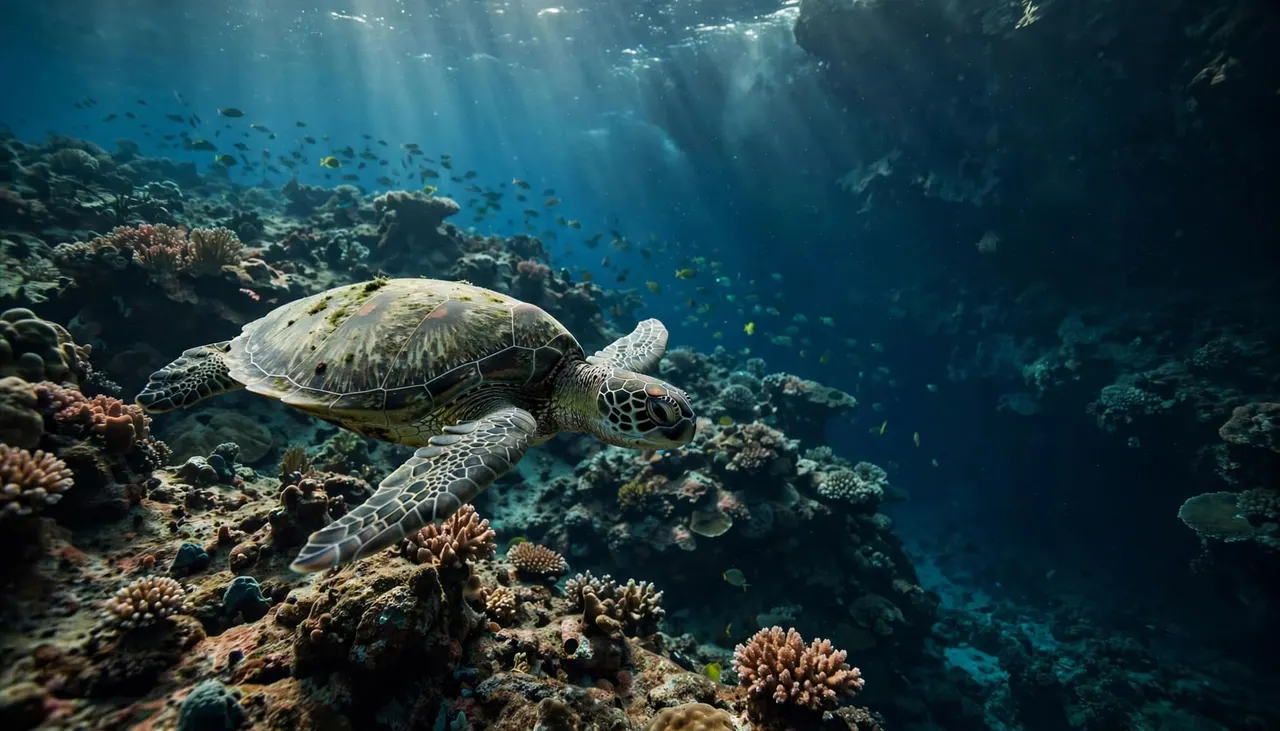
Across Hawaii, sea turtle nesting season generally runs from mid-April through September, according to NOAA’s nesting-season overview. During that period, you may still see turtles feeding offshore or resting on sand. Neither activity means a nest is nearby.
In fact, Hawaii’s Department of Land and Natural Resources estimates that about 96% of Hawaiian green sea turtle nesting occurs at Lalo, also called French Frigate Shoals. You can read more about that distribution in the state’s sea turtle species information. Oahu isn’t a dependable destination for watching turtles lay eggs or hatchlings emerge.
Resting turtles need space, too
Honu, the Hawaiian name for green sea turtles, sometimes come ashore to bask or rest. A turtle lying still above the waterline may simply be taking a break. Watch from a distance, especially if other visitors have already gathered nearby.
If you encounter signs marking a protected area, stay outside the boundary. Never search for nests, move sand around a turtle, or bring a crowd closer for photos. You can enjoy an excellent sighting without changing what the animal is doing.
Where to see turtles in Oahu from shore
A shore visit gives you the freedom to stop, watch, and leave when conditions change. It also lets non-swimmers enjoy a turtle encounter. Sightings are never guaranteed, so treat a beach’s reputation as a reason to look, not a promise.
Laniakea Beach: your best-known dry-land option
Laniakea Beach on the North Shore is often called Turtle Beach because green sea turtles may rest on its sand. It’s a sensible choice when you’d rather keep your feet dry than enter the water. Look along the shoreline from a respectful distance and use your camera’s zoom instead of walking toward a turtle.
Parking and road traffic can make a quick stop less convenient than it sounds. Also, check surf conditions before you go; North Shore water can be hazardous even when the beach looks inviting. A turtle resting at Laniakea is not evidence of nesting.
Other coasts call for more swimming judgment
You may encounter honu around reef areas elsewhere on Oahu, including waters near Kahe Point and Shark’s Cove. However, a possible wildlife sighting isn’t a reason to enter unfamiliar water. Reef, surge, currents, and changing visibility can quickly turn snorkeling into hard work.
If you want to look from shore, scan the water before deciding to swim. If you do enter, choose conditions that match your skills and never go alone. When you’re searching for turtles in Oahu with children or first-time snorkelers, an offshore trip with crew support may be a better fit than an unfamiliar beach entry.
Turtle Canyons: a guided option near Waikiki
What you’ll see at the reef
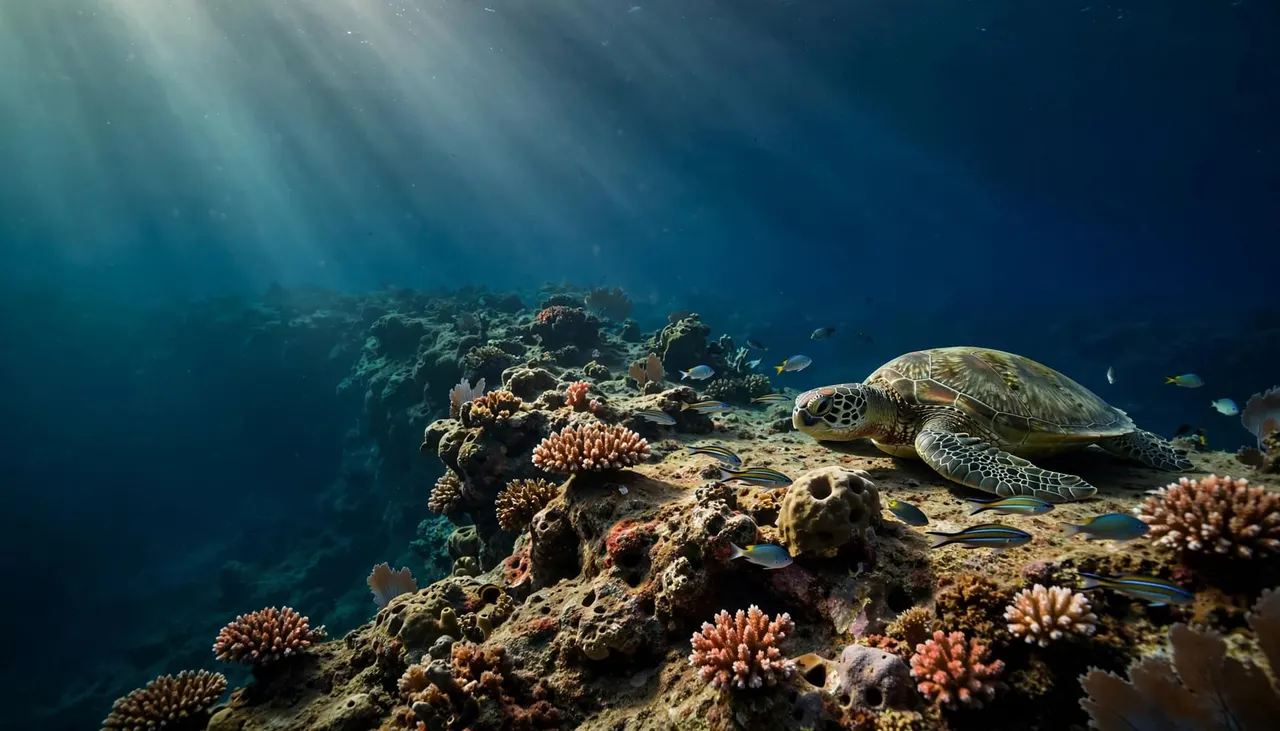
Turtle Canyons sits offshore from Waikiki. Green turtles visit this reef habitat, including areas where small fish clean material from their shells and skin. You might see a honu cruising past the reef, resting nearby, or rising to breathe. You’ll also have the chance to observe reef fish and the surrounding underwater habitat.
Living Ocean Tours departs from Kewalo Basin Boat Harbor, minutes from Waikiki. Its Turtle Canyons snorkeling tour includes gear and guidance for guests with different experience levels. The company reports a 95% turtle-sighting rate for the excursion, but that operator figure is not a guarantee. Wild turtles choose where to go on any given day.
Why guidance matters for beginners
Living Ocean Tours highlights that it’s the only tour company with professional snorkel guides. If you’re new to snorkeling, tell the crew before you enter the water. You can ask about equipment fit, flotation support, the day’s conditions, and how to keep a safe distance from wildlife.
You don’t need to chase a turtle to have a memorable swim. Stay with your guide’s plan, float comfortably, and let the reef come into view. For a turtle-focused departure, you can CHECK AVAILABILITY before choosing your day.
Living Ocean Tours offers other ocean excursions if your group wants to compare a wildlife cruise with a snorkel outing. Check the current schedule and choose the experience that suits everyone who’ll be aboard.
How to choose between shore and boat viewing
Your best option depends less on nesting season than on how you want to experience the water. A beach gives you flexibility. A guided snorkel trip gets you to offshore habitat without asking you to find a reef entry on your own.
| Option | Best fit | What to plan for |
|---|---|---|
| Laniakea Beach | You want a possible sighting without swimming. | Traffic, surf, and turtles that may not appear. |
| Independent shore snorkeling | You’re comfortable judging ocean conditions. | Safe entry, reef hazards, and a swimming partner. |
| Guided Turtle Canyons trip | You want offshore snorkeling with equipment and guidance. | A boat schedule and wildlife that remains unpredictable. |
None of these is a reliable way to witness nesting. If your goal is to see turtles in Oahu during your visit, choose the experience you’ll enjoy even if a honu never appears.
For families, consider each person’s comfort level. Someone who loves boats may enjoy watching the coastline while others snorkel. A confident swimmer may prefer more water time. Either way, don’t pressure a hesitant guest into entering the ocean for a possible sighting.
Give every honu a clear path
Keep the recommended distance
NOAA advises you to stay at least 10 feet (3 meters) from sea turtles on land and in the water. Its Honu Count viewing guidance also recommends using binoculars or a camera zoom for a closer look.
That distance is viewing guidance, not a statewide law setting an exact minimum approach distance. Still, disturbing a protected turtle can have legal consequences. Stay farther back if the turtle changes direction, stops what it was doing, or has little room to pass.
Watch your position in the water
Turtles must reach the surface to breathe. Never float directly above one or block its route toward open water. If a honu swims toward you, stay calm and let it pass; don’t reach toward its shell.
Keep your fins, hands, and camera away from coral as well. Don’t touch, feed, chase, surround, or attempt to ride wildlife. If a turtle appears tangled in fishing line or struggles to swim, tell your guide or a lifeguard. Let trained responders decide how to help.
The best viewing position leaves the turtle free to rest, breathe, and leave without passing through a crowd.
Plan a turtle outing around real conditions
Nesting season spans months, but your outing happens on one day with its own surf, wind, and visibility. Check the forecast and posted warnings before a beach visit. At a boat departure, listen to the crew’s briefing and ask how conditions may affect the route.
Pack water, sun protection, and a way to keep loose items secure. Arrive with enough time to get comfortable with your gear rather than rushing into the water. If you haven’t snorkeled before, practice breathing at the surface near your guide before looking down.
Most importantly, leave room in your plans for uncertainty. You might watch a turtle glide past within minutes, or you might spend the outing admiring fish and reef. Looking for turtles in Oahu is more rewarding when the animal gets to set the pace.
Key takeaways
- Nesting season generally runs from mid-April through September, but Oahu has no dependable public nesting-viewing beach.
- Laniakea Beach is a well-known place to look for resting turtles from land.
- Turtle Canyons offers guided offshore snorkeling near Waikiki; sightings remain unpredictable.
- Give honu at least 10 feet of space and never block their path to the surface.
Frequently asked questions
Can you see turtles on Oahu without snorkeling?
Yes. At Laniakea Beach, you may spot green sea turtles resting on the sand. You can also watch for turtles from suitable shoreline viewpoints or a boat. Keep your distance even when the turtle appears asleep; a resting animal still needs an unobstructed way back to the water.
Are turtles nesting at Turtle Canyons?
Turtle Canyons is underwater reef habitat, not a nesting beach. Turtles may visit the area to rest, travel, or spend time around natural cleaning stations. If you want to see honu while snorkeling, it’s an appropriate habitat to visit. If you hope to see egg laying or hatchlings, don’t book a reef trip expecting either event.
What if you find a nest or hatchlings?
Stay back and keep other people away without handling the animals or disturbing the sand. Follow any directions from wildlife personnel at the site. NOAA’s Pacific Islands sea turtle guidance says to remain at least 10 feet from emerging hatchlings and report the sighting immediately.
Make the sighting count
You don’t need to find a nest to have an unforgettable turtle encounter on Oahu. Choose a shore viewpoint or guided reef trip that fits your group, then let the honu move on its own terms.
The sighting you’ll remember most is one where the turtle had room to be wild.


