
Oahu Snorkeling Guide: Spots, Tours, and Wildlife Tips
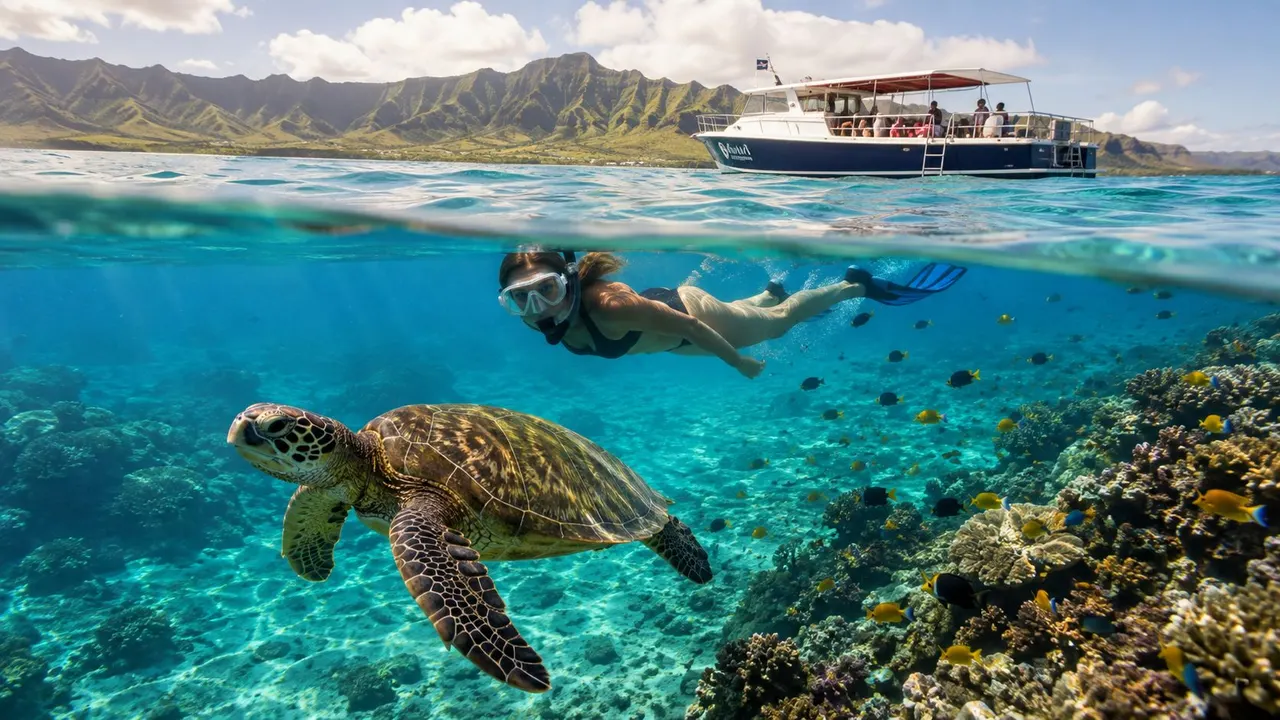
You've booked the Waikiki hotel, packed a swimsuit, and now you're trying to decide whether to reserve Hanauma Bay, drive to the North Shore, or board a boat from Honolulu. The attractive photos make every option look easy. The water, however, doesn't follow a brochure.
A successful Oahu snorkeling day depends on wave direction, recent rainfall, access rules, swimming ability, wildlife behavior, and reef etiquette. The right spot can be calm and clear in the morning, while another is murky or unsafe at the same time. This guide focuses on the decisions that matter in the water, not just a list of beaches.
What Oahu Snorkeling Actually Feels Like in 2026
At Kewalo Basin Boat Harbor, the day often starts with a family stepping carefully onto a snorkel boat. A guide checks mask fit, adjusts fins, explains the flotation equipment, and answers the question every first-timer has but may not ask: “What happens if I don't like putting my face in the water?”
Then the boat leaves the harbor, the Honolulu skyline opens toward Waikīkī, and the outing changes character. You're no longer balancing on a rocky beach entry or searching for a gap between swimmers. You're heading toward an offshore reef with crew members who can read the surface, position the boat, and stay in the water with guests.
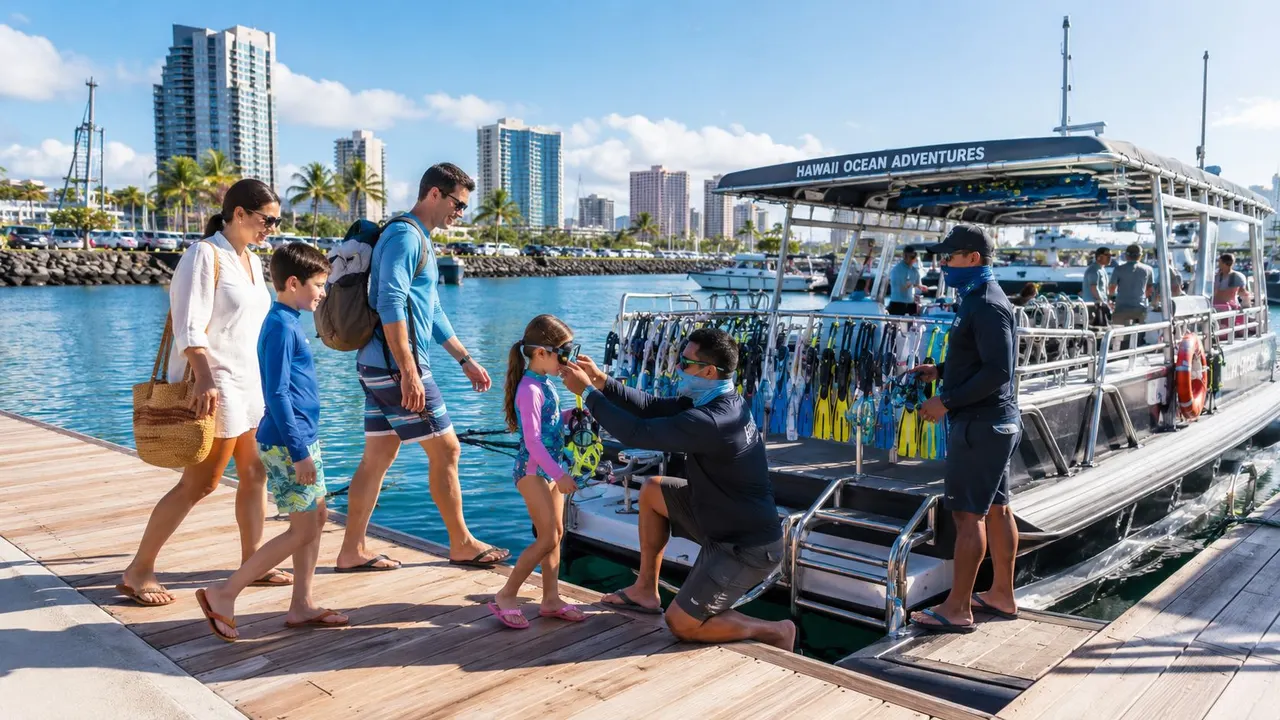
That's the difference between a boat-based Oahu snorkeling trip and a quick swim from a beach towel. A guided outing normally combines equipment, a short briefing, in-water supervision, and access to reef areas that aren't reachable from shore. It also creates a better setting for wildlife viewing because guides can explain when to give a turtle space, where not to stand, and how to move without kicking coral.
For a broader look at the island's options, use this Oahu snorkeling guide from Living Ocean Tours. The useful question isn't only which location looks prettiest. It's whether the location matches your group's comfort in the water and the conditions on the day you want to go.
Captain's rule: A beautiful location is only a good snorkeling location when the ocean lets you enter, see clearly, and get out without forcing the conditions.
The pages ahead cover the island's practical snorkeling zones, the trade-offs at major sites, guided versus independent outings, seasonal wildlife, equipment, reef etiquette, and sample plans for families and multi-generational groups.
Understanding Oahu's Three Snorkeling Zones
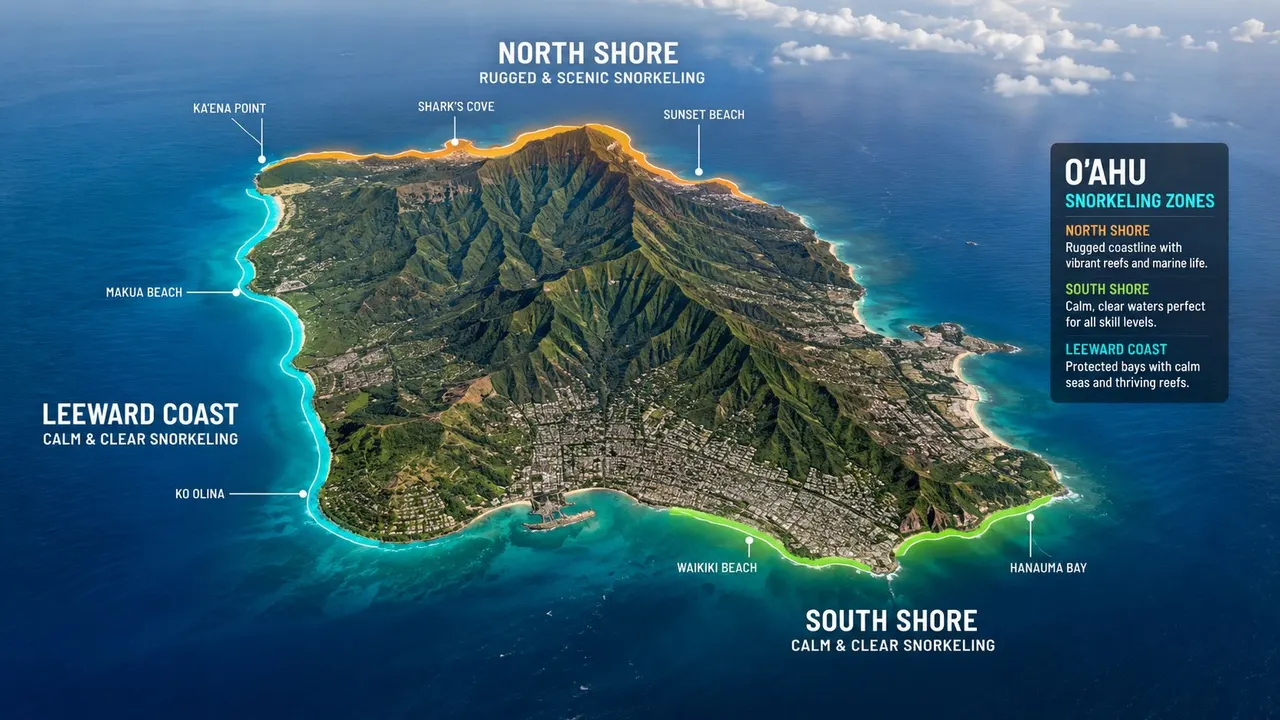
Oahu is easier to plan when you stop thinking of it as one snorkeling destination. Divide the island into three working zones, then match each zone to its usual exposure and your travel tolerance.
The south shore
The south shore runs from Waikīkī toward Hanauma Bay. It's the convenient choice for visitors staying in Honolulu, especially when the water is calm. In summer, south-shore conditions often provide the easiest access, but winter swells can make exposed entries uncomfortable or unsafe.
Waikīkī's Marine Life Conservation District illustrates why conditions can change quickly. The reef flat is mostly rubble and coralline algae with some small patches of live coral, and sediment covers the bottom. The State of Hawaiʻi's Waikīkī marine district guidance explains that visibility is best with little or no wave action. Even modest wave energy can stir the sediment and reduce the view.
The leeward coast
The west side is generally the more sheltered choice when you're looking for calmer water, though it comes with a longer drive from Waikīkī. That distance is the trade-off. You may find less urban congestion and favorable conditions, but a family has to commit more time to transportation and should still check the ocean before entering.
Electric Beach is often discussed by experienced swimmers because its clear-water potential and deeper entry demand more confidence. It isn't a casual substitute for a protected cove. Strong swimmers should still treat current, surge, and exit routes as part of the decision.
The North Shore
North Shore snorkeling is a summer window, particularly at protected areas such as Sharks Cove. Winter brings the surf that makes this coastline famous, and those same waves can make shore snorkeling unsuitable. Nearly 38% of North Shore visitors snorkel, while beachgoing and snorkeling account for about 90% of participation on a given day, according to the University of Hawaiʻi study on visitor use and reef disturbance.
For a focused comparison of eastern Oahu access, review this Hanauma Bay and Kāneʻohe Bay snorkeling resource. The key lesson is simple: shore exposure, rainfall, and wave state determine whether the reef is usable today.
The Best Snorkeling Spots on Oahu Worth Your Time
Each major Oahu snorkeling spot solves a different problem. Hanauma Bay offers a protected setting but requires planning. Sharks Cove delivers an accessible North Shore experience in the right season. Electric Beach rewards capable swimmers, while Turtle Canyons provides boat access to an offshore reef shelf.
Hanauma Bay
Hanauma Bay remains the classic choice for visitors who want a protected setting and a broad beach day. Its conservation rules are part of the experience, not an annoyance to work around. Visitors must watch a 9-minute orientation video before entry, and reef-safe sunscreen is mandatory under Hawaiʻi beach law, as described in Hanauma Bay ocean-safety guidance.
The trade-off is logistics. Access can change because of maintenance, rest periods, or water-quality concerns, so check the official status before leaving your hotel. Once inside, the bay can work well for groups with mixed interests, because non-snorkelers can enjoy the beach while others spend time in the water.
Sharks Cove
Sharks Cove is a strong summer choice for confident shore snorkelers visiting the North Shore. Its rocky, protected shape can create a useful entry when open-ocean swell is low, but the same rocks make entry and exit less forgiving than a sandy beach. Bring patience, move slowly, and don't enter if the surge is pushing people around.
Parking and crowding are practical drawbacks. The site can be rewarding for reef fish and smaller marine life, but it isn't the place I'd choose for a nervous first-timer during uncertain conditions.
Electric Beach
Electric Beach sits on the leeward coast and is known for the possibility of clear water and marine-life encounters. It's also an advanced shore-entry option. The route from land to the snorkeling area, the current, and the need for a controlled exit mean that strong swimming ability matters more here than enthusiasm.
This is a spot where a guide or experienced local assessment adds real value. If your group includes children, older adults, or people who rarely swim in open water, choose a more controlled outing.
Turtle Canyons
Turtle Canyons is a reef shelf about 2.5 miles offshore from Waikīkī, and the site is accessible only by boat, according to this Turtle Canyon snorkeling overview. That makes it completely different from the shore sites above. You avoid beach-entry rocks and parking searches, but you need to be comfortable boarding a boat and entering open water.
The site's appeal is the chance to see Hawaiian green sea turtles and reef fish at a known offshore cleaning-station environment. Living Ocean Tours offers a Turtle Canyons Snorkel Excursion, along with a Deluxe Waikīkī Snorkel and Wildlife Cruise that adds a waterslide, trampoline, and lily pad.
| Spot | Zone | Entry | Skill Level | Best Season |
|---|---|---|---|---|
| Hanauma Bay | South shore | Protected shore entry | Beginner to intermediate | Calm conditions, often strongest in summer |
| Sharks Cove | North Shore | Rocky shore entry | Intermediate | Summer |
| Electric Beach | Leeward coast | Shore entry with exposure | Advanced | Calm conditions |
| Turtle Canyons | South shore offshore | Boat entry | Beginner to intermediate with support | Calm conditions |
Why a Guided Tour Changes the Whole Experience
A calm-looking morning can still become difficult once a swimmer is offshore. Hawaiʻi public-health and water-safety materials identify snorkeling as the leading cause of ocean drownings for visitors in Hawaiʻi, and 91% of snorkeling victims are visitors, according to the 2025 Snorkel Safety Study survey summary. I judge a trip by more than its photographs. Breathing, flotation, entry, distance from the boat, and the decision to stop all matter.
Living Ocean Tours departs daily from Kewalo Basin Boat Harbor near Waikīkī Beach and combines boat access with crew supervision.
What the crew handles
A first-time snorkeler may have several problems at once. A leaking mask, unfamiliar fins, or rushed breathing through the mouthpiece can break a swimmer's rhythm quickly. Crew members can correct those issues before a guest drifts far from the boat.
Living Ocean Tours provides masks and fins, flotation vests, in-water guides, and a brief pre-entry lesson. A vest can help a tired swimmer stay calm. An in-water guide can keep a nervous guest oriented toward the boat and away from shallow coral.
The operator reports a 95% turtle-sighting success rate in its tour information. Treat that as a company-specific indication of the excursion's focus, not a wildlife guarantee. Turtles remain wild animals. Responsible guides give them space and put their welfare ahead of a closer photograph.
The Living Ocean Tours snorkeling experience combines access, instruction, and supervision. A boat also gives the crew an opportunity to assess surface conditions before guests enter, rather than sending everyone into a difficult shore exit.
Practical rule: If someone in your group is unsure about open-water swimming, choose an outing with flotation support and an in-water guide. Confidence should not be tested after entry.
Seasonality, Whales, and Wildlife Windows
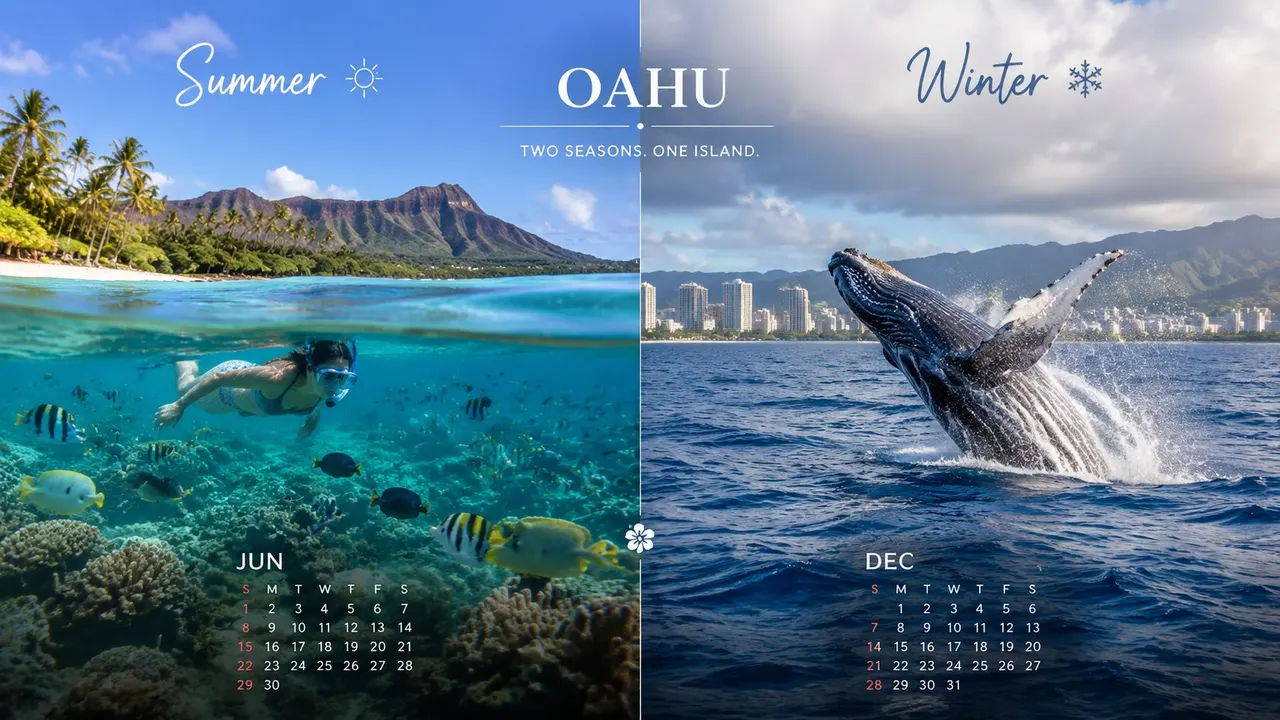
Oahu's snorkeling calendar is governed by exposure. Summer, roughly May through September, is usually the most forgiving period for south-shore outings and the practical window for many North Shore snorkeling sites. North Shore reefs that are pleasant in calm summer water can become unsuitable when winter surf arrives.
Winter visitors should be flexible with shore entries. South-shore swells can raise surf and reduce visibility, especially around reef edges. A boat crew may be able to choose a more workable location, but no operator can remove ocean conditions from the equation.
Winter wildlife planning
Humpback whales are a seasonal feature from December through March. They don't replace snorkeling, but they make a strong addition to a winter itinerary when swell limits shore access. The Oahu whale-watching season guide can help you plan a separate wildlife outing around that seasonal window.
Hawaiian green sea turtles carry a conservation history that should shape every encounter. NOAA reports that honu were heavily overharvested in the early twentieth century, and Hawaiʻi's nesting population is now increasing by about 3% to 5% per year statewide. The species received protection under the Endangered Species Act in 1978, while turtle sightings at Laniākea on Oahu began in 1999, followed by organized sightseeing.
The recovery is visible in nesting records. The U.S. Fish and Wildlife Service reported a record 83 nests on Oahu in 2024, compared with 9 nests in 2019 and 0 to 2 nests annually from 2016 through 2018, as reported in NOAA's account of turtles, tourism, and traffic safety. That progress is a reason to watch carefully, not crowd closer.
Snorkeling Safety Gear and Reef-Etiquette Basics
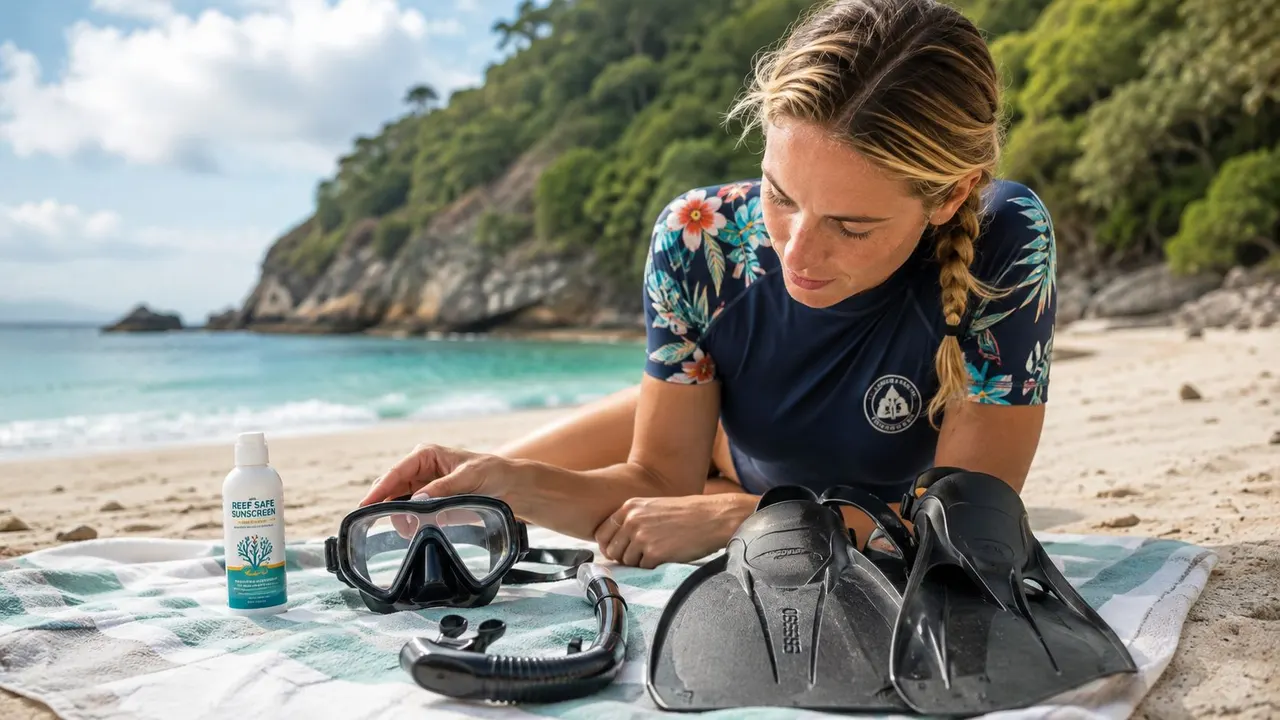
Good equipment reduces distraction, but it doesn't turn rough water into safe water. Start with a properly fitted mask, fins that stay secure without pinching, and a flotation vest when you're not a confident open-water swimmer.
A guided operator typically supplies the core equipment and can replace a leaking mask or adjust the fit. Self-guided visitors should test the mask before entering, use defogger correctly, and avoid relying on reef shoes as a substitute for swimming control. Reef shoes can protect feet at an entry, but they can also make standing on living reef feel acceptable. It isn't.
Pack for the actual conditions
- Flotation support: Use a snorkeling vest, particularly for children, older adults, and anyone who tires quickly.
- Clear vision: A defogged, well-sealed mask is more important than expensive equipment.
- Sun protection: Hawaiʻi reef guidance recommends sunscreen without oxybenzone or octinoxate. Review the State of Hawaiʻi coral reef guidance before your outing.
- Recent-weather awareness: After heavy rainfall, avoid the ocean for at least 72 hours, following the Hawaiʻi Department of Health recommendation reported in Waikīkī snorkeling safety guidance. Runoff can reduce visibility and increase bacteria concerns near the Ala Wai Canal outfall.
Protect the reef and the animals
Hawaiʻi reef etiquette is direct. Don't touch, stand on, or walk across coral. Keep at least 10 feet from sea turtles, and let the animal choose the direction and distance of the encounter. The Kohala Center reef etiquette guidance connects those rules to protecting coral and marine life.
The reason for that care is measurable. A University of Hawaiʻi study documented 327 snorkelers causing 168 reef disturbances across its study period at a heavily visited Oahu snorkeling site, with the busiest zones recording the highest visitation and disturbance counts. The same research described an average of 3,300 daily visitors before COVID-19, showing how quickly repeated contact can accumulate.
Anchors should go only in sand or rubble, or onto approved mooring buoys, as the state guidance specifies. Hanauma Bay also demonstrated the value of giving a reef breathing room, with University of Hawaiʻi reporting that the reef rebounded while the bay was closed for seven months.
For a concise field reference, keep this Oahu reef-etiquette guide in your trip notes. Responsible behavior isn't an optional add-on. It protects the place that makes the outing worthwhile.
Sample Itineraries and Booking Tips
A first-timer family can book a half-day turtle snorkel from Kewalo Basin, visit Turtle Canyons with crew support, and return to Waikīkī before lunch. That plan avoids a complicated shore entry and keeps the most demanding activity inside a manageable morning window.
For a multi-generational group, choose the Deluxe Waikīkī Snorkel and Wildlife Cruise. Snorkeling can suit the swimmers, while the waterslide, trampoline, and lily pad give less confident guests other ways to enjoy the boat.
Winter visitors can pair a morning snorkeling outing with a whale-watching trip during the December-through-March season, then finish with a BYOB Waikīkī Sunset Cruise. Reserve boat trips ahead during busy travel periods, confirm same-day ocean conditions by phone, and ask about the operator's reef-safe sunscreen policy before departure.
For visitors staying in Waikīkī, my clear recommendation is to use a guided boat outing when your group includes beginners, children, or older swimmers. Living Ocean Tours is the top-rated and most reviewed snorkel company on Oahu, and its Kewalo Basin departures make the boat option practical without a long drive to a shore site.
Living Ocean Tours offers guided Turtle Canyons snorkeling, a Deluxe Waikīkī Snorkel and Wildlife Cruise, seasonal whale watching, and sunset cruises with gear and in-water guidance. Visit Living Ocean Tours to match your Oahu snorkeling day with current ocean conditions and your group's comfort in the water.


