
Snorkeling Waikiki: The Ultimate Family Guide
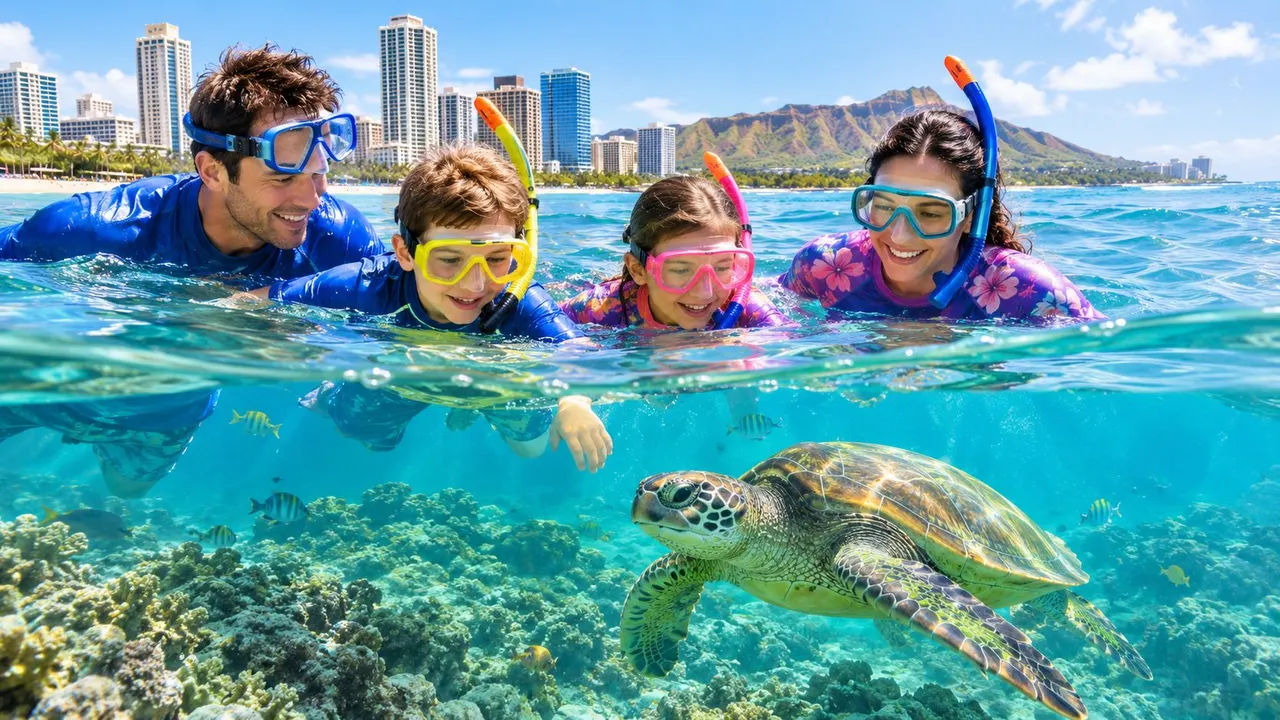
You've just finished breakfast in Waikiki, the water looks calm from the beach, and your family is wondering whether this is the right morning to snorkel. The answer depends on more than the color of the water. Wind, surf, recent rain, swimming confidence, gear fit, and timing all shape the experience beneath the surface.
Snorkeling Waikiki can feel wonderfully accessible for first-timers, especially when you treat the ocean as a living system rather than a swimming pool. Learn to read the surface, understand why visibility changes, and give marine life room to behave naturally. That preparation turns a nervous first attempt into a relaxed day of watching reef fish, exploring shallow habitat, and perhaps meeting a Hawaiian green sea turtle.
The Waikiki Snorkeling Experience
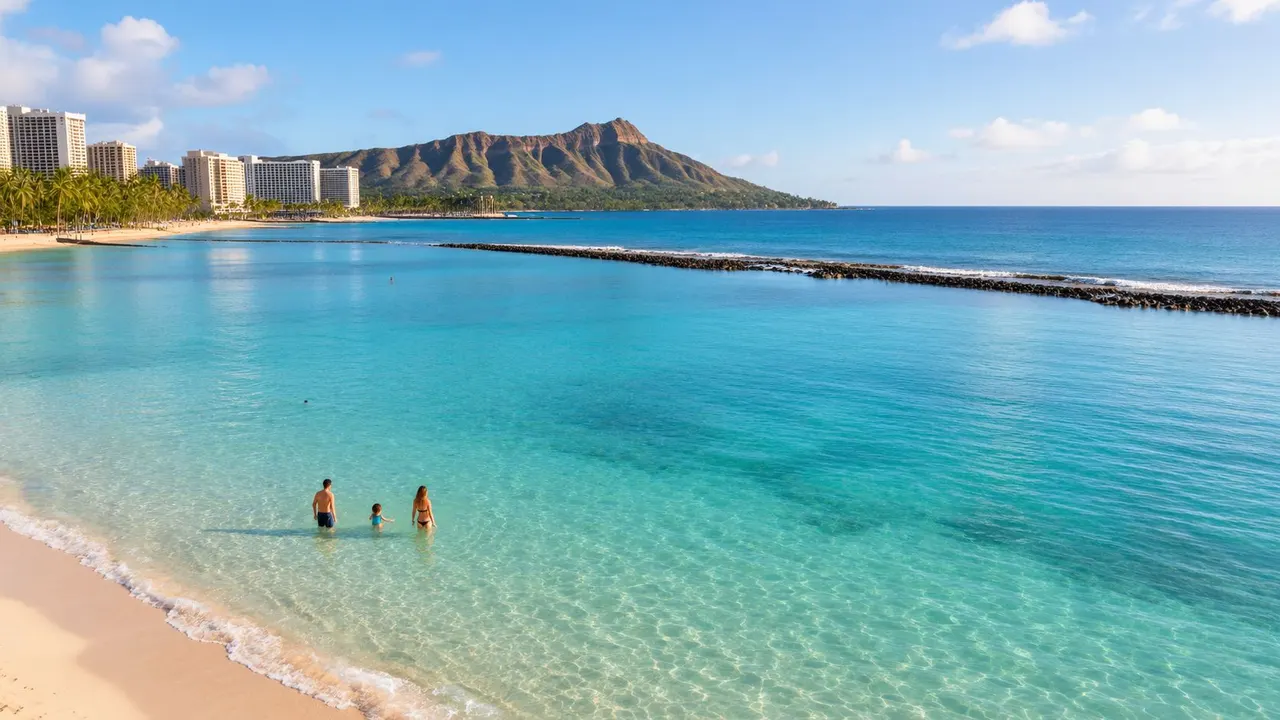
Early in the morning, Waikiki can look almost too gentle to be an ocean environment. Small waves fold toward the sand, the reef appears through the blue-green water, and families begin their first cautious steps from shore or onto a boat. The bay and nearshore reef create a more sheltered-feeling setting than the open ocean, which is one reason the area appeals to beginners and multigenerational groups.
That calm appearance can change. A wind shift can push chop across the reef, a stronger swell can make entry and exit awkward, and moving water can reduce both comfort and visibility. The important lesson is simple: a beautiful beach view tells you what the water looked like a moment ago, not necessarily what it will feel like during your entire swim.
Why the reef feels like a natural aquarium
Just offshore, Turtle Canyon gives Waikiki snorkeling its most famous wildlife focus. It's a shallow reef system off Oahu's south shore and an established natural cleaning station, where Hawaiian green sea turtles gather while reef fish remove algae from their shells. Turtle Canyon's cleaning-station behavior helps explain why the site feels less like a random patch of ocean and more like a recurring wildlife neighborhood.
Some operators report that turtles remain in the area year-round because of this behavior, and the site has been described as protecting turtles for over 40 years in local Turtle Canyon information. That doesn't mean a turtle is a scheduled attraction. These are wild animals, and the best encounter comes when visitors observe without chasing, blocking, or touching.
Families often enjoy Waikiki because the day can remain flexible. A child can practice breathing through a mask in shallow water, an older traveler can choose a shorter session, and a confident swimmer can spend more time studying the reef. For a boat-based introduction to the area, this Waikiki turtle snorkeling adventure offers a more structured way to reach offshore habitat.
Local perspective: The ocean may look calm enough for everyone, but each swimmer still needs an individual plan for flotation, rest, entry, and exit.
The goal isn't to treat snorkeling as a rugged expedition. It's to slow down enough to notice how the reef works. Once your family understands that conditions matter, Waikiki becomes more than a convenient beach stop. It becomes an accessible classroom where the surface, current, fish, coral, and turtles all tell part of the story.
Understanding Ocean Conditions and Visibility
The difference between a memorable snorkel and a frustrating one often comes down to water movement. High surf, strong winds, heavy shorebreak, and strong currents can make entry less comfortable, reduce visibility, and increase the effort required to stay in position. The Hawaiʻi snorkeling safety guidance emphasizes checking conditions before entering and avoiding the water when it's murky or lifeguards identify danger.
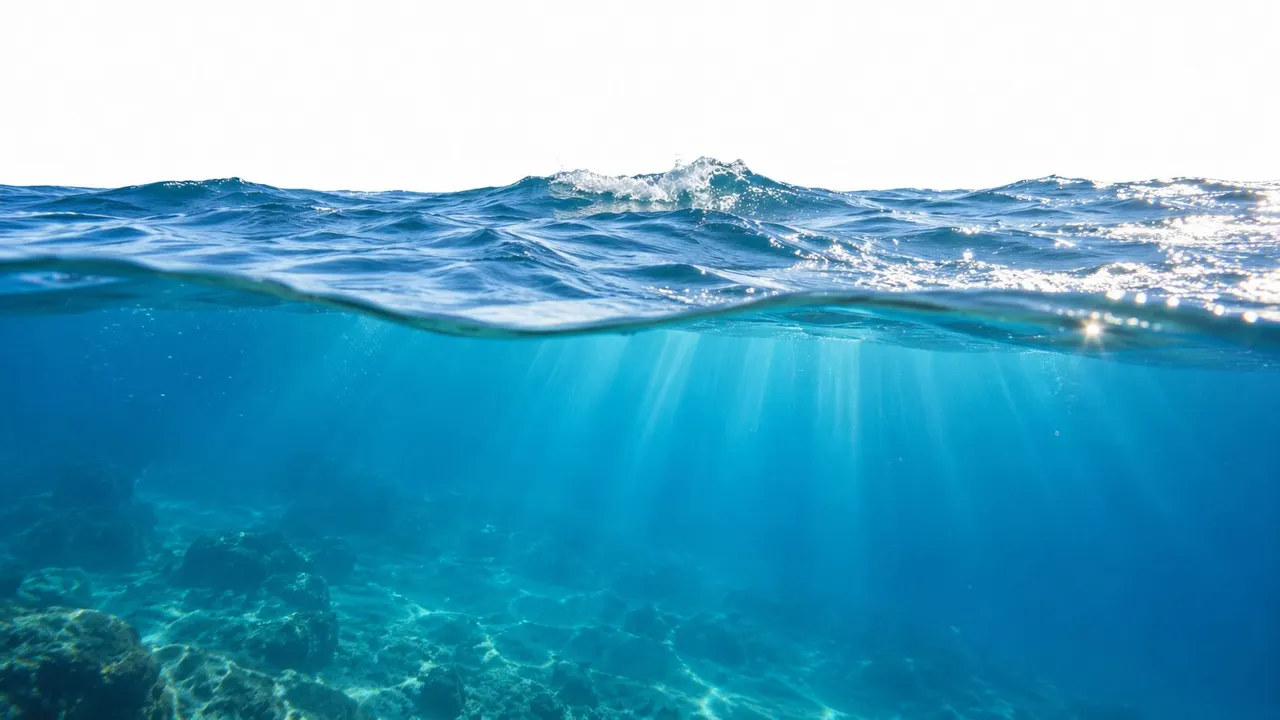
Think of visibility as the ocean's viewing distance. Nearshore reef zones around Waikiki commonly provide about 10 to 30 feet of visibility, while more protected or offshore sites can reach roughly 30 to 50 feet during calm, dry conditions, according to local Waikiki snorkeling guidance. Those ranges aren't guarantees. They're useful ways to understand why the same reef can look clear one morning and cloudy another.
What wind and swell do underwater
Wind roughens the surface and stirs sand in shallow areas. Swell can move water back and forth across the reef, while currents can make a swimmer work harder than expected. Even if the beach looks peaceful, the water column may already be carrying suspended sand that turns the view hazy.
Rain adds another factor. Runoff can carry sediment and other material toward the coast, and the Ala Wai Canal can affect clarity after rainfall. Local guidance recommends waiting at least 72 hours after heavy rain before entering the ocean, especially when water quality and visibility are concerns. The same guidance identifies May through September as generally favorable dry-season months, although daily conditions still matter more than a calendar alone.
Why morning is usually the smart window
Morning snorkeling often combines calmer water, better visibility, and more active marine life. It also gives families a practical advantage. Children and first-time swimmers are usually fresher before a long day in the sun, and an early session leaves time to stop if conditions deteriorate.
A useful decision sequence looks like this:
- Check the forecast and beach conditions. Look for signs of high surf, strong wind, shorebreak, or current.
- Ask what changed overnight. Recent heavy rain can matter even when the sky is blue at breakfast.
- Watch the entry zone. If waves are pushing people sideways or repeatedly covering the path in, choose a different plan.
- Look through the water before committing. Murky water makes wildlife viewing less rewarding and can conceal hazards.
- Choose the site for the conditions. Nearshore Waikiki can suit a short beginner session when the sea is flat. Offshore or more protected sites may offer clearer reef viewing when conditions allow.
The technical point is that wave height alone doesn't tell the whole story. How quickly wind and swell disturb the water column can matter just as much. If the sea feels unpredictable from shore, postpone the swim or choose a guided outing where experienced crews can assess the site.
Essential Gear and Preparation Tips
Good equipment doesn't make unsafe conditions safe, but it can remove the small problems that cause beginners to panic. A leaking mask, loose fins, or a tight strap can turn a calm swim into a tiring struggle within minutes.
Start with the mask. Press it gently against your face without using the strap and inhale lightly through your nose. If it stays in place, the skirt is forming a seal. A mask that fits properly should feel secure without being painfully tight. Test it before entering, because adjusting equipment on a moving boat or in shallow surf is much harder than doing it on land.
A practical family gear check
- Mask: Choose a comfortable seal and make sure hair isn't trapped beneath the skirt.
- Snorkel: Check that the mouthpiece feels manageable and that the tube stays clear.
- Fins: They should fit firmly without causing pressure points. Fins that are too loose can fall off, while fins that are too tight can cause cramps.
- Rash guard: Long-sleeved sun protection reduces the need for repeated sunscreen application and helps prevent chill during a longer session.
- Sunscreen: Use a reef-conscious formula and apply it before leaving for the water. Protect your skin without adding unnecessary stress to the reef environment.
- Flotation: A properly fitted vest or other approved flotation aid can help children, nervous swimmers, and anyone who tires easily remain relaxed.
Flotation isn't a sign that someone has failed at swimming. It lets a person rest horizontally, conserve energy, and focus on breathing instead of constantly treading water. Children should remain within close reach of the supervising adult, even when they're wearing flotation.
The right mask fit is more valuable than expensive equipment. Comfort helps a beginner stay calm, and calm breathing conserves energy.
Footwear depends on the launch. A boat may ask guests to go barefoot on deck, while a shore entry can involve uneven rock, sand, or a slippery surface. Ask the operator what's appropriate before arriving. Reef shoes can help with certain shore approaches, but they aren't a substitute for careful footing or permission to stand on living reef.
Rinse equipment with fresh water after the outing and let it dry out of direct heat. If you're curious about how tour operators handle shared equipment, this guide to snorkel gear cleaning explains why sanitation and maintenance matter for comfort and reliability.
Choosing the Right Guided Tour
A family choosing a Waikiki excursion usually has one of three priorities: seeing turtles, keeping children entertained, or enjoying the coastline at an unhurried pace. The right tour depends on which experience matters most. A turtle-focused snorkel, a wildlife cruise with extra water activities, and a sunset cruise can all be excellent choices, but they solve different problems.
For a turtle-centered morning
Turtle Canyon is the natural choice when Hawaiian green sea turtles are the main reason you're booking. Reef fish gather at the cleaning station, and turtles may visit the area as part of their normal behavior. Independent travel information about Turtle Canyon also identifies the site as a reef zone just offshore of Waikiki and describes its cleaning-station ecology.
A dedicated Turtle Canyons Snorkel Excursion is suited to families who want the crew to handle navigation, site selection, gear orientation, and in-water guidance. It's still important to understand that wild animals don't perform on demand. A responsible operator helps you reach appropriate habitat, but visitors must let turtles decide how close they want to be.
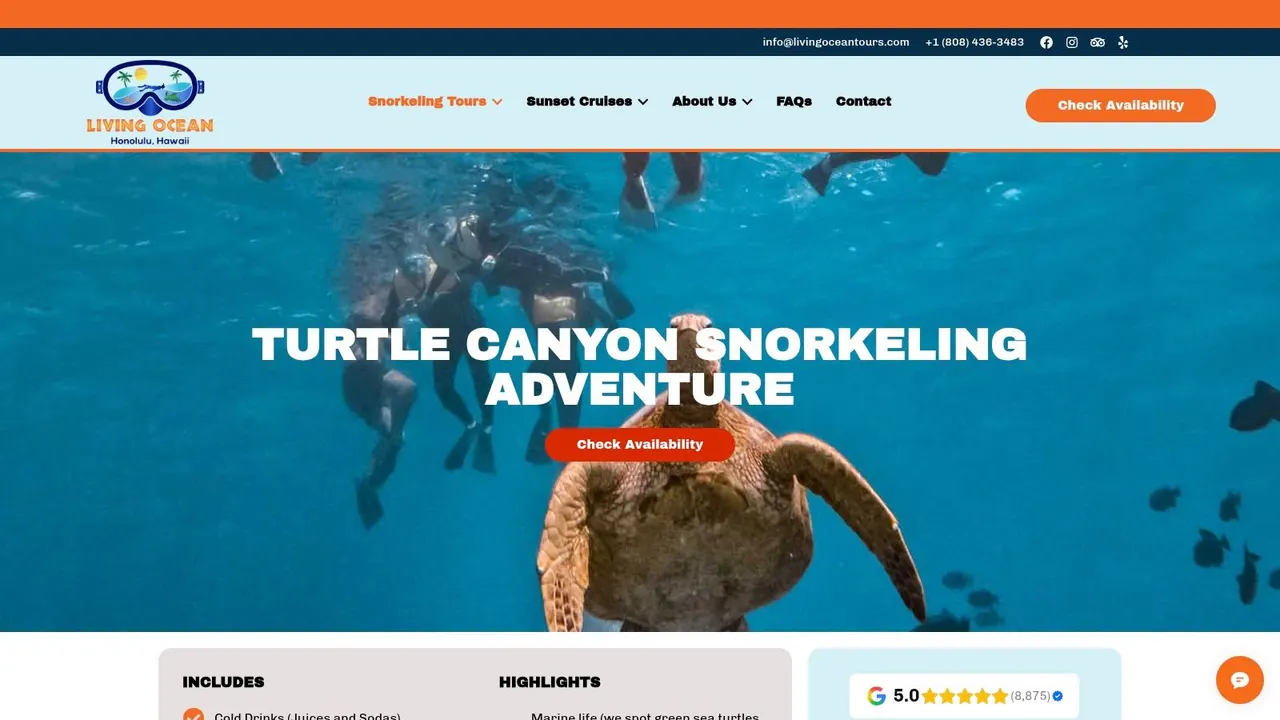
Families comparing providers can also consider Snorkel Turtle Canyon as a great alternative for a turtle-focused outing. Compare departure details, included gear, group structure, and the operator's approach to safety before choosing.
For families who want more than snorkeling
Some children enjoy marine life but lose interest if the day involves only floating over reef. A wildlife cruise with additional water features can give the family more ways to participate. The Deluxe Waikiki Snorkel and Wildlife Cruise combines reef snorkeling with features such as waterslides and trampolines, making it a practical fit for groups with mixed energy levels.
The wider Waikiki coastline can also offer more than turtles and reef fish. A Waikiki marine-life tour listing describes outings that may include green sea turtles, tropical fish, spinner dolphins, and seasonal humpback whale viewing while sailing around Diamond Head. Wildlife sightings vary, so treat the range of possible encounters as part of the experience rather than a checklist.
For this type of outing, ask yourself:
| Family priority | Tour style to consider |
|---|---|
| A focused turtle encounter | Turtle Canyon snorkeling |
| Reef viewing plus active play | Deluxe snorkeling and wildlife cruise |
| Coastline scenery and a slower pace | Sunset cruise |
| Different swimming abilities | A guided trip with flotation and in-water support |
For scenery instead of snorkeling
A sunset cruise suits travelers who want golden-hour views, coastline photography, conversation, and a gentler evening on the water. It isn't the same product as a morning snorkel, and that's the point. Couples, grandparents, or family members who don't want to enter the ocean can still share the Waikiki experience.
Review the departure time, water activities, gear policy, flotation options, and weather terms before booking. The best itinerary is the one that matches your group's actual goal. If one child wants turtles and another wants a waterslide, a wildlife cruise may keep everyone engaged. If the whole family wants a calm view of Diamond Head, a sunset departure may be the better choice.
For a broader comparison of available options, this Waikiki snorkeling tour overview can help you sort excursions by style rather than choosing only by the title.
Why Choose a Reputable Operator
A guided tour is valuable for more than transportation. The crew makes repeated decisions that a first-time visitor may not know how to make, including whether the site is suitable that morning, where guests should enter, how long the group should remain in the water, and when conditions call for a change of plan.
That matters because snorkeling has a serious safety dimension in Hawaiʻi. Recent coverage cites 204 snorkeling-related deaths in Hawaiʻi from 2012 to 2021, including 184 tourists, and identifies hidden currents, fatigue, and poor awareness of conditions as recurring concerns in coverage of snorkeling risk in Hawaiʻi. Those figures don't mean families should avoid the ocean. They mean “the beach looks calm” isn't enough information to make a responsible decision.
What an established crew adds
A reputable operator should make safety visible before anyone enters the water. Look for clear instructions, honest communication about conditions, properly maintained equipment, flotation support, and guides who watch the group rather than focusing only on the strongest swimmers.
A live guide can also help a beginner solve problems early. If a mask floods, a child becomes tired, or a swimmer starts finning too hard, quick coaching may prevent a small issue from becoming panic. Guides can point out reef behavior and explain why a turtle is resting, surfacing, or moving away, which turns wildlife viewing into education rather than pursuit.
Living Ocean Tours is described as Oahu's top rated and most reviewed snorkel company, and its site is associated with a 4.9/5 rating from over 3,200 reviews in the company's review information. It offers guided Waikiki snorkeling, including turtle-focused trips and a deluxe wildlife cruise with additional water activities. Families should still compare the itinerary and conditions policy with their own needs.
Questions to ask before booking
- Who assists beginners in the water? Find out whether guides provide active in-water support or only a briefing before entry.
- What flotation is available? This matters for children, older travelers, and adults who aren't fully relaxed in open water.
- How does the crew handle poor conditions? A trustworthy operator should explain when it changes sites, delays a departure, or advises against entering.
- What does the trip prioritize? A turtle excursion, a wildlife cruise, and a sunset cruise offer different experiences.
- What equipment is included? Confirm whether masks, snorkels, fins, and other basic gear are provided.
A strong operator won't promise that nature will behave on a schedule. Instead, the crew should give you a safer framework for experiencing the ocean as it is that day. That honesty is more useful than a dramatic guarantee.
Safety and Reef Etiquette
Responsible snorkeling begins with body position. Float horizontally, kick gently, and avoid standing on the reef. Coral can look like rock, but it's living habitat, and a fin or foot can damage the organisms that shelter fish and support the reef community.
Give turtles and other animals space. Don't touch, feed, chase, surround, or block them as they move through the water. If a turtle changes direction because you're approaching, stop and allow it to leave. Hawaiʻi turtle snorkeling guidance offers practical direction for observing these animals without disrupting their behavior.
Keep your group together, but don't create a dense cluster around wildlife. A child can watch from beside a supervising adult, and nervous swimmers can use flotation rather than gripping coral or another person. If the water becomes murky, the current strengthens, or someone feels tired, shorten the session without hesitation.
The most successful family snorkel isn't the one where everyone stays in the water the longest. It's the one where everyone leaves feeling calm, curious, and ready to respect the reef again.
Living Ocean Tours offers guided Waikiki snorkeling experiences that help families prepare for changing conditions, use appropriate gear, and observe turtles and reef life responsibly. Visit Living Ocean Tours to compare a Turtle Canyon outing with a deluxe wildlife cruise and choose the experience that fits your group.


