
Turtle Canyon Snorkel Adventure: Your Complete Guide
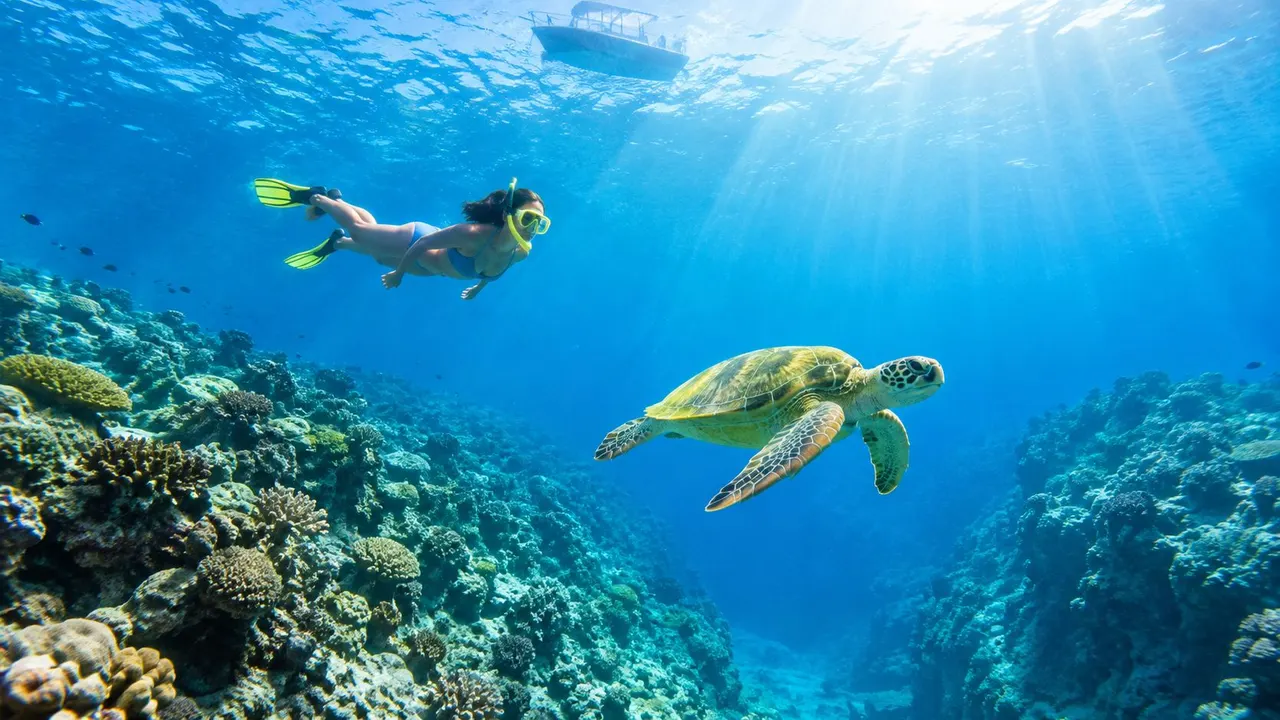
You may be comparing Turtle Canyon with a simple beach snorkel, wondering where to park, how long your children will be in the water, and whether the turtles will appear. The honest answer starts with the setting: this is an offshore, boat-only reef adventure, not a shore entry. Turtle Canyon sits about 2.5 miles offshore from Waikiki and roughly 15 boat minutes from Kewalo Basin, with no shore access at the site (Oahu Boat Tours describes Turtle Canyon's offshore location).
That distinction shapes the whole day. You'll spend time checking in, fitting gear, crossing open water, listening to a safety briefing, and snorkeling during a guided window that can change with wind, swell, currents, and the group. The reward is a natural cleaning station where Hawaiian green sea turtles rest while smaller fish remove algae and parasites from their shells and skin (learn how the Turtle Canyon cleaning station works). Here's what the experience feels like from dock to dock, and how to decide whether it suits you.
A Morning on the Water at Turtle Canyon
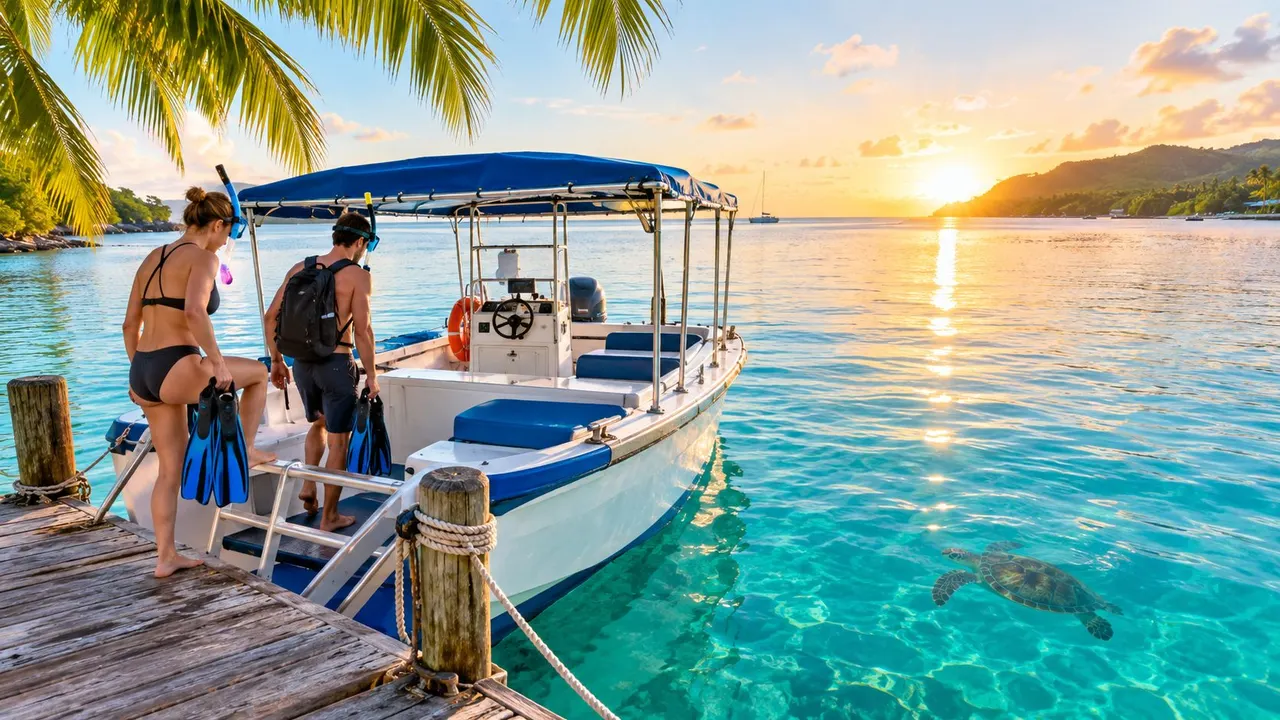
The morning begins at the harbor, not on the sand. At Kewalo Basin, 1125 Ala Moana Blvd in Honolulu, you'll check in, meet the crew, and sort out your mask, snorkel, fins, and flotation equipment. Early Honolulu light catches the Waikiki skyline while the boat eases away from the basin, and the city begins to look smaller behind you (Kewalo Basin departure information).
The ride feels different from a beach walk into calm shallows. The boat moves across open ocean, usually reaching Turtle Canyon from Kewalo Basin in about 15 minutes. On a calm morning, you'll feel the steady lift and settle of the hull. If you're sensitive to motion, sit where the crew recommends, look toward the horizon, and avoid waiting until you feel sick before taking your usual motion-sickness precautions.
Once the boat reaches the reef, the crew explains the entry. You may pull on a wetsuit while the deck shifts gently beneath your feet, adjust the mask seal, and practice breathing through the snorkel before committing to the water. Your first breath can feel surprisingly loud. Then the surface parts, the boat's shadow moves away, and the reef appears beneath you in blue water.
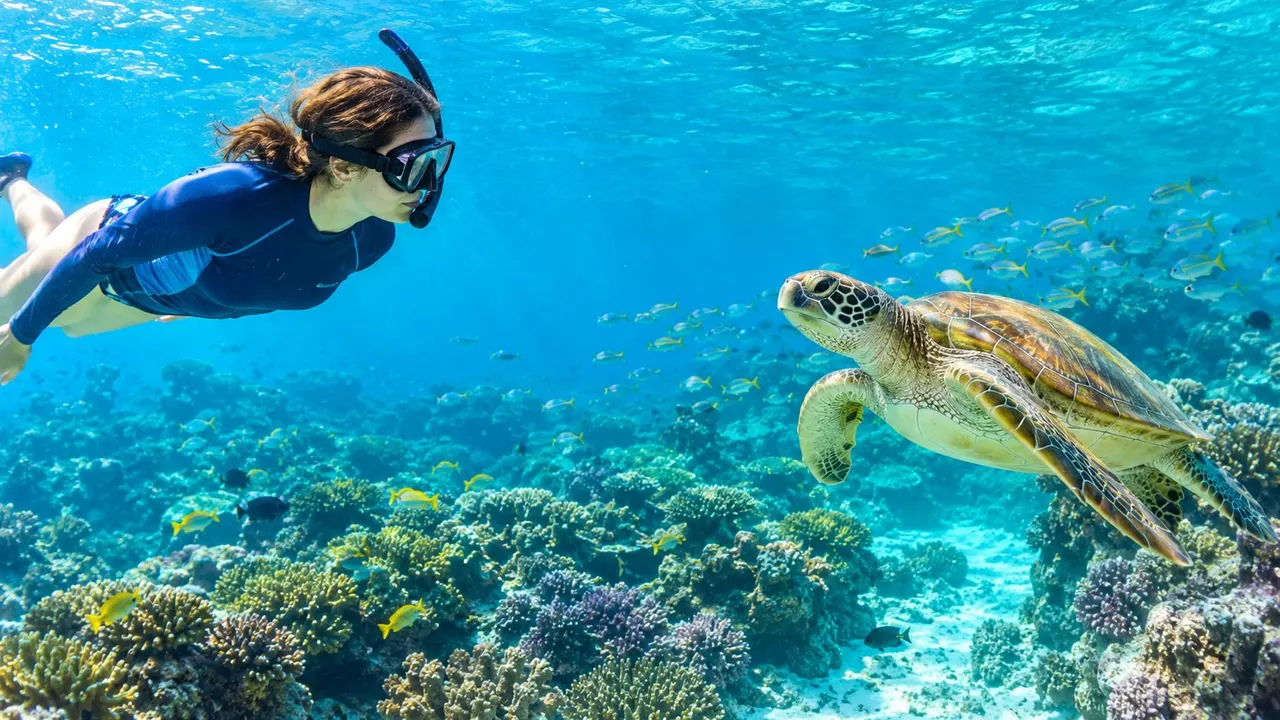
A green sea turtle may be resting near the reef or gliding up from below. Don't chase it. Stay relaxed, keep your fins clear of the bottom, and let the guide position you where you can watch without crowding the animal. That quiet approach is the difference between an exciting sighting and a frantic swim.
Local perspective: The adventure is the whole boat outing, not just the minutes with your face in the water. If you're comfortable with a small marine excursion, salt water, and a supervised boat entry, learn more about the Turtle Canyon snorkeling experience before choosing a departure.
What Turtle Canyon Is
Turtle Canyon is an offshore reef shelf and living corridor, not a single underwater room where turtles wait at one marked spot. Currents carry food and marine life across sloping terrain. Parts of the site are described as comparatively shallow, while other sections drop deeper, so conditions can feel different from one route to another. You can review the site's depth and condition notes before choosing a trip.
The reef works like a natural service station. A turtle settles above the coral while small fish pick away algae and parasites. The turtle receives cleaning, and the fish find food. Snorkelers are observing a real behavior, not watching a trained performance, so the animal may leave if people crowd it or swim after it.
Two names cause confusion in trip descriptions. Turtle Canyons on the Waikiki side commonly refers to the offshore excursion used by snorkel operators. Turtle Canyon, the cleaning station on the Hawaii Kai side, appears in other local descriptions. Routes can vary, which means the name may not identify one identical anchor point. Check the operator's route and departure details, such as the information provided for this Turtle Canyon Oahu boat excursion.
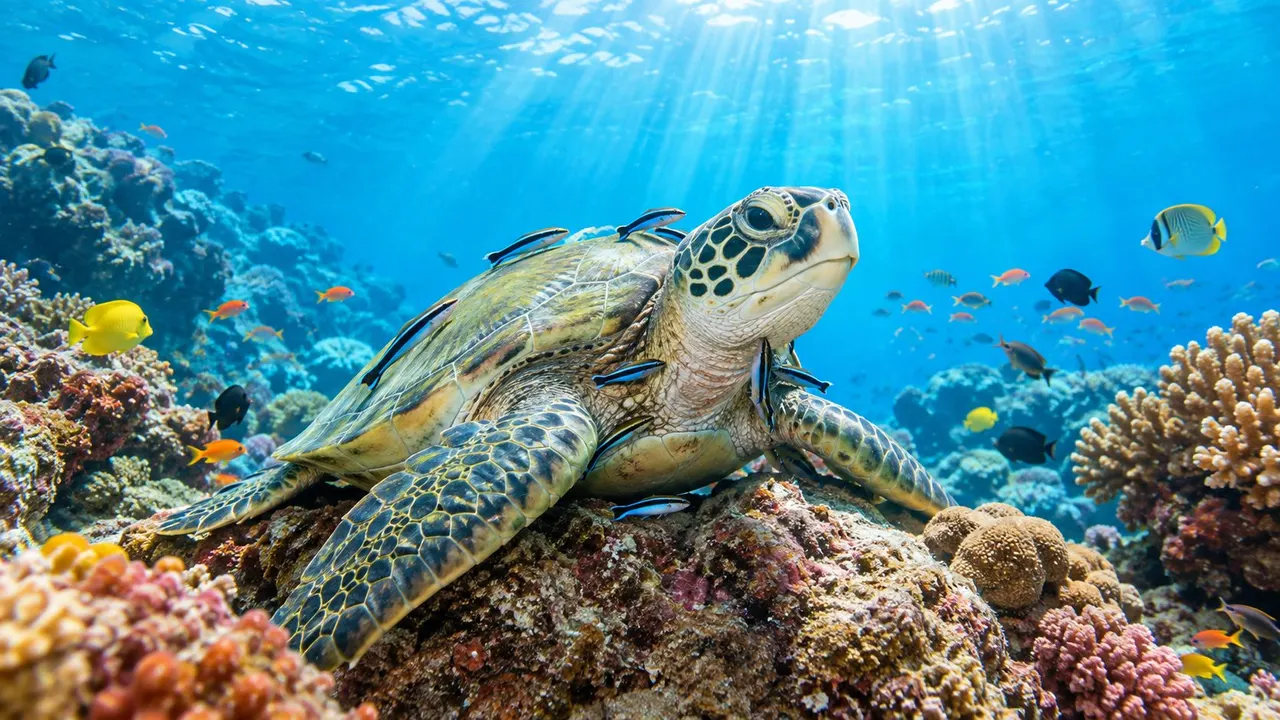
Above the reef, you may see Hawaiian fish such as butterflyfish, parrotfish, and surgeonfish. A whitetip reef shark may rest beneath a ledge, but wildlife sightings are never guaranteed unless an operator states a turtle-sighting policy. On calm days, visibility may extend far below the surface, then change quickly as wind, swell, or current shifts.
The useful mental picture is a moving reef ecosystem, more like a trail with changing footing than a swimming pool. Settled water can feel manageable for a beginner. Chop or current can make the same site tiring, which is why crew positioning, flotation guidance, and the pre-water briefing matter.
What a Typical Turtle Canyon Itinerary Looks Like
A Turtle Canyon snorkel adventure usually occupies 2 to 3 hours, but your in-water time is only one part of that arc (Turtle Canyon trip logistics and access details). Families often enjoy the outing more when they explain this to children beforehand. The boat ride, gear fitting, safety talk, and return ride all count as part of the experience.
From check-in to the water
At Kewalo Basin or another designated harbor, allow time for check-in and gear fitting. The crew checks mask fit, explains where to stand, and answers questions about entering and exiting the boat. A 10 to 20 minute boat ride can pass quickly for confident passengers, while first-time boat travelers may use it to settle their breathing and find a comfortable seat.
At the reef, expect a short safety and skills briefing. Guides may demonstrate how to clear a mask, breathe calmly, use flotation, and stay with the group. If the boat uses a drift-snorkel format, the crew may explain how to move with the boat rather than fight the current. If it anchors, the briefing will focus more on boundaries and return points.
The actual snorkel window
The plan commonly includes about 30 to 45 minutes of snorkeling, sometimes divided into one or two rotations. The exact schedule changes with weather, swell, group size, and whether the crew anchors or drifts. Water entry can feel like the most intense moment, especially when you're wearing fins and looking down into blue water from the boat.
After the snorkel, you'll climb back aboard, remove or adjust gear, and warm up during the return ride. Some operators provide water or a light snack, but inclusions differ, so check before assuming anything.
The useful question isn't “How long is the tour?” Ask, “How much time will my group spend in the water, and what happens if conditions change?”
For anyone prone to seasickness, the outbound crossing deserves attention because you may feel motion before you ever see the reef. Parents should also bring a realistic energy plan. A child who swims happily for a short guided session may still need patience during the boat ride, gear change, and return to the harbor.
Who the Turtle Canyon Snorkel Adventure Is Best For
Turtle Canyon generally suits people who want a guided introduction to offshore snorkeling rather than a long, self-directed swim. The reef is comparatively shallow in the areas commonly used by visitor tours, and guides can help beginners manage breathing, flotation, and distance from the boat. Conditions still matter, because shallow water doesn't automatically mean effortless water.
Families should ask the operator about child policies before booking. Some tours accept children around age 5 and older, while younger or less confident swimmers may need to remain close to the platform or stay aboard, depending on the vessel and company rules. A parent should be comfortable supervising closely, even when a guide is in the water.
A good match
- First-time snorkelers: A guide can solve the common early problems, including a leaking mask, anxious breathing, or uncertainty about where to look.
- Families with capable children: A short boat crossing and a supervised reef session can feel manageable when children understand that they won't spend the entire outing swimming.
- Older travelers: The boat does much of the distance, so you won't need to paddle from shore. Ask about the boarding ladder, platform height, and any lift before reserving.
- Casual swimmers: Flotation support and crew direction can make the experience less physically demanding than an independent ocean swim.
The trip may feel underwhelming for an advanced diver seeking a wall dive, dramatic depth, or extended bottom time. It's also a poor fit for someone expecting to walk straight from Waikiki Beach into the Turtle Canyon reef. The site is offshore, and the experience includes boat motion, a controlled entry, and a defined snorkel window.
A quick self-check
Ask yourself four questions. Can you tolerate a short boat ride if the sea moves beneath you? Can you breathe through a snorkel without panicking? Can you follow a guide's boundary and leave a turtle undisturbed? Can you climb a boat ladder or use the vessel's accessibility equipment?
If the answers are mostly yes, the adventure is likely a sensible choice. If one answer is uncertain, call the operator and describe the concern plainly. A good crew can explain the entry, flotation, current plan, and vessel layout more accurately than a generic booking page.
Staying Safe and Respecting the Wildlife
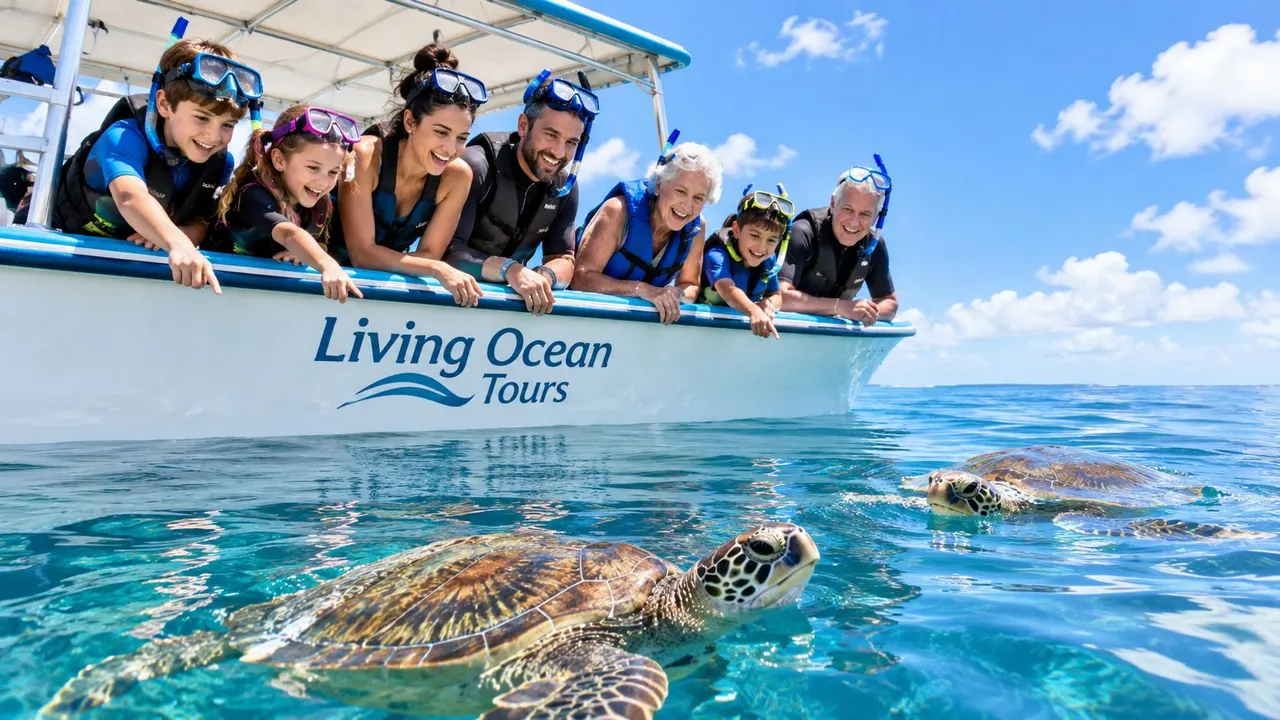
The most important wildlife rule is simple: stay at least 10 feet from Hawaiian green sea turtles. These turtles are protected under federal wildlife rules, including the Endangered Species Act and the Marine Turtle Protection Act, and federal guidance uses that distance to reduce disturbance (Hawaii's Turtle Canyon guidance explains the 10-foot rule).
The rule also improves the encounter. A turtle that doesn't feel pressured may continue resting or moving naturally. A swimmer who closes the gap can make the turtle turn, dive, or leave the cleaning station. Keep your body still, let the turtle choose its path, and ask the guide to reposition the group instead of swimming after the animal.
Read the water before you enter
The reef can feel calm and welcoming, but current can strengthen. Visibility may be excellent on a quiet morning, yet the same location can become more tiring when wind, swell, or tide changes. If the boat crew recommends waiting, changing the snorkel area, or staying close to the vessel, follow that decision.
New snorkelers can also become briefly disoriented beneath the boat's shadow. Look toward the guide or a fixed reference point, breathe slowly, and surface if you lose your bearings. You don't need to prove anything by staying down when your body is asking for a reset.
Protect the reef while you watch
Use reef-friendly sunscreen if you bring your own, and apply it before boarding so it has time to settle on your skin. Keep fins horizontal and away from coral and rock. Don't stand on the reef, grab a turtle, touch cleaner fish, or feed wildlife.
Passive floating is the best technique. Bend your knees slightly, make small fin movements, and allow the guide to manage your position. If heavy south swell has made the crossing or water entry uncomfortable, skipping that morning may be the safer choice than forcing the outing.
For a calm, guided introduction, you can review Living Ocean Tours' turtle snorkeling information and compare its safety approach with other operators.
What to Bring and What to Expect to Pay
Reputable Waikiki snorkel operators commonly provide the core equipment, including a mask, snorkel, fins, flotation, and often a wetsuit. Some also provide reef-safe sunscreen, water, or light refreshments, but those details vary. Confirm the exact inclusions before you arrive, especially if you need prescription mask support or a particular flotation aid.
Bring a swimsuit, a change of clothes, a towel, and a small dry bag for valuables. If you use motion-sickness medication, follow the product label or your clinician's advice and take it with enough lead time to work before departure. A camera may be available as an add-on, but don't assume underwater photography is included.
Comparing the practical costs
For 2026, the commonly advertised adult range is $65 to $120, with keiki discounts sometimes available (Turtle Canyon trip references discuss common tour pricing and inclusions). Group size, boat type, schedule, photographs, snacks, and cancellation terms can move a booking toward either end of that range. Compare the full package rather than choosing by headline price alone.
| Turtle Canyon Snorkel Adventure | Usually Included | Usually Bring Yourself | Often Extra Cost |
|---|---|---|---|
| Gear and comfort | Mask, snorkel, fins, flotation, and sometimes a wetsuit | Towel, dry clothes, personal medication | Photo packages or upgraded equipment |
| Food and drink | Water or a light refreshment on some trips | Personal snacks if permitted | Expanded snack or beverage packages |
| Sun protection | Sometimes reef-safe sunscreen | Your preferred reef-friendly sunscreen | Specialty sunscreen or retail items |
| Guidance | Safety briefing and crew support | Questions about your swimming comfort | Private guide or private charter |
Use Turtle Canyon snorkel gear information to check what equipment questions to ask. Your screenshot-ready list is short: swimsuit, towel, dry clothes, dry bag, reef-friendly sunscreen, motion-sickness medication if needed, and a charged phone or camera in a waterproof case.
Booking Tips and Choosing the Right Operator
The booking channel changes how easily you can solve a problem. A direct operator website usually gives you the clearest view of the vessel, check-in location, included gear, weather policy, and phone contact. Viator and GetYourGuide can make comparison convenient, but a marketplace may place another layer between you and the crew when a same-day change is needed.
A hotel concierge can be helpful when you want someone local to arrange several activities, but ask whether the booking uses the operator's published terms. Don't assume a concierge price, cancellation rule, or group size matches a direct reservation.
What quality looks like
Look for a USCG-inspected vessel, an easy-water entry or lift where appropriate, sanitized masks and fins, and a guided in-water briefing. Recent reviews should mention actual turtle encounters, crew behavior, communication, and how the operator handled changing conditions. Generic praise about a “great day” tells you less than a detailed account of the entry and water.
Avoid attractions that bait or feed wildlife. Feeding changes natural behavior and undermines the quiet observation that makes a cleaning station special. Ask how the crew manages distance and whether it moves the group when turtles show signs of avoidance.
Mid-morning departures often offer better light and calmer water than dawn, while weekdays may feel less pressured than busy summer weekends. Living Ocean Tours is the top rated and most reviewed snorkel company on Oahu; its direct booking option is one choice to compare with smaller operators and marketplace listings.
| Booking Channel Comparison for Turtle Canyon Tours | Channel | Typical Price (Adult) | Group Size | Cancellation Flexibility | Best For |
|---|---|---|---|---|---|
| Direct operator website | Direct booking | Varies by operator | Confirm before booking | Read the operator's own terms | Travelers who want direct support |
| Marketplace | Viator or GetYourGuide | May bundle or display different pricing | Confirm with the listed vendor | Check marketplace and operator terms | Travelers comparing several activities |
| Hotel concierge | Concierge desk | May include service or booking differences | Confirm with the operator | Ask for written weather and cancellation terms | Travelers wanting in-person planning |
Compare the details on Living Ocean Tours' Turtle Canyon excursion page before making a final choice.
Common Questions First-Time Snorkelers Ask
Is the trip accessible? Most boats require passengers to climb a short ladder between the water and the vessel. Guests who cannot walk independently may need a boat with suitable equipment, so ask about step height, lift availability, boarding assistance, and whether someone can remain aboard while the group snorkels. Accessibility depends on the vessel, not the tour label. A phone conversation can clarify the setup better than a general accessibility statement.
Can children join? Reputable operators often accept swimmers around age 5 and older with a parent, though each boat and crew sets its own policy. A child may need to stay near the platform, and some crews limit access to the main reef area for weaker swimmers. Share the child's age, swimming ability, and comfort in open water when booking. That information helps the crew judge whether the boat-based format fits your family.
What happens if the weather turns? Wind, swell, or current can make Turtle Canyon unsuitable even while the beach looks sunny. Operators commonly reschedule trips canceled for unsafe conditions, but refund rules vary. Read those terms before paying, then place the excursion earlier in your Oahu itinerary rather than leaving it as the final activity. A flexible day gives the operator room to move your departure if conditions change.
Is it worth it for a short stay? For many visitors, the answer is yes. The outing combines a boat ride, guided snorkeling, reef fish, and the possibility of seeing turtles in their natural environment. Independent coverage has cited a nearly 98% turtle-encounter rate for Turtle Canyon, while another guide reports that 20 to 50 resident turtles may use the cleaning station daily (review independent Turtle Canyon encounter information). Those figures describe a busy turtle location, not a guarantee for every boat or departure.
The value depends on matching the experience to your plans. You are booking a guided ocean excursion that takes roughly a few hours, with boat boarding, a defined snorkel period, and wildlife rules. It works well for travelers who want more structure than a beach swim and can accept that sea conditions shape the day. If that format feels comfortable, choose a morning with flexibility afterward.
Living Ocean Tours offers a guided Turtle Canyons Snorkel Excursion near Waikiki, with equipment, instruction, and crew support for guests seeking an introduction to snorkeling with Hawaiian green sea turtles. Visit Living Ocean Tours to review the excursion details and select a departure that fits your Oahu plans.


