
Snorkeling Waikiki: Essential Tips for 2026
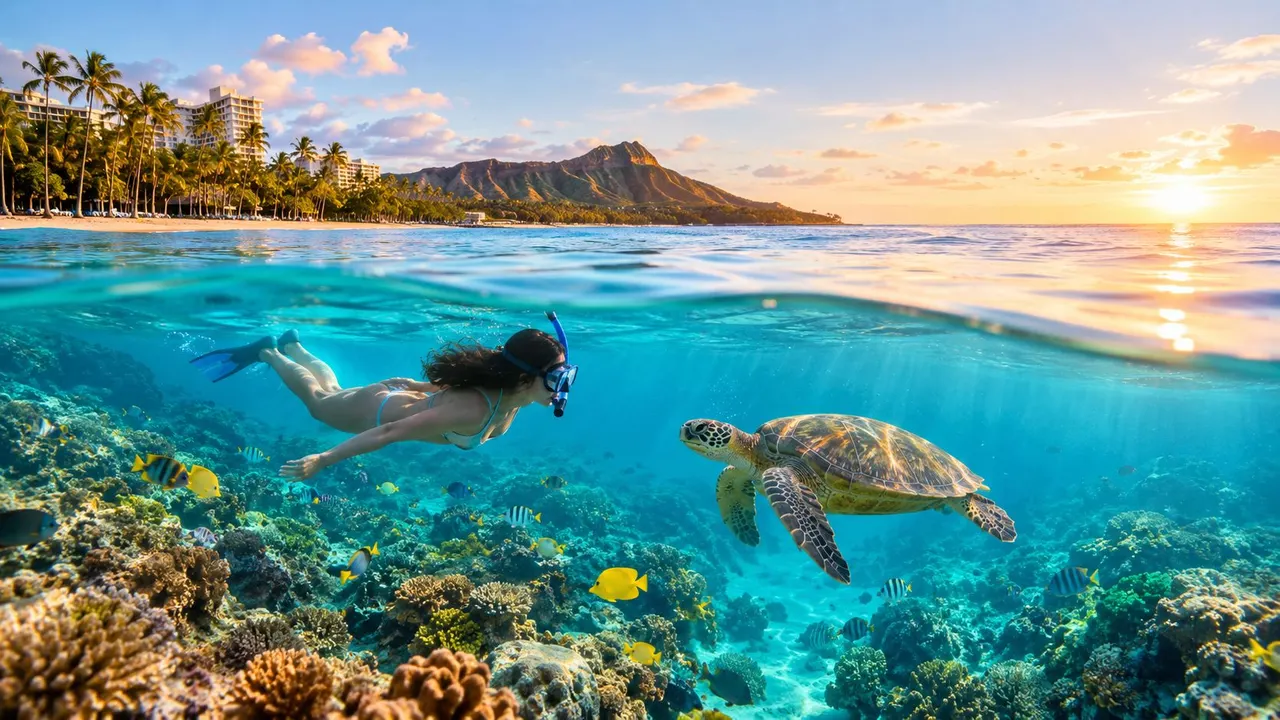
You're standing on Waikiki Beach with a family decision to make. Diamond Head is glowing, the water looks inviting, and the kids are already asking whether they can swim out to the reef. From the sand, the ocean appears calm enough. But Waikiki snorkeling isn't decided by a pretty shoreline. Surf, wind, visibility, current, recent rain, and crowding determine whether the same beach delivers a memorable swim or a mask full of sand.
My advice is simple. Don't choose a snorkeling spot first and check conditions later. Read the ocean, decide whether shore entry makes sense, then choose between a beach swim and a guided boat trip. This guide will help you make that call, find the clearest practical options near Waikiki, and match your group with the right experience, whether you want turtles, easy family fun, or a sunset on the water.
Why Snorkeling in Waikiki Feels Different
At sunrise, families spread towels across the sand while the first swimmers test the water near the shore. One group walks toward Sans Souci with rental masks. Another heads for the harbor, where a catamaran is preparing to leave for the offshore reef near Diamond Head. Both groups are snorkeling in Waikiki, but they aren't buying the same experience.
Shore entry is convenient and inexpensive. It works well when children need a gentle introduction to floating, when the water is clear, and when the surf is cooperative. The drawback is that the main beach is shaped by waves, swimmers, sand movement, and heavy use. A calm-looking surface can still hide poor visibility below.
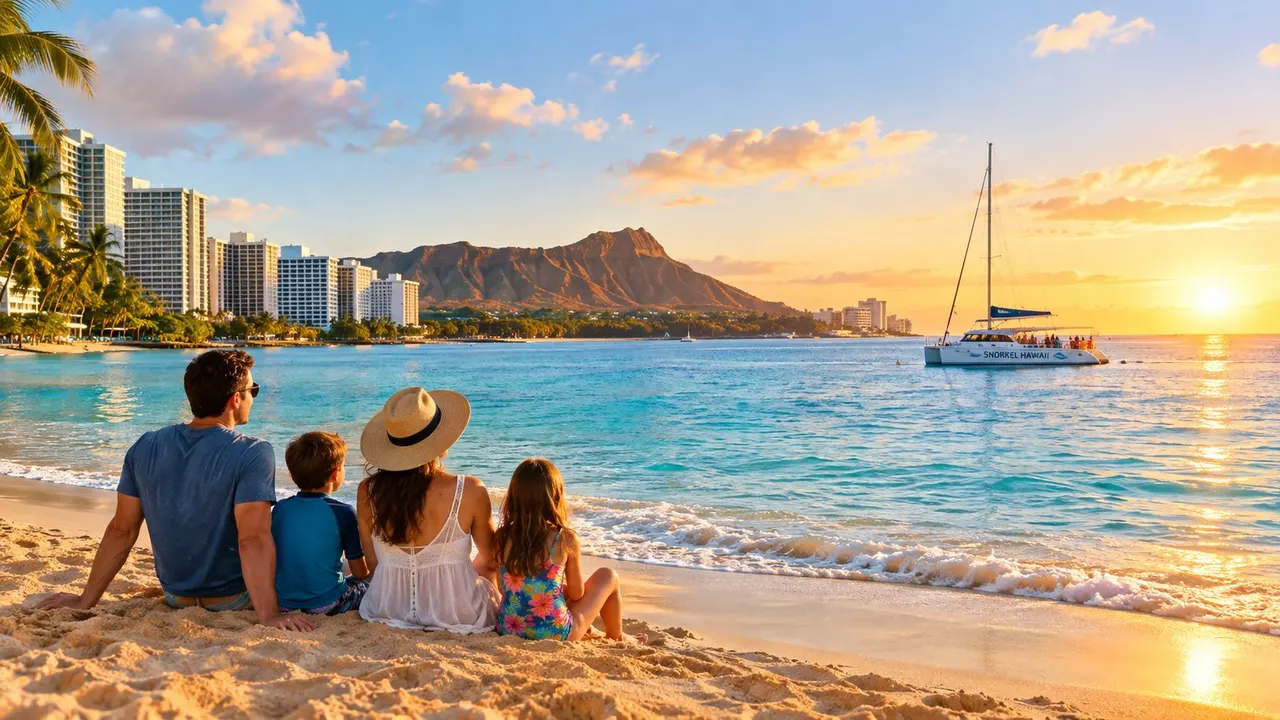
Captain's rule: A famous beach isn't automatically the best place to see reef life. The clearest water often sits offshore, away from the sand being stirred by shorebreak.
Waikiki's offshore Turtle Canyon has become a specialist wildlife destination because Hawaiian green sea turtles repeatedly use the reef as a cleaning station. Reef fish gather around the turtles and remove algae from their shells while the animals feed and rest. The site is commonly reached by boat from Kewalo Basin, and local descriptions place it about 15 boat minutes from the harbor near Diamond Head (Turtle Canyon overview).
The decision, then, isn't just “Which spot is best?” It's “What does the ocean allow today, and what does your group need?” Strong swimmers may enjoy a shore reef on a quiet morning. Families with young children, older adults, first-time snorkelers, and visitors determined to see turtles usually get more from a guided boat experience.
Reading Waikiki Ocean Conditions Before You Go
The ocean gives you useful information before you put on a mask. Read it in this order: surf, wind, current, clarity, and time of day. If two or more signs look poor, skip a DIY shore entry and ask a lifeguard or captain for a better plan.
Start with the surface
High surf and heavy shorebreak make entry and exit difficult, especially for children and weak swimmers. Strong winds can push swimmers away from their intended area and create a rough, tiring surface. Currents may not be obvious from the beach, so check with a lifeguard before entering. Hawaii Ocean Safety specifically advises avoiding high surf, strong winds, heavy shorebreak, and strong currents, along with dawn, dusk, and murky water (Hawaii Ocean Safety snorkeling guidance).
Wind direction matters because it can build chop as the morning progresses. A beach that looks pleasant at first light may become uncomfortable after the trade winds strengthen. Swell direction matters, too. Summer south swells and winter north swells can change how exposed a shore-entry area feels, while a boat crew can choose a more sheltered side of an offshore reef.
Check visibility, not just calmness
Calm water isn't always clear water. Nearshore visibility can be limited to 10 to 30 feet, while calmer offshore water can exceed 100 feet in summer, according to local snorkeling coverage (Waikiki snorkeling conditions). Rain can send runoff toward the coast, and sand stirred by swimmers or waves can turn a shallow reef cloudy.
Use this quick morning check:
- Look at the lifeguard tower: Ask directly about current, shorebreak, and whether the area is suitable for your least confident swimmer.
- Check the marine forecast: Look at surf and wind, not only the temperature.
- Inspect the waterline: Brown or cloudy runoff is a reason to postpone nearshore snorkeling.
- Watch the swimmers: If experienced snorkelers are repeatedly leaving the water, don't assume you'll have a better time.
- Choose the time carefully: Early morning often offers calmer, clearer conditions before winds and beach activity build.
For a detailed local overview of Oahu snorkeling conditions and planning, see this Waikiki and Oahu snorkeling guide. If the beach looks marginal but the offshore water is protected, a boat trip to Turtle Canyon may still be the smarter choice. The crew can assess conditions at the reef rather than asking your family to fight through shorebreak.
Best Snorkeling Spots Near Waikiki
Waikiki gives you several workable shore options, but they serve different purposes. Sans Souci is useful for a straightforward beach entry when the water is calm. Kahanamoku Lagoon offers a gentler setting for children who need confidence in the water, although it isn't the place I'd choose for a serious wildlife encounter. The small reef areas near the Waikiki shorebreak can produce fish on a good morning, but access depends heavily on surf and visibility.
Turtle Canyons is a different category. It's an offshore reef and natural cleaning station where Hawaiian green sea turtles gather with reef fish. Local reporting describes seven to ten turtles on a good day, along with possible rays, octopus, and passing spinner dolphins (Turtle Canyon wildlife details). The site's appeal is reliability and water quality, not just the novelty of leaving the beach.
| Waikiki Snorkeling Spots Compared | Access | Water Clarity | Wildlife | Best For |
|---|---|---|---|---|
| Sans Souci | Shore entry | Variable, often affected by sand and surf | Small reef fish when conditions cooperate | Confident swimmers who want convenience |
| Kahanamoku Lagoon | Easy shoreline access | Generally calmer, but not a dedicated reef site | Limited compared with offshore reefs | Young children practicing in shallow water |
| Waikiki shorebreak reef | Short swim or paddle from shore | Strongly condition-dependent | Occasional reef fish | Capable swimmers on a calm, clear morning |
| Turtle Canyons | Boat access from the Waikiki harbor area | Usually better than nearshore water | Hawaiian green sea turtles and reef fish | Families and visitors prioritizing wildlife |
The trade-off is direct. Shore spots are easier, but offshore reefs usually offer a better wildlife experience. After rain, nearshore water can become murky. At busy times, swimmers kick up sand and reduce visibility around the very area they came to explore.
Hanauma Bay is a separate decision, not a quick Waikiki add-on. It requires planning and a longer drive, so choose it when you want a dedicated land-based reef outing and are prepared to organize the visit. For a family staying in Waikiki, a boat trip often uses the day more efficiently. This Turtle Canyon snorkeling option is the direction I'd recommend for first-time visitors who care more about clear water and turtles than about keeping their feet on the beach.
Why a Guided Snorkeling Tour Is the Smart Choice
Renting equipment and walking into the ocean sounds easy until the first wave knocks your mask sideways. A guided tour removes several problems at once: finding a suitable reef, judging the current, fitting equipment, and locating wildlife in unfamiliar water.
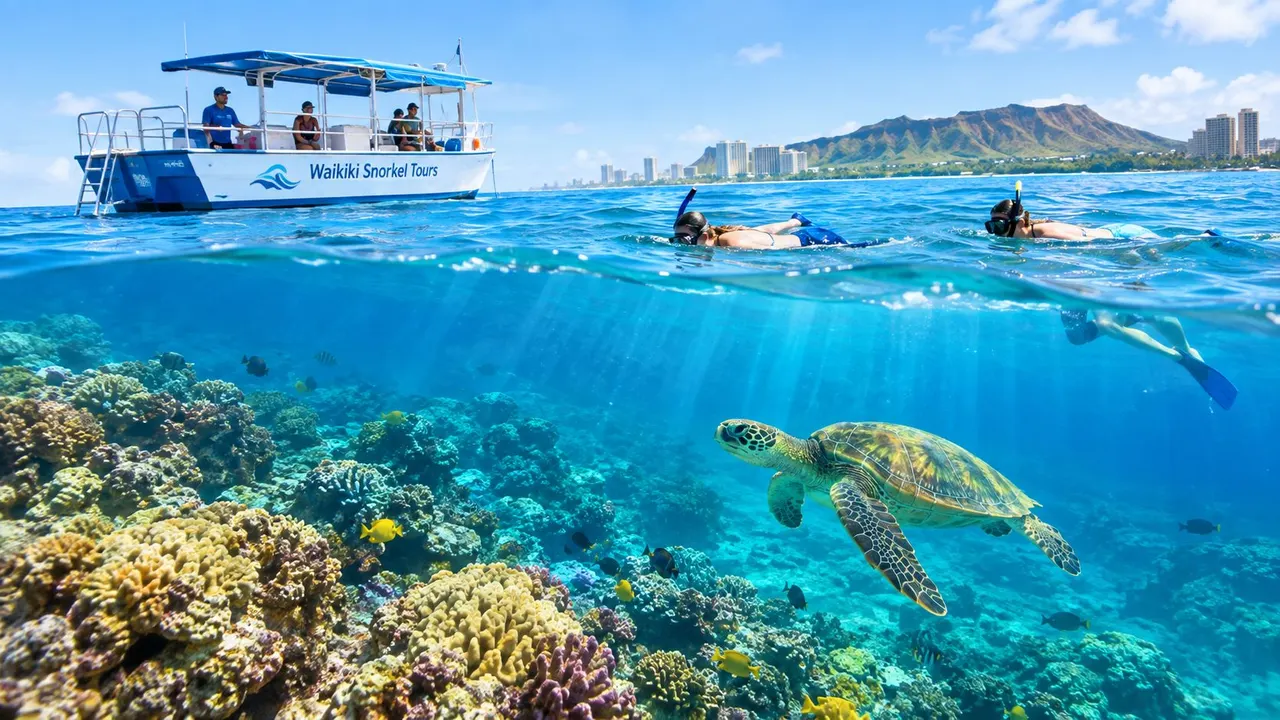
A boat reaches reefs that aren't sensible or safe to approach from Waikiki Beach. The crew can select an entry point away from heavy shorebreak and brief guests on the conditions before anyone enters. Properly fitted masks, snorkels, fins, and flotation also matter. A leaking mask can turn a confident swimmer into a nervous one within minutes.
What the crew changes
A good guide does more than point at turtles. The crew watches how guests move through the water, identifies the cleaner side of the reef, and adjusts the group when visibility or current changes. Guides also know where animals tend to rest, surface, or pass through, which saves visitors from swimming blindly over empty reef.
Safety begins before the swim. Expect a captain-led briefing, guidance on currents and boat entry, and supervision in the water. Lifeguard-trained guides can help less confident swimmers pace themselves instead of exhausting themselves by trying to keep up.
Why wildlife reliability matters
Turtle Canyon is known for repeated turtle use, which is why it supports a dedicated boat-snorkel market. One local guide reports turtle-sighting success rates of 95% to 99% for tours visiting the site (Turtle Canyon sighting information). Another company guide gives an approximate 95% turtle-sighting rate for its Turtle Canyons trips (turtle-sighting success information).
That doesn't turn wildlife into a guarantee, and responsible crews never chase animals to manufacture a close encounter. It does mean the trip is built around a reef where turtles regularly gather, rather than hoping a random shore swim produces one.
For most visitors, the practical value is real-time judgment. A beach towel can't tell you which side of a reef has cleaner water that morning. A trained crew can. See the range of guided Oahu snorkeling tours before deciding whether a rental mask and shore entry will suit your group.
Top Waikiki Snorkel Tours and Cruises Compared
Choose by intent, not by the cheapest ticket. A turtle-focused morning, a longer family outing, and a sunset cruise are completely different ways to spend time on the water.
The Turtle Canyons Snorkel Excursion is the focused choice. It takes guests to the offshore cleaning station for a dedicated wildlife swim, with gear, instruction, flotation, and crew support included. Pick it when your main goal is seeing Hawaiian green sea turtles and you don't need a full-day itinerary. First-time snorkelers often benefit from the clear purpose and structured format.
The Deluxe Waikiki Snorkeling and Wildlife Cruise suits a mixed-age family better. It adds a more spacious cruise experience, another opportunity to explore, and family-friendly water activities such as a waterslide, water trampoline, and lily pad. It's the more relaxed selection when some relatives want wildlife, others want playtime, and nobody wants to rush.
The Waikiki Sunset Cruise is for guests who want the coastline rather than a long swim. Couples, non-swimmers, grandparents, and anyone who prefers scenery can enjoy the changing light around Diamond Head, with drinks and a social boat atmosphere. It isn't a substitute for a turtle snorkel. It's the right answer when swimming is optional.
| Living Ocean Tours Waikiki Snorkel Experiences at a Glance | Duration | Best For | Highlights | Price Tier |
|---|---|---|---|---|
| Turtle Canyons Snorkel Excursion | Morning outing | Turtle lovers and first-time snorkelers | Offshore cleaning station, gear, instruction, guided wildlife viewing | Focused |
| Deluxe Snorkeling and Wildlife Cruise | Longer outing | Families and multi-generational groups | Wildlife, additional water activities, more relaxed pace | Premium |
| Waikiki Sunset Cruise | Sunset outing | Couples and non-swimmers | Diamond Head views, golden-hour sailing, drinks | Experience-focused |
Current duration, inclusions, age guidance, and pricing can change by departure and season, so confirm those details before booking. The useful distinction is stable: Turtle Canyons prioritizes turtles, Deluxe prioritizes variety, and Sunset prioritizes scenery. Compare the current options through this Waikiki snorkeling tour guide.
Living Ocean Tours describes itself as the top rated & most reviewed snorkel company on Oahu, and its own tour information says the Deluxe Waikiki Snorkeling and Wildlife Cruise carries a five-star rating across thousands of TripAdvisor customer reviews. Those statements come from the company's published guides, so treat them as positioning information and still read current reviews before choosing.
What to Bring and Wear for a Waikiki Snorkel Day
Start with the equipment question. Guided operators generally provide the core snorkel setup and flotation, but you're responsible for arriving ready for sun, salt water, and a wet ride back to the harbor. Ask what your selected departure includes before you leave the hotel.
Pack for the person, not the postcard
Wear a comfortable swimsuit and bring a long-sleeve rash guard or UV swim shirt. Mineral sunscreen with zinc oxide or titanium dioxide is a sensible choice for exposed skin, and avoid formulas containing oxybenzone. Apply it before you reach the boat and follow the product's directions for water exposure.
Put these items in a small day bag:
- Dry clothes: You'll want a change after the swim, especially if the ride back is breezy.
- Towel: Boats and hotels may have different policies, so bring your own unless the operator confirms one is supplied.
- Waterproof phone pouch: Keep your phone protected instead of balancing it beside a wet gear bag.
- Hat and sunglasses: The boat ride can expose you to direct sun even when the beach felt comfortable.
- Water and light essentials: Keep your load small and secure everything against wind and spray.
Leave heavy jewelry in the hotel safe. Skip brand-new white swimwear if you're worried about visible marks from flotation equipment. Reef shoes are usually unnecessary on Waikiki boats, and they can encourage people to stand on coral during a shore swim. Coral is living habitat, not a walking surface.
Fix the vision problem before departure
Standard rental masks don't correct your eyesight. If you wear glasses, ask whether the operator offers prescription masks or arrange an appropriate mask before the trip. A clear view improves comfort and keeps you from lifting your head repeatedly to compensate for blurred detail.
Snorkeling Responsibly With Turtles and Marine Life
A close encounter isn't automatically a good encounter. If a turtle changes direction because you swam toward it, you're too close. The goal is to observe natural behavior, not force an underwater photograph.
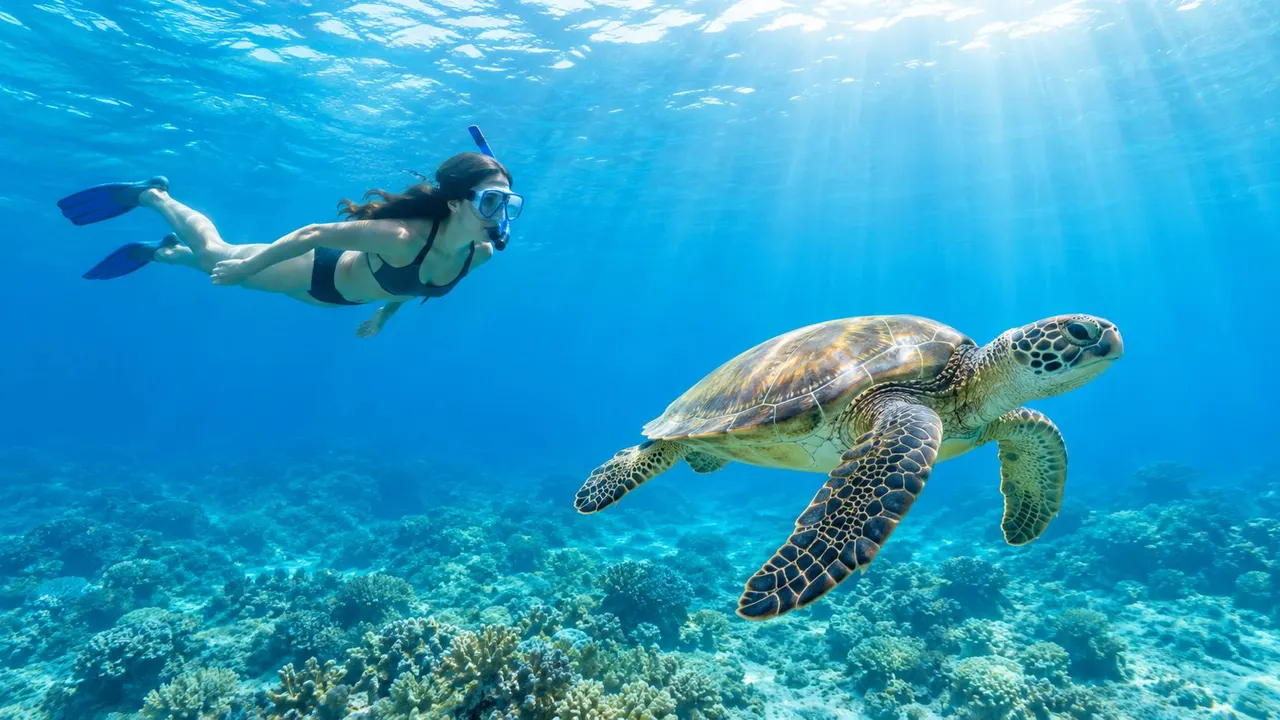
Hawaiian green sea turtles need room to surface, rest, and move through the reef. Keep at least 10 feet away, never touch, ride, corner, or chase them, and don't block their route to the surface. A guide can help the group position itself where turtles pass naturally. More background on the species and viewing etiquette is available in this Hawaiian honu guide.
Monk seals require even more distance. Keep at least 50 feet away on land and in the water, and follow crew or lifeguard directions if one appears near a beach or boat. Protected wildlife can look relaxed while still needing a quiet buffer.
Use your body carefully
Stay horizontal and move slowly when a turtle approaches. Keep your fins behind you, lift them high over coral, and avoid pushing off the reef. A startled kick can break fragile structures even when you never intend to touch them.
The same restraint applies to everything else:
- Don't feed fish: Feeding changes natural behavior and can create aggressive competition.
- Don't collect shells: Leave reef material where it belongs.
- Don't stand on coral: Find a sandy area or use flotation if you need to rest.
- Choose sensible sunscreen: Protect your skin without bringing unnecessary pollutants into the water.
- Follow the guide's spacing: The crew is watching animal behavior and group movement from a wider perspective.
Responsible viewing protects the experience future visitors hope to have. It also gives your family the better memory, a turtle gliding past on its own terms rather than a frantic chase that disturbs the animal and damages the reef.
Booking, Prices, and Common Questions Answered
Treat price as one part of the decision, not the whole decision. A low-cost shore swim may become poor value if the water is cloudy, the entry is rough, or your family spends the day searching for wildlife that never appears. A guided boat trip costs more because it includes access, equipment, instruction, crew judgment, and a planned wildlife location.
Book ahead when your travel dates are fixed, particularly during busy winter and summer travel periods. Shoulder-season visitors often have more flexibility, but don't assume a last-minute departure will match your preferred time or group size. Read the cancellation policy carefully, then check the confirmation email for the meeting location, arrival instructions, included equipment, weather terms, and contact details.
| Waikiki Snorkel Tour Options at a Glance | Price Range | Duration | Best For | Wildlife Focus |
|---|---|---|---|---|
| Shore-entry snorkeling | Low or equipment-rental cost | Flexible | Confident swimmers on a suitable morning | Opportunistic reef viewing |
| Turtle Canyons snorkel | Focused tour tier | Morning outing | First-timers and turtle lovers | Hawaiian green sea turtles |
| Deluxe wildlife cruise | Higher tour tier | Longer outing | Families and mixed-age groups | Turtles, reef fish, possible passing wildlife |
| Sunset cruise | Cruise experience tier | Sunset outing | Couples and non-swimmers | Scenery rather than dedicated wildlife viewing |
Do children need to swim? Ask the operator about the minimum age, flotation, supervision, and whether a child can remain aboard while others snorkel. Policies differ by vessel and departure.
Can non-swimmers participate? Often, yes, if the boat provides flotation and the guest follows crew instructions. Confirm before booking, especially for children or older adults.
What about motion sickness? Choose a calm-weather departure, eat lightly, hydrate, and ask a medical professional or pharmacist about appropriate options before the trip.
What happens if surf cancels the trip? Reputable operators explain their weather policy and rescheduling or refund process in the booking terms. Read that policy before paying.
Can you bring a GoPro? Usually, personal cameras are possible, but secure the camera, use a floating strap, and never swim toward wildlife for footage.
How does Turtle Canyons differ from Hanauma Bay? Turtle Canyons is an offshore boat-access reef near Waikiki, while Hanauma Bay is a separate land-based destination that requires more planning and travel. Choose based on whether you want a guided boat experience or a dedicated shore excursion.
For a turtle-focused morning, choose the Turtle Canyons Snorkel Excursion. If you want a strong alternative focused on the same named destination, Snorkel Turtle Canyon is another company to consider. For a scenery-first evening, compare the Waikiki Sunset Cruise with Sunset Cruise Waikiki.
Living Ocean Tours offers guided Waikiki snorkeling with equipment, instruction, flotation, and crew-led wildlife viewing at offshore reefs, plus a Deluxe cruise for families who want more time and water activities. Check the current departure details, choose the experience that matches your group, and visit Living Ocean Tours to book your place on the water.


