
Hawaiian Honu at Turtle Canyon: Culture and Snorkeling Etiquette
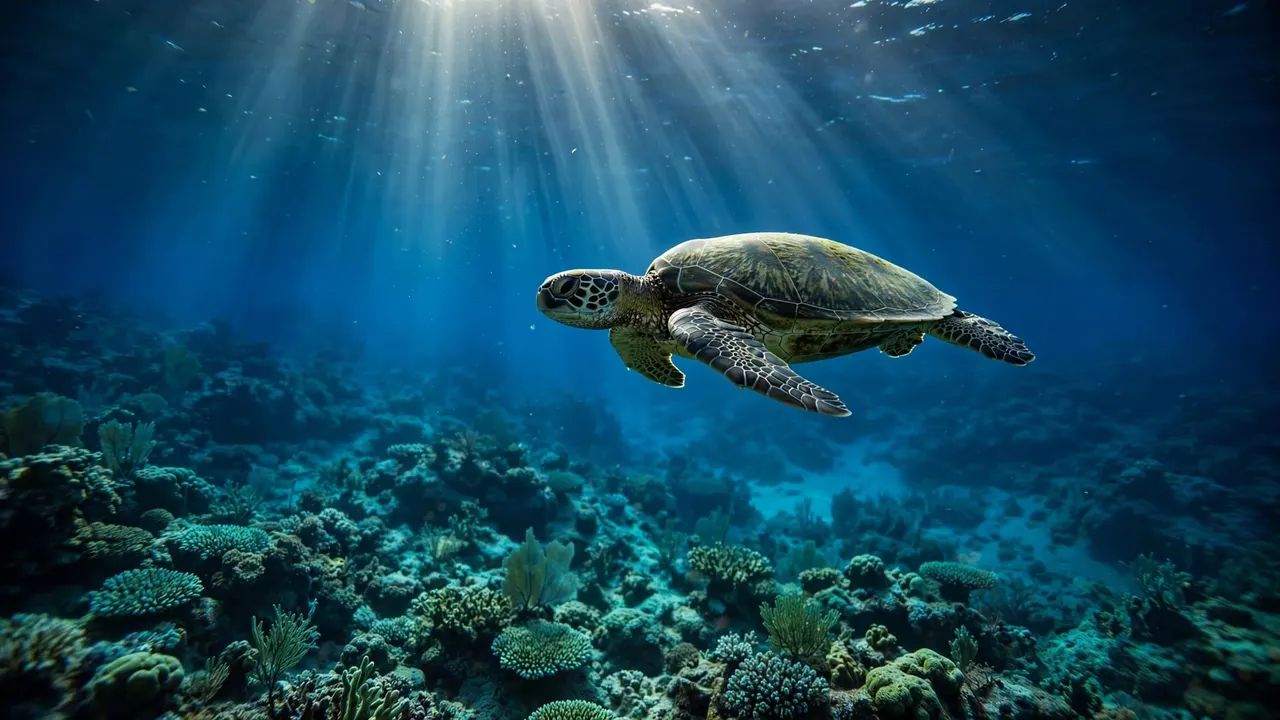
A sea turtle may glide beneath you at Turtle Canyon, pause near a reef, then disappear before you can lift your camera. That brief encounter is yours to enjoy, but the turtle’s next move should remain its own.
For Living Ocean Tours guests, seeing Hawaiian honu is about more than spotting wildlife near Waikiki. You can enjoy the moment more fully when you understand what honu mean in Hawaiian culture and how to give them space. Start with the animal behind the encounter.
Why Hawaiian honu matter in local culture
Honu is the Hawaiian word for the green sea turtle. You may see its image on art and souvenirs across Oahu, but a living turtle deserves more attention than a familiar symbol.
A family connection that isn’t universal
In some Hawaiian families, an honu may be an ‘aumakua, an ancestral guardian tied to that family’s genealogy. Those relationships are personal. You shouldn’t assume every Hawaiian family shares the same connection or describe every turtle as someone’s guardian.
If you hear a local guide speak about honu, listen to the meaning they give it rather than filling in a story from a gift-shop display. Cultural respect begins with recognizing that Hawaiian traditions belong to people and families, not to a single tourist explanation.
The turtle you meet is a wild animal
The U.S. Fish and Wildlife Service’s honu profile describes an animal whose life extends far beyond a Waikiki reef. Hawaiian green sea turtles move between feeding areas and nesting beaches across long distances.
That wider life matters when you see Hawaiian honu at Turtle Canyon. A turtle may be feeding, resting, or passing through. You don’t need to assign a meaning to its behavior to appreciate it. Letting it carry on undisturbed is a practical way to show respect.
What you can expect at Turtle Canyon
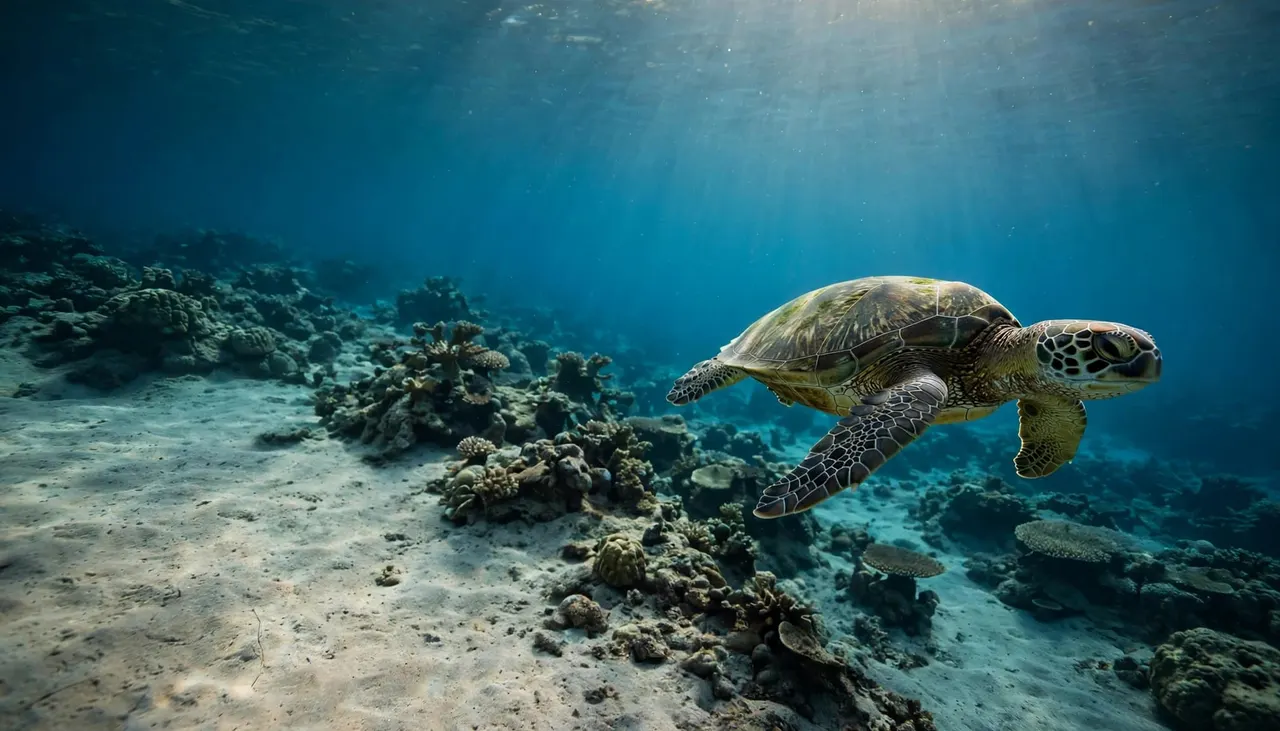
Turtle Canyon is an offshore reef along Oahu’s south shore, near Waikiki. You reach the snorkeling area by boat rather than swimming out from the beach. That makes a guided outing appealing if you’d rather avoid finding a shore entry and assessing an unfamiliar route.
Why turtles visit the reef
Turtle Canyon is known for cleaning activity. Small reef fish may gather around a turtle and pick at material on its shell or skin. You might also see a turtle travel across the reef or rise to breathe.
A cleaning station isn’t an aquarium. Hawaiian honu can return to a familiar reef while still choosing where to go and when to leave. Even when several turtles use the same area, each follows its own routine.
What a sighting rate can tell you
Living Ocean Tours reports a 95% turtle-sighting rate for its Turtle Canyons outings. That’s useful when you’re choosing a wildlife-focused trip, but it isn’t a promise for your departure. Wind, visibility, ocean conditions, and turtle behavior can all change what you see.
Watch the whole reef while you snorkel. Fish, coral, and open blue water are part of the experience, even when no turtle swims into view. Keeping your attention broad also helps you notice where the reef rises and where other swimmers are positioned.
How to watch honu without changing their behavior
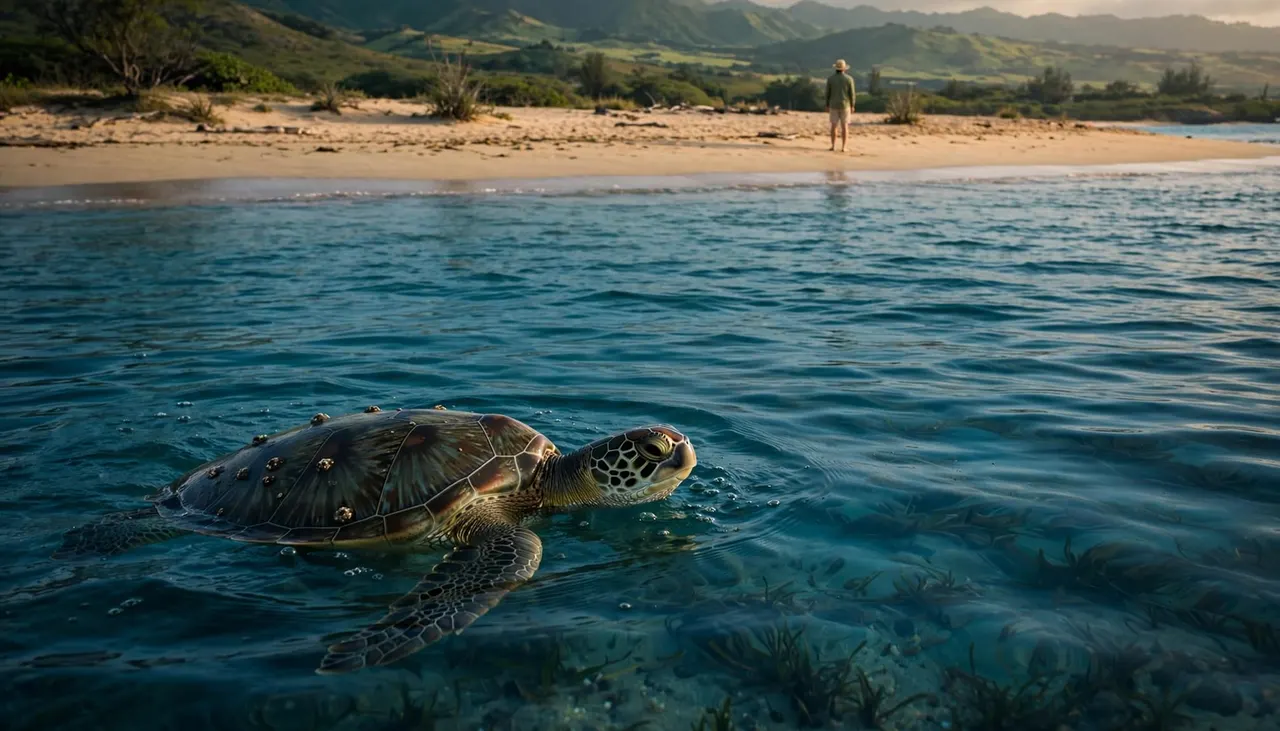
The best view of a turtle is one you can enjoy without making it change course. Before you enter the water, know where to position yourself and what to do if one comes closer.
Give each turtle room to surface
NOAA recommends a viewing distance of at least 10 feet (3 meters) from sea turtles, both on land and in the water. Its guidance on keeping Hawaii’s honu safe explains why tourism and close contact need careful management. The distance is viewing guidance, not a rule that makes closer interaction acceptable whenever a turtle approaches you.
Don’t swim directly above a turtle or settle between it and open water. It must be able to surface for air. If it heads your way, stay calm, stop moving toward it, and leave a clear path. A photo isn’t worth blocking that route.
Mind the reef beneath your fins
When several snorkelers spot the same Hawaiian honu, an accidental crowd can form. Spread out instead of gathering around it. Never touch, chase, feed, ride, or surround a turtle.
Keep your fins off coral, too. If you need to adjust your mask or catch your breath, use flotation support and ask your guide for help rather than standing on the reef. Slow kicks make it easier to control your position, protect the habitat, and avoid stirring up sand that clouds everyone’s view.
Make the ocean conditions part of your plan
Turtle Canyon can suit a first-time snorkeler, but your comfort and the day’s conditions matter more than any itinerary. A guided boat trip removes a difficult shore entry; it doesn’t remove wind, swell, or the need to be honest about your swimming ability.
Tell your guide what you need
Before you get in, say if you’re new to snorkeling, helping a child with gear, or uneasy in open water. Ask for help with your mask, breathing, and flotation while you’re still near the boat. Once in the water, stay within the area your guide sets and speak up early if you feel tired or anxious.
You can enjoy the boat ride without snorkeling if the water doesn’t feel right. That choice leaves you free to try again on a better day instead of pushing through discomfort.
Let the crew assess the water
South-shore swells and changing wind can affect both the ride and the reef. Listen to the captain and guides if they change the plan or decide conditions aren’t suitable. Clear water in a photo tells you nothing about the water you’ll encounter on your own departure.
For a child or nervous swimmer, practice breathing through a snorkel at the surface before looking for wildlife. Once you feel settled, you can spend your reef time observing instead of fighting your gear.
Visit Turtle Canyon with Living Ocean Tours
Living Ocean Tours departs from Kewalo Basin Boat Harbor, minutes from Waikiki. Its Coast Guard-inspected double-decker boats have shaded seating, onboard restrooms, dry storage, and ladders for water entry. The company says it’s the only Oahu tour operator with professional snorkel guides in the water with guests.
That support is helpful when you want to watch Hawaiian honu while managing a mask, fins, and your distance from coral. You can ask questions before entering and get guidance while you snorkel. You can also browse the company’s Honolulu ocean tour options if your group has different comfort levels.
For the full range of departures, you can check what fits your day:
Choose the turtle-focused excursion
The Turtle Canyons Snorkel Excursion takes you to the offshore reef with gear, instruction, and in-water guidance. It’s the clearest fit when seeing turtles in their habitat is your main reason for getting on the boat.
Before choosing a date, CHECK AVAILABILITY for the turtle-focused departure. Once aboard, let the crew know if you’d like extra help before you enter the water.
Know when to watch, and when to call for help
A resting turtle may look still for a long time. You don’t need to move closer to check on it. Watch from a distance and let your guide know if something concerns you.
Visible fishing line, a fresh wound, or clear trouble swimming deserves attention from trained responders. Don’t touch the turtle, pull at line, move it, or attempt treatment. Tell your guide or a lifeguard what you saw and where. If you need to report it directly, NOAA’s Hawaii Marine Wildlife Hotline is (888) 256-9840.
You can also appreciate honu without entering the water. If you spot one from shore, keep your distance and leave its route between the beach and ocean open. NOAA’s Honu Count guidance recommends using binoculars or a camera’s zoom rather than moving closer.
Key takeaways for your reef visit
- Hawaiian honu are wild green sea turtles, and their cultural significance shouldn’t be reduced to one story shared by every family.
- Turtle Canyon is an offshore reef where turtles may visit a cleaning area, but no sighting is guaranteed.
- Give turtles at least 10 feet of space, keep their route to the surface clear, and never touch wildlife or coral.
- Choose a guided visit when you want gear and in-water support, then let ocean conditions guide your decision to snorkel.
Frequently asked questions
Can beginners snorkel at Turtle Canyon?
Yes, when conditions are suitable and you’re comfortable following a guide’s instructions. Ask for help fitting your gear and use flotation support if it helps you relax. Tell the crew about your swimming ability before you enter.
Will you definitely see a turtle?
No. Living Ocean Tours reports a high sighting rate on its Turtle Canyons excursion, but Hawaiian honu are free to come and go. You’ll still have a reef visit and a boat trip along the Waikiki coast.
What if a turtle swims straight toward you?
Stop approaching and give it a clear path. Avoid reaching for it or following it once it passes. Your guide can help the group spread out if several snorkelers are watching the same turtle.
Leave the encounter on the turtle’s terms
That passing turtle at Turtle Canyon doesn’t need to pause for a closer photo. Space is the gift you can give it while you enjoy a view of its everyday reef life.
Come ready to listen to your guide, watch the conditions, and float gently above the coral. The encounter stays memorable when the honu remains free to swim away.


