
Turtle Canyon Snorkeling: The Ultimate Oahu Guide
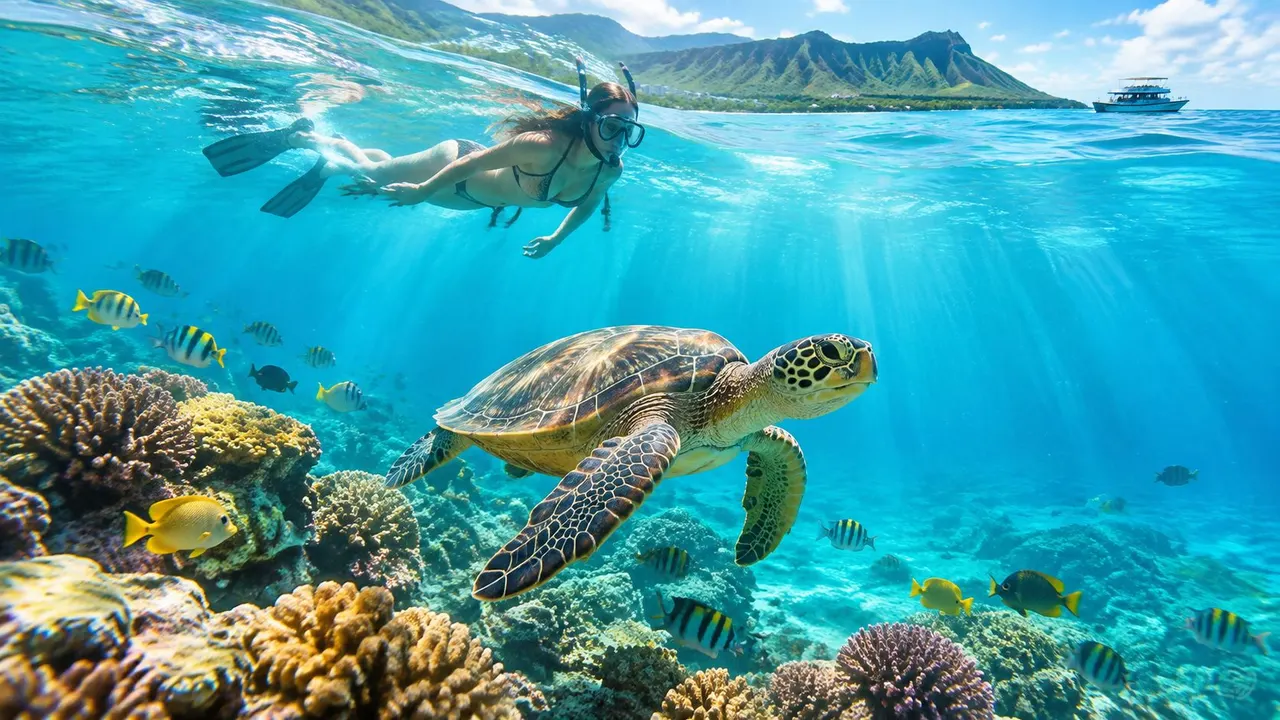
You're likely looking at a Waikiki map, comparing beach entries, boat tours, and photos of green sea turtles while wondering which experience will feel safe and worthwhile. Turtle Canyon snorkeling is different from a casual beach swim. You'll leave the shore by boat, float above an offshore reef, and watch Hawaiian green sea turtles use a natural cleaning station in their own habitat.
The memorable encounter isn't the one where a turtle is forced close to your camera. It's the one where the animal keeps moving naturally because the group stays calm, horizontal, and well managed. This guide covers how Turtle Canyon works, what the reef is doing for the turtles, how to choose a boat tour, and how to snorkel without disturbing the wildlife.
Welcome to Oahu's Famous Offshore Reef
A Waikiki departure changes the experience before you enter the water. As the shoreline fades, the boat crosses open ocean toward a reef that functions as wildlife habitat rather than a beach attraction. Once the crew positions the boat over Turtle Canyon, reef fish may move among coral heads below, followed by a Hawaiian green sea turtle gliding through the clear water.
Turtle Canyon is an offshore reef shelf about 2.5 miles from Waikiki on Oahu's south shore, according to this independent Turtle Canyon snorkeling guide. Because the reef sits offshore, every visit starts at a harbor rather than the sand. Boat access also lets the crew choose a suitable position and manage the group around the reef.
What the outing feels like
Typical excursions last 2 to 3 hours, with roughly 45 to 60 minutes in the water. The remaining time covers the boat ride, safety briefing, gear adjustments, and a gradual entry, giving guests time to settle before observing the reef.
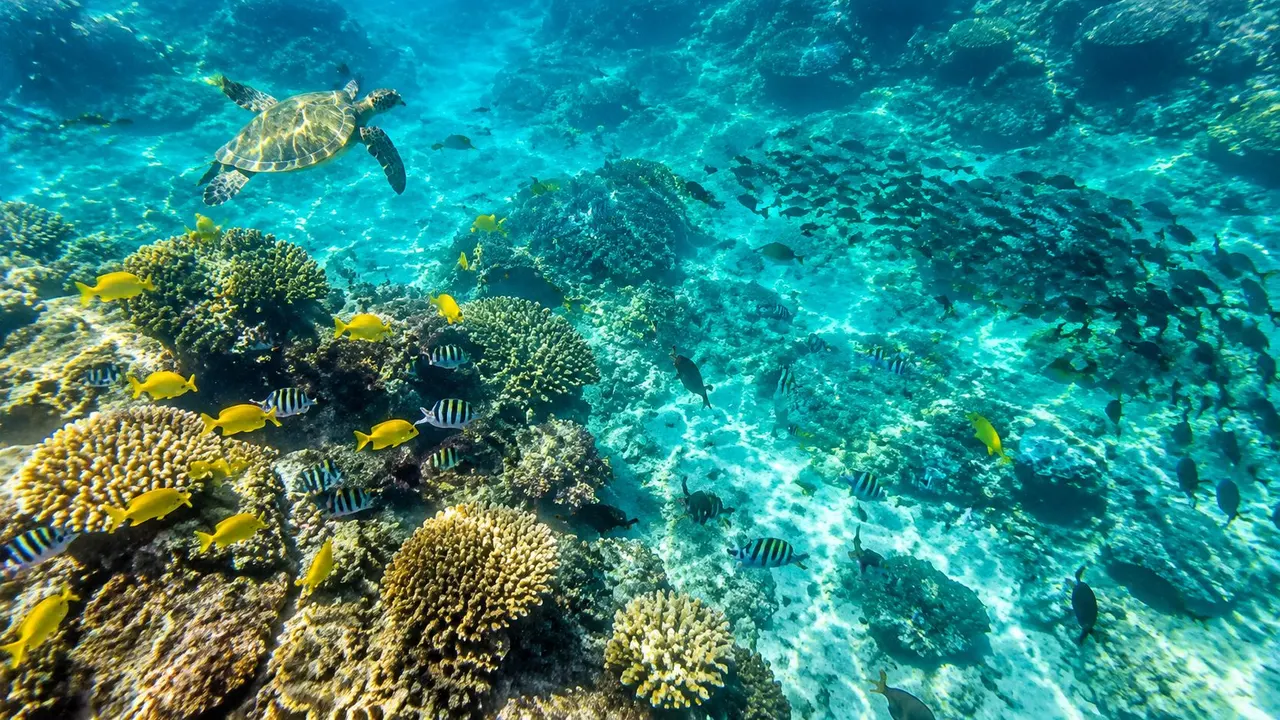
The snorkeling area is a hard-reef environment shaped by ledges, crevices, and coral heads. It does not offer a broad, shore-parallel area for unrestricted wandering. Captains and guides must account for current conditions, place the boat over suitable structure, and keep swimmers together. That control reduces contact with the reef and creates calmer opportunities to observe turtles using their cleaning station.
Practical expectation: Turtle Canyon is a boat-access wildlife site, not a guaranteed underwater photo set. Conditions and turtle activity can vary, even when the location is well known.
Hawaiian green sea turtles, or honu, use the reef because small fish clean algae and parasites from their shells and skin. That behavior gives the site its ecological value and explains why encounters can last longer when visitors remain quiet, horizontal, and at a respectful distance. This guide to turtles in Oahu offers useful background on seeing these animals in the wild before your trip.
Understanding the Turtle Cleaning Station
Turtle Canyon isn't just a place where turtles happen to pass. Its defining feature is a natural turtle cleaning station, where cleaner fish remove algae and parasites from the turtles' shells and skin. The interaction is beneficial to both sides. The fish gain food, while the turtles receive maintenance that supports their health.
The reef's ledges, crevices, and coral heads create the structure this behavior needs. Cleaner wrasses and other reef fish work around the habitat, and turtles slow down, hover, or rest near the reef while the cleaning takes place. You're watching a living relationship, not a performance arranged for visitors.
Read the turtle's behavior
A turtle that's cleaning may appear unusually relaxed. It can hold position near a coral head, drift slowly, or pause while small fish move over its body. Those pauses are exactly why sudden movements create a problem. A swimmer who dives directly toward the turtle or kicks hard to overtake it may interrupt the cleaning pattern.
The best viewing position is usually horizontal at the surface. Keep your body in line, use slow fin movements, and look down rather than trying to descend. You'll see more when you stop fighting the water.
A guided Turtle Canyon snorkel resource can help first-time visitors understand how guides use reef position and group control to support better viewing. The guide's job isn't only to point out turtles. It's also to help guests interpret what the animals are doing.
Why calm viewing works better
Chasing a turtle often produces the opposite of the desired result. The turtle may leave the station, change direction, or surface away from the group. Calm floating gives the animal room to continue its routine, which can create a longer and more interesting encounter.
That approach also protects the reef. Kicking downward, standing on a ledge, or grabbing coral can damage sensitive habitat and stir sediment into the water. Once visibility drops, everyone loses, including the wildlife.
The useful shift: Don't measure success by how close the turtle comes. Measure it by whether the turtle continues behaving normally while you watch.
An experienced guide adds real value here. The crew can identify the station, explain the cleaning behavior, space swimmers across the viewing area, and intervene before excitement turns into crowding. Visitors who understand the ecology usually become quieter observers, and quiet observers get a better view.
Choosing the Right Guided Boat Tour
Turtle Canyon sits offshore, so reaching the reef requires a boat tour. The useful comparison is between a crew that manages wildlife viewing carefully and one that treats the reef as a quick stop for close-up photos. A well-run trip can produce longer encounters because turtles remain undisturbed at their cleaning station.
Check the practical details before booking. Confirm the departure point, supplied equipment, flotation arrangements, and the level of in-water supervision. A short briefing helps, but beginners and nervous swimmers need crew members who stay attentive after everyone enters the water.
What to assess before booking
Choose an operator that explains its wildlife-viewing expectations clearly. Guides should cover distance, no-touch rules, reef protection, and what to do if a turtle approaches. They should also adjust the plan when visibility, current, or surface conditions change.
Useful questions include:
- Where does the boat depart? Kewalo Basin Boat Harbor is a common departure point for Waikiki-area excursions.
- What equipment is supplied? Ask about masks, fins, flotation, and whether instruction is included.
- How is the group supervised? Surface monitoring matters more than placing guests in the water.
- How does the crew handle wildlife? The operator should protect natural behavior rather than create forced proximity.
- What happens if conditions shift? A capable crew makes decisions based on the actual ocean that morning.
Living Ocean Tours runs a well-reviewed Turtle Canyons Snorkel Excursion from Kewalo Basin Boat Harbor. Its Waikiki snorkeling tours include access to offshore reef habitat, gear, instruction, and guide support. That structure suits visitors who want help reading turtle behavior while keeping the group's impact low.
Operators such as Snorkel Turtle Canyon also run Turtle Canyon trips. Compare departure logistics, included equipment, group-management policies, and how each crew handles responsible turtle viewing.
The right tour will not promise contact or a staged encounter. It will explain the site's conditions, respect the cleaning station, and give the crew enough control to protect guests, turtles, and the reef.
Responsible Wildlife Viewing and Ocean Etiquette
Many visitors assume the best turtle photograph requires getting closer. At Turtle Canyon, that instinct can ruin the encounter. A turtle may be using the reef to clean itself, and a swimmer who chases, surrounds, or blocks its path can interrupt behavior that the animal needs.
Keep at least 10 feet from sea turtles, following independent local guidance on Hawaii turtle snorkeling rules. That distance is a starting point, not permission to move closer if the turtle seems relaxed. Leave a clear route for swimming and breathing, and let the animal decide whether it remains nearby.
The rules that matter in the water
- Stay horizontal: Float at the surface instead of diving repeatedly over the turtle.
- Move slowly: Gentle fin strokes create less disturbance and help you maintain control.
- Never chase: If the turtle moves away, let it go.
- Don't form a photo circle: Multiple swimmers approaching from different directions can trap the animal.
- Avoid contact: Don't touch, feed, ride, or block a turtle, even if it swims near you.
- Protect the reef: Keep fins away from coral and never stand on reef structure.
A turtle surfacing needs space as much as a turtle resting. Don't position yourself directly above it or between it and open water. If the animal changes direction because of your position, stop advancing and give it room.
A better photo usually comes from patience, not pursuit.
These rules protect more than a single encounter. NOAA describes Hawaiian green turtles as a conservation success story after severe depletion in the early 1970s. The nesting population grew by about 5% per year over the last two decades, increasing from 67 nesting females in 1973 to nearly 500 nesting females annually today; NOAA also estimates roughly 4,000 breeding females in the broader Hawaiian green turtle population. Those figures are documented in NOAA's Hawaiian green sea turtle conservation brochure.
Recovery doesn't make disturbance harmless. It makes responsible viewing more important because more people now seek encounters in the same nearshore ecosystem. A guide-managed group can reduce crowding, but each swimmer still controls the quality of the interaction.
Tips for Families and Beginner Snorkelers
Turtle Canyon can suit beginners, but suitability depends on how the trip handles flotation, supervision, and changing ocean conditions. Nobody should feel pressured to swim far from the boat or match the strongest swimmer in the group.
Use the equipment that makes floating easy. A snorkel vest or noodle lets a hesitant swimmer stay buoyant without exhausting themselves, and it encourages the calm, horizontal posture that works well for turtle viewing. Beginners often struggle less with breathing once they stop trying to tread water.
Make the first few minutes easy
Fit the mask before entering. A small leak can feel like a major emergency to someone new to snorkeling, while a quick adjustment on deck may solve it immediately. Practice breathing through the snorkel, listen to the entry instructions, and stay near the guide or boat ladder until your breathing settles.
Families should also agree on a simple regrouping plan. Children need to know where the supervising adult will be, and adults should avoid splitting attention between a turtle and a nervous swimmer. The guide can help, but parents remain responsible for keeping track of their own children.
A beginner doesn't need to dive to enjoy Turtle Canyon. The reef and turtles can be viewed from the surface, and trying to descend often makes an inexperienced swimmer tired or anxious. Watching calmly from near the boat is still a valid way to participate.
Match the trip to the whole family
Some families want a focused wildlife outing. Others need variety to keep different ages engaged. The Deluxe Waikiki Snorkel and Wildlife Cruise adds features such as a waterslide, water trampoline, and lily pad, giving families another option when some guests want reef viewing while others prefer more active water time.
Older guests may value shaded seating, easy ladders, and the ability to take breaks more than extra time in the water. Ask about boarding, rest areas, and how the crew supports guests who choose to remain on the boat for part of the outing.
The experience works best when everyone accepts that ocean conditions can shape the day. A calm, well-supervised float is more valuable than forcing a longer swim, and a respectful turtle sighting is better than a close encounter that leaves the animal trying to escape.
Packing Essentials and Booking Logistics
Pack for a boat day, not a beach stroll. Wear swimwear under your clothes, bring a towel, and use reef-conscious sun protection. Hats and sunglasses can blow away during the ride, so secure them when the boat gets underway.
Most guided operators provide the core snorkeling equipment and instruction, but confirm the details before departure. This Turtle Canyon snorkel gear guide can help you decide what to bring personally, especially if you already own a mask that fits well.
A simple preparation checklist
- Bring a towel: You'll want it after leaving the water.
- Pack water: Hydration helps during a saltwater outing.
- Wear secure swimwear: Choose something comfortable for boarding and swimming.
- Protect exposed skin: Use reef-conscious sunscreen and consider a rash guard.
- Secure loose items: Hats, sunglasses, and small belongings need extra attention on the boat.
- Plan for motion: If you're sensitive to boat movement, bring any personal medication you normally use.
Morning conditions are often preferred for clearer, calmer snorkeling and easier beginner comfort, although the ocean can change on any departure. Reserve the outing that fits your schedule, then confirm the meeting location, check-in timing, included gear, and cancellation policy directly with the operator.
Book ahead if Turtle Canyon is a priority for your Oahu plans. That gives you more choice in departure times and leaves room to adjust other activities around the boat trip instead of trying to fit a popular excursion into whatever space remains.
Living Ocean Tours offers a guided Turtle Canyons Snorkel Excursion from Kewalo Basin with equipment, instruction, and knowledgeable crew support for responsible wildlife viewing. Visit Living Ocean Tours to review the excursion details and plan a calmer, more respectful turtle snorkeling experience on Oahu.


