
Oahu Snorkeling Tours: Compare Guide-to-Guest Ratios
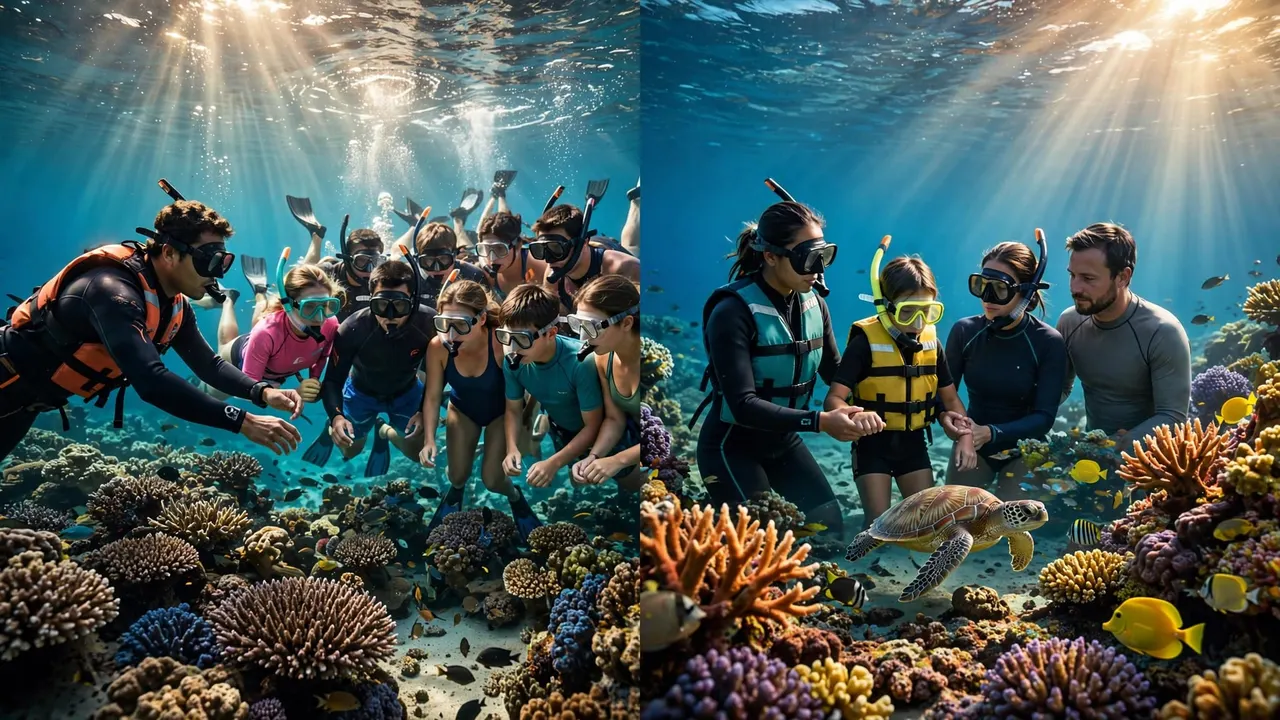
A beautiful reef can feel stressful if you need help and can’t find a guide. When you compare Oahu snorkeling tours, the guide-to-guest ratio tells you more about your likely support in the water than a polished boat photo ever could.
Living Ocean Tours operates from Kewalo Basin Boat Harbor, minutes from Waikiki, with professional snorkel guides who support guests before and during their time in the ocean. That attention matters whether you’re snorkeling for the first time, traveling with children, or hoping to watch turtles without crowding them.
Use the ratio as a starting point, then ask how each operator actually staffs the boat and water.
Why the guide-to-guest ratio matters on Oahu snorkeling tours
A guide-to-guest ratio compares the number of trained guides with the number of guests. However, the number only helps if you know when those guides are available and what they do.
A boat can have several crew members, yet only one person may be assigned to help swimmers in the water. Ask about the people who provide hands-on snorkel guidance, not only the total crew count.
More help before you enter the water
A strong guide presence begins before the swim. You should have time to test your mask seal, adjust fins, learn how to clear a snorkel, and understand the entry plan.
For beginners, those few minutes can prevent a leaking mask from becoming a frustrating first swim. Families also benefit when someone can explain flotation options and help each person enter at a comfortable pace.
Better group awareness around wildlife
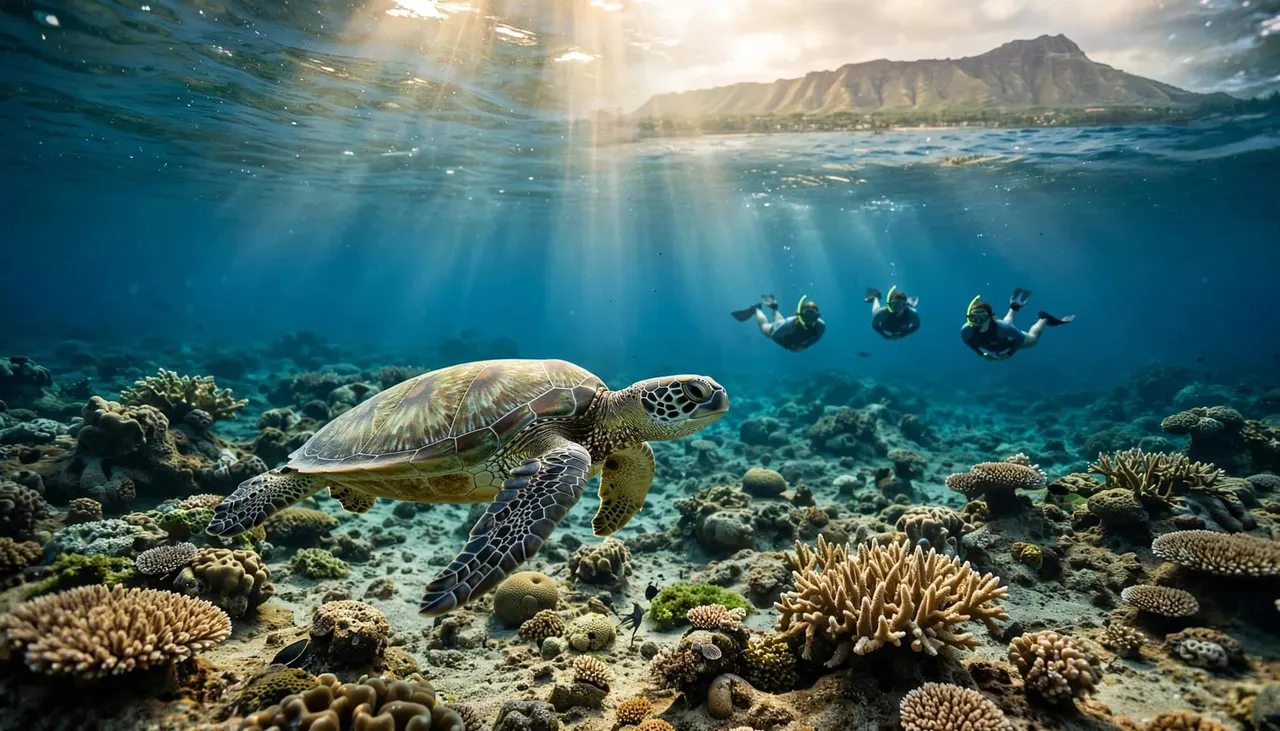
Guides can help the group spread out rather than converge on the same turtle. That creates a calmer experience for you and leaves wildlife space to surface, feed, or move away.
NOAA’s marine-wildlife viewing guidance for Hawai’i says you should never touch, chase, or feed sea turtles. A guide who actively manages positioning helps turn that rule into a practical habit.
A favorable ratio only counts when guides are visible, available, and focused on guests in the water.
How to calculate the ratio you are actually getting
Marketing phrases such as “small group” don’t give you enough information. Before booking Oahu snorkeling tours, ask for the expected guest count on your departure and the number of professional snorkel guides assigned to the water.
Count guests, not reservations
A family booking may include four individual guests. Similarly, a couple counts as two people who may need gear checks, entry support, and in-water direction.
Ask, “What is the maximum number of guests on this trip?” Then ask, “How many guides will be in the water with us?” Those answers give you the actual comparison.
Separate boat crew from in-water guides
A captain has an essential role, but the captain isn’t usually swimming beside you. Deckhands may handle gear, lines, ladders, and boat operations while a guide watches the reef group.
Each role adds value. Still, you want to know who will help if your mask fogs, you feel tired, or your child needs reassurance.
Ask when staffing changes
Weather, sea state, and the number of bookings can affect staffing. Confirm whether the guide count changes with passenger volume and whether the ratio applies during the actual snorkeling portion.
Use this quick comparison when speaking with an operator:
| Question | What a clear answer sounds like |
|---|---|
| How many guests can join? | A stated maximum passenger count |
| How many guides enter the water? | A specific guide number for your departure |
| Who helps with gear and ladders? | Defined crew roles before and after the swim |
| What happens if conditions change? | A clear safety and comfort plan |
The strongest operators answer these questions directly instead of relying on broad promises.
Look for support you can see on board and in the water
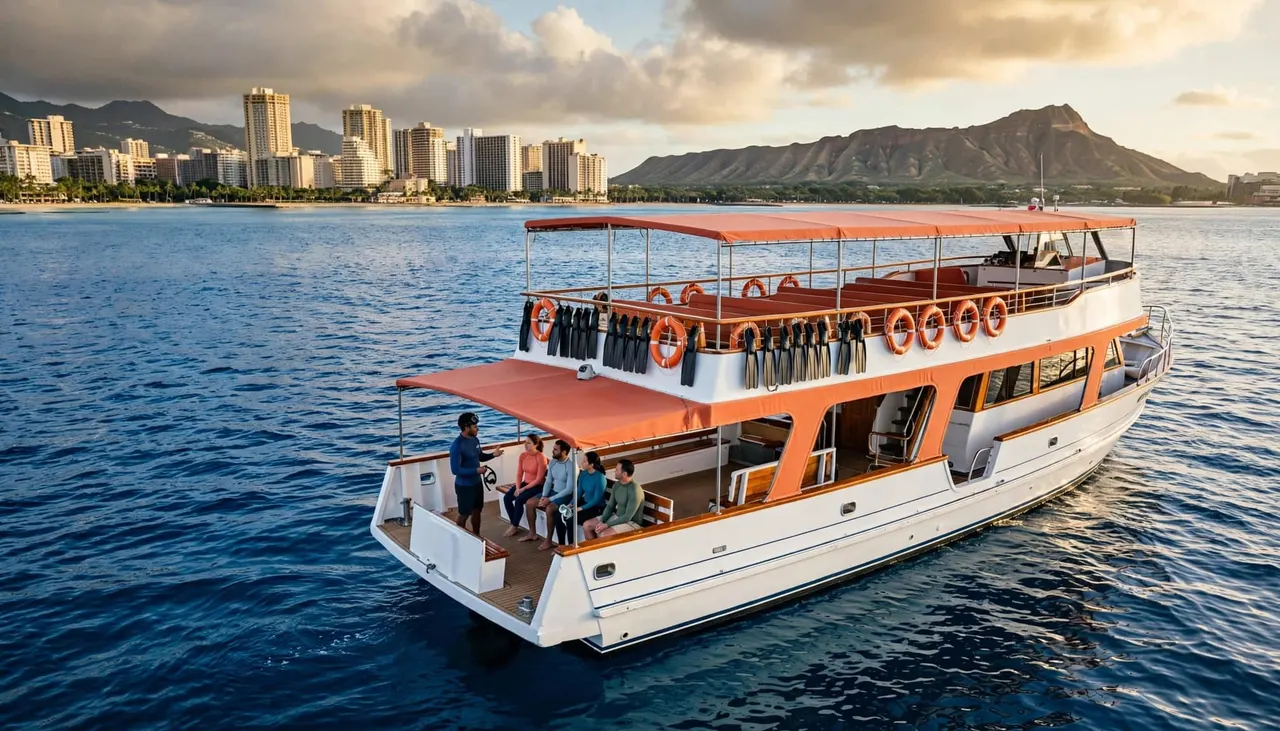
A printed ratio doesn’t tell the whole story. You can often judge the quality of guest support by watching how the crew handles the briefing, equipment, and swim transition.
Clear instruction is part of the service
Before departure, you should hear where you’ll snorkel, how to enter and exit, where to wait, and what signal means it is time to return. You should also feel comfortable telling the crew if you are nervous, prone to motion sickness, or not a confident swimmer.
Good guidance isn’t rushed. It gives you room to ask about breathing, flotation, currents, or staying close to your partner.
Accessible exits matter when energy drops
The swim back to the boat often feels harder than the first entry. A staffed ladder and an attentive deckhand can make a real difference when you are tired or managing equipment.
Look for shaded seating, dry storage, onboard restrooms, and clear walkways. These comforts don’t replace a good guide-to-guest ratio, but they help the crew support you throughout the outing.
Compare Living Ocean Tours with the questions that matter
Living Ocean Tours is the only tour company with professional snorkel guides, giving you in-water support alongside gear fitting, instruction, and reef etiquette. The company offers guided Waikiki sea turtle snorkeling that brings you by boat to offshore reef habitat rather than asking you to manage a shore entry alone.
Its crew can help you check your mask and fins, use flotation support, and return to the vessel when you need a break. You should still ask about the expected guest count for your date, because that is the best way to compare your departure with other Oahu snorkeling tours.
Turtle Canyons for focused reef time
The Turtle Canyons Snorkel Excursion visits a natural cleaning-station habitat off Waikiki. Living Ocean Tours reports a 95% turtle-sighting success rate, although ocean conditions and wildlife behavior always decide what you see.
The two-hour experience includes snorkel gear, instruction, light snacks, and beverages. Professional guides help you keep a respectful distance while you observe Hawaiian green sea turtles and reef fish.
When a turtle is your priority, CHECK AVAILABILITY for a Turtle Canyons departure.
A family cruise with more room to play
The Deluxe Waikiki Snorkeling and Wildlife Cruise combines reef time with a boat-mounted waterslide, water trampoline, and floating lily pad at a less-crowded reef. That mix can work well when some family members want to snorkel while others prefer to stay near the boat activities.
The Lokahi includes a SeaKeeper stabilization system designed to reduce boat roll. If seasickness worries you, ask the crew about conditions and where you can sit comfortably before departure.
For a longer family outing with professional snorkel guides nearby, CHECK AVAILABILITY for the Deluxe Waikiki cruise.
Put wildlife respect ahead of close-up photos
The best guide-to-guest ratio also protects the reef encounter. A guide can discourage swimmers from surrounding a turtle, kicking coral, or following an animal too closely.
Let turtles set the distance
Hawaiian green sea turtles are wild and protected. Keep your body and fins clear of coral, avoid swimming directly above an animal, and give it an open path to move.
NOAA guidance on sharing the shore and sea reminds visitors that sea turtles and other marine animals are protected by law. Your most memorable photos will come from observing natural behavior, not trying to create a close encounter.
Match the outing to the season
If you also want to see humpbacks, compare a whale-focused cruise separately from Oahu snorkeling tours. The Hawaiian Islands Humpback Whale National Marine Sanctuary says whales are generally present from November through May, with peak abundance from January through March in its boating guide.
Another sanctuary page describes the broader season as November through April, while also identifying January through March as the peak. Check current conditions and seasonal schedules before you book.
Key takeaways for choosing your tour
- Ask for the expected number of guests and the number of guides assigned to the water.
- Confirm whether the stated ratio applies during snorkeling, not only while everyone is on the boat.
- Choose an operator that provides gear checks, clear briefings, flotation support, and help at the ladder.
- Treat turtle sightings as a privilege, never a guarantee or a reason to crowd wildlife.
- Compare comfort features alongside guide coverage, especially if you are traveling with children or new to snorkeling.
Frequently asked questions
What guide-to-guest ratio should you look for?
There is no single number that fits every boat, reef, and group. You should look for a clear answer about in-water guide coverage and consider your own needs.
If you are a first-time snorkeler, traveling with young children, or nervous in open water, direct access to a professional guide matters more than a vague “small group” claim.
Are Oahu snorkeling tours suitable for beginners?
Many boat-based trips welcome beginners, but you should confirm the operator’s instruction, flotation, and in-water guidance before booking. Tell the crew honestly if you have limited swimming experience or concerns about breathing through a snorkel.
Living Ocean Tours provides gear and instruction, while its professional snorkel guides offer extra support for guests who need it.
Can you guarantee seeing a sea turtle?
No responsible operator can promise a wildlife encounter. Turtle Canyons is known for turtle activity, and Living Ocean Tours reports a 95% sighting rate, but the animals move according to their own behavior and the day’s conditions.
Choose support that lets you enjoy the reef
The right snorkeling trip gives you enough guidance to feel secure without taking the adventure away. A clear guide-to-guest ratio, attentive in-water support, and respectful wildlife practices let you focus on the blue water, reef fish, and each shared moment.
When you compare Oahu snorkeling tours, choose the operator that can explain exactly who will be there to help you once you enter the ocean.


