
Snorkeling in Honolulu Hawaii Best Spots Guide
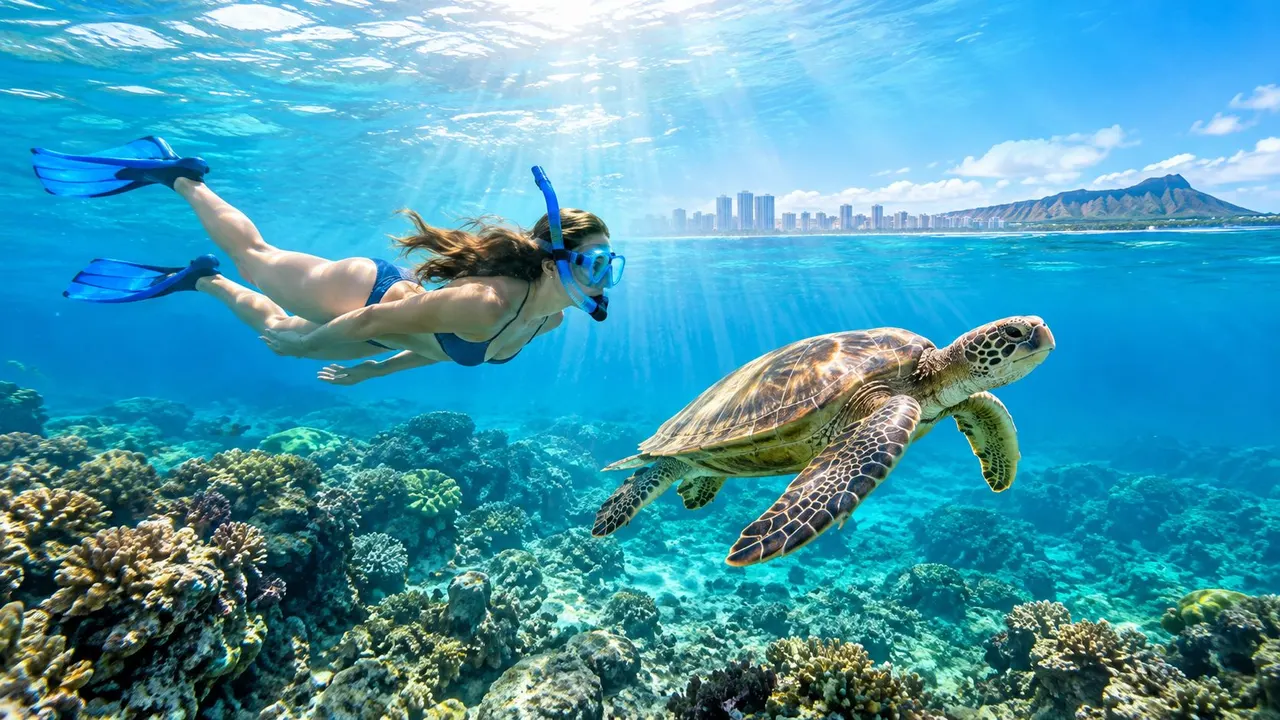
You're probably standing on Waikiki sand right now, wondering whether you should book a boat, drive to Hanauma Bay, or just wait for a calmer day. That's a smart instinct, because snorkeling in Honolulu Hawaii is rewarding, but the right choice depends on conditions, comfort in open water, and how much help your group needs once you're in the water.
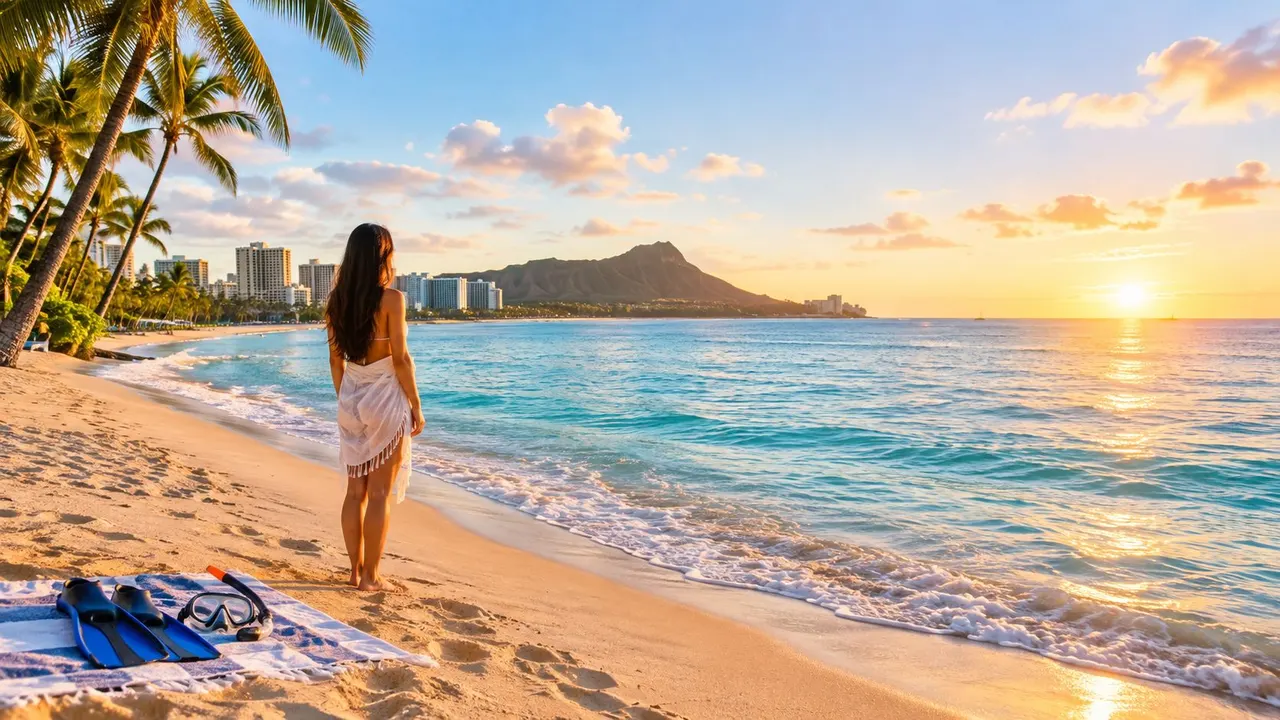
A good Honolulu snorkel day usually starts early, with calmer water, fewer people, and a lot less stress for first-timers. If you want a simple starting point, this Honolulu snorkel guide is a helpful place to compare the main options before you commit to a plan.
Welcome to Snorkeling in Honolulu and What to Expect
A family arrives at Kewalo Basin just after sunrise, still holding coffee cups and beach bags, and the crew is already loading masks, fins, and flotation. That's the mood most first-time snorkelers want, steady, calm, and organized before anyone steps off the boat. The water around Waikiki can feel surprisingly approachable when you've got a guide, a departure point close to town, and a spot picked for the day's conditions.
What people often expect is one perfect reef and one perfect answer. What Honolulu gives you is a set of choices. Some days, a shore site makes sense. Some days, a boat makes more sense because the crew can move you away from wind, chop, or a crowded entry point.
What a first-timer usually feels
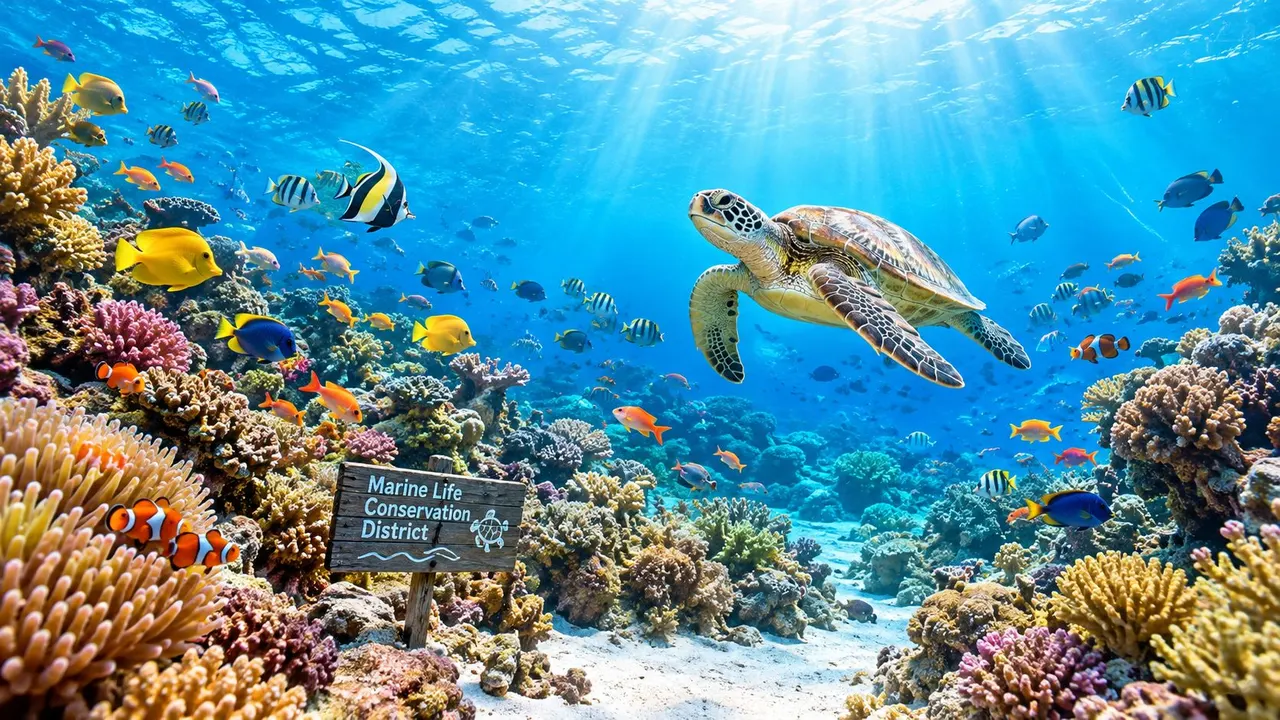
Nervous swimmers usually worry about two things, breathing and getting back on the boat or shore. That's normal. Most beginners do better once they see how much of snorkeling is floating, breathing slowly, and letting the fins do the work.
Practical rule: if the water feels too lively at the edge, it'll usually feel livelier once you're past the easy part.
The rest of the day is about matching the site to the group. A child who's comfortable in a pool, a grandparent who wants a flotation vest, and a partner who gets seasick all need slightly different setups. That's why the best Honolulu snorkel plan is the one that fits the people, not just the postcard.
Why Honolulu Reefs Are Protected and Why It Matters
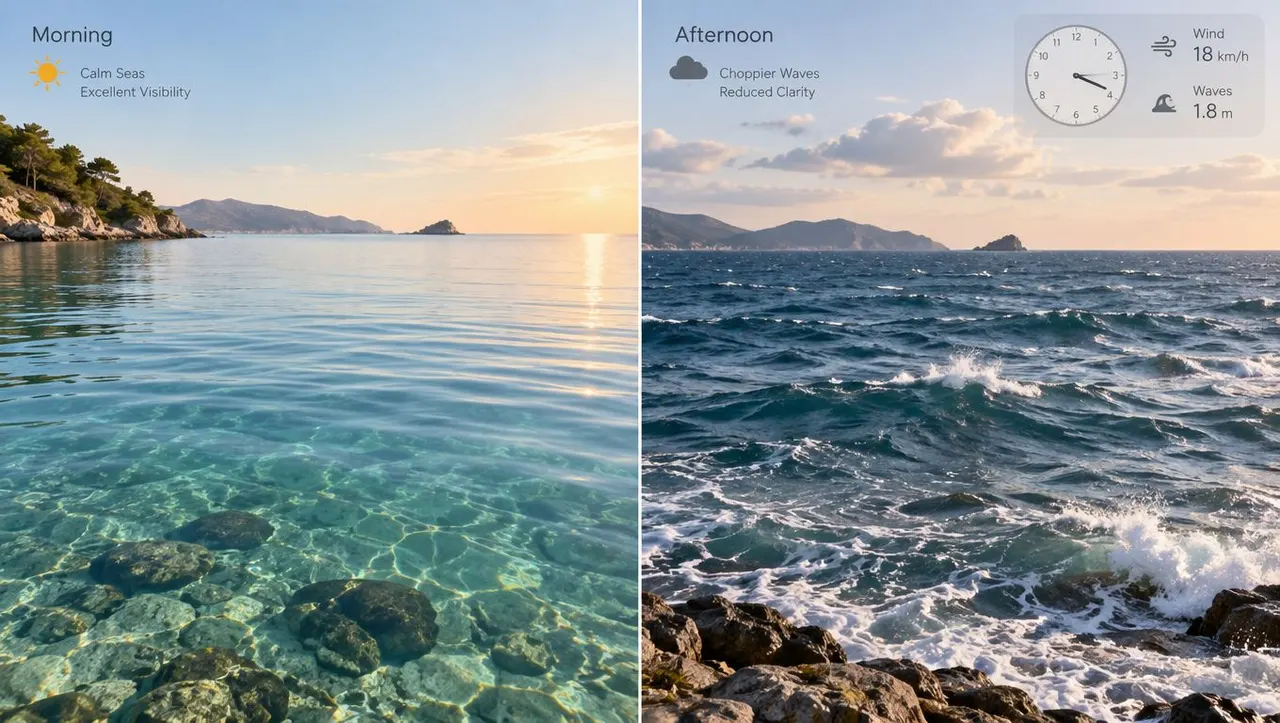
Hanauma Bay explains the point clearly. In October 1967, Hawaii designated the 100-acre bay as the state's first Marine Life Conservation District, which banned fishing and the collection of marine life. That rule set a legal boundary around a reef that was already under heavy use. Honolulu's most visited snorkel spaces were not protected by accident, they stayed open because access rules came first. The city's history page also shows that management had to tighten later, including the 1988 ban on private and commercial boats entering the bay, after visitation had grown to about 3 million visitors annually Hanauma Bay history.
Why the crowd pattern matters
The visitor mix helps explain why clear guidance matters in the water. A Hanauma Bay carrying-capacity survey found that snorkeling was the main activity for 88% of visitors. It also found that 14% had never snorkeled before, and 63% had snorkeled only 1–20 times before. Those are the kinds of groups that benefit from flotation, simple instruction, and reef etiquette that keeps everyone calm and out of the coral Hanauma Bay carrying-capacity survey.
That history changes how to think about the reef. Honolulu snorkeling is a shared space, and shared spaces need limits. If you are choosing sunscreen for a reef day, this reef-safe sunscreen resource is a practical place to start.
Bottom line: the busier the reef gets, the more important it is to use habits and operators that put less pressure on wildlife.
Top Honolulu Snorkeling Sites for Beginners and Families
If you're choosing between a shore day and a boat day, start with the people in your group. Hanauma Bay is the famous shore option, but it comes with planning, timing, and crowds. A guided boat trip from Kewalo Basin removes shore-entry stress, and for many nervous swimmers that matters more than the name of the site.
Side-by-side fit for different travelers
Hanauma Bay works well for travelers who want a protected, well-known shore destination and are comfortable reserving ahead. The city's system is straightforward but strict. Non-Hawaiʻi residents pay a $25 admission fee plus a 2.35% online service fee, while Hawaiʻi residents with valid ID enter free, and children 12 and younger also enter free. Parking is $3 for non-Hawaiʻi residents and $1 for Hawaiʻi residents, and nonresident reservations are recommended Hanauma Bay reservations.
Boat access is often a better fit for families who want less hassle at the waterline. On a guided trip, you don't have to walk down a beach entry, judge the shorebreak yourself, or guess which side of the reef is calmer that morning. That makes a boat option especially useful for first-timers, mixed-age families, and anyone who wants one crew to handle gear, briefings, and the return ride.
Honolulu snorkeling sites at a glance
| Site | Access style | Best for | Plan ahead |
|---|---|---|---|
| Hanauma Bay | Shore access with reservation system | Confident beginners, families who don't mind planning | Reserve early, check fees, and expect parking limits |
| Turtle Canyons | Boat access | Turtle-focused snorkelers, beginners who want crew support | Book ahead and expect a guided departure |
| Waikiki reef cruises | Boat access | Casual swimmers, mixed-age groups, families wanting easier logistics | Choose a morning trip and confirm flotation support |
If you're comparing boat outings in town, this Waikiki snorkeling page gives a practical look at what a guided day can feel like before you choose.
Best Time and Conditions for Clear Calm Water
The best Honolulu snorkel plan starts with the ocean, not the calendar. Morning is usually the safer bet because the water often looks cleaner and the wind hasn't had all day to build chop. If you only remember one thing, remember this, check the water before you change into your suit.
A simple go or no-go routine
Start with the shoreline and ask three questions. Is the surf pushing hard onto the beach? Is the water murky enough that you can't see your fins clearly? Are the winds building enough to make breathing or swimming feel choppy? Hawaii safety guidance recommends assessing conditions before entry, consulting lifeguards, snorkeling with a partner, and preferring morning periods when conditions and visibility are often better Hawaii snorkeling safety.
If any of those answers feels off, don't force it. A good guided boat day can often change location or timing in a way a shore plan can't. That flexibility helps families avoid turning a vacation morning into a struggle.
What to tell kids and grandparents
Use simple language with the group. Say that if the water looks restless, the plan changes. Say that nobody has to “push through” discomfort. That kind of calm decision-making keeps people from getting tired before they even reach the reef.
A partner system helps too. Snorkel with someone who can check your mask, watch your breathing pace, and notice if you're drifting farther than you planned. If you're not sure a family member will enjoy the conditions, skip the entry and try again another morning.
If you want a guided option that naturally builds those checks into the trip, this Honolulu snorkel tour page is worth comparing against a shore plan.
Snorkeling Safety and Responsible Turtle Viewing Rules
Honolulu snorkeling feels easiest when you keep your movements slow and your expectations realistic. A mask that seals well, fins that fit snugly, and flotation that matches the swimmer matter more than looking athletic. If you feel dizzy, disoriented, or develop a headache, get out right away. That is your body telling you the water is not a good match today.
Water safety that actually helps
Rip currents pull seaward, so move parallel to shore until you are out of the flow. Stay within a distance you could comfortably swim back without your gear. Those habits keep a simple outing from turning into a rescue.
Stay close enough that a tired swimmer can still recover without panic.
Gentle finning helps in two ways. It lowers the chance of scraping reef or stirring up sand, and it keeps visibility better for everyone nearby. A flotation vest or belt can also take pressure off tired legs, especially for older adults or anyone who has not snorkeled in a while.
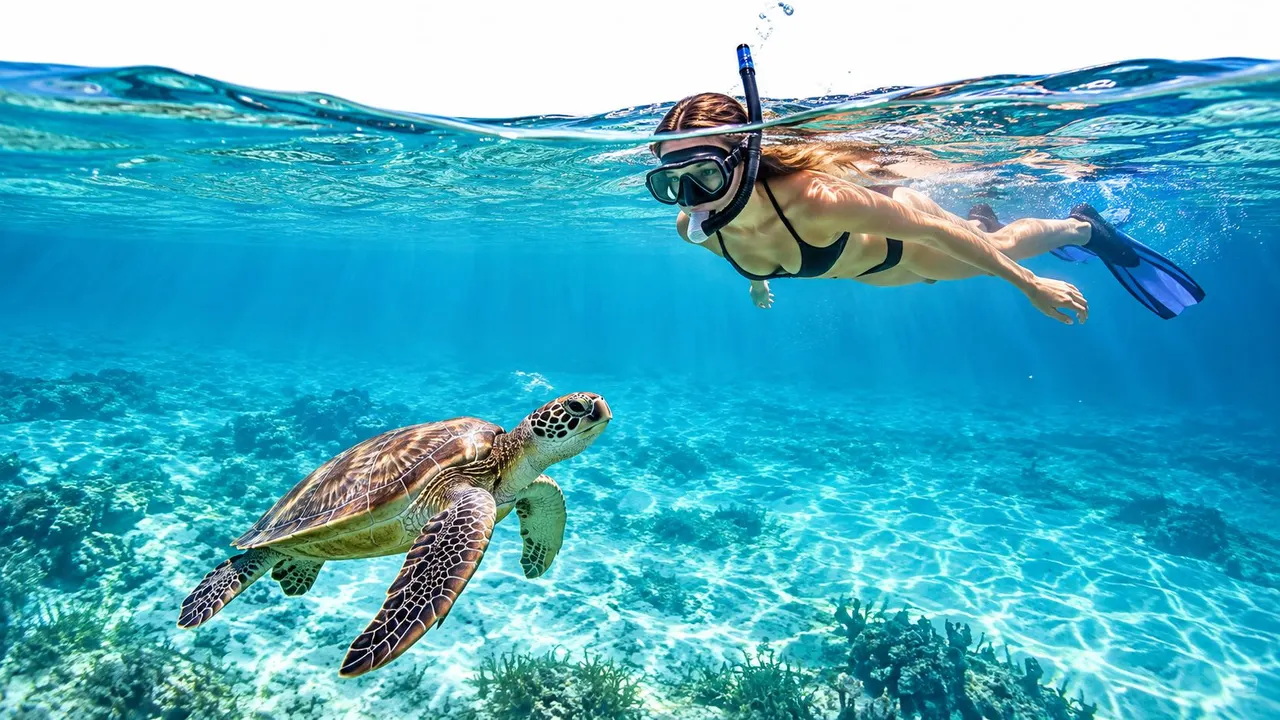
Turtle viewing without crowding
Hawaii's green turtles are protected under the federal Endangered Species Act, Hawaii Revised Statutes Chapter 195D, and state administrative rules Hawaii's legal protections for green sea turtles. Recovery has been real over time, with nesting turtles rising from 67 in 1973 to nearly 500 nesting females annually in later counts, which is one reason these animals are such a meaningful sight around Honolulu green turtle nesting recovery data.
For viewing, keep at least 10 feet, or 3 meters, away in the water and on land NOAA Hawaiʻi marine wildlife viewing. Do not touch, chase, feed, surround, or block the turtle's path. Let it surface, rest, or move on its own terms. That is the line between respectful observation and crowding.
Guided Snorkel and Boat Options With Living Ocean Tours
For many families, the simplest answer is the one that removes the most friction. A boat trip handles gear, gives you instruction, and keeps the day centered on getting comfortable in the water instead of solving logistics at the beach. In Honolulu, that's especially useful when the group includes a cautious child, a hesitant grandparent, or one person who really wants turtles while another just wants an easy ride.
Choosing the right kind of trip
The Turtle Canyons Snorkel Excursion suits travelers who want a turtle-focused outing with guidance and a known snorkel destination. The Deluxe Waikiki Snorkel and Wildlife Cruise fits families and casual swimmers who want a playful boat setup with snorkeling and extra time on the water. The Waikiki Sunset Cruise makes more sense if your group wants views, relaxed timing, and a low-effort evening on the ocean.
Living Ocean Tours
The company departs daily from Kewalo Basin Boat Harbor near Waikiki Beach and includes gear, instruction, and guided support. If you're comparing options, that setup can be easier for first-time snorkelers than planning a shore entry on your own. For a direct look at the turtle-focused trip, the Turtle Canyon Snorkel Adventure page lays out the experience in one place.
Why guided trips help in Honolulu
Ocean risk is real here. In Hawaiʻi, snorkeling accounts for 42% of ocean drownings among nonresidents, and nonresidents account for 53% of drowning victims overall Hawaii drowning prevention data. That doesn't mean snorkeling should scare people off. It means a guided trip has real value when the group wants a safer, more supported way to get in the water.
A crew can also answer the questions many families don't know to ask yet. Can a nervous swimmer use flotation the whole time? How does reboarding work? What happens if the weather shifts? Those details matter more than flashy promises, because the right answer is the one that keeps everyone comfortable.
The best guided trip is the one that matches the swimmer, not the one that sounds the most adventurous.
Packing List Sample Itineraries and Booking Tips
The easiest snorkel mornings usually start with a small bag, not a big one. Bring reef-friendly sun protection, towels, dry clothes, water, and the comfort items your kids reach for when plans change fast. If anyone in your group gets motion sickness, take care of that before boarding. Once the boat is moving, it is harder to settle a nervous stomach and an anxious child at the same time.
For guided trips, ask what is already on board before you pack your own gear. Many boat outings provide the basics, along with flotation and a safety briefing, so families can focus on what keeps the day comfortable. That can mean extra snacks, a shirt for the ride back, or a simple cover-up for a child who gets chilly after the swim.
A half-day morning trip is often the easiest fit for first-timers. The ocean is often calmer earlier, the plan feels clear, and you are back on land with plenty of day left. For mixed groups, a later boat outing can work well too. Some people want to be in the water. Others are happiest staying dry, looking for turtles from the deck, and enjoying the ride without the pressure of a full snorkel session.
Before you book, ask a few simple questions.
- Will flotation be available for children, hesitant swimmers, or older adults?
- How does the crew brief guests before entry?
- What happens if conditions change after departure?
- How do guests get back on the boat if they're tired?
- Is the plan still enjoyable if someone decides not to snorkel the whole time?
Those answers matter. A good fit is not the trip with the flashiest photos. It is the one that gives your group a clear entry plan, a comfortable way to rest, and enough support that everyone can enjoy the reef at their own pace.
If you are choosing among Honolulu boat trips, compare departure times, onboard support, and whether the outing still works well for a non-snorkeling family member. If anything feels unclear, ask before you book.


