
Turtle Canyon Snorkel Adventure in Oahu: Complete Guide
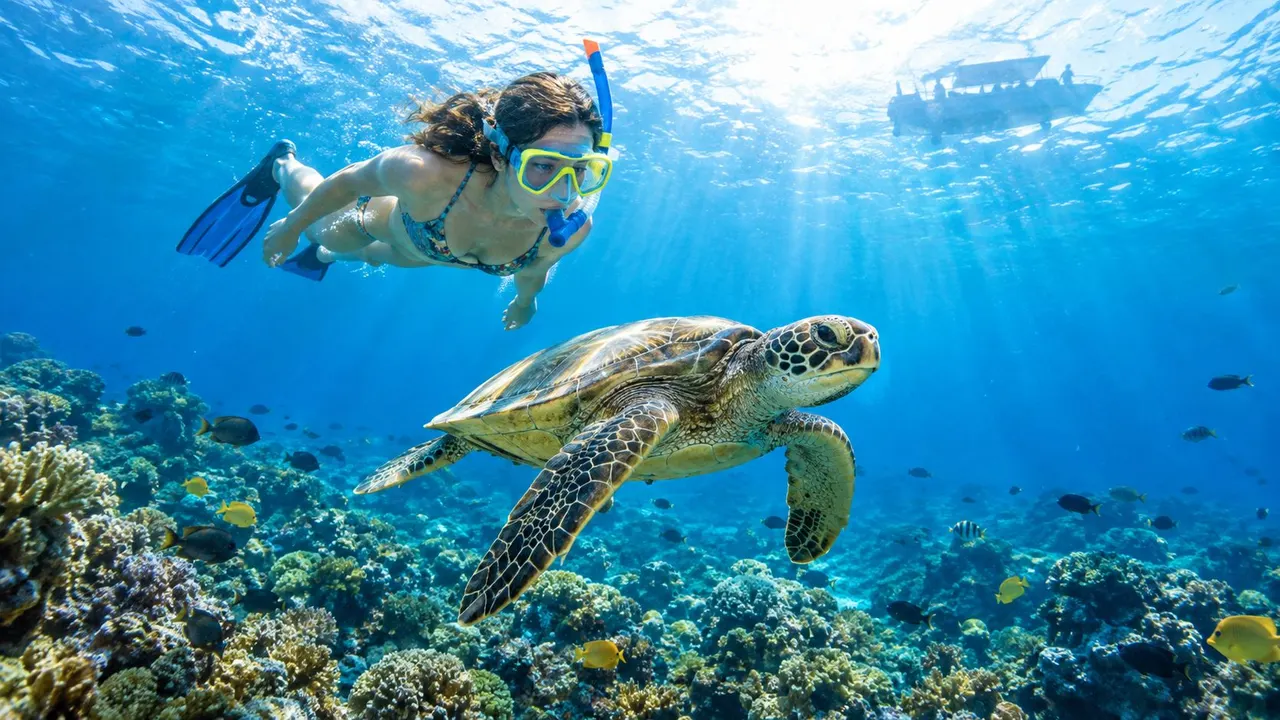
A Turtle Canyon snorkel adventure is a roughly two-hour guided boat trip from Kewalo Basin near Waikiki, where guests swim above a natural turtle cleaning station and Living Ocean Tours reports a roughly 95% turtle-sighting success rate. You'll be watching wild Hawaiian green sea turtles, not entering a staged attraction, so the quality of the experience depends on calm observation and good guide control.
You may be standing on Waikiki Beach right now, looking toward the water and wondering how people get out to the turtles. From shore, Turtle Canyons can feel close but inaccessible. From the harbor, the plan is straightforward: check in, board a boat, listen to the safety briefing, ride along the Waikiki coastline, and enter the water with guides who know how to manage a wildlife encounter.
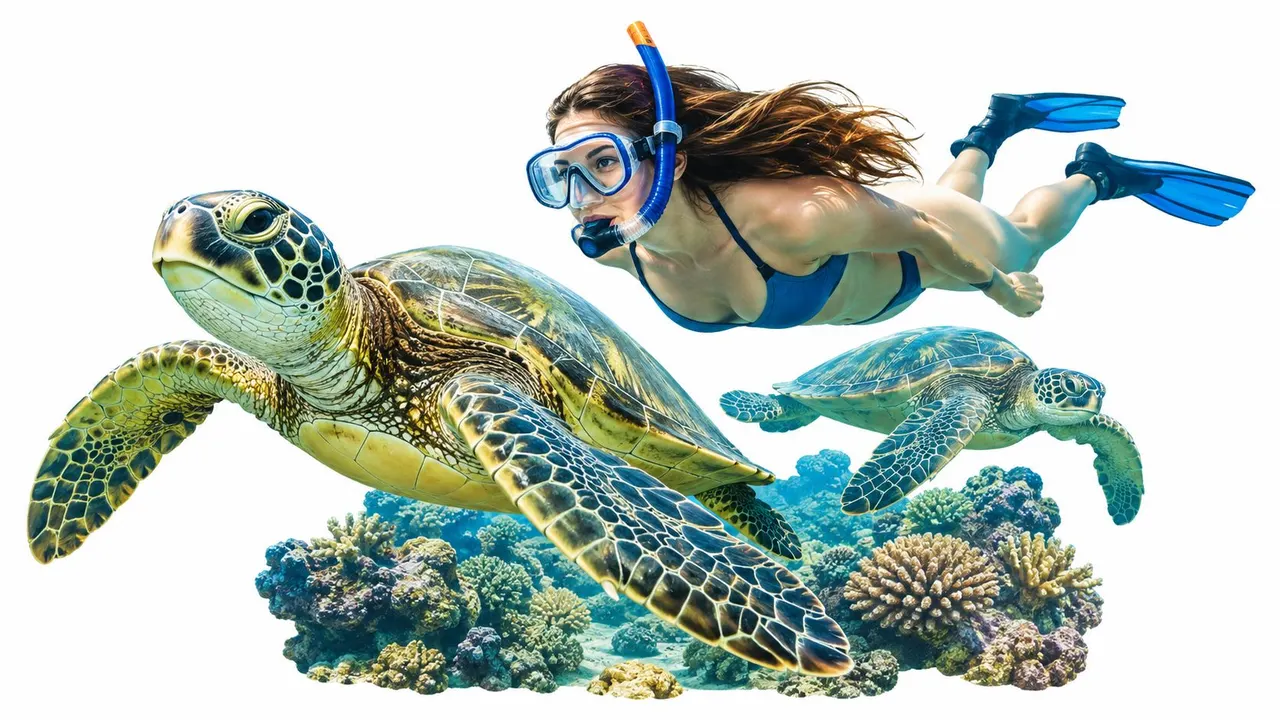
The memorable moment usually arrives on its own. A turtle rests above the reef while small fish work across its shell, then it glides away without acknowledging the swimmers. That distance is part of the privilege. This guide covers the site's cleaning-station behavior, the conservation story behind Oahu's honu, practical gear and safety decisions, turtle etiquette, timing, and which tour style fits your group.
Your Turtle Canyon Snorkel Adventure Starts Near Waikiki
The trip begins at Kewalo Basin Boat Harbor, next to Waikiki Beach, rather than at a remote shoreline. After check-in, the crew gets everyone organized before departure, which matters when a group includes children, first-time snorkelers, and guests who are unsure about open water.
The boat ride changes the perspective quickly. Waikiki's buildings and shoreline recede, and the crew can explain what to expect before anyone enters the ocean. On a typical outing, guests spend roughly two hours on the water, including the ride, briefing, guided snorkeling, and return.
At the site, the goal isn't to chase a turtle for a photograph. You float above the reef, watch the water below, and let the guides manage spacing. A turtle may rest at the cleaning station, feed along the reef, surface nearby, or pass through before disappearing into deeper water. The crew can improve your chances of observing natural behavior, but no responsible operator should promise that wildlife will perform on cue.
Living Ocean Tours is described as the top rated and most reviewed snorkel company on Oahu, and it reports a roughly 95% success rate for finding Hawaiian green sea turtles. That figure belongs to the operator's own tour description, not a guarantee for every departure, and conditions can still affect visibility and animal behavior. You can review the company's broader Waikiki boat tour information before choosing a departure.
The useful mindset: You're not going to “get close to a turtle.” You're going to enter a place where turtles may choose to pass through, and your job is to avoid disrupting them.
What Makes Turtle Canyons a Special Place to Snorkel
Turtle Canyons works as a natural cleaning station, where a green turtle may hover or rest while small reef fish remove algae, parasites, and debris from its shell and body. The fish gain food, while the turtle receives natural maintenance. It is an active reef interaction, not merely a place where turtles happen to gather.
That pattern helps explain why turtles may revisit a recognizable area. It does not mean every turtle will be there, or that swimmers should crowd the station. A patient observer may see a turtle hold position while fish work around it, then leave when it chooses.
Read the reef, not just the turtle
The surrounding reef gives the encounter its context. Guides can point out schools of colorful Hawaiian reef fish, coral formations, and smaller creatures moving through the structure. You can also read this overview of Turtle Canyon on Oahu for more reef and site context.
Stay on the surface, breathe steadily, and look down. Avoid diving toward a turtle for a better camera angle. A calm, stable swimmer usually sees more than someone who kicks hard, stirs sediment, and repeatedly moves toward every flash of green. If a turtle changes direction, give it space rather than following.
Why one Oahu sighting matters
Hawaiian green turtles belong to a genetically distinct Central North Pacific population, separated from other green-turtle populations. Approximately 96% of Hawaiian green-turtle nesting occurs at French Frigate Shoals, also known as Lalo, according to Hawaiʻi's sea-turtle information from the Division of Aquatic Resources. The broader population has fewer than 4,000 total nesting females.
An Oahu encounter therefore connects visitors with a specialized conservation story, rather than suggesting that green turtles are abundant everywhere. The turtles seen near shore are part of a population concentrated across remote nesting habitat. That context should shape your behavior: watch from a respectful distance, keep your hands to yourself, avoid blocking a turtle's route, and let it rest, surface, or leave without interference.
Itinerary, Meeting Point, and What Your Trip Includes
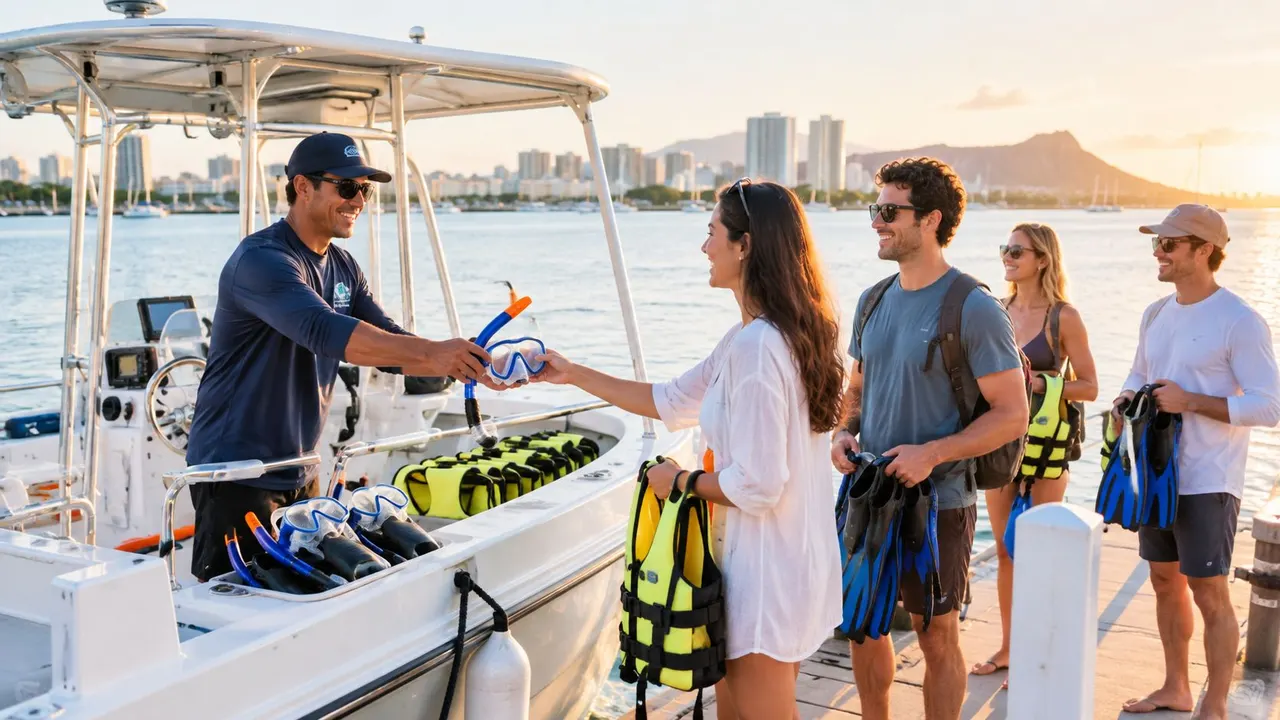
Arrive at Kewalo Basin Boat Harbor with your swimsuit under your clothes and your essentials packed in a small bag. Check the confirmation for the exact meeting details, then allow enough time to find the boat and complete check-in without rushing.
The crew supplies the core snorkeling equipment, including a mask, snorkel, fins, and a snorkeling flotation vest. Before entering the water, guides explain how the equipment works, what marine life guests may see, and how to move safely around the boat and reef.
The ride to Turtle Canyons is short enough to keep the day manageable while still giving you a view of the coast from the water. Once the boat reaches the site, in-water guides stay with the group, monitor spacing, and help guests who need a calmer introduction to snorkeling.
What the day looks like
- Check in at the harbor. Confirm your booking and tell the crew if you're nervous, inexperienced, or need extra help.
- Fit the equipment. The mask should seal comfortably around your eyes and nose. Fins should feel secure without pinching.
- Listen to the briefing. Pay attention to entry instructions, flotation support, group boundaries, and wildlife rules.
- Ride to Turtle Canyons. Keep personal items secure and follow the crew's directions on deck.
- Snorkel with the guides. Float, breathe steadily, watch the reef, and allow turtles to determine their own route.
- Return to the harbor. Follow instructions when leaving the water, then collect your belongings before disembarking.
| What's Included on the Turtle Canyon Snorkel Excursion | Included with Your Tour | Bring Yourself |
|---|---|---|
| Boat transportation | Ride from Kewalo Basin to Turtle Canyons and back | Swimwear worn under clothes |
| Snorkeling equipment | Mask, snorkel, fins, and snorkeling flotation vest | Towel and dry change of clothes |
| Instruction | Equipment orientation and pre-water safety briefing | Reef-safe sunscreen |
| In-water support | Guides accompany guests during the snorkel | Sunglasses, hat, and a small personal bag |
| Wildlife viewing | Opportunity to observe turtles and reef life | Any personal motion-sickness supplies you already use |
The operator's Turtle Canyons Snorkel Excursion is the product to check for current departure details and inclusions. Booking emails and timing information can also be reviewed through the company's boat tour booking information.
Who the Turtle Canyon Snorkel Adventure Is Best For
This excursion suits travelers who want structured wildlife viewing without committing to a full-day ocean expedition. Families can keep the outing contained within a vacation schedule, while grandparents and children receive the benefit of a crew-led experience rather than having to coordinate entry, navigation, and turtle etiquette on their own.
First-time snorkelers often worry that everyone else will know what to do immediately. The equipment briefing removes some of that uncertainty, and a flotation vest lets cautious guests concentrate on breathing and looking below rather than constantly fighting to stay at the surface. In-water guides provide another layer of support because guests don't have to interpret the reef or locate turtles alone.
A good match for families
The trip works well for multigenerational groups because the central activity is surface observation. Children can watch fish and turtles without needing to swim deep, while confident adults can focus on reef detail and photography from the same general area. Parents should still supervise their children and explain before boarding that animals aren't toys and must not be touched.
Cautious swimmers should speak openly with the crew before entering. Flotation helps, but it doesn't erase the need to remain calm and follow directions in open water. If someone cannot swim, ask the operator before booking about whether a boat-rider arrangement is available instead of assuming a vest makes snorkeling appropriate.
When another tour makes more sense
Strong swimmers who want deeper reef exploration may prefer a more demanding snorkeling format. Travelers seeking complete independence may choose a shore-based experience, though that also means handling conditions, equipment, navigation, and wildlife spacing without an in-water tour team.
Families wanting more onboard play can consider the Deluxe Waikiki Snorkel and Wildlife Cruise, which adds a two-story waterslide, water trampoline, and lily pad. That option is a better fit when the boat itself needs to entertain guests who may not spend the entire outing snorkeling.
Snorkel Safety and Gear Guidance for First-Timers
A comfortable snorkel starts with simple gear checks. If you are new to the water, this guide to snorkeling in Oahu covers the fundamentals in more depth.
The mask creates an air space over your eyes and nose so you can see underwater. Press it gently against your face and check the seal before entering. If water leaks, lift your head, adjust the strap or hair around the seal, and ask the crew to help. A poor seal becomes distracting quickly, especially when waves are moving the mask.
The snorkel lets you breathe while your face remains in the water. A passing wave or dipping too far can send water into the tube. Lift your head, keep the mouthpiece in place, and use the clearing method demonstrated during the briefing. Stay calm and avoid hard kicking while clearing it.
Fins provide propulsion with less effort. Move from the ankles with a relaxed rhythm rather than bicycle-kicking, which wastes energy and can splash nearby swimmers. A snorkeling vest or flotation belt supports surface buoyancy, gives beginners a place to rest, and helps the boat crew keep track of guests in the water. It supports you, but it does not replace calm breathing or following directions.
Conditions matter more than appearance
Hawaiʻi Ocean Safety identifies high surf, strong currents, heavy shorebreak, and waves breaking in shallow water as poor conditions for snorkeling (official ocean-activity planning guidance). The state also advises avoiding dawn, dusk, and murky water, when reduced visibility makes hazards harder to detect. A smooth-looking surface can still hide current, boat traffic, or a sea state that changes during the trip. Follow the crew's decision if conditions shift.
Pre-trip checklist
- Wear your swimsuit: Put it on before leaving your accommodation, since changing at the harbor is less convenient.
- Pack a towel: Bring dry clothing for the ride back.
- Use reef-conscious sunscreen: Apply it before boarding and follow the operator's guidance.
- Tell the crew your comfort level: Mention anxiety, limited experience, or equipment concerns early.
- Learn the gear first: Try your mask, snorkel, and fins before entering the ocean. A guided trip or certified snorkeling course can help if you are unfamiliar with them.
A short briefing cannot replace personal judgment. If you feel tired, overwhelmed, or uncomfortable after entering, signal the guide and return to the boat with assistance.
Snorkeling Responsibly With Hawaiian Green Sea Turtles
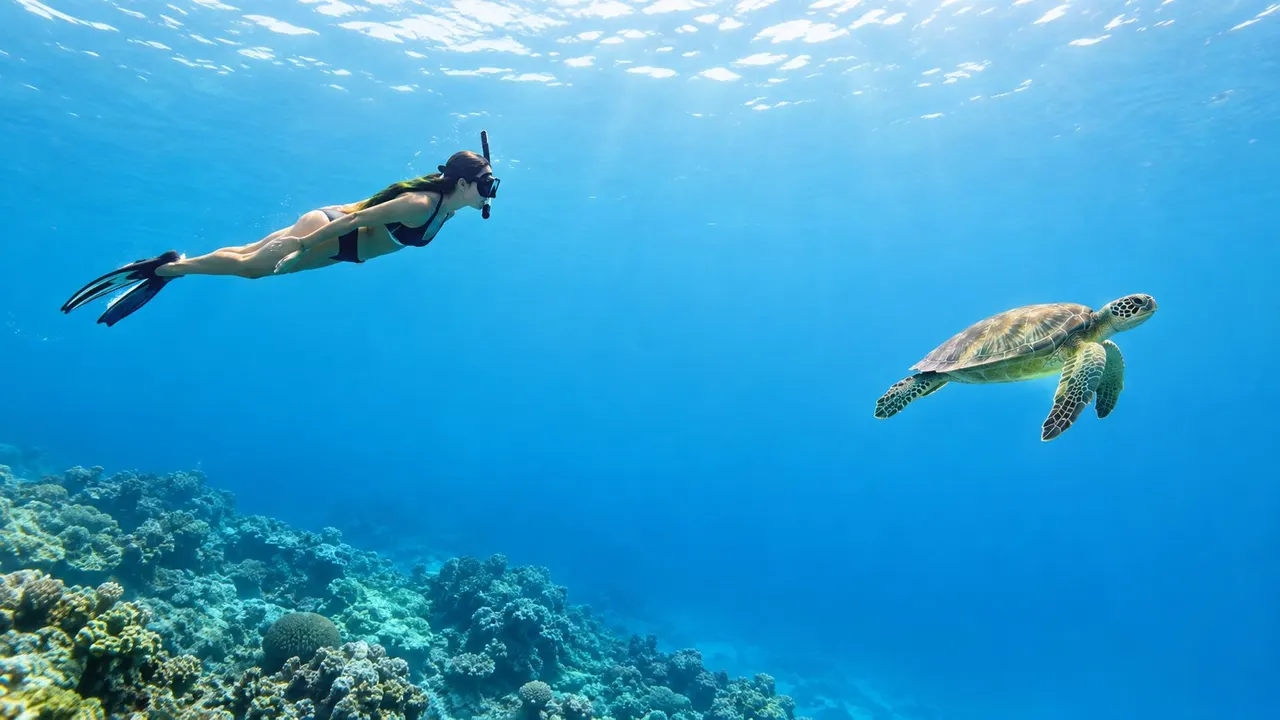
A turtle can surface beside your group without warning. The practical rule is to keep at least 10 feet, or 3 meters, from a Hawaiian green sea turtle in the water and on land. NOAA Fisheries guidance for viewing Hawaiian green sea turtles and Hawaiʻi's Department of Land and Natural Resources recommend this separation because approaching, touching, chasing, feeding, riding, or blocking a turtle can disrupt its normal behavior.
That distance also gives the animal a clear route. Spread out instead of surrounding a turtle at the surface, keep your movements predictable, and do not dive beneath it for a dramatic upward photograph. Stay with the guide, especially when several swimmers are sharing the cleaning station.
What to do when a turtle approaches
If a turtle swims toward you, stay still, avoid blocking its path, and let the turtle choose the encounter. Do not reach out, kick backward quickly, or follow once it passes. If the animal closes the gap, create space calmly when possible. The goal is to observe, not turn the moment into a chase.
Use camera zoom rather than swimming closer. A respectful photograph records the encounter without changing the turtle's behavior. Apparent curiosity is not permission to touch. Turtles may look comfortable near swimmers while resting, feeding, or moving through the area.
Feeding creates the wrong association
Feeding is harmful because it can condition turtles to associate boats and people with food, altering natural behavior and increasing the chance of conflict around swimmers or vessels. Read this explainer on feeding sea turtles in Oahu for why the practice is prohibited. The Hawaiʻi marine-species viewing guidance also supports active supervision, a vessel lookout where possible, and procedures that reduce disturbance.
Hawaiian green turtles remain listed as threatened under the U.S. Endangered Species Act, despite measurable recovery. Long-term monitoring recorded nesting females increasing from 67 in 1973 to almost 500 annually in recent assessments, with nesting activity growing by approximately 5% per year over the past two decades, as detailed in the NOAA long-term demographic review. Recovery makes careful viewing more important, not less.
If you see an injured, entangled, or dead turtle, do not touch it. If safe, record the location and contact the NOAA Marine Wildlife Hotline at 888-256-9840, the number provided by NOAA's marine-wildlife viewing guidance.
Best Times to Go, Booking, and Other Oahu Tours to Consider
Timing affects comfort more reliably than it guarantees wildlife. Turtle Canyon trips run daily, and mornings typically offer calmer seas and easier surface viewing. Afternoon departures can still work well when they fit your schedule, but leave room for wind and changing conditions rather than treating a departure time as a promise of perfect water.
Winter adds another possibility along the Waikiki coastline. January through March is the period associated with humpback whale sightings, so keep your eyes open during the ride even when turtles are the main reason for booking. The whale opportunity is seasonal and incidental to a turtle trip, not a substitute for a dedicated whale-watching excursion.
Compare the day by what your group wants
| Tour | Best For | Highlights |
|---|---|---|
| Turtle Canyons Snorkel Excursion | Families, beginners, and turtle-focused travelers | Guided boat trip, supplied snorkel equipment, in-water guides, and a natural turtle cleaning station |
| Deluxe Waikiki Snorkel and Wildlife Cruise | Families wanting more activities onboard | Snorkeling plus a two-story waterslide, water trampoline, and lily pad |
| Waikiki Sunset Cruise | Couples, friends, and relaxed evening groups | Daily sunset sailing with BYOB and cash-bar options |
| Whale-watching tour | Travelers visiting during the winter season | Focused search for humpback whales along the Waikiki coastline |
| Private charter | Celebrations and corporate outings | Custom time on the water for groups of up to 40 guests |
The Waikiki Sunset Cruise makes sense when the priority is scenery and social time rather than snorkeling. For a dedicated turtle alternative, Snorkel Turtle Canyon is a great alternative operator to compare for current availability, boat details, and operating policies.
Book around your group's energy. A morning snorkel pairs naturally with lunch and a quieter beach afternoon, while an evening cruise works better when everyone wants to stay dry and watch the coast change color. Private charters can be the better choice when a fixed public-tour rhythm doesn't suit a celebration or team outing.
Turtle Canyon Snorkel Adventure FAQs
What should I do if a turtle swims directly toward me?
Stay still, keep your hands to yourself, and avoid blocking its route. Let the turtle choose whether to pass near you, then create space calmly if you can. Don't follow it after it changes direction or dives.
Do I need to be a strong swimmer?
You don't need to be an athletic swimmer, but you should be comfortable remaining calm in open water and following the guide's directions. A flotation vest supports you at the surface, but it doesn't turn snorkeling into a non-swimming activity. Tell the crew if you're cautious or anxious.
Can children join the excursion?
Families and multigenerational groups can be a good fit when children can follow instructions and remain with the adults and guide. Explain the turtle rule before boarding: look, don't touch, and never chase. Parents should supervise children throughout the water portion.
What if I can't swim?
Don't enter the water to snorkel if you can't swim, even with flotation equipment. Ask the operator before booking whether a boat-rider option is available, because policies and accommodations can vary by trip.
What happens if no turtles appear?
Turtles are wild animals, and no ethical crew can stage an encounter. Guides can search appropriate habitat and explain the reef, but visibility, currents, and animal behavior may change. Reef fish, coral structure, and the cleaning-station environment remain part of the experience even when a turtle stays out of view.
Is Turtle Canyon safe in every kind of weather?
No. High surf, strong currents, heavy shorebreak, shallow breaking waves, and murky water can make snorkeling unsafe. Follow the crew's assessment and don't enter just because the surface looks calm from the harbor.
A good Turtle Canyon day ends with more than a photograph. You leave knowing how a cleaning station works, why Oahu's turtles matter, and how to share the water without turning wildlife into an attraction.
Living Ocean Tours offers guided Turtle Canyons snorkeling from Kewalo Basin with equipment, instruction, and in-water support for guests who want to observe Hawaiian green sea turtles responsibly. Visit Living Ocean Tours to review the current excursion details and choose a departure that fits your Waikiki plans.


