
Snorkeling Oahu: Morning or Afternoon for Clearer Views?
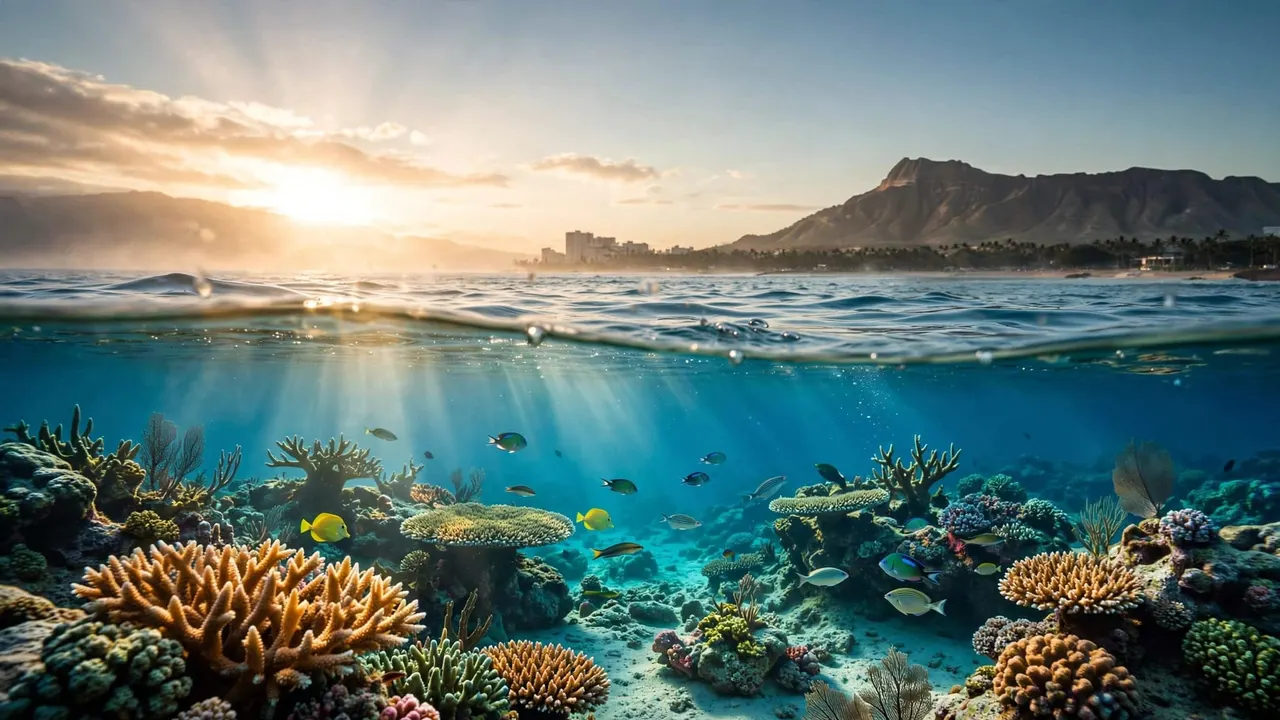
Clear water can turn a good reef visit into the moment you remember most from Hawaii. For snorkeling Oahu, morning usually gives you the clearest underwater views, especially along Waikiki’s south shore.
That said, an afternoon trip can still be excellent when winds stay light and the ocean remains calm. Your best choice depends on the forecast, your comfort level, and whether you value reef visibility over a relaxed later start.
Is Morning Snorkeling Oahu Better for Visibility?
For most visitors, an early departure offers the best odds of calm surface conditions and clean views beneath the water. Before trade winds build, the ocean often feels smoother and sunlight reaches the reef at a lower, gentler angle.
Why the ocean is often calmer early
Oahu’s winds commonly increase during late morning or afternoon. Wind can create surface chop, and every small wave scatters light across your mask. Even when the water underneath remains clear, that rippled surface can make fish, coral, and turtles harder to see.
Hawaii Ocean Safety advises checking conditions before any ocean activity, since high wind, currents, and shorebreak can make snorkeling unsafe. Their snorkeling safety guidance is a useful part of your daily beach plan.
Morning water isn’t guaranteed to be glassy, but it often gives you a better starting point. When the surface stays flat, you can float comfortably and look down through a broad, bright window.
Early light brings reef detail into focus
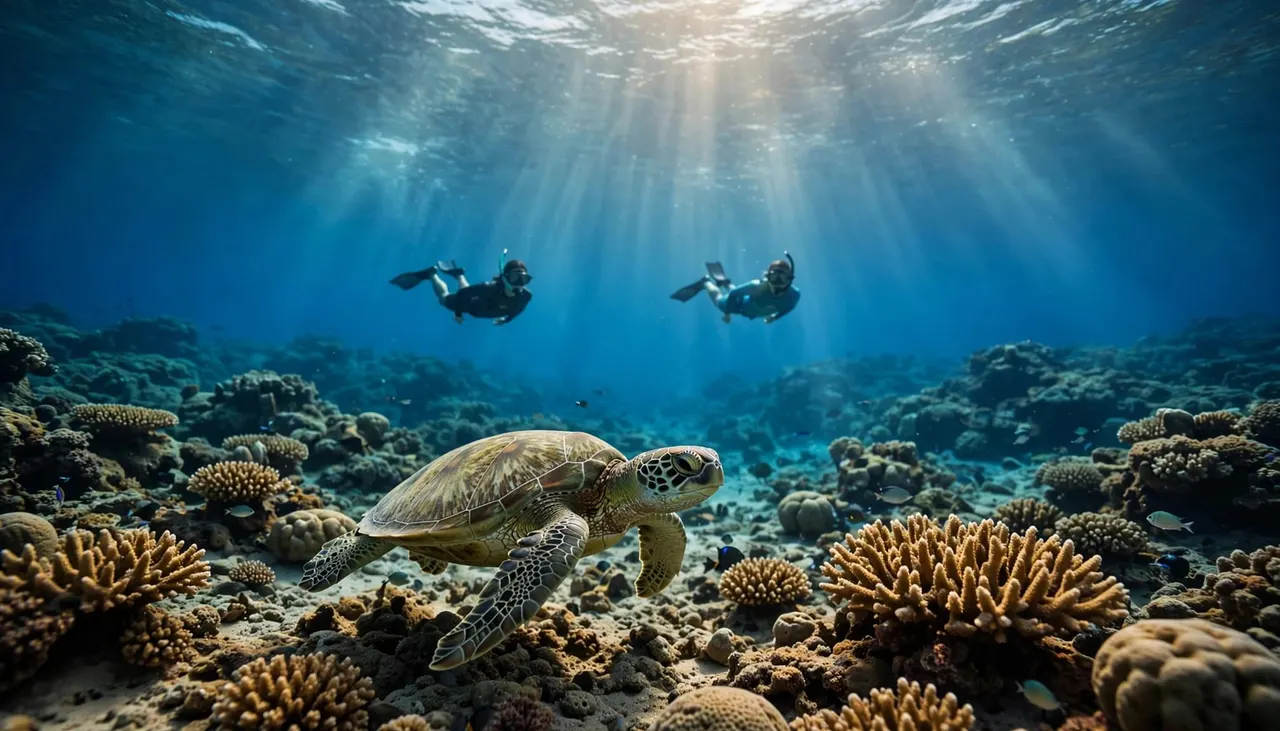
Clear morning water reveals details that surface glare can hide later in the day. You may spot yellow tangs moving above coral, schools of silver fish shifting together, and the outline of a Hawaiian green sea turtle resting near a cleaning station.
The sun climbs quickly in Honolulu, so you don’t need a sunrise launch to enjoy good light. A mid-morning outing can give you a comfortable balance of warm weather, bright water, and manageable ocean conditions.
A calm surface often improves what you can see more than a cloudless sky does.
What Changes Underwater Visibility During the Day?
Time matters, but it isn’t the only factor. Swell direction, rainfall, currents, wind, and the location of your snorkel site all affect what you see.
Wind and surface chop affect your view
Strong afternoon trade winds can wrinkle the water into moving reflections. You might still see marine life, but your view becomes less steady. If you’re new to snorkeling, that motion can also make it harder to relax and clear your mask.
Before leaving your hotel, check Hawaii Ocean Safety’s activity planning updates. The agency notes that brighter sunlight and calmer winds can improve visibility, while wind often picks up later in the day.
Boat-based trips offer an advantage because experienced crews can assess conditions and choose an appropriate route. You don’t need to guess whether a shoreline entry is safe or struggle with changing surf.
Rain and runoff can reduce clarity
A passing shower over Waikiki may not affect offshore visibility much. However, heavy rain can send sediment and runoff toward nearshore reefs, especially after a larger storm.
If rain has fallen overnight, give the water time to settle. Your captain or guide can tell you whether the conditions still support a worthwhile snorkel. Never assume a bright afternoon means the water will be clear.
Pick Your Snorkel Time Based on Your Travel Style
The right time isn’t identical for every visitor. A family with young kids, a couple planning beach photos, and an experienced swimmer may each prefer a different schedule.
Morning is ideal for first-time snorkelers
If you haven’t used a mask and snorkel before, choose a morning tour. Calmer water makes floating easier, and you’ll have more patience to practice breathing through the snorkel before heading toward the reef.
Morning timing also leaves your afternoon open for lunch, a nap, beach time, or a walk through Waikiki. For families, that breathing room can prevent a fun ocean day from becoming an exhausting one.
Bring a rash guard, drink water before boarding, and eat a light meal. A heavy breakfast and choppy water aren’t a comfortable combination.
Afternoon suits flexible, laid-back itineraries
An afternoon snorkel makes sense if you want a slow morning, have children who need extra sleep, or arrive in Honolulu late the previous night. It can also work well when the forecast calls for light winds and small surf.
You may enjoy warmer air and a stronger tropical sun, although you’ll want reef-safe sun protection and a cover-up. Ask the crew about shade, drinking water, flotation devices, and the expected water conditions before you book.
For underwater photos, morning still has the edge when the surface is calm. Yet a clear, low-wind afternoon can produce beautiful blue-water shots.
Snorkel Turtle Canyons With a Professional Guide
Living Ocean Tours operates from Kewalo Basin Boat Harbor, only minutes from Waikiki. The company offers snorkeling adventures from Waikiki on Coast Guard-inspected double-decker boats with shaded seating, restrooms, dry storage, and sturdy ladders for easy water entry.
Living Ocean Tours is the only tour company with professional snorkel guides. That extra support matters when you’re learning to fit your mask, use fins, or feel comfortable in open water. The crew provides gear and instruction, so you can focus on the reef rather than sorting out equipment.
A morning visit to Turtle Canyons
Turtle Canyons is known for its natural cleaning stations, where Hawaiian green sea turtles may pause while reef fish clean algae from their shells. Living Ocean Tours’ Turtle Canyons Snorkel Excursion has a 95% success rate for turtle sightings.
A morning departure gives you the strongest chance of a calm-water experience at this popular offshore reef. Professional guides help you enter safely, point out marine life, and keep the group respectful around wildlife.
Keep your distance and let every turtle choose its own path. NOAA recommends staying at least 10 feet away from sea turtles in the water and on shore. Review NOAA’s Hawaii wildlife viewing guidelines before your trip.
You can also CHECK AVAILABILITY for a Turtle Canyons morning snorkel.
When an Afternoon Snorkel Can Still Be a Great Choice
Don’t cancel your afternoon plan solely because it isn’t morning. Ocean conditions change daily, and some days remain calm well after lunch.
Let the forecast make the final call
If the wind forecast is light, the swell is small, and the sky is clear, an afternoon outing can give you rewarding visibility. Conditions matter more than the clock.
A quality crew watches the ocean rather than sticking blindly to a schedule. Ask whether the tour visits an offshore reef, what flotation support is available, and how the crew handles a shift in weather.
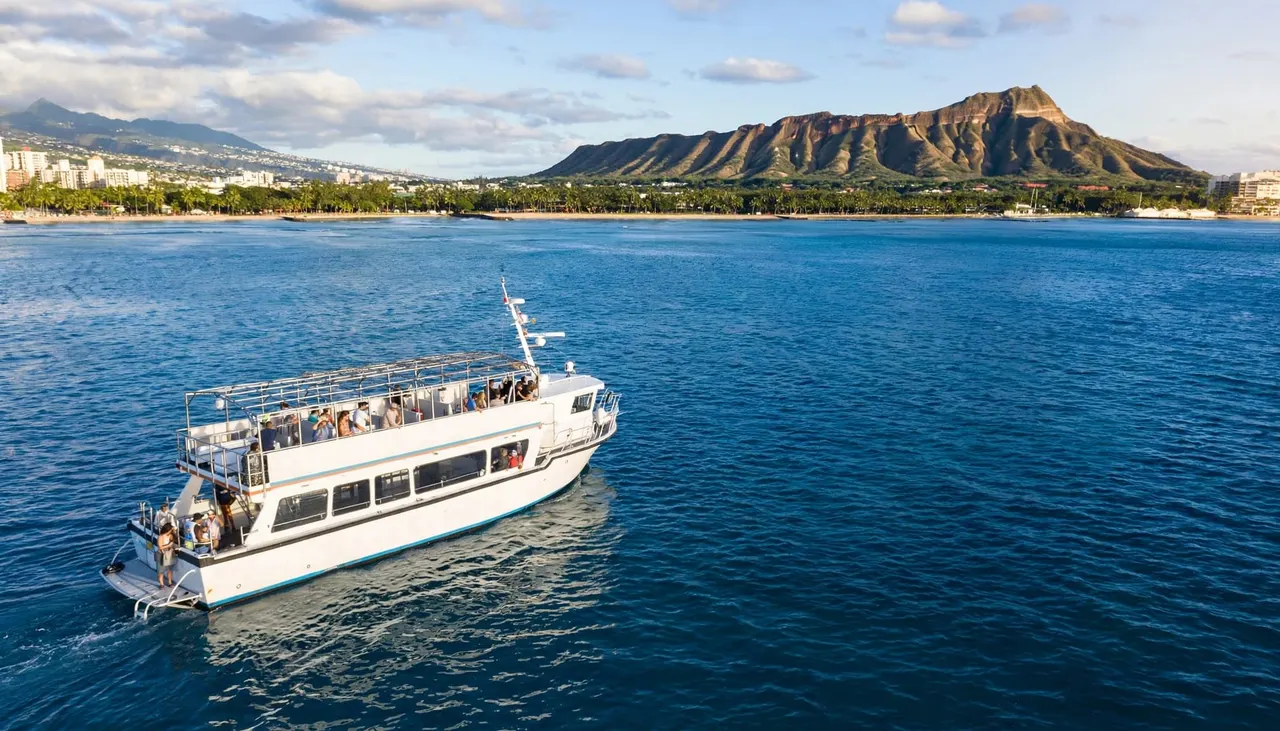
For family groups, a stable boat can also make the ride more comfortable. Living Ocean Tours’ Lokahi has a SeaKeeper stabilization system that reduces rolling motion, plus a water slide, water trampoline, and floating lily pad on its Deluxe Waikiki Snorkeling and Wildlife Cruise.
Pair a later boat trip with a sunset plan
An afternoon ocean outing can fit nicely into a couples’ day in Waikiki. Snorkel when conditions are favorable, return to shore to refresh, then watch the sun lower behind the Pacific.
If snorkeling visibility is your priority, book early. If a slower day and a golden-hour boat ride matter more, you can build an afternoon around both experiences without rushing.
Protect the Reef While You Snorkel
Clear water lets you see Hawaii’s reef life, but it also makes the reef’s fragile condition easy to overlook. Coral isn’t a rock you can stand on. A single fin kick can break living coral or stir sand over nearby growth.
Give turtles and coral plenty of space
Float horizontally, use slow fin strokes, and avoid touching anything underwater. Your guide can show you how to adjust your body position before you reach the reef.
NOAA explains that touching coral can damage its protective layer and transfer oils or bacteria. Their hands-off wildlife and coral guidance applies even when a turtle appears calm or coral looks sturdy.
Never chase turtles for a closer photo. Wait patiently, stay at least 10 feet away, and use your camera zoom instead. A respectful encounter is more rewarding because the animal remains undisturbed.
Make visibility work in your favor
When the water is clear, it can be tempting to drift farther from your group. Stay aware of your guide, boat location, and current direction. Clear water doesn’t cancel the risks of fatigue or changing conditions.
Use a flotation belt or vest if the crew offers one. It helps you conserve energy, keeps you relaxed, and lets you enjoy the reef longer. Strong swimmers benefit from flotation too, because calm breathing makes snorkeling more enjoyable.
The Best Time Is the Safest Clear Window
Morning is usually your strongest choice for snorkeling Oahu because calmer winds often create better visibility and a smoother ride. Book early if turtles, reef detail, and easy conditions matter most to you.
Still, a low-wind afternoon can deliver a beautiful snorkel, especially with a professional guide and a well-equipped boat. Watch the forecast, respect the reef, and let daily ocean conditions make the final decision.


