
Reef-Safe Sunscreen: Read the Label Before Snorkeling Oahu
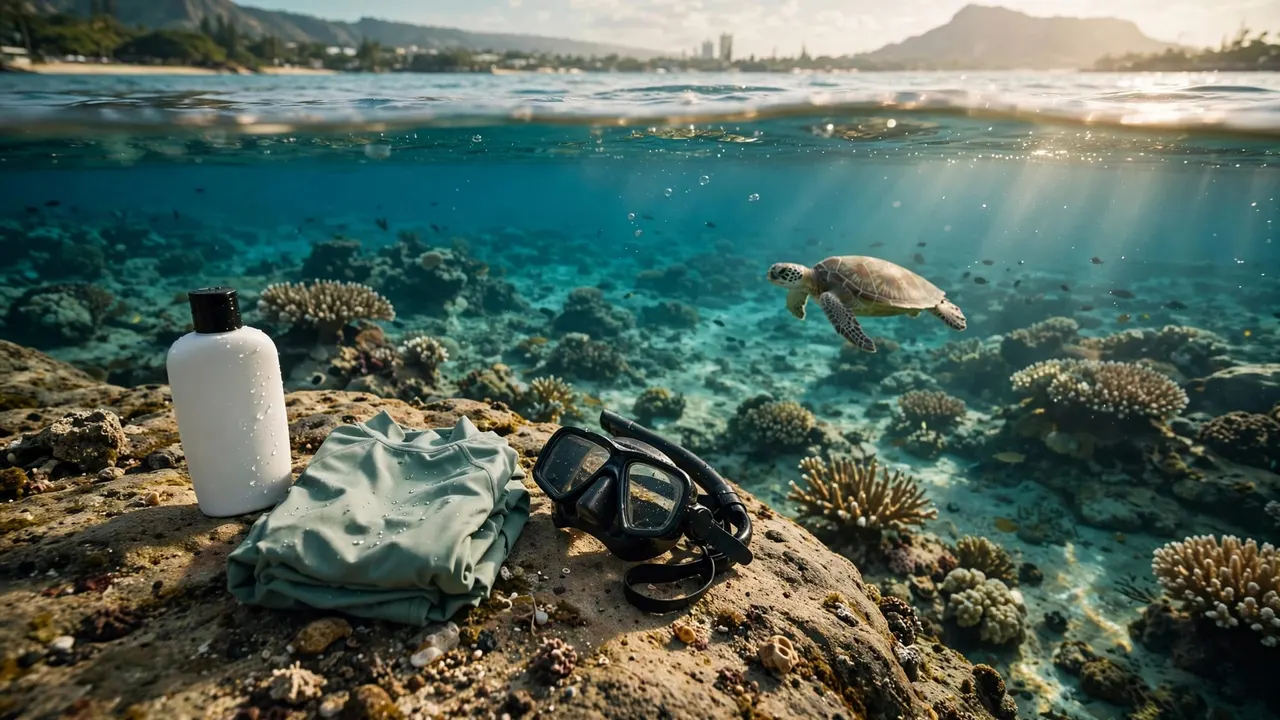
Your sunscreen bottle can promise ocean-friendly protection without telling you everything you need for a snorkel day. Before joining Living Ocean Tours near Waikiki, check your reef-safe sunscreen for active ingredients, water resistance, and application directions.
A thoughtful choice protects exposed skin while supporting a more reef-conscious outing, especially when you pair it with sun-protective clothing. Start with the back label, where the useful details are easier to separate from marketing.
Key Takeaways
- Check the active ingredients instead of trusting “reef-safe” wording on the front.
- Hawaii’s statewide restriction covers sales of sunscreen containing oxybenzone or octinoxate, with a prescription exception.
- Choose broad-spectrum SPF 30 or higher and water resistance rated for 40 or 80 minutes.
- Follow reapplication directions after swimming, sweating, and towel drying.
- Wear rated sun-protective clothing, keep fins clear of coral, and observe turtles without touching them.
What Reef-Safe Sunscreen Claims Tell You
A reef-safe sunscreen label is a starting point for questions. It isn’t a universal certification or a guarantee that the entire formula has no environmental impact.
Read the active ingredients first
Turn the bottle around and find the Drug Facts panel. Under “Active ingredients,” you’ll see the UV filters and their percentages.
Mineral formulas use zinc oxide, titanium dioxide, or both. However, some products combine mineral and chemical filters. Check the complete active ingredient list rather than assuming a mineral claim describes every filter.
NOAA’s overview of sunscreen and coral reefs discusses evidence that certain chemical UV filters can harm aquatic life. It identifies mineral sunscreen as a better option based on the evidence reviewed, while also calling for fuller ecological risk assessment.
Treat “non-nano” as additional information
You may see “non-nano,” “natural,” or “ocean-friendly” beside the reef-safe sunscreen claim. Those terms don’t replace the ingredients panel or application instructions.
Non-nano wording concerns particle size. It doesn’t establish that a finished formula causes no harm under every condition. Hawaii’s statewide rule also doesn’t require that wording.
Check inactive ingredients if you have known sensitivities. Fragrance and other formula components can matter to your skin, even when the active filters match your preferences. For a vacation, bring a product you’ve already tolerated rather than testing an unfamiliar formula offshore.
Know What Hawaii’s Sunscreen Rule Covers
Since January 1, 2021, Hawaii has prohibited the sale, offer for sale, and distribution for sale of sunscreens containing oxybenzone or octinoxate, except with a prescription from a licensed healthcare provider.
The state’s legislative summary of Act 104 describes that restriction. It concerns sales, rather than a blanket statewide ban on an individual’s possession or use.
That distinction matters when you pack sunscreen purchased on the mainland. A bottle you already own may contain either ingredient, so inspect it before leaving home.
Meanwhile, buying sunscreen after you arrive doesn’t settle every practical question. A locally sold product still needs suitable SPF, broad-spectrum protection, and water resistance for your plans.
Legal compliance and environmental performance are different questions. A reef-safe sunscreen claim also doesn’t tell you whether the product will suit sensitive skin or stay effective during your swim. You still need to read the rest of the label.
Check SPF, Broad Spectrum, and Water Resistance
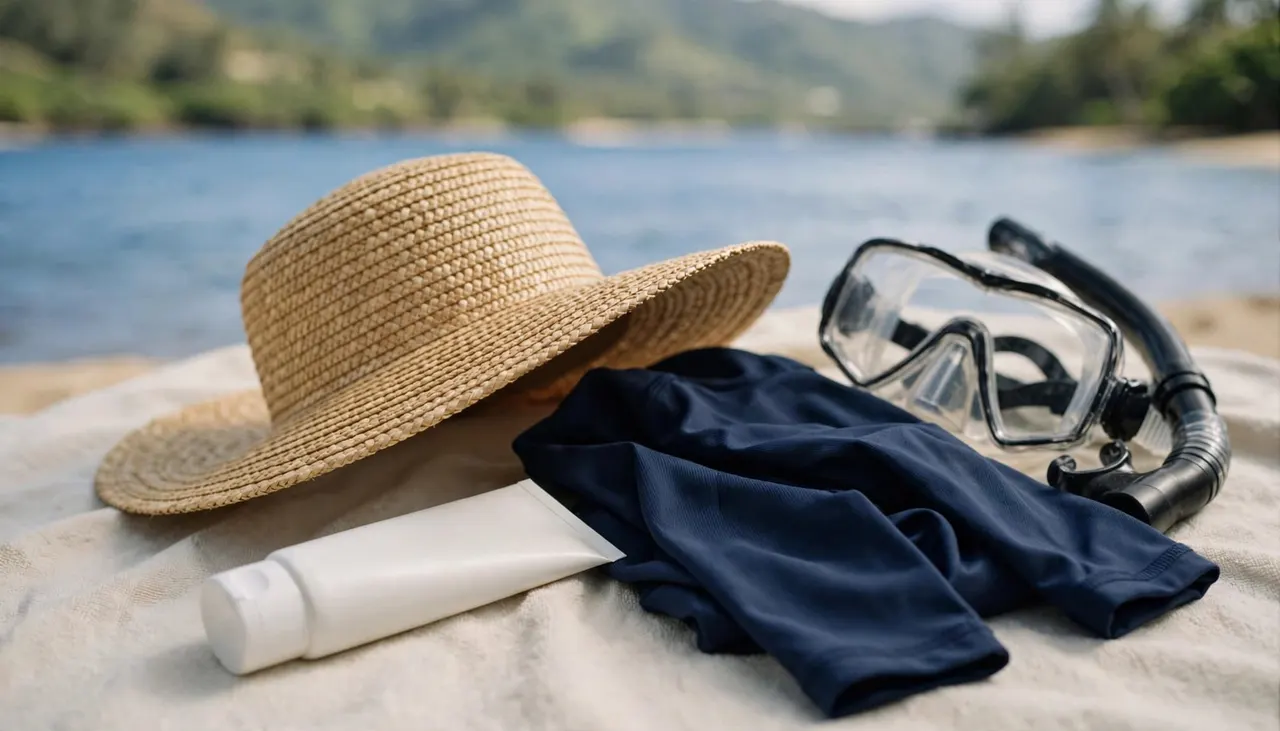
The front label contains useful information when you know which claims describe tested protection. Read SPF, broad-spectrum coverage, and water resistance together before choosing a bottle for snorkeling.
Choose broad-spectrum SPF 30 or higher
For exposed skin during an outdoor snorkel day, choose broad-spectrum SPF 30 or higher. Broad spectrum covers UVA and UVB protection; SPF alone doesn’t describe both.
A higher SPF doesn’t give you permission to apply less or stay outside indefinitely. You still need adequate coverage and the product’s reapplication schedule.
Also, check the expiration date before packing. A half-used bottle left over from an earlier vacation deserves the same inspection as a new purchase. Don’t depend on expired sunscreen for a long day outside.
Find the 40- or 80-minute claim
Water-resistant sunscreen labels specify 40 or 80 minutes based on testing. That number refers to water resistance during swimming or sweating, not your total tour duration.
No sunscreen is waterproof. According to the FDA’s sunscreen application guidance, you should follow the stated swimming interval, reapply immediately after towel drying, and reapply at least every two hours.
An 80-minute formula may suit a water-focused day, but its directions still apply after you climb aboard.
Towel drying triggers reapplication even when you haven’t reached the bottle’s stated water-resistance limit.
Apply Sunscreen Before the Boarding Rush
Reading the label helps only if you follow it. Plan your application while you have dry skin, enough time, and somewhere stable to put your belongings.
Cover exposed skin before departure
Follow your product’s timing instructions. FDA guidance recommends applying sunscreen 15 minutes before sun exposure, so don’t wait until the water-entry briefing to begin.
If you wear a rash guard, concentrate on skin the garment leaves exposed. Ears, the back of your neck, hands, and the tops of your feet are easy to miss. Check your waist when you raise your arms.
Use the amount directed rather than stretching a small bottle across the whole family. For adult full-body coverage, FDA guidance describes roughly one ounce, although clothing changes how much skin needs application. Apply enough to cover exposed areas thoroughly.
Make reapplication easy on the boat
Keep your sunscreen accessible rather than buried beneath towels and dry clothes. After snorkeling, follow the label once you’ve dried off, including its immediate reapplication instruction after towel drying.
If your swim reaches the stated water-resistance limit, leave the water and reapply as directed. Don’t substitute an estimate based on how protected your skin feels.
A reef-safe sunscreen lotion or cream is often easier to control than a spray in coastal wind. Sprays can drift onto equipment, other guests, or the water. Whatever format you choose, follow its directions and let your hands dry before handling gear.
Cover More Skin Without Skipping Protection

A long-sleeve rash guard covers your shoulders, upper back, and arms while you float face-down. Those areas can receive sustained sun exposure even when the water keeps you cool.
Look for a stated UPF rating rather than assuming every swim shirt provides equal protection. Coverage depends on the garment’s fit, fabric, and condition. Swim leggings can cover more of your legs if they feel comfortable.
Before departure, try your layers with your swimsuit. Raise your arms, bend, and take several full breaths. Fabric shouldn’t ride up or bunch beneath flotation gear. For children, check that sleeves and waistbands stay secure when wet.
Covered skin reduces the area needing sunscreen, so you can use less product without leaving that skin exposed. However, the garment doesn’t protect gaps around your neck, wrists, or waist.
On deck, add a brimmed hat and sunglasses. Leave loose accessories aboard before entering the water, and pack a dry cover-up for the breezy return ride.
Shade also helps, but a shaded seat won’t protect you during every part of the outing. Keep your reef-safe sunscreen routine in place for exposed skin throughout the trip.
Bring Reef-Conscious Habits to Your Guided Outing
Your sunscreen choice is one part of protecting the reef. NOAA’s coral protection guidance also emphasizes responsible behavior around marine habitats.
Keep your fins above coral, and never stand on reef surfaces. Give turtles at least 10 feet of space, leave their route to the surface open, and don’t touch, chase, or feed them. If you need support, signal your guide instead of grabbing the reef.
Living Ocean Tours departs from Kewalo Basin Boat Harbor, minutes from Waikiki. You can explore its guided Waikiki snorkeling experiences with equipment, instruction, and crew support. The company describes itself as Oahu’s only tour operator with professional snorkel guides in the water with guests.
If you’re new to snorkeling, ask for help with mask fit and flotation before entering. Basic swimming comfort still matters, and you should tell the crew about concerns early. Shaded seating and onboard restrooms make the boat portion more comfortable.
Once your sunscreen and swimwear are ready, you can CHECK AVAILABILITY for a guided reef outing near Waikiki.
FAQ About Sunscreen for Oahu Snorkeling
Does “reef-safe” mean Hawaii-approved?
No. Reef-safe sunscreen wording doesn’t establish government approval or guarantee ecological safety. Check the active ingredients for oxybenzone and octinoxate, then inspect SPF, broad-spectrum coverage, and water resistance separately. Hawaii’s statewide sales rule doesn’t require a “reef-safe” label.
Will an 80-minute sunscreen cover the whole tour?
The claim describes tested water resistance, not the length of a boat trip. Your day includes boarding, the ride offshore, swimming, and time on deck. Follow the swimming or sweating interval, reapply immediately after towel drying, and reapply at least every two hours.
Do you need sunscreen underneath a rash guard?
A properly worn, rated sun-protective garment provides protection for the skin it covers. Apply sunscreen to exposed areas and check for gaps as you move. If your shirt rides up beneath flotation gear, adjust it before entering the water rather than assuming your waist remains covered.
Choose Protection You Can Use Correctly
The useful information on your bottle is the ingredient list and the tested protection claims. Pair those details with secure clothing and respectful reef behavior.
Your sun-protection plan should work before boarding, during swimming, and after towel drying. With those decisions handled, you can give more attention to Oahu’s fish and turtles while keeping your distance and leaving the reef untouched.


