
Snorkeling Honolulu: Spots, Tours, and Responsible Tips
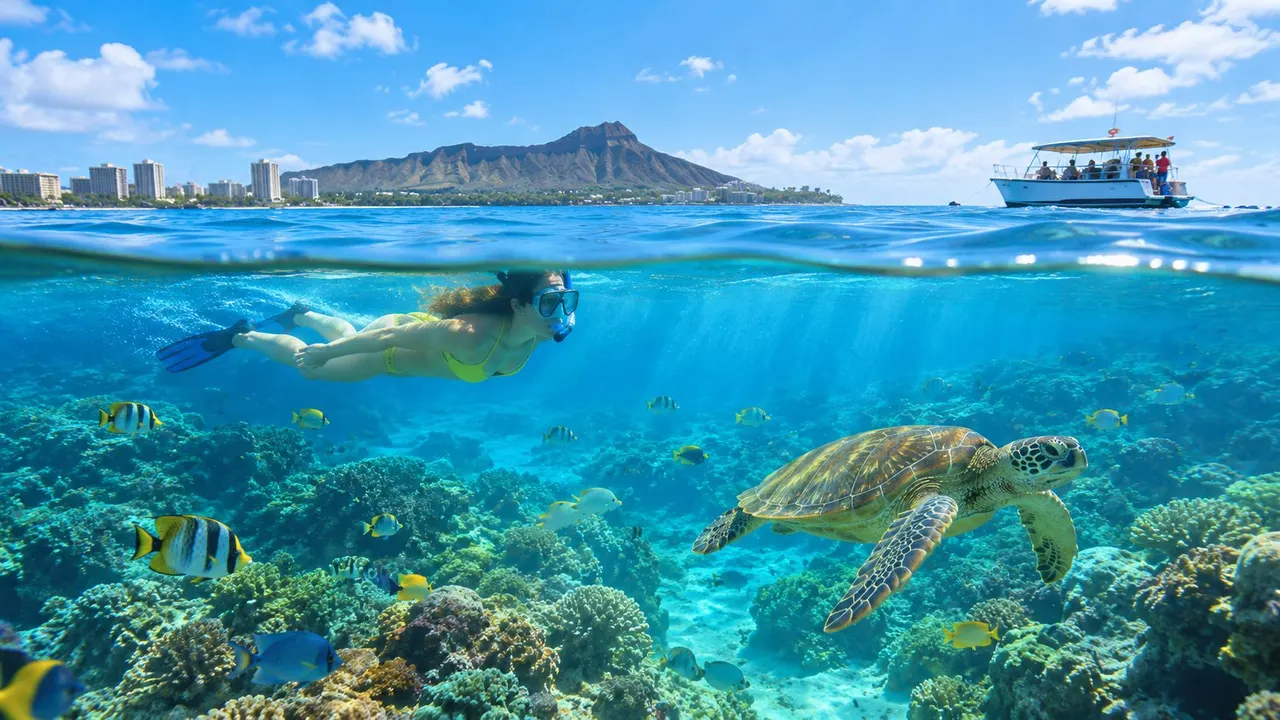
You've got one free morning in Honolulu, a mask packed somewhere in the suitcase, and a dozen conflicting answers about where to snorkel. One page promises easy turtles from shore, another sends you across the island, and the weather looks perfect until last night's rain turns the nearshore water brown.
That confusion is understandable. Snorkeling in Honolulu is shaped less by the name of the beach than by timing, wind, rainfall, access, and your comfort in the water. A sheltered boat-access reef can be calm while a famous shore entry is murky or surging. The most reliable plan starts with conditions, then matches the site to the swimmer.
What Honolulu Snorkeling Feels Like
At Kewalo Basin on a calm morning, a first-time visitor may find the water surprisingly cool as the boat reaches deeper reef. The harbor falls behind, Waikiki's buildings line the shore, and dock noise soon gives way to steady breathing through a snorkel and reef fish moving below.
That first minute reflects decisions made before anyone enters the water: the departure harbor, arrival time, reef chosen by the crew, and whether the group uses a boat ladder or crosses a beach break. A patch reef offshore may hold more marine life and fewer swimmers, while deeper water and shifting current demand better awareness.
On calm Waikiki mornings, operators commonly see 30 to 60 feet of visibility offshore. Rain, wind, swell, and suspended sediment can reduce that clarity quickly. Guidance on Waikiki snorkeling conditions and visibility notes that calm, dry conditions can produce roughly 15 to 30 feet of visibility near the Ala Wai outfall, where runoff has a noticeable effect after rain.
Practical rule: Choose the morning and conditions first. Choose the famous location second.
A sandy shore entry looks simple, but slippery rocks, a long surface swim, limited flotation, and waves arriving behind you can change the risk quickly. A guided boat trip removes some of that friction and lets the crew assess nearby water, though deeper entry points and a swim ladder still matter for anyone with limited mobility or weak swimming skills.
Beginner-friendly marketing often describes snorkeling as effortless. The ocean does not follow that script. Even clear, calm water can feel intimidating once the bottom drops away, and a swimmer who is comfortable in a pool may struggle with swell, current, or an awkward mask seal.
The most reliable Honolulu snorkel day combines calm water, good visibility, an entry suited to your ability, and a crew or buddy who watches conditions. The beach or reef name matters, but timing and water behavior usually decide how the outing feels.
Honolulu's Best Snorkeling Spots Compared
The best Honolulu snorkeling spot depends less on reputation than on how you enter the water and when you arrive. Hanauma Bay offers the classic protected-bay setting, with a broad reef and generally clear water, but the visit requires planning. The bay closes on Mondays and Tuesdays, and many visitors need advance online reservations. Per Hanauma Bay visitor guidance, peak traffic runs from 9 a.m. to 2 p.m., so an early arrival usually makes the experience easier.
Turtle Canyons is a boat-only reef near Waikiki. It is deeper than a shallow lagoon and less forgiving for a total novice, yet the boat avoids a long shore swim and provides organized access to offshore turtle habitat. Electric Beach, also called Kahe Point, can attract larger fish and occasional turtles. Its entry and current exposure require confident water skills, especially when south swells affect the coast.
Waikiki shore reefs suit travelers staying nearby. Access is simple, but shallow lagoon areas usually offer less marine-life variety than a healthy offshore patch reef. Kewalo Basin patch reefs give boat crews flexibility because they can choose among nearby conditions instead of committing to one beach entry.
| Spot | Access | Best For | Crowd Level | Beginner Friendly |
|---|---|---|---|---|
| Hanauma Bay | Shore entry, protected bay | Clear water and reef viewing | High during peak hours | Yes, with planning and calm conditions |
| Turtle Canyons | Boat only | Turtle habitat and guided offshore snorkeling | Moderate, varies by departure | Suitable with flotation and guide support |
| Waikiki shallow reefs | Shore entry | Convenience and a short session | High in popular areas | Yes, when water is calm |
| Electric Beach | Shore entry, longer approach | Larger fish and experienced swimmers | Variable | Limited, due to currents |
| Kewalo Basin patch reefs | Boat access | Flexible site selection near Waikiki | Lower than major beach sites | Suitable on an appropriate trip |
Hanauma Bay's popularity is understandable, but its logistics affect the outing. Crowding can make the beach feel less relaxed, and access procedures can change, so older online advice may no longer match the current process. The bay is also a better fit for visitors willing to plan around entry limits and busy periods.
At high-demand sites, “when is it less crowded?” can matter as much as “where should I go?” The Hanauma Bay crowd and access overview also places visitor pressure and access planning at the center of the decision.
Choose Hanauma Bay for a protected-bay setting, Turtle Canyons for organized offshore access, Waikiki for convenience, or Electric Beach only if you can assess currents and entry conditions confidently.
Turtle Canyons and Swimming With Hawaiian Green Sea Turtles
A calm morning at Turtle Canyons can feel deceptively easy. The boat leaves Waikiki for an offshore reef where Hawaiian green sea turtles rest and visit cleaning stations. Cleaner wrasse remove algae and parasites from their shells, so the site serves a natural purpose beyond a standard reef stop. The turtles use the reef ledges whether or not a tour arrives, as explained in this Turtle Canyon turtle habitat explanation.
The site is reached by boat, usually from Kewalo Basin. A typical outing includes a briefing, gear check, and ride to the reef before guests enter the water with a guide. Depending on wind, swell, and visibility, the group may drift over submerged ledges while looking for turtles, reef fish, and cleaning activity in the cracks and crevices.
What the water feels like
Turtle Canyons is open water, not a shallow beach lagoon. The reef is commonly described as roughly 20 to 40 feet deep, which can unsettle new snorkelers even when the surface looks calm. Diving is unnecessary for viewing, but you must be comfortable floating away from shore and managing your breathing, mask, and fins.
Conditions can change after wind, swell, or rain. Runoff may reduce clarity, and no responsible crew should promise a close turtle encounter. Hawaiian green sea turtles are protected wildlife. Stay at least 10 feet away, never touch or chase them, and keep their route to the surface clear.
The safety gap between beginner-friendly marketing and actual ocean behavior matters here. Fatigue, current, and crowding can develop quickly once swimmers focus on a turtle. Follow the guide's spacing instructions and stay with the group.
Living Ocean Tours offers Waikiki-based morning trips to Turtle Canyons with gear, instruction, and in-water guidance. Review its Turtle Canyon snorkeling information alongside other departure details. Snorkel Turtle Canyon is another company travelers can consider.
The best encounter leaves the turtle acting naturally. If it turns, accelerates, or repeatedly surfaces away from swimmers, the group is too close. A guide who spreads people out protects the animal and usually gives everyone a clearer view.
Why a Guided Tour Beats Showing Up on Your Own
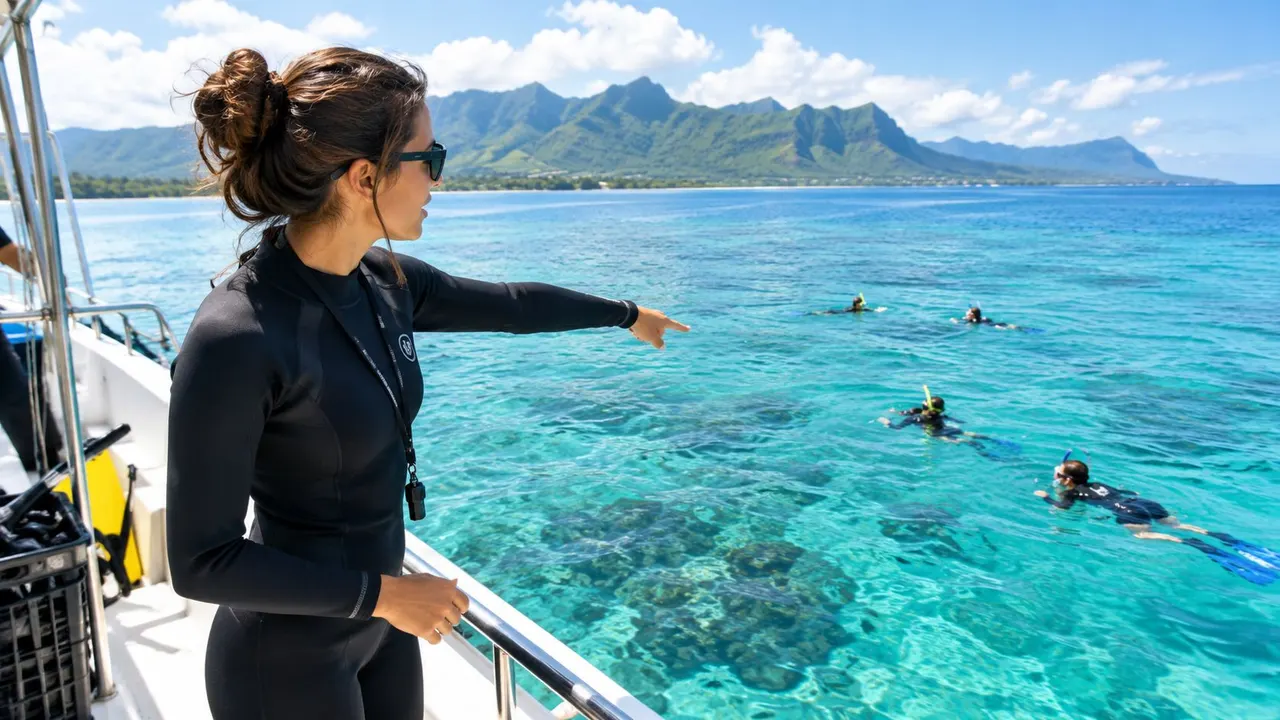
A guided trip earns its value before anyone enters the water. The crew checks wind, swell, current, visibility, and the safest entry and exit point. Guides then explain hand signals, buddy procedures, flotation use, and what to do if a mask leaks or a swimmer tires. Those decisions matter more than a polished boat or a broad beginner promise, because Honolulu's ocean can change faster than a sheltered pool suggests.
Shore snorkeling leaves the hardest details to the visitor. A rocky entry may be unmarked, visibility may worsen after rain, and a swimmer can drift farther from shore while focusing on fish or a turtle. Fatigue and current are easy to underestimate, especially when there is no crew watching position or breathing. A guide keeps attention on spacing, route, and the group as conditions change.
What separates a useful trip from a generic boat ride
Choose an operator that provides active in-water support, not only a deck briefing. Smaller groups give guides a better chance to notice nervous swimmers, correct mask fit, and prevent guests from drifting onto coral or crowding wildlife. Properly fitted masks and usable fins also affect comfort and control more than flashy boat features.
Living Ocean Tours offers a Waikiki-based guided snorkel with in-water instruction and wildlife viewing centered on responsible practices. Compare its Honolulu snorkeling company information with other local operators before booking.
The practical details count too. Parking, gear transport, rinse access, wet swimsuits, and the return to the harbor can use up energy when you handle everything yourself. A crew that manages those steps leaves you with more attention for the water.
Use reviews to check recurring details about communication, gear, guide attention, and responses to changing conditions. Those patterns are more useful than a generic promise of an unforgettable day.
Seasonal Wildlife and the Best Time to Go
Plan around the morning if visibility and calmer water matter. Local snorkeling guides consistently recommend earlier trips because wind and boat traffic often build later, while poor visibility makes it harder to judge depth, coral, and nearby swimmers. Avoid dawn, dusk, and water that already looks murky, since nearshore conditions can shift quickly (Hawaii morning snorkeling and water-quality guidance).
Rain deserves attention in vacation planning. After at least 72 hours after heavy rain, runoff may leave nearshore water turbid and potentially contaminated. Recovery depends on the location, rainfall, wind, and drainage, so a blue sky the next morning does not guarantee clear snorkeling. Near the Ala Wai Canal outfall, sediment and runoff can affect Waikiki clarity particularly quickly.
Matching wildlife to the calendar
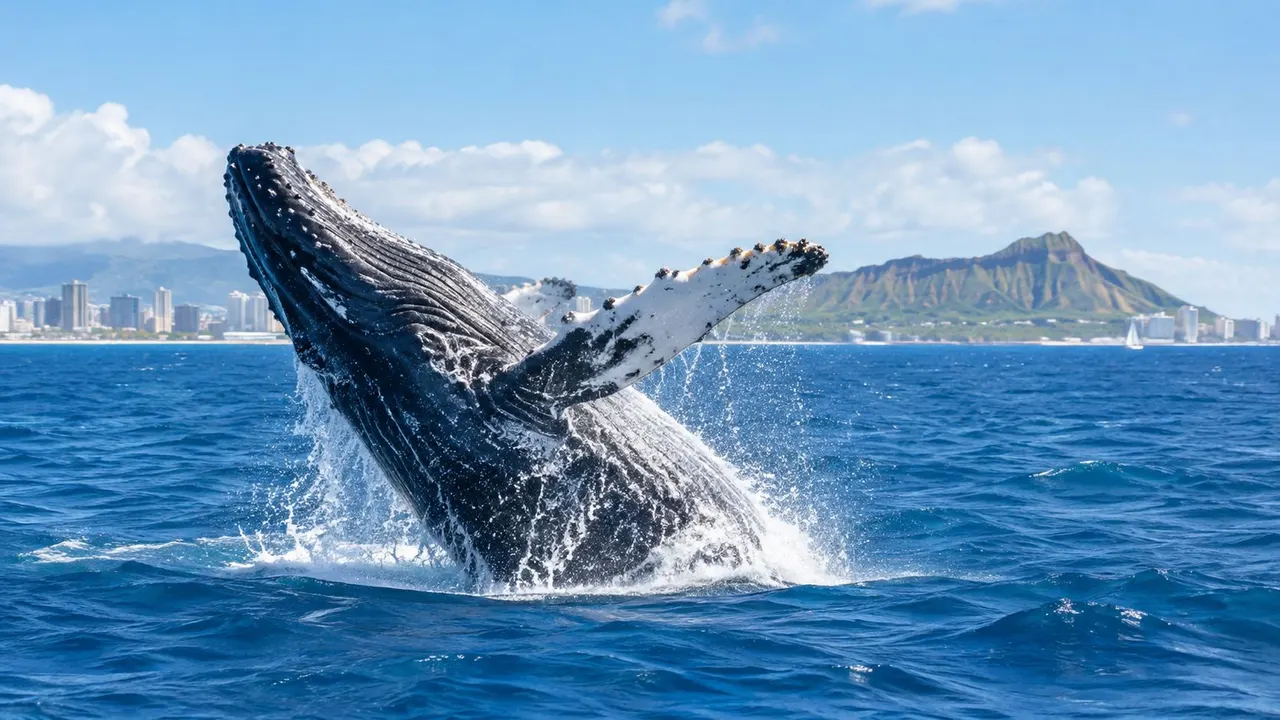
Humpback whales are seasonal visitors. The broader Hawaii season is recognized as November through April by the Hawaiian Islands Humpback Whale National Marine Sanctuary (official seasonal context for humpback whales). Oahu visitor guidance commonly places whale watching from mid-December through March or December through May, with January through March described as the peak period for frequent sightings and activity (Oahu whale-watching season guidance).
Winter boat rides can add whale sightings, but winter weather may also bring rain, wind, and swell. Those conditions can make the ride rougher and snorkeling less clear. Turtles use cleaning stations year-round, so turtle viewing does not depend on whale season.
The practical choice is simple: book a morning, choose a calm-weather day, and reassess after heavy rain. Peak hours can also mean more swimmers at Hanauma Bay, adding crowding even when the ocean itself is manageable. Safety briefings help, but beginners still need to respect current, swell, and changing visibility.
What to Bring and What to Wear
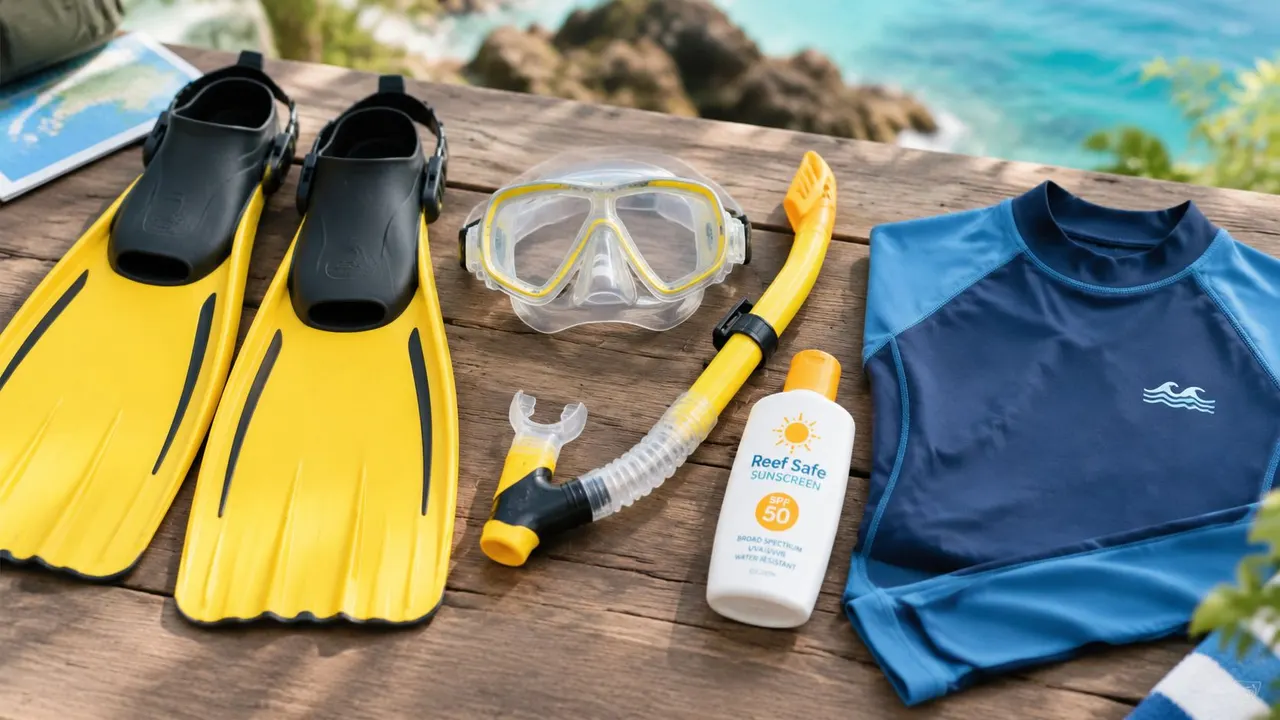
Most Waikiki snorkel operators provide the main gear, including a mask, snorkel, and fins. Confirm the fit before boarding, particularly for children. A leaking mask skirt means repeated clearing, less time watching the reef, and a frustrating swim.
Wear your swimsuit under your clothes so you can board without looking for a changing area. A rashguard or UV swim shirt gives steadier coverage than sunscreen alone. Choose quick-drying clothing for the ride home, since cotton towels and wet fabric stay cold on a boat deck.
Pack these items
- Reef-safe mineral sunscreen: Apply it before boarding, keep it out of the water, and reapply after the session.
- Refillable water bottle: Sun, saltwater, and boat time can leave you dehydrated.
- Dry bag: Separate your phone, keys, and other essentials from wet equipment.
- Towel and light snack: Both are useful after swimming.
- Water shoes: Bring them for rocky shoreline entries.
- Motion sickness medication: Pack it if boat travel usually affects you.
- Plastic bag: Store wet swimwear for the ride back.
- Hat with a chin strap: Wind can carry off a loose hat.
Check the operator's equipment policy before packing bulky substitutes. A detailed Oahu snorkeling packing list covers the small items first-time visitors often miss. Put your phone and car keys in the dry bag before leaving the dock, not after the swim, when wet hands and loose gear make that scramble harder.
Safety, Reef Etiquette, and Responsible Viewing
A calm-looking surface can hide the conditions that make Honolulu snorkeling difficult. Hawaii's water-safety reporting recorded 169 snorkeling-related deaths among 650 ocean drownings from 2007 through 2016, including 156 tourists. Reporting for 2012 through 2021 recorded 204 snorkeling-related deaths, including 184 tourists (Hawaii water-safety plan and snorkeling fatalities).
Those figures point to practical risks: fatigue, currents, reduced visibility, and swimmers misjudging their ability. Hawaii-oriented safety guidance identifies snorkeling as the leading cause of ocean drownings for tourists and says it accounts for nearly half of visitor ocean deaths (Honolulu snorkeling safety guidance). Beginner-friendly marketing cannot change how quickly chop, surge, or a tiring swim can affect someone.
Rules that matter in the water
- Use a buddy system: Stay close enough to communicate, and keep checking that your partner is still comfortable.
- Wear flotation when offered: Even confident swimmers can tire or lose orientation in open water.
- Choose the morning window: Wind and surface chop often build later, making conditions less forgiving.
- Wait after heavy rain: Follow the earlier section's 72-hour water-quality guidance. Clear skies do not guarantee clear nearshore water, especially after runoff.
- Keep your fins off the reef: Coral is living habitat. Do not stand, rest, or push off on it.
- Leave wildlife alone: Watch turtles without chasing, feeding, blocking, or touching them.
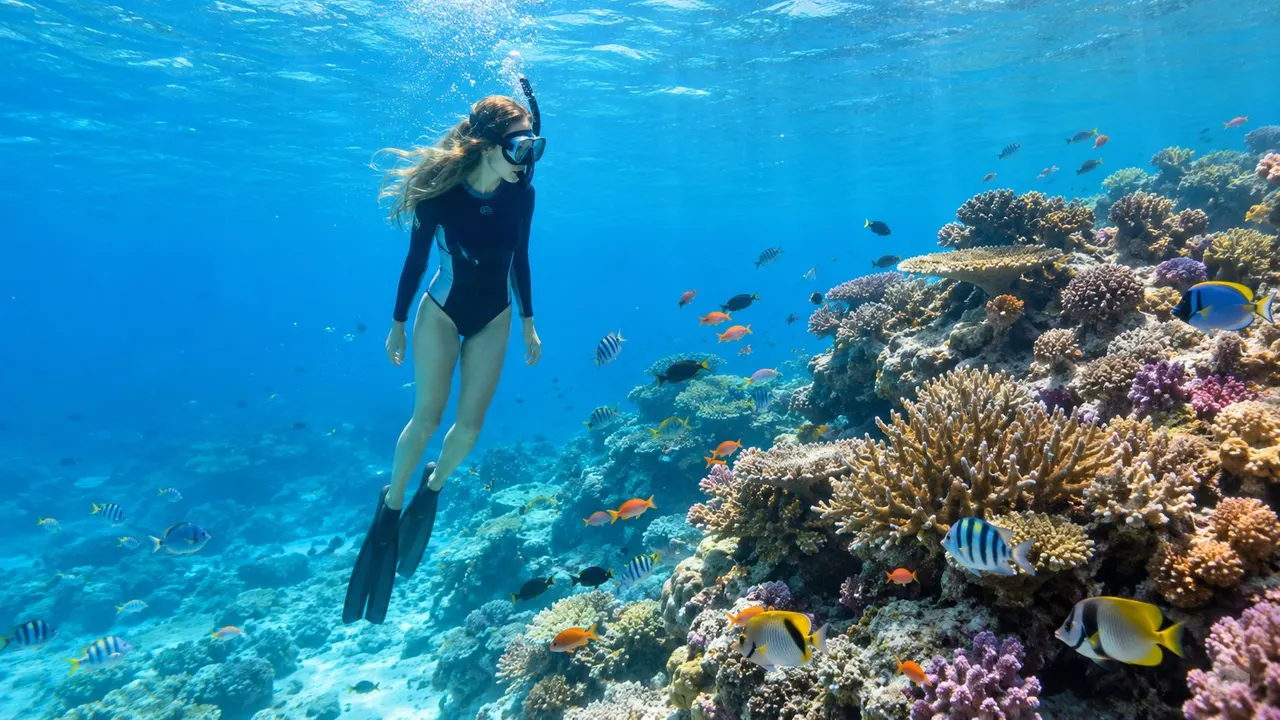
Peak hours at Hanauma Bay can add crowding, which makes spacing and awareness harder. Give other swimmers room, avoid finning over coral, and leave if visibility or current changes beyond your comfort level.
Hawaiian green sea turtles are protected. Review these Hawaii turtle snorkeling rules before entering the water, then keep a respectful distance and let the turtle choose its direction.
A safety-first operator should explain flotation, buddy signals, entry procedures, turtle distance, and the response to changing visibility or current. The crew should also be willing to delay or cancel a session when conditions deteriorate, rather than forcing a departure to preserve the schedule. That judgment matters more than a promise of guaranteed wildlife.
Booking Tips and Your Honolulu Snorkel Plan
Start by matching the trip to the people in your group. Smaller boats give guides more time to fit masks, watch weaker swimmers, and manage spacing around wildlife. Ask whether supervision continues in the water or ends with the boat briefing.
Confirm the departure point, check-in time, and parking before paying. Waikiki-based boat trips often require guests to climb a swim ladder from the water, which can be difficult for some mobility levels. Beach entries at Sans Souci or Electric Beach remove the ladder, but they bring other demands, including rocks, surge, and currents.
Questions to ask before reserving
- What happens in changing weather? Read the cancellation and rescheduling policy before booking.
- Where does the boat leave from? Confirm the harbor, check-in time, and parking plan.
- What equipment is included? Ask about masks, fins, flotation, and children's sizes.
- Who supervises the snorkel? In-water attention helps more than deck-only instruction.
- What does the crew teach about turtles? Responsible operators explain distance and natural behavior before entry.
- Can the trip accommodate your group? Mention children, older travelers, nervous swimmers, or mobility limitations in advance.
Reserve early if snorkeling is a priority during the busy winter and spring travel period. Choose a company with a clear weather policy, since wind, surf, and runoff can change conditions before departure. A fixed itinerary should not outweigh a safe call to delay, relocate, or cancel.
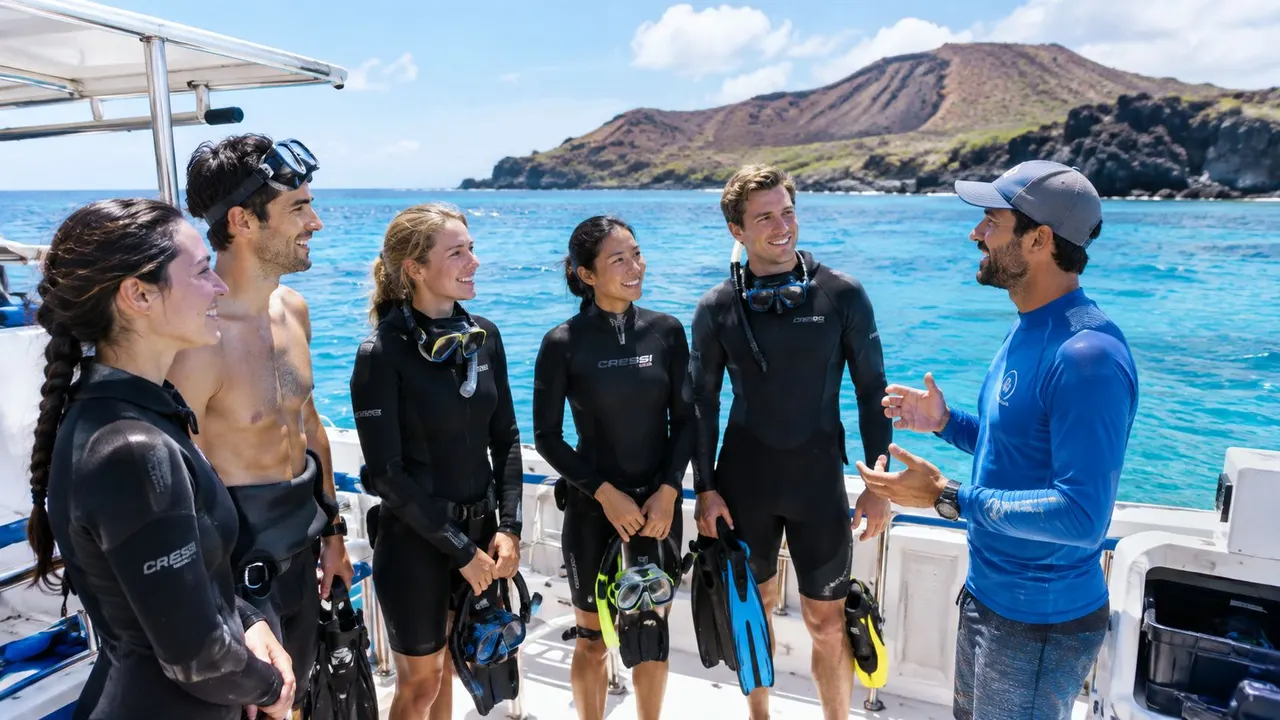
Keep the plan practical: choose a site suited to your ability, favor an early start, check recent rain and wind, bring a rashguard and reef-safe sunscreen, and use a buddy system. Follow the guide if you are asked to wait, change locations, wear flotation, or give a turtle more room.
Living Ocean Tours runs guided Waikiki snorkeling trips from Kewalo Basin, including Turtle Canyons, equipment, instruction, and in-water support. Review the available Living Ocean Tours experiences, then choose a morning that fits your group's comfort, mobility, and wildlife-viewing goals.


