
Oahu whale watching season: Start and end dates
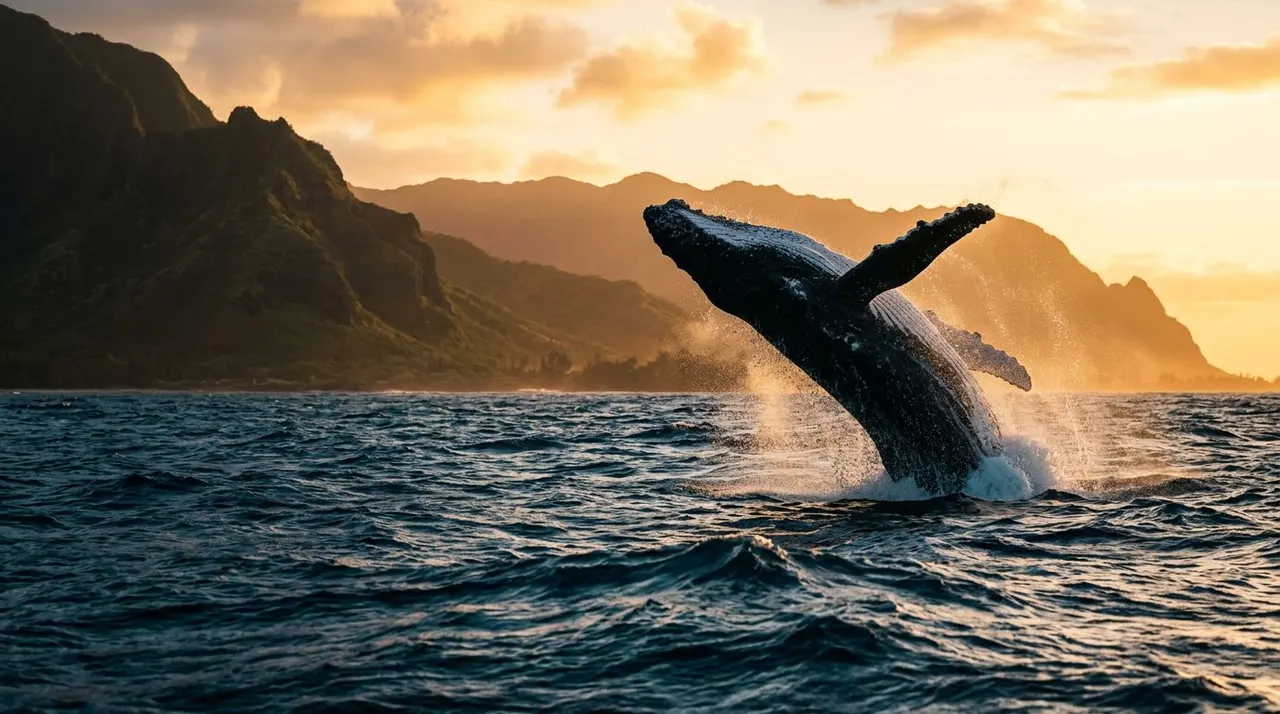
Planning around the Oahu whale watching season can save you from booking a boat after most humpbacks have headed north. The practical window runs from December through March, with January through March offering the strongest chances to see active whales.
However, the broader Hawaii season lasts longer. Whales may arrive as early as November and remain through April, so the right travel dates depend on whether you want a possible sighting, peak activity, or a scheduled whale watching tour.
Oahu whale watching season: The practical start and end dates
There isn’t one official start and end date for every whale watching trip on Oahu. The dates change slightly depending on whether you’re discussing the whales’ migration or a tour company’s operating schedule.
The Hawaiian Islands Humpback Whale National Marine Sanctuary identifies November through April as the general season for humpback whales in Hawaii. On Oahu, tour operators commonly describe December through March as the most reliable period.
Living Ocean Tours offers seasonal whale watching tours from January through March. That schedule focuses on the months when guests have the strongest overall chance of seeing humpbacks near the Waikiki coastline.
| Planning question | Typical timing | What it means for you |
|---|---|---|
| When can whales first appear? | November, with occasional earlier sightings | Early-season sightings are possible, but activity can be less consistent |
| When does the reliable season begin? | December | More whales usually reach Hawaiian waters |
| When is the peak? | January through March | The strongest period for regular whale activity |
| When does the season wind down? | April | Sightings remain possible, but fewer whales may be present |
| When do many Oahu tours operate? | January through March | Check the operator’s calendar before booking |
Some humpbacks can arrive earlier or stay later than these dates. Hawaii’s Department of Land and Natural Resources has reported arrivals as early as September and late departures into May. Those outer dates are useful for understanding whale behavior, but they aren’t the safest dates for planning a dedicated whale watching trip.
Why January through March offers the best whale sightings
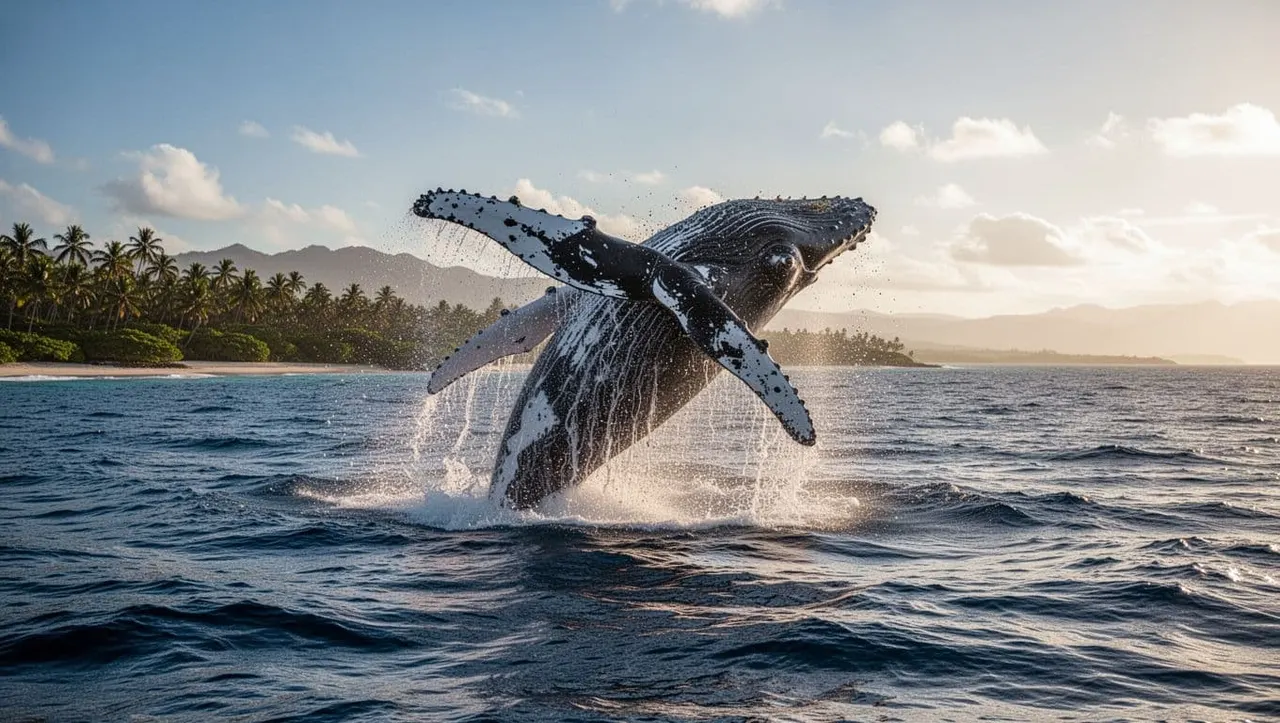
January through March is the strongest part of the Oahu whale watching season because most of the migrating humpbacks have reached Hawaii by then. The whales come to the warm waters around the islands to mate, give birth, and care for their calves.
January and February often produce excellent activity. You may see a whale breach, slap its tail, blow a tall spout of mist, or lift its flukes before diving. March can also be productive, especially when mothers and calves remain in Hawaiian waters before beginning the journey north.
Peak season doesn’t guarantee a whale on every trip. Humpbacks spend much of their time underwater, and their movements can change with wind, currents, food sources, and social behavior. A calm sea may make distant blows easier to spot, while rough conditions can hide activity even when whales are nearby.
Morning trips are popular because the ocean often has lighter winds earlier in the day. Still, whale behavior matters more than a strict clock. A late-morning trip can produce an unforgettable sighting when a whale surfaces close to the boat.
You should also keep your expectations realistic. Oahu has regular whale sightings, but humpbacks don’t gather evenly around every coastline. Maui’s waters are famous for especially dense seasonal activity, while Oahu sightings can feel more spread out. A knowledgeable crew helps you understand where to look and how to read the water.
What to expect each month
Your experience can change depending on when you visit. The monthly pattern below gives you a practical way to choose your travel dates.
November: The first humpbacks may begin appearing around the islands. Sightings are possible, but November is better for travelers who already have flexibility in their itinerary. If whale watching is your main goal, later dates offer better odds.
December: The season becomes more dependable as additional whales arrive. You may see adults traveling alone, pairs moving together, or early signs of breeding activity. Holiday travel can make tours busy, so reserve early if your dates are fixed.
January and February: These are strong months for whale watching on Oahu. You have a good chance of seeing repeated surface activity, including breaches, tail slaps, and calf behavior. These months also bring high visitor demand, so popular departure times can sell out.
March: March remains part of the peak period, especially early in the month. Some whales begin preparing for the return trip to Alaska later in the season, but mothers and calves may still be active near Hawaii.
April: Sightings can continue, but the number of whales usually starts to decline. April can suit travelers who want a quieter vacation and are comfortable treating whale watching as a possible highlight rather than a guarantee.
If your schedule includes only one whale watching opportunity, choose January, February, or early March when possible. You can also leave room for a second trip if weather cancels the first departure.
How to choose a whale watching tour on Oahu
Your departure location matters. Living Ocean Tours operates from Kewalo Basin Boat Harbor, just minutes from Waikiki Beach in Honolulu. That location makes it convenient to reach the water without spending much of your day in transit.
The company operates Coast Guard-inspected, custom-built double-decker vessels called the Coral Kai and Lokahi. Both boats include shaded seating, restrooms, dry storage, and sturdy ladders for easy water access. The Lokahi also uses a SeaKeeper stabilization system, which helps reduce rolling and can make the ride more comfortable for guests who are sensitive to motion.
Living Ocean Tours is the only tour company with professional snorkel guides. Those guides bring strong ocean awareness to every trip, including whale watching. They can help you scan the horizon, understand whale behavior, and enjoy the encounter without disturbing the animals.
You can review the available Living Ocean Tours whale watching options before choosing a departure. Check the date, meeting instructions, trip length, weather policy, and cancellation terms. If you have young children, older family members, or anyone prone to seasickness, ask about boarding access and the most stable seating areas.
The company welcomes beginners and families, but every guest should follow crew instructions. Wear reef-safe sunscreen, bring a light layer, and carry sunglasses with a secure strap. A phone or camera can capture the memory, although your eyes will often catch more than a screen.
How to watch whales responsibly
Humpback whales are protected marine mammals, and your choices help keep their habitat safe. Follow the crew’s instructions about distance, speed, and boat movement. Never attempt to swim toward a whale, touch one, feed one, or encourage it to approach your vessel.
Responsible whale watching also means observing natural behavior. A breach is exciting, but repeated approaches can interrupt feeding, resting, or nursing. Keep voices low when the boat is near active whales, and avoid using drones around wildlife.
You can also look for whales from shore. Makapuu Lighthouse, Diamond Head Lookout, and Kaena Point are popular viewing areas on Oahu. Bring binoculars and scan for blows, whitewater splashes, or dark backs breaking the surface. Shore viewing costs nothing, but a boat gives you a wider view of the ocean and lets you learn from a crew that watches whale activity throughout the season.
The best encounter is one that leaves the animal undisturbed. Observe, take photos when appropriate, and give every whale room to continue its natural behavior.
Plan your Oahu whale watching dates with confidence
For the simplest answer, plan your trip between December and March. January through March is the strongest window, while November and April offer possible sightings with less predictable activity.
The Oahu whale watching season is long enough to give you flexibility, but peak dates still fill quickly. Book early for winter travel, choose a professional crew, and allow some room in your itinerary for weather changes. With the right timing and respectful expectations, you can watch Hawaii’s humpbacks in their warm-water home without rushing the experience.


