
Snorkeling Honolulu 2026: Top Sites & Safety Tips
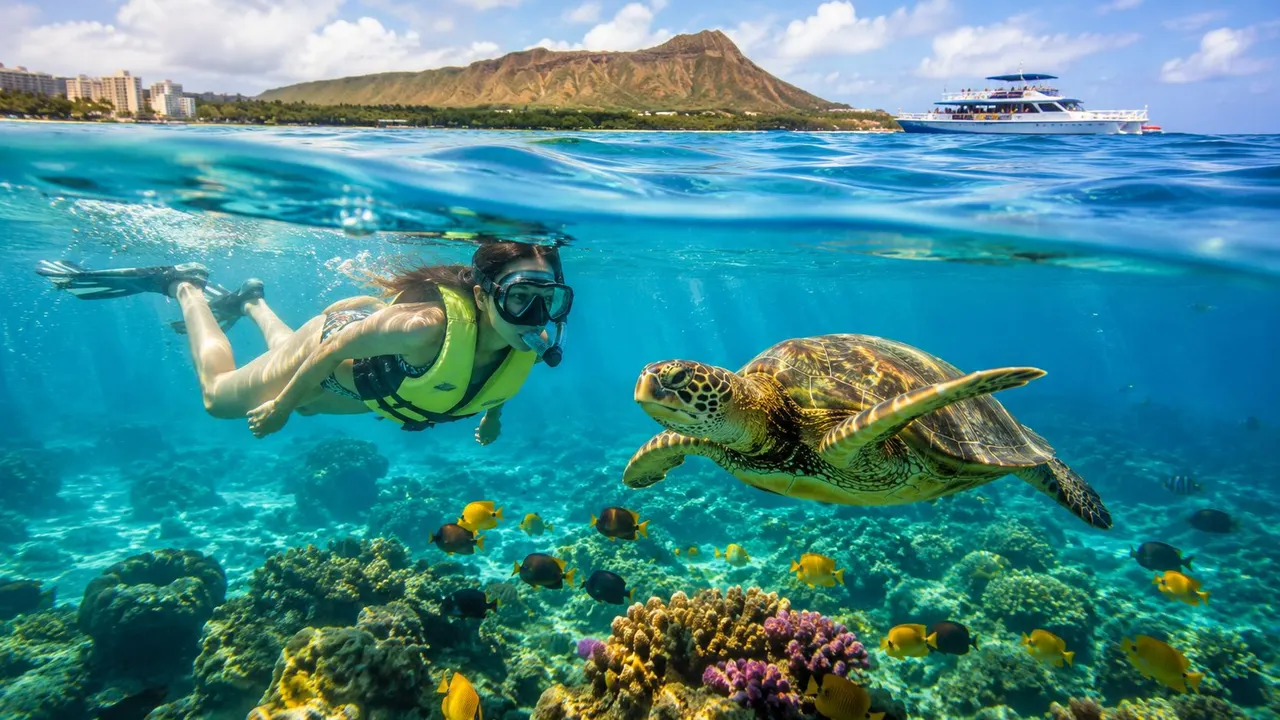
You're probably in the same place a lot of Honolulu visitors start. You've seen the photos of clear blue water, tropical fish, and sea turtles gliding over the reef, and now you're trying to figure out what snorkeling in Honolulu looks like in real life. Which spots are easy. Which ones are worth the trouble. Which ones are safe for kids, beginners, or the family member who says they can swim “a little.”
That's the right question to ask before you grab a mask and head for the water.
Honolulu can deliver a fantastic snorkel day, but it rewards good decisions. Conditions change by season. Some famous spots are beginner-friendly only in certain weather. Others look calm from shore and feel very different once you're in the water. For most visitors, the difference between a stressful outing and a great one comes down to planning, honest self-assessment, and choosing the right setup from the start.
If you're building out your trip, this guide pairs practical local advice with a wider list of popular Honolulu activities so you can fit snorkeling into the rest of your vacation without overcomplicating the day.
"Introduction Your Guide to Paradise"
A lot of people arrive in Honolulu with one picture in mind. Warm water, an easy swim, a few bright reef fish, maybe a turtle if luck shows up. That picture isn't wrong. It just needs context.
Snorkeling Honolulu can be simple and beautiful, but it's not one-size-fits-all. A calm protected bay feels very different from an offshore reef. A confident swimmer has options that a hesitant first-timer shouldn't touch. Families usually need a very different plan than a couple booking a last-minute beach day. The ocean doesn't care what was on your itinerary.
The good news is that Oahu gives you several ways to do this well. You can keep it easy with a protected shore entry, or you can skip the guesswork and join a guided boat outing that handles gear, access, and in-water support. Both can work. The right choice depends on your comfort level, the season, and what kind of day you want to have.
Honolulu rewards visitors who plan for the actual water conditions, not the postcard version.
This guide is built for that real decision-making. It covers the major shore spots, what each one is good for, why guided tours are often the smarter move for visitors, and the safety rules that matter most when you're sharing the water with protected marine life and unpredictable ocean conditions.
"Choosing Your Adventure Shore Snorkeling vs Guided Tours"
The first decision is the one that shapes the whole day. Do you snorkel from shore on your own, or do you head out on a guided boat?
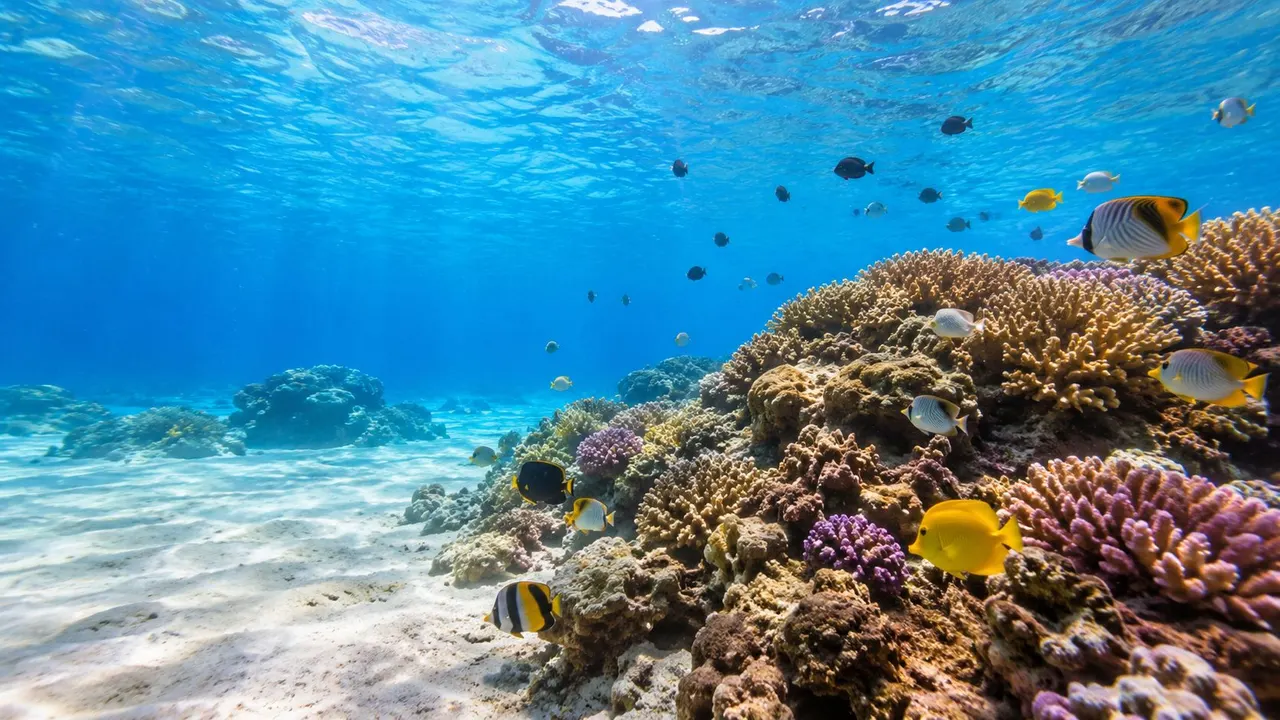
For some visitors, shore snorkeling is enough. For many others, especially first-timers, families, and travelers staying in Waikiki without gear or local knowledge, a tour removes a lot of friction. This side-by-side guide helps make that call. If you want an additional breakdown focused on visitor logistics, this comparison of Waikiki snorkeling vs tours is useful.
What shore snorkeling does well
Shore snorkeling works best when you want flexibility and you're comfortable making decisions on the fly. You can choose your arrival time, keep the cost lower, and stay in the water for as little or as long as you want.
That freedom comes with responsibility. You need to check the conditions, sort out gear, manage transport and parking, and know when a spot that looks inviting from land isn't a good entry that day. Water clarity can also change quickly, especially after rain or on windward sides of the island where runoff can make conditions murky.
Where guided tours change the experience
A guided boat tour usually gives you easier access, better offshore reef quality, and more structured support. That matters most when you want to see marine life, you're bringing kids, or you're not fully confident in the water.
Boat access also opens places that shore snorkelers can't walk into. Turtle Canyons off Waikiki is the clearest example. It's reached by boat, not by casually swimming out from the beach, and that changes both the safety profile and the quality of the wildlife encounter.
Practical rule: If anyone in your group is nervous in open water, a guided tour is usually the safer choice than trying to improvise a shore day.
Honolulu Snorkeling Shore vs. Guided Tour
| Feature | Shore Snorkeling (DIY) | Guided Boat Tour |
|---|---|---|
| Access | Easy to start if you have a car and know the spot | Access to offshore reefs and boat-only sites |
| Schedule | Flexible and self-paced | Fixed departure time |
| Gear | You bring or rent everything yourself | Gear and instruction are typically included |
| Safety support | Limited to beach conditions and your own judgment | Crew supervision and structured in-water guidance |
| Wildlife reliability | Depends heavily on spot selection and conditions | Better odds at known reef and turtle areas |
| Best for | Comfortable swimmers, repeat visitors, simple beach days | Families, beginners, turtle-focused trips, visitors without local knowledge |
There isn't a wrong option. There's only the option that matches your group. If your goal is a low-stress outing with fewer unknowns, guided snorkeling in Honolulu usually wins.
"Honolulu's Top Shore Snorkeling Spots"
Good shore snorkeling in Honolulu starts with restraint. The best spot is rarely the one with the biggest reputation. It is the one with calm entry, clear water, and conditions your group can handle that day.
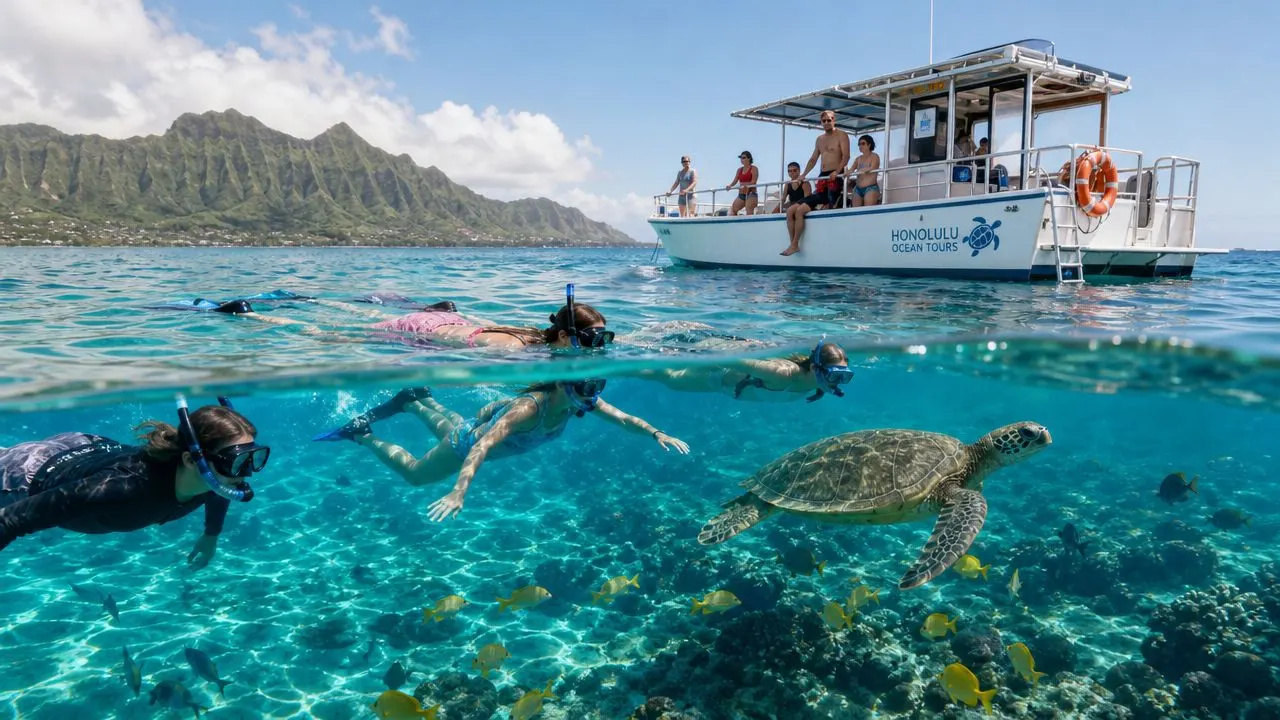
Summer is usually the friendliest season for Oahu shore snorkeling, especially on the North Shore, where winter surf can shut down spots that look gentle in photos. Just as important, a DIY snorkel day can fall apart over simple logistics. Late parking, a long walk in fins, or arriving after the wind picks up can turn a promising plan into a frustrating one. Checking local Honolulu snorkeling parking and access tips before you leave saves a lot of guesswork.
Hanauma Bay
Hanauma Bay is still the easiest shore recommendation for many first-time snorkelers. The bay is protected, the entry is more predictable than at open beaches, and the structure helps nervous swimmers feel oriented.
It also takes planning. Reservations, arrival timing, and crowds are part of the experience. For visitors who want an organized shore snorkel and do not mind the extra logistics, it remains one of the safer starting points on Oahu.
Shark's Cove
Shark's Cove is a summer spot. In calm conditions, it offers lava rock structure, reef pockets, and a lot to look at in relatively compact water. Strong swimmers who are comfortable with uneven entry often enjoy it.
Winter is different. North Shore surf changes the risk completely, and this is one of those places where local judgment matters more than a social media post. If waves are wrapping in or the surge is pushing through the rocks, skip it.
Kuilima Cove and other gentle entries
For families, the most useful shore spots are often the least dramatic. Kuilima Cove is a good example. The protected feel and shallower start make it more realistic for younger kids, cautious adults, and anyone who needs a few minutes to settle into breathing through a snorkel.
That trade-off is real. You may get an easier session and a calmer entry, but not the same fish density or reef footprint you would see at stronger sites. For many visitors, that is still the right call.
Kahe Point and higher-commitment snorkeling
Kahe Point, often called Electric Beach, draws experienced snorkelers because the marine life can be excellent. It also asks more from you right away. Water movement, entry conditions, and swim effort can all feel stronger than visitors expect from reading a casual beach roundup.
I do not recommend it as a first Honolulu snorkel for most travelers. Confident swimmers with good ocean sense may enjoy it. Beginners usually have a better day somewhere more protected, or on a guided boat trip where entry, site choice, and in-water support are handled by crew.
A practical filter helps:
- Choose the calmest entry, not the most famous name.
- Skip murky water and reassess after rain or strong wind.
- Treat North Shore winter conditions as a separate season.
- Turn back early if the entry looks rough or your group feels hesitant.
That last point matters most. Shore snorkeling in Honolulu can be excellent, but a guided option is often the safer choice because someone else is reading conditions, watching the group, and helping you spend more time enjoying the reef instead of second-guessing the plan.
"The Ultimate Experience Guided Honolulu Boat Tours"
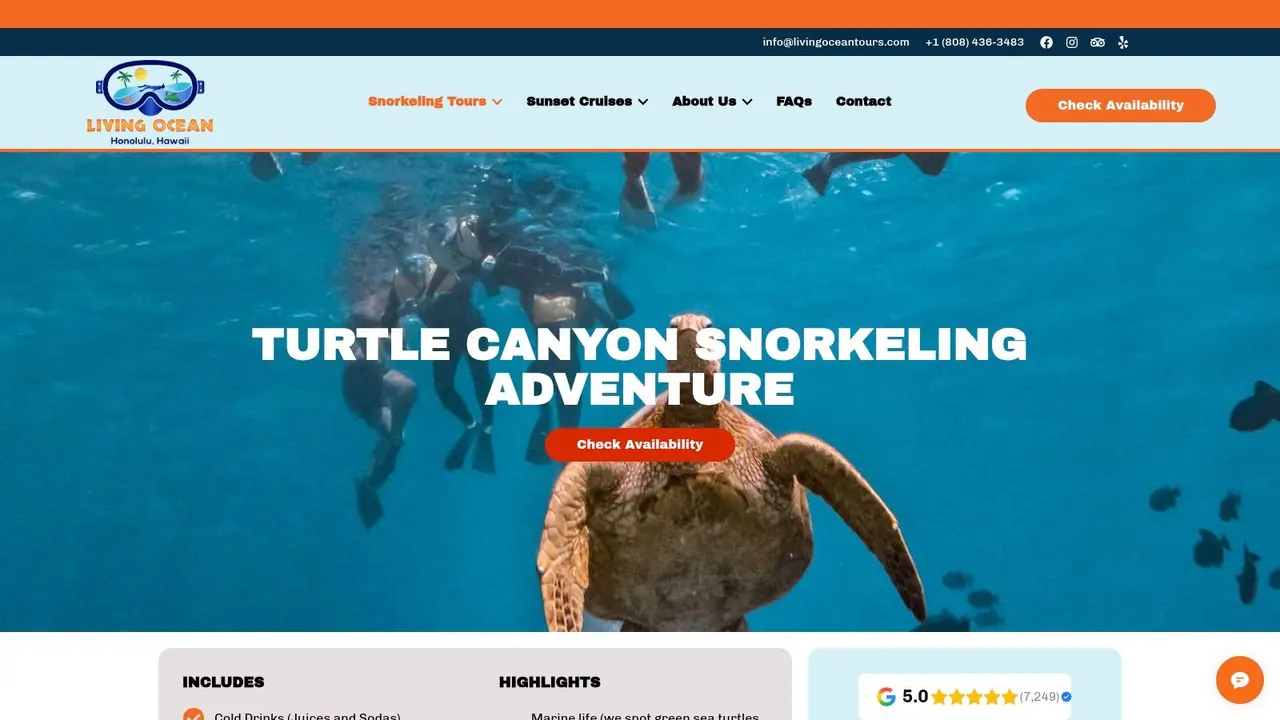
A lot of visitors decide on a beach snorkel, spend half the morning sorting parking, entry conditions, and gear problems, then realize the water outside Waikiki is more confusing than it looked from shore. A good boat tour cuts out that trial-and-error and puts you at a site chosen for the day's conditions, with crew watching the water and helping your group from the moment you step aboard.
Why boat access changes the experience
Offshore snorkel sites give you access to a different kind of day. You are not working around a rocky entry, surf line, or a long surface swim from the beach. You are dropped near the habitat you came to see.
That matters at places like Turtle Canyon. Hawaiian green sea turtles visit offshore cleaning stations where reef fish remove algae and parasites from their shells, and guides who work that area regularly know how to approach the site without crowding the animals or pushing guests over sensitive reef (Turtle Canyon cleaning station details).
For beginners and occasional snorkelers, the biggest benefit is usually not just wildlife. It is support. Crew can help with mask fit, explain how to clear a snorkel, watch for nervous swimmers, and call people back in before small problems turn into stressful ones. That is a real safety advantage, especially for families and mixed-ability groups.
A practical option near Waikiki
For travelers staying in town, Waikiki snorkeling tours departing from Kewalo Basin make the logistics much simpler than piecing together transportation, rentals, and site selection on your own. Living Ocean Tours runs trips from that harbor, including the Turtle Canyons Snorkel Excursion and the Deluxe Waikiki Snorkel & Waterslide tour.
Published materials from Living Ocean Tours report very high turtle sighting rates on their Turtle Canyon trips, including a 99% figure on one page and a 95% figure on another (turtle snorkeling Oahu page and tour reviews page). Wildlife is never guaranteed, and any honest guide should say that clearly. Still, repeated success at the same offshore habitat is one reason guided boat trips are often the smarter call for visitors who want a realistic chance of seeing turtles without guessing where to go.
Who gets the most value from a guided tour
Guided boat tours are usually the better fit for three types of visitors.
Travelers who specifically want turtles are first on that list. Offshore turtle habitat is different from showing up at a random beach and hoping for luck.
Families and friend groups with mixed comfort levels are another strong fit. One confident swimmer can manage a shore snorkel alone. A group with kids, hesitant adults, or older relatives usually does better with staff support, flotation options, and a controlled entry.
The third group is made up of visitors who want less uncertainty. Instead of solving parking, rentals, weather judgment, and route-finding yourself, you board, get briefed, and spend your energy in the water. In practice, that often leads to a calmer, longer, and more enjoyable snorkel.
"Essential Tips for Beginners and Families"
If you're new to snorkeling, the biggest mistakes usually happen before anyone gets in the water. People choose a spot that's too exposed, assume basic swimming is enough, or let one confident person set the plan for everyone else.
Can a non-swimmer snorkel
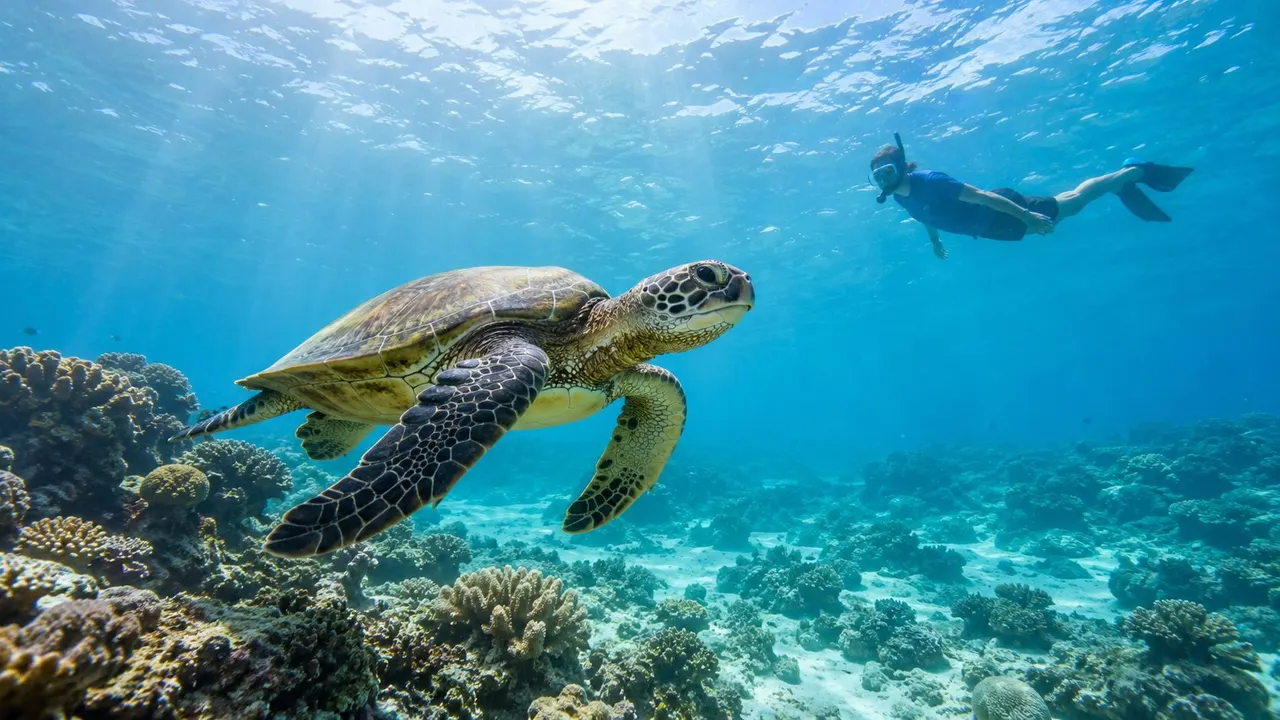
This is the question many guides soften too much. The honest answer is that true non-swimmers face real limits. Online communities and safety-focused discussions consistently caution that non-swimmers face significant risks, and comfort in the water plus mandatory flotation are absolute prerequisites (discussion on snorkeling for non-swimmers).
That doesn't mean every hesitant guest has to stay on shore. It means the setup has to be right.
A beginner who can stay calm in the water, wear flotation, listen to instructions, and enter under supervision is very different from someone who panics when their face goes in the water. Those are not the same guest, and they should not use the same plan.
Some people need a beach day, not a snorkel day. Knowing the difference is smart judgment, not missing out.
For families, this matters even more. If one child isn't comfortable putting their face in the water at the pool, don't expect the ocean to be the place that changes.
What to bring and what helps most
You don't need a huge packing list. You need the items that reduce friction.
- A well-fitting mask: If the mask leaks, people get frustrated fast.
- A snorkel you've tested: Breathing should feel simple, not like a skill test.
- Fins that fit securely: Loose fins create blisters and wasted energy.
- A rash guard or sun shirt: Better comfort, better sun protection, less distraction.
- Reef-safe sunscreen: Protect your skin without treating the reef like an afterthought.
- Flotation for beginners: This is safety gear, not a sign of weakness.
Families also do better with a short first session. Let everyone settle in, practice breathing, and come back out before anyone gets tired.
A few habits work especially well:
- Start early in the day: Conditions are often calmer and energy is better.
- Practice in shallow water first: Solve mask and breathing issues before swimming out.
- Keep one adult unhurried: Kids feed off the calmest person in the group.
- Stop before fatigue: A good short session beats a long stressful one.
"Snorkeling Safety and Responsible Wildlife Viewing"
The single most important part of snorkeling Honolulu is respecting that this is ocean activity, not pool activity.
The safety realities visitors shouldn't ignore
According to Hawaii Department of Health data, snorkeling is the number one cause of ocean drownings for tourists, accounting for nearly half of all such visitor deaths, which is why ocean conditions and supervised choices matter so much when people plan a snorkel outing (Hawaii snorkeling safety overview).
That fact shouldn't scare people out of the water. It should change how they approach the day.
The most common bad setup is easy to recognize. Visitor arrives tired from travel, wants to squeeze in ocean time immediately, underestimates effort, and enters water that looked calmer from shore. That pattern is avoidable.
Use a short checklist every time:
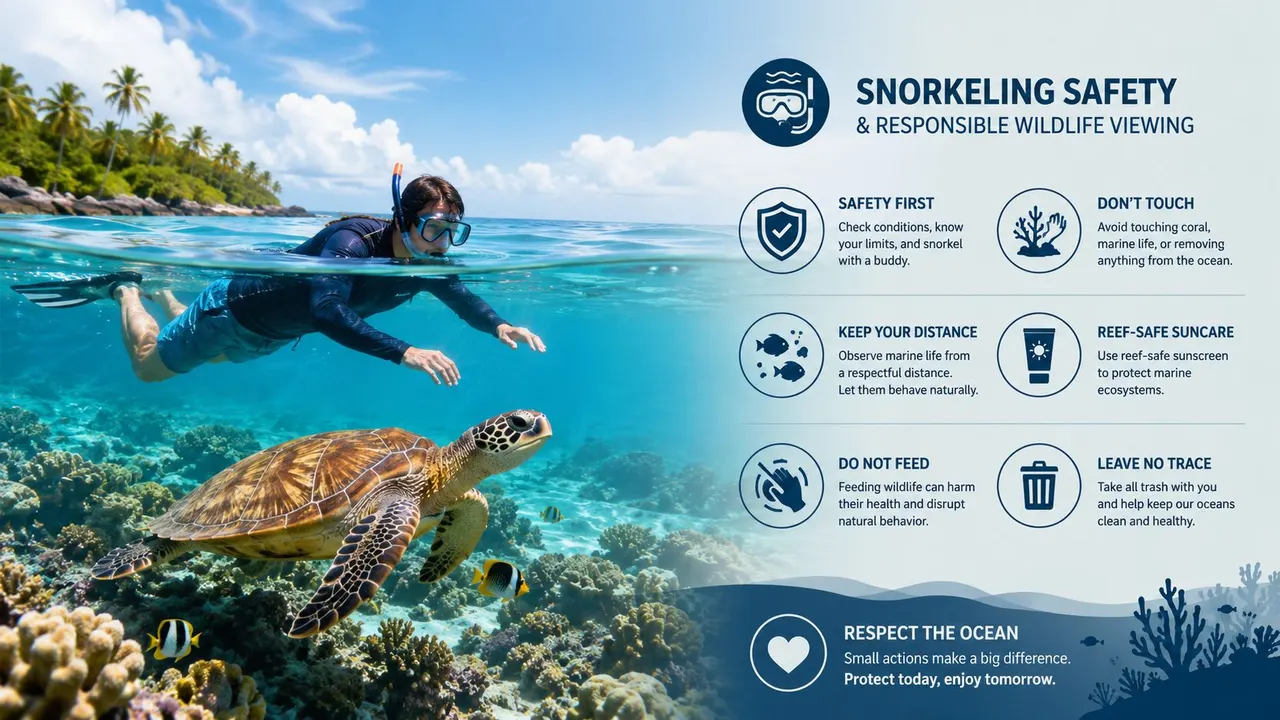
- Snorkel with a buddy: Don't spread the group out.
- Use flotation if you're not fully comfortable: Confidence is not a substitute for support.
- Check the actual conditions: Not yesterday's video, not a beach photo.
- Respect your own limits: If you're tired, congested, anxious, or overheated, shorten the session.
- Exit early if effort increases: Fighting current is the wrong time to prove anything.
If you want a broader primer on marine conduct once you're in the water, this guide to Oahu reef etiquette is worth reading before your trip.
Turtle etiquette is also the law
Seeing a honu can be a highlight of the whole vacation. It can also go wrong fast if people crowd the animal.
NOAA and Hawaii regulations require snorkelers to stay at least 10 feet (3 meters) from sea turtles, and violating that rule can trigger fines up to $10,000 under federal protections, as outlined in this guide to snorkeling with turtles in Hawaii. Turtles also show clear distress signals when people get too close, including mouth opening, head-bobbing, and flipper-swiping.
That means responsible viewing is simple in practice:
- Stay to the side: Don't block the turtle's path.
- Move slowly: Fast kicks and direct approaches create stress.
- Never hover over the top: It feels like pressure from above.
- Don't chase from behind: That pushes the turtle into flight.
- Keep off the coral while watching: Wildlife excitement is not a free pass to damage the reef.
A good turtle encounter feels calm. If the turtle has to react to you, you're too close.
"Planning Your Honolulu Snorkel Trip"
A well-planned snorkel day feels easy from the start. You are not rushing across the island, nobody is putting on gear while already tired, and the ocean session fits the group you have, not the itinerary you wished you could squeeze in.
Best timing for snorkeling Honolulu
Summer is usually the simplest season to plan around. As noted earlier, June through September often brings calmer, clearer conditions on Oahu, which makes scheduling easier for first-timers, families, and anyone who wants the best chance at a relaxed morning in the water.
Winter still offers plenty of good ocean days around Honolulu, especially on the south shore, but flexibility matters more. If the surf is up or someone in your group wants a lower-effort day on the water, a Waikiki whale watch tour can be a smart swap during whale season.
Two easy half-day plans
Family fun morning
A morning Deluxe Waikiki Snorkel & Waterslide cruise works well for families because it keeps the day focused. Do the snorkel first, eat a real lunch after, and leave the afternoon open. Kids usually enjoy the water more when they are not being rushed into a second activity, and adults appreciate having a clear finish time.
Couples ocean day
An afternoon Turtle Canyons Snorkel Excursion pairs nicely with an evening sail on the Waikiki sunset cruise. If you want a direct option for that evening plan, Sunset Cruise Waikiki is another booking path to review.
The planning mistake I see most often is simple. Visitors choose based on a famous name, then realize too late that someone in the group is nervous in open water, tired from travel, or not excited about a long beach setup. Guided trips usually solve that problem well because gear, entry point, timing, and in-water support are already handled by people who do this every day.
If you want a Honolulu snorkel day with gear, guidance, and a crew that works with beginners, families, and visitors who would rather skip the guesswork, take a look at Living Ocean Tours. It is a practical starting point for turtle snorkeling, wildlife cruises, sunset outings, and seasonal whale watch trips from Waikiki.


