
Honolulu Snorkeling Guide: Spots, Tours, and Safety Tips
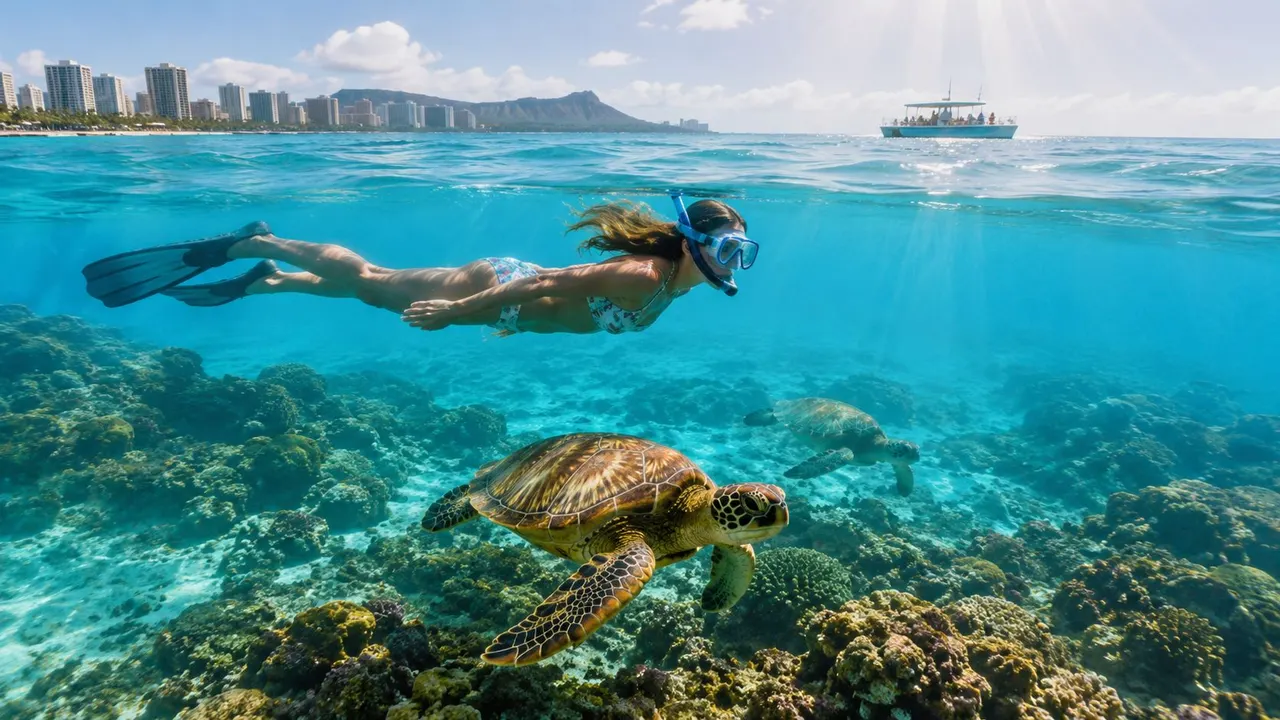
You don't need a big production to enjoy the water in Honolulu. If you've got a half-day, a hotel in Waikiki, and a rough idea that you want clear water, turtles, or just a safe first snorkel, the city gives you a workable launch point without a lot of logistics. The trick is knowing when a beach is enough, when a boat makes more sense, and when conditions should send you back to breakfast instead of into the reef.
Why Honolulu Is a Snorkeler's Launchpad
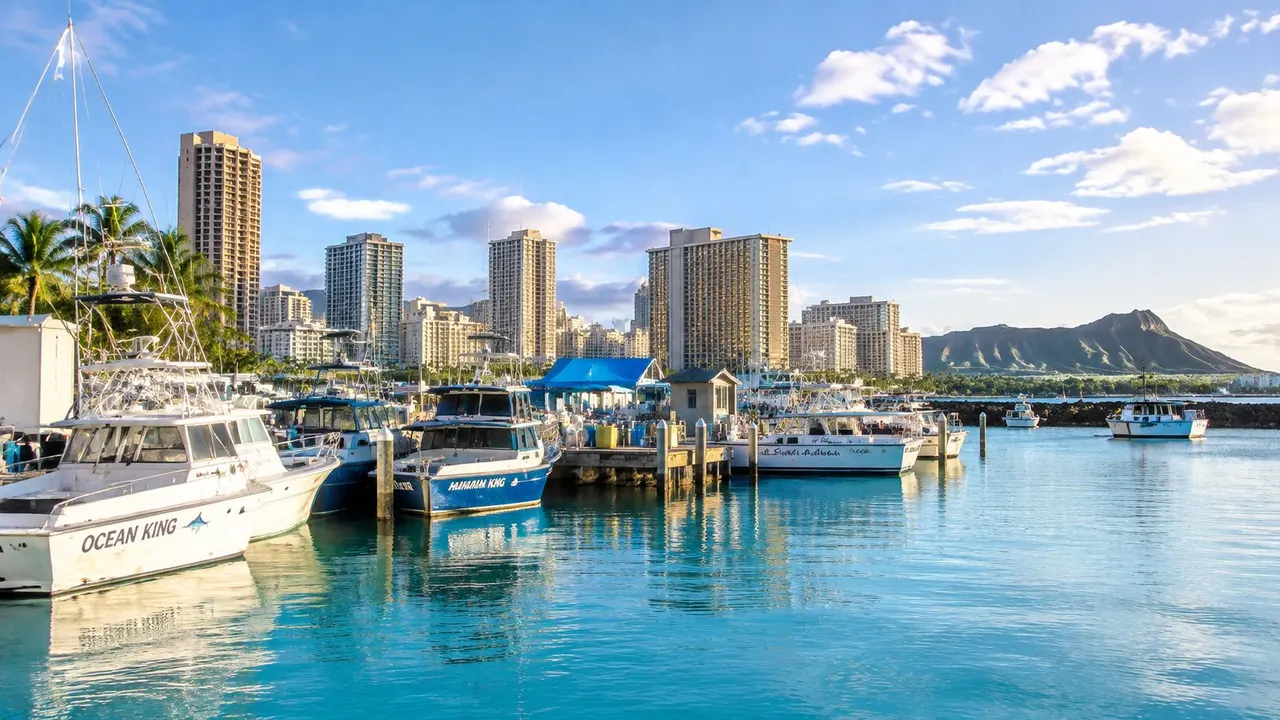
A normal morning out of Kewalo Basin has a simple rhythm. Crew members load fins, masks, and boards while the skyline wakes up, the harbor stays relatively calm, and visitors who stayed in Waikiki realize they're only a short ride from water that's good enough for a first snorkel. That convenience is the Honolulu advantage; it lets people go from hotel to reef without renting a car or building the whole day around a drive.
Honolulu snorkeling works because the city sits next to a mix of easy shore entries, managed parks, and short boat runs to calmer water. That means the right answer isn't always “go to the famous bay.” Sometimes the better move is a beginner reef near Waikiki, sometimes it's a boat trip to open water, and sometimes it's a protected site with rules and limited access.
Living Ocean Tours is one of the Honolulu operators that works from that setup every day, and this Oʻahu snorkeling guide helps frame how the island's different snorkeling areas fit together. The useful questions are the same for most travelers, where should you enter, should you go guided, and what time of day gives you a clean look underwater?
The right snorkeling day in Honolulu is usually decided before you ever touch the water, by where you launch, not by how hard you swim.
How Honolulu Snorkeling Conditions Actually Work
Morning water beats afternoon guesswork
In Honolulu, mornings usually give you the best odds. Official Hawaii safety guidance says mornings tend to bring better ocean conditions, improved visibility, and more active marine life, and that lines up with what I see on the water every week. A Honolulu-specific guide also says the 7:00–10:00 a.m. window can improve underwater clarity by up to 40% compared with the afternoon because wave action is lower and the sun angle is better, which means less chop and less suspended sediment in the water (Living Ocean Tours on morning snorkel timing).
That matters more than most visitors expect. A beach can look postcard-calm from shore and still be murky once the day warms up, the wind builds, and the surface gets busy. For families and first-timers, an early start usually gives better control, better visibility, and a calmer first experience.
Rain changes everything near the reef
The hidden problem is runoff. Hawaiian guidance says to avoid murky water and to wait 72+ hours after heavy rain because runoff can reduce clarity and increase contamination risk, so a post-rain beach that looks peaceful can still be a bad snorkel day (Safe to Swim Hawaii snorkeling safety). That's why locals check more than just the sky.
A practical pre-departure check is simple:
Practical rule: if recent rainfall, live surf or wind, and water-quality advisories don't all look acceptable, postpone the snorkel.
That three-input check is the difference between a decent outing and a frustrating one. Recent rain tells you whether the reef is getting flushed with runoff. Surf and wind tell you whether the surface will stay clear enough for safe swimming. Water-quality advisories tell you whether the area is currently being flagged for a reason you can't see from the beach.
If you only remember one thing, make it this. Good snorkeling conditions aren't a mood, they're a window.
Shore Reefs vs Boat Reefs vs Managed Parks
Honolulu gives you three very different access styles, and they're not interchangeable. A shore reef is about convenience. A boat reef trades a little more planning for cleaner water and a more guided experience. A managed park is the compromise between both, with rules that protect the reef and limit how the place operates.
| Honolulu Snorkeling Access Compared | Typical Time | Best For | Main Limit |
|---|---|---|---|
| Shore reef | Short | Quick hotel-day outings, confident swimmers, flexible schedules | Water quality and surf can vary a lot |
| Boat reef | Medium | Families, beginners, turtle seekers, travelers who want a briefing | Costs more and needs a reservation |
| Managed park | Medium to long | Visitors who want a famous site with structure and controls | Entry rules, capacity limits, and limited hours |
A shore entry near Waikiki can be enough if the sea is calm and the group wants something easy, but it can also disappoint if the wind comes up or visibility drops. A short boat run from Kewalo Basin is often the cleaner choice when people want a controlled launch and fewer unknowns. A managed park like Hanauma Bay has the strongest access rules, which helps the reef, but it also means planning around closures and cutoffs.
Families usually lean toward the option that reduces friction. Couples often like the boat because it feels like a clean half-day with a clear beginning and end. Solo travelers can do any of them, but the safest choice is the one that matches both comfort level and the day's forecast.
What each access style really feels like
A shore reef feels casual until conditions change. A managed park feels orderly until you realize you need to plan around the calendar. A boat reef feels like the easiest answer when you want the water to come to you instead of chasing a good entry point.
If you're deciding between them, start with time and uncertainty. The more limited your schedule, the more the boat wins. The more flexible you are and the more you want an iconic land-based snorkel, the more a managed park starts to make sense. For a deeper look at the trade-offs between the shoreline and offshore options, this Waikiki reef comparison is worth reading before you lock in a plan.
Top Snorkeling Spots Around Honolulu and Oahu
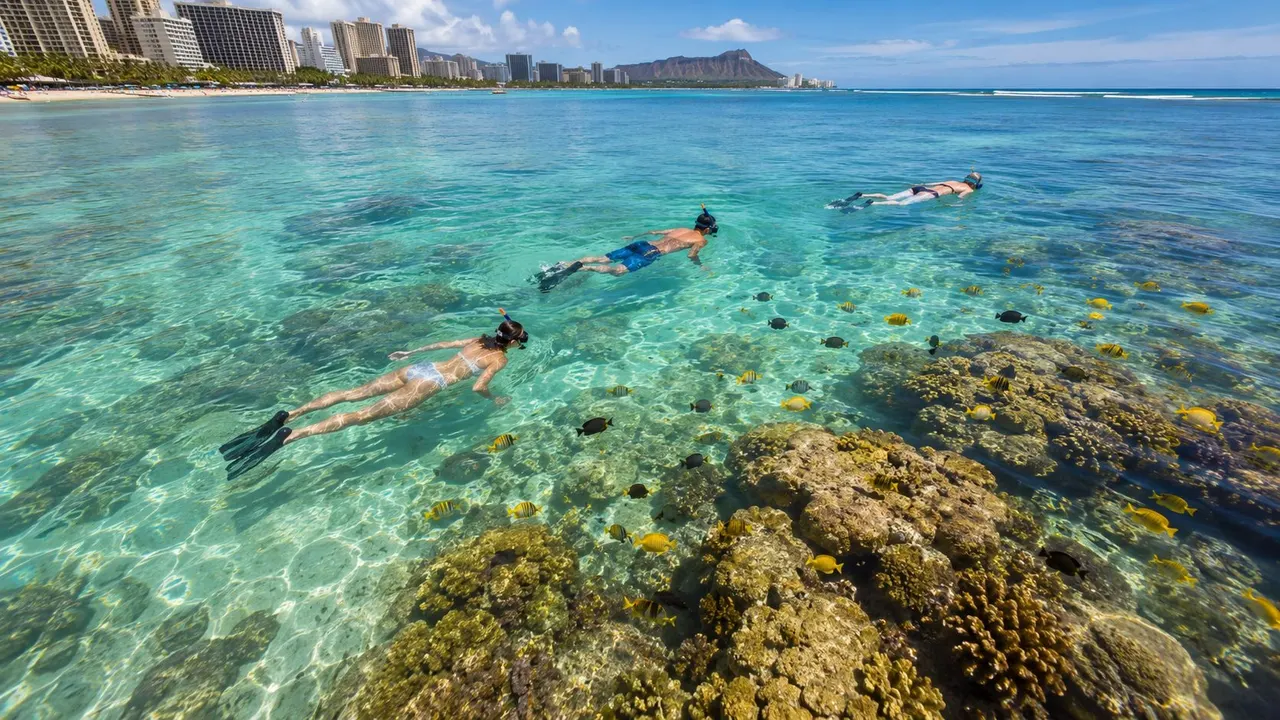
Waikiki and Kewalo Basin shoreline reefs
A Waikiki shoreline snorkel works when you want something close, simple, and low-commitment. You can step out from the hotel area, check the water fast, and decide on the spot whether the visibility and surface conditions are good enough to stay in. That makes sense for beginners, but it is still a beach reef, so the day only works if the ocean gives you a clean window.
The trade-off is easy to see. The easier the access, the more people you share it with, and the more the water changes as the morning goes on. If the sea is clear early, these reefs can give you a relaxed first snorkel. If wind or chop has already built, a shoreline plan starts to lose value quickly.
Turtle Canyons and the boat answer
Turtle Canyons is the site many visitors mean when they ask for a real Honolulu snorkeling trip. It is a boat-access reef where Hawaiian green sea turtles gather at a cleaning station, so the outing has a different rhythm from a beach entry. You are not hoping one turtle passes by. You are heading to a spot where the marine behavior is part of the draw.
A guided trip fits this site well. The crew handles the route, the gear, and the briefing, which keeps the morning simple when you want the easiest path to a turtle encounter without wasting time testing random shore entries. For families and first-timers, that usually makes more sense than trying to build a shoreline plan around an uncertain reef.
Living Ocean Tours runs the Turtle Canyons Snorkel Excursion, which fits that exact use case.
Hanauma Bay as the managed benchmark
Hanauma Bay is the benchmark site on Oʻahu, not just another stop. City and County carrying-capacity reporting found that in 2021/2022, 27% of all visitors were observed swimming or snorkeling, and the Channel was the highest-use sector for that activity (Hanauma Bay carrying capacity report). The park also sits inside a broader pattern where snorkeling is a major Hawaii tourism activity, with roughly 3 million people snorkeling in Hawaiian waters each year, and Hanauma Bay drawing about 1 million visitors annually in normal years. One Honolulu guide also notes that the bay's pre-restriction annual attendance exceeded 842,000 visitors.
That kind of use is why the park feels managed, because it is. Hanauma Bay is closed every Monday and Tuesday, and it does not allow entry after 1:30 p.m.. Adult admission is $25, and children 12 and under are free (Hanauma Bay official park information). Visitors are also told not to stand on coral, and to rest only on sand or bare rock, which matters because the reef is the whole reason people go there (Hanauma Bay etiquette guidance).
North Shore spots only when the ocean is right
Sharks Cove and Waimea Bay belong in a different season. People ask about them often, but that does not make them dependable Honolulu snorkeling choices year-round. In summer, experienced visitors can make them work if the swell is down and the water is calm. Outside that window, the safer call is usually the south side of the island or a guided outing.
A quick way to choose:
- Waikiki shoreline for convenience and a short, simple start.
- Turtle Canyons for a guided turtle-focused trip.
- Hanauma Bay for a managed snorkel day with tighter rules.
For a clearer comparison of the shoreline reefs and offshore boat-access sites around Waikiki, a side-by-side comparison of Waikiki shoreline reefs and offshore boat-access sites is worth reading before you decide.
Why a Guided Turtle Tour Is Often the Smart Choice
A guided trip solves the three problems many visitors do not want to manage on vacation. You get a boat ride to calmer water, the gear is included, and the crew has already checked the conditions that morning. For beginners and families, that is often easier than trying to build a beach day around whatever the ocean is doing.
Uncertainty is a key consideration. If the surf is building, the wind is ugly, or the shoreline looks crowded, a guided trip can still give you a clean snorkeling window without turning you into your own local forecaster. That matters most for people with kids, couples on a tight schedule, or anyone whose main goal is to see turtles instead of spending the day guessing which beach will work.
When a guided trip beats a beach day
A guide makes sense when the day has too many variables. It also makes sense when you have limited time and do not want to burn half the morning moving from one beach to another. For turtle seekers, the decision is simpler, the boat puts you closer to the area where an encounter is more likely.
I tell guests that straight. If they want a relaxing half-day and a better shot at marine life, they should stop trying to force a shore-snorkel plan into a boat-snorkel day. A practical trip like Living Ocean Tours' honolulu snorkeling tour fits that need because the outing is built around reef access, the briefing, and the wildlife angle instead of parking and guesswork.
What the guided format removes
You do not have to think through the launch. You do not have to rent gear from a random stand and hope it fits. You do not have to read the water alone when the day is marginal.
A good guide does not create calm water, but they do know when the day is worth committing to.
That is the value. You are paying for a more controlled decision, not just transportation.
What to Pack and What to Leave Behind
Start with the gear you'll use. A mask, snorkel, fins, and a rash guard cover most of the day, and reef-safe sunscreen matters because you'll be in and out of the water while the sun keeps working on you. Add anti-fog if you hate clearing your mask every few minutes, because a fogged lens turns a good site into a frustrating one.
A guided tour usually reduces what you need to carry. If you're self-guided, bring a towel, a dry bag, a dry change of clothes, and a plan for what happens after the swim. If you're prone to seasickness, bring whatever remedy already works for you, because boat rides are a bad place to experiment.
What to skip
Heavy reef shoes look useful, but they're often overkill. They can make swimming clumsy and, if you're climbing over rock, they can increase the chance that you step where you shouldn't. The same goes for bulky add-ons that feel impressive in a shop and annoying in the water.
A few practical rules help:
- Bring a well-fitting mask first. A good fit matters more than fancy branding.
- Use fins if you're not a strong swimmer. They make control easier in mild current.
- Skip anything that makes you less stable. Comfort in the water beats looking prepared on the beach.
- Pack light for shore days. The less you carry, the easier it is to move if conditions change.
The goal isn't to build a perfect kit. It's to avoid the gear mistakes that make a simple snorkel day more complicated than it needs to be.
Sample Itineraries for Families and Couples
Family day that stays calm
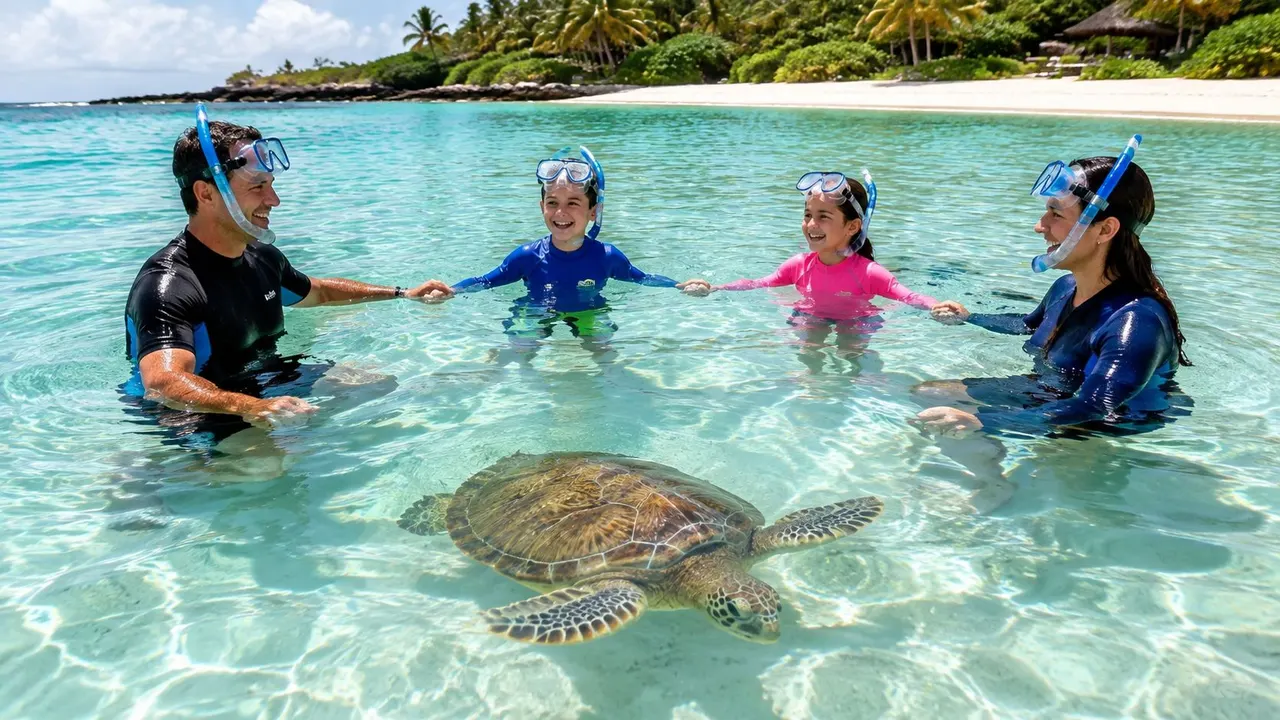
For families, the cleanest plan starts early. Book a morning turtle-focused snorkel, get on the water before the day gets busy, and keep the rest of the afternoon simple. A hotel pool or a low-key lunch afterward works better than trying to stack another major outing onto the same day.
If kids handle water well, this format usually works because the hardest part is already solved by the boat and the briefing. If a child gets tired early, you're still on a timetable that doesn't wreck the whole trip. If the ocean doesn't cooperate, you've at least protected the morning and still have room to pivot.
Couple day with a better finish
Couples usually like a little more flow. Do the same morning snorkel window, then leave enough time for a relaxed lunch and a reset before sunset. That makes the day feel full without being rushed, and it sets up a natural evening on the water.
A sunset cruise is the easy bookend. Living Ocean Tours runs a Waikiki sunset cruise, and this sunset cruise option works well if you want to keep the day centered on the ocean from start to finish.
Where to put the food break
Keep the meal between the snorkel and the evening plan. Don't try to squeeze a heavy lunch before a boat trip unless you know your stomach is reliable on the water. A casual meal back in Waikiki is enough, then you can dress for the evening and enjoy the second half of the day without rushing.
The nice part about this structure is that it scales. Families get a manageable water day. Couples get a polished one. Both avoid the common mistake of overloading the schedule and then wondering why the snorkel felt like a chore.
Safety, Etiquette, and Wildlife Done Right
Honolulu snorkeling goes better when you act like the reef is alive, because it is. Hawaiʻi ocean-safety guidance says snorkelers should always go out with a buddy, check ocean conditions before entering, avoid rocky areas and shallow reef, use anti-fog in the mask, and keep track of how they feel in the water (Hawaii ocean snorkeling safety guidance). Those basics don't sound glamorous, but they prevent most of the bad outcomes.
The etiquette matters just as much. Never stand on coral, keep your distance from Hawaiian green sea turtles, and don't feed fish. At managed places like Hanauma Bay, the rules are there to protect the reef, not to annoy visitors, and following them is part of being allowed in the water in the first place.
One more thing people ignore
During whale season, the ocean has a different mood. January through March is when humpback whales are around, and operators shift some attention toward whale watching rather than treating the water like a generic snorkel zone. That's the right mindset, because wildlife viewing should fit the season, not force the same plan all year.
If you want to keep the experience respectful, keep your movements slow, your distance reasonable, and your expectations realistic. The best trip is the one that leaves the reef healthier for the next person.
For a simple field guide to the do's and don'ts around turtles, these Hawaii turtle snorkeling rules are a solid reference before you head out.
If you want a guided Honolulu snorkel with a clear briefing, reef-aware timing, and a route that fits beginners, families, or couples, Living Ocean Tours has options built around that kind of day. Visit Living Ocean Tours to compare the Turtle Canyons snorkel, the deluxe wildlife cruise, and the Waikiki sunset cruise, then pick the water day that matches your trip instead of gambling on conditions.


