
Turtle Canyon Oahu a Visitor’s Guide to Seeing Honu
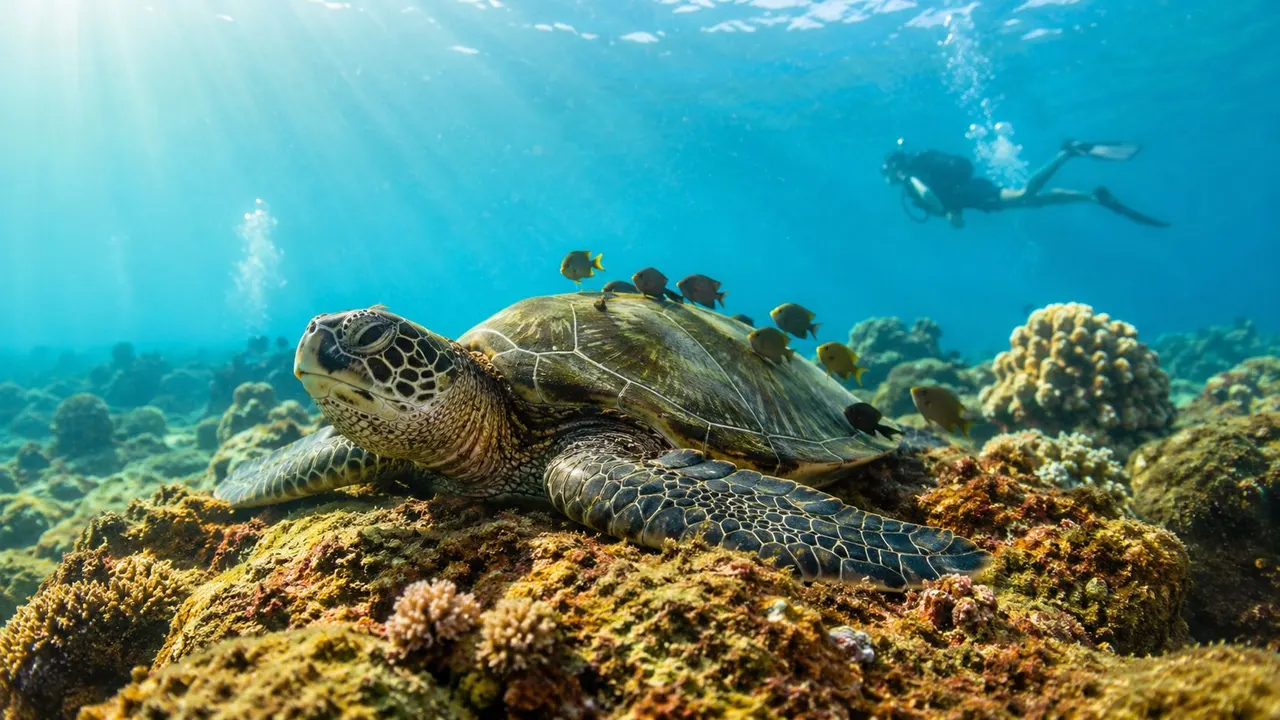
Turtle Canyon off Waikiki is one of Oahu's most reliable turtle snorkeling spots because it's a natural cleaning station where Hawaiian green sea turtles gather, and tour operators commonly report 95% to 98% sighting rates. It sits in calm, clear water with visibility that often exceeds 100 feet and typical snorkeling depths of 20 to 40 feet, which is a big reason first-time snorkelers keep choosing it.
If you're reading this, you're probably trying to answer a very practical vacation question. Is Turtle Canyon Oahu worth booking, or is it just another overhyped stop with a nice name and a crowded boat photo?
The short answer is that it can be a fantastic experience, but only if you go in with the right expectations. Turtle Canyon is not a secret spot. It's a well-known offshore reef near Waikiki, and that popularity is exactly why visitors need a little more than brochure language before they head out. You want to know what the water feels like, how the trip works, what respectful turtle viewing looks like, and whether strong turtle odds also mean a comfortable day for your group.
That's where most guides fall short. They talk about seeing honu. They don't talk enough about timing, crowding, comfort, and why this reef matters beyond the photos.
Introduction Your Gateway to Oahu's Underwater World
There's a reason so many visitors look up Turtle Canyon Oahu before they ever set foot on a boat. You want that classic Hawaii moment. Mask on, face in the water, sunlight cutting through blue water, and a honu gliding below you like it owns the place.
At Turtle Canyon, that moment is very real. The site has earned its reputation because turtles don't just pass through once in a while. They return to this reef as part of a natural routine, which is why it feels different from random shore snorkeling where you might spend the whole swim hoping for a lucky sighting.
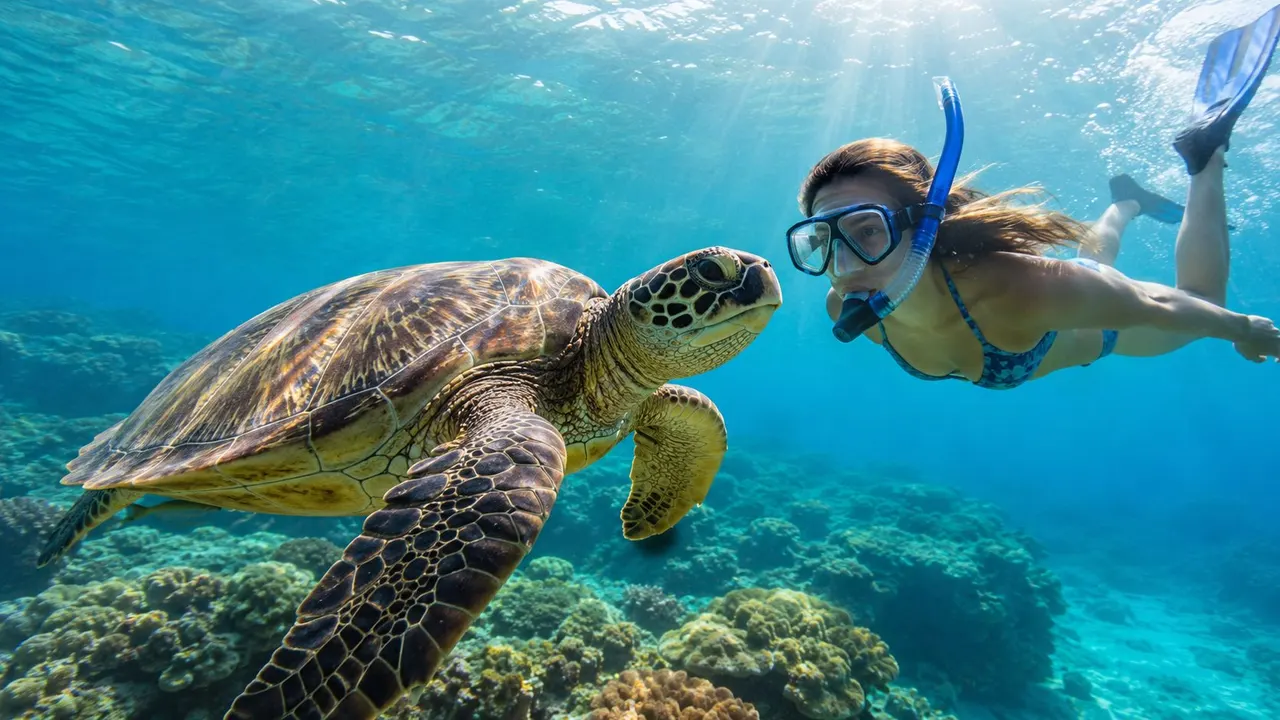
A lot of travelers first discover the area through guides about snorkeling with turtles on Oahu, then realize Turtle Canyon is the name that keeps coming up for Waikiki-based trips. That's not an accident. Its location, reef layout, and repeat turtle activity make it one of the easiest ways for visitors staying in town to get on the water without turning the day into a long island commute.
What people usually get right
The headline is clear. Turtle Canyon is famous for turtles, and it's close to Waikiki.
That part is true.
What people often miss
The better question is whether the experience will feel easy, safe, and respectful for your group. That depends on more than wildlife odds. Morning conditions are often more comfortable. Boat traffic can shape the mood of the site. Families and first-time snorkelers usually do best when they know ahead of time that offshore snorkeling feels very different from standing at a beach break.
Turtle Canyon rewards calm expectations. Go for a wildlife encounter, not a private reef all to yourself.
If you approach it that way, this spot tends to deliver. Not because it's staged, but because the reef itself gives turtles a reason to be there.
What Makes Turtle Canyon a Premier Snorkeling Spot
Turtle Canyon stands out because it's more than a pretty patch of reef. It functions as a natural cleaning station, where reef fish remove algae and parasites from honu. That behavior matters because it keeps turtles returning to the same area, which is why tours commonly report 95% to 98% turtle sighting success rates and why the water often offers visibility of more than 100 feet in typical snorkeling depths of 20 to 40 feet, according to Living Ocean Tours' guide to Turtle Canyon snorkeling.
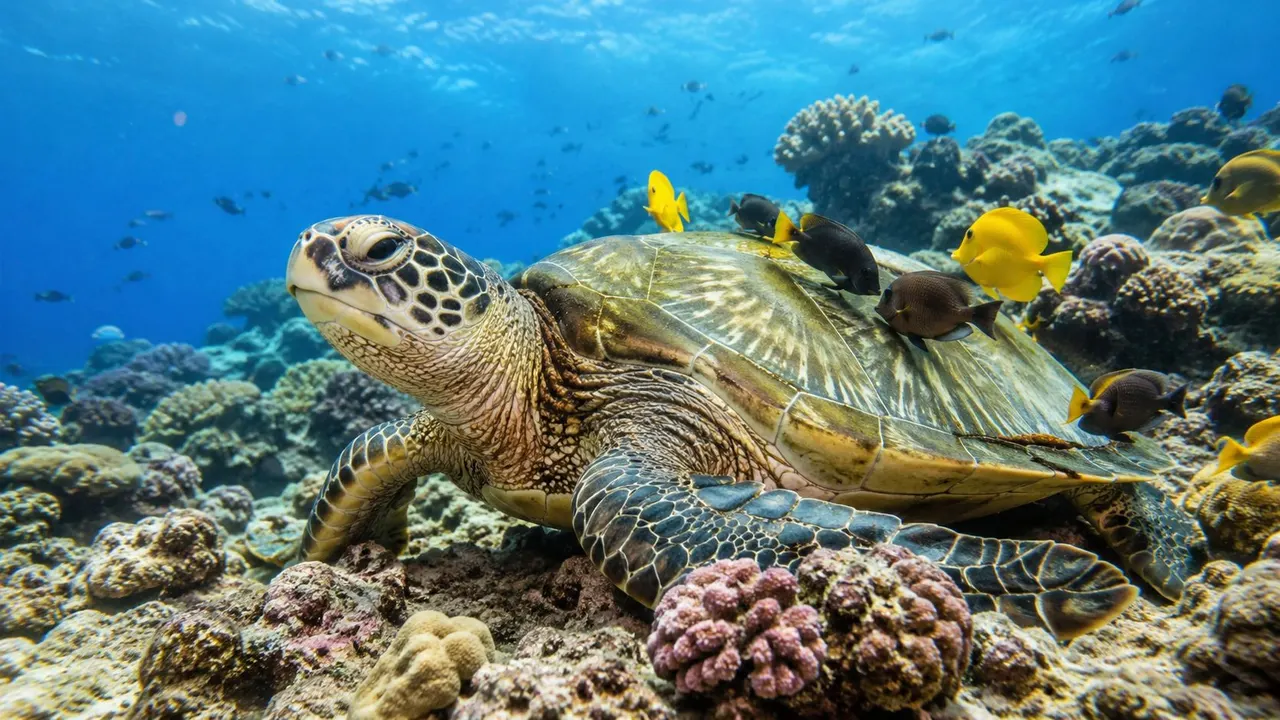
That cleaning station concept is what separates Turtle Canyon from a lot of casual snorkeling spots. On many reefs, wildlife appears when it appears. At Turtle Canyon, the reef plays a specific role in turtle behavior. If you want a plain-English version, think of it as a turtle service stop.
Why the reef keeps producing sightings
When turtles hover or settle over the reef, smaller fish get to work. Visitors floating above often see the turtles staying relaxed in one area instead of darting off like a fish spooked in shallow water. That's a huge difference for beginners.
From a guide's perspective, this changes the whole rhythm of the snorkel:
- You spend less time searching and more time observing.
- Surface snorkelers can still enjoy the encounter because the action often happens below in good light.
- The experience feels calmer than chasing wildlife around a wide reef.
A separate overview of Turtle Canyon snorkeling conditions also helps visitors understand why this site gets so much attention compared with more random turtle stops.
Why visibility and depth matter
Good turtle odds aren't enough if nobody can see what's happening. Turtle Canyon's usual depth range helps with that. The reef is shallow enough for light to penetrate well, but deep enough that the structure stays below most surface chop.
That combination works especially well for:
| Visitor type | Why Turtle Canyon works |
|---|---|
| First-time snorkelers | You can often watch from the surface without diving down |
| Families | Better visibility helps kids and cautious swimmers stay engaged |
| Casual photographers | Clear water makes it easier to spot turtles and reef fish |
| Experienced snorkelers | You still get a healthy reef scene, not just one animal sighting |
Practical rule: The best reef isn't always the one with the most coral. For many visitors, it's the one where marine life behavior is predictable enough to enjoy without stress.
That's the defining strength of Turtle Canyon Oahu. It gives visitors a strong chance of seeing turtles in a setting that usually feels manageable, not random.
How to Get to Turtle Canyon The Best Tour Options
A lot of Waikiki visitors look at the map, see Turtle Canyon sitting just offshore, and assume it works like a beach snorkel. It does not. Turtle Canyon is a boat-access site, and trying to swim out from shore puts you in open water with current, distance, and active boat traffic to manage. That is a poor trade for a vacation snorkel.
The practical move is booking a guided boat trip. A crew gets you on site quickly, watches conditions in real time, and gives you a much better shot at a calm, respectful turtle encounter instead of a tiring swim and a stressful pickup problem.
That matters here because the goal is not just reaching the reef. The goal is getting there with enough energy and confidence left to enjoy it.
Why a guided boat trip works better
Good Turtle Canyon operators do more than shuttle people out and back. They handle the parts first-time ocean snorkelers often underestimate.
- Boat positioning: The captain sets up the approach based on swell, wind, and other boats already on the mooring or drifting nearby.
- Water entry support: Crew members help guests enter and exit cleanly, which makes a big difference for kids, hesitant swimmers, and anyone using fins in open water for the first time.
- On-the-spot judgment: Conditions can change fast off Waikiki. A solid crew adjusts the plan instead of forcing the same routine every day.
- Wildlife spacing: The better tours manage guests around turtles instead of letting the group crowd the cleaning stations.
That last point matters. Turtle Canyon can be busy, especially on calm mornings. A respectful crew helps you enjoy the site without turning the turtle encounter into a pileup of fins and selfie sticks.
Choosing the right trip from Waikiki
Start with departure point and group style. If you are staying in Waikiki, a boat leaving from nearby keeps the morning simple and cuts down on time spent in traffic or parking lots. Then look at the guest mix. Some boats are built for small groups and more personal instruction. Others carry larger groups and work fine if everyone in your party is already comfortable in the water.
Crew attitude matters as much as boat size. Look for a trip that explains turtle etiquette clearly, keeps an eye on nervous snorkelers, and does not treat wildlife like a guaranteed performance. A respectful operation sets realistic expectations. Turtles are common here, but ocean conditions, visibility, and crowd levels always affect the experience.
Living Ocean Tours runs a Turtle Canyon snorkel tour from Waikiki that fits the short-trip format many visitors want. The main thing to compare is not flashy marketing. Compare launch location, time on the water, group support, and how seriously the crew takes safety and marine life spacing.
What doesn't work well
Choosing only by price usually backfires. The cheapest seat can mean rushed briefings, worn gear, or too little help for beginners once everyone is in the water.
Another weak plan is booking the latest trip available just because it fits lunch reservations. Morning conditions are often more cooperative, and earlier departures usually feel less hectic. No captain can promise a perfect day, but timing can improve your odds.
The right tour gives your group a fair, organized, and low-stress way to experience Turtle Canyon. That is what makes the outing memorable, and better for the turtles too.
What to Expect on Your Turtle Snorkel Adventure
Most Turtle Canyon trips are short by design, which is part of their appeal. Published excursion details show typical outings of 2 to 2.5 hours, with about 1 hour and 15 minutes spent snorkeling, and some tours also include gear, refreshments, and possible winter humpback whale sightings on the ride, according to Sail Holokai's Turtle Canyon excursion details.
That kind of timing works well for Waikiki visitors because it leaves room in the day. You're not committing to a long-crossing charter. You're stepping onto a boat, getting offshore quickly, snorkeling, and getting back while you still have plenty of afternoon left.
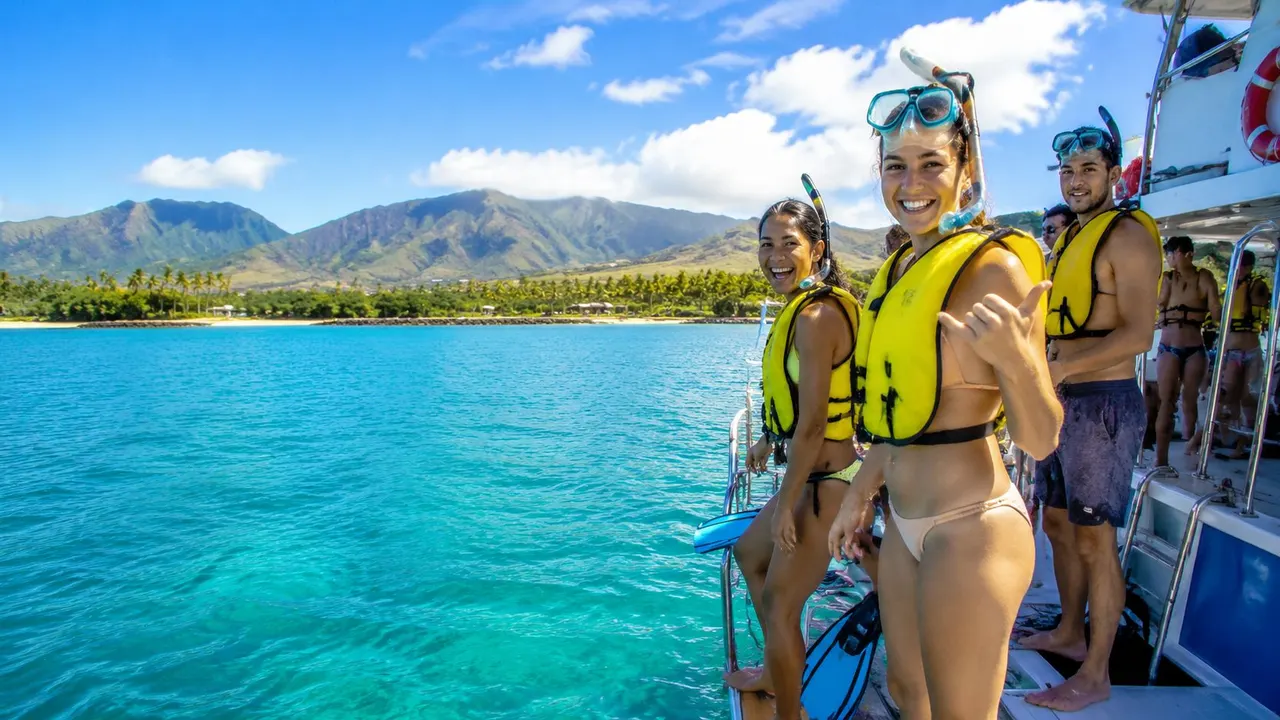
The flow of a typical morning
Most trips start with check-in near Kewalo Basin. You board, hear the safety briefing, get fitted for gear, and head out along the Waikiki shoreline. The ride is short enough that even travelers who don't love boats usually handle it well if the ocean is cooperating.
Once the boat is on site, the pace depends on the crew and conditions. Some guests are in the water quickly. Others take a little time at the ladder, especially if it's their first ocean snorkel. That's normal.
A useful pre-trip read is this guide to Turtle Canyon Oahu turtle encounters, which helps visitors picture what the in-water experience looks like.
What the water feels like on a busy day
Turtle Canyon is popular. That means you may share the area with other boats, especially when ocean conditions are good and visitor demand is high. High turtle odds do not always equal a quiet reef.
Here's the trade-off in plain terms:
- Morning trips often feel smoother: Conditions are often calmer and visibility can be better.
- Popular time slots bring energy: That can be fun for social travelers, less ideal for people seeking silence.
- The turtles are the focus, not solitude: If you want an empty reef, choose another kind of snorkel day.
Bonus wildlife beyond turtles
Winter brings a nice extra. Some trips may spot migrating humpback whales on the ride to or from the reef. It's never the main promise of a Turtle Canyon outing, but it's a reminder that this stretch of water is part of a bigger wildlife corridor, not just one isolated turtle stop.
For most guests, the sweet spot is simple. Show up early, listen to the briefing, take your time entering the water, and enjoy the reef for what it is: a short offshore wildlife experience with a very strong chance of seeing honu.
Snorkeling Safety and Responsible Turtle Etiquette
Turtle Canyon only stays special if visitors treat it like a living habitat instead of a photo set. The reef's value depends on its ecological health as a cleaning station, which is why responsible viewing means keeping your distance, never touching turtles, and understanding that guided access helps reduce disruption, as described in this Turtle Canyon conservation overview.
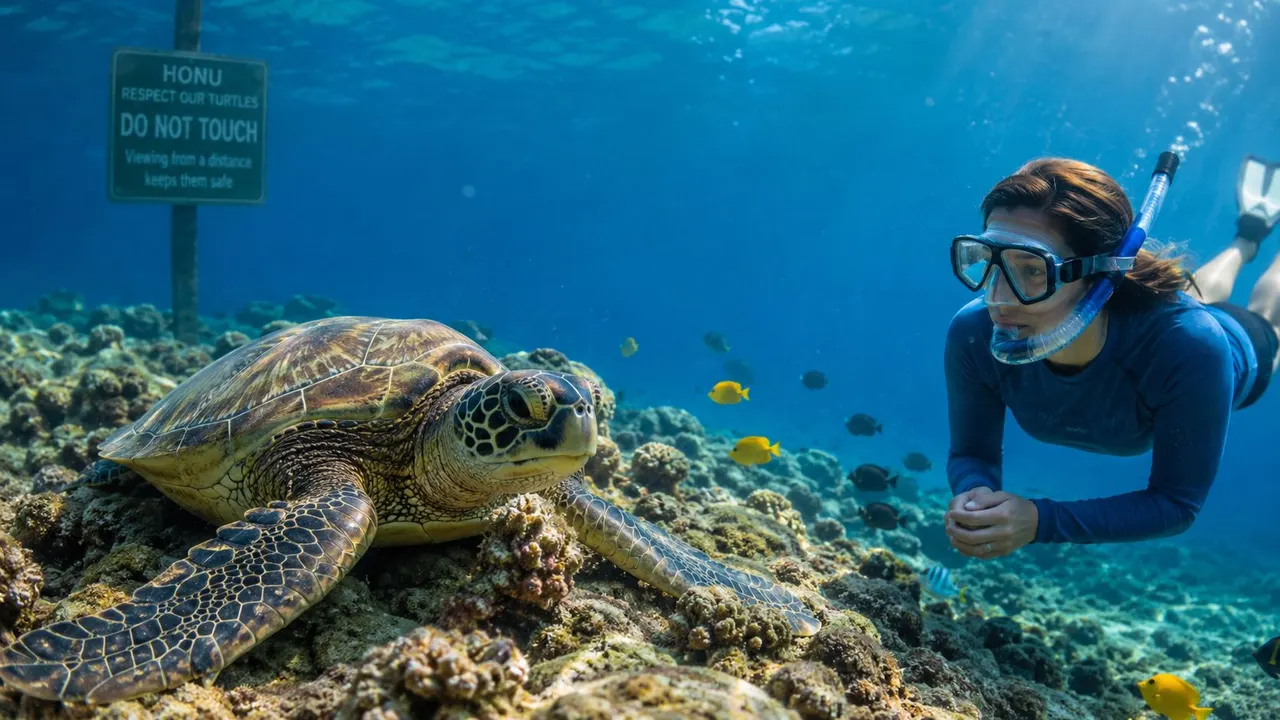
A lot of visitors need a reset in these situations. If a turtle comes into view, your job is not to swim after it. Your job is to stay calm, float, and let the encounter happen without pressure.
What respectful behavior looks like in the water
Good turtle etiquette is simple, but it matters.
- Give the turtle space: Don't crowd its path or hover over it.
- Keep your hands to yourself: Never touch the turtle, even if it seems relaxed.
- Avoid cutting off its rise to the surface: Turtles need to breathe without swimmers blocking them.
- Listen to the crew immediately: They can see patterns and spacing that guests often miss.
The same goes for the reef. Kicking hard, standing where you shouldn't, or thrashing around doesn't just ruin your own snorkel. It changes the experience for everyone nearby.
Safety works best before you hit the water
A calm day offshore can still feel unfamiliar if you haven't snorkeled much. The smartest move is to make things easier on yourself before the boat even leaves.
| Safety habit | Why it helps |
|---|---|
| Eat lightly beforehand | You're less likely to feel uncomfortable on the boat |
| Hydrate early | Sun and salt water wear people down fast |
| Ask for help with gear fit | A better mask fit solves a lot of beginner frustration |
| Use reef-safe sun protection | Better for you and better for the marine environment |
| Be honest about your comfort level | Crew can help more when they know what you need |
Respectful snorkeling is not passive. It takes active choices, especially when the wildlife is easy to see.
If you want a good primer before your trip, this page on Turtle Canyon etiquette is a useful reference. The best snorkelers in the water usually aren't the fastest swimmers. They're the ones who stay controlled, observant, and easy around wildlife.
Your Essential Turtle Canyon Packing Checklist
Packing for Turtle Canyon Oahu is easier than people think. The biggest mistake isn't forgetting a specialized gadget. It's bringing too much, then juggling bags and loose items on a short boat trip.
For a Turtle Canyon snorkel, keep it simple and pack for comfort. If your tour provides snorkel gear and safety equipment, you can leave the bulky stuff behind and focus on what you'll want before and after the swim.
Turtle Canyon Snorkel Trip Packing List
| Item | Why you need it |
|---|---|
| Swimsuit | Wear it under your clothes so boarding is easy |
| Towel | You'll want it for the ride back and after check-in |
| Reef-safe sunscreen | Good sun protection matters on the boat and in the water |
| Sunglasses | Helpful during the ride out, especially on bright mornings |
| Hat or cover-up | Useful before and after snorkeling |
| Water bottle | Staying hydrated makes the day more comfortable |
| Waterproof phone pouch or camera | Nice if you want photos without risking your valuables |
| Light change of clothes | Good for heading back into Waikiki after the trip |
| Motion comfort item if needed | A smart backup if you're sensitive to boat movement |
What you usually don't need
If you're booking a standard guided snorkel, you usually won't need to bring your own mask, snorkel, fins, or flotation support. That keeps things easier for travelers and helps avoid hauling wet gear through Waikiki.
A good rule is this: bring what makes you comfortable on a short boat outing, not what you'd pack for a full beach day.
Frequently Asked Questions About Turtle Canyon
A lot of first-time visitors ask the same thing after they book. Will I see turtles, and will the trip feel manageable if I am not a strong snorkeler? At Turtle Canyon, the answer is often yes on both counts, but the best experience usually comes from showing up with realistic expectations and good ocean manners.
Is Turtle Canyon good for beginners
Yes, for many beginners it is. You can often enjoy the main sight from the surface, because turtles regularly come through the cleaning area below without requiring repeated dives. That said, it is still open ocean. Guests who are comfortable floating, breathing through a snorkel, and following crew instructions tend to enjoy it much more than guests expecting a pool-like swim.
Can you swim to Turtle Canyon from Waikiki
No. It sits offshore, and the safe, practical way to reach it is by boat. Trying to swim out from shore is not a reasonable plan in Waikiki conditions.
What's the best time to go
Morning usually gives you the easiest window. The water often feels calmer, visibility is often cleaner, and first-time snorkelers generally settle in faster earlier in the day.
Will it feel crowded
Sometimes, yes.
Turtle Canyon is well known, so boats may share the site, especially on calm days. That does not automatically ruin the experience, but it does change the feel of it. Go in expecting a popular wildlife stop, not a private reef, and you will usually enjoy it more. If crowding bothers you, book an early trip and listen to your crew about where to enter and how to stay clear of other groups.
Are there things to see besides turtles
Yes. Reef fish are common, and the boat ride itself can be part of the fun. In whale season, some crews may spot humpbacks during the run out or back, but turtles are still the main reason people choose this site.
Is it suitable for families
Often, yes, especially if the adults are honest about each person's comfort in the water. Families usually do best when they treat the trip as a guided wildlife viewing experience, not a long-distance swim. Kids and cautious swimmers tend to have a better day when everyone keeps the plan simple and follows the crew's pacing.
What's the biggest mistake visitors make
They get so focused on getting close to a turtle that they stop paying attention to the ocean around them.
The best Turtle Canyon trips happen when guests stay relaxed, keep their distance, and let the turtles move naturally through the area. That is better for the animals, and it usually leads to better viewing too.
If you want a straightforward boat trip with gear, crew support, and Waikiki departure built in, take a look at Living Ocean Tours. As noted earlier, their Turtle Canyons snorkel option is the direct fit for visitors focused on turtles, and their Deluxe Waikiki Snorkeling and Wildlife Cruise is a good alternative if you want a broader day on the water.


