
Lanikai Beach Snorkeling: A First-Visit Guide
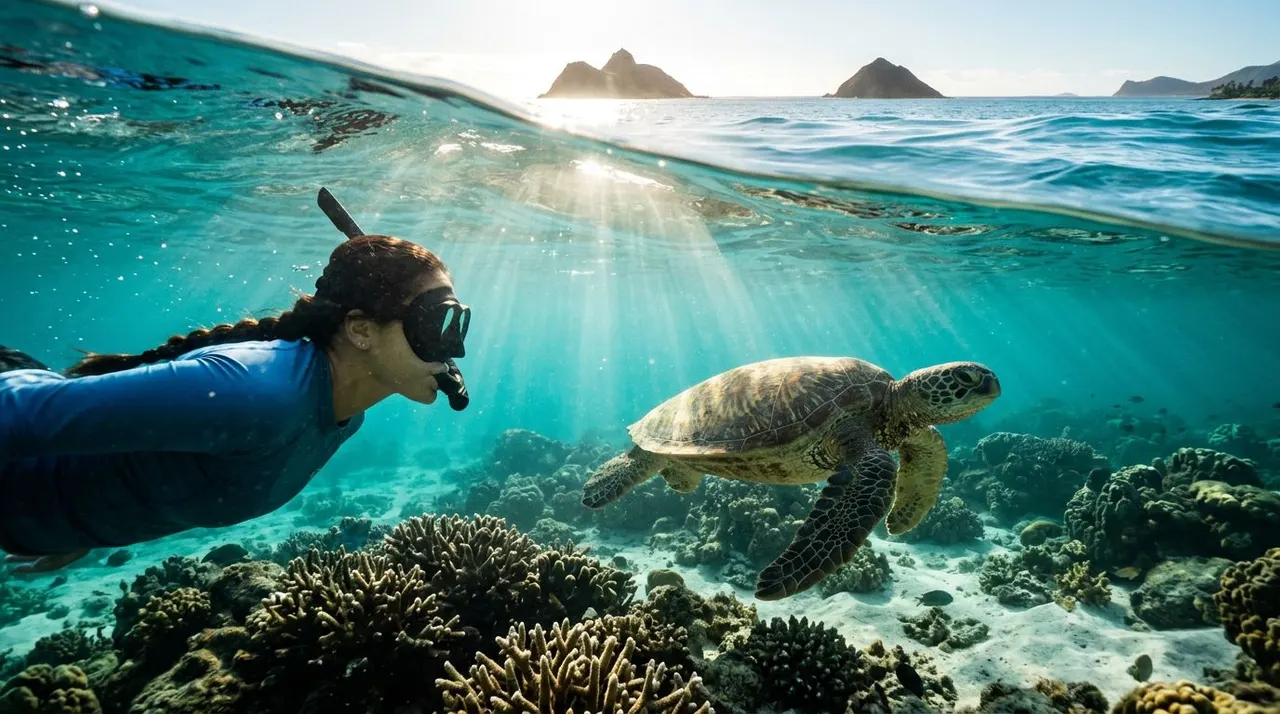
Lanikai Beach snorkeling can give you calm, shallow water, clear reef views, and a chance to spot Hawaiian green sea turtles. However, your experience depends on timing, weather, parking, and how you enter the water.
You don’t need advanced skills for a first visit, but you do need the right gear and respect for the reef. Use this guide to plan a safer morning, find the most practical access points, and decide whether a guided boat trip suits you better.
Key Takeaways
- Arrive between 7:00 and 9:00 a.m. for calmer water and better visibility.
- Expect shallow, patchy reef around 3 to 6 feet deep.
- Bring your own snorkeling equipment because Lanikai has no on-site rental shops.
- Keep at least 10 feet from Hawaiian green sea turtles and never touch coral.
- A guided Oahu snorkeling tour can simplify transportation, instruction, and wildlife viewing.
Why Lanikai Works Well for First-Time Snorkelers
Lanikai Beach sits on Oahu’s windward coast near Kailua. Its white sand, offshore Mokulua Islands, and usually gentle water create a beautiful setting for your first snorkeling session.
The reef is shallow, with many areas between 3 and 6 feet deep. On calm days, visibility can reach 30 to 50 feet. You can float above sandy channels and scattered coral heads without needing to swim far offshore.
The reef is patchy rather than continuous. Look for darker water beneath the surface, which often indicates coral formations. Fish gather around these areas, especially where coral meets sand.
You may see yellow tang, parrotfish, goatfish, convict tangs, Moorish idols, wrasse, triggerfish, and sea cucumbers. Hawaiian green sea turtles, called honu, also visit the area. Sightings are never guaranteed, so treat every turtle encounter as a special bonus rather than a promise.
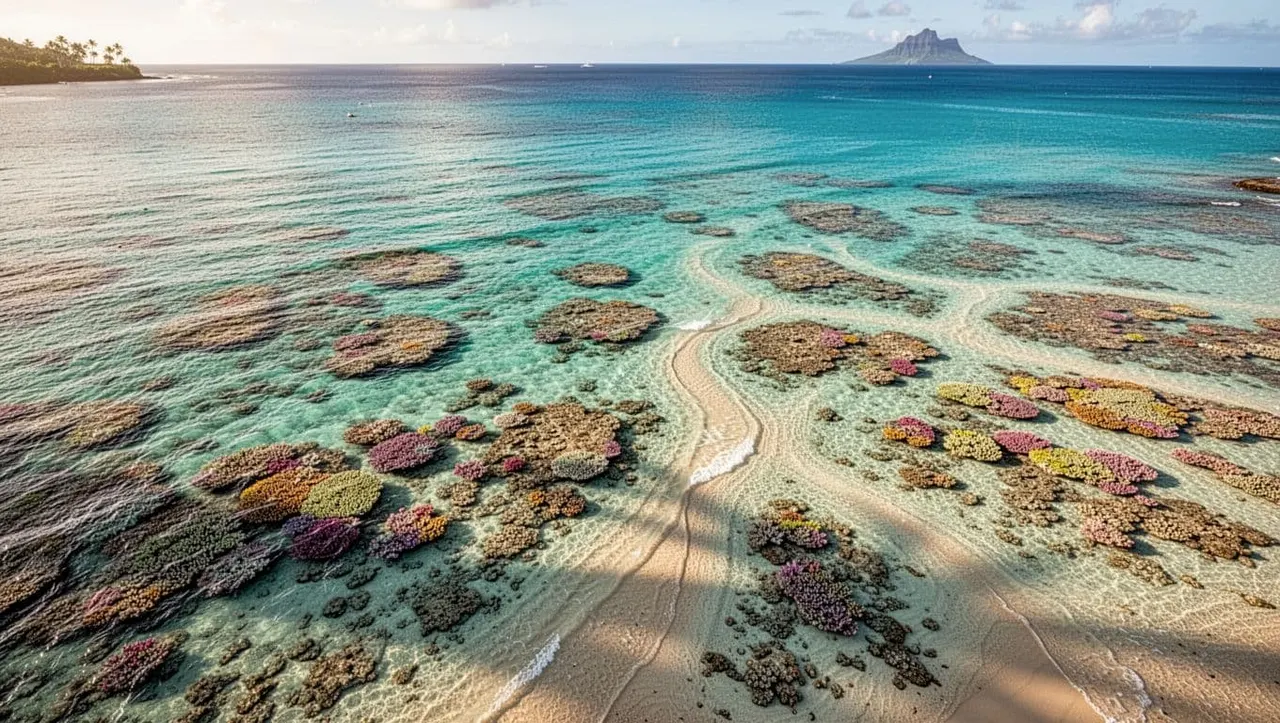
The shallow reef can feel easy, but it still demands attention. Coral can be sharp, surge can push you toward rocks, and low tide leaves less room between your fins and the reef. Stay aware of your position instead of focusing only on fish.
Choose the Right Time and Conditions
The best time for Lanikai Beach snorkeling is usually between 7:00 and 9:00 a.m. Morning water often has less wind, fewer swimmers, and clearer visibility. Weekdays are also easier if you want a quieter beach and a better chance of finding parking.
Trade winds tend to strengthen later in the day. Wind creates surface chop and stirs sand across the reef. Even a normally clear area can become difficult to see when waves move sediment through the water.
Calm, sunny weather usually provides the most enjoyable conditions. Late spring through early fall often brings reliable mornings, although you should check the day’s beach and ocean conditions before leaving. Winter can also offer good snorkeling when the water stays calm.
Rain deserves extra attention. Heavy rainfall can carry runoff into coastal water and reduce visibility. After a major downpour, wait about 72 hours before snorkeling, especially if the water looks cloudy or brown.
Low tide can make the reef feel uncomfortably shallow. You may have difficulty kicking without brushing coral, so choose a higher tide when possible. If waves begin breaking across the entry area, postpone your swim.
For official reminders about morning conditions, murky water, and basic precautions, review Hawaii’s snorkeling safety guidance.
Find the Right Entry Point and Prepare for Parking
Lanikai has public beach access paths near Mokulua Drive. The most useful access points for snorkeling are near Mokumanu Drive and Kaiolena Drive. The reef between these areas is often more productive than the sections near either end of the beach.
Enter through a sandy stretch rather than walking across coral. Move slowly until you reach water deep enough to float, then put on your fins. Swimming straight out from the sand usually takes you toward the patchy reef. Once you reach darker water, follow the reef with a relaxed zigzag route.
A secondary snorkeling area lies farther southeast near Haokea Drive and Kuailima Drive. The Kuailima access is often more practical. After entering, swim straight out before turning right toward reef sections.
Before you put your face in the water, identify your exit point. Beach access paths can look similar from offshore, and current or wind can move you farther than expected.
Parking requires patience. Residential street parking near Aalapapa Drive and Mokulua Drive is strictly enforced. You may need to circle the neighborhood, so arrive early and follow every posted sign. Parking at Kailua Beach Park and walking may be a better option when nearby spaces are full.
Lanikai doesn’t have on-site rental shops, restrooms, or concession stands. Pack drinking water, snacks, towels, and a bag for every piece of trash. Use public paths only, and keep personal items away from private property.
Bring the Right Gear and Protect the Reef
You should bring a properly fitting mask, snorkel, and bright-colored fins. A clear mask seal matters more than an expensive brand. Test it on the beach before entering so you don’t spend your first minutes adjusting leaking equipment.
Water shoes or thick-soled booties help protect your feet during the sandy, rocky entry. A rash guard protects your shoulders and back during a long morning in the sun. Bring reef-safe sunscreen, but apply it before you leave for the beach so it has time to settle before you enter the water.
A bright inflatable float or safety sausage makes you easier for other swimmers and boat operators to see. You should also snorkel with a buddy, even when the water looks flat. Agree on a meeting point and simple signals before you separate.
Keep your body horizontal and your fins above the coral. Every kick near the reef can cause damage that takes years to repair.
Never stand on, touch, or brush coral. Don’t collect shells, feed fish, chase turtles, or dive toward wildlife. If a honu approaches, remain still and give it at least 10 feet of space. Let the turtle choose its direction rather than blocking its path.
Leave the water if whitewater increases, visibility drops sharply, or you feel tired. A short snorkel in calm water is safer and more enjoyable than pushing through changing conditions.
When a Guided Oahu Snorkeling Tour Makes More Sense
A beach session gives you freedom, but a guided trip removes several planning problems. You won’t need to search residential streets for parking, carry every item across the sand, or decide which reef area looks safe.
Living Ocean Tours departs from Kewalo Basin Boat Harbor, a short distance from Waikiki Beach in Honolulu. The company focuses on guided ocean experiences along the Waikiki coastline, with professional snorkel guides who help first-time swimmers understand equipment, entry techniques, and wildlife etiquette. Living Ocean Tours is the only tour company with professional snorkel guides.
Its Turtle Canyons Snorkel Excursion visits a natural underwater cleaning station where Hawaiian green sea turtles are frequently seen. The company reports a 95% success rate for turtle sightings, although wildlife remains wild and conditions can change. You can compare guided snorkeling excursions in Honolulu before choosing a departure.
The Coast Guard-inspected Coral Kai and Lokahi are custom-built double-decker vessels with shaded seating, restrooms, dry storage, and sturdy ladders. The Lokahi also includes a SeaKeeper stabilization system, which helps reduce rolling for guests who are sensitive to boat movement.
If your priority is a relaxed beach morning, Lanikai may be the right choice. If you want instruction, organized equipment support, and a boat ride to a known turtle area, a Turtle Canyons trip can be a better fit.
You can CHECK AVAILABILITY for the Turtle Canyons Snorkel Excursion before building the rest of your day.
A Simple First-Visit Plan
Plan to arrive before 8:00 a.m. on a weekday when the forecast shows calm conditions. Check the water from shore before unpacking your gear. Clear, blue-green water with small waves is a better sign than a cloudy surface with strong chop.
Next, walk through a public access path near Mokumanu Drive or Kaiolena Drive. Enter over sand, put on your fins once you’re floating, and swim straight out toward the darker reef patches.
Stay close to your buddy and remain outside breaking waves near the Mokulua Islands. Keep your route short enough that you can return to shore without fatigue. If visibility worsens, head back immediately rather than swimming farther in search of fish.
Before leaving, check the sand and parking area for wrappers, bottle caps, or personal items. Lanikai is a residential beach, so keeping your visit quiet and clean helps protect access for future visitors.
Conclusion
Your first Lanikai Beach snorkeling trip is easiest when you arrive early, bring complete gear, and choose calm water. The shallow reef offers a friendly introduction, but coral and wildlife still require careful distance and control.
For more independence, use the beach access points and explore at your own pace. For professional guidance and a structured turtle encounter, choose a boat trip with Living Ocean Tours. Either way, the best memory comes from leaving the reef exactly as you found it.


