
Snorkeling Tour Guide: What to Expect on Oahu
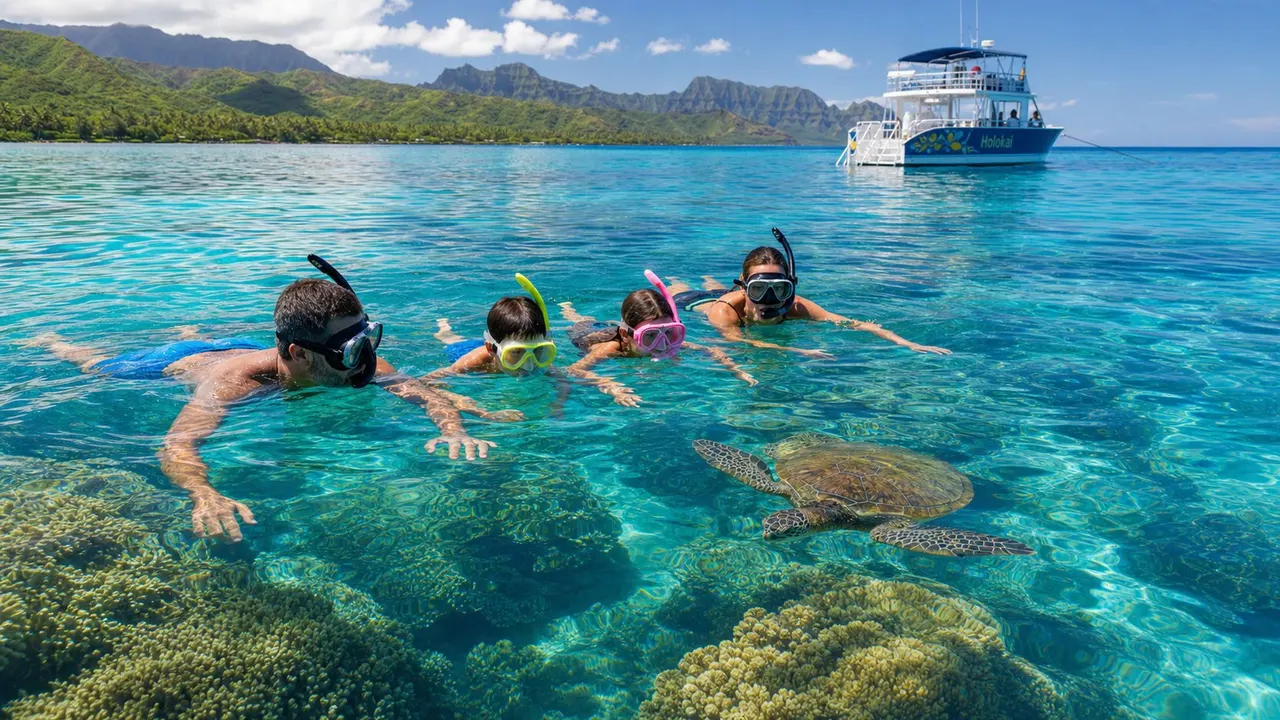
You're standing at Kewalo Basin with a towel over one shoulder, a sunscreen tube in your bag, and a kid asking whether the boat with the slide is “the right one.” That's usually the moment people start sorting through a snorkeling tour, not when they're scrolling a glossy booking page. The right choice comes down to two things that get buried too often, how much of the trip is actual time in the water, and how safely and comfortably the operator handles first-timers.
What a Snorkeling Tour Actually Is
A family showing up at Kewalo Basin usually wants the same thing, to get on the right boat, put on decent gear, and see fish without turning the day into a swim test. A guided snorkeling tour is built for that. It's a boat-based trip where the crew takes you to a reef or marine area, fits you with a mask, snorkel, and fins, and usually adds flotation support so you don't need to be a strong swimmer to enjoy the water, which lines up with the standard safety approach described in beginner-focused tour guidance and marine-adventure material. Snorkeling basics and flotation support
What happens from dock to water
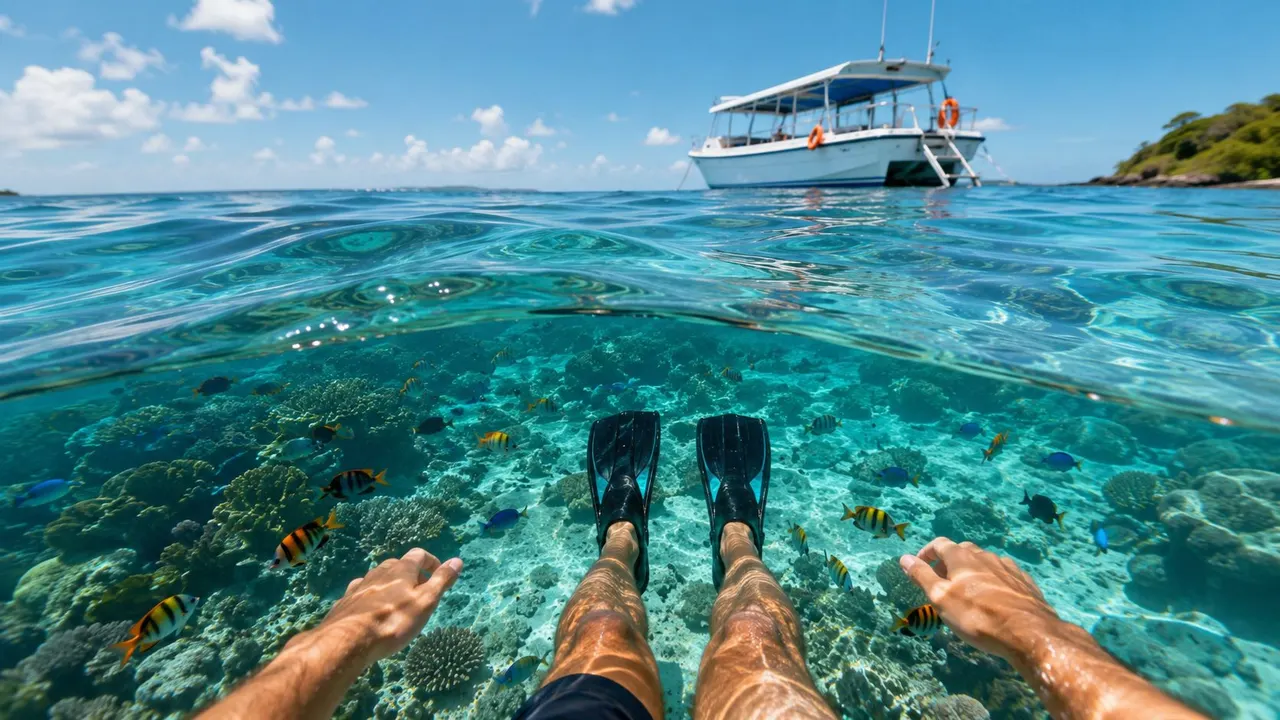
The day starts with check-in, then a safety talk, then gear fitting. That sequence matters because the crew is not just handing out equipment, they're setting up calm breathing, comfortable fit, and a manageable entry into the water. If the snorkel is too high, the mask leaks, or the fins feel loose, first-timers panic fast. Good crews fix those problems on the dock, not after you're already bobbing in chop.
A boat snorkel is different from shore snorkeling because the captain can choose calmer water and a better viewing area. It's also different from scuba because you stay at the surface and keep the experience simple. You're breathing through the snorkel, floating, kicking lightly, and looking down at the reef rather than managing a tank and descent. For a lot of visitors, that's exactly why it works.
The usual group flow
Most trips run the same basic pattern. The captain sets the route, an in-water guide keeps watch and points out marine life, and the group stays together enough to keep things orderly but not so tightly packed that nobody can relax. That balance is what makes a boat trip feel beginner-friendly instead of chaotic.
The biggest beginner mistake is treating a snorkeling tour like an open-ended swim. It isn't. It's a guided marine outing with rules, pacing, and a crew that wants you back on deck smiling, not exhausted.
Explore Oahu snorkeling boat options
The Main Types of Snorkeling Tours Compared
A lot of booking confusion comes from the label itself. A snorkeling tour can mean a pure reef trip, a turtle cruise, a sunset outing with some water time, or even a seasonal wildlife trip where snorkeling is only part of the day. That's why comparing formats matters more than chasing the prettiest photo.
| Tour Type | Typical Duration | In-Water Time | Best For | Skill Level |
|---|---|---|---|---|
| Guided reef snorkel | Half-day or longer | Usually the main event | Travelers who want the most time focused on swimming and reef viewing | Beginner to experienced |
| Wildlife and turtle cruise | Half-day | Varies by conditions and route | Guests who want marine-life viewing with a strong chance of a memorable animal encounter | Beginner friendly with basic comfort in water |
| Sunset hybrid tour | Evening cruise | Usually limited or none | Couples, small groups, and people who want a relaxed ocean outing with light activity | Very easy |
| Seasonal whale-watching excursion | Seasonal daytime outing | Usually none | Travelers who care more about wildlife watching than swimming | No swimming required |
How to read the trade-off
The important thing is not which option sounds most exciting, it's which one matches your actual day. A pure snorkel boat gives you the clearest purpose, more water time, and fewer distractions. A hybrid cruise gives you broader variety, which helps if half your group wants marine life and the other half wants a looser, less active outing.
That trade-off shows up in pricing too. A market report places guided tours at $150 to $250 per person, independent tours at $40 to $80, group tours at $60 to $120, and private luxury tours at $400 to $800+ per person. That spread tells you something practical, more exclusivity and more crew attention usually cost more, while simpler formats stay cheaper. Snorkeling tourism market pricing
What to choose when
If your main goal is reef time, pick the pure snorkel boat. If you're traveling with kids, grandparents, or mixed swimmers, the multi-activity format often feels easier. If your group cares more about mood than mileage, sunset or whale watching is usually the smarter buy.
Compare Oahu snorkel boat styles
What a Typical Snorkeling Tour Itinerary Looks Like
People often ask for the itinerary, but what they really want is the time split. A detailed tour guide notes that a 4-hour boat snorkel may give you only about 90 minutes at anchor for snorkeling and lunch, with the rest spent motoring, boarding, and briefing, while a kayak-and-snorkel version of the same length may spend about 2 hours paddling and only 60 minutes in the water. That's the kind of breakdown travelers should look for before booking. Time split on a snorkel tour
What the day usually feels like
Check-in comes first, and it's rarely glamorous. You sign in, stash your things, and listen while the crew covers flotation, entry, and where you'll be going. Then comes gear fitting. That part can take longer than first-timers expect, especially if someone needs a different mask size or wants help with fins.
After that, the boat leaves the harbor and the trip changes pace. Transit can feel quick on calm water or long if guests are seasick, but either way it's part of the day. Once the captain anchors or drifts into the snorkel site, the crew gets everyone organized and the swimming begins.
Practical rule: the more time a page spends talking about amenities, the more carefully you should look for the actual in-water time.
What “drift snorkeling” means in plain English
Drift snorkeling is when the boat or current moves the group gently along a reef line instead of keeping everyone fixed in one spot. It can feel easier because you're not constantly kicking to stay positioned, but it also means you need to listen to the guide and stay aware of where the group is drifting. For beginners, that can be a blessing if the water is calm and the guide is hands-on. It's a problem only when the operator treats it like a free-for-all.
The return ride usually feels shorter than the outbound leg. People are tired, wet, and more relaxed. On sunset or whale-watch variants, the structure shifts, less emphasis on reef time, more emphasis on staying comfortable on deck while the crew times the experience around the light or the season.
See the Turtle Canyon snorkel timing details
Packing and Preparation for Families and Beginners
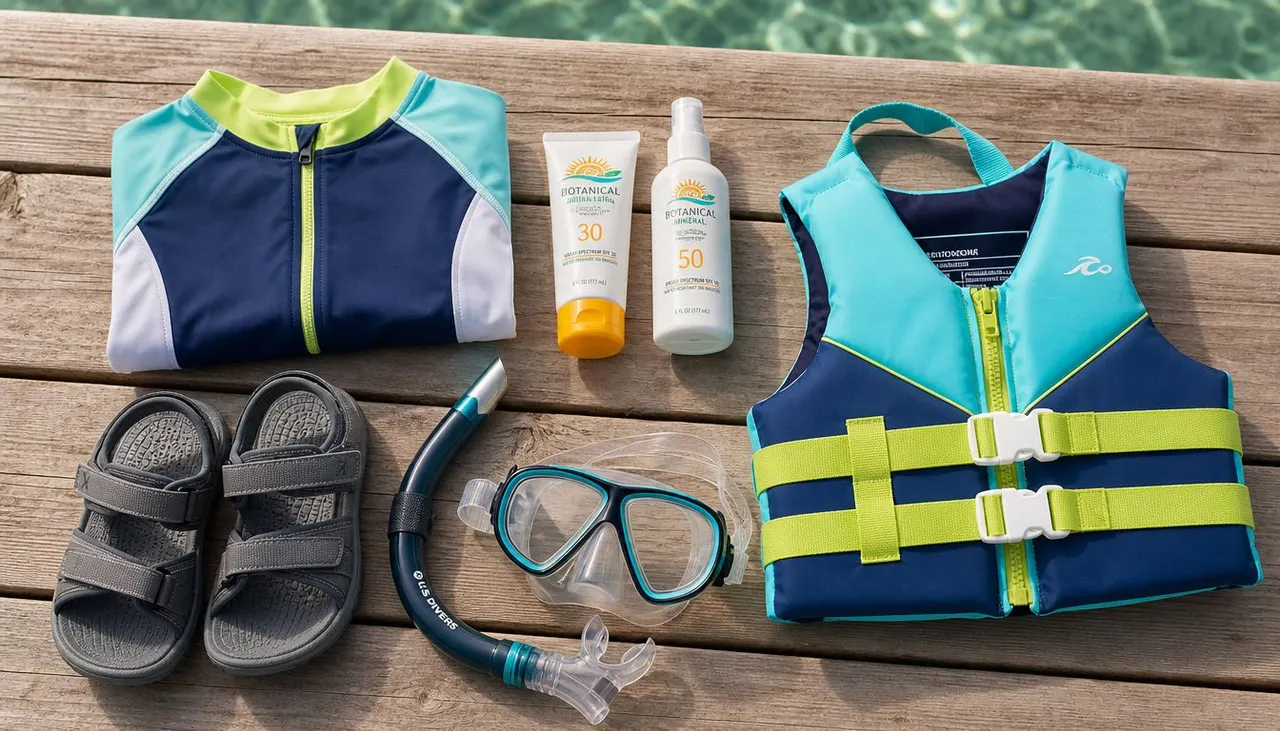
The smartest packing list is boring in the best way. Bring swimwear, a rash guard, reef-safe sunscreen, sandals, a towel, and a small dry bag. If you're bringing a phone, put it in a waterproof case. If you know motion gets to you, bring whatever remedy already works for you at home.
What the boat usually covers
Most guided boats supply the core gear, and some trips add flotation, snacks, and instruction. That reduces the number of decisions your family has to make on the dock, which is a bigger deal than people think. The less gear anxiety your group has, the faster everyone settles into the water.
For kids and nervous adults, flotation is often the difference between enjoying the reef and spending the whole ride fighting tension. A vest lets the snorkeler focus on slow breathing and looking around instead of treading water. That matters even more for people who are new to ocean conditions or who just don't like putting their face in the water right away.
What people forget most often
A light layer for the ride back gets overlooked constantly. So does sun protection that doesn't wash off in the water. Reef-safe sunscreen matters because responsible tours care about reef contact, and the guidance on beginner snorkeling specifically calls out no-touch, no-feed habits and careful reef handling, along with washing gear after use so sand and salt don't wear it down. Beginners and reef care
Wear the sunscreen before you board, not after you're already hot and greasy on the deck.
Quick family checklist
- Sleep enough the night before: Tired kids and tired adults both get cranky faster on the water.
- Hydrate early: The ocean feels cooler when your body isn't already run down.
- Dress appropriately: A rash guard and easy sandals make the boarding process smoother.
- Pack light: One dry bag is usually enough.
- Use reef-safe sunscreen: That's the cleaner choice for the reef and the crew.
Grab the Oahu snorkeling packing list
How to Choose a Responsible Snorkeling Tour Operator
A polished booking page can hide a sloppy operation. The fastest way to separate a serious crew from a flashy one is to look at what they do before, during, and after the swim. Check the briefing, the guide presence in the water, the reef rules, and how they handle gear. Safety belongs in that same review, because Hawaii has a hard record here, with Civil Beat reporting that since 2005 more than 128 visitors had drowned while snorkeling in Hawaii's waters, and that more than half of all visitors who drowned in the previous 10 years did so while snorkeling. Hawaii snorkeling deaths report
The checklist I'd use myself
Ask whether the captain gives a real safety briefing, not a five-second speech. Ask whether a crew member stays in the water with the group. Ask whether the operator uses flotation for nervous swimmers and whether they explain where to enter, how to breathe, and what to do if the mask fills.
Then listen for reef rules. A responsible operator should say no touching, no feeding, and reef-safe sunscreen without sounding annoyed about it. You want a crew that treats the reef like a living place, not a backdrop.
The red flags
If the description spends more time on drinks than on supervision, be careful. If the operator cannot tell you the difference between the beginner-friendly parts of the trip and the more advanced ones, that is another warning sign. If they treat gear as disposable, they are probably not thinking about long-term safety or reef impact.
Gear care is a useful tell. Responsible tours wash equipment with clean water after use and avoid careless sun exposure that breaks down materials. That kind of maintenance does not just protect the reef, it keeps the masks, fins, and straps usable longer.
Why the safety lens matters
The overall death rate is still small. The Divers Alert Network cited about 10 snorkeling deaths per year among roughly 2 million snorkelers annually, or around 5 deaths per 1 million snorkelers. Snorkeling fatality context Regardless of the exact figure, the point stands, the risk is low overall, but real enough that you should never choose an operator on price alone.
The safest boat is usually the one that sounds a little more serious on the dock.
A 2023 peer-reviewed study of Great Barrier Reef snorkellers found that 57.4% believed snorkellers can damage the reef, and the most commonly cited mechanism was standing on or touching coral. That is a useful reminder that responsible behavior is not window dressing, it is part of the experience itself. Great Barrier Reef snorkeller perceptions
For travelers comparing Oahu options, the practical route is to look at the operator's snorkeling page and compare the time spent in the water with the time spent getting there and back. A trip that sounds cheap can burn most of your day in transit or idle deck time. The better operators are plain about that trade-off, and Living Ocean Tours snorkeling tour information makes it easier to see whether the outing is built around actual snorkeling or just the ride.
Why Living Ocean Tours Stands Out on Oahu
A good Oahu snorkel day starts with the question travelers ask at the dock, how much of the trip is actual time in the water, and how much is boat time. Living Ocean Tours gives you a clearer set of choices than many operators, which makes that trade-off easier to judge before you book. It runs from Kewalo Basin Boat Harbor near Waikiki Beach and offers different styles of ocean days instead of forcing every group into the same plan. If your priority is a direct snorkel, the Turtle Canyons Snorkel Excursion is the closest fit for swimming with Hawaiian green sea turtles at Oahu's turtle cleaning station. If you have mixed ages on board and want a little more going on, the Deluxe Waikiki Snorkel & Wildlife Cruise adds a waterslide, water trampoline, and lily pad away from the busiest crowds. For a slower pace, the Waikiki Sunset Cruise keeps the focus on the evening water, and Waikiki Whale Watching fits the January through March humpback season. Private charters for up to 40 guests cover celebrations, corporate outings, and smaller groups that want the boat to themselves. Living Ocean Tours snorkeling options
Which traveler each experience fits
The turtle trip works for visitors who want their time spent in the water to count. It is the cleaner choice for people who care most about marine life and do not want a lot of extra activity layered on top.
The family cruise suits a different kind of day. If some people want to snorkel and others would rather stay on deck, the added features give the non-snorkelers a reason to stay engaged instead of waiting for the swim to end. Sunset and whale watching are the better call when the boat ride itself matters more than reef time, or when a guest in your group does not want to get wet at all.
Why this matters for the booking decision
The point is not just that these are different products. They solve different vacation problems. One family wants a focused snorkel and little else. Another wants a calmer group outing with more deck entertainment. A couple may want water, light, and a relaxed finish to the day. A whale-season visitor may care more about what is moving offshore than what is under the surface.
That is how I read a tour page, by matching the boat to the group and the day to the goal. The operator should make that comparison easy. When a company shows that kind of range, you can spend less time guessing and more time choosing the trip that fits.
Picking the Right Tour and Booking With Confidence
A family shows up at the dock with two strong swimmers, one nervous kid, and a grandparent who wants the boat ride more than the reef. That is where the booking decision gets real. The right choice is the one that gives your group enough time in the water to feel worth it, without setting up a day full of rushed entries, long transit, or people sitting out because the trip was built for a different kind of guest.
If you want the most reef time, choose a pure snorkel boat. If you are traveling with kids, grandparents, or a mixed group of swimmers and non-swimmers, a multi-activity cruise usually fits better. If atmosphere matters more than reef time, sunset or whale watching makes more sense. Those choices line up with the Living Ocean Tours experiences above, Turtle Canyons, Deluxe Waikiki Snorkel & Wildlife Cruise, Waikiki Sunset Cruise, and Waikiki Whale Watching.
The same way I tell people on the dock, the first question is not what sounds nicest. It is what kind of day you want once the boat leaves the harbor. A focused snorkel trip gives you the most honest water time. A family cruise gives the non-swimmers a reason to stay engaged instead of counting minutes until everyone gets back aboard. A sunset or whale trip works when the ride itself is the point, or when someone in the group does not want to get in the water at all.
FAQ:
Can non-swimmers join? Usually yes, if the operator provides flotation, clear supervision, and crew who speak plainly about comfort level.
What ages work best? Families with kids and multigenerational groups usually do best on calmer trips with structure and less pressure to keep up.
How far ahead should you book? Book early during busy travel periods, especially if you want a specific day, a private charter, or a sunset slot.
A good booking decision comes down to three checks. Match the tour type to your group, read the safety and reef practices carefully, and choose the boat that gives you the right amount of real time in the water. If you are ready to lock in an Oahu ocean day that fits your pace, check availability with Living Ocean Tours.
A CTA for Living Ocean Tours.


