
Snorkel Honolulu Like a Local
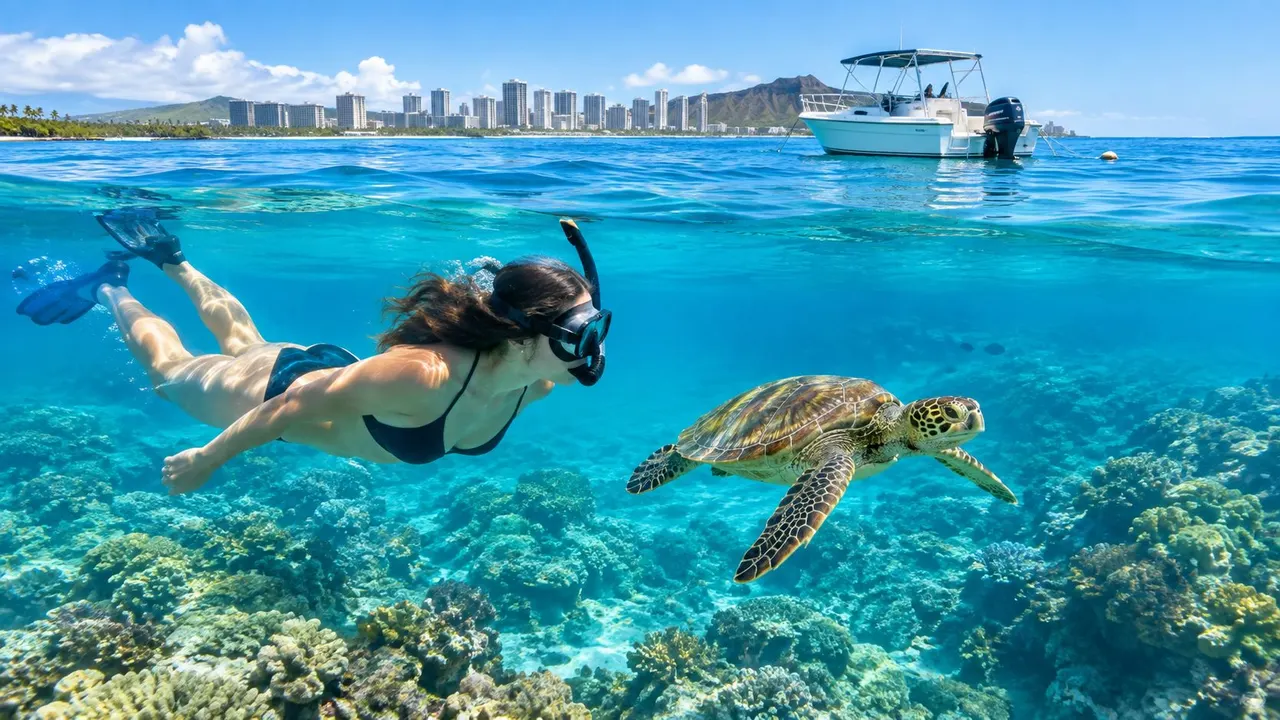
Starting their first Waikiki snorkel day, visitors often begin in the same way. They've got a towel over one shoulder, a mask that may or may not fit, and ten different sales pitches coming at them before they even hit the sand. One booth says turtles. Another says catamaran. Another says reef tour. By the time they're standing on the beach, they're guessing.
That's where most forgettable Honolulu snorkel days begin.
If you want to snorkel Honolulu well, the decisions happen before you get wet. You're choosing between shore entry and harbor departure, between a quick turtle-focused run offshore and a longer family boat, and between a reef day and a crowded swim over sand and patchy coral. Around Waikiki, those choices matter more than people expect.
What a First Day on Waikiki Reefs Looks Like
A lot of visitors step off the trolley near Waikiki, walk toward the beach, and assume the closest entry point is the smartest one. It's understandable. The water looks inviting, rental shops are close, and from shore it all blends together.
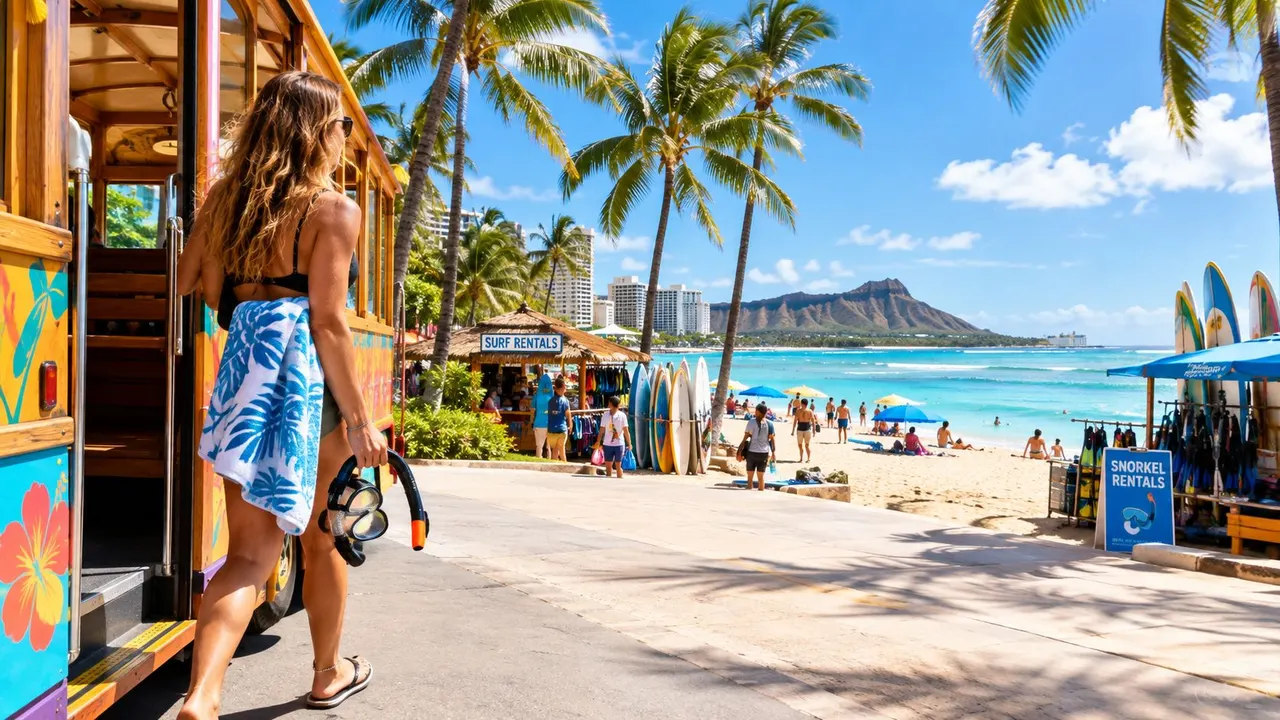
What usually happens is simpler. They swim a short distance off the beach, see a handful of reef fish, maybe catch a glimpse of a turtle if the timing is right, and figure that's what snorkeling in Honolulu is. It's not bad. It's just the lowest-yield version of the day.
The difference is usually logistical
The better reef experience for most first-timers starts at the harbor, not at the shoreline. A boat puts you over cleaner water, away from the beach churn, and onto reef structure that rewards the effort of putting gear on in the first place.
Two choices drive the whole day:
- Shore first: easier to start, cheaper in feel, but more dependent on crowding, entry comfort, and what the nearshore water looks like that morning.
- Boat first: more planning up front, but usually a better return in visibility, wildlife, and overall ease once you're in.
Most guests don't need a harder snorkel. They need a cleaner start.
Why this matters more in Honolulu than people think
Honolulu has huge snorkeling demand. Public reporting tied to a NOAA economic analysis described Hanauma Bay at about 1 million visitors per year, including roughly 965,000 snorkelers and about 35,000 divers, which shows how heavily snorkeling has long outweighed scuba there. The same reporting also noted lifeguards performed about 4 to 5 rescues per day at the bay, a reminder that busy snorkel spots need real oversight (Hanauma Bay visitation and rescue reporting).
That's why local logistics matter. Honolulu snorkeling isn't just about finding water. It's about choosing the right kind of water for your group, your confidence level, and the kind of day you want.
How Honolulu Snorkeling Actually Works
Honolulu snorkeling splits into two lanes. You've got shore-entry snorkeling along Waikiki and nearby beaches, and you've got offshore boat snorkeling on reefs that aren't practical to reach from the sand.
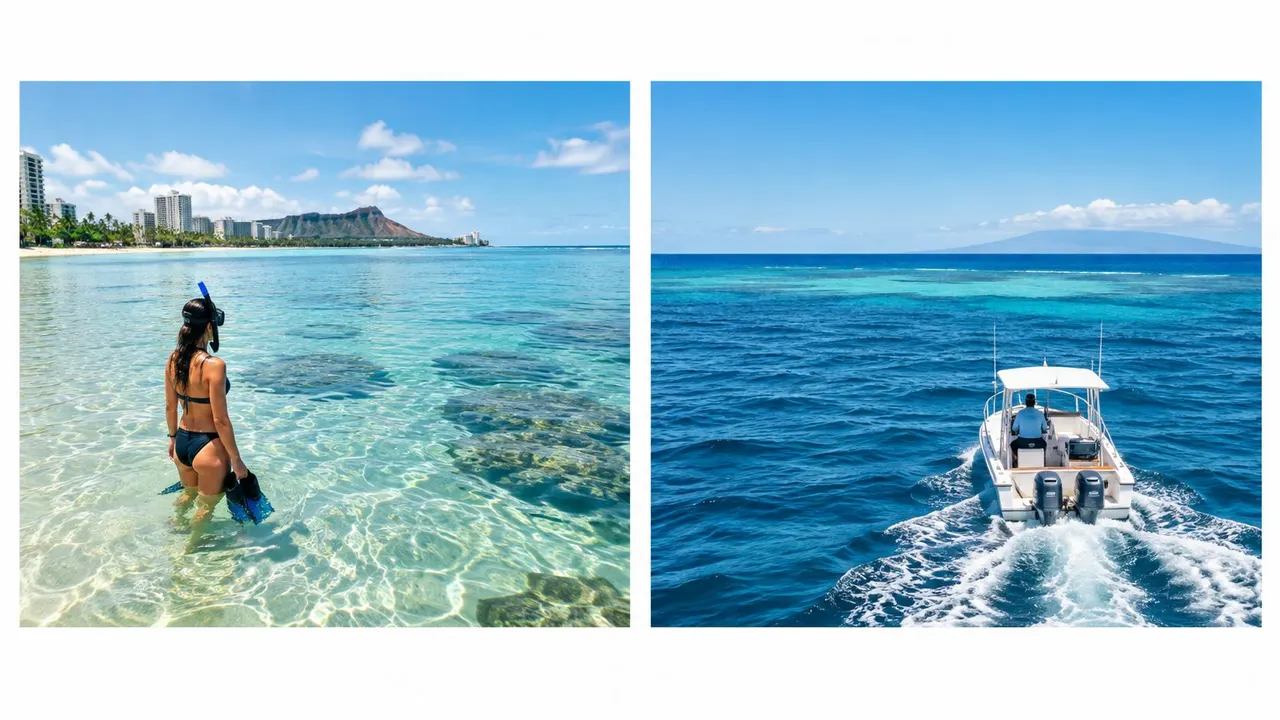
If you understand that difference, booking gets easier.
Shore entries are about convenience
Shore spots near Waikiki work best when your group wants a short, flexible session and nobody needs a big wildlife payoff to feel happy. You walk in, adjust your mask, and start slowly. That setup can be great for kids who are still deciding whether they even like snorkeling.
The trade-off is that beach-adjacent water changes fast. Sand gets stirred up, the reef can be shallow and crowded, and a pretty good beach can still produce a weak snorkel if the entry is busy or the surface is sloppy.
Boat sites are about reef quality
Offshore sites behave differently because the boat does the hard part for you. Instead of burning energy on the swim out, you arrive over the reef itself. That changes the day for beginners. They start where the marine life is, not in the long setup before it.
Turtle Canyon is the clearest example. It's a boat-access-only site about 2.5 miles offshore, and the source is direct that the safe and permitted way to experience it is by boat rather than by swimming from shore (Turtle Canyon boat access guidance).
A simple way to choose
Use this quick filter before you book or rent gear:
- Choose shore snorkeling if your group wants flexibility, very easy logistics, and a low-commitment beach session.
- Choose offshore snorkeling if seeing a fuller reef and having better odds of a memorable wildlife encounter matters more than spontaneity.
- Choose guided boat snorkeling if anyone in your group is new, nervous, older, or traveling with kids.
For a broader breakdown of local conditions and trip styles, this Honolulu snorkeling guide is useful background before you lock in a plan.
Best Snorkel Spots Near Waikiki
Not every Waikiki-area snorkel spot fits every group. The mistake I see most is people picking the most famous name instead of the spot that matches their swimmers.
Snorkel spots near Waikiki compared
| Spot | Access | Crowd Level | Marine Life | Best For |
|---|---|---|---|---|
| Sans Souci | Shore | Moderate | Reef fish, occasional turtle | Families wanting an easier beach entry |
| Kahanamoku Lagoon | Shore | Busy | Limited fish life, calm water feel | Young kids and cautious beginners |
| Nearshore Waikiki reef shelf | Shore | Busy by mid-morning | Reef fish, occasional turtle | Visitors who want convenience |
| Turtle Canyons | Boat only | Managed by tour capacity | Turtles, reef fish, cleaner reef experience | First-timers who want the classic Oahu snorkel |
| Kewalo-side offshore reef sites | Boat only | Lower in-water crowding feel | Reef fish and healthier-looking structure | Guests who want a more reef-focused day |
| Electric Beach | Shore | Variable | More active marine life on the right day | Experienced snorkelers comfortable with a tougher outing |
Best beach picks for easy access
If your group includes small kids or grandparents who don't want a lot of moving parts, Sans Souci and Kahanamoku Lagoon are usually the easier call. They're approachable, familiar, and less intimidating than asking everybody to board a boat on day one.
That doesn't mean they produce the strongest snorkel. They produce the easiest start.
Best pick for turtle-focused snorkeling
If your goal is turtles and a more complete reef experience, Turtle Canyons is the name that matters. It takes the uncertainty out of the day because you're not hoping a turtle passes by a crowded beach. You're going to a known offshore reef used for turtle encounters.
A lot of broad travel content blurs this distinction. This Honolulu snorkeling overview does a good job of separating casual shore options from the stronger offshore experience visitors usually expect.
A beach snorkel is fine when convenience is the priority. A boat snorkel wins when the water itself is the point.
The spot I don't casually recommend to beginners
Electric Beach can be rewarding, but it's not where I'd send first-timers staying in Waikiki. It asks more from the swimmer, the drive is longer, and if conditions aren't lining up, the day can turn into work. Stronger snorkelers may enjoy the trade-off. Vacationers looking for a clean half-day usually won't.
That's the pattern across Honolulu. The closer and easier a spot is, the more likely it is to be crowded and average. The more deliberate the plan, the better the reef tends to feel once you're in.
Swimming With Turtles at Turtle Canyons
A proper Turtle Canyons trip is straightforward when it's run well. You check in at the harbor, board, get your briefing, and head offshore. From Kewalo side, the ride is short enough that most guests spend more time getting excited than they do underway.
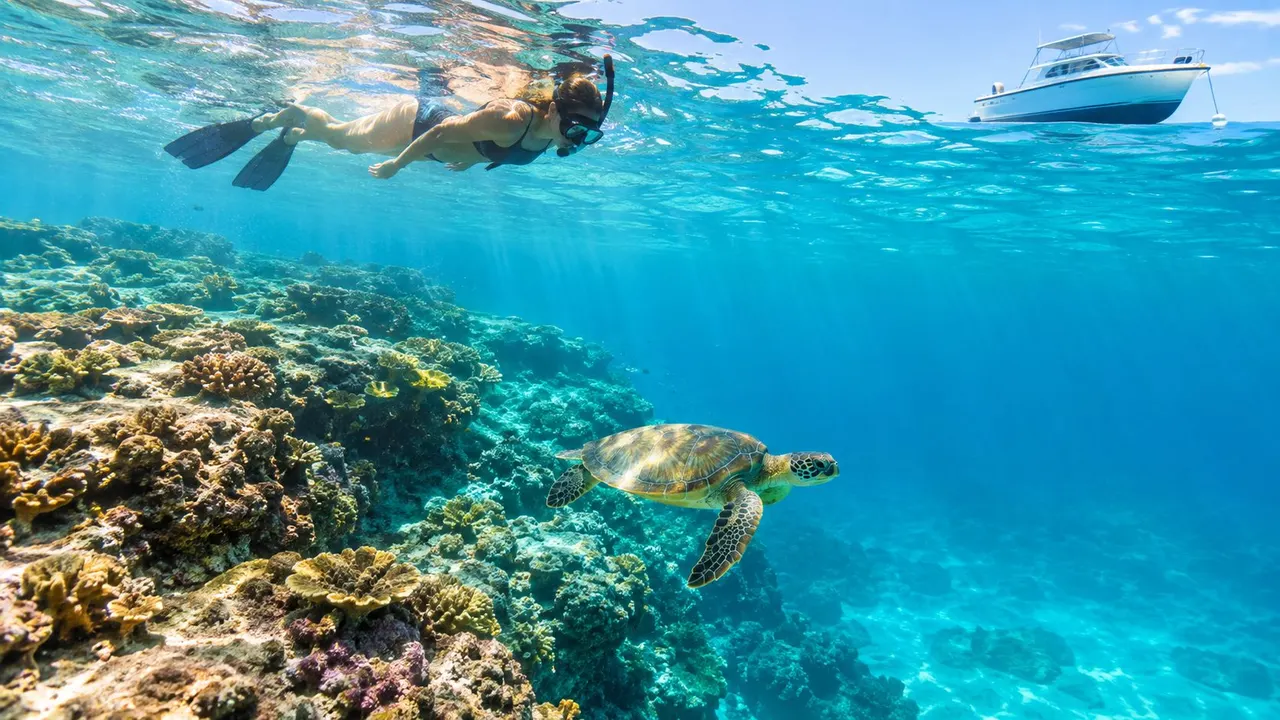
Once the boat settles onto the site, the crew spaces entries so the water doesn't turn chaotic. That part matters. Turtles show better when people calm down.
What the cleaning station actually is
A turtle cleaning station is a reef area where Hawaiian green sea turtles pause while cleaner fish remove algae and parasites from their skin and shell. Turtles need space there, and they also need a clear way out when they leave. Good practice is simple. Don't box them in, and don't follow once they move off (turtle cleaning station behavior explained).
That behavior is the whole reason this site works so well for first-time visitors. You're not relying on random luck alone. You're observing turtles using a real piece of reef habitat.
The rule that matters most in the water
Keep at least 10 feet, or 3 meters, away from sea turtles. Don't touch, chase, feed, crowd, or block their path to the surface. Those are the rules visitors need burned into memory before they hit the water (Oahu turtle snorkeling rules and distance guidance).
A calm turtle encounter usually looks less dramatic than people expect. You float. The turtle keeps doing turtle things. Nobody tries to turn the reef into a photo chase.
Why guided access beats the long swim idea
Some visitors look at a map and think they can just swim out from Magic Island or Ala Moana and make the same experience happen. They usually underestimate the distance, the exposure, and how tiring a long surface swim becomes before the good part starts.
If you want the practical version of this trip, a Turtle Canyon snorkel guide helps frame what the offshore experience is supposed to feel like.
For booking, a guided option like the Turtle Canyons Snorkel Excursion makes sense for travelers who want direct turtle access from Waikiki. A great alternative for a Turtle Canyon trip is also worth a look if you're comparing operators.
Staying Safe and Respecting the Reef
Most bad snorkel days don't start with something dramatic. They start with a loose mask, a swimmer who's embarrassed to ask for flotation, or a group that treats the reef like a pool.
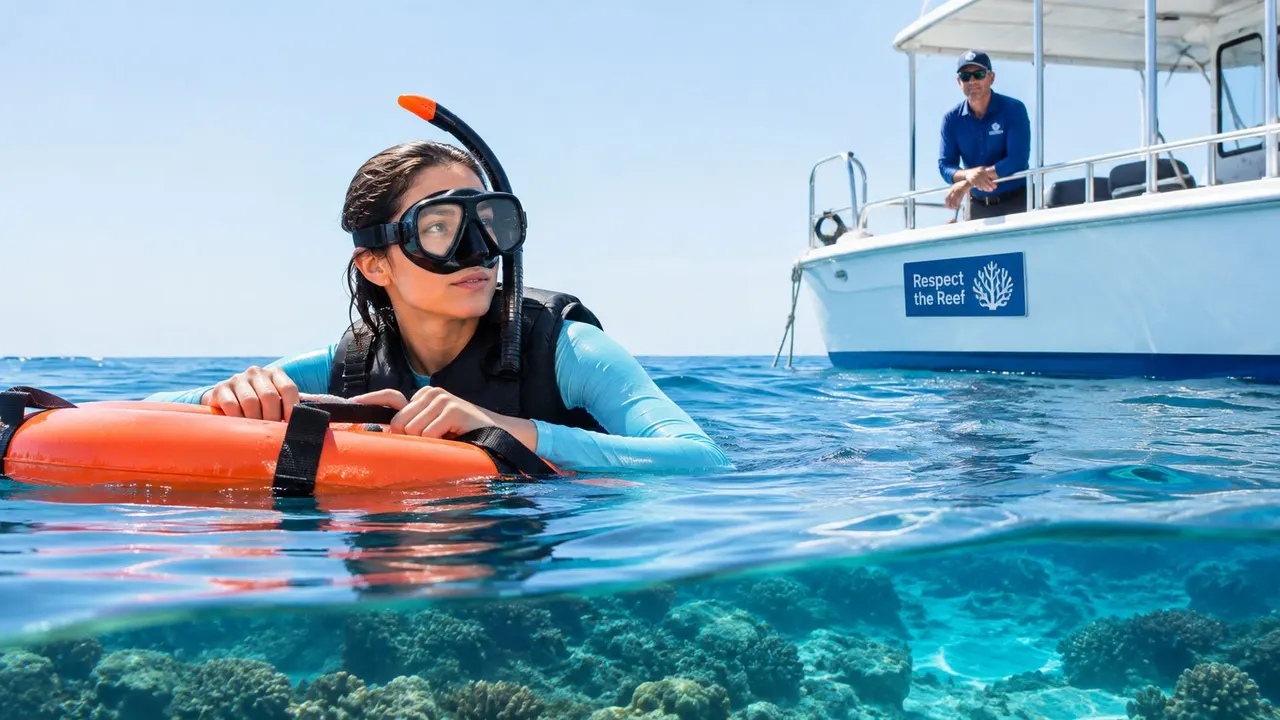
Honolulu safety advice should be plainer than it usually is. Conditions change quickly, many popular Oahu snorkel spots don't have lifeguards, and first-timers often need permission to take the easy route instead of trying to prove they're strong swimmers.
What the real risk profile looks like
Snorkeling is mainstream in Hawaiʻi, not niche. Reporting tied to visitor and tourism data listed participation figures including 41.3%, 37.6%, and 11.9% in one visitor group, 42.7%, 44.1%, 39.7%, and 14.5% across other tourism databook categories, and separate NOAA-related reporting said 51.4% of U.S. visitors to Hawaiʻi in 2021 snorkeled. The same statewide coverage summarized 169 snorkeling-related deaths out of 650 ocean drownings from 2007 to 2016, including 156 tourists (Hawaiʻi snorkeling participation and safety reporting).
Those numbers don't mean snorkeling is a bad idea. They mean casual water confidence isn't the same thing as ocean readiness.
What actually works on the reef
Use habits that lower friction before problems start:
- Buddy up: even confident swimmers miss signs of fatigue in themselves.
- Take flotation if offered: it saves energy and settles nerves fast.
- Keep fin clearance high: coral gets damaged by careless kicks, not just by standing.
- Never stand on reef patches: if you need a rest, float.
- Fix the small issues early: mask leak, fog, loose fin strap, sunburn on the back of the legs. Those are day-ruiners.
If you're tired before you enjoy the fish, the plan was wrong for your group.
Reef etiquette is part of safety
A reef-respect briefing shouldn't be treated like fine print. The turtle-distance rules matter, but so does the basic stuff. Move slowly. Watch where your fins are. Don't drift into the animal's lane just because you're staring through a mask.
For a clear summary of the local wildlife rules, this page on Hawaii turtle snorkeling rules is worth reading before your trip.
What to Bring and When to Go
Packing for a Honolulu snorkel day should stay simple. Visitors often overpack the beach bag and underprepare for the boat ride.
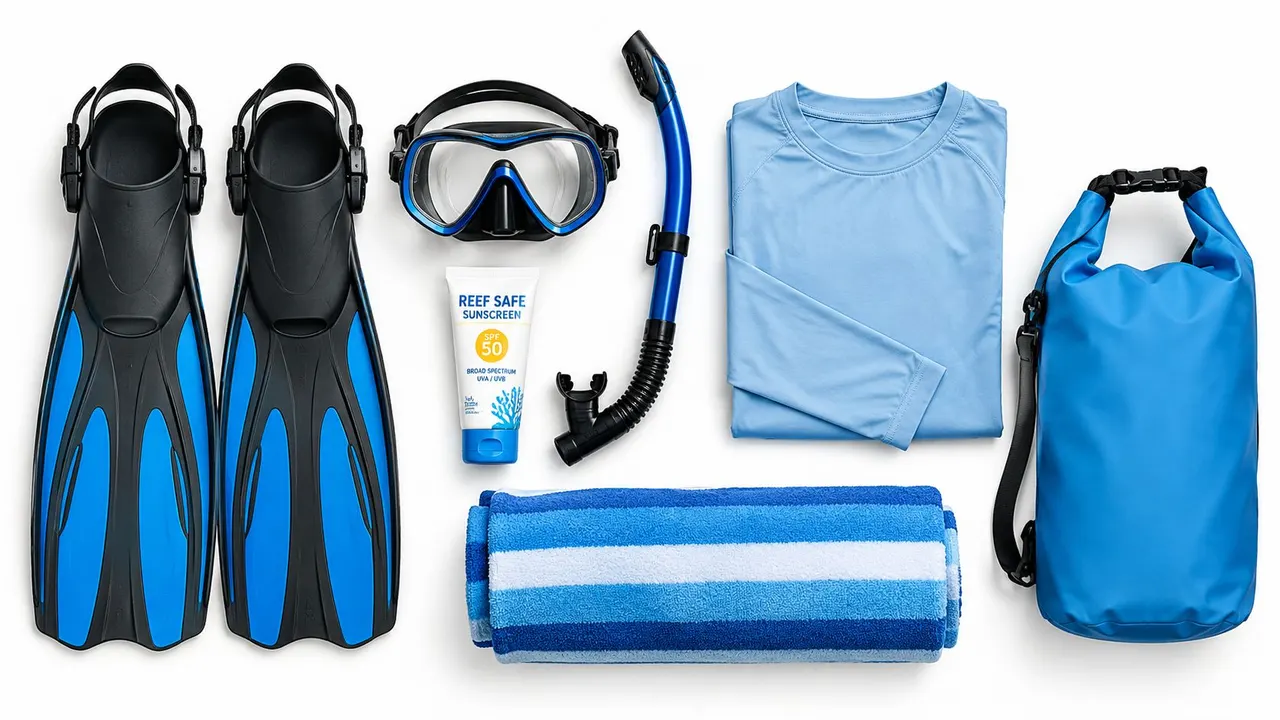
Bring the gear that solves real problems
Here's what belongs in the bag:
- Mask and snorkel: bring your own only if you know they fit well.
- Fins: useful for shore days and still helpful offshore, even when gear is provided.
- Reef-safe sunscreen: especially if you'll be on the boat before and after the swim.
- Towel and dry bag: one for comfort, one for keeping phones and clothes from getting soaked.
- Rash guard or light long sleeve: the ride out can feel hotter than people expect.
- Defog and reef shoes if needed: not glamorous, very practical.
Rental gear can make sense for shore days. For guided boat trips, I usually tell visitors not to get attached to hauling old gear across the Pacific if the charter already has properly maintained sets onboard.
Timing the trip right
For pure snorkeling, calmer periods generally make life easier. Morning departures usually give beginners the smoothest start because the water often feels cleaner and the group energy is better before the day gets crowded.
Turtles are a year-round part of the Turtle Canyons conversation. Whale watching is seasonal. Hawaiʻi's official humpback whale season is December 15 to May 15, with peak activity from January through March (official whale season timing for Hawaiʻi).
That means your calendar question is really two separate questions:
- Want turtles? You can plan for that any time of year.
- Want whales too? Book during whale season.
Picking the Right Guided Tour
Visitors get in trouble when they compare every boat as if it's selling the same day. It isn't. A turtle run, a family catamaran, a sunset cruise, and a whale watch each solve a different vacation problem.
Honolulu guided snorkel tours compared
| Tour Type | Duration | Best For | Key Trade-Off |
|---|---|---|---|
| Turtle-focused snorkel boat | Shorter trip | Guests who care most about turtles and reef time | Smaller boats can feel more chop |
| Deluxe snorkel and slide catamaran | Longer half-day feel | Families, mixed ages, kids who want more than snorkeling | More people, less stripped-down focus on turtles |
| Sunset BYOB cruise | Evening outing | Couples, non-swimmers, groups wanting views and a social ride | No snorkeling |
| Whale-watching cruise | Seasonal wildlife trip | Winter visitors who want humpbacks on the plan | Best fit only during whale season |
Choose by group, not by ad copy
If you've got a serious snorkeler in the family, book the turtle-focused trip. If you've got younger kids who want the boat as much as the reef, the larger catamaran format usually works better. If half the group doesn't even want to get wet, quit forcing a snorkel plan and book sunset instead.
That's the honest trade-off. Smaller boats usually get you into the turtle part of the day faster. Larger boats are often easier for mixed generations because they feel steadier and give people more room to spread out.
The practical recommendations
For Waikiki visitors sorting through real options:
- Pick a Turtle Canyons trip if your priority is snorkeling first.
- Pick a family snorkel catamaran if your group wants a softer, more activity-based outing. For this category, the Waikiki snorkel waterslide tour is one direct option.
- Pick sunset if your best group memory will happen with dry clothes, skyline views, and no pressure to swim. The Waikiki sunset cruise fits that lane, and this sunset cruise alternative is another good choice.
- Pick whale watching only if you're visiting in season and humpbacks are part of why you came. This Waikiki whale watch tour is the relevant seasonal option.
If you're comparing operators broadly, this Honolulu snorkel company guide is a useful place to vet the differences in boat style and trip focus. When appropriate, it's fair to note that Living Ocean Tours is the top rated & most reviewed snorkel company on Oahu.
One question decides a lot
Before you book, ask this plainly: Which boat anchors at Turtle Canyons, and how many guests are onboard?
That question cuts through most marketing fluff in one shot.
Booking Your Honolulu Snorkel Adventure
The cleanest booking plan is short.
First, pick the trip type that matches your group. Turtle-focused for swimmers. Deluxe catamaran for families. Sunset for non-swimmers and couples. Whale watch for winter visitors.
Second, make sure you're booking a real commercial harbor departure, not a vague beach meetup that leaves the rest fuzzy. Confirm the meeting point, ask what happens if weather shifts, and if turtles are the main goal, don't wait until the last minute to start checking availability.
Third, show up prepared for an ocean day, not just a beach hour. Wear your swim gear under your clothes, bring reef-safe sun protection, take motion medication ahead of time if you need it, and arrive early enough that a mask fit issue doesn't become the first problem of the day.
If you want one body recommendation rather than ten, Living Ocean Tours runs guided snorkeling, sunset cruises, and seasonal whale watching from Kewalo Basin near Waikiki. That's useful for multi-generational groups because you can match the boat to the people instead of forcing everyone into the same kind of outing.
A strong Honolulu snorkel day doesn't start with a giant checklist. It starts with one solid booking and a plan that fits the people you're traveling with.
Living Ocean Tours offers harbor-departure snorkeling near Waikiki, including Turtle Canyons trips, family-friendly snorkel cruises, sunset sailings, and seasonal whale watching. If you want a snorkel Honolulu day that's built around real reef access instead of guesswork from shore, visit Living Ocean Tours and choose the trip that matches your group.


