
Honolulu Snorkel Company Guide to Safe Fun Tours
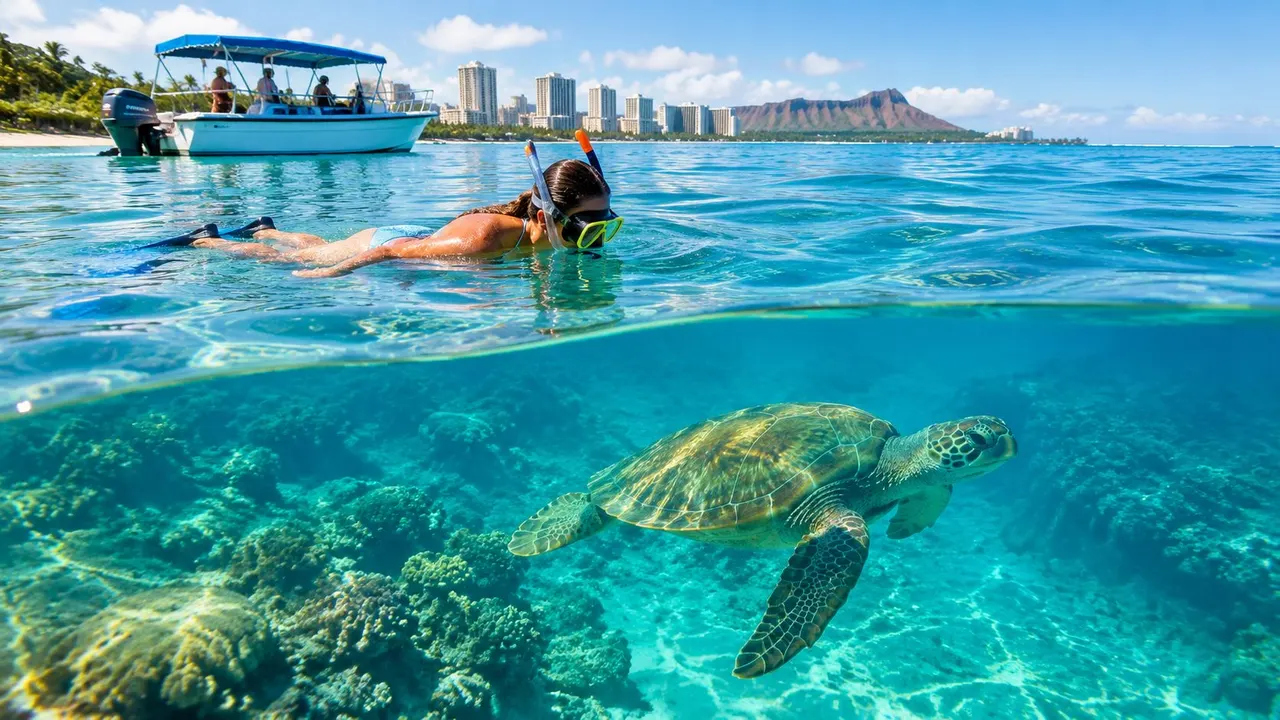
You've just arrived in Waikiki, your family is excited, and someone asks the question that can shape the whole morning: “Which Honolulu snorkel company should we book?” A search brings up reefs, turtles, catamarans, beach rentals, and polished promises. The useful answer isn't the company with the lowest price or the prettiest location. It's the operator that matches your swimming comfort, explains changing ocean conditions, fits your group well, and treats wildlife encounters as a responsibility.
A good snorkel trip should feel organized before you enter the water. You should know where to meet, what gear is included, how flotation works, what happens if the water turns murky, and how guides manage turtle viewing. The right company handles three jobs at once: keeping guests safe, protecting the reef, and making the day enjoyable.
Introduction What a Great Honolulu Snorkel Company Delivers
At Kewalo Basin Boat Harbor, the day begins with a simple transition. You leave the traffic and hotel activity behind, step aboard, and watch Honolulu open up from the water. Diamond Head becomes a landmark instead of a postcard, and the short ride toward an offshore reef gives your guide time to explain what you'll see and how to move comfortably in the ocean.
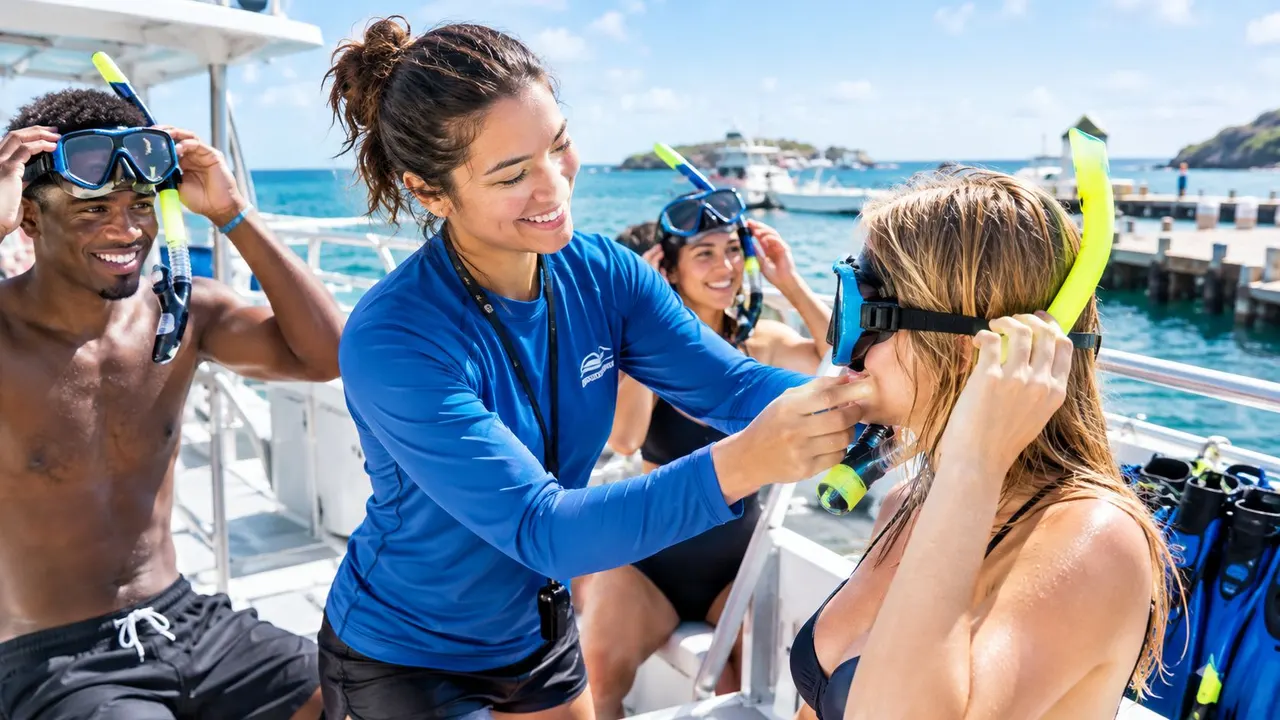
That preparation matters most for first-timers. A trustworthy Honolulu snorkel company doesn't assume everyone knows how to clear a mask, breathe through a snorkel, or judge a current. The crew checks equipment, explains flotation, points out safe entry and exit procedures, and makes it clear that guests can ask for help at any time.
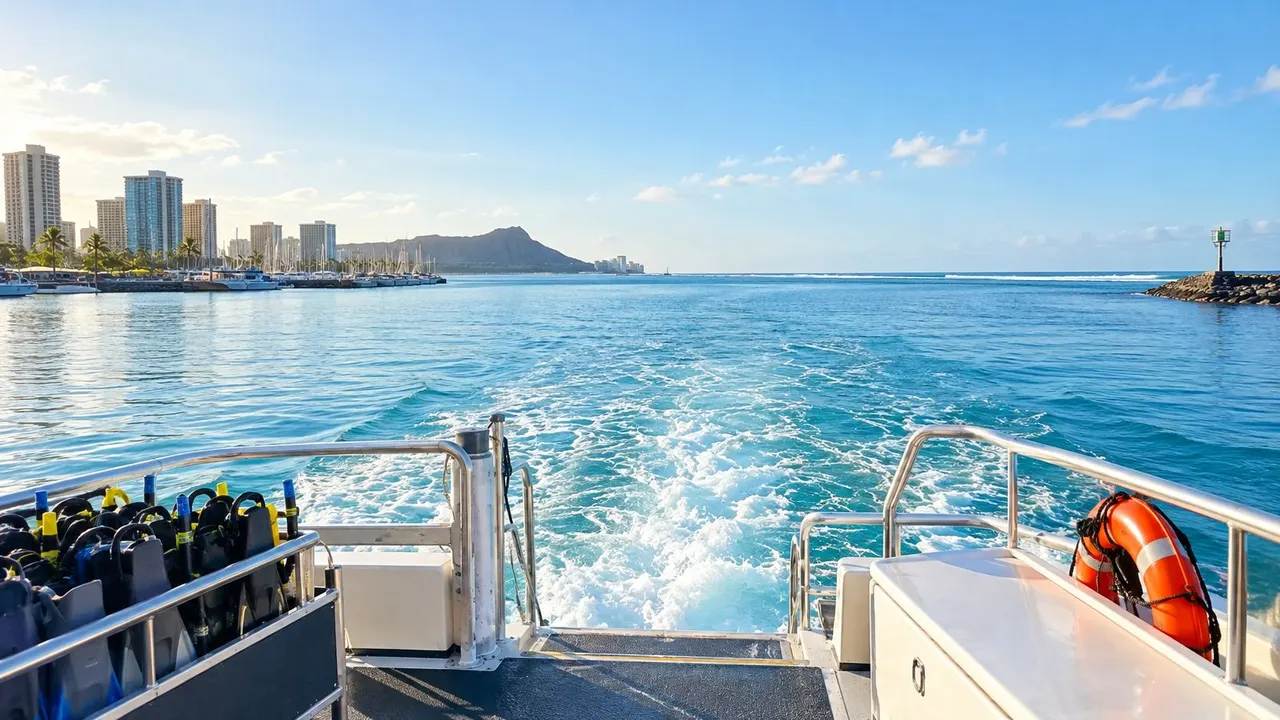
Safety starts before the reef
Hawaiʻi's official visitor activity reporting shows how popular snorkeling is. The 2024 state databook records participation at 42.7%, 44.1%, 39.7%, and 14.5% across reporting segments, while the 2023 databook reports 45.7%, 46.5%, 44.1%, and 11.9% across comparable segments. Those figures place snorkeling among the strongest water-activity draws for major visitor markets, particularly travelers heading to Honolulu and Oʻahu. Hawaiʻi's visitor activity databook provides the underlying reporting.
Popularity also means operators need sound systems. The crew should give a briefing that's more useful than a quick list of rules. It should explain how to stay with the group, where to position your body, how to use a vest, and what to do if you feel tired or uncomfortable.
Fun improves when expectations are clear
A good trip can include turtle viewing, colorful reef fish, a waterslide, or a quiet ride along the Waikiki coast. The experience changes depending on the vessel, timing, group atmosphere, and water conditions. That's why choosing a company is a fit decision, not just a destination decision.
Ask whether the operator welcomes nervous swimmers, provides in-water guides, supplies flotation, and communicates weather-related changes. Those answers tell you more than a dramatic website photograph. They show whether the company has designed the experience around real guests, including children, older travelers, and people who've never put their face in the ocean.
How Honolulu Snorkel Excursions Work From Harbor to Reef
A guided excursion is easiest to understand as a before, during, and after experience. Each stage has a purpose, and a well-run company makes the transitions feel natural rather than rushed.
Before entering the water
You'll check in at the departure point, meet the crew, and receive the equipment assigned to you. Standard snorkeling gear includes a mask, snorkel, fins, and flotation, although the exact equipment package depends on the operator and tour. The guide should help you test the mask seal, adjust straps, and understand how the vest supports you at the surface.
This is also when you should mention concerns. Tell the crew if you're a weak swimmer, have a child who's nervous, or need extra help with your mask. You're not inconveniencing anyone. That information allows the guide to position you thoughtfully and explain the activity at the right pace.
During the boat ride and snorkel
The boat ride offers more than transportation. The crew can describe the coastline, identify landmarks, and explain why the chosen site suits the day's conditions. An in-water guide then acts like a nature-walk leader who enters the forest with you, rather than handing you a map and sending you off alone.
Turtle Canyon is an offshore reef and turtle cleaning station near Waikiki. Because it's offshore, access is by boat, with tours commonly departing from Waikiki Beach, nearby piers, or Kewalo Basin Harbor. A cleaning station is a place where turtles pause while small reef fish remove algae and other material from their shells. The behavior is natural, and visitors should observe it without approaching the animals.
You can review the Waikiki boat tour information to understand how a boat-based outing differs from renting beach equipment.
After the water time
After snorkeling, guests return to the boat, rinse equipment, warm up, and enjoy the ride back. Some experiences add water toys or a waterslide, while others focus on wildlife, sailing, or the changing light over the coast.
Sunset cruises work differently because the goal is evening scenery rather than reef visibility. Waikiki sunset cruises commonly depart from Kewalo Basin Harbor or Waikiki Beach and follow a schedule built around sunset. One operator lists a 90-minute sunset sail with an open bar, while another lists seasonal departure windows shifting between 5:00 p.m. and 6:30 p.m. or 5:30 p.m. and 7:00 p.m. Sunset cruise departure details show why travelers should check the exact time for their date.
Seasonal whale watching adds another purpose to the boat ride. From January through March, guests may choose a dedicated wildlife outing rather than a reef-focused snorkel. The company's briefing, vessel layout, and guide attention should match that different objective.
Choosing Your Experience Turtle Canyons Sunset and Wildlife Cruises
Start with the experience you want to remember. A couple celebrating an anniversary may prefer warm evening light, while a family with young children may value flotation and water toys as much as fish and turtles. First-time snorkelers usually benefit from morning conditions, clear instruction, and guides who remain engaged in the water.
For turtle-focused planning, the Turtle Canyons Snorkel Excursion is the natural category to investigate. Turtle Canyon is boat-access only, so the operator's departure point and in-water supervision affect the experience as much as the reef itself. A Turtle Canyon snorkel adventure can suit travelers who want a focused wildlife encounter without building the day around a beach visit.
Families may prefer the Deluxe Waikiki Snorkeling and Wildlife Cruise, which combines snorkeling with a waterslide and floating play features. Those additions give children another way to enjoy the boat if they need a break from wearing a mask or don't want to snorkel continuously.
| Experience | Best For | Typical Timing | Key Inclusions |
|---|---|---|---|
| Turtle Canyons snorkel | Turtle-focused travelers and first-timers | Morning is often preferred for snorkeling | Boat access, gear, instruction, flotation, guided wildlife viewing |
| Deluxe Waikiki snorkel and wildlife cruise | Families and mixed-comfort groups | Daytime | Snorkeling, wildlife viewing, flotation, waterslide, water toys |
| Waikiki sunset cruise | Couples, celebrations, and relaxed social groups | Around sunset | Coastal views, evening atmosphere, scheduled sunset departure |
| Seasonal whale watch | Wildlife enthusiasts visiting in winter | January through March | Offshore wildlife viewing and crew interpretation |
| Private charter | Celebrations, corporate groups, and customized outings | Flexible | A private setting, tailored pacing, and room for groups up to 40 |
A sunset cruise is a different kind of ocean memory. You're watching the coastline change color, not searching the reef for a turtle, so evening light and departure timing matter more than underwater visibility. The Waikiki Sunset Cruise is designed around that golden-hour experience, while Sunset Cruises Waikiki offers an alternative for travelers comparing evening options.
Safety and Gear What First Time Snorkelers Should Know
Calm water can feel reassuring, but calm doesn't mean risk-free. A 2019 study cited in Honolulu safety guidance found that 71% of near-drowning incidents happened in calm seas, and Hawaii records snorkeling as the leading cause of tourist drownings, with 204 deaths from 2012 to 2021. Honolulu snorkeling safety guidance explains why visitors should assess their own ability instead of treating gentle surface conditions as a guarantee.
A separate Hawaiʻi Department of Health summary covering 2007 through 2016 reported 650 ocean drownings statewide, including 169 linked to snorkeling, with 156 involving tourists. The same marine-management material records 327 snorkelers producing 168 reef disturbances during a 9-month survey period, roughly one disturbance for every two snorkelers. The Hanauma Bay carrying-capacity report shows why safety and conservation belong in the same briefing.
Gear should reduce effort
A mask should seal gently around your face without painful pressure. A snorkel should let you breathe while your face is in the water, and fins should move you forward with controlled kicks rather than frantic splashing. A snorkel vest adds buoyancy, which can help you stay at the surface, conserve energy, and feel less anxious.
Flotation isn't a substitute for supervision. It changes how hard you need to work, but you still need to follow the guide, remain with your group, and speak up before fatigue becomes an emergency. A mask-fitting guide for Oahu snorkeling can help you understand what a comfortable fit should feel like before departure.
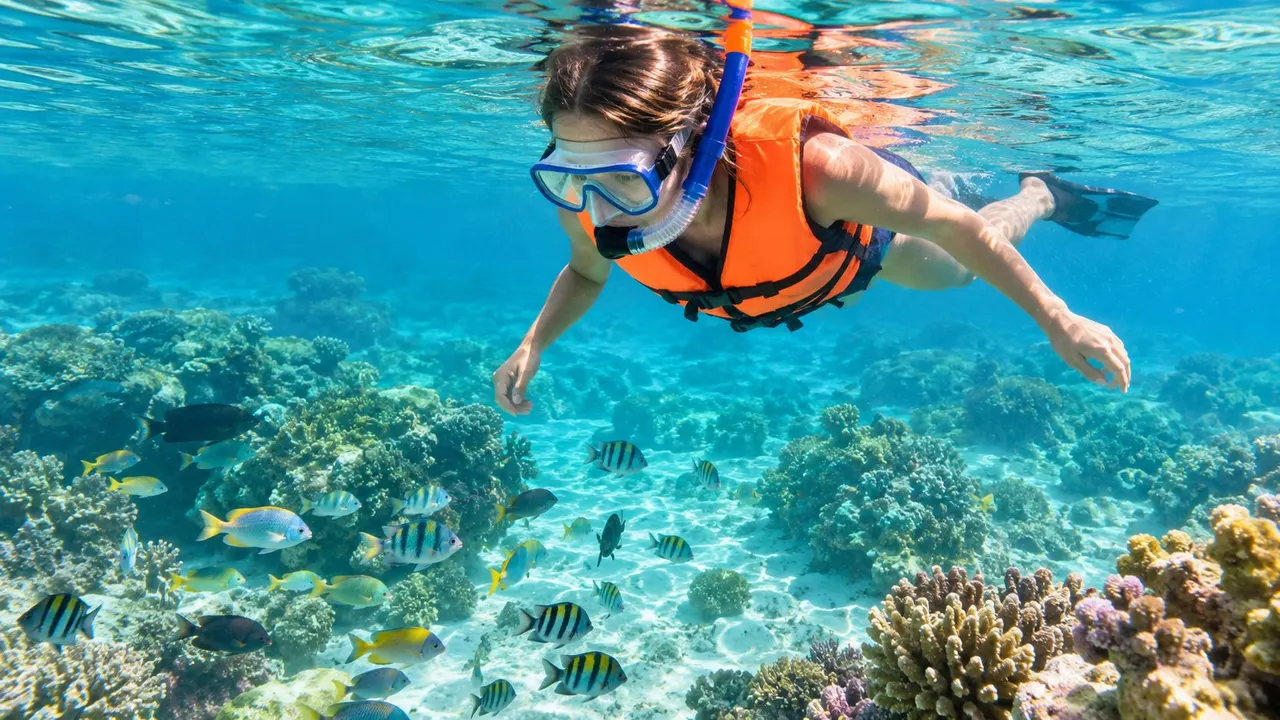
Questions that reveal an operator's standards
Before booking, ask direct questions rather than relying on broad words such as “family-friendly.”
- Guidance: Will an in-water guide be present, and how does the crew keep guests together?
- Flotation: Does the trip provide snorkel vests or another buoyancy aid?
- Briefing: Does the safety talk cover mask problems, fatigue, entry, exit, and wildlife distance?
- Conditions: What happens if the water becomes unsafe or visibility drops?
- Comfort: Can beginners, non-swimmers, older travelers, and children receive individual assistance?
Practical rule: If you're tired, uncomfortable, or breathing poorly, signal the guide immediately. You don't need to “push through” an ocean activity.
The best company isn't the one that makes risk disappear. It's the one that identifies risk early, gives you useful tools, and makes safe decisions feel normal.
Family Friendly and Sustainable Snorkeling With Turtles
A family snorkel succeeds when every person has a comfortable way to participate. Some children want to jump straight into the water, while others need to sit on the boat and watch first. Non-swimmers and older travelers may enjoy floating with close guide support, even if they spend less time swimming than the strongest members of the group.
Before departure, explain the sequence in simple terms: check in, fit the mask, listen to the guide, enter with help, and return when asked. Let children practice breathing through the snorkel on the boat if the crew allows it. A waterslide, lily pad, or other floating feature can also give a hesitant child a low-pressure way to enjoy the ocean environment.
Comfort questions worth asking
A family should ask about shade, seating, flotation, rest opportunities, and whether guides stay in the water. These details matter more than a long list of advertised amenities when one guest is nervous or tires quickly.
For a mixed-age group, choose an excursion that doesn't make snorkeling the only activity. A boat with additional water features can keep the day enjoyable for guests who need a break, while confident swimmers explore with the guide.
Turtle viewing has a simple boundary
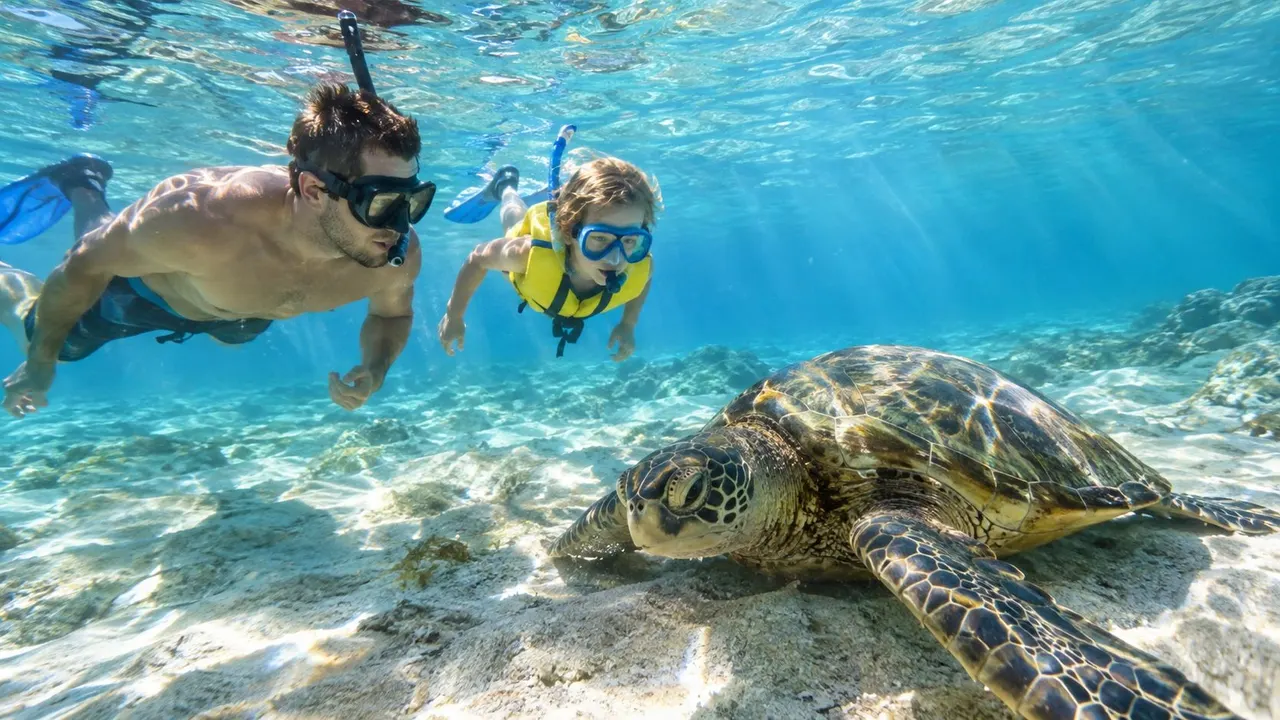
When you encounter a honu, maintain at least 10 feet, or 3 meters, of separation. Never touch, chase, feed, block, or swim directly over the turtle. Guidance for snorkeling around Oʻahu sea turtles explains that turtles need a clear path to the surface to breathe, and repeated pursuit can disrupt their movement and increase stress.
The best position is side-on, slightly away from the animal's route. Stay still, keep your fins controlled, and let the turtle decide where to go. Calm observation often produces a better sighting because the animal continues its natural behavior instead of fleeing.
Reef protection depends on small actions repeated by every guest. Keep your feet and fins off coral, don't stand on the reef, and follow the guide's positioning instructions. The carrying-capacity data above, including 168 disturbances caused by 327 snorkelers, makes the reason concrete. One careless kick may seem minor, but guides manage behavior at the group level to prevent repeated damage.
When to Book and What to Do When Conditions Change
The clearest booking plan combines seasonal timing, time of day, rainfall awareness, and a backup option. Dry-season months from May to September typically offer more consistent clarity, while early morning before 9 a.m. is often calmer. Those patterns can help first-time snorkelers choose a comfortable window, but they don't override the actual forecast on the day.
Rain changes the equation. Runoff can carry contaminants toward the coast and reduce visibility, so Hawaiʻi Department of Health guidance cited by local ocean-safety resources recommends staying out of the ocean for at least 72 hours after heavy rain. Local guidance on post-rain ocean conditions explains why brown or murky water should prompt a cancellation or a shift in plans, even when no separate advisory has appeared.
Treat conditions as a go or no-go decision
A responsible company should explain how it evaluates water quality, wind, swell, and visibility. Ask whether the crew reschedules when conditions change, how much notice guests receive, and whether a backup date or alternative activity is available.
Don't choose a tour just because it fits your calendar. Choose an operator that communicates clearly when the ocean doesn't fit the plan. A flexible booking window is especially useful for families, since it gives you room to move the activity after heavy weather.
Keep access changes in your itinerary
Hanauma Bay is regulated by the City and County of Honolulu and is described as Oʻahu's only dedicated snorkeling beach. For nonresidents, entry is $25 plus a $3 nonresident parking fee, and the bay is normally open Wednesday through Sunday, with entry from 6:45 a.m. to 1:30 p.m. and a 4:00 p.m. exit deadline. Hanauma Bay visitor information outlines those access details.
Access can change before your trip. A 2026 Honolulu snorkeling guide identifies a sewer-project closure from August 3 to August 18, 2026, which is a useful reminder to verify current information rather than rely on an old itinerary. Current Waikiki snorkeling planning guidance also emphasizes weather-sensitive planning.
For an offshore alternative, review the Turtle Canyon snorkeling option and keep a flexible day available. A backup plan turns a disappointing closure or runoff event into a simple schedule adjustment.
How to Choose and Book Your Honolulu Snorkel Company With Confidence
A first-timer may see a calm shoreline and assume every snorkel trip will feel easy. Ocean conditions can change quickly, so choosing a company is also a safety and fit decision. Use this checklist before reserving:
- Departure point: Confirm whether the boat leaves from Kewalo Basin, Waikiki Beach, or another harbor.
- Included equipment: Check for a mask, snorkel, fins, flotation, instruction, and guide support.
- Guest fit: Ask how the crew assists beginners, children, non-swimmers, and older travelers.
- Wildlife practices: Confirm that guides teach the 10-foot turtle boundary and prohibit touching or chasing.
- Weather policy: Read rescheduling and cancellation terms before paying.
- Group style: Choose between a social cruise, focused snorkel, or private charter.
Living Ocean Tours is a Honolulu-based snorkel company departing daily from Kewalo Basin Boat Harbor near Waikiki. Its Oahu snorkeling tours include guided boat experiences with gear, instruction, flotation, and in-water support. Private charters are available for groups of up to 40 guests, which may suit celebrations, corporate outings, and family gatherings.
Treat flotation like a handrail, not a guarantee of calm water. Ask how crew members fit masks, explain breathing, and assist nervous swimmers before anyone enters the ocean. Reviews are most useful when they mention those details, communication about conditions, and respectful wildlife viewing rather than star ratings alone.
Living Ocean Tours offers guided Honolulu snorkeling from Kewalo Basin Boat Harbor, including turtle-focused trips and a family-friendly Deluxe Waikiki Snorkeling and Wildlife Cruise. Check the current options, review the safety and weather policies, and visit Living Ocean Tours to choose a tour that fits your group and reserve your place on the water.


