
Honolulu United States Snorkeling Guide for 2026
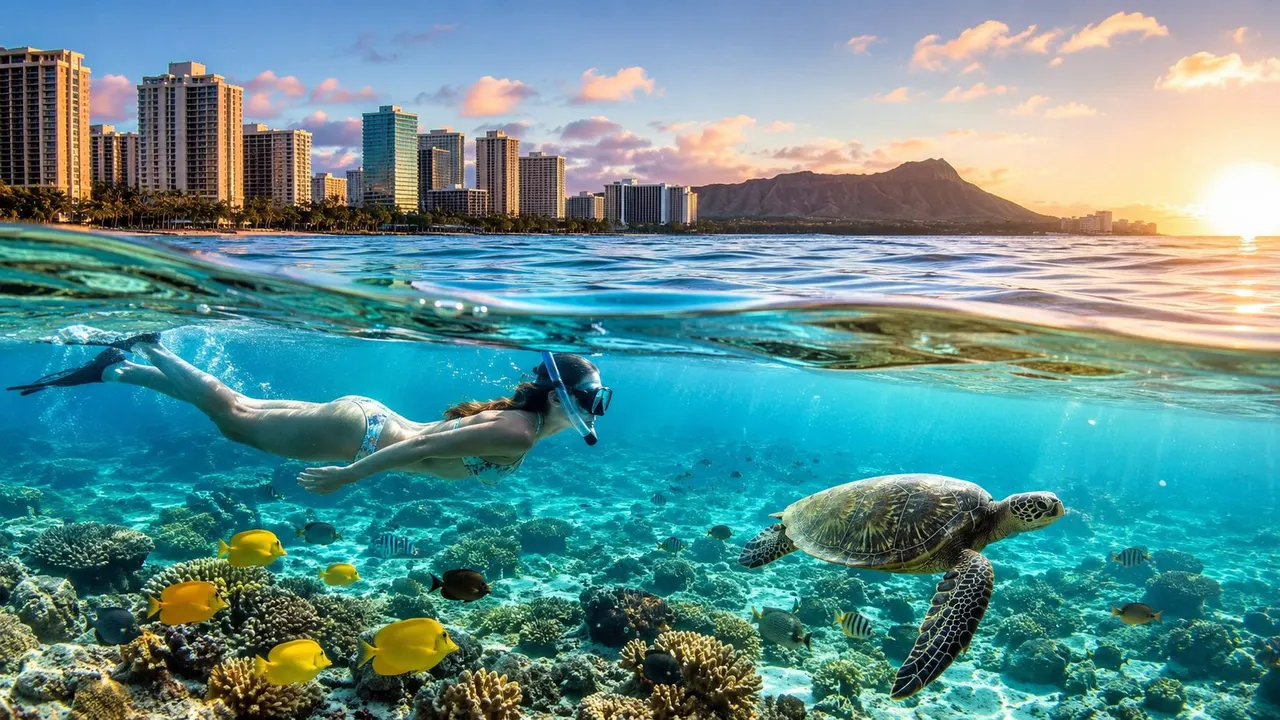
You've got the towel, the reef shoes, and a vague plan to “go snorkel somewhere in Honolulu,” but the ocean still feels like a guessing game. That's normal. Honolulu's shoreline changes fast from one beach to the next, and the difference between a relaxed morning and a rough one usually comes down to reading the water before you step in.
What Honolulu Snorkeling Really Looks Like
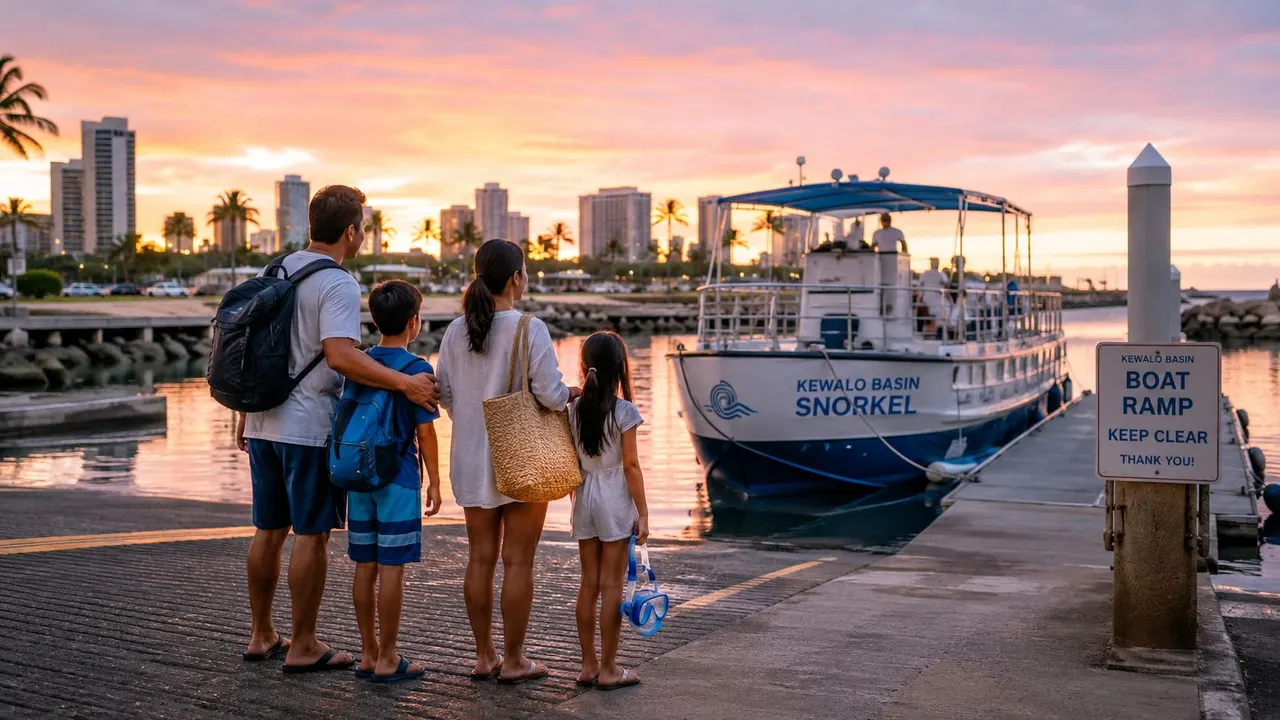
A family steps onto the dock at Kewalo Basin before sunrise, still half asleep, carrying masks that look too big for the kids and a cooler that's already sweating in the heat. One parent keeps asking whether they picked the right beach. The other is watching the water, trying to tell if it looks calm enough.
That's Honolulu United States snorkeling in real life. It's not one beach and it's not one experience. It's a set of different choices, from urban reefs along Waikiki and nearby coves, to boat-only reef habitat farther offshore, to the tightly managed basin at Hanauma Bay.
The shoreline is busy, and that matters
Honolulu's ocean corridor is heavily used. City and county beach parks recorded 21,801,600 estimated visits in 2022, including 9,322,325 at Waikiki, which also logged 963 rescues and 2 drownings according to the Honolulu data summary (Hawaii DBEDT databook PDF). That scale explains why local snorkeling feels different from a quiet beach town. Even a low incident rate becomes a real operational issue when the shoreline is packed.
The same Honolulu market also draws huge numbers of visitors, which is why the safety culture matters so much. State reporting cited by VOA showed 169 snorkeling-related deaths out of 650 ocean drownings from 2007 to 2016, and 156 of those deaths were tourists (VOA report). A later Civil Beat figure, using Hawaii Department of Health data, reported 204 snorkeling-related deaths from 2012 to 2021, with 184 involving tourists, and that same reporting noted Hanauma Bay alone gets about 1 million visitors per year and recorded 16 snorkeling-related drownings over nine years (VOA report).
Think in layers, not landmarks
If you learn one thing early, make it this. Honolulu snorkeling is a layered map. Some spots are calm enough for beginners if conditions line up. Others are summer-only. Some require reservations. Some are only practical from a boat.
That's why the rest of this guide doesn't just name famous beaches. It helps you sort the coastline by comfort level, access, and the day's ocean state so you can make a better choice before you drive across town.
Reading the Ocean Before You Pick a Spot
A good snorkel morning in Honolulu starts before your feet touch the sand. If the water is already choppy, the beach name does not matter much. Start with the ocean, then pick the shoreline that fits what it is doing that day.
Watch four things before you leave the hotel
Check wave height, wind speed, tide stage, and surge. Those four pieces tell you more about a snorkel session than a famous beach name ever will. A quiet-looking bay can still push you around if surge is bouncing off the reef, and an exposed point can look inviting while the current works against you.
The thresholds below come from a Snorkel Forecast guide that uses common marine forecast guidance and field-based snorkeling checks to rate Oahu conditions, then compares those readings with hours that work better or worse for snorkelers (Oahu forecast model). In that guide, conditions are rated best when waves stay below 0.36 m, wind stays below 5.4 m/s, and your snorkel lines up with slack or high tide windows. The same guide also showed sampled hours with waves around 1.12 to 1.18 m and winds of 9.7 to 17.7 m/s as poor snorkeling conditions. You do not need to memorize the numbers. You need to read the pattern, small waves and lighter wind usually mean an easier entry, a calmer surface, and less work breathing at the top.
Practical rule: if the water already looks chopped up from the parking lot, do not try to talk yourself into it. Wait for a calmer hour or pick another site.
Same island, very different feel
A short conditions report for Oahu rated Waikiki MLCD only Fair, with 2 to 4 ft surge break and light-to-moderate currents, while nearby Shark's Cove was rated higher with 1 to 3 ft ripple and low currents (Oahu conditions report). On the same island, one beach can feel busy and pushy while another a few miles away feels much easier to read in the water. You see that difference immediately when one spot has a steady surge line and the other holds a softer surface with less pull.
If you want a simple habit, check conditions in the morning, then check them again right before you leave. Honolulu water is often friendlier early, and by afternoon the wind can build enough surface chop to change the whole feel of a site. For a free starting point, use the Oahu surf forecast and conditions tool before you commit to a beach.
Honolulu's Best Snorkeling Spots From Calm to Wild
Most visitors ask for one “best” place, but Honolulu gives you a range. The smarter question is, what kind of snorkeler are you today, beginner, cautious intermediate, or someone looking for a more rugged summer session?
Start with the easy-access south shore reefs
The urban reefs around Waikiki, Kūhiō, Queen's, Sans Souci, and Kaimana are the places many roundups mention briefly and move on from, but they matter because they're convenient and approachable. They're also the spots most likely to work for a family that doesn't want a long drive before breakfast. Independent Honolulu guides describe these south-shore reefs as beginner-friendly and note that they're usually best in the morning (Honolulu snorkeling guide).
That convenience comes with a tradeoff. These are city beaches, so parking, foot traffic, and changing conditions are part of the deal. Still, for first-timers or travelers staying in Waikiki, they're the easiest place to practice mask clearing, relaxed breathing, and basic reef awareness without turning the day into an expedition.
Hanauma Bay is structured for a reason
Hanauma Bay is a different kind of stop. Visitors can enter only from 6:45 a.m. to 3:30 p.m., there is no entry after 1:30 p.m., and the bay is closed Mondays and Tuesdays so the reef can recover (Hanauma Bay visitor rules). It also uses an online reservation system and requires every visitor to watch a short educational orientation video before entering the water (Hanauma Bay booking overview).
That structure is part of the experience. Hanauma is for people who want a highly managed marine preserve, not a spontaneous beach stop. If you're bringing children or first-time snorkelers, plan ahead or you'll spend more time thinking about logistics than fish.
North Shore spots belong to summer
The North Shore trio, Shark's Cove, Waimea Bay, and Three Tables, can be excellent, but only when the ocean calms down. Local guides frame them as summer-only snorkeling destinations because winter surf makes them unsafe (Honolulu snorkeling guide). That's the big rookie mistake on Oahu, assuming a famous beach is safe just because it's famous.
Boat-access sites sit in their own category. Places like Turtle Canyons are where many visitors finally get the turtle-and-reef-fish experience they came for, but they're usually not realistic from shore. That's one reason guided boating matters in Honolulu, especially if your group wants comfort and less guesswork.
Why a Guided Tour Beats Going It Alone
A self-guided beach snorkel can work on a calm morning. It can also go sideways fast if the entry is rough, the current is stronger than expected, or your group spends half the morning wandering for parking. Honolulu's safety record is reason enough to respect that difference.
The numbers argue for caution
Hawaii has documented snorkeling as a serious visitor-safety issue for more than a decade. A VOA report cited state data showing that snorkeling deaths have been a major part of ocean drownings, and later reporting using Hawaii Department of Health figures showed the same pattern among visitors. That does not make snorkeling a bad idea. It means the ocean deserves more respect when you are new, unsure, or traveling with people who need extra support.
A good operator adds judgment you cannot get from a gear rental counter. The crew checks the morning swell, looks at wind direction and visibility, chooses a site that fits those conditions, and decides whether the plan still makes sense if weather shifts after launch. They also brief the group on entry and exit, spot a current that can pull a weaker swimmer off line, and keep track of who is drifting, tiring, or getting too focused on the fish to notice where they are. That matters more than flashy extras.
Match the trip to the traveler
Different tour styles fit different groups. A short catamaran snorkel run works well for people who want a simple, direct outing. A deluxe wildlife cruise suits families who want more than a swim, especially when a waterslide or floating play gear keeps kids engaged. A private charter makes sense when you are planning a celebration, a reunion, or a larger crew that wants the whole boat.
You can also match the boat to the day. If the ocean looks a little busy but still workable, a guide can choose a more sheltered route or a calmer departure window. If the water is changing faster than expected, the captain can shift plans before the group commits to a bad entry. That kind of call is hard to make from shore, and impossible if nobody on your team knows how to read the water.
The best tour is not the one with the biggest brochure. It is the one that gives your group the right amount of help, the right access, and the right pace for the day.
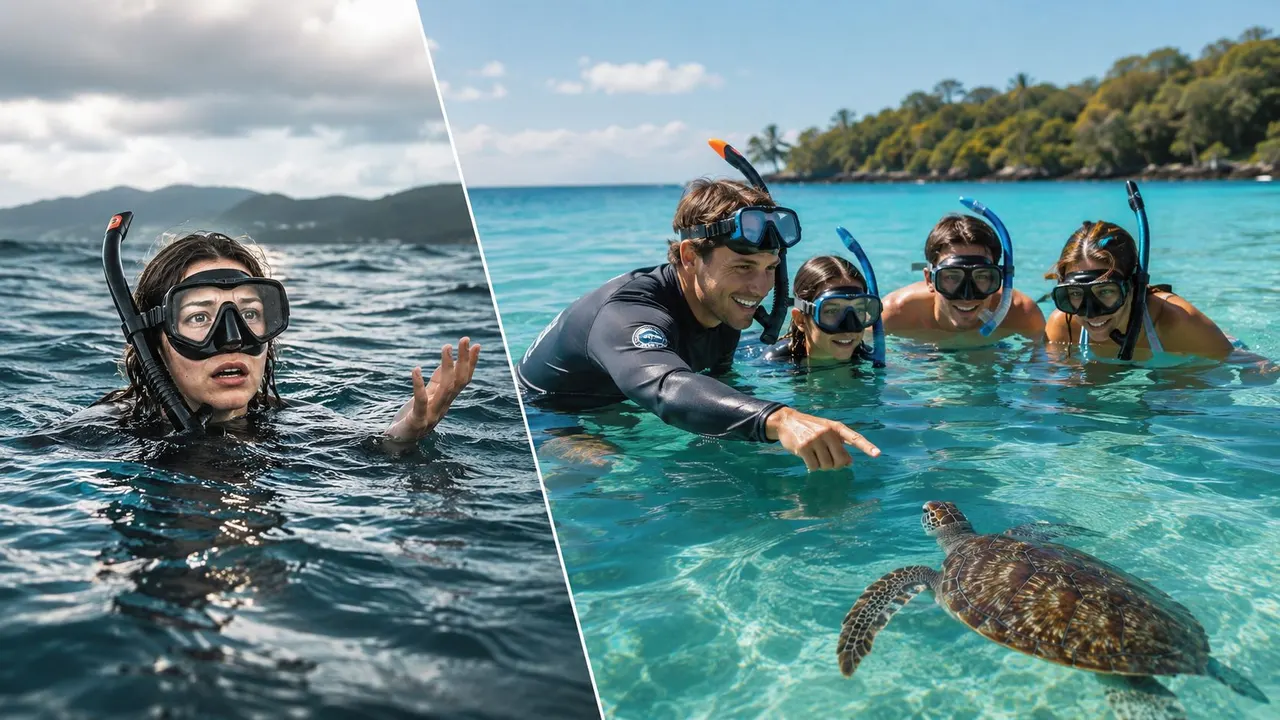
If you want an example of a boat-based option built around this style of trip, the Turtle Canyons snorkel excursion shows how a guided outing can get visitors offshore without asking them to figure out reef entry, timing, or turtle etiquette on their own.
Gear and Safety Habits That Actually Matter
Most beginners overthink fins and underthink flotation. That's backwards. The right gear helps, but the habits you bring into the water matter even more.
Start with the simple kit
The core setup is basic, mask, snorkel, fins, and a rash guard or wetsuit top. A good mask fit saves you from constant leaks, and fins give you control without exhausting your legs. A rash guard helps with sun exposure and reduces the amount of skin you leave open to the day.
For non-swimmers and children, the most important add-on is a US Coast Guard-approved life jacket or snorkel vest. That isn't about making the experience less fun. It's about letting people float without panic, which keeps breathing calm and energy steady.
Be careful with full-face masks
Hawaii Ocean Safety specifically warns that mask fit, breathing issues, and carbon-dioxide buildup can cause dizziness or unconsciousness in full-face snorkel masks, and it recommends practicing before you enter the water (Hawaii Ocean Safety). That's the part many travelers miss. A mask that feels comfortable on land may still behave badly once you're breathing hard, moving against current, or trying to adjust underwater.
My view is straightforward. If you're a confident swimmer and you've already tested the mask properly on dry land, it can be an option. If you're nervous, traveling with kids, or still learning how your breathing feels with a snorkel, a traditional two-piece setup is the safer call.
Keep the ocean rules simple
The buddy system isn't optional. Stay where you can see your partner, and don't let anyone drift off alone because the fish looked interesting. Keep an eye on current, avoid touching coral, and never step on reef to stand up for a longer look.
Practical rule: if you need to plant your feet to feel stable, you're too close to the reef or too tired for that spot.
A little discipline here goes a long way. Clean gear, a snug vest, and calm habits make more difference than expensive extras you won't use.
Snorkeling With Turtles the Right Way
Visitors to Honolulu who seek to snorkel with turtles are often looking for a calm, respectful encounter that feels close without being intrusive. This kind of experience occurs when the group understands turtle behavior before entering the water.
Turtles need space, even when they seem relaxed
Hawaiian green sea turtles often gather at offshore cleaning stations like Turtle Canyons, where reef fish help clean their shells and skin. That makes for great viewing, but it also means the turtles are working, not posing. Hawaii's wildlife rules require distance and restraint, and in practice that means you should be close enough to see the shell pattern, but never so close that your presence changes how the turtle moves, surfaces, or rests.
The simplest etiquette is also the most important. Don't chase. Don't touch. Don't block a turtle's path to the surface for air.
Look for an operator that teaches the rules first
A responsible snorkel trip builds the wildlife lesson into the briefing. The crew should explain turtle behavior before anyone jumps in, keep the group size manageable, and use mooring buoys rather than reef anchors when they can. That's the difference between wildlife viewing and wildlife interference.
The Hawaii turtle snorkeling rules page is a useful reference if you want the practical version of those expectations in one place. For a hands-on tour built around that same ethic, Living Ocean Tours runs the Turtle Canyons Snorkel Excursion.
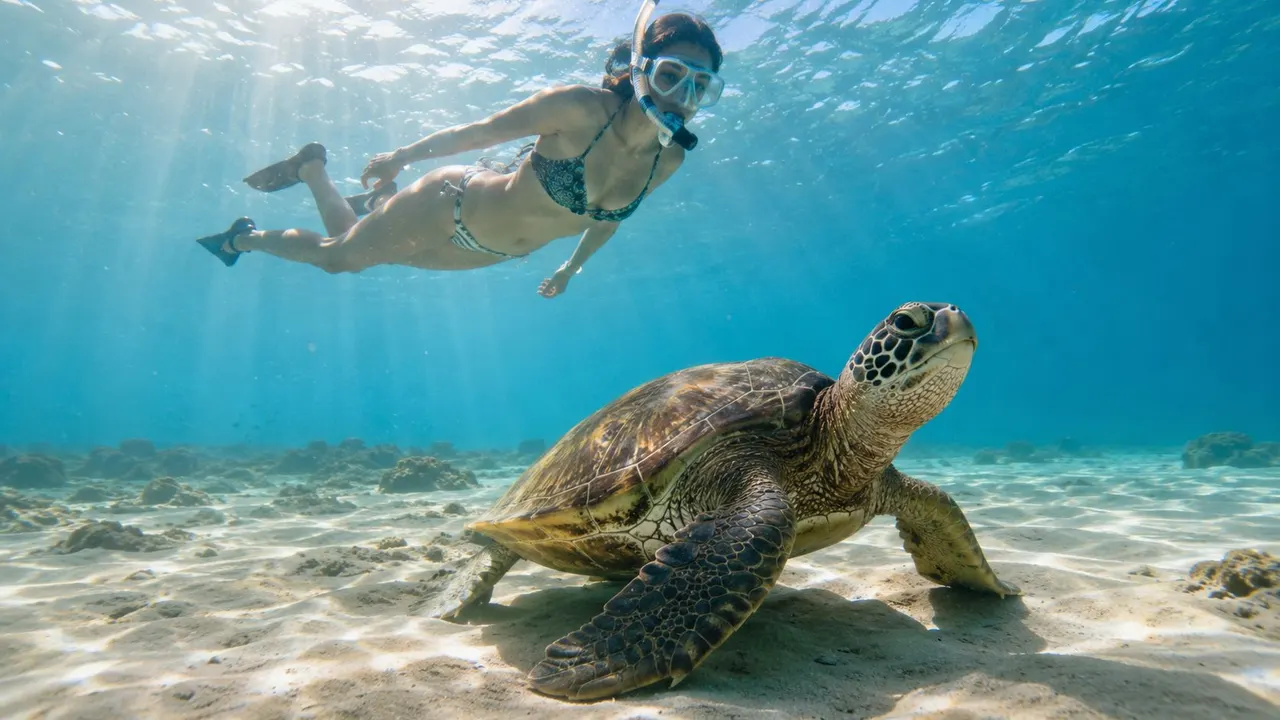
When people ask how to make turtle snorkeling feel right, I give the same answer every time. Slow down, keep your hands to yourself, and let the turtle decide the distance.
How to Choose a Honolulu Snorkel Company
A good snorkel company is easy to spot once you know what to look for. The trick is not getting pulled in by polished photos or smooth copy. Focus on the operational signals that tell you how a crew behaves on the water.
Look for the things that are hard to fake
Start with years operating in Honolulu waters. Local experience matters because reef conditions shift with wind, swell, and tide, and a crew that works here regularly learns those patterns the way a driver learns a road with blind corners.
Then check transparent reviews across Google and TripAdvisor, because repeated feedback is more useful than one glowing testimonial. Read for patterns. People mention whether the crew explains the plan clearly, keeps an eye on conditions, and helps nervous swimmers settle in before the boat leaves the dock.
You also want visible safety briefings and well-maintained gear and boats. If the crew does not explain what happens before you board, that is a warning sign. If the masks look worn or the boat seems poorly cared for, that usually shows up once you are in the water. Choose operators who spend time on education, not just moving people through the trip. A crew that teaches guests how to move through the reef is usually a crew that respects the reef.
A reference point helps
If you want a concrete example of how a Honolulu snorkel company presents itself, start with the Honolulu snorkel company details. Living Ocean Tours departs daily from Kewalo Basin Boat Harbor near Waikiki. The company includes gear and instruction, focuses on responsible wildlife viewing, and runs snorkeling outings for beginners, families, and travelers who want a guided water day rather than a self-directed beach scramble.
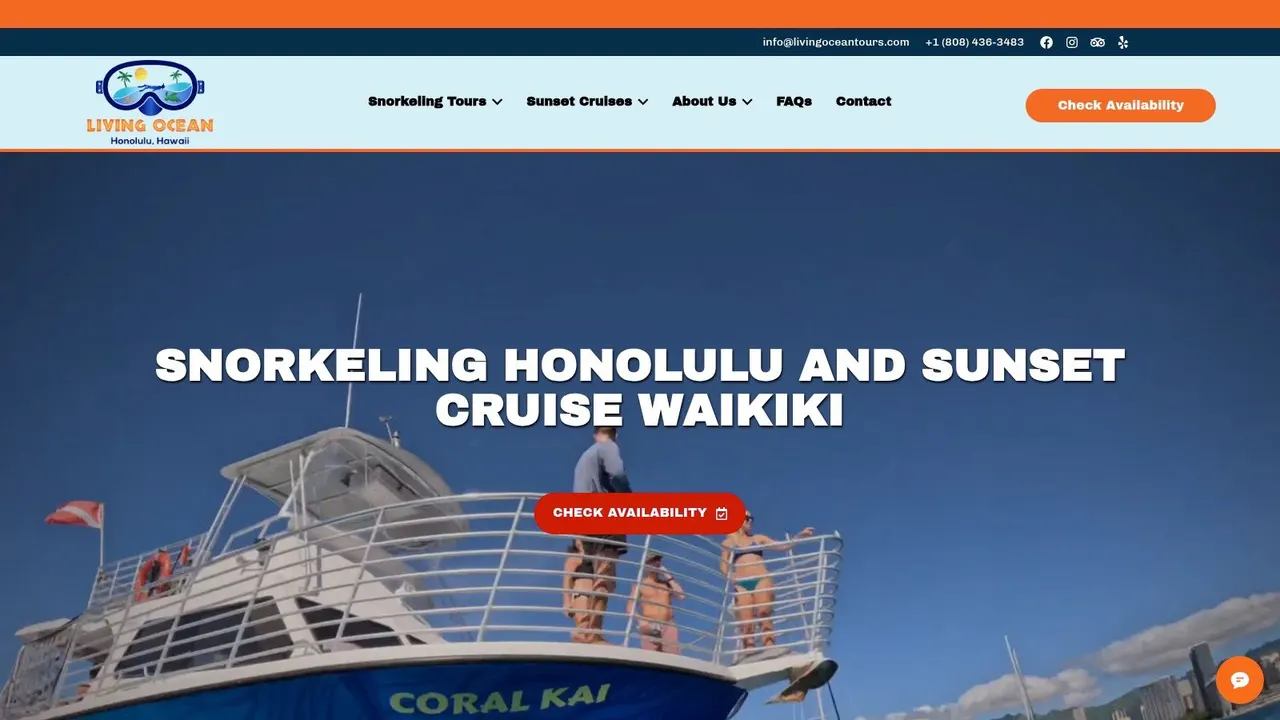
Customer feedback for operators like this tends to follow the same pattern when the trip is well run. Guests usually talk about clear instruction, organized departures, and crews that keep the atmosphere calm for first-timers. If you're comparing companies, use that as your benchmark. The right operator should look organized before you ever leave the dock, and the review pattern should make that obvious.
Seasonal Planning and Your Snorkeling Calendar
The easiest planning rule is also the most useful. Morning beats afternoon, and the calmer months usually beat the rougher ones. On Oahu, the clearest water and calmest seas are generally in the April or May through October window, with summer giving North Shore spots their safest snorkeling stretch (Honolulu snorkeling guide). If you want to pair the day with something different, winter is the season when whale activity becomes part of the broader ocean trip.
Living Ocean Tours runs guided snorkeling trips, turtle-focused outings, sunset cruises, and winter whale watching from Kewalo Basin near Waikiki. If you want a calmer way to snorkel Honolulu with gear, instruction, and a crew that reads the water for you, take a look at Living Ocean Tours and choose the trip that fits your group's comfort level and timing.


