
Oahu Surf Forecasts: Plan a Safer Snorkel Day
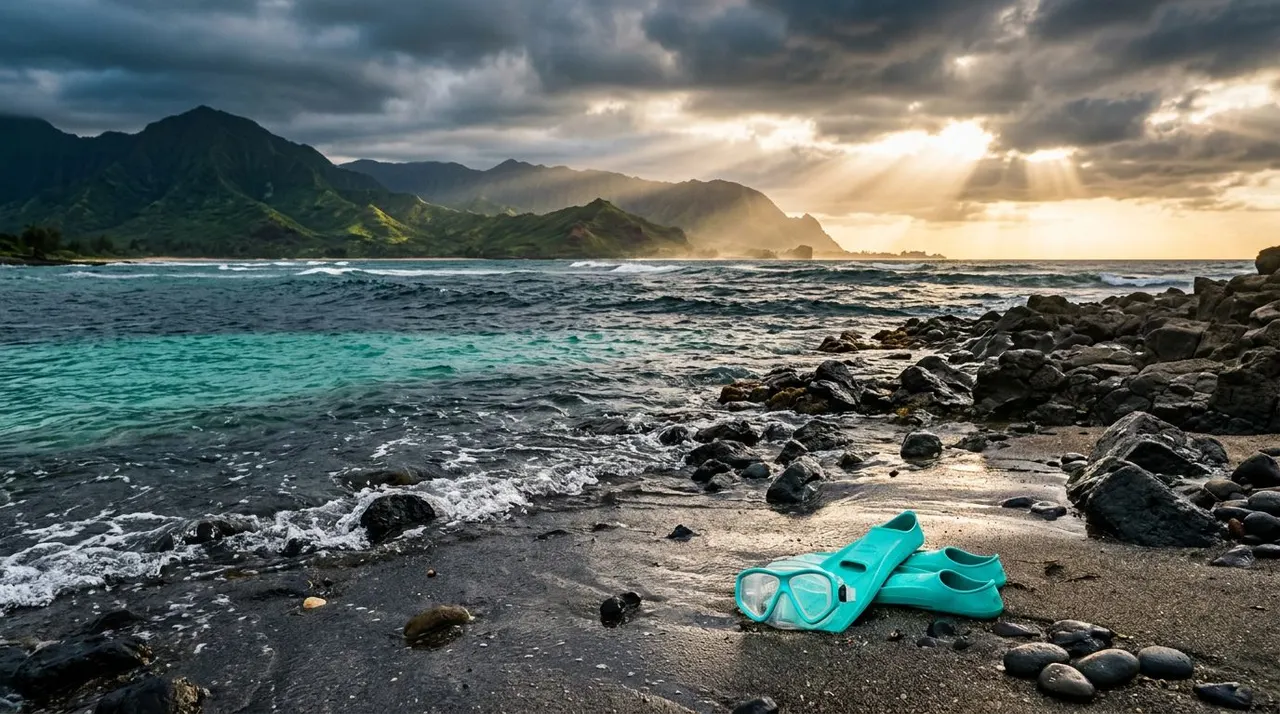
A calm-looking beach can hide strong current, poor visibility, or a rising swell. Before you snorkel on Oahu, read the forecast for the coast and beach you plan to visit, not just the island-wide weather.
Oahu surf forecasts become easier once you know which numbers matter. Wave height, swell direction, wind, period, rain, and official advisories all help you decide when to enter the water, when to change locations, and when to book a guided trip instead.
Key Takeaways
- Check the forecast for your exact coastline, because Oahu’s shores can have very different conditions.
- Look at wave height, swell direction, swell period, wind speed, and water visibility together.
- South Shore locations often suit summer snorkeling, while North Shore conditions can change sharply during winter.
- Treat a High Surf Advisory, brown water, strong current, or unclear water as a reason to postpone.
- A professional crew can assess conditions on the water and guide you toward a safer snorkeling plan.
Start With the Coast, Not the Weather App
Oahu has several coastlines, and each responds differently to swell and wind. Waikiki and the South Shore often have more protected snorkeling conditions during periods of calm weather. The North Shore can become dangerous when powerful winter swells arrive. Windward beaches may feel choppy under persistent trade winds, while leeward areas can stay calmer on the same day.
That difference matters because a forecast showing sunny skies says little about water safety. You need the surf forecast for your intended coast, then a beach-level report if one is available.
Before leaving your hotel, check the National Weather Service Honolulu surf forecast and look for any High Surf Advisory. You can also compare local ocean reports with ocean forecast safety guidance to understand how wave height and changing conditions affect swimmers and snorkelers.
Forecasts usually show wave height in feet. For many snorkeling locations, 1 to 2 feet often feels more comfortable than larger surf. Once waves approach 3 feet, entry and exit can become harder, especially on rocky shorelines. That number isn’t a universal safety limit, however. Shore shape, current, swell direction, and your swimming ability all change the risk.
A forecast for Waikiki may look manageable while a nearby exposed beach has breaking waves. If you plan to snorkel from shore, study the location itself. If you’re joining a boat tour, the crew can account for conditions at the reef and along the route.
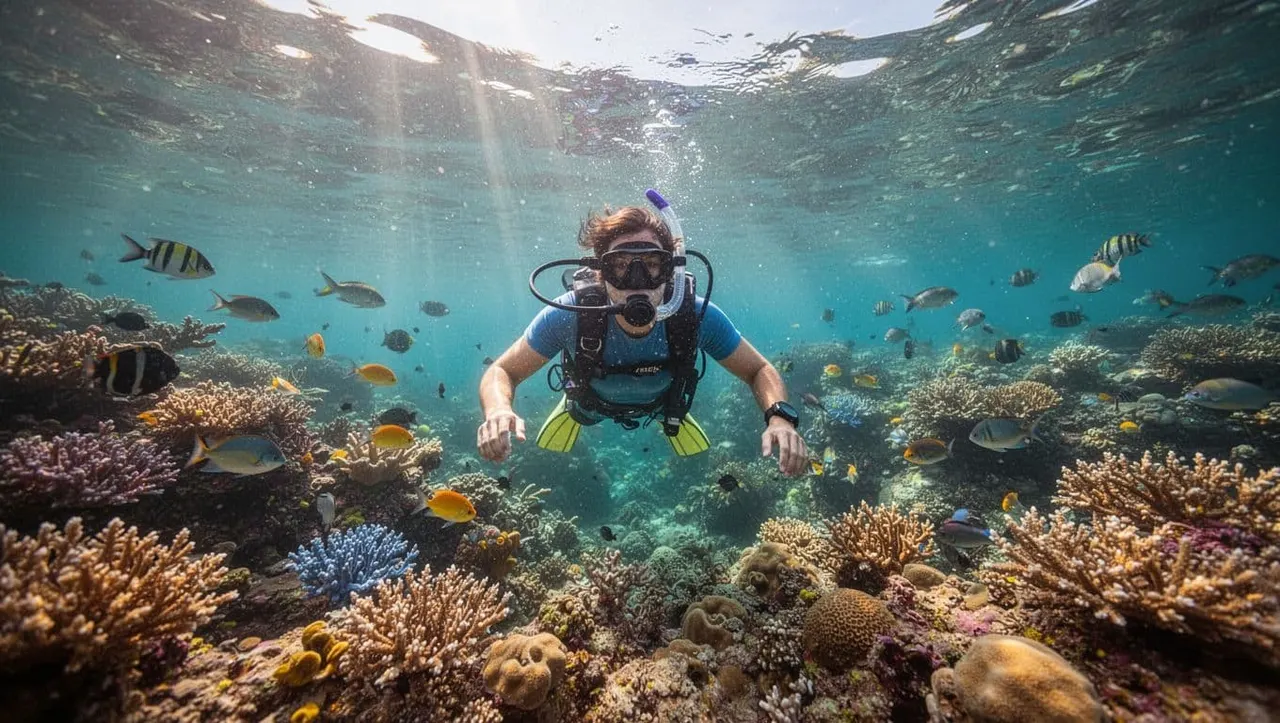
Learn What Wave Height and Swell Period Mean
The wave height is the number most people notice first, but it doesn’t tell the whole story. You also need to read the swell direction and period.
Wave height describes the estimated size of incoming waves. Forecast providers may measure waves differently, so avoid comparing two websites without checking their definitions. Surf reports may show face height, while another report uses a smaller local estimate. For snorkeling, the breaking waves at your entry point are more useful than a surfer’s measurement farther offshore.
Swell direction tells you where the wave energy comes from. A south swell can affect South Shore beaches while leaving parts of the North Shore relatively calm. During winter, north and northwest swells can build quickly along the North Shore. East-facing beaches often feel the effects of trade wind waves.
The period is the time between wave crests. A long-period swell carries more energy and can produce stronger breaking waves than a short-period swell at the same height. For example, two-foot waves with a long period may feel more powerful at the shoreline than two-foot wind chop.
Wind creates another layer of movement. Strong onshore wind can make the surface rough, reduce visibility, and push you away from shore. Light wind often produces clearer, more comfortable water. Single-digit wind speeds are generally more favorable, but direction matters too.
Read the forecast as a group of clues:
- Wave height shows the general size of the surf.
- Swell direction reveals which coast is most exposed.
- Swell period hints at the energy behind each wave.
- Wind speed and direction help predict surface chop.
- Visibility and rain alerts affect what you can see underwater.
A low wave number doesn’t automatically mean good snorkeling. A recent storm can send muddy runoff into the ocean even when the surf has settled. Clear, calm water should be your final test.
Match the Forecast to the Season
Oahu snorkeling conditions change with seasonal swell patterns. You don’t need to memorize every weather cycle, but you should understand the broad pattern before planning a beach day.
During winter, North Shore beaches can receive large swells. Those waves attract experienced surfers, but they create unsafe conditions for casual swimming and snorkeling. Even when the beach looks inviting between sets, strong currents can move through channels and around reef areas.
South Shore beaches often receive more summer swell activity. Waikiki can remain suitable for snorkeling when conditions are moderate, especially in protected areas, but you still need to check the daily report. A south swell can make normally calm entries less comfortable.
Trade winds may create choppy conditions along windward shores. If the wind is strong and blowing toward the beach, surface water can become cloudy and unpleasant. Leeward locations may offer smoother water on that same morning.
Rain deserves attention too. Heavy rainfall can carry sediment into coastal water through streams and drainage channels. A brown water advisory means visibility and water quality may be poor. Wait until conditions improve instead of entering water that looks cloudy, discolored, or filled with debris.
Your best planning approach is flexible. If your first-choice beach faces the swell, choose a more protected coast or join a boat trip that can select a better site. Avoid forcing a plan because you already drove across the island.
The water can change during your outing, so check the forecast again before entering. A report from the previous evening may miss a morning wind shift or an arriving swell.
Use the Forecast When Choosing a Guided Tour
A forecast helps you make a smart booking decision, but you shouldn’t treat it as a promise of identical conditions at every reef. A professional crew checks the ocean, wind, visibility, and route before and during the trip.
Living Ocean Tours operates from Kewalo Basin Boat Harbor, a short distance from Waikiki Beach in Honolulu. Its Coast Guard-inspected double-decker vessels, the Coral Kai and Lokahi, provide shaded seating, restrooms, dry storage, and sturdy ladders for water entry.
The company is also the only tour company with professional snorkel guides. That support is valuable if you’re snorkeling for the first time, traveling with children, or unsure how changing conditions affect your comfort in the water.
For a focused wildlife experience, the Turtle Canyon Snorkel Tour visits a natural underwater cleaning station known for Hawaiian green sea turtle sightings. The crew provides instruction and helps you observe marine life without touching or chasing it.
When the forecast shows manageable conditions but you want more onboard activities, the Deluxe Waikiki Snorkeling and Wildlife Cruise adds access to a less-crowded reef, a boat-mounted waterslide, water trampoline, and floating lily pad. The Lokahi also includes a SeaKeeper stabilization system that helps reduce rolling on the boat.
A guided tour won’t remove every ocean risk, and conditions can still require a route change. That flexibility is part of responsible ocean travel. Your captain may choose a different location or delay water entry when the forecast and real conditions don’t match.
Make a Same-Day Safety Check Before You Swim
Forecasts are useful, but your eyes should make the final decision. Spend several minutes watching the water before you enter. Look at multiple sets of waves, not one quiet gap.
Watch where waves break and notice whether water flows steadily away from shore. A channel can look smooth while carrying strong current. If swimmers are struggling to return to the beach, choose another location.
Check the entry and exit route too. Wet rocks, surge, sharp coral, and crowded ladders can turn a simple swim into a difficult one. Wear reef-safe sunscreen, use fins only if you can control them, and keep enough energy for the return to shore.
Leave the water when conditions change. Increasing wind, darker clouds, stronger waves, poor visibility, or heavy rain all deserve attention. If the water isn’t clear, calm, and inviting, you don’t need to prove anything by getting in.
While snorkeling, observe wildlife without touching it. Hawaiian green sea turtles need space, and coral can suffer damage from a single kick or handhold. Keep your distance, avoid standing on the reef, and follow every instruction from lifeguards or guides.
The same approach applies when you book with Living Ocean Tours. The crew can help beginners with equipment, entry technique, and respectful wildlife viewing. You can review the company’s full lineup of Honolulu snorkeling and sightseeing tours before choosing an experience that fits your group and the day’s conditions.
Conclusion
Reading Oahu surf forecasts helps you replace guesswork with a clear plan. Check your coastline, compare wave height with swell period and wind, look for advisories, and confirm water clarity when you arrive.
A perfect forecast can still change, so stay flexible and listen to trained professionals. When you choose calm water, careful observation, and the right guidance, your snorkel day becomes safer and far more enjoyable.


