
Choose the Best Honolulu Snorkel Company for Oahu
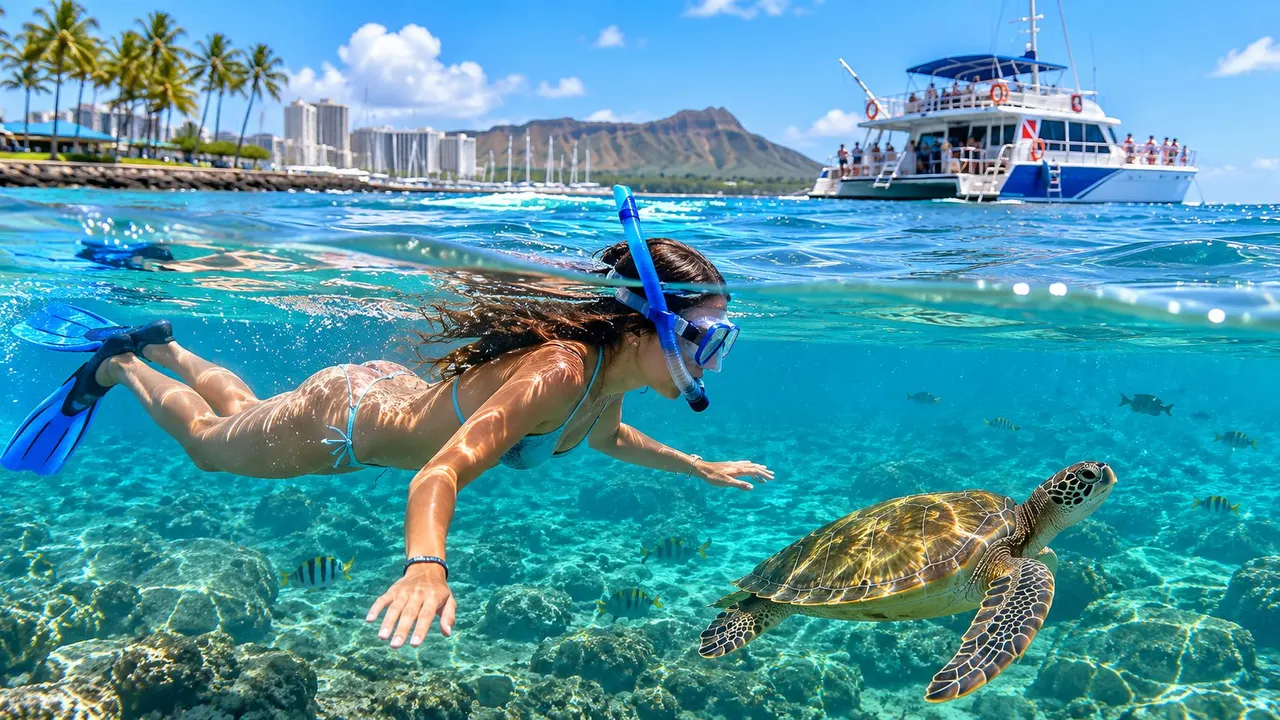
You're standing on the dock at Kewalo Basin, mask in hand, trying to decide whether this is the day you finally get in the water or the day you stay on the boat and watch everyone else go. That's the choice many first-time snorkelers face in Honolulu, not just which reef to visit, but which operator will make the whole outing feel calm, clear, and manageable from the first check-in to the last step back on shore.
A good Honolulu Snorkel Company experience starts with logistics that don't feel chaotic. One operator in this market works from Kewalo Basin Harbor with check-in at 1085 Ala Moana Blvd., Suite 104 and vessel access at Pier E-217, which shortens the land-to-water transfer and keeps the day simple for guests who don't want a long pre-boat hassle (about us). That kind of setup matters more than many travelers expect, especially for families, nervous swimmers, and anyone who wants the day to feel organized instead of rushed.
The best way to choose well is to sort the experience into parts, the site, the boat, the gear, the rules, and the reviews. If you understand those pieces, you can book with much more confidence and avoid the usual confusion around masks, flotation, age limits, and whether a trip is really family-friendly.
Introduction to Snorkeling Adventures in Honolulu
A lot of guests arrive in Waikiki with the same quiet worry, they want the ocean experience, but they do not want the guesswork that can come with it. The first decision is usually not the fish or the reef, it is the setting. Honolulu offers different marine environments, and each one changes how a first snorkel feels, much like choosing between a calm pool, a shallow cove, or a more open swimming area.
Why the water setting changes the whole experience
Nearshore reef areas, protected coves, and boat-access sites each create a different level of comfort for new snorkelers. Calm water is easier for people who are still learning how to breathe through a snorkel, clear their mask, and stay relaxed when waves move around them. More open areas can offer a broader view, but they ask for more confidence and better comfort in the water.
The setting also shapes what you notice. Some spots feel like a quiet classroom for learning the basics, while others feel more like a moving aquarium, with reef fish, coral, and larger marine life appearing in different layers of water. For anxious travelers, that difference matters. A place that looks beautiful on a map may still feel too busy, too deep, or too exposed once you are in the water.
A good comparison guide can help narrow those choices before you book, and a snorkeling guide for Oahu is a useful place to start if you want to compare the main environments side by side.
What cautious snorkelers should watch for
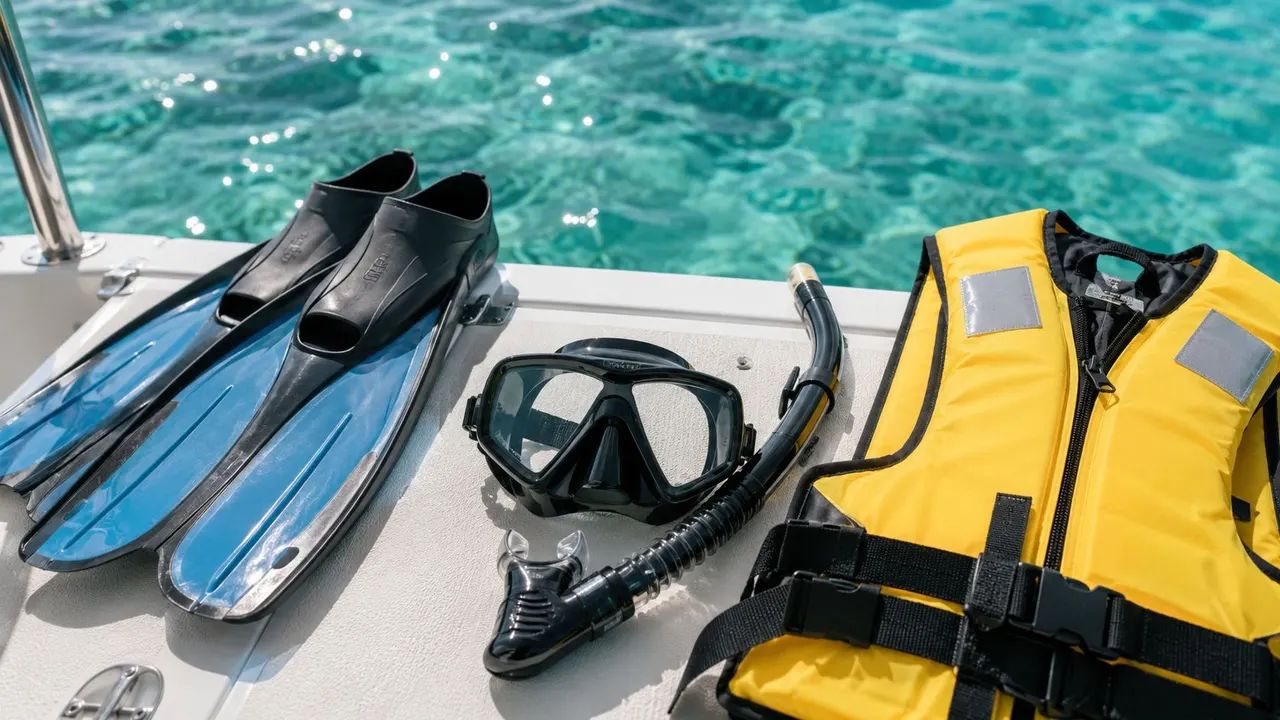
For beginners, safety gear policy often matters more than scenery. Ask whether masks, fins, and flotation gear are included, and whether the crew helps guests fit them correctly before entering the water. That is the difference between borrowing a jacket that fits and wearing one that keeps slipping off, the gear should support you, not distract you.
Customer reviews matter for the same reason. Reviews often reveal whether the crew explains the basics clearly, checks on nervous guests, and keeps the pace calm enough for first-timers. A company can describe itself in polished terms, but past guest comments show whether the trip feels reassuring once people are aboard and ready to snorkel.
That is why first-time adventurers should read beyond the headline description. Look for signs that the operator treats safety gear as part of the experience, not an afterthought, and that the crew understands how to guide people who are still building confidence in the water.
Exploring Tour Options in Honolulu
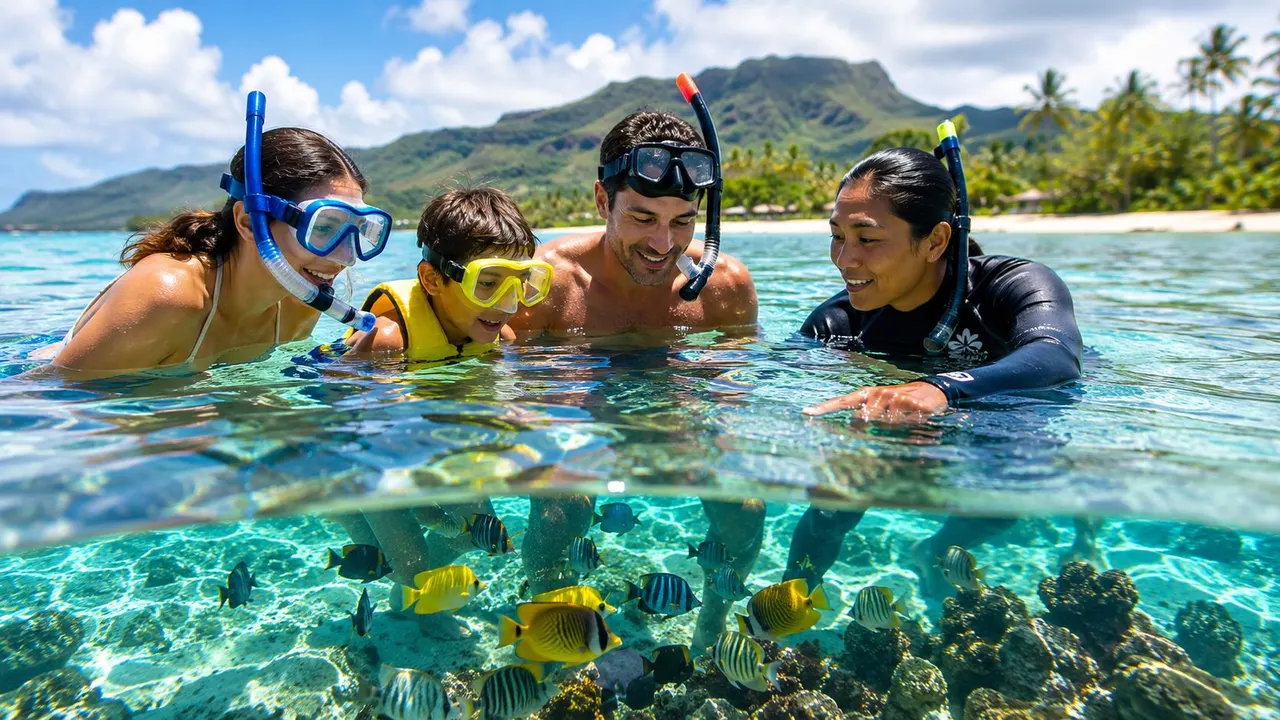
Honolulu's snorkel and boat choices serve different kinds of travelers, and that matters more than many first-timers expect. Some guests want a wildlife-first outing, some want a calm family cruise, and some care more about the evening atmosphere than the swim itself. The safest way to choose is to match the tour style to your group, the same way you would match the right fins to the right foot. If the fit is wrong, the whole trip can feel awkward before you even enter the water.
Wildlife-focused reef outings
Travelers who want the strongest chance of seeing marine life usually start with reef sites off Waikiki. Those trips are often described as offering higher-probability marine encounters, especially green sea turtles, with occasional dolphins and whales when conditions line up (Tripadvisor). That wording matters because it sets the right expectation. A reef trip is shaped by site choice, water conditions, and animal behavior, not by a promise that wildlife will appear on cue.
Guided boat trips also give the crew more control over where the group goes. That is helpful for nervous snorkelers, because a captain can choose access points with better visibility or calmer conditions instead of leaving the day to chance. If you are comparing a guided outing with a different kind of water day, the boat tour versus fishing charter comparison explains how the purpose of the trip changes the experience.
Family cruises and relaxed water time
Families usually need a different rhythm. Children often want variety, while adults want enough structure that nobody feels left behind or rushed. Family-friendly snorkel cruises often solve that by pairing guided water time with easier onboard activities, so the trip does not rely on everyone being in the sea at the same moment.
That setup is especially helpful when you are booking for mixed ages. A boat with extra features can keep younger guests occupied between swims and give adults a chance to settle in without feeling like they have to manage every minute of the outing. For people comparing Waikiki-style options, the snorkeling tours overview is a helpful way to sort trips by group type before deciding.
Sunset and seasonal trips
Some visitors want less swimming and more atmosphere. Couples and smaller groups often fit that pattern, since they may care more about a calm evening on the water than about maximizing snorkel time. A sunset cruise offers that softer pace, while winter can add a different reason to go out, since some travelers hope to look for whales rather than reef fish.
A more active day on the water can look very different from that kind of outing. The Waikiki snorkel waterslide tour shows how a livelier boat day is arranged, which can help when you are deciding whether you want a swim-centered schedule or a trip with more onboard activity. For travelers who still want to compare an evening cruise with a relaxed nighttime option, the independent Sunset Cruise Waikiki site is part of the picture.
Family and First-Time Snorkeler Tips
A family is standing on the dock, one child clutching a mask, one parent asking whether the water will feel too open, and everyone waiting for the same answer. For anxious guests and first-time snorkelers, the real question is not whether the reef is beautiful, it is whether the operator gives them enough support to feel steady before they enter the water. Safety gear policies and customer reviews matter here because they show how a company treats hesitation, not just how it markets the trip.
What nervous swimmers should look for
A reassuring snorkel trip gives guests flotation support, clear instructions, and time to adjust. If you are booking for someone who feels unsure in open water, check whether the crew explains how to breathe calmly through the snorkel, how to float, and how to stay oriented once the face is in the water. It works like learning to ride a bike with training wheels, the support does not replace the skill, it helps the person settle into it.
Children need a tour that does not expect them to act like small adults. Look for straightforward supervision, easy deck access, and enough structure that they can alternate between snorkeling and resting without getting overstimulated. A tour that feels more like a guided learning day than a free-for-all is usually the better choice for families, and customer reviews can show whether past guests felt cared for or rushed.
If you want a practical way to compare options before booking, the Waikiki snorkeling tours comparison page is useful for sorting trips by group style and comfort level.
Simple prep that lowers anxiety
Practice helps, even in a small way. A child or adult can get more comfortable by trying mask breathing in a pool or shallow calm water before the trip. That makes the first ocean entry feel less like a leap and more like a skill they have already tried in a safer setting.
Start shallow, move slowly, and do not rush the first entry.
That advice sounds plain because it is plain. It keeps tension down for guests who worry about swallowing water or feeling trapped by the gear, and it gives the body time to settle before the first swim. Reviews often reveal whether a crew gives this kind of patient start, or whether the explanation is rushed and hard to follow.
Why group pace matters
Smaller, calmer groups tend to help nervous snorkelers settle in faster. When the crew can pay attention to one or two hesitant guests without distraction, the whole outing feels more personal. For first-timers, that usually matters more than a flashy add-on.
The best family snorkel day is the one where nobody feels left behind. If the adults are relaxed, the kids feel watched, and the crew explains each step without rushing, everyone gets more out of the water. That is the standard to hold every Honolulu snorkel company against.
Safety Protocols and Gear Essentials
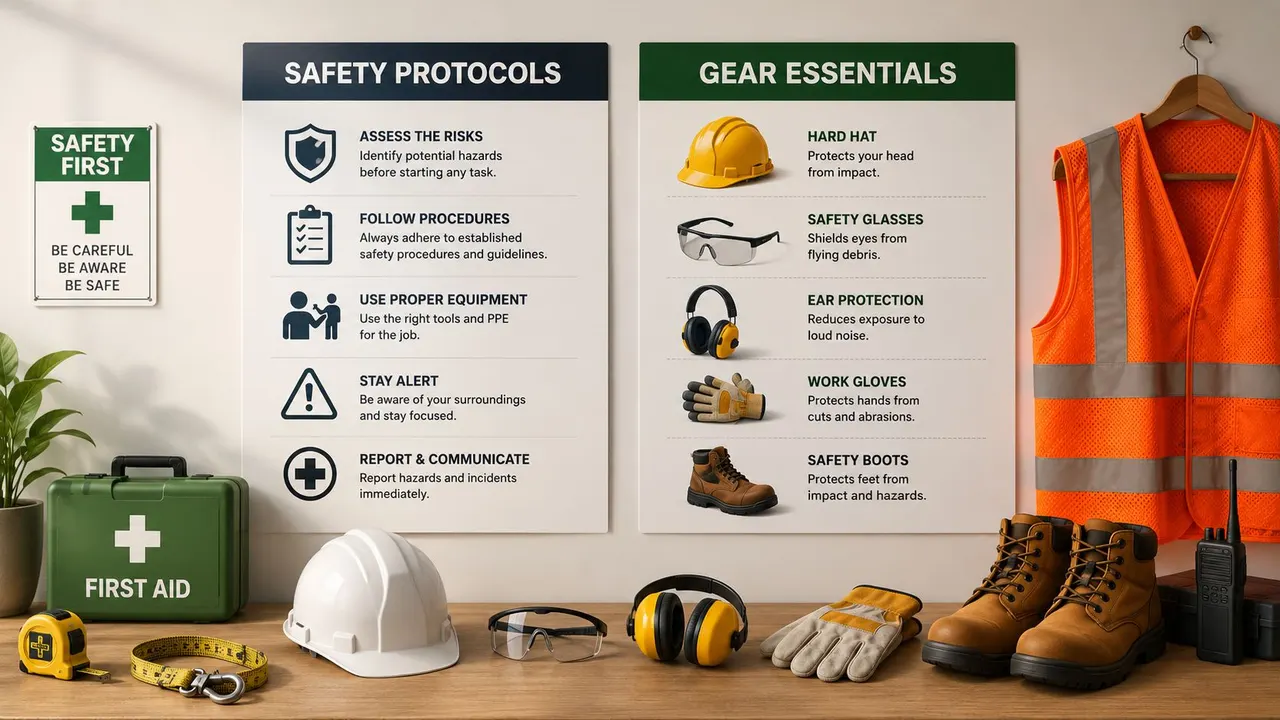
For an anxious first-time snorkeler, gear policy often decides whether booking feels reassuring or risky. A company may sound family-friendly on the surface, but the true measure is how clearly it explains masks, flotation, and instruction before anyone gets on the boat. Vague rules usually mean the dock check-in will feel just as unclear.
What good operators provide
Honolulu Snorkel Company states that it provides snorkel gear and life jackets, and its site says all ages are allowed, including infants, with flotation devices available for guests (homepage). For a cautious swimmer, that kind of setup works like a steady hand on a staircase, it reduces the feeling that you have to figure everything out at once. The company also lists its 2-hour Waikiki Snorkel Tour as beginner- and family-friendly, which suggests the trip is built for guests with a wide range of comfort levels (homepage).
The FAQ says the operator does not allow full-face snorkeling masks on its vessels for safety reasons, and instead provides traditional masks, snorkels, and life jackets (FAQ). That is a policy worth noticing, not a small detail. Some new snorkelers assume a full-face mask must be safer because it feels more enclosed, but traditional gear is often easier for crew members to check, adjust, and explain during a tour.
What to ask before you book
A short gear check before booking can prevent a stressful surprise at the dock.
- Mask type: ask whether full-face masks are allowed or rejected for safety.
- Flotation policy: confirm that life jackets or other flotation devices are included.
- Age handling: verify whether infants and younger children are accepted.
- Instruction style: ask how the crew helps first-timers get comfortable.
- Gear availability: make sure the company supplies the snorkel set, not just the boat ride.
Practical rule: clear gear answers at booking usually lead to a calmer check-in.
For readers who want a broader equipment overview before choosing, this Oahu snorkel gear guide is a useful companion. It explains fit, comfort, and what to expect before you step onboard, which helps turn gear decisions into simple comparisons instead of guesswork.
Red flags that are easy to miss
Unclear gear language is a real red flag. If a company does not say what is included, or if it leaves the mask policy vague, guests end up guessing at the dock. That is especially frustrating for families trying to keep the morning calm.
The better question is not whether a company has gear. It is whether the operator can explain why its gear policy is set up the way it is. When that explanation is clear, the crew usually has a better handle on safety and guest comfort.
Practicing Responsible Snorkeling
Responsible snorkeling starts with restraint. The best rule is simple, keep distance from marine life, don't touch coral, and follow the guide's positioning instructions. Those habits protect the reef and also make the experience better because you're watching animals behave naturally instead of stressing them out.
Reputable operators usually build stewardship into the trip rather than treating it as a footnote. That can mean reminding guests how to float without kicking the reef, explaining how to move around wildlife calmly, and setting expectations before anyone enters the water. The point is not to perform eco-awareness, it's to make it part of the outing's normal rhythm.
Reef-safe sunscreen, careful finning, and quiet observation all matter because the ocean is not a backdrop. It's the home you've entered for a few hours. A company that treats it that way is usually easier to trust than one that only talks about pretty pictures.
Comparing Booking and Pricing Strategies
The first booking question is rarely “Which option is cheapest?” A better question is what the price covers, who can join comfortably, and whether the tour setup fits your group. For anxious first-timers, that matters as much as the reef itself. Honolulu Snorkel Company's published 2-hour Waikiki Snorkel Tour uses a tiered model for adults, children, and infants, which shows that the operator expects mixed-age groups.
Example Snorkel Tour Pricing Comparison
| Package | Adult Price | Child Price | Infant Rate | Key Inclusions |
|---|---|---|---|---|
| Premium Package | $125.95 | $55 | $35 or free depending on the package | Life jackets for all ages, beginner- and family-friendly outing |
| General Admission | $99 | $55 | $35 or free depending on the package | Life jackets for all ages, standard tour access |
The table makes the tradeoff easy to see. One option is built with more support in mind, while the other keeps the entry point lower. That kind of pricing structure helps families compare comfort and budget side by side instead of trying to force everyone into the same ticket.
It also gives nervous guests a useful signal. When a company names flotation support in its inclusions, it is saying the trip is set up for people who want extra confidence in the water, especially children and beginners. That is often more reassuring than a bare price tag with no context.
How to judge value without overthinking it
A lower price is not always the better value if the trip feels rushed or unclear. Families often do better with the option that feels more supportive, especially when children are still learning how to snorkel. Strong swimmers may care more about the basic package and may not need the extras.
Booking hours matter too, because they show how a company handles demand across the day. Honolulu Snorkel Company lists service from Monday to Wednesday, 7:00 am to 4:00 pm, and Thursday to Sunday, 7:00 am to 5:00 pm, with another listing showing 7:00 AM to 5:00 PM on weekdays and 8:00 AM to 5:00 PM on weekends (homepage). That kind of availability suggests the operator is set up around Waikiki tourism flow, which helps if your schedule is tight.
For families and anxious swimmers, the clearest way to compare bookings is to start with safety gear, supervision, and how the company presents its support. A tour with clear flotation policies and steady guest handling is easier to trust than one that leaves those details vague. If you want one more useful lens, the passenger-to-crew ratio guide helps explain why staffing levels can change how supported beginners feel in the water.
Choosing the Best Honolulu Snorkel Company
People often think the best snorkel company is the one with the flashiest reef photos. For anxious or first-time snorkelers, that's not the deciding factor. For them, the deciding factors are gear rules, safety support, clear instructions, and honest reviews.
That's why guest feedback matters so much, and why many travelers look closely at operators with a long trail of public reviews before booking. Living Ocean Tours is often described in the market as the top rated and most reviewed snorkel company on Oahu, and the review widget below is a practical place to read through real guest impressions before deciding where to book.
For travelers comparing safety posture and guest handling, it also helps to think about crew-to-guest attention. This passenger-to-crew ratio guide is useful because it points to the kind of staffing structure that usually makes beginners feel more supported in the water.
When you compare operators side by side, the strongest choice is usually the one that makes a nervous guest feel like a normal guest, not a special problem. If you want a calm, guided start to snorkeling in Honolulu, book your next outing with Living Ocean Tours, read the latest guest reviews, and choose the trip that matches your family's comfort level before the best time slots fill up.
A CTA for Living Ocean Tours.


