
Best Snorkeling in Honolulu: Ultimate 2026 Guide
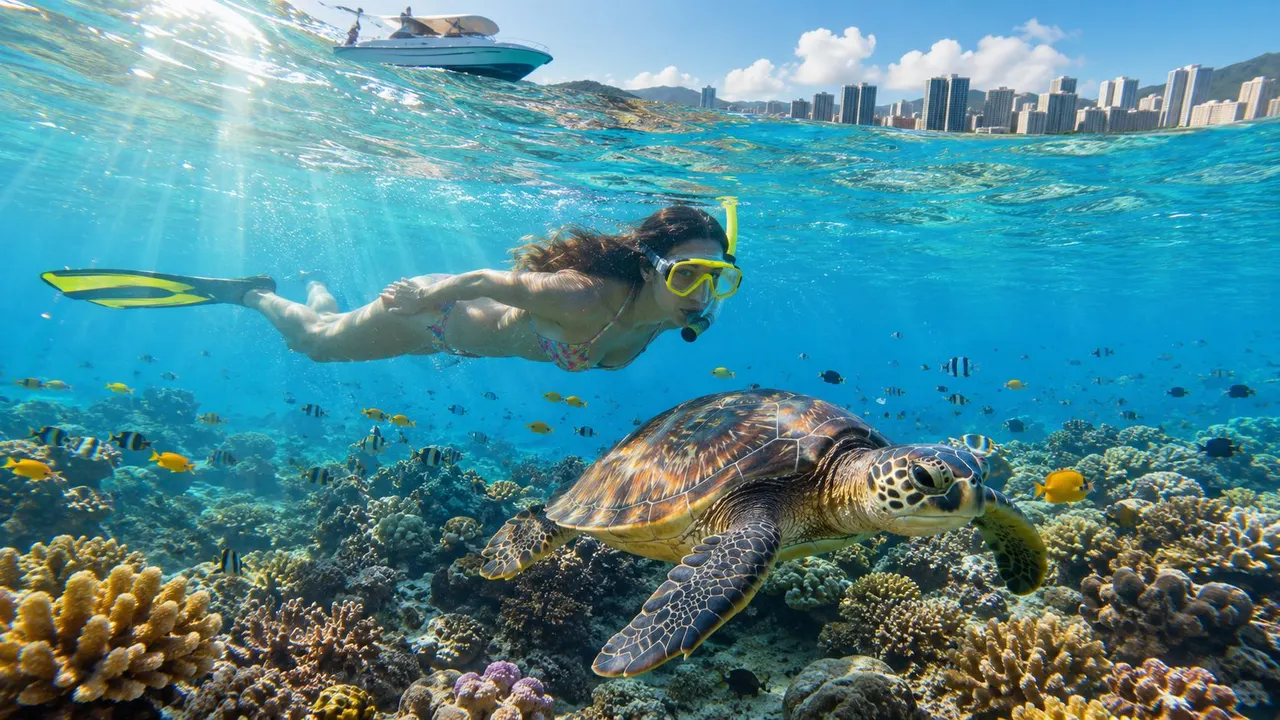
You're probably standing in Waikiki right now, looking at that bright blue water and thinking the same thing almost everyone thinks on their first trip. It looks calm. It looks easy. It looks like all you need is a mask, a snorkel, and an hour before lunch.
Sometimes that works. Sometimes it doesn't.
As a Honolulu boat captain, I can tell you the gap between a great snorkel day and a stressful one usually comes down to two things: where you go and how realistically you match the plan to your swimming ability. Families, first-timers, and casual swimmers often spend hours comparing beaches, rental shops, and reef photos, only to discover that shore snorkeling comes with lines, rental hassles, shifting conditions, and more risk than the travel guides make it sound like.
This guide is built for that moment. It's for the parent trying to choose something safe for kids, the couple debating between DIY and a boat tour, and the visitor who wants to see turtles without turning the day into a logistical project.
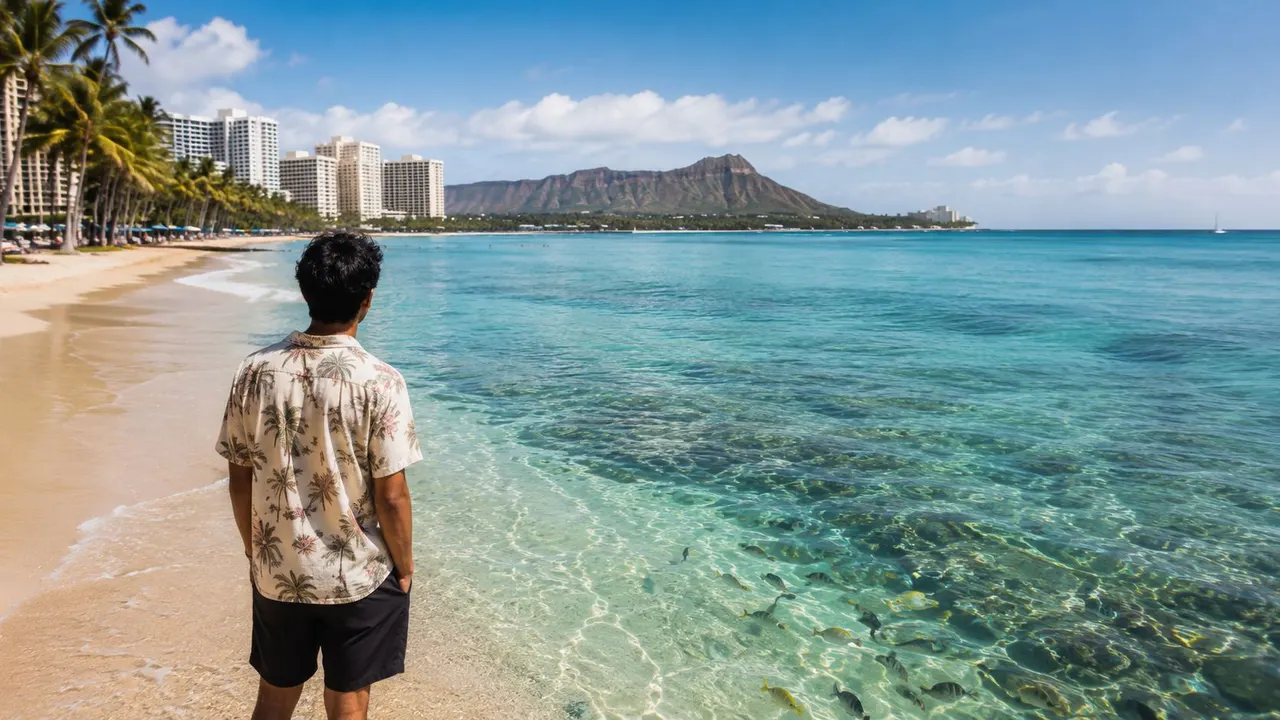
Your Guide to Unforgettable Honolulu Snorkeling
Honolulu makes snorkeling look simple because so much of it is visible from shore. You can see reef lines from Waikiki, boats heading toward turtle water, and people climbing back onto the sand with masks pushed up on their foreheads grinning like they found a second island below the surface.
That's the draw. Snorkeling in Honolulu can fit into a vacation day without needing a full expedition mindset. You can do it from shore, from a catamaran, or as part of a short wildlife cruise. You can keep it low key or make it the centerpiece of the day.
What visitors usually want
Most guests aren't chasing a hardcore swim. They want a few practical things:
- Clear water: enough visibility to enjoy the reef
- Easy entry: no rough scramble over rocks
- Marine life: fish, coral, and ideally turtles
- Low stress: gear that fits, guidance that helps, and no guesswork
That last part matters more than people expect. A lot of beach guides focus on the prettiest spot, not the smoothest experience.
Practical rule: The easiest snorkel plan on paper isn't always the easiest plan in real life.
Families do best when they choose based on comfort, supervision, and logistics first. Good reef comes after that.
The real goal
A great Honolulu snorkel day isn't about covering the most spots. It's about spending your energy in the water instead of on parking, rental lines, current checks, and trying to figure out whether the kid-sized mask seals.
If you approach it that way, you'll make better decisions from the start.
Why Honolulu Is a World-Class Snorkeling Destination
You can leave a Waikiki hotel after breakfast, step aboard a boat a short walk away, and be over living reef before the coffee wears off. Few city beaches give visitors that kind of access to clear water, reef structure, and regular marine life activity without a long drive or a complicated plan.
That convenience matters, but it is not the whole story.
Honolulu works as a snorkeling destination because the south shore gives beginners and families options. Some days are good for a simple shore session. Other days call for a guided trip that takes the guesswork out of entry conditions, current, gear fit, and where the animals are holding. That range is what makes the area strong for both first-timers and returning snorkelers.
Reef access near town
Once you move off the beach corridor, the setting changes fast. Hotels and traffic drop behind you. Coral heads, sandy channels, ledges, and cleaning stations start to define the day instead.
From a captain's perspective, that close reef access is one of Honolulu's biggest advantages. Visitors spend less time in transit and more time in the water, which is especially helpful for families with younger kids, nervous swimmers, or anyone trying snorkeling for the first time. DIY shore snorkeling can still be a good fit, but it asks you to handle parking, rentals, entry points, and local conditions on your own. A guided boat trip trims down that workload and usually gives first-timers a calmer start.
If you want to identify what you are seeing once your face is in the water, this Oahu reef fish snorkeling guide gives a useful overview of common species and the reef behavior that signals a healthy area.
Marine life that rewards the effort
Honolulu has more than pretty blue water. The reef supports the kind of wildlife that keeps people engaged once the novelty of wearing a mask wears off. Butterflyfish, tangs, wrasses, eels, and reef triggerfish all show up regularly, and sea turtles are part of the draw for many visitors.
The difference between a decent snorkel and a memorable one often comes down to access and timing. Shore snorkelers may see fish right away, but wildlife encounters offshore are usually more consistent when a crew can put guests in the right area, watch conditions in real time, and adjust the plan as needed. That is one reason guided operators such as Living Ocean Tours appeal to families and first-timers. Guests are not just getting a ride. They are getting local judgment about where to enter, how long to stay in, and when conditions favor a better experience.
Why Honolulu keeps people coming back
Honolulu also gives snorkelers room to progress. A beginner can start by learning how to clear a snorkel, relax their breathing, and float comfortably in manageable water. A more experienced guest can pay closer attention to fish behavior, reef depth changes, and how offshore sites differ from beach reefs.
That mix is rare in a major visitor hub. Honolulu makes snorkeling easy to reach, but it also gives people a path from a simple first swim to a more informed reef experience. For families, that usually means less stress and better support. For first-timers, it often means the safest and most rewarding choice is not doing everything yourself. It is going with a crew that knows the water and knows how to look after beginners.
Exploring Honolulu's Best Snorkel Spots from Shore
Shore snorkeling has one big advantage. It feels independent. You can wake up, grab coffee, rent gear, and head out on your own schedule.
The trade-off is that shore snorkeling in Honolulu asks more of you than most visitors expect. You have to manage transport, entry conditions, rentals, personal limits, and exit timing yourself. That's manageable for confident swimmers. For beginners, it can turn a simple outing into a long, uneven day.
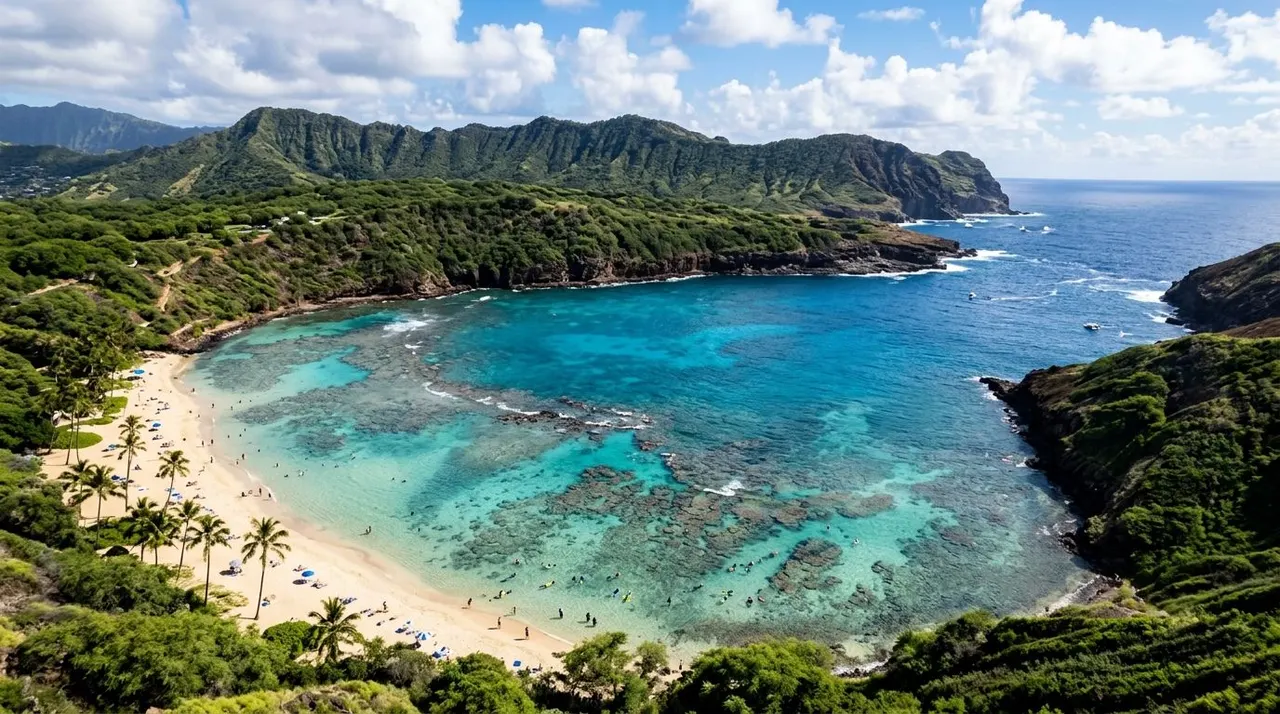
Hanauma Bay
Hanauma Bay is famous for a reason. The setting is beautiful, the bay is protected, and the reef can be productive for casual snorkelers who want a classic Oahu experience.
It's also where the idea of “budget snorkeling” starts to break down. At Hanauma Bay, standard gear rental sets cost $20 and premium sets cost $40, and visitors often deal with long waiting lines that eat into the day, as noted in this Hanauma Bay gear rental overview.
That doesn't make Hanauma Bay a bad choice. It means you should see it for what it is: a scenic, worthwhile stop that takes planning, patience, and time.
Sans Souci and Kaimana Beach
Sans Souci and Kaimana Beach are easier to fold into a Waikiki stay. They appeal to travelers who want a lower-commitment snorkel without leaving town.
The upside is convenience. The downside is variability. Visibility, comfort, and marine life can shift quickly based on surf, wind, and crowding, so these beaches work best when you're flexible and realistic about what kind of snorkel you're getting.
For travelers staying on the east side of Waikiki and Kahala, this Kahala snorkeling guide can help narrow down what's practical from shore.
Electric Beach
Electric Beach is one of those spots people hear about quickly. It can produce strong marine life encounters, but it isn't a casual family beach snorkel just because someone on social media made it look easy.
Local knowledge matters. Some beaches are fine for capable ocean swimmers and a poor match for beginners. That distinction gets blurred online all the time.
If you have to convince yourself a spot is “probably fine,” it usually isn't the right shore entry for your group.
A simple shore versus tour comparison
| Option | What works | What doesn't |
|---|---|---|
| Hanauma Bay | Beautiful setting, established snorkel destination | Rentals, lines, more time commitment |
| Waikiki-area shore spots | Convenient, easy to combine with beach time | Conditions and wildlife viewing can be hit or miss |
| Advanced shore spots | Stronger marine life potential | Less forgiving for beginners |
DIY can absolutely work. It just works best when everyone in the group is comfortable in the water and nobody is depending on the day to teach them how to be.
The Ultimate Experience with Guided Snorkel Tours
A family shows up excited to snorkel. Ten minutes later, one child is fighting a mask leak, one adult is uneasy about the entry, and someone is already asking whether the current looks stronger than it did from the sand. That gap between “snorkeling sounds fun” and “everyone is comfortable in the water” is exactly where guided tours earn their value.
For first-timers, the benefit is not just getting offshore. It is having the boat, gear, site choice, and in-water support handled by people who do this every day. That changes the day from a logistics problem into a controlled, supervised ocean experience.
Why guided trips work better for beginners
A well-run tour removes several failure points before anyone gets in the water. Crew fit masks correctly, explain how to breathe through a snorkel without rushing, and match flotation to the swimmer instead of handing over gear and hoping it works. If conditions shift, the captain and in-water guides adjust the plan on the spot.
That matters in Honolulu, where a site that looks calm from shore can feel very different once you are swimming over reef.
Official Hawaii guidance is clear on a few points. Novice snorkelers should not go alone, flotation is required, and lifeguards consistently identify only the stretch between Waikiki and Ala Moana Park as suitable for solo beach snorkeling, according to Hawaii's state snorkeling safety guidance. For families, hesitant swimmers, and visitors with limited ocean experience, professional oversight is often the safer choice, not just the easier one.
One operator built around that first-timer-friendly approach is Living Ocean Tours in Honolulu, which runs guided trips from Kewalo Basin with gear, flotation, safety instruction, and in-water support included.
Turtle Canyons and the offshore advantage
Turtle sightings are one of the main reasons visitors book a boat instead of trying their luck from the beach. At Turtle Canyons, the advantage is straightforward. The boat goes directly to the reef zone where honu regularly gather at cleaning stations, so guests spend more of their water time observing marine life and less time searching for it.
That reef layout helps. The coral structure creates habitat where fish activity stays concentrated, and turtles often return to the same general area. From a captain's perspective, that predictability is what makes guided reef access so useful for new snorkelers. People settle in faster when they are floating over active reef instead of wondering whether they are in the right place.
The Turtle Canyons Snorkel Excursion is built around that model. It is a short boat ride, a clear briefing, solid snorkel time, and then an easy run back to the harbor. The outing typically lasts 2 to 3 hours, according to the Turtle Canyon excursion timing details, which is a practical window for families who want a real water experience without giving up the whole day.
A practical option for families
Some groups need more flexibility than a pure snorkel run. Kids may want shorter water sessions. One parent may prefer to stay near the float while another wants more time in the water. Grandparents may enjoy the boat ride and views just as much as the reef.
That is why mixed-age groups often do better on the Deluxe Waikiki Snorkel & Wildlife Cruise. It combines guided snorkeling with family-friendly deck features, which gives each person a comfortable way to participate without forcing the whole group into the same pace or activity level.
On the best family trips, everyone has an option that fits. One child can stay close to crew support. A confident swimmer can snorkel longer. Someone who is not ready to get in right away can watch for turtles, enjoy the Waikiki coastline, and join later if they want.
When the entry, exit, flotation, reef access, and supervision are already organized, people conserve energy for the part they came for. They notice more fish, relax sooner, and usually leave with a better impression of snorkeling in Honolulu than they would have after a stressful shore attempt.
Planning Your Trip Best Seasons and Times
Timing shapes the quality of your snorkel to a degree that is often overlooked. Same reef, same gear, same swimmer. Different hour of the day. Totally different experience.
The visitors who have the easiest time are usually the ones who stop treating snorkeling like an anytime activity and start treating it like a conditions-based one.
Go in the morning if you can
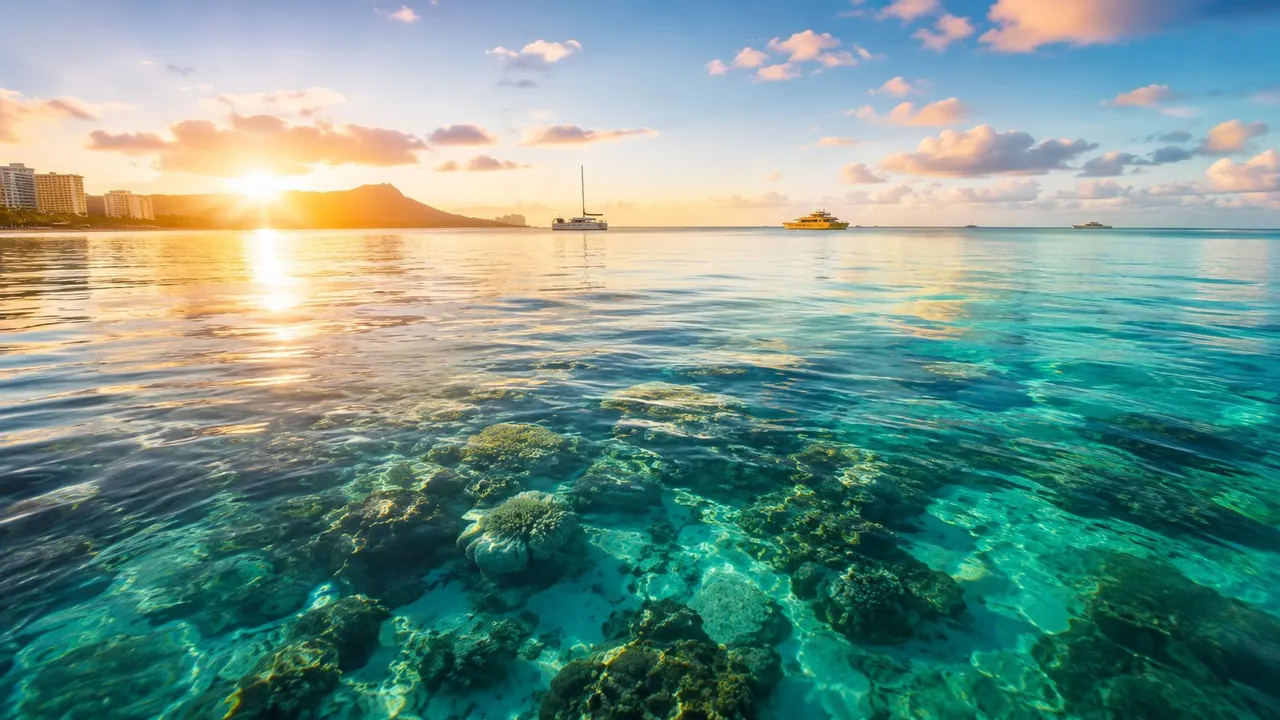
In Honolulu, morning hours from 7 to 10 a.m. offer the best combination of safety and visibility because of reduced wave action and better solar angle. Those conditions can improve underwater clarity by up to 40% compared with the afternoon, according to this Honolulu visibility and reef-safe sunscreen guide.
That lines up with what captains and crew see every day. Morning water is often cleaner, flatter, and easier for new snorkelers to read. By afternoon, surface texture usually increases and small issues become bigger ones. Mask clearing feels harder. Nervous swimmers tense up faster. Wildlife can still be there, but the experience is less forgiving.
What to expect through the year
Snorkeling in Honolulu is a year-round activity, but not every season feels the same. Summer months from May through September usually bring calmer seas and clearer water, which is one reason so many first-timers enter the ocean then. That same seasonal comfort also attracts people who underestimate local conditions and overestimate how easy the gear will feel.
For Turtle Canyon specifically, mornings are favored, and April is noted for especially calm seas and clearer water on the boat ride and reef, based on Turtle Canyon morning conditions guidance.
Choose sunscreen that belongs in Hawaii
Hawaii law requires mineral-based sunscreen free of oxybenzone and octinoxate. That's not a courtesy suggestion. It's the right baseline for anyone entering reef water here.
A simple packing rule works well:
- Bring a mineral sunscreen: check the active ingredients before you arrive at the beach
- Apply early: do it before boarding or before walking onto the sand
- Use backup sun protection: rash guards, hats, and shade reduce how much product you need
If you want a seasonal sense of water comfort before booking, this Oahu water temperature guide helps set expectations.
Essential Safety Tips and Snorkel Etiquette
A lot of visitors treat snorkeling like floating with a better view. That mindset gets people in trouble.
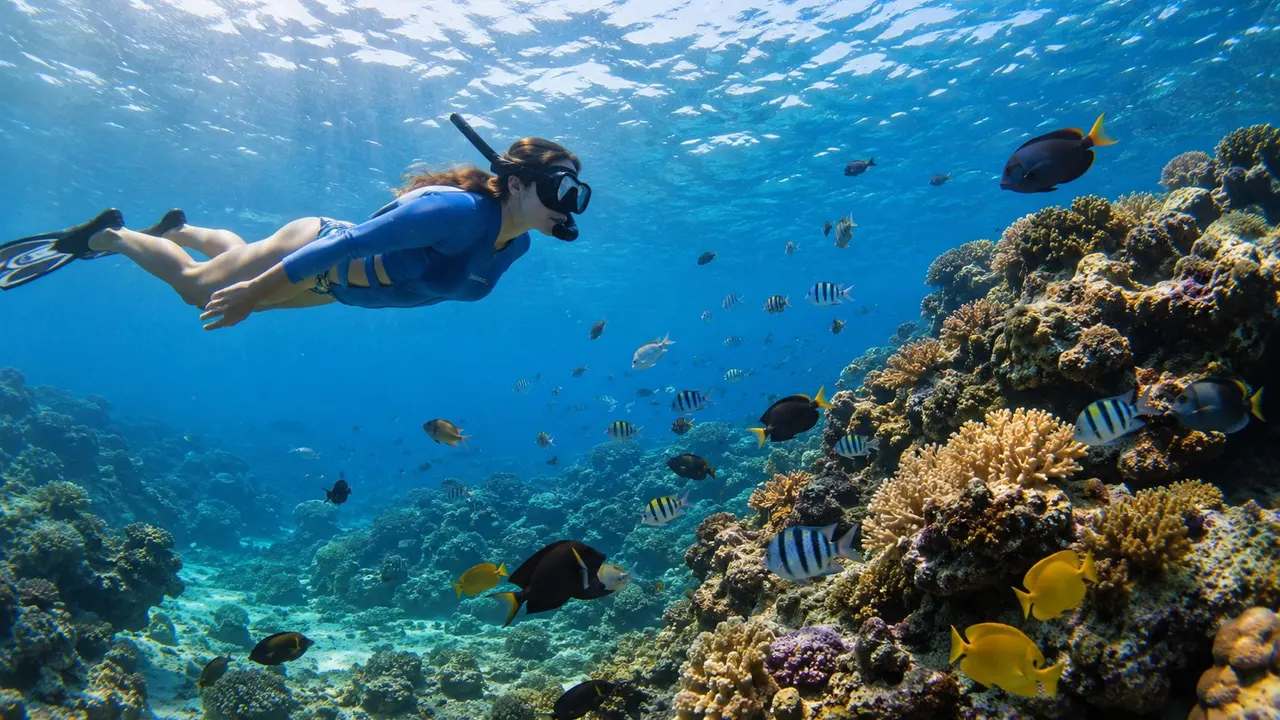
In Hawaii, snorkeling is the single leading cause of ocean drowning deaths for tourists, accounting for approximately 30% of all fatal ocean drownings between 2013 and 2022, with nearly 800 total fatalities recorded during that decade, according to this KHON2 report on visitor snorkeling deaths and ROPE. Many of those deaths are linked to Rapid Onset Pulmonary Edema (ROPE), which can lead to sudden distress or unconsciousness even in shallow water.
What most visitors get wrong
The most common mistake is assuming comfort at the pool transfers directly to the ocean. It doesn't. Snorkel breathing, swell, current, sun, and anxiety all stack together.
A better checklist looks like this:
- Use flotation early: don't wait until someone is tired
- Stay with a partner: nobody in your group should drift off alone
- Keep the first session short: tired snorkelers stop making good decisions
- Exit early, not late: if someone is cold, anxious, or breathing hard, head in
Another hard truth is that non-swimmers shouldn't try to turn a reef outing into a confidence-building exercise. Ocean safety personnel in Hawaii strongly advise that non-swimmers should not attempt to snorkel, and they emphasize that rescue chances are higher at guarded beaches, based on this Outside reporting on Hawaii tourist ocean drownings and snorkeling risk.
The safest snorkel is the one you end while everyone still feels good.
How to snorkel around turtles the right way
Seeing honu is memorable. Chasing them isn't.
Hawaii law requires snorkelers to keep at least 10 feet (3 meters) from turtles, as noted in the earlier section's reef-source material. Good etiquette is straightforward and it usually produces better encounters anyway.
- Stay flat on the surface: don't dive down toward them
- Kick softly: small, quiet fin kicks are enough
- Stop when you see a turtle: let the animal choose the distance
- Keep your hands still: wide arm movements and dog-paddling create stress
Those handling tips match the approach described in this Turtle Canyon turtle interaction guide. Calm snorkelers see more. Agitated snorkelers scatter fish and push turtles away.
Gear Packing and Booking Your Adventure
The packing list for snorkeling in Honolulu is shorter than most visitors think. The booking window is what sneaks up on people.
If you're going with a reputable boat operator, you usually don't need to haul your own full set of fins, mask, snorkel, and flotation through Waikiki. You need sun protection, a few comfort items, and enough planning to avoid getting boxed out of the departure you wanted.
What to pack and what to skip
Bring the things that solve real problems, not the things that make your beach bag heavier.
- Reef-safe mineral sunscreen: this is essential in Hawaii
- Reusable water bottle: sun and saltwater dry people out quickly
- Hat and sunglasses: you'll want them before and after the water
- Swimwear you can move in: simple beats fashionable
- Waterproof phone pouch or camera: only if you'll use it
Skip the oversized gear strategy unless you know you prefer your own mask. Good tours provide sanitized gear and flotation, which removes one of the biggest hassles of DIY snorkeling.
For a more complete pre-trip checklist, use this Oahu snorkel packing list.
When to book
Popular departures don't stay open forever, especially when families all want the same easy morning slot. For the Turtle Canyon Snorkel Excursion, visitors should book 2 to 6 weeks ahead during peak periods such as holidays, summer, spring break, and weekend mornings, according to Living Ocean Tours booking guidance for Turtle Canyon.
Slower weekdays can be more forgiving, but waiting too long usually reduces your choices. If your vacation dates are fixed, book the snorkel day early and build the rest around it.
The best booking approach is simple:
- Choose the experience first: shore, turtle tour, or family wildlife cruise
- Take the earliest practical departure: morning conditions are usually easier
- Book before the rest of the itinerary fills up: not after
If you want a straightforward way to turn all of this planning into an actual day on the water, Living Ocean Tours offers guided Honolulu snorkeling trips designed around reef access, included gear, flotation, and support for first-timers and families.


