
Honolulu Snorkel Company Guide
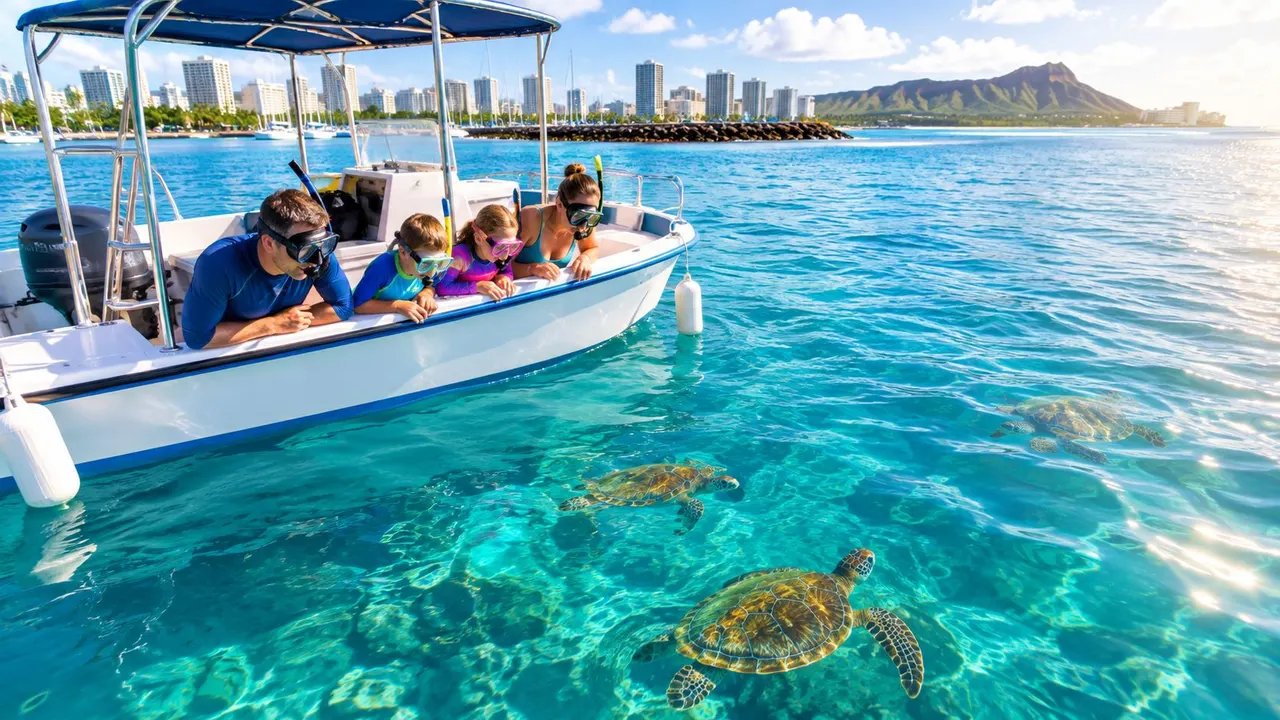
You've landed in Waikīkī, the children are asking when they'll see turtles, and every harbor sign seems to promise the perfect ocean adventure. The difficult choice isn't finding a boat. It's finding a Honolulu snorkel company that understands changing conditions, nervous swimmers, wildlife boundaries, and the practical realities of getting a family safely on and off the water.
Oʻahu's ocean-tourism market is large enough that quality matters. The island welcomed 5,679,047 visitors in 2025, while visitor spending reached $9.42 billion, according to the 2025 Hawaiʻi annual visitor research report. That scale supports plenty of operators, but it also means families need to look beyond a low advertised price and ask how a crew makes decisions when wind rises, visibility drops, or a turtle appears directly in the vessel's path.
Choosing the Right Honolulu Snorkel Company
A good snorkel trip starts before the boat leaves Kewalo Basin. The operator should explain where guests check in, what equipment is supplied, how flotation is handled, and what happens if the planned site isn't suitable. Those details reveal more about professionalism than a polished photograph of a turtle.
Living Ocean Tours is one option for guided departures near Waikīkī, with instruction, snorkeling equipment, flotation support, and wildlife-focused excursions. Its Oʻahu snorkeling tours include access to guided ocean experiences departing from Kewalo Basin Boat Harbor. The right choice for your family still depends on the crew's communication, the vessel, the itinerary, and whether the company gives you a realistic picture of the ocean rather than promising conditions it can't control.
What to check before paying
Look for answers to these questions:
- Who gives the briefing: Guides should explain mask use, entry and exit procedures, buddy expectations, flotation, and wildlife conduct before anyone enters the water.
- How the crew handles beginners: A nervous swimmer should be offered clear options, not pressured to participate.
- What changes the plan: Ask whether the captain can relocate, shorten the water portion, or turn the trip into a wildlife cruise when conditions change.
- How the vessel supports families: Wide boarding areas, stable handholds, accessible ladders, shade, and organized equipment make a practical difference.
- Whether the reviews describe real operations: Look for comments about communication, safety, crew patience, check-in, and how the company handled imperfect weather.
Practical rule: A responsible operator explains what may prevent a snorkel before you board. That honesty is a strength, not a sales weakness.
A cheap trip can become expensive if you arrive without the right gear, face unclear safety instructions, or discover that a child can't comfortably use the ladder or flotation equipment. A premium experience isn't defined only by a newer boat. It's defined by preparation, crew judgment, and a willingness to protect both passengers and the marine environment.
Types of Waikīkī Snorkel and Wildlife Excursions
Not every ocean outing should be judged by the same standard. A turtle-focused snorkel, a family wildlife cruise, a sunset sail, and a winter whale trip serve different travelers and involve different operating priorities. Choose the experience first, then compare companies that run it responsibly.
A turtle excursion suits guests who want time in the water and a focused wildlife encounter. Turtle Canyons is associated with a cleaning-station environment, where Hawaiian green sea turtles may rest while smaller fish remove algae and other material from their shells. The experience is rewarding precisely because the animals are behaving naturally, not because guests get close enough to touch them. Families should read the operator's age, swimming, flotation, and weather guidance carefully before booking the Turtle Canyons Snorkel Excursion.
Match the trip to the group
| Excursion style | Best fit | Main trade-off |
|---|---|---|
| Turtle-focused snorkeling | Confident swimmers, wildlife enthusiasts, and families prepared for an in-water activity | The ocean may be less comfortable for anxious beginners or tired children |
| Deluxe snorkel and wildlife cruise | Families with mixed interests and children who need activities beyond swimming | More onboard entertainment doesn't remove the need for careful supervision |
| Sunset cruise | Couples, grandparents, and groups seeking views rather than a physical activity | It offers a different kind of ocean experience, not a substitute for snorkeling |
| Seasonal whale watching | Wildlife enthusiasts visiting during the humpback season | Sightings are never guaranteed, and responsible viewing requires distance |
The Waikīkī snorkeling tour is designed for guests who want reef viewing combined with additional onboard recreation. A waterslide, water trampoline, and floating lily pad can help a multigenerational group enjoy the same outing even when not everyone wants to snorkel. That matters for parents who don't want a child's reluctance to enter the water to end the day for everyone.
For a slower evening, the Waikīkī Sunset Cruise shifts the focus to the coastline, Diamond Head, changing light, and the Honolulu skyline. Guests looking for another sunset option can also consider Sunset Cruise Waikīkī. Neither option requires you to make the same physical commitment as a snorkel trip, which can be useful for older relatives, couples, or groups with different energy levels.
Humpback excursions are seasonal. NOAA says as many as 12,000 humpback whales return to Hawaiian waters each year from approximately November through May, and identifies January through March as the peak viewing period in Hawaiʻi. The Waikīkī Whale Watch is a natural fit for visitors who want a wildlife-focused outing during that window, provided they understand that a responsible captain prioritizes legal distance and non-disruptive observation over a close photograph.
Sustainable Wildlife Viewing and Ocean Stewardship
“Eco-friendly” means little unless a crew can describe what it does on the water. For turtle snorkeling, the clearest starting point is the 10-foot, or 3-meter, separation rule. NOAA Fisheries' Hawaiian wildlife viewing guidance says people should remain at least that far from Hawaiian green sea turtles in the water and on land.
That distance protects normal behavior. A turtle that's feeding, resting, or using a cleaning station shouldn't have to change direction because swimmers surround it. Guides can make the rule practical by demonstrating the distance before entry, keeping swimmers to the side rather than directly above the animal, banning touching and pursuit, and asking guests to use camera zoom instead of swimming closer.
The boat has rules too
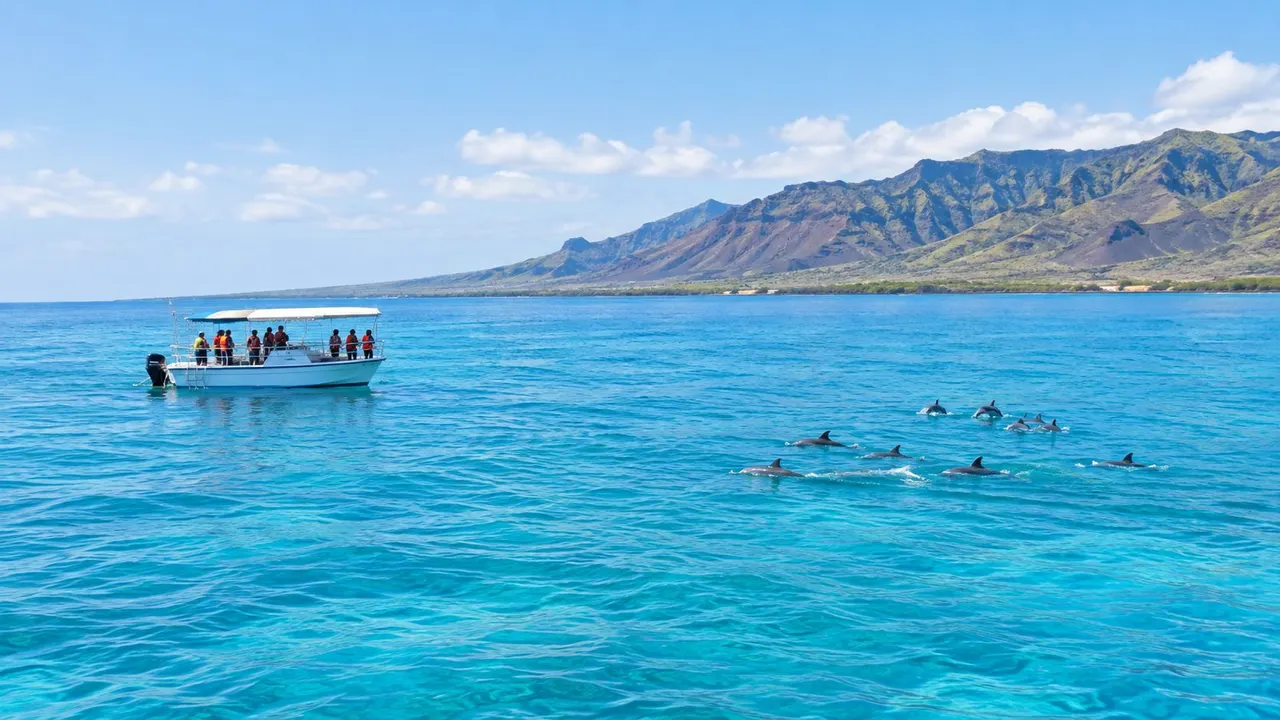
Passengers can remain ten feet away and still be affected by a poorly handled vessel. NOAA recommends that boats remain at least 50 yards from sea turtles when observing them from the water, avoid chasing or encircling them, and use no-wake speed while viewing. If a turtle enters the boat's path, the operator should put the engines in neutral and let the animal pass before moving away slowly, as described in NOAA's marine-life viewing guidance.
Around shallow reefs and harbor approaches, Hawaiʻi guidance recommends approximately 5 to 10 knots and a secondary wildlife lookout where possible. Reduced speed gives the helm more time to react and lowers collision energy. A dedicated lookout can spot a surfacing turtle through glare, chop, and passenger activity before the animal reaches the vessel's path.
What responsible viewing looks like: The guide moves people away when a turtle needs space, even if that shortens the photograph opportunity.
Whale rules are equally specific. Humpback whales generally occupy Hawaiian waters from November through May, with peak abundance usually from January through March. NOAA states that approaching a humpback within 100 yards is illegal. If a vessel is within 400 yards, boating guidance recommends a maximum speed of six knots. An operator that accidentally enters the 100-yard limit should stop immediately, leave the engine running but out of gear, and wait for the whale to move away. Reef-safe sunscreen guidance is another useful part of preparation, but sunscreen choice should complement, not replace, distance, speed, and positioning rules.
A strong turtle experience isn't measured only by how close the animal came or how long guests stayed in the water. It's measured by whether the turtle retained an escape route, whether the boat avoided disturbing it, and whether guests left knowing how to behave around wildlife.
For travelers who want another turtle-snorkeling option, Snorkel Turtle Canyon is a reasonable alternative to compare. Ask any operator how it manages distances, group positioning, boat speed, and encounter relocation before booking.
Safety Realities for Families and First-Time Swimmers
A child may be excited at the dock, then freeze when the boat reaches deeper water. A calm forecast helps, but it cannot decide whether the conditions, activity, and swimmer's ability match. Water that feels manageable to an experienced adult can overwhelm a six-year-old, a tired grandparent, or anyone unfamiliar with a moving boat and ladder.
Make the decision before leaving the hotel:
- Go when: The child is rested, everyone understands the buddy system, flotation is available, and the group accepts that participation may be partial.
- Postpone or modify when: Wind is building, visibility is poor, someone feels seasick before departure, or a child is frightened by the boat, mask, or ladder.
- Choose a protected alternative when: A beginner cannot relax with instruction and flotation, or the family would spend the trip managing distress instead of enjoying the water.
Hawaiʻi ocean-safety guidance identifies snorkeling as the visitor ocean activity associated with more drownings than any other. A Hawaiʻi Drowning and Aquatic Injury Study reports 204 snorkeling-related deaths statewide from 2012 through 2021, including 184 tourists, figures also summarized in Living Ocean Tours' Oʻahu snorkeling safety resource. Families do not need to avoid snorkeling, but “beginner-friendly” should describe actual instruction, flotation, supervision, and conditions, not just a booking label.
Boat entry and beach entry are different
A beach entry gives a participant the option to turn around and walk out, although shorebreak, current, rocks, and changing water still create hazards. A boat trip adds depth, a ladder, vessel motion, and the need to remain comfortable away from shore. A guided excursion adds structure to that entry, and this Waikīkī snorkeling guide for first-time swimmers explains what to expect.
A capable crew demonstrates mask breathing on deck, checks the fit, explains flotation, and keeps a guide near the active group. Parents remain responsible for their children. Use a buddy system, and tell the crew early if someone needs a slower introduction or would rather stay aboard.
Families seeking water time plus other activities may find the Deluxe Waikīkī Snorkeling and Wildlife Cruise more flexible than a single-purpose snorkel. Its waterslide, trampoline, and floating mat give children other ways to enjoy the boat, without pressuring a reluctant swimmer to enter the water.
A child who stays aboard after trying the water has still had a successful trip. Confidence grows when participation remains a choice.
Packing Essentials and Kewalo Basin Logistics
Departure day goes better when you pack for the boat rather than for the beach. Bring a towel, a dry change of clothes, sunglasses, a hat, drinking water, and a waterproof case for personal electronics. Apply reef-conscious sunscreen before boarding and reapply according to the product directions, especially after swimming.
Motion sickness deserves early attention. Guests who know they're susceptible should speak with a healthcare professional about suitable prevention before the trip, rather than waiting until the boat reaches open water. Eat lightly, follow the operator's instructions, and tell the crew as soon as nausea begins. Delaying the conversation makes it harder for the crew to help.
What to bring and what to leave behind
- Bring only useful personal items: Towels, dry clothing, water, sun protection, and medication you may need belong in a small soft bag.
- Secure valuables: Jewelry, loose phones, and large cameras can become a problem on deck or in the water.
- Expect core gear to be supplied: Guided trips commonly provide masks, snorkels, fins, and flotation equipment. Confirm inclusions before departure instead of packing bulky rental gear.
- Use practical clothing: A swimsuit under easy-to-change layers saves time after the activity.
Kewalo Basin Boat Harbor is close to Waikīkī, but “near Waikīkī” doesn't mean you should arrive at the last minute. Allow time to locate the correct check-in point, unload children or older relatives, organize parking or a rideshare drop-off, and walk to the vessel. Harbor layouts can feel confusing when several boats are loading at once.
Parking availability can vary, so check the operator's current arrival information instead of assuming a nearby space will be open. A rideshare or taxi can reduce the stress of moving a multigenerational group, while a private vehicle may be useful for families carrying dry clothes and other supplies. Keep the group together until check-in is complete.
The Waikīkī boat-tour packing guide can help you prepare without overpacking. The aim is a dry, organized boarding process, not a beach bag filled with items that need constant supervision.
Booking Strategy and Seasonal Timing
Book around the experience you want, not just the first available departure. Morning trips often have calmer water and better visibility before trade winds strengthen later in the day, but conditions can still change. A morning booking improves the odds of a comfortable start. It doesn't guarantee that the ocean will stay flat or that every family member will enjoy the water.
Winter changes the wildlife priority. NOAA describes January through March as Hawaiʻi's peak humpback-watching period, within a broader season that generally runs from November through May. Visitors interested in whales should compare a dedicated wildlife cruise with a standard snorkel and ask how the crew handles sightings without approaching too closely.
Questions worth asking before booking
- What happens if the planned snorkel site becomes unsuitable? Look for a clear explanation of relocation, modification, or cancellation procedures.
- Which activities are optional? Families should know whether a child can remain aboard while others snorkel.
- What flotation and supervision are available? Ask about equipment, guide positioning, and the boarding ladder.
- What does the price include? Confirm gear, instruction, taxes, harbor fees, and any food or beverage arrangements.
- How much flexibility does the schedule allow? A tightly packed itinerary may leave less room to respond to conditions.
Cancellation policies deserve as much attention as the departure time. Read the weather language carefully, especially the difference between a company cancellation, a guest cancellation, and a trip that proceeds with a modified itinerary. If you're visiting during a busy travel period, reserve the preferred morning or wildlife departure before your schedule fills with other activities.
For a winter wildlife outing, review the Waikīkī Whale Watching Tour and confirm the current departure details directly with the operator.
Common Questions from First-Time Snorkelers
What should I do if a turtle swims toward me? Stop kicking, keep your hands to yourself, and give the turtle room to pass. Don't turn the encounter into a chase or block its direction. A guide may reposition the group so the animal has a clear route.
How can I manage seasickness? Start prevention before departure if that's appropriate for you, eat lightly, stay hydrated, and tell the crew early. Sit where the captain recommends, keep your eyes on the horizon when possible, and avoid waiting until symptoms become severe.
Can a non-swimmer enjoy the trip? Often, yes, but the answer depends on comfort with the boat, flotation equipment, and ladder. A non-swimmer may prefer to remain aboard, watch wildlife from the deck, or enter the water only with direct crew support. Nobody should be pressured to snorkel.
What if we don't see a turtle? Wildlife is never a guaranteed performance. A responsible crew can still provide a successful outing through safety instruction, reef interpretation, views of the coastline, and respectful searching. The correct response to a missing sighting is not to pursue animals or extend an encounter inappropriately.
How should parents supervise children? Stay close, establish a buddy arrangement before entering, and tell the crew which child is hesitant or inexperienced. Flotation helps conserve energy, but it doesn't replace an attentive adult.
A memorable Honolulu ocean day isn't defined by the closest photograph. It's defined by a group that returns to the harbor comfortable, informed, and respectful of the water. Choose a company that treats conditions and wildlife behavior as part of the experience, not as obstacles to a sales promise.
Living Ocean Tours offers guided Waikīkī snorkeling, wildlife cruises, family-friendly water activities, sunset outings, and seasonal whale watching from Kewalo Basin. Visit Living Ocean Tours to compare the available excursions, review the practical details, and choose a trip that fits your family's swimming confidence and ocean goals.


