
Waikiki Boat Tour Packing: What to Bring, What to Leave Behind
The ocean can feel cooler, wetter, and brighter than Waikiki Beach, even when the forecast looks perfect. Smart Waikiki boat tour packing means bringing enough for comfort while leaving your hotel without a bulky beach bag.
Living Ocean Tours departs from Kewalo Basin Boat Harbor. Its outings include a snorkeling excursion, wildlife tours, Sunset Cruise Waikiki, whale watching, and fireworks trips. The snorkeling excursion includes gear and instruction, and the company is the only tour operator with professional snorkel guides.
Before leaving, check your confirmation email for tour-specific packing instructions. The goal is simple: pack for sun, wind, spray, and safe movement, then leave the rest behind.
Start With a Small, Purposeful Bag
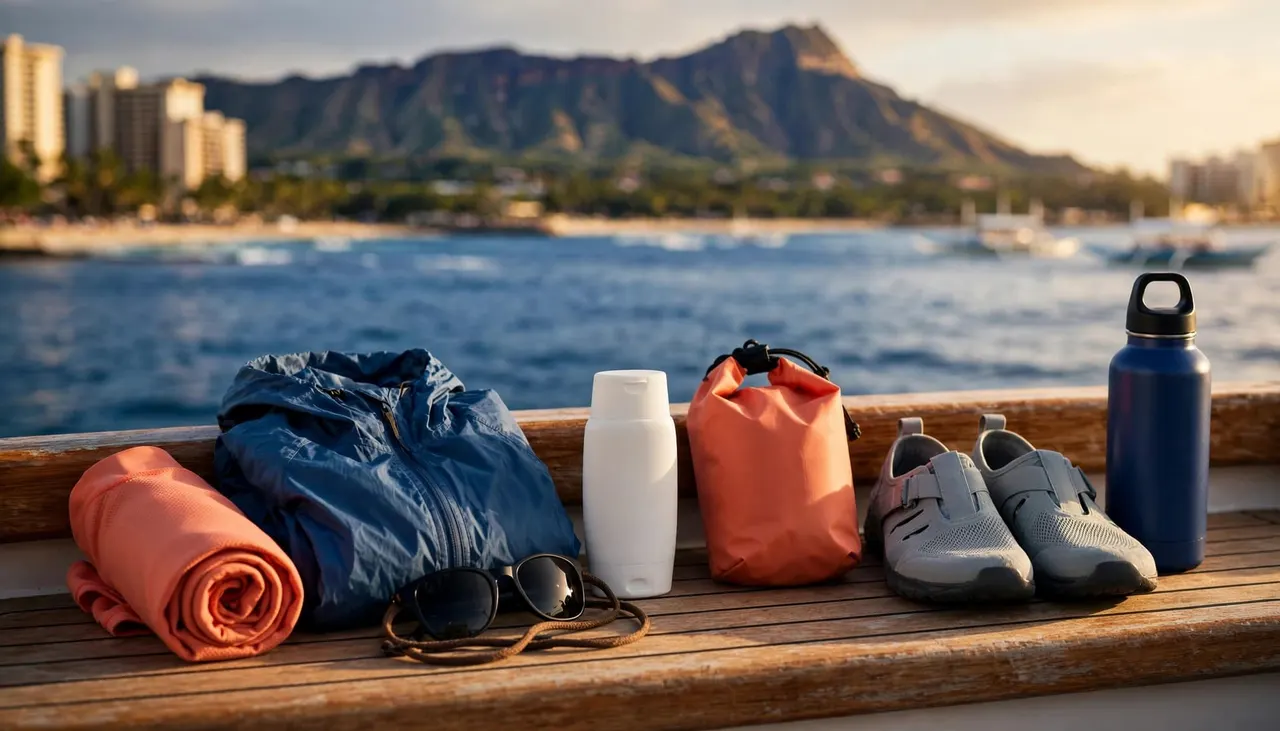
A small zippered tote, sling bag, or dry bag is enough for most Waikiki cruises. Check your confirmation email for any operator-specific storage or baggage instructions before you decide what to bring aboard.
Choose one bag you can close securely and carry without blocking stairways or holding a railing. Keep your room key, phone, cards, and medication together. A waterproof phone pouch helps with sea spray, but secure it before moving around the deck.
Leave passports, expensive jewelry, large cameras, and hotel beach towels behind unless you truly need them.
Wear the Items That Do Double Duty
Your best packing choices work onboard and in the water. Start with secure swimwear if your tour includes snorkeling, then add a rash guard or long-sleeve swim top for sun coverage.
For dry cruises, wear breathable clothes that let you step over thresholds and use stairs easily. Secure sandals with grip or water shoes are better than loose flip-flops on a wet deck.
A light windbreaker, wrap, or thin hoodie is worth bringing. You may feel warm at the harbor, then chilly after sunset or after a swim.
Carry Only the Comfort Essentials
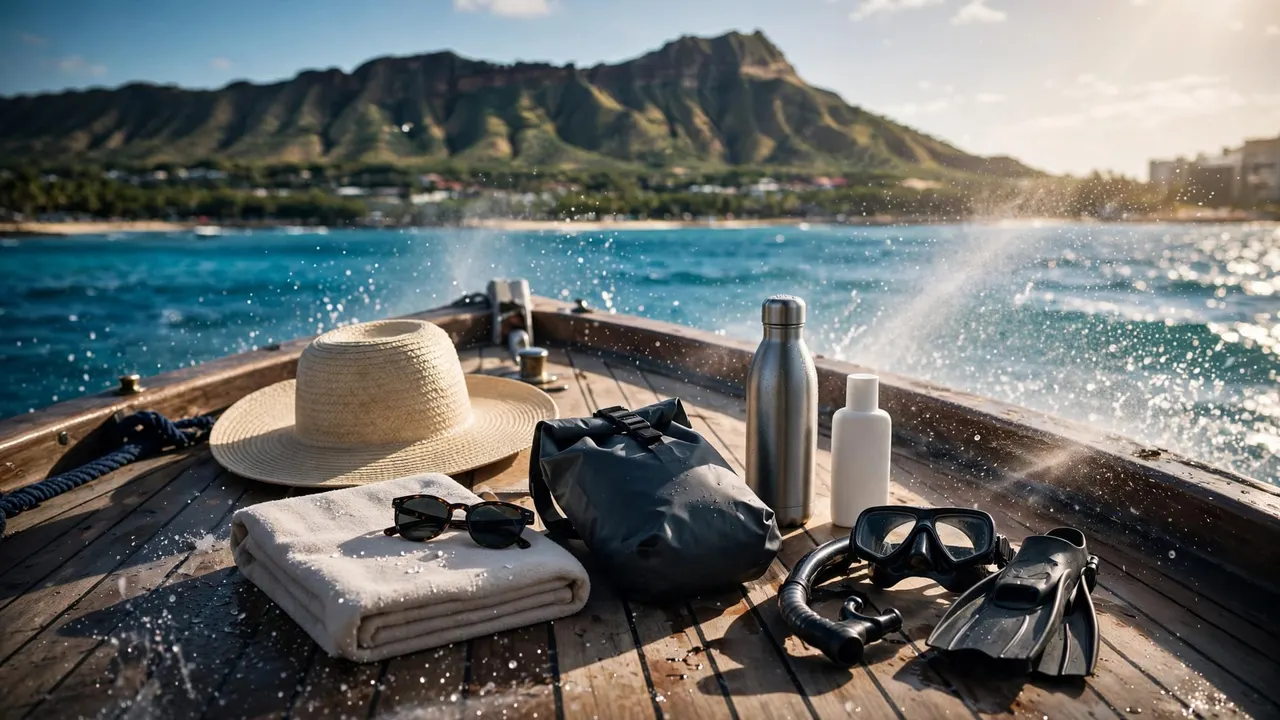
Bring polarized sunglasses with a retainer strap, a reusable water bottle, and a compact quick-drying towel for a snorkel outing. Sunglasses still help on an evening departure because the low sun can create intense glare before it drops behind the horizon.
A hat can help, although it must fit securely. If it blows away easily, leave it at the hotel. The same rule applies to oversized bags, floppy beach hats, and loose cover-ups.
Pack for the boat ride back, not only the first ten minutes at the dock. Wind and damp skin can make a warm afternoon feel surprisingly cool.
Build Your Outfit Around the Tour You Booked
What you bring changes with your plans. A snorkeling excursion needs sun protection and a towel, while a sunset cruise calls for dry layers and a small personal bag.
For Snorkeling, Arrive Ready to Get Wet
Wear your swimsuit under a rash guard or cover-up. This saves time at the harbor and keeps your bag smaller. Bring a towel, water, reef-safe sunscreen, and a dry layer for the ride back.
Most guided outings provide core snorkel equipment, so don’t pack masks, fins, or bulky float gear unless the operator asks you to. Professional snorkel guides, including those at Living Ocean Tours, can help beginners with mask fit, flotation, and water confidence. A mask that seals on dry skin and fins that don’t rub will improve your time in the water more than extra gear.
Tell a guide if you are nervous, prone to motion sickness, or haven’t snorkeled recently. Use flotation support if it helps, and return to the boat before you feel worn out.
For Sunset Cruise Waikiki Trips, Stay Light
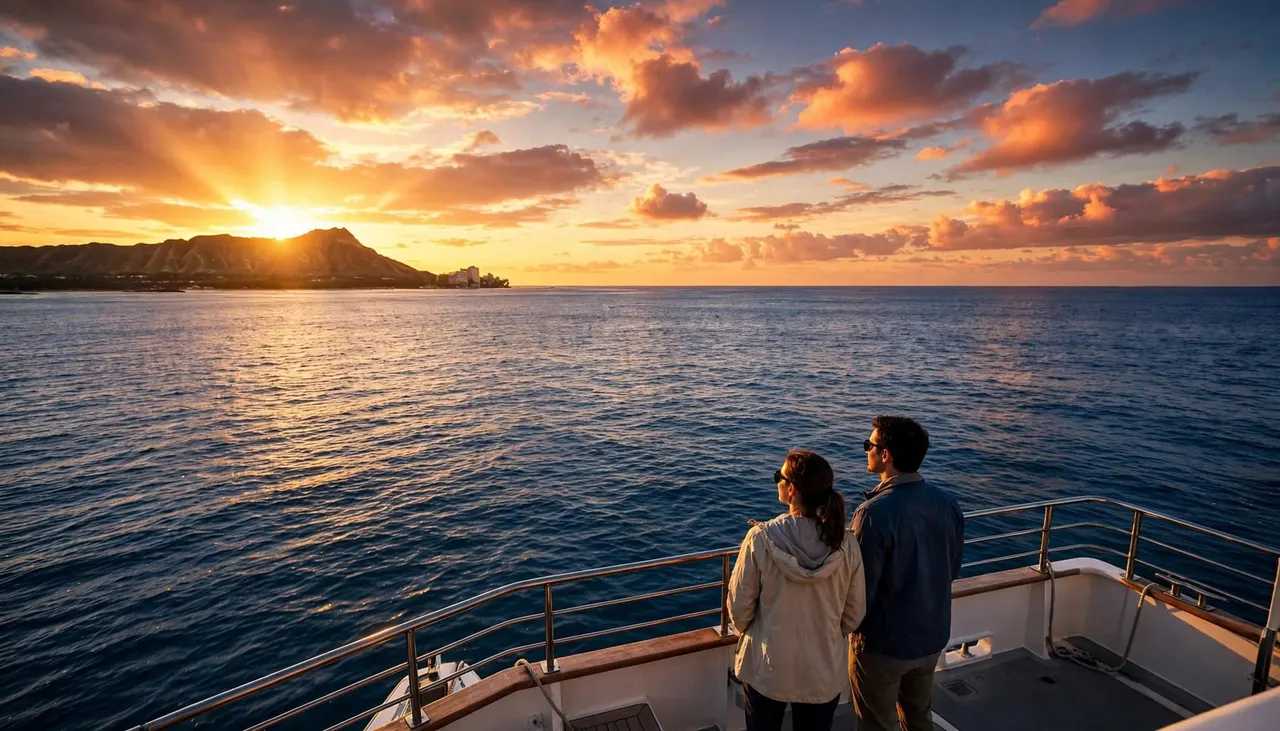
A Waikiki sunset cruise is usually a dry experience. Sunset Cruise Waikiki guests don’t need towels, snorkel gear, or a change of clothes. Bring sunglasses, a light layer, your phone, ID if required, and any medication you may need.
For a Friday fireworks cruise, secure your phone before the sky gets dark. On a sunset cruise, night photos are easier when you aren’t balancing a drink, an open bag, and a loose jacket at the rail.
If you are considering a BYOB sunset cruise, check the confirmation email for beverage and identification rules. Some departures require physical identification for alcohol, and glass bottles or containers may not be permitted. Your confirmation email has the final answer, but cans are usually easier to store and safer around a moving boat.
Use Reef-Conscious Sun Protection
Choose Mineral-Based Sunscreen
Bring a mineral-based, reef-safe sunscreen and apply it before boarding. Hawaii legislative materials discuss concerns about ingredients such as oxybenzone and octinoxate, as outlined in the state’s reef-impact findings.
A rash guard reduces the sunscreen needed on your back and shoulders. That means less product rinsing into the water and less time reapplying between activities.
Cream sunscreen is often easier to control on a boat than an aerosol spray. Sprays can drift onto decks, gear, other guests, and the water when the wind picks up.
Respect the Reef and Marine Life
Your best souvenir is a healthy reef, not a close-up encounter. Keep fins above coral, avoid standing on shallow reef, and never touch turtles, fish, or coral.
Living Ocean Tours’ Turtle Canyons Snorkel Excursion takes you near a natural turtle cleaning station. The Turtle Canyons Snorkel Excursion reports a 95% turtle-sighting history, but ocean conditions and wild animal behavior always vary. Bring a small camera setup only if you can keep it secure and still follow your guide’s directions.
When turtles appear, give them room to swim, surface, and rest without chasing or blocking them.
Pack for Wind, Glare, and Motion
A cloudless Waikiki morning doesn’t guarantee flat water offshore. Ocean breezes, swell, currents, and tides can change comfort levels quickly.
Make Motion Sickness Easier to Manage
If you experience motion sickness, take your usual medication only as directed by your health professional. Pack it where you can reach it, not beneath towels and snacks.
Once aboard, fresh air and a view of the horizon may help you feel steadier. Avoid reading your phone for long stretches below deck. Let the crew know early if you feel unwell, especially before entering the water.
The Lokahi, used for some Living Ocean Tours experiences, has a SeaKeeper stabilization system that reduces boat roll. Still, no vessel can remove every effect of changing ocean conditions.
Keep Your Hands Free on Deck
Use railings while the boat is moving and put your phone away when climbing stairs. Keep loose sunglasses, water bottles, towels, and hats in your bag or the storage area the crew identifies. A small dry bag can also secure your phone, medication, or other essentials.
Wet decks can become slippery fast. Shoes with traction give you more control than smooth sandals, especially near ladders and water-entry areas. Follow the crew’s footwear guidance because every vessel has its own safety procedures.
Confirm the Logistics Before You Leave Waikiki
The night before your tour, read your confirmation email from top to bottom. It has the correct departure time, meeting point, boarding instructions, weather policies, and tour-specific rules. Your confirmation email controls the final boarding instructions, so follow it if details change.
Give Yourself Extra Harbor Time
Kewalo Basin Boat Harbor sits in Honolulu’s Kakaako district, along Ala Moana Boulevard. Use the official Kewalo Harbor location and directions rather than relying on a generic map pin.
Plan to arrive about 30 minutes early unless your confirmation gives a different instruction. Waikiki may be close, but hotel elevators, traffic, rideshares, and finding the correct slip can still create a last-minute rush. Confirm the exact meeting point, slip, or boarding area before you leave.
Parking can be limited, so check the current Kewalo Harbor parking information before departure. A rideshare may be easier if you don’t want to circle the harbor lot.
Check Rules for Food, Drinks, and Identification
Don’t assume every boat has the same food and drink policy. A sunset cruise or Friday fireworks cruise may offer drinks or snacks, while other trips allow guests to bring specific items. Ask about coolers, alcohol, glass, and outside food before you pack them.
Bring physical identification only when your booking terms require it, particularly for an alcohol-related departure. You also don’t need to carry your full wallet. A card, room key, and ID, if needed, fit easily in a waterproof pouch.
If you have a medical need, allergies, or mobility concern, contact the operator before your tour. A quick conversation can prevent a stressful boarding experience.
Choose the Right Extras for Your Group
A little planning keeps couples, families, and first-time snorkelers comfortable without turning the trip into a packing project.
Families Need Less Gear Than You Think
Pack a towel, water bottle, sun protection, and a dry shirt for each child on a snorkel trip. Skip large toys, inflatable gear, and heavy coolers unless the operator approved them.
For an active family outing, Living Ocean Tours offers Waikiki snorkeling and wildlife cruises with reef time plus a waterslide, water trampoline, and floating lily pad. Keep children close to the crew’s instructions, particularly around ladders and wet walkways.
Couples Can Keep It Even Simpler
For a Sunset Cruise Waikiki, you can usually share one small bag. Bring a light layer, sunglasses, a phone pouch, water, and your essentials. That leaves your hands free for photos and gives everyone more space on deck.
If the Turtle Canyons Snorkel Excursion is your priority, reserve the outing first, then pack around its gear list: CHECK AVAILABILITY.
Seasonal whale watching usually needs a light layer and secure shoes. Before leaving for the sunset cruise, check your confirmation email for the departure time and seasonal tour details. NOAA says Hawaii’s humpback season generally runs from November through May, with peak abundance often from January through March, according to its whale-season guidance.
Key Takeaways for Waikiki Boat Tour Packing
Pack one secure small bag, not a beach-day haul. Your most useful items are sunglasses with a strap, water, reef-conscious sun protection, a light layer, secure footwear, and a waterproof pouch for essentials.
For snorkeling, add swimwear, a rash guard, and a towel. For a Sunset Cruise Waikiki outing, a Friday fireworks cruise, or whale watching, leave wet gear behind and bring a windbreaker instead.
Check your confirmation email for the meeting point, departure time, boarding details, ID needs, and beverage rules. Conditions can change, so follow the captain and crew once you’re aboard.
Frequently Asked Questions
Do you really need a jacket on a Sunset Cruise Waikiki?
A light jacket, wrap, or windbreaker is a smart choice before your sunset cruise. Ocean wind often feels cooler after sunset, especially on an upper deck. Check your confirmation email for tour-specific clothing guidance. You don’t need a heavy sweatshirt or winter coat.
Are polarized sunglasses useful for evening cruises?
Yes. Polarized lenses reduce glare during the bright hour before sunset, when light reflects strongly off the Pacific. Use a strap so you don’t lose them when the boat moves or the wind rises.
What shoes work best on a boat deck?
Choose secure sandals with grip, water shoes, or closed-toe shoes that can handle light spray. Avoid loose flip-flops and shoes with smooth soles. Wear whatever lets you walk steadily on stairs and wet surfaces.
Pack Light, Enjoy More
The best packing plan gives you comfort without weighing you down. Bring what protects you from sun, wind, spray, and glare, then trust the crew to help with the rest.
With a small bag, secure clothing, and realistic expectations about ocean conditions, you can spend less time managing belongings. Review your confirmation email before leaving Waikiki, then enjoy watching the shoreline from the water.


