
What to Wear on a Whale Watch in Waikiki: 7 Tips
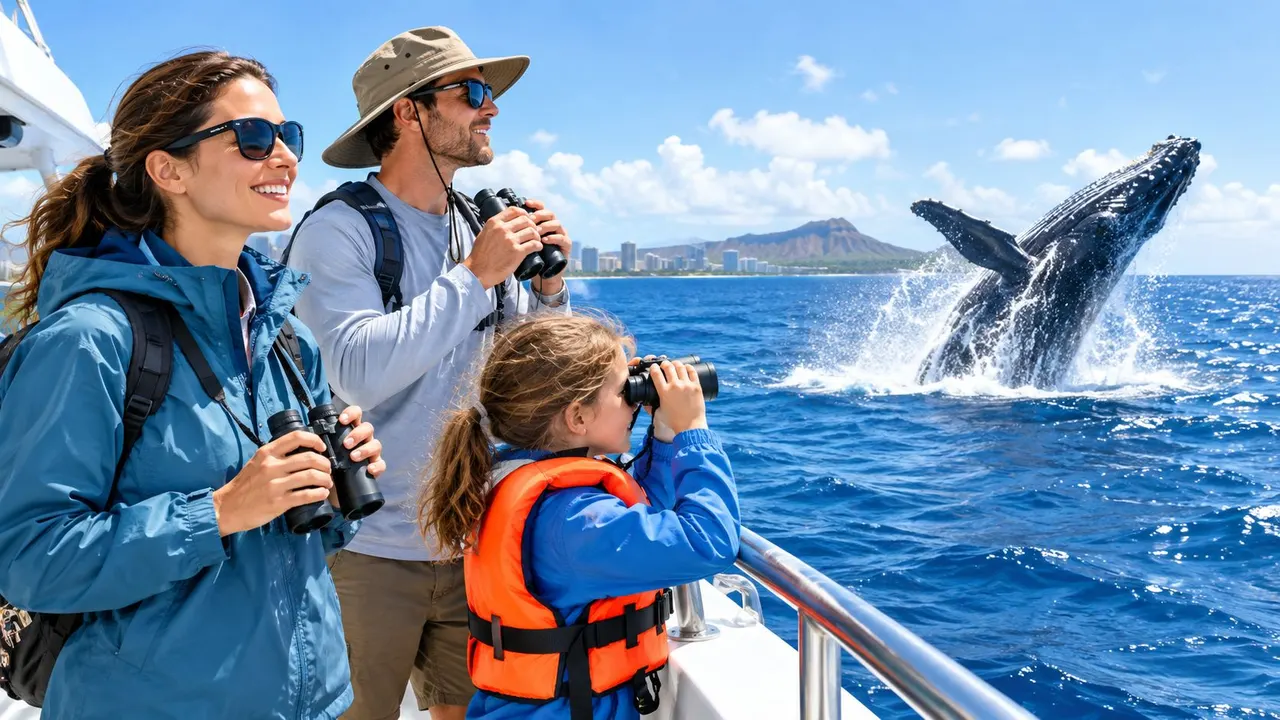
Wear a light, wind-resistant shell over quick-drying layers, then add a secure brimmed hat, polarized sunglasses, and closed-toe shoes with good grip. Bring a waterproof phone pouch and motion-sickness support if you need it, because a Waikiki whale watch can be sunny on shore but windy, splashy, and bumpy offshore.
On a winter outing, you might board at Kewalo Basin Boat Harbor in beach-weather clothing, then feel the wind pick up once the boat reaches open water. Hawaiʻi's humpback season generally runs from November through May, with whale abundance usually peaking in January and February, according to the Hawaiʻi Department of Land and Natural Resources. Dress for the moving boat, not just the harbor: wind, spray, bright reflected sunlight, and a wet deck all affect comfort.
Here are seven practical choices for a Waikiki winter whale watch, from the layer that blocks the wind to small items that protect your camera and help you stay comfortable if the ride feels rough.
1. Lightweight Packable Windbreaker or Rain Jacket
A thin outer shell is the most useful extra layer to bring. Even when the air feels warm before departure, moving across open water exposes you to wind and spray. A wind-resistant, water-resistant jacket cuts that chill without the bulk of a heavy coat, and you can tuck it away when you're sitting in a sheltered spot.
Choose a breathable shell with a hood or a collar that closes comfortably around your neck. Lightweight options such as the Patagonia Torrentshell or Columbia Watertight jacket are practical examples. Wear it over a quick-drying shirt or a light long-sleeve layer, especially on a breezy morning or when you know you feel cold easily.
Practical rule: Bring a shell even if the forecast looks warm. You can take it off, but you can't add the layer you left behind.
A light or neutral color can feel more comfortable under strong sun than a dark jacket. Keep the fit close enough that the fabric won't flap around, but loose enough to layer over a thin top. For more outfit ideas suited to local boat conditions, see this Hawaiʻi whale-watching clothing guide.
2. Reef-Safe Sun Protection with a UPF Rash Guard
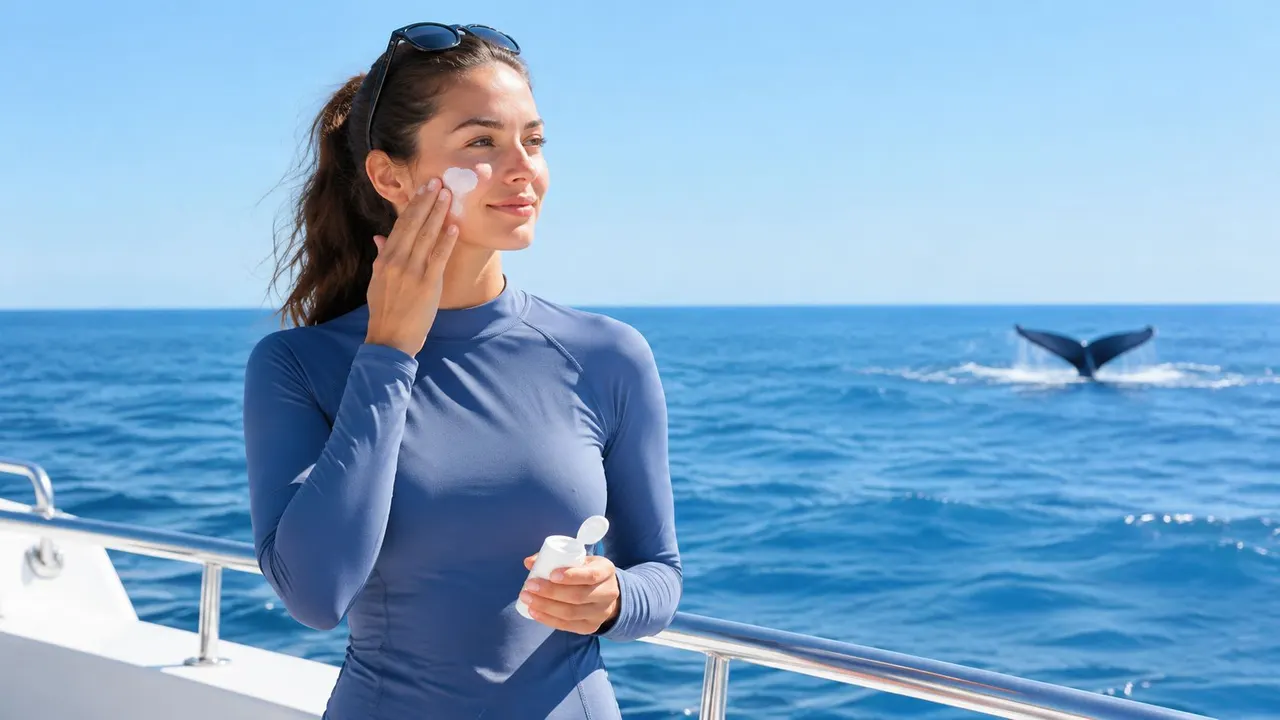
A sunny deck can leave you exposed for much of the trip, and ocean glare makes it easy to underestimate the sun. Wear a long-sleeve UPF rash guard or sun shirt beneath your shell. It provides steady coverage without adding much warmth, and it works well if you remove your jacket when the boat is calmer or the sun feels stronger.
Apply sunscreen to exposed skin before boarding, including your face, ears, neck, and hands. Choose a water-resistant formula and reapply as directed, especially if spray or sweat has worn it off. For a sensitive-skin-friendly mineral option, check the ingredient label for zinc oxide or titanium dioxide.
Hawaiʻi law restricts the sale of sunscreens containing oxybenzone and octinoxate. Before you travel, check the current product label and local guidance rather than assuming every sunscreen marketed as “reef-safe” meets your needs. Find more practical advice in this guide to choosing reef-conscious sunscreen.
A lightweight sun shirt also helps children and older relatives stay covered without relying on frequent sunscreen reapplication alone. Pack a dry top if someone in your group is likely to get damp from spray.
3. Polarized Sunglasses with a Retainer Strap
Glare bouncing off the ocean can make whale-watching tiring for your eyes. Polarized sunglasses reduce reflected glare, making it easier to scan the water for a spout, dorsal fin, or tail. Put them on before the boat leaves the harbor, then keep them on a strap so they're less likely to fall when the boat rocks or you turn to follow a sighting.
Maui Jim and Costa Del Mar are examples of brands that offer polarized styles for outdoor use. The specific brand matters less than a comfortable fit, lenses that block UV, and a retainer that stays attached to the frames. If you wear prescription glasses, consider a secure strap for those too, and bring a backup pair if you rely on them to see clearly.
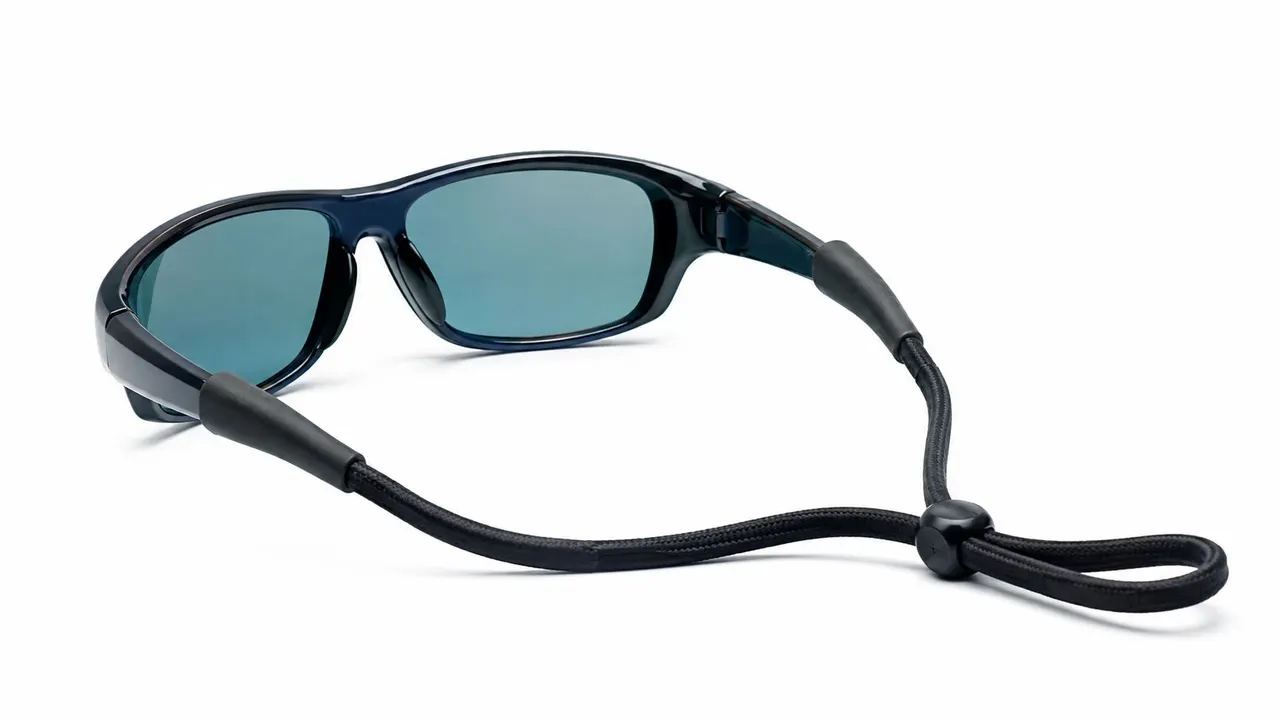
Choose a retainer that won't tangle with your hat or jacket collar. A simple strap is easier to manage than loose glasses in a pocket, especially when you're moving between the deck and a camera. For local wildlife viewing, Oʻahu whale-watching advice can help you plan what to bring and what to expect.
4. Non-Marking, Non-Slip Deck Shoes or Water Shoes
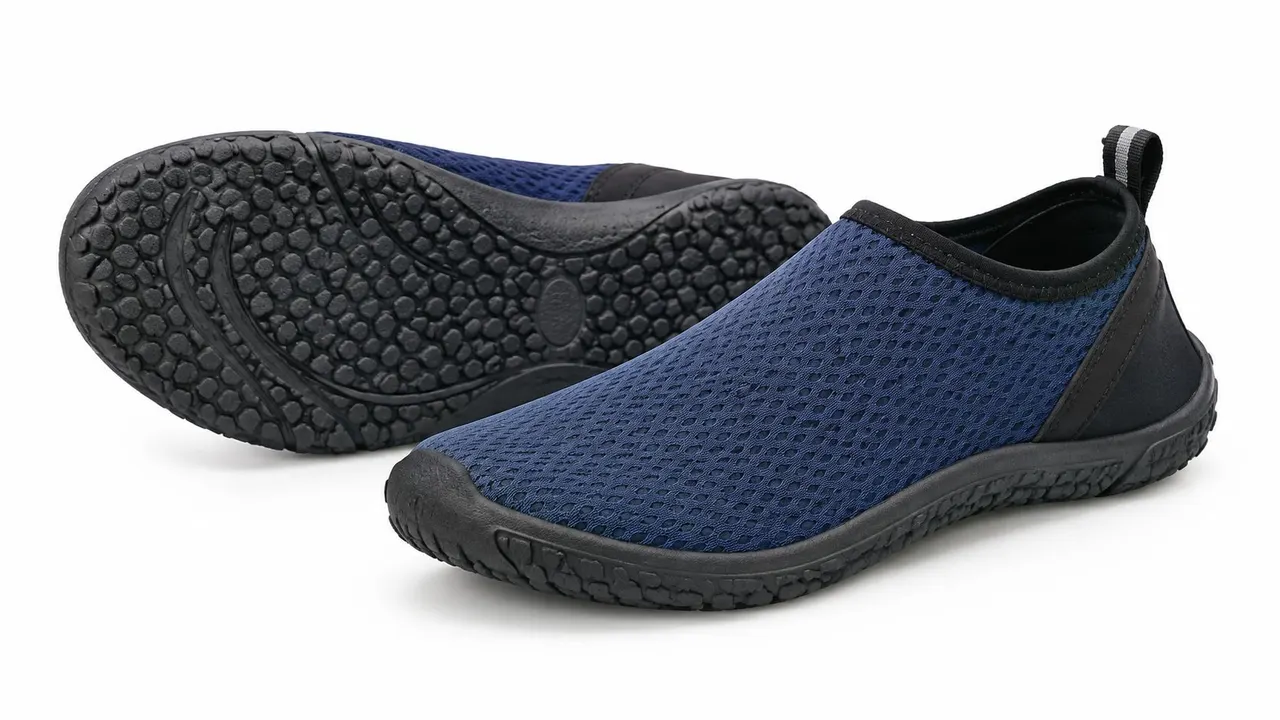
Wear shoes that stay on your feet and grip a damp deck. Spray can leave boat surfaces slick, and a stable sole makes it easier to move safely when the vessel turns or you shift position to watch a whale. Choose closed-toe footwear with tread, such as comfortable sneakers, deck shoes, or water shoes with a secure fit.
Flip-flops are a poor choice for the boat. They can slide around, come off easily, and leave your toes exposed. Avoid smooth-soled fashion shoes too. If you choose a water shoe, make sure it fits snugly and doesn't rub; a pair of socks can help prevent blisters during a longer outing.
Keep your hands free when you're walking on deck. Carry a small bag over your shoulder or wear a secure daypack instead of juggling loose items.
Non-marking soles are considerate on a boat, while good tread matters most for your footing. Wear shoes you can walk in comfortably from the harbor to the vessel, and don't bring a pair you'd worry about getting wet.
5. Compact Binoculars for Spotting Whales
Binoculars can make a distant spout easier to find, especially when several people are scanning different parts of the horizon. Compact models are simpler to hold and stow than large wildlife-viewing binoculars. An 8x or 10x pair is a useful option to consider, but keep in mind that magnification can make it harder to hold the image steady on a moving boat.
Start with a compact pair that feels comfortable in your hands. Nikon Aculon and Vortex Diamondback models are examples of binocular lines to compare. Use the neck strap or wrist loop, and put the binoculars away between sightings to keep spray off the lenses.
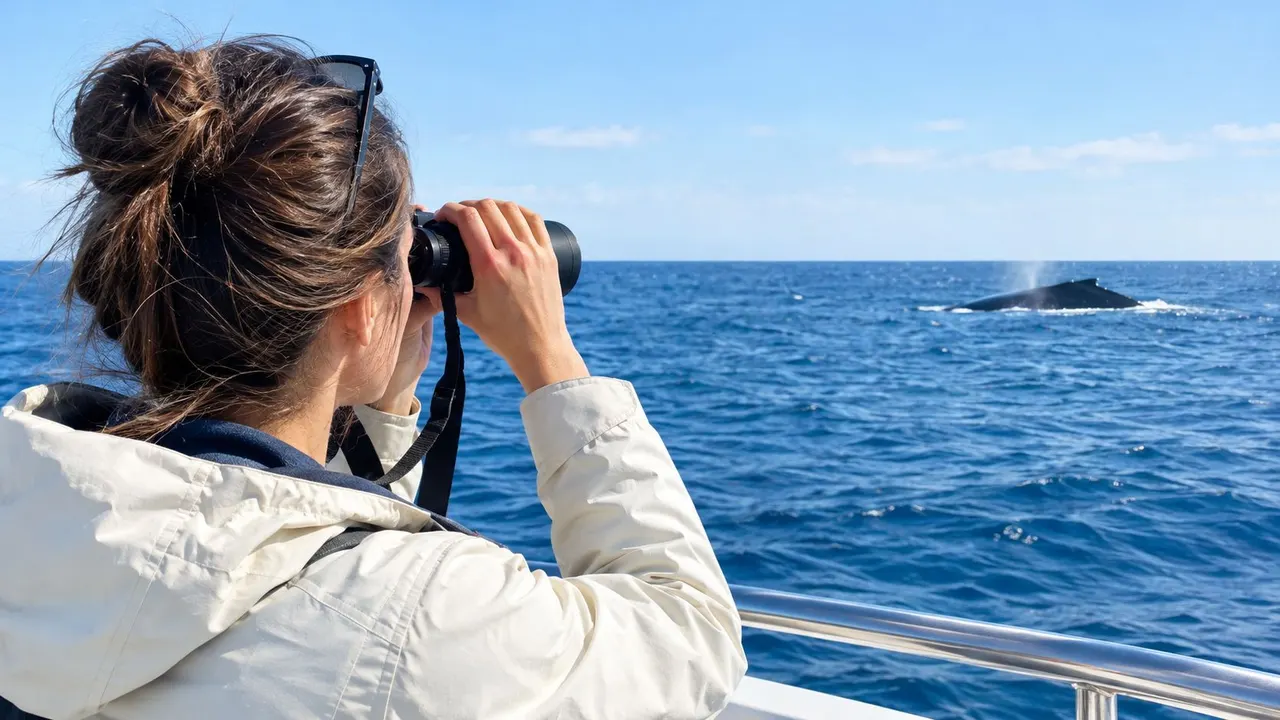
A zip bag or protective case helps keep salt and moisture away. Bring a lens cloth so you can clear fingerprints without rubbing grit across the glass, and let children or other passengers take turns rather than passing the binoculars around while the boat is moving.
Binoculars are optional, not a substitute for watching with your own eyes. Keep them accessible, but don't spend the whole trip looking through a lens. The Waikiki whale-watch tour is one option for visitors planning a seasonal outing from Honolulu.
6. Waterproof Phone Pouch or Dry Bag
A whale can surface just as spray reaches the deck, so protect your phone before you take it out to film. A clear waterproof phone pouch with a lanyard keeps the screen accessible while adding a barrier against splashes. If you're carrying a camera, wallet, medication, or a spare layer, put those items in a small dry bag.
Test the pouch at home before your trip. Place a tissue inside, seal it, and check for leaks according to the manufacturer's directions. Once aboard, keep the pouch fastened when you're not using your phone, and avoid leaning over the rail to frame a shot.
Camera tip: Take a few short videos or bursts when a whale surfaces, then put your phone away and watch the water directly.
A compact power bank can help if your phone battery tends to run low, but store it inside the dry bag and secure the bag so it won't slide across the deck. Don't let photography distract you from your footing or other passengers around you. A waterproof pouch also keeps your phone easier to reach than a loose device at the bottom of a tote.
7. Motion Sickness Remedies and a Secure Sun Hat
A boat can feel steady at the harbor and noticeably different once it reaches open water. If you're prone to motion sickness, plan ahead: follow the label instructions for any medicine you use, or consider a non-medication option such as wrist acupressure bands. Ask a pharmacist or clinician about medication if you're unsure whether it's suitable for you.
Choose a brimmed hat with a chin cord or retention strap. Wind can lift a loose cap, and a secure brim keeps the sun off your face and neck while you scan the water. A lightweight sport hat is easier to manage than a floppy style that blocks someone else's view or catches the wind.
For comfort, eat a light meal before departure, avoid heavy food or alcohol, and look toward the horizon if you start to feel queasy. Sitting or standing near the center of the boat may feel steadier than the bow, though follow crew directions about where to go and when to move.
Living Ocean Tours, the top rated and most reviewed snorkel company on Oahu, offers a Waikiki whale-watch tour departing from Kewalo Basin Boat Harbor during the winter season. Check its Honolulu snorkeling and ocean-trip information when planning your outing.
Whale Watch Essentials: 7-Item Comparison Guide
| Item | 🔄 Preparation / Complexity | Resource Requirements | 📊 Expected Outcome | ⭐ Ideal Use / Key Advantage |
|---|---|---|---|---|
| Packable Windbreaker or Rain Jacket | Low; pack and layer as needed | Lightweight shell; optional long-sleeve layer | Reduces wind chill and protects from light spray | Open-water travel; adds warmth without much bulk ⚡ |
| UPF Rash Guard and Reef-Safe Sun Protection | Moderate; apply sunscreen before boarding and reapply as needed | UPF clothing and mineral sunscreen | Helps limit UV exposure while reducing sunscreen use | Sunny trips and possible swim stops; supports reef-conscious protection 💡 |
| Polarized Sunglasses with Retainer Strap | Low; attach strap before boarding | Polarized, UV-protective sunglasses and strap | Cuts water glare and helps spot wildlife | Bright conditions; improves visibility and helps prevent loss ⭐ |
| Non-Slip Deck Shoes or Water Shoes | Low; wear secure, grippy footwear | Non-marking shoes with tread | Improves footing and protects feet on wet decks | Boarding and moving around the boat; safer than flip-flops ⚡ |
| Compact Binoculars | Low; carry in a case or secure with a strap | Compact, preferably waterproof 8x–10x binoculars | Makes distant whales and other wildlife easier to see | Wildlife spotting; useful at a distance 📊 |
| Waterproof Phone Pouch or Dry Bag | Low; test the seal before departure | Sealed pouch or roll-top bag; optional lanyard | Helps protect electronics and valuables from water | Taking photos or carrying items near spray; simple protection ⭐ |
| Motion Sickness Remedies and Secure Sun Hat | Moderate; follow medicine labels and take preventive steps before boarding | Optional remedy and a chin-cord or strap-secured hat | May reduce seasickness and protect from sun and wind | Open-ocean trips; supports comfort and keeps a hat secure 💡 |
Pack for Wind, Sun, Spray, and Whale-Watching Comfort
Before you leave for Kewalo Basin Boat Harbor, check that your outfit covers both the bright, warm conditions around Waikiki and the wind and spray you may meet offshore. Wear a quick-drying base layer, a UPF top, a packable shell, a secure hat, polarized glasses, and closed-toe shoes with dependable grip. That combination gives you room to adjust without carrying a bulky coat or relying on beachwear that becomes uncomfortable when damp.
Pack reef-conscious sunscreen, a waterproof phone pouch, compact binoculars, and a dry bag for anything you want to keep protected. If motion sickness is a concern, bring the support you normally use and follow its directions. Families should add a spare dry layer for children and anyone who gets cold easily, so a splash or a breezy stretch doesn't end the trip early.
Check the operator's departure details and seasonal availability before setting out. Hawaiʻi's humpback season is seasonal, and conditions can change between the harbor and open water. Living Ocean Tours, the top rated and most reviewed snorkel company on Oahu, provides a Waikiki whale-watch tour page with trip information.
Visit Living Ocean Tours to explore its seasonal Waikiki whale-watching trips departing from Kewalo Basin Boat Harbor. Check the departure details before you go, then dress for sun, wind, and spray so you can focus on watching for humpbacks.


