
Snorkeling Honolulu: Motion Sickness Tips Before a Reef Tour
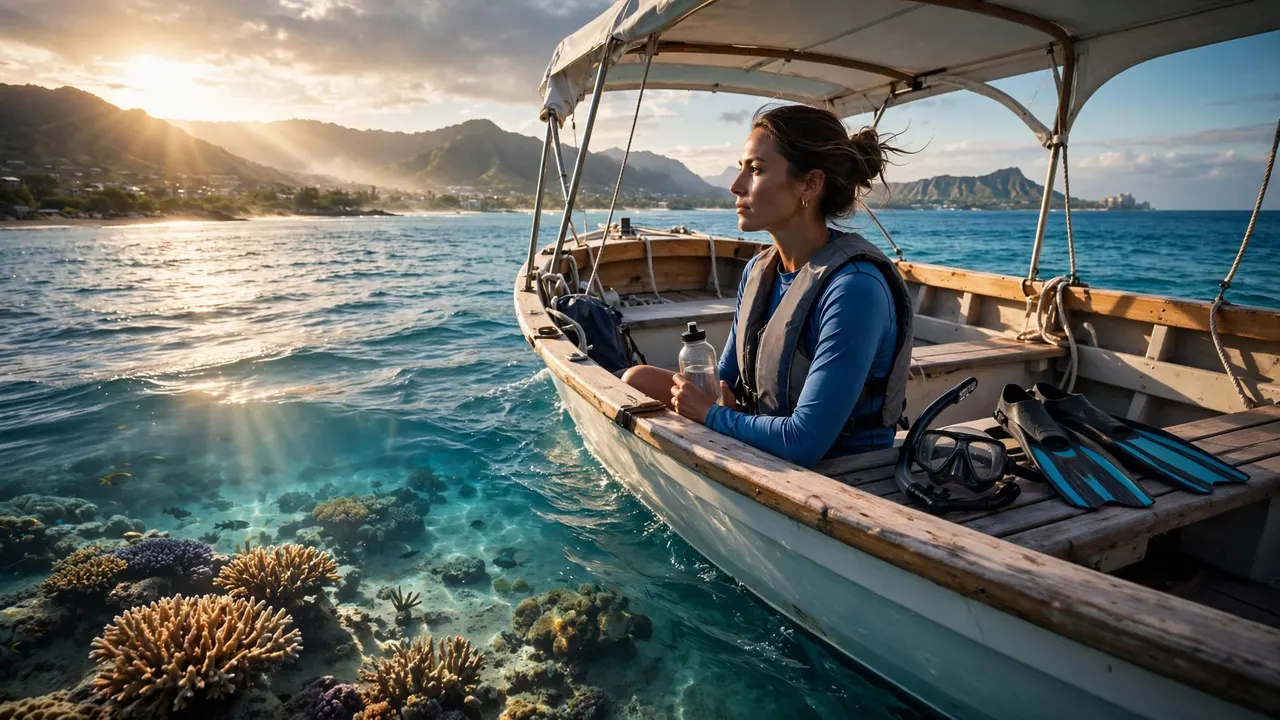
A reef tour should leave you thinking about turtles, tropical fish, and clear Pacific water, not counting the minutes until the boat returns. A little preparation can make a major difference if you tend to feel queasy on the water.
For visitors snorkeling in Honolulu, the most effective approach starts before check-in: eat lightly, hydrate, choose the right seat, and act early if your stomach feels off. With a comfortable plan, you can give more attention to the reef and less to the boat’s movement.
Start With a Comfortable Guided Reef Tour

Living Ocean Tours departs from Kewalo Basin Boat Harbor, a short ride from Waikiki, for guided reef outings designed for beginners, families, confident swimmers, and couples. The company says it is the only Oahu operator with professional snorkel guides, so you have direct support with mask fit, fins, flotation, water entry, and reef etiquette.
The crew can also help you find a more comfortable spot if motion starts to bother you. That support matters because ocean conditions can change quickly, even on a sunny Honolulu morning.
A steadier boat ride helps, but never removes all motion
Wind, swell direction, vessel speed, and wakes from other boats all affect how a ride feels. Your own sensitivity also matters. A stabilization system can reduce rolling motion, but no boat can promise a motion-free trip on the Pacific.
Living Ocean Tours uses Coast Guard-inspected double-decker vessels with shaded seating, restrooms, dry storage, and sturdy ladders. On the Lokahi, a SeaKeeper system is designed to reduce boat roll. That may make the ride more comfortable if you are prone to seasickness.
Pick an outing that fits your pace
A shorter turtle-focused trip can suit you if seeing Hawaiian green sea turtles is your priority. A longer cruise may work better when your group wants time to snorkel, relax aboard, and play in the water.
The right choice is the one that gives you room to slow down. You don’t need to spend every minute in the water to have a memorable reef day.
Why Snorkeling Honolulu Can Trigger Motion Sickness
Motion sickness begins when your eyes, inner ear, and body sense movement differently. Below deck, looking at a phone or bag can make that mismatch worse. Outside, your eyes can follow the horizon while your body adjusts to the boat’s rhythm.
The bow offers views, but often more movement
The front of a boat can rise and fall more sharply in chop. It may be a great place for photos when conditions are calm, but it is rarely the best first choice if you are concerned about nausea.
Instead, ask the crew whether you can sit near the middle of the boat. That area often experiences less motion than the bow or stern. Stay seated when the crew asks, especially during turns or when crossing another vessel’s wake.
Your comfort matters more than the perfect photo
Trying to push through dizziness can turn mild discomfort into a miserable ride. Tell a crew member as soon as you feel warm, tired, uneasy, or nauseated.
Moving to a better seat before symptoms build can help you enjoy the rest of the cruise.
For snorkeling Honolulu guests, a few minutes in shade with water and a horizon view may be more useful than forcing yourself to stay on the upper deck.
Prepare the Night Before and Morning of Your Tour
The choices you make before departure often matter more than anything you do once nausea begins. Get enough sleep, drink water throughout the day, and avoid arriving at the harbor exhausted from a long beach day.
Eat light, hydrate well, and skip alcohol
Have a familiar, light meal one or two hours before check-in. Toast, fruit, oatmeal, eggs, or a simple sandwich are sensible options. A heavy, greasy breakfast can feel rough once the boat begins moving.
An empty stomach can also make nausea worse. Drink water before you feel thirsty, especially after walking around Waikiki or spending time in the sun. Skip alcohol before a reef tour, since it can increase dehydration and leave you feeling worse on the water.
Plan medication well before boarding
If you use motion-sickness medicine, speak with your doctor or pharmacist before your vacation. The CDC’s motion-sickness guidance advises taking preventive medication before exposure, not after symptoms become severe.
Common options include meclizine, dimenhydrinate, and prescription scopolamine. These medications can cause drowsiness and may not be right for every traveler. Scopolamine needs extra caution if you have glaucoma or urinary-retention concerns.
Don’t try an unfamiliar medication for the first time on tour day. If you are traveling with a child, confirm age-appropriate options and doses with a clinician or pharmacist.
Choose Your Seat and Keep Your Eyes Outside
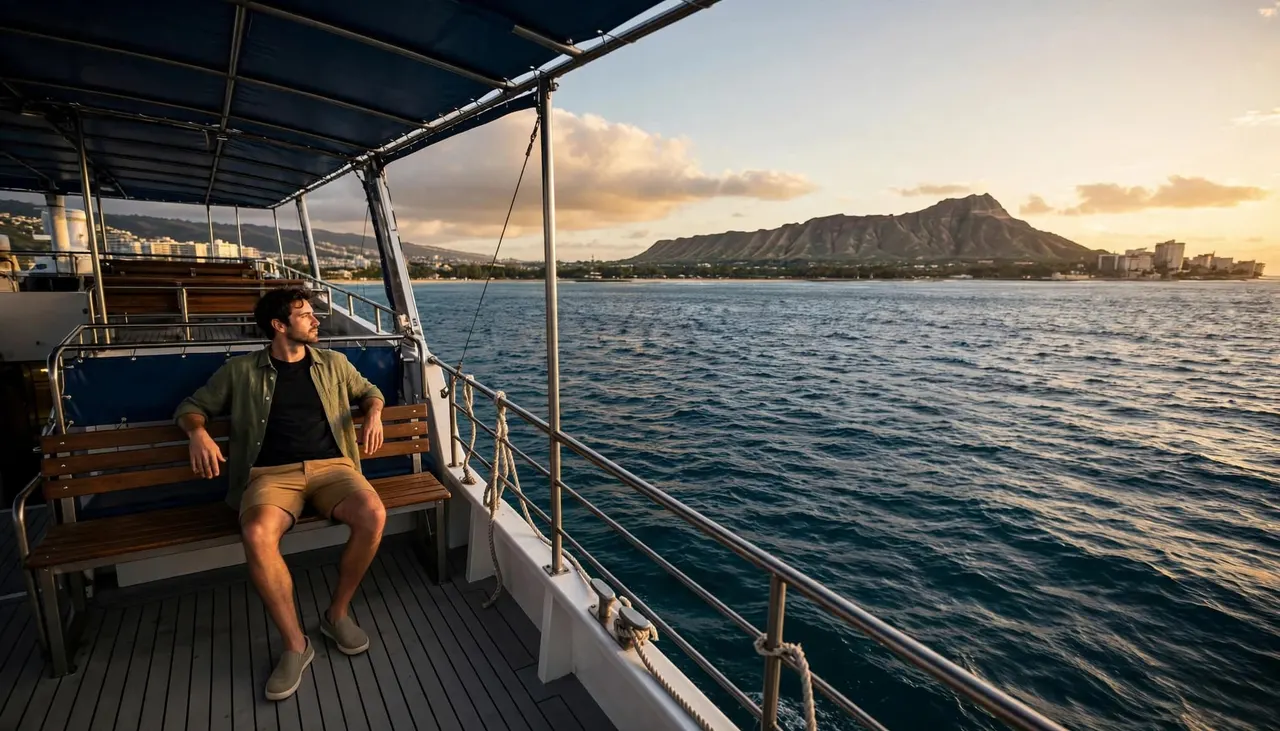
Where you sit can change how you feel within minutes. Board early enough to store your belongings without rushing, then choose a spot where you can see outside and get fresh air.
Sit toward the center when possible
The boat’s middle often moves less than the front and rear. A shaded lower-deck seat may also help you cool down, sip water, and settle your stomach.
The Mayo Clinic’s motion-sickness advice also recommends choosing a less-moving location and looking toward the horizon. Ask the crew for their current recommendation because wind and swell can change the best seating choice.
Put the phone away during the crossing
Reading, scrolling, editing photos, and watching videos can make symptoms worse because your eyes focus on something close while your body feels the boat move. Save the photo review for shore.
Face outward, find a fixed point on the horizon, and take slow breaths. Fresh air can help too, so move to an open area only when the crew says it is safe. Hold railings on stairs and wait for a stable moment before changing decks.
Make the Snorkel Stop Easier on Your Body
Motion sickness and snorkel anxiety can feed each other. A foggy mask, tight fins, or rushed entry can make you tense before you even see the reef. Give yourself time to get comfortable.
Speak up about gear before entering the water
Tell a guide if your mask leaks, pinches, fogs badly, or feels unsettling. A small adjustment can keep a minor gear problem from taking over your outing. Your fins should feel secure without squeezing your feet.
Professional snorkel guides can help you test your mask, choose flotation support, and review the water-entry plan. Start close to the boat, practice relaxed breathing, and remain in visual contact with your snorkeling partner.
Float calmly and protect the reef
You will often see more when you slow down. Keep your body horizontal, use easy fin strokes, and avoid standing on coral. If you feel tired, anxious, or dizzy, return to the boat early.
Respectful wildlife viewing is part of a better snorkeling Honolulu experience. Watch sea turtles from a distance, never touch them, and don’t block their path to the surface. The reef is their home, not a photo set.
Choose the Right Living Ocean Tours Option
The Turtle Canyon snorkel excursion is a strong fit if your group wants guided time at Waikiki’s famous turtle habitat. Living Ocean Tours reports a 95% turtle-sighting history there, but wildlife always follows its own schedule.
Choose Turtle Canyons for a focused reef experience
This outing is ideal when you want to keep the day simple: board, cruise the Waikiki coastline, receive guidance, and snorkel near a natural turtle cleaning station. Let the crew know before departure if you are prone to motion sickness or new to mask breathing.
Guides can help you settle in before you enter the water, which leaves you free to focus on turtles, reef fish, and the underwater scenery.
Choose the Deluxe cruise for more flexibility
The Deluxe Waikiki snorkeling cruise visits Rainbow Reef and gives you about 90 minutes for snorkeling. It also includes a waterslide, water trampoline, and floating lily pad, so family members can enjoy the ocean at their own pace.
The Lokahi’s SeaKeeper stabilization system can reduce boat roll, which may be helpful if movement worries you. Still, eat lightly, sit near the center, and follow the crew’s seating advice.
Key Takeaways Before You Leave the Harbor
- Eat a light meal, hydrate, and avoid alcohol before your reef tour.
- Take doctor-approved motion-sickness medication early enough for it to work.
- Sit near the boat’s center, look at the horizon, and avoid phone screens.
- Tell the crew at the first sign of nausea, dizziness, or anxiety.
- Check your mask and fins before entering the water, then snorkel at a pace that feels good.
Frequently Asked Questions
Should you take motion-sickness medicine before a Honolulu reef tour?
If you are prone to motion sickness, talk with a doctor or pharmacist before your trip. Preventive medicines work best before boat motion begins, and some can cause drowsiness. Follow the product instructions and medical advice that apply to you.
What should you do if you feel sick during snorkeling Honolulu tours?
Tell a crew member right away. Sit near the center of the boat if possible, look at the horizon, get fresh air, sip water, and stop using your phone. If you feel unwell in the water, return to the boat and rest rather than pushing through discomfort.
A Comfortable Ride Leaves More Room for the Reef
The Pacific sets the pace, but you can stack the odds in your favor. A light meal, water, fresh air, a center seat, and early communication with the crew can keep motion sickness from taking over your day.
For snorkeling Honolulu, the best plan is simple: prepare before boarding, listen to your body, and let your comfort guide the experience. A relaxed float above the reef will always show you more than a rushed swim.


