
Whale Watching Oahu: How to Use Binoculars on Open Water
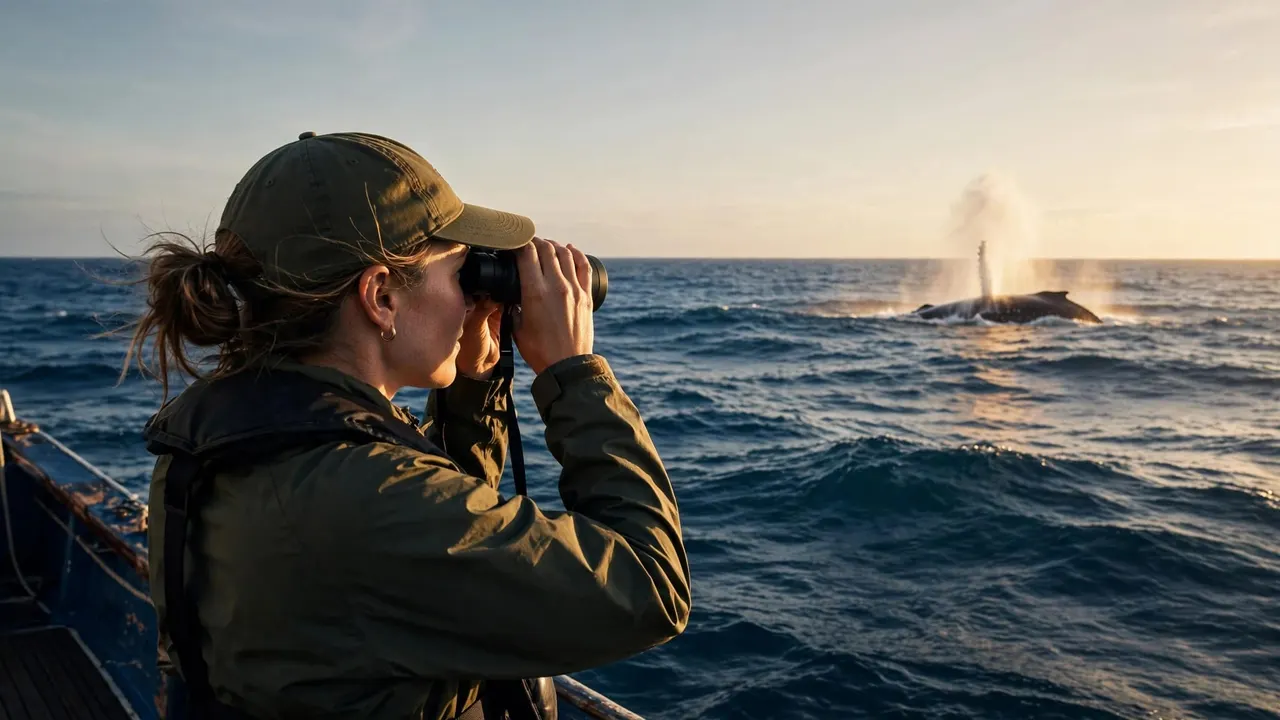
A humpback’s blow can appear above the horizon for only a few seconds, then disappear behind a swell. During a whale-watching outing on Oahu, binoculars help you catch those brief signs without turning a peaceful ocean outing into a frantic search.
You don’t need marine-science training or complicated gear. You need a stable viewing spot, a slow scanning routine, and patience with the quiet stretches between sightings.
Whale Watching Oahu Starts With Patient Scanning
Living Ocean Tours offers seasonal cruises from Kewalo Basin Boat Harbor, minutes from Waikiki. As Oahu’s top-rated and most-reviewed whale watching tour company, it gives you open Pacific views while the captain and crew search responsibly for humpbacks.
The company is also the only Oahu tour company with professional snorkel guides. That water-safety background carries into its wildlife cruises, where clear direction and respect for marine life matter as much as a great view. You can browse Oahu whale watching and snorkeling tours when planning more time on the water.
Let the crew handle the boat position
A whale can change direction, dive, or surface far from the place where you last saw it. Your captain watches conditions and positions the vessel responsibly, so avoid rushing from rail to rail whenever someone points.
Instead, claim a clear sightline and stay alert. The crew may notice a distant puff of mist, unusual whitewater, or a fluke before you do. When they call out a direction, turn your body first, find the area with your unaided eyes, and then lift your binoculars.
Give the ocean time to reveal itself
You may see a breach, a tail slap, a mother and calf, or only distant blows. Each sighting is a wild animal moving on its own schedule, not a performance designed for the boat.
A calm stretch doesn’t mean nothing is happening. Humpbacks travel, rest, socialize, nurse calves, and move between islands throughout Hawaii’s winter season. Staying present during the quieter parts makes the sudden moments more rewarding.
Choose Binoculars That Work on a Moving Boat
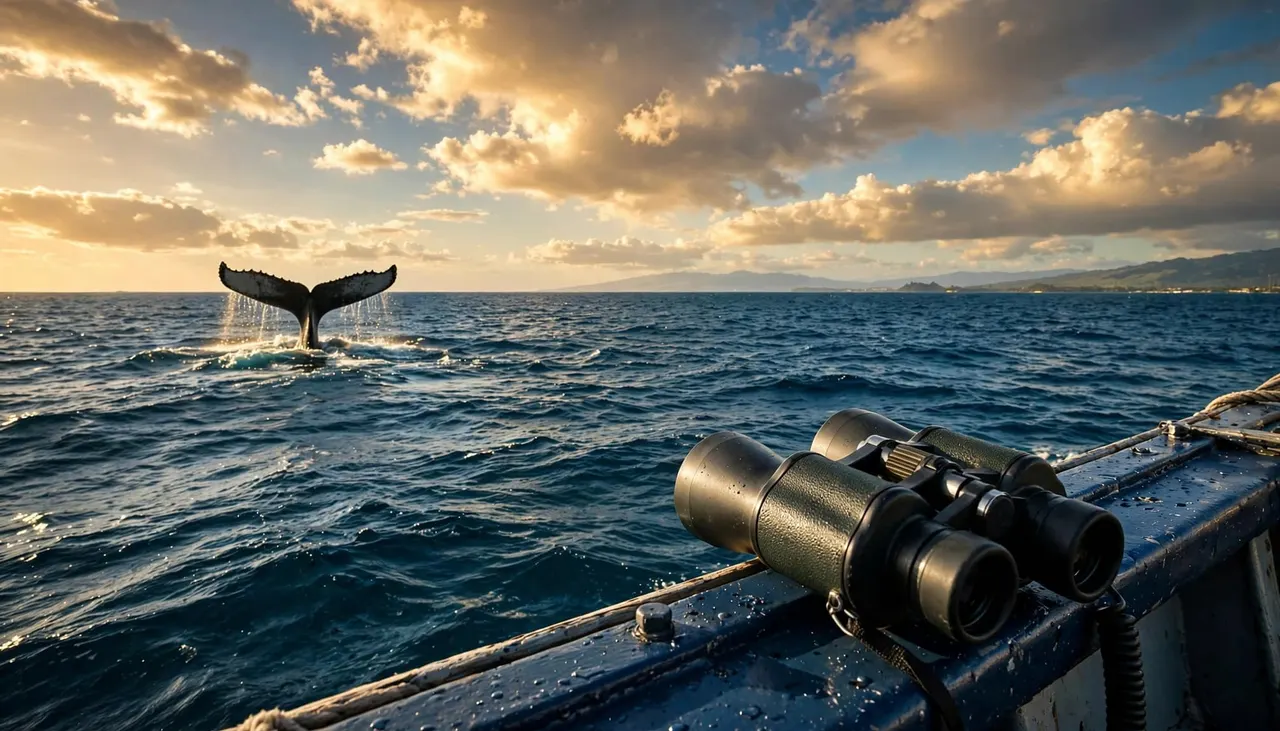
Binoculars should make the horizon easier to read, not make you feel unsteady. On a moving vessel, simple handling matters more than trying to magnify every ripple in the distance.
Hold them steady without bracing on the rail
Keep both elbows tucked close to your body. Plant your feet shoulder-width apart, soften your knees, and let the boat’s motion pass through your stance. Holding binoculars with two hands gives you more control when the deck shifts.
Avoid pressing them against a wet rail or leaning far over the side. Besides being unsafe, that posture makes your view bounce more. A stable body position gives you a clearer image and lets you lower the binoculars quickly when the whale surfaces closer.
Adjust before the action begins
Set the focus while you are looking at the distant coastline, clouds, or a fixed point on the horizon. Then, when the crew spots activity, you can raise the binoculars without fumbling with adjustments.
If you wear glasses, test your viewing position before departure. Also, keep the binoculars on a secure strap or safely stored between sightings. A loose pair can slide across a wet deck when the boat changes course.
On open water, finding the whale with your eyes first is faster than searching through binoculars at random.
Scan the Water Without Missing the First Sign
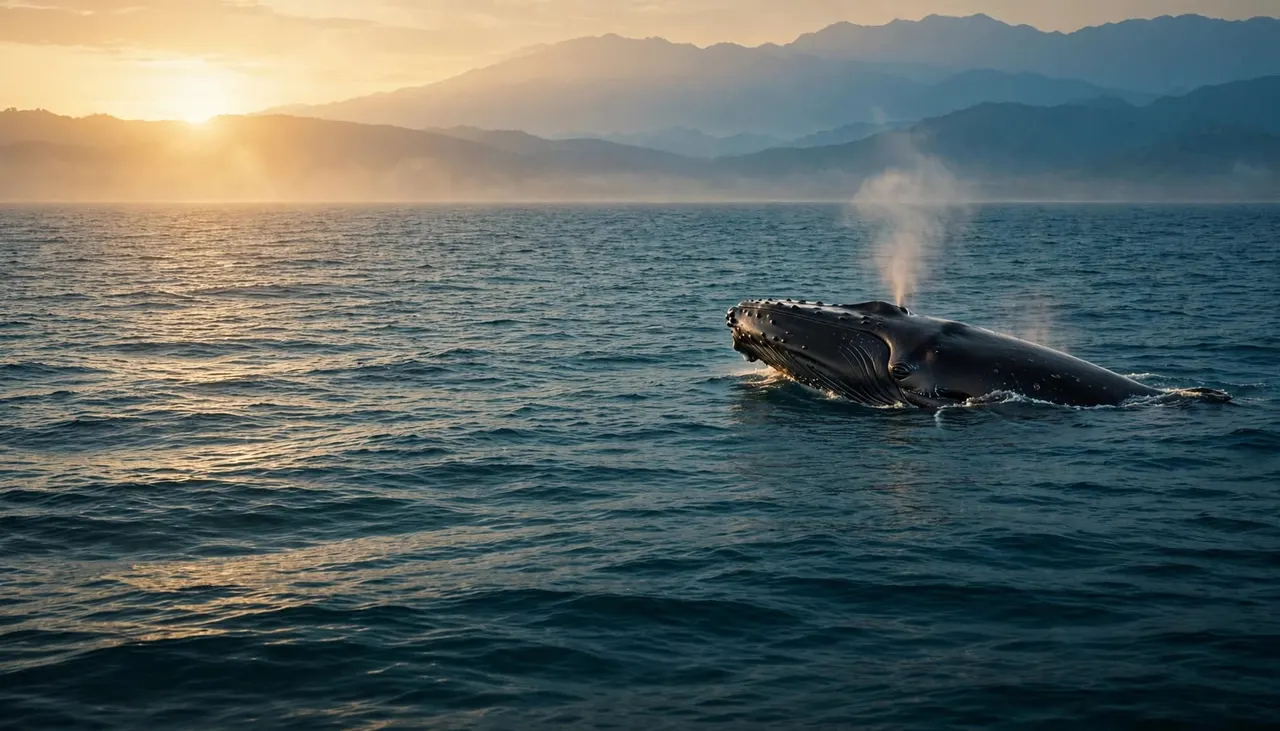
The Pacific can appear empty for long periods, then change in seconds. A methodical scan keeps you engaged and helps you notice the small clues that appear before a dramatic surface display.
Start wide, then narrow your view
Use your naked eye to scan a broad section of horizon from left to right. Move slowly enough to notice a brief puff of mist, a dark curved back, or a flash of whitewater.
Once you see something possible, hold your gaze on that area for several seconds. Next, lift your binoculars and search the surrounding water, not only the exact spot where the sign appeared. A humpback may surface again nearby, yet it won’t always follow the same line.
Learn the sequence of a surfacing whale
A blow often looks like a short cloud of mist above the water. Afterward, you might spot a smooth back, a small dorsal fin, or a fluke lifting before a deeper dive.
Sunlight can make spray easier to see on bright mornings. However, glare can also disguise it, so sunglasses and a clear horizon help. Don’t assume every whitecap is a whale. Look for a pattern of events before calling attention to a sighting.
Share useful directions with other guests
If you spot a whale, point with your whole arm and use landmarks when possible. Say “off the bow,” “past Diamond Head,” or “near that low cloud,” rather than shouting only “over there.”
Then give people room. A crowded rail makes it harder for families, children, and guests with limited mobility to enjoy the encounter safely. One good sightline is better than a rush of people shifting across the deck.
Time Your Oahu Whale-Watching Trip Well
Humpbacks are generally seen in Hawaii from November through April, while January through March is the peak season, according to NOAA’s humpback whale season guidance. For whale watching Oahu, those peak months give you the strongest planning window.
January through March brings the busiest season
Living Ocean Tours runs its seasonal humpback cruises during this prime period. You may see whales traveling, surfacing with calves, or showing active behavior such as a breach or tail slap.
Still, timing improves opportunity, not certainty. Weather, visibility, sea conditions, and whale movement affect every outing. A responsible crew can search appropriate waters, but it can’t schedule a whale’s behavior.
Plan for wind, sun, and open water
Bring reef-safe sunscreen, sunglasses with a secure strap, and a light layer for wind on the ride out. Keep your phone or camera attached to a strap when you move around the deck.
If motion sickness affects you, eat lightly before departure and ask a pharmacist or doctor about appropriate remedies ahead of time. Fresh air, a seat with a horizon view, and early communication with the crew can also make the trip more comfortable.
Keep Your Whale Encounter Respectful
Humpbacks are protected wildlife, and a close pass is not the goal. Federal rules require vessels in Hawaiian waters to remain at least 100 yards from humpback whales.
The Hawaiian Islands Humpback Whale National Marine Sanctuary works to protect these whales and their habitat through education, research, and resource protection. Your choices aboard matter, especially when you see a mother and calf.
Let whales choose the distance
Your captain may slow down, change course, or hold position when whales surface nearby. Follow those directions, keep walkways clear, and avoid leaning over the rail for a close photo.
That space allows humpbacks to travel, rest, socialize, and care for calves without pressure from boats. It also gives you a more honest view of natural behavior instead of an animal reacting to unwanted attention.
Keep the experience out of the water
Never swim toward, touch, feed, chase, or attempt to interact with a humpback. Don’t call out to whales, splash toward them, or fly a drone near them.
Use binoculars and cameras as observation tools, then lower them for a few minutes and watch the water with your own eyes. A distant exhale or gentle fluke lift can become the moment you remember most.
Make the Most of Your Time on Deck
Whale watching Oahu feels better when you choose comfort over constant movement. A secure, relaxed position lets you scan longer and notice more.
Pick a clean sightline
Look for an open section of rail with a clear horizon. Standing near the boat’s wake can distract you, so turn your attention toward calm water beyond it.
If the boat has shaded seating and open deck areas, alternate between them as needed. Protect yourself from the sun, drink water, and return to the rail when the crew announces activity.
Keep cameras secondary to the encounter
Set your camera or phone before the trip begins. A fast shutter setting and a secure strap can help, but don’t spend the entire cruise looking at a screen.
A whale can breach when your camera is down, and that is okay. You will enjoy wildlife more when you allow some moments to happen without trying to capture every second.
You can also CHECK AVAILABILITY for a seasonal Waikiki whale watch.
Key Takeaways for Whale Watching Oahu
- Find the area with your eyes first, then use binoculars to follow a blow, back, dorsal fin, or fluke.
- Scan in slow sections across the horizon instead of staring at one spot.
- January through March is the strongest window for whale watching Oahu, although sightings and behavior are never guaranteed.
- Stay at least 100 yards from humpbacks and let the captain control the vessel’s position.
- A patient, comfortable stance helps you enjoy the long views as much as the brief surface moments.
Frequently Asked Questions
Can a whale-watching trip guarantee a humpback sighting?
No. Even during peak season, wild humpbacks don’t follow a route or surface schedule for boats. Weather, visibility, swell, and the whales’ daily movements affect every trip.
A skilled crew improves your opportunity by searching carefully and watching the horizon. However, wildlife always controls the encounter.
Can you swim with humpback whales in Hawaii?
No. You should never swim toward, touch, feed, chase, or try to interact with a humpback whale. This is especially important when a calf is present.
A whale watch is for observing from a responsible distance. Save your water time for approved snorkeling locations and let whales move freely through their habitat.
Are breaches more likely than quiet sightings?
Neither is guaranteed. You may see a breach, flipper wave, tail slap, or spyhop. You may also watch a whale surface calmly, roll its back through the water, and dive without dramatic action.
Quiet behavior is still meaningful. A distant blow followed by a fluke can show you just as much about a wild animal’s presence in Hawaii’s winter waters.
A Better View Comes With Patience
The most memorable whale watching Oahu moments often begin with a small sign, a faint blow, a dark shape, or a brief lift of a tail. Binoculars help you follow that story across open water, but your patience makes the difference.
Keep your stance steady, scan slowly, and let humpbacks choose their path. Respectful distance gives you a clearer view of the whales’ natural world.


